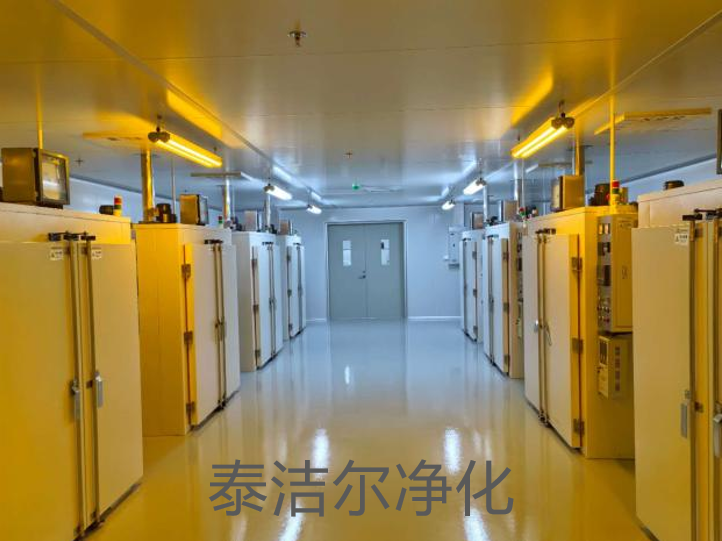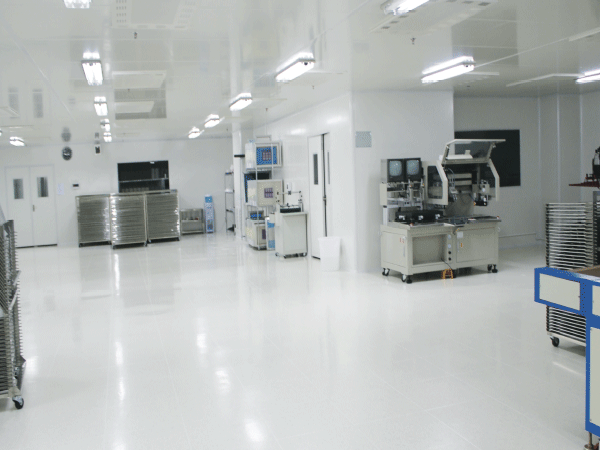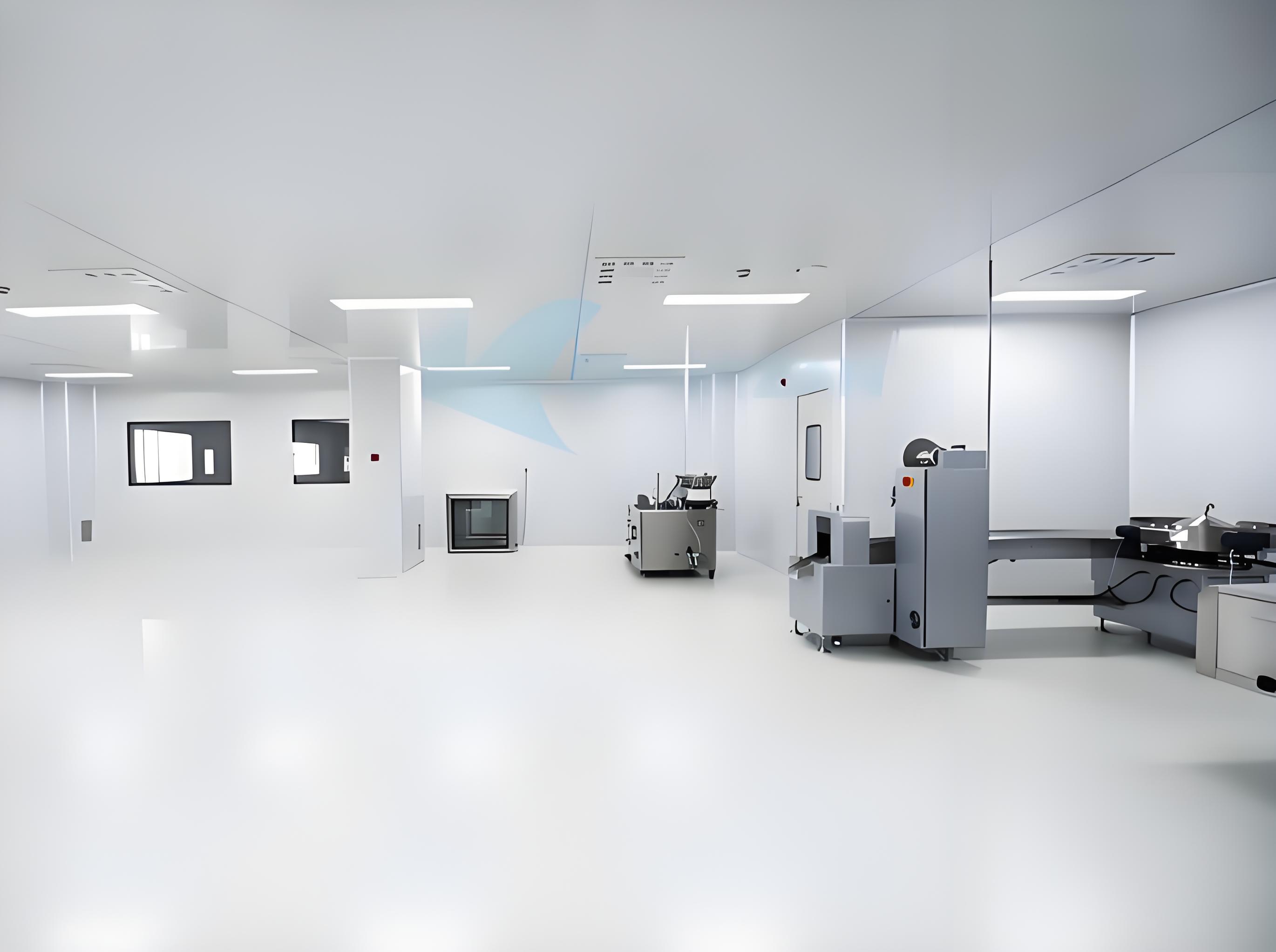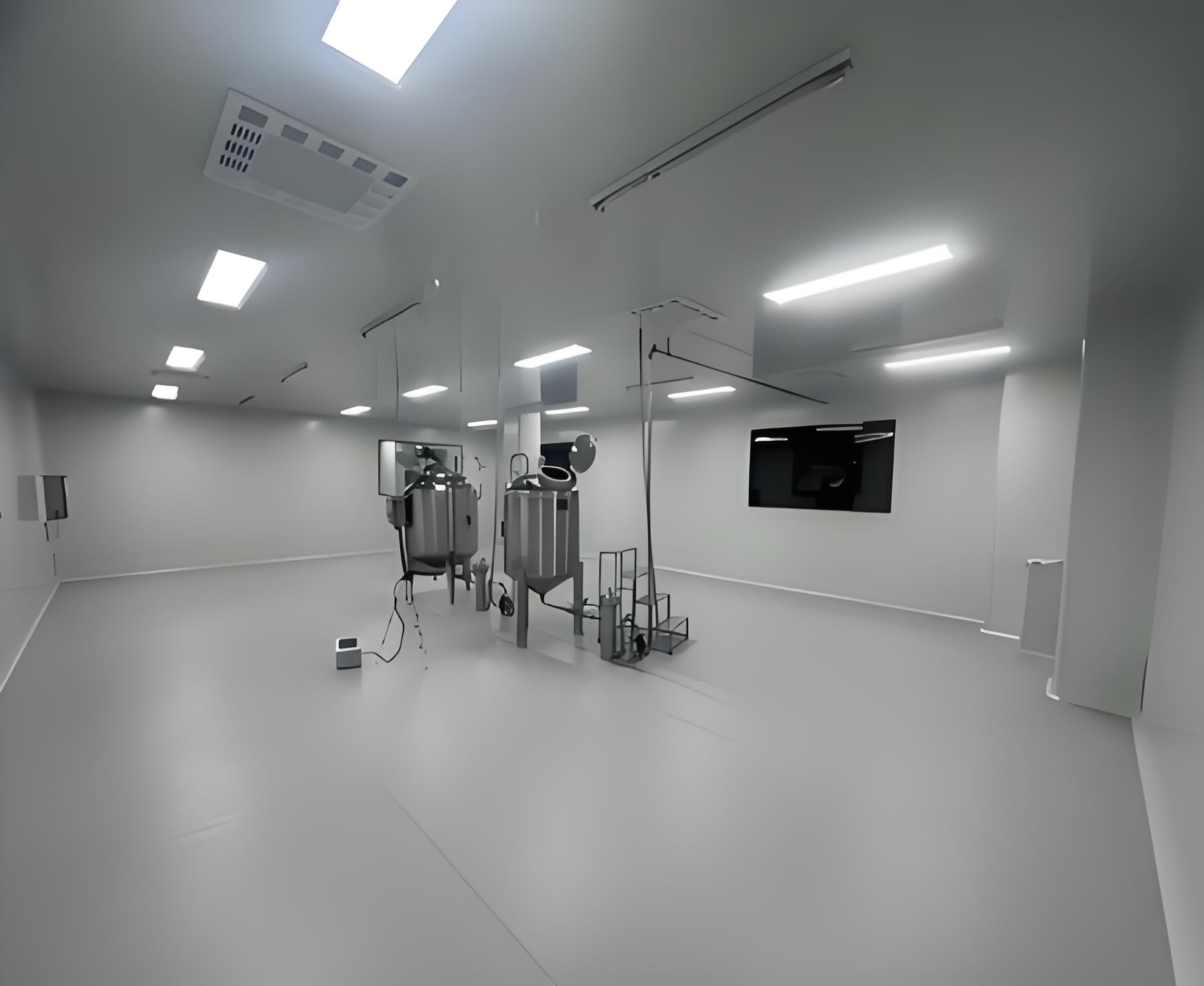
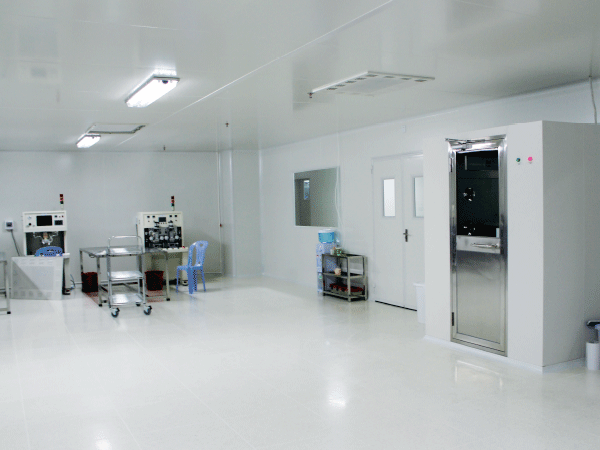

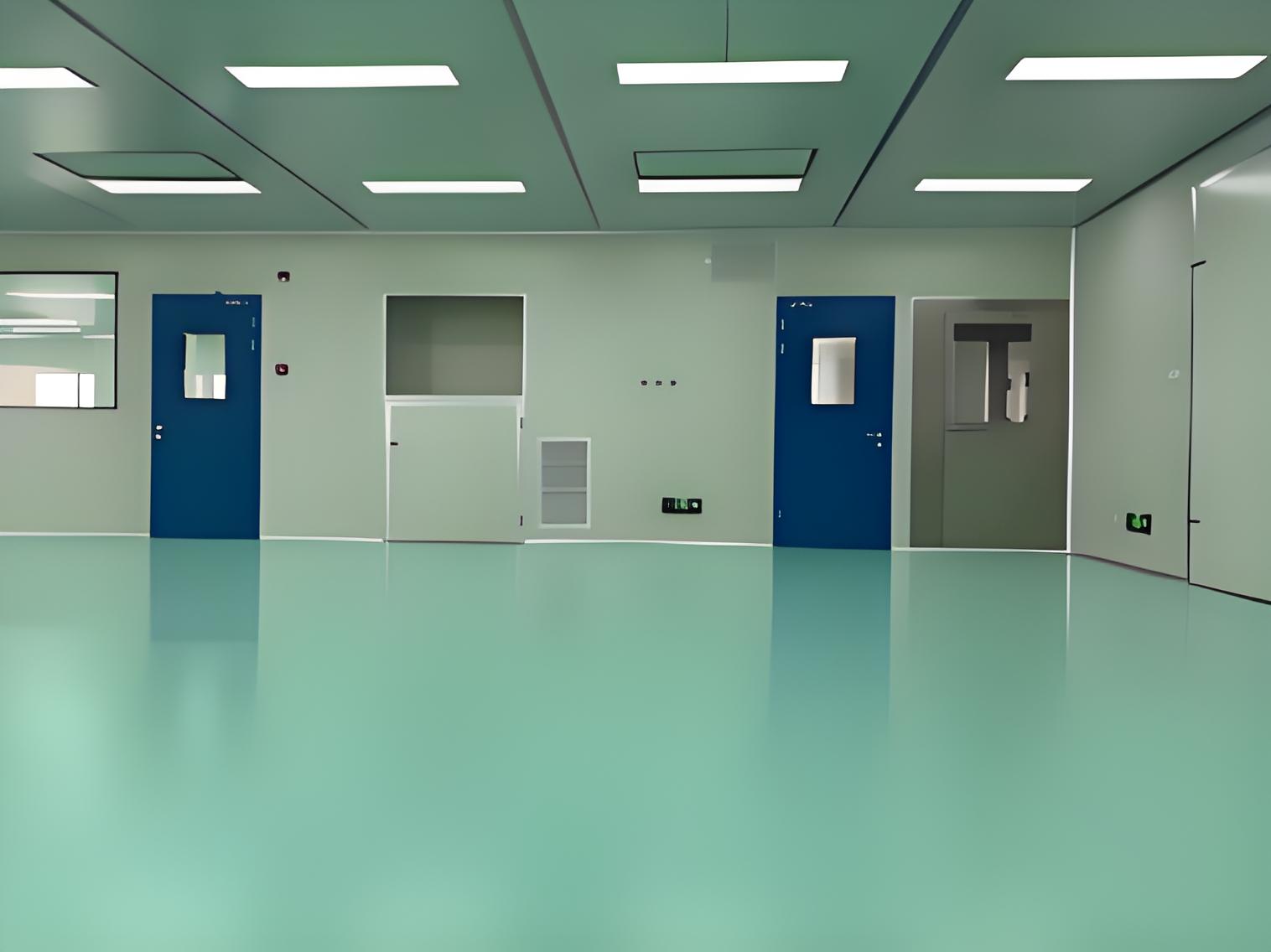
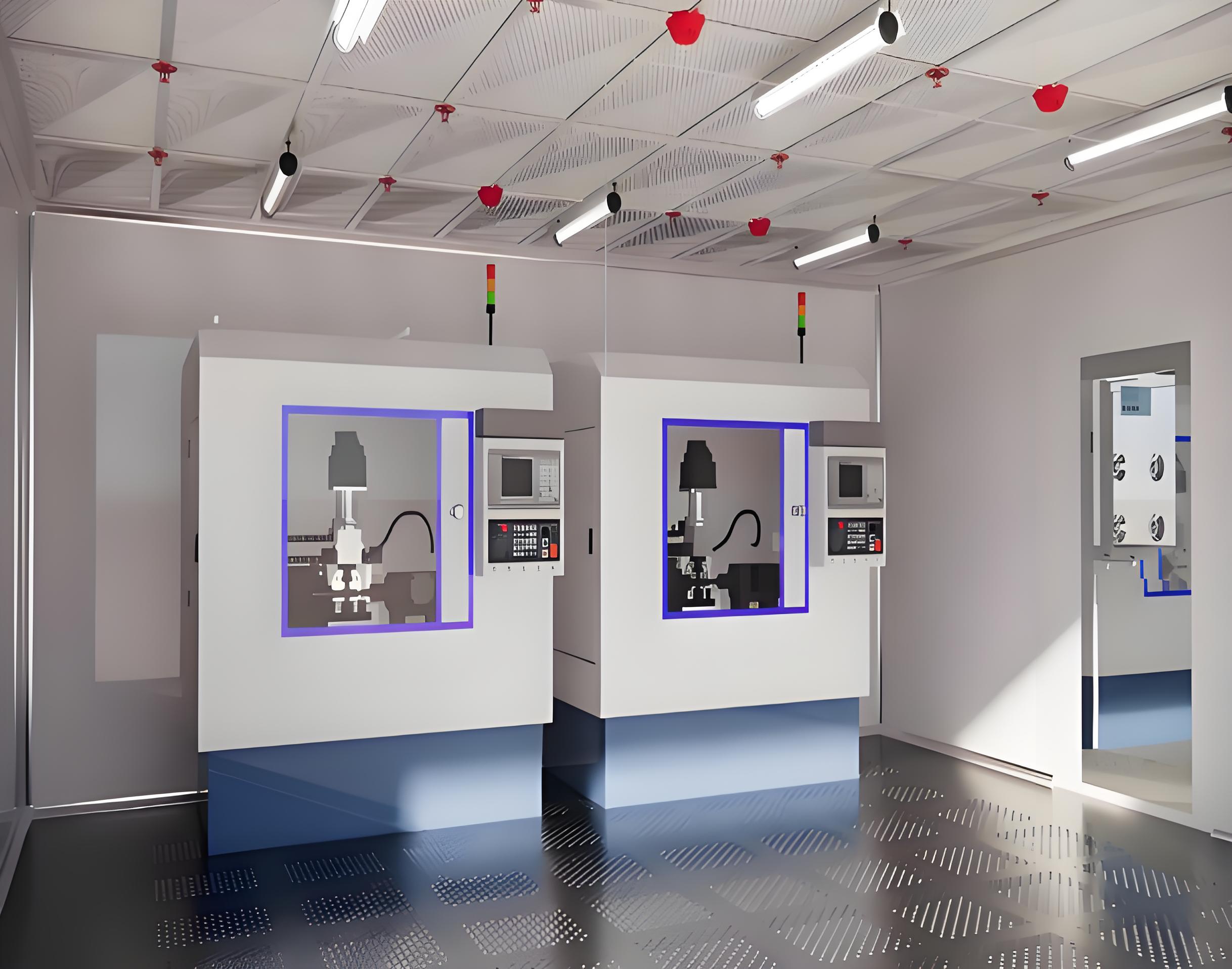
A Medical Device Purification Project is a specialized engineering endeavor focused on creating controlled environments where medical devices are manufactured, assembled, or packaged. The core objective is to eliminate contamination from particles, microbes, and pyrogens that could compromise device safety and efficacy. These projects are governed by stringent international standards, primarily ISO 14644 and ISO 13485. Success demands more than just building clean walls; it requires a holistic integration of architecture, HVAC, utilities, and rigorous procedural controls. For companies navigating this complex landscape, experienced partners like TAI JIE ER provide crucial guidance from initial design through to final certification, ensuring a facility that meets both regulatory and production goals efficiently.
A well-executed Medical Device Purification Project follows a disciplined, phase-gated approach. This structured process mitigates risk, controls costs, and ensures the finished facility performs as intended.
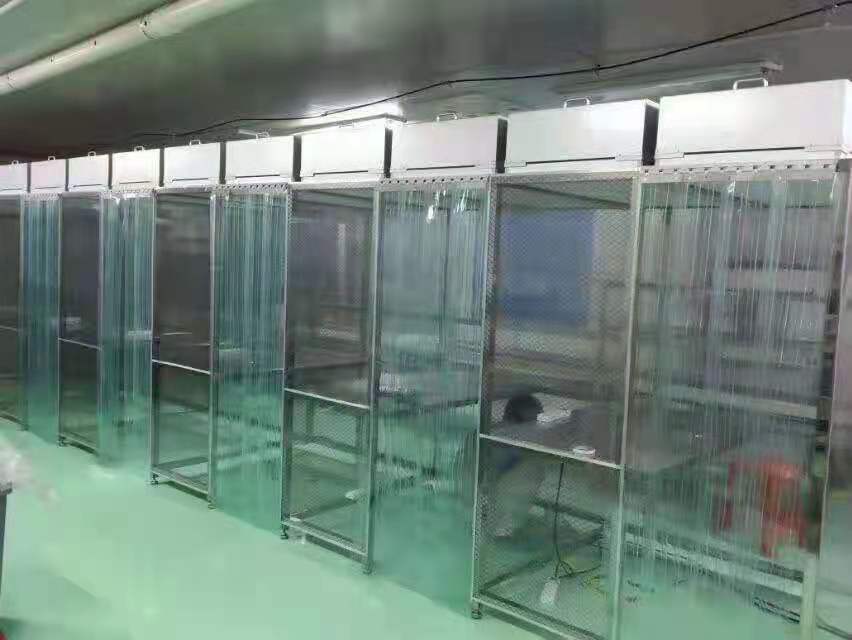
Every successful project starts with a crystal-clear definition of requirements. This phase answers the "why" and "what" before any design begins.
You must first define the device's classification (e.g., Class II, Class III under FDA, or Class I, IIa, IIb, III under EU MDR) and its intended use. This classification directly dictates the necessary air cleanliness level (ISO Class) for the production environment. For instance, an implantable device requires a more stringent environment than a non-critical external device.
Key planning deliverables include:
With requirements locked in, the focus shifts to translating them into buildable blueprints. This is the most critical phase for avoiding costly changes later.
Architectural and Layout Design
The design prioritizes cleanability and flow control. Smooth, impervious surfaces with curved coving at wall-floor-ceiling junctions are standard. Layouts separate clean and gray areas decisively. Airlocks and gowning rooms serve as controlled transitions between zones of different cleanliness.
The Heart of the System: HVAC Design
The HVAC system is the engine of contamination control in a Medical Device Purification Project. Its design is non-negotiable.
Critical HVAC Design Parameters:
This phase turns drawings into reality. It requires contractors with specific cleanroom experience to maintain integrity.
Envelope and Finishes Construction
Walls are typically non-shedding insulated metal panels or composite systems. Floors are seamless epoxy or polyurethane with integral coving. Ceilings are sealed cleanroom grid systems with gasketed HEPA filter modules or fan filter units (FFUs). Every seam and penetration is meticulously sealed.
Installation of Utilities and Services
Utilities must be designed for cleanability and reliability.
This phase provides documented proof that the facility works correctly. It is a regulatory expectation, not an option. Firms like TAI JIE ER bring structured protocols to this essential step.
The process follows a sequential, evidence-based approach:
The output is a robust validation dossier, a cornerstone for any regulatory audit.
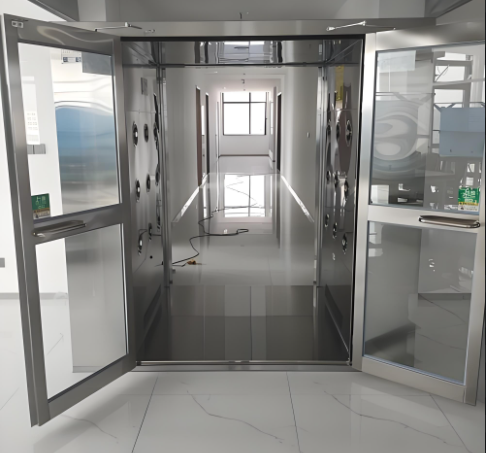
The project's goal is a fully operational, compliant facility. Handing it over to production teams requires careful planning.
Developing Essential Procedures
Before production starts, Standard Operating Procedures (SOPs) must be established and trained. These cover:
Sustaining the validated state of a Medical Device Purification Project is an ongoing commitment. It requires a culture of quality, diligent monitoring, and a proactive approach to maintenance and change control. This ensures the facility continues to protect product quality throughout its operational life.
Q1: What is the main difference between an ISO Class 7 and an ISO Class 8 cleanroom for medical devices?
A1: The primary difference is the allowable number of airborne particles per cubic meter. An ISO Class 7 room allows a maximum of 352,000 particles ≥ 0.5 microns, while an ISO Class 8 allows 3,520,000. This tenfold difference impacts the required air change rates, filtration design, and construction tightness. The appropriate class is determined by the criticality of the manufacturing step performed within the room.
Q2: How long does a typical Medical Device Purification Project take from concept to operational readiness?
A2: The timeline varies significantly with scope and complexity. A greenfield project for a high-classification cleanroom suite can take 14-24 months. A retrofit or smaller-scale project might be completed in 8-12 months. The detailed design and CQV phases often consume over half of the total project timeline.
Q3: What are the most common pitfalls or cost overruns in these projects?
A3: Common pitfalls include inadequate upfront planning (leading to change orders), underestimating utility requirements (compressed air, clean water), selecting inexperienced contractors, and poor coordination between trades during construction. A detailed Front-End Engineering Design (FEED) study and engaging an experienced firm early can mitigate most of these risks.
Q4: Can we use our existing warehouse or production space for a purification project, or is new construction always better?
A4: Retrofits are very common and can be cost-effective. However, they present challenges like dealing with existing roof loads, column spacing, and insufficient ceiling height. A thorough feasibility study is essential to assess the existing structure's suitability for vibration control, utility loads, and the required pressure cascade layout.
Q5: Beyond the cleanroom itself, what other areas require purification focus in a medical device plant?
A5: The entire supporting ecosystem must be controlled. Key areas include: