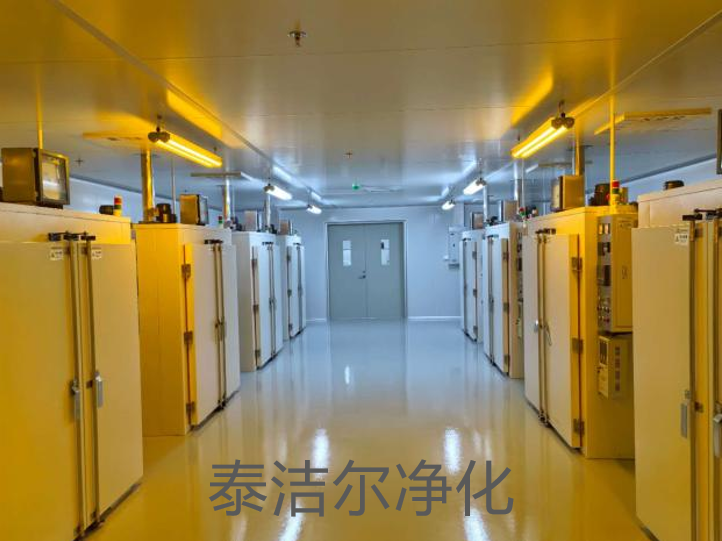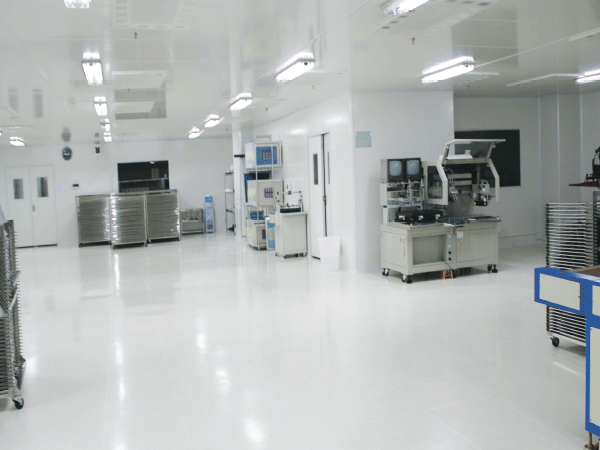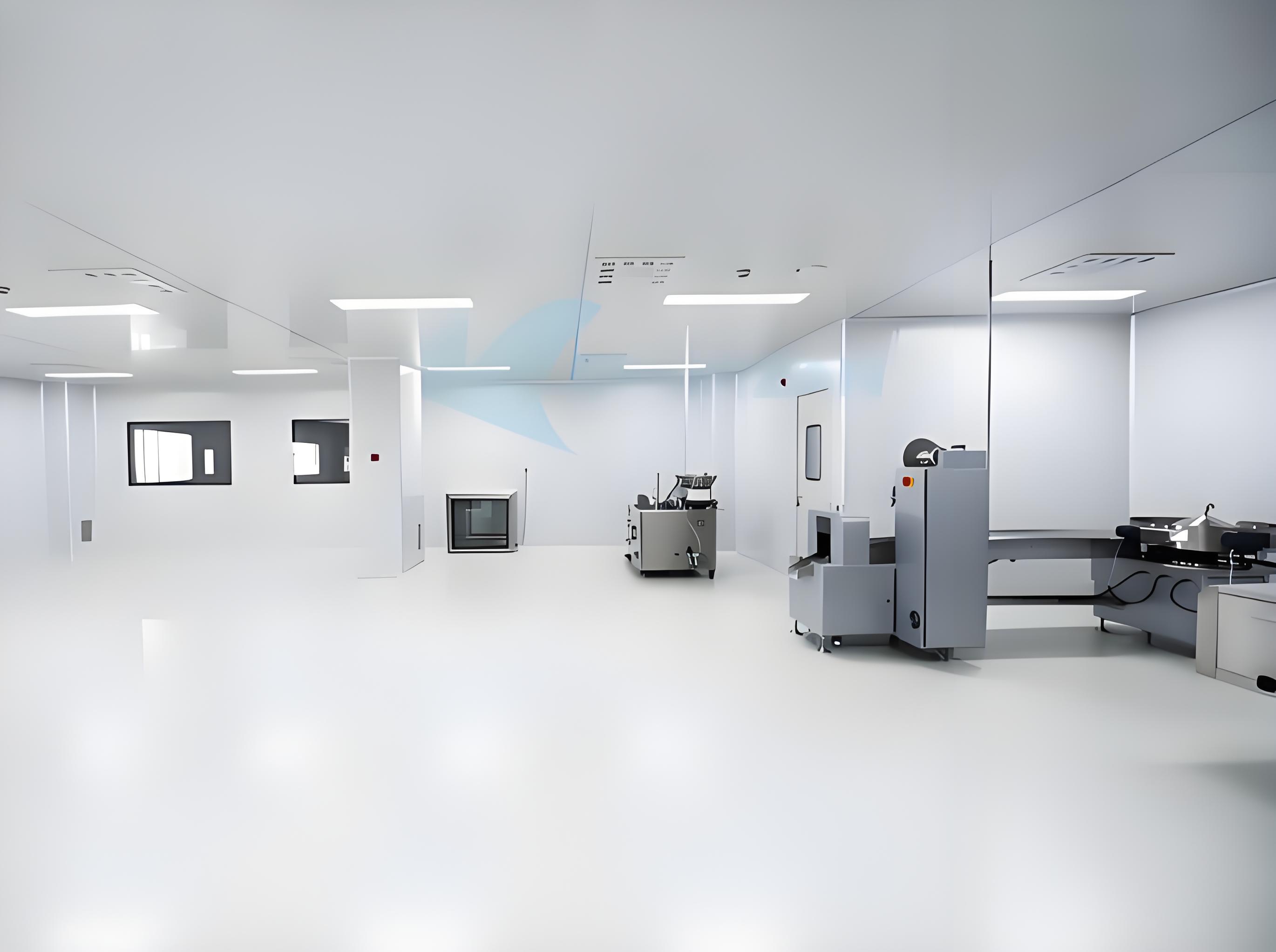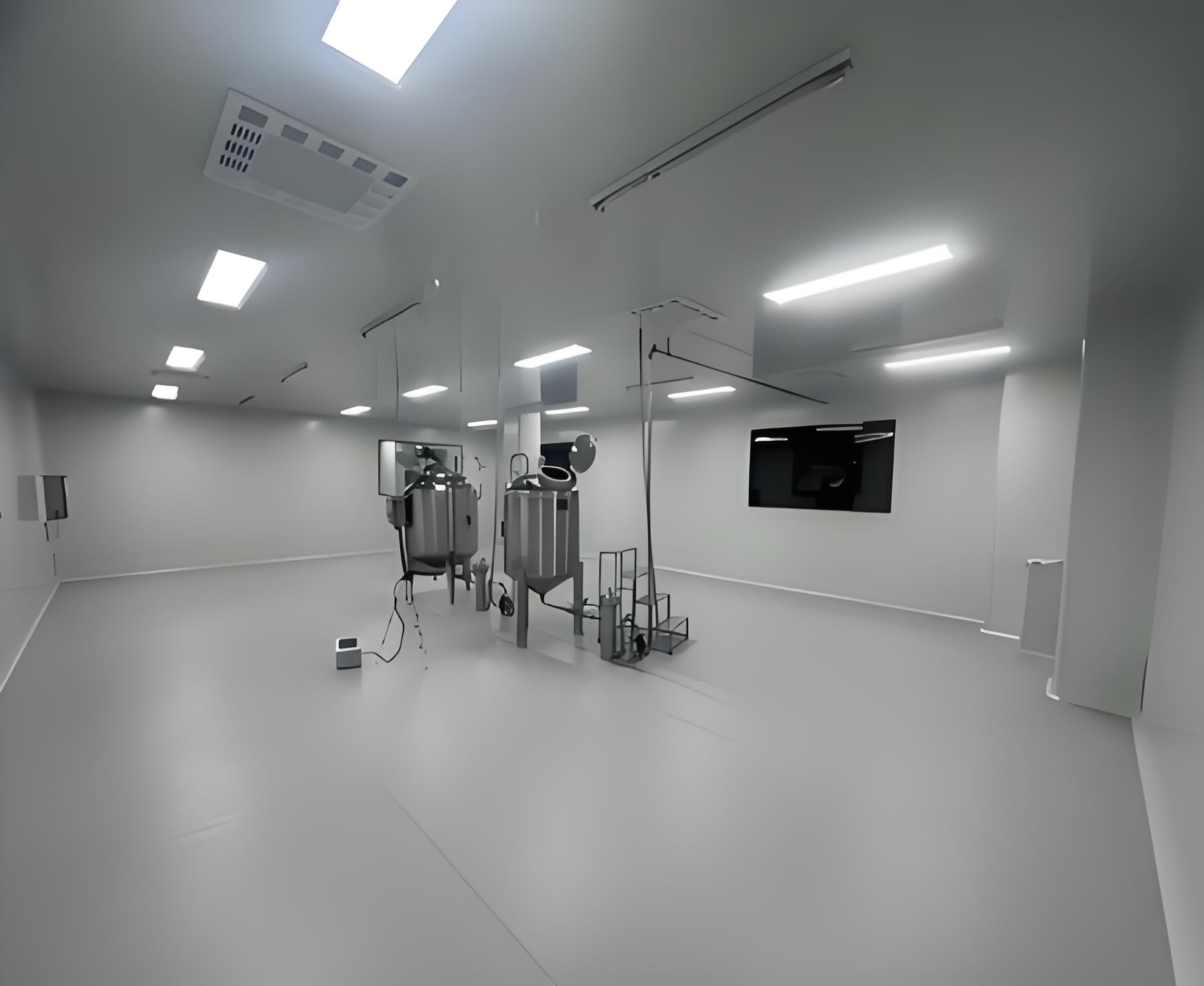
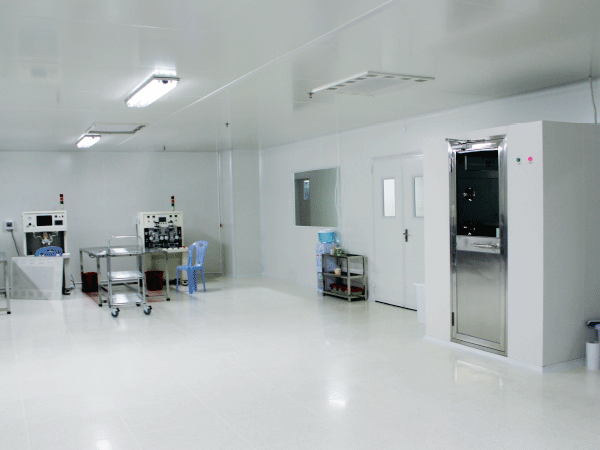

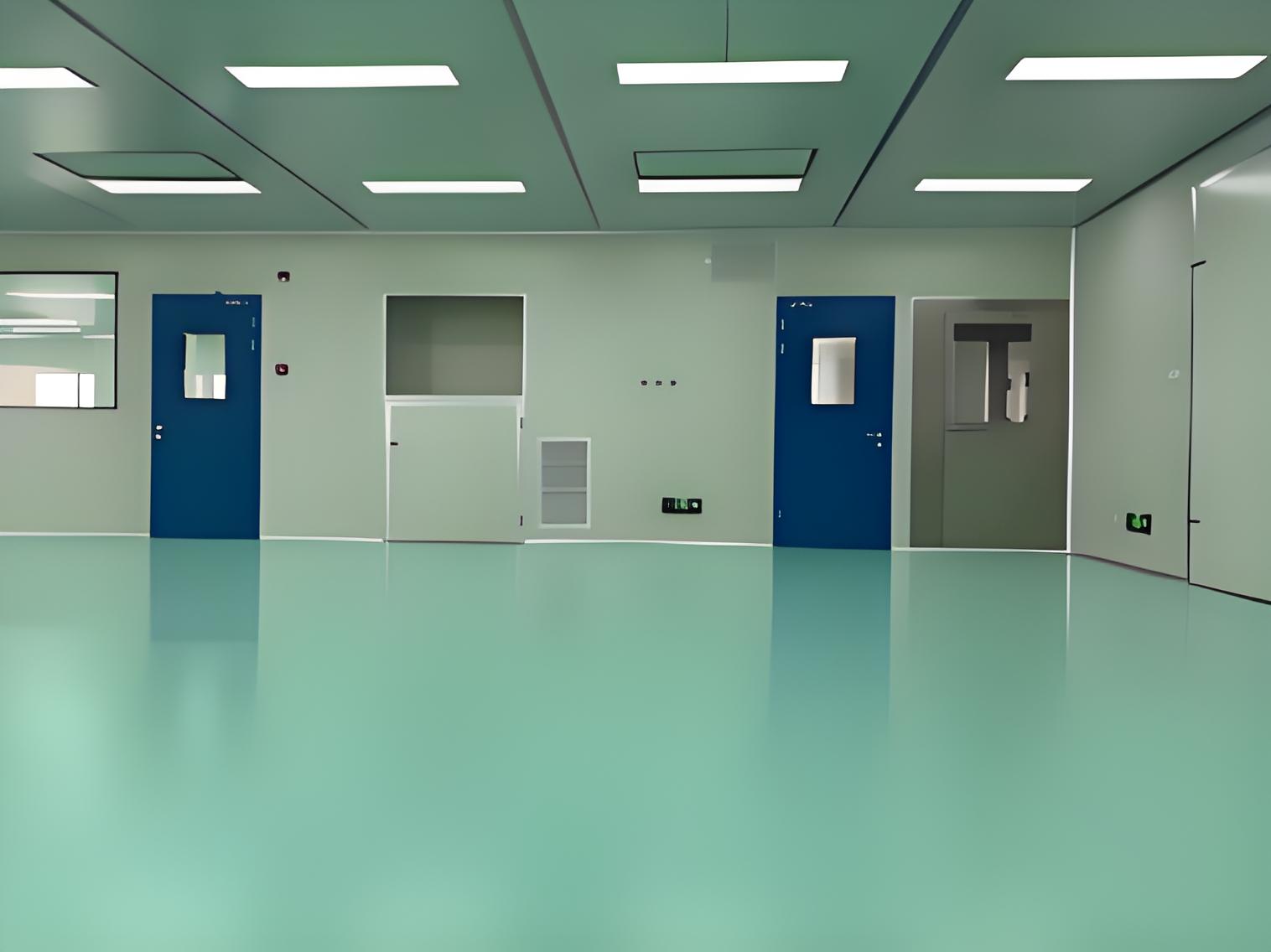
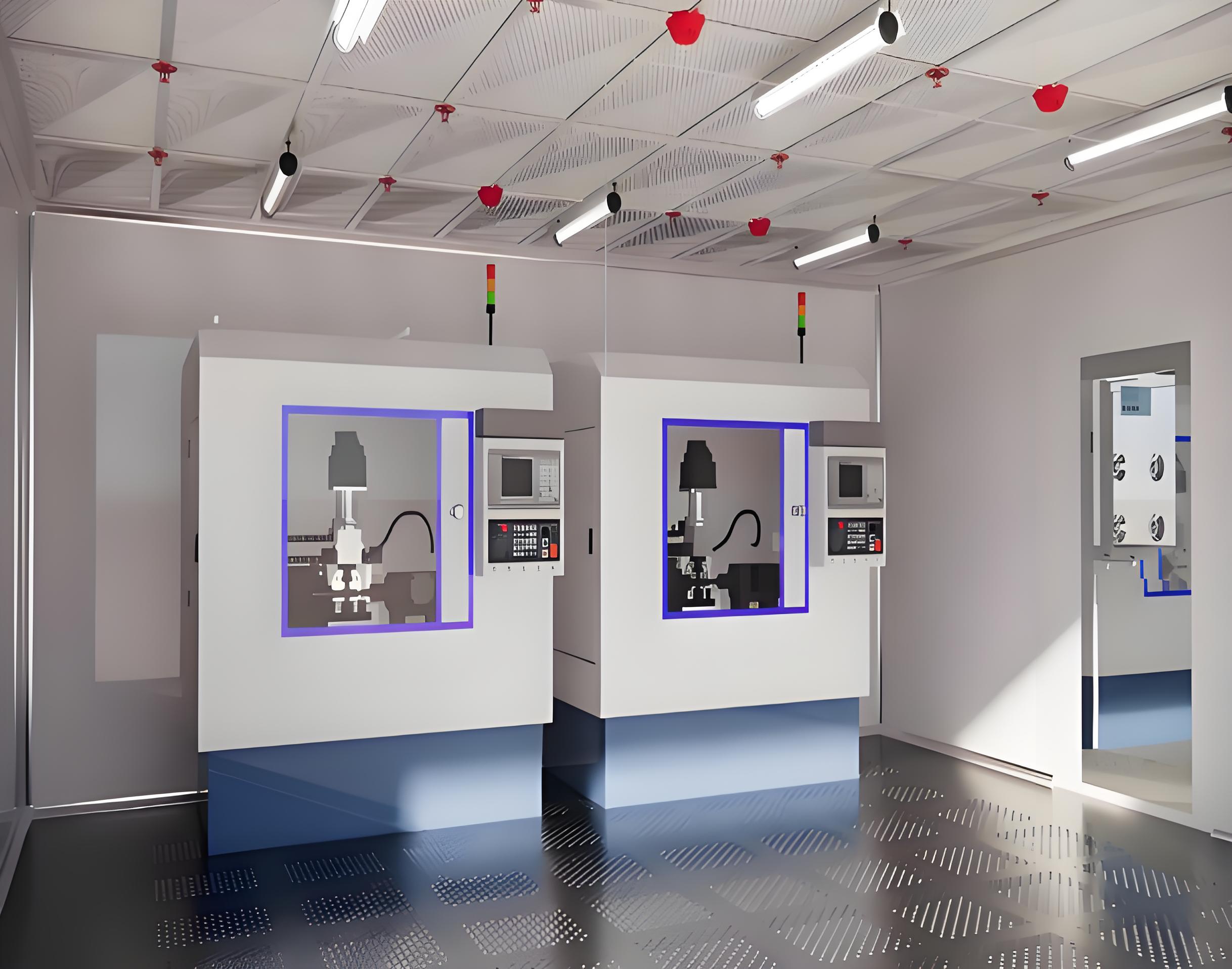
Manufacturing medical devices is a high-stakes industry. Unlike general consumer goods, a defect in a catheter, syringe, or implant can have life-altering consequences for a patient. Consequently, the environment in which these products are made is just as important as the products themselves. This is why a compliant Medical device purification project is the foundational step for any manufacturer aiming to enter or stay in the market.
Regulatory bodies such as the FDA in the United States, the EMA in Europe, and the NMPA in China demand rigorous adherence to cleanliness standards. For factory owners and production managers, building a cleanroom is not just about putting up white walls. It is about creating a controlled ecosystem where temperature, humidity, pressure, and particle counts are strictly regulated.
At TAI JIE ER, we have guided numerous manufacturers through the complex maze of engineering and compliance. We know that a poorly designed facility can lead to production bottlenecks, failed audits, and expensive retrofits. This article provides a pragmatic look at what it takes to design, build, and validate a purification facility specifically for medical devices. We will look at the engineering reality, not just the theory.
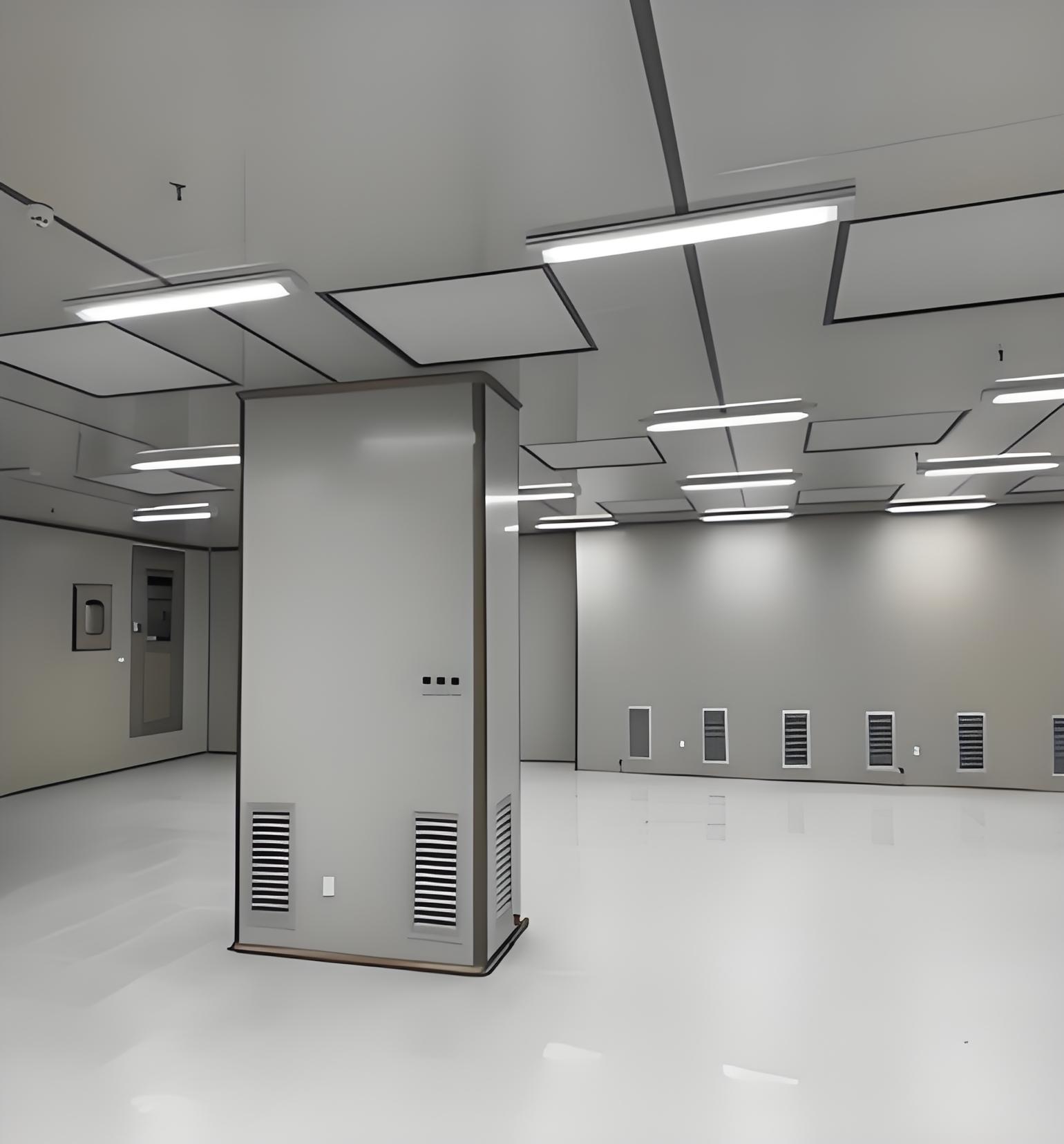
When you start planning, it is vital to define the scope accurately. A Medical device purification project is more than just the cleanroom itself. It encompasses the entire support infrastructure. This includes the water purification systems (PW/WFI), the compressed air systems, and the personnel gowning flows.
You must first determine the classification required. Most medical device assembly and packaging lines operate under ISO Class 7 or ISO Class 8 (equivalent to the old Class 10,000 and Class 100,000). However, if your process involves injection molding, the molding machines might sit in an ISO 8 zone, while the parts are ejected onto a conveyor covered by an ISO 7 laminar flow hood.
Understanding your process flow is critical. The layout must minimize the movement of people. People are the primary source of contamination. A well-scoped project places high-risk activities in the deepest part of the cleanroom, furthest from the entry doors. TAI JIE ER engineers always emphasize "unidirectional flow" to ensure raw materials enter from one side and finished goods exit from the other, never crossing paths.
The Heating, Ventilation, and Air Conditioning (HVAC) system is the most expensive and critical component. In a commercial building, the HVAC is for comfort. In a cleanroom, it is for contaminant removal.
For a medical device facility, the HVAC must provide a high volume of airflow. To achieve ISO Class 7, you typically need 30 to 60 air changes per hour (ACH). Compare this to a standard office which might have 2 to 4 ACH. This high turnover rate dilutes the particle concentration in the room.
The filtration strategy is equally important. We typically use a three-stage system. G4 pre-filters protect the equipment. F8 bag filters catch the majority of dust. Finally, H13 or H14 HEPA filters (99.99% efficiency at 0.3 microns) clean the air entering the room.
Pressure cascades are non-negotiable. The cleanest room must have the highest pressure. This ensures that when a door opens, air flows out, not in. A typical design might set the main filling room at +45Pa, the gowning room at +30Pa, and the corridor at +15Pa relative to the outside. Maintaining these differentials requires precise automated dampers and control systems.
The materials you choose for walls and floors define the longevity of your Medical device purification project. Drywall and standard paint are unacceptable because they shed particles and cannot withstand harsh cleaning agents.
We recommend modular sandwich panels. These panels typically feature a rock wool or aluminum honeycomb core with a color-coated steel skin. They are flush-mounted. This means there are no ledges for dust to settle on. The connection between the wall and the ceiling should be seamless.
For flooring, there are generally two options: PVC sheet flooring or Self-Leveling Epoxy. For medical device manufacturing, PVC is often preferred if heavy traffic is low, as it is easier to repair and softer to walk on. However, if you have forklifts or heavy pallet jacks moving materials, a thick epoxy build is necessary to prevent cracking.
TAI JIE ER installation teams always use radius coving (curved edges) where the floor meets the wall. This eliminates the 90-degree corner that traps dirt and bacteria. It makes the daily wash-down process efficient and effective.
ISO 13485 is the quality management standard for medical devices. While it focuses on management systems, it dictates infrastructure requirements. Your facility design must facilitate cleaning, maintenance, and the prevention of mix-ups.
During the design phase of your Medical device purification project, you must document everything. The standard requires that you prove the infrastructure is adequate. This means your design drawings must clearly show pressure differentials, flow paths, and waste removal routes.
Traceability is key. If a batch of catheters is found to be contaminated, you need to know exactly what the room conditions were on the day of manufacture. Therefore, your cleanroom monitoring system (recording temperature, humidity, and pressure) must be robust and tamper-proof. It should ideally be compliant with FDA 21 CFR Part 11 regarding electronic records.
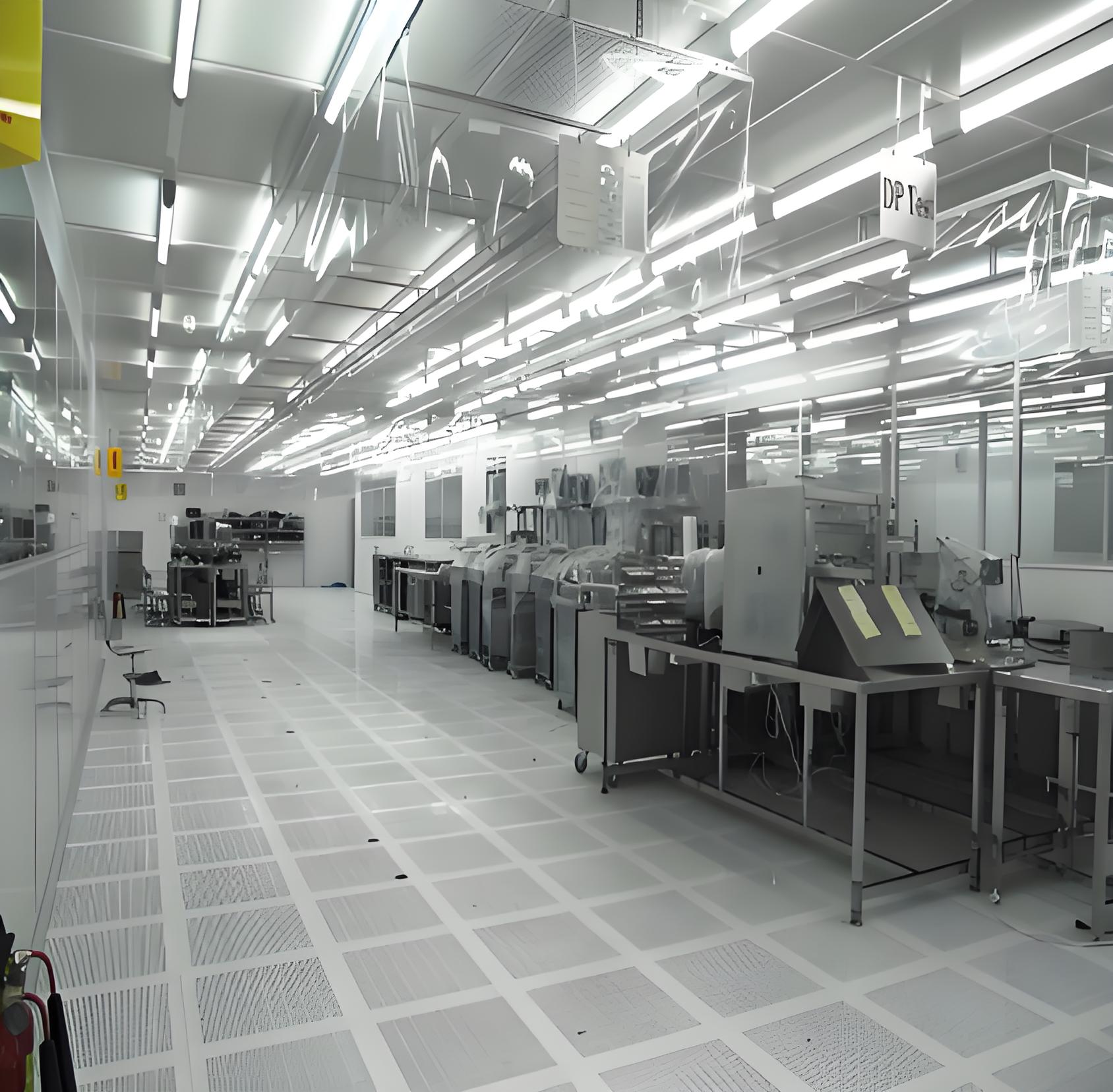
A frequent question we receive at TAI JIE ER is about cost. It is difficult to give a flat rate because variables change, but understanding the drivers helps in budgeting.
Cleanliness Level:An ISO 7 room costs significantly more to operate than an ISO 8 room due to the energy required for fans and cooling. Don't over-spec. If your risk assessment shows ISO 8 is sufficient, stick to it.
Ceiling Height:Volume matters. A room with a 3-meter ceiling has 20% more air to treat than a room with a 2.5-meter ceiling. Keep ceilings as low as practical to save on CapEx and OpEx.
Temperature and Humidity Control:Controlling particles is standard. Tightly controlling humidity (e.g., maintaining 40% RH ±5%) is expensive. It requires desiccant wheels and complex reheaters. Only specify tight humidity tolerances if your materials (like certain polymers or coatings) strictly require it.
Location and Logistics:The cost of shipping modular panels and equipment to the site can add up. Local installation labor rates also impact the final price.
Construction is only half the battle. A Medical device purification project is not complete until it is validated. This is a formal three-step process.
Installation Qualification (IQ):This confirms that what was installed matches the design. Did we install the right model of HEPA filter? Is the ductwork connected correctly? Is the flooring grade correct?
Operational Qualification (OQ):This tests the system at rest. We turn the HVAC on and check if the room can hold pressure. We check if the temperature stays within range. We perform smoke tests to visualize airflow patterns and ensure there are no dead zones where air stagnates.
Performance Qualification (PQ):This is the stress test. We measure particle counts and microbial levels while the machines are running and operators are working. This proves that the room remains clean during actual production conditions.
TAI JIE ER provides comprehensive documentation for all three stages, which you will need to present to auditors.
The best-engineered cleanroom will fail if the staff is not disciplined. Humans shed thousands of skin cells per minute. A major part of your project planning involves the "human interface."
You need to design effective airlocks. These are transition zones. We usually design a three-stage entry:
Shoe change/cover area: Creating a dirty/clean line.Primary gowning: Washing hands and putting on hairnets and face masks.Secondary gowning: Putting on the sterile bunny suit and boots.
Pass boxes should be used for materials. Never carry materials through the personnel door if it can be avoided. Pass boxes can be equipped with UV lights or air showers to reduce surface contamination on items entering the clean zone.
Choosing a contractor for a Medical device purification project differs from hiring a general builder. You need a partner who understands microbiology and regulatory codes, not just concrete and steel.
TAI JIE ER specializes in cleanroom technology. We handle the full lifecycle. This includes the initial CAD design, 3D modeling (BIM), manufacturing of the purification panels, on-site installation, and final commissioning.
Our advantage lies in our understanding of the medical sector. We know that a stoppage due to contamination costs you more than just money—it costs you market trust. We design systems with redundancy. If one fan unit fails, the system compensates to maintain pressure until repairs are made. We also prioritize maintenance-friendly designs, placing filters and valves in accessible locations so that service teams don't contaminate the room to fix a simple issue.
Cleanrooms are energy-intensive. They run 24/7. Reducing the carbon footprint and operational cost is a modern priority.
We utilize Variable Frequency Drives (VFDs) on all motor units. This allows the fan speed to ramp down during nights or weekends when production is stopped (setback mode). This can reduce energy consumption by up to 50% while still maintaining positive pressure.
Heat recovery is another strategy. The air you exhaust is already cooled or heated. Using a run-around coil system to transfer that thermal energy to the incoming fresh air reduces the load on your chiller.
LED lighting is now standard. It produces less heat than fluorescent lighting, which means the HVAC system doesn't have to work as hard to cool the room.
A Medical device purification project is a complex investment that serves as the backbone of your quality assurance. It requires a convergence of civil engineering, mechanical design, and regulatory knowledge.
From the sandwich panels on the walls to the HEPA filters in the ceiling, every component must be chosen with patient safety in mind. Do not cut corners on the validation process or the HVAC design. These are the areas that will determine if your facility passes an audit or faces a shutdown.
With the right planning and the right partner, you can build a facility that is compliant, efficient, and scalable. TAI JIE ER is committed to delivering engineering solutions that meet the rigorous demands of the medical device industry, ensuring your products are safe and your business is profitable.
Q1: What is the difference between ISO Class 7 and ISO Class 8 for medical devices?
A1: ISO Class 7 is cleaner, allowing a maximum of 352,000 particles (≥0.5µm) per cubic meter. ISO Class 8 allows 3,520,000 particles. Typically, medical device assembly happens in Class 8, while critical packing or sterile processes happen in Class 7.
Q2: How long does it take to complete a Medical device purification project?
A2: A typical project of 500 to 2000 square meters usually takes 3 to 5 months. This includes 1 month for design, 1-2 months for manufacturing materials, and 2 months for installation and validation.
Q3: Can TAI JIE ER help with the regulatory paperwork?
A3: Yes. While we are an engineering firm, we provide the IQ, OQ, and PQ documentation packages. These are essential parts of the technical file you will submit to the FDA, NMPA, or your Notified Body for CE marking.
Q4: What is the lifespan of a cleanroom facility?
A4: With proper maintenance, the structural components (walls/ceilings) can last 20 years. HVAC equipment typically lasts 15 years. However, filters are consumables; pre-filters need changing quarterly, and HEPA filters every 2-3 years depending on the load.
Q5: Is it possible to expand the cleanroom later?
A5: Yes, if you use a modular panel system like those TAI JIE ER provides. Modular walls can be disassembled and moved. However, you must plan your HVAC capacity for future expansion upfront, or you will need to install entirely new air handling units for the expansion.