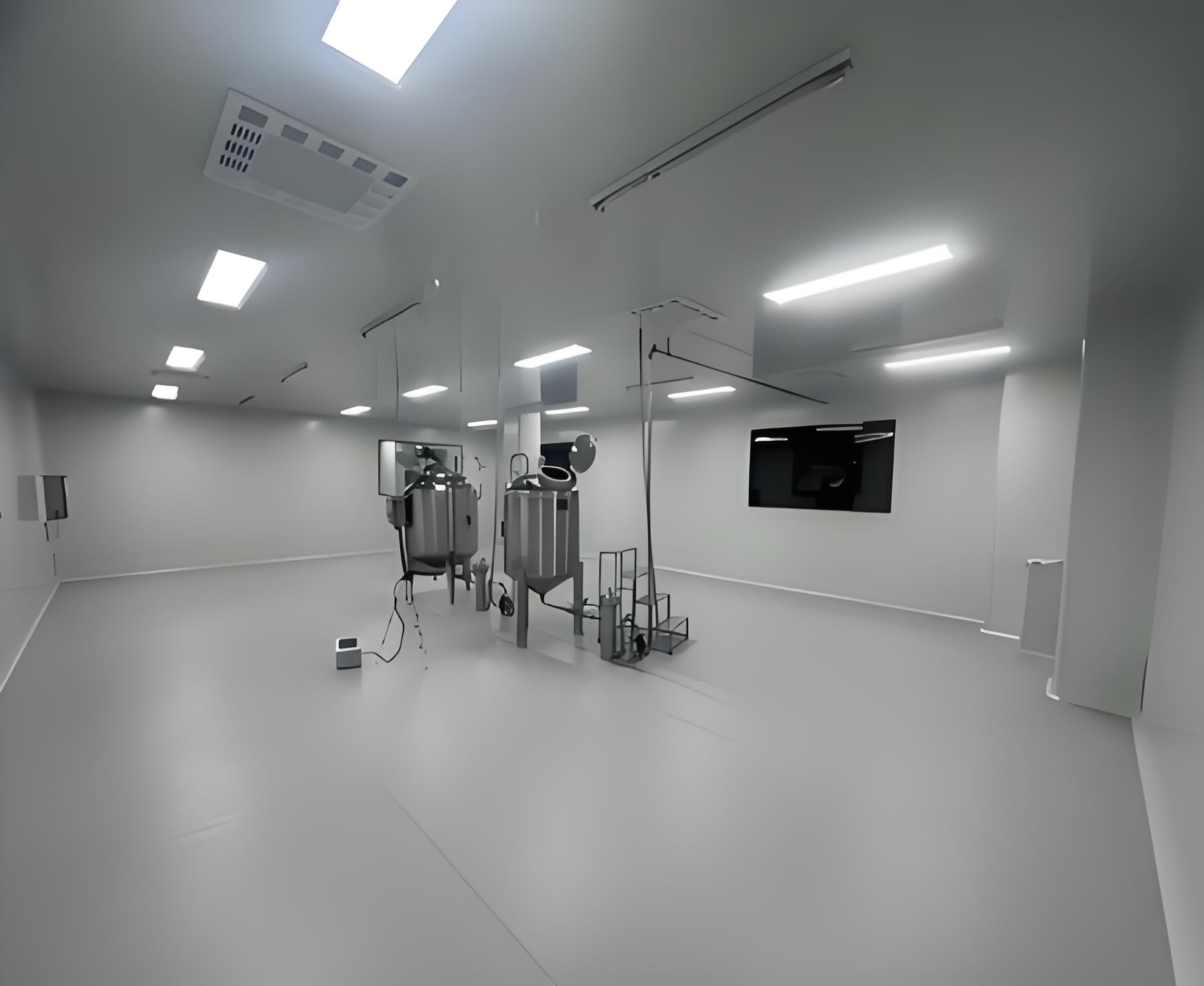
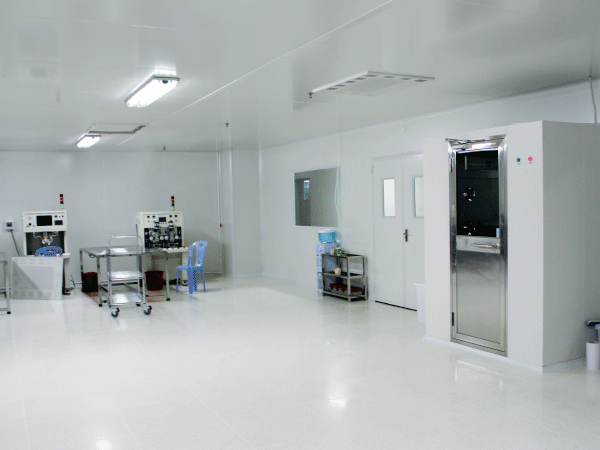

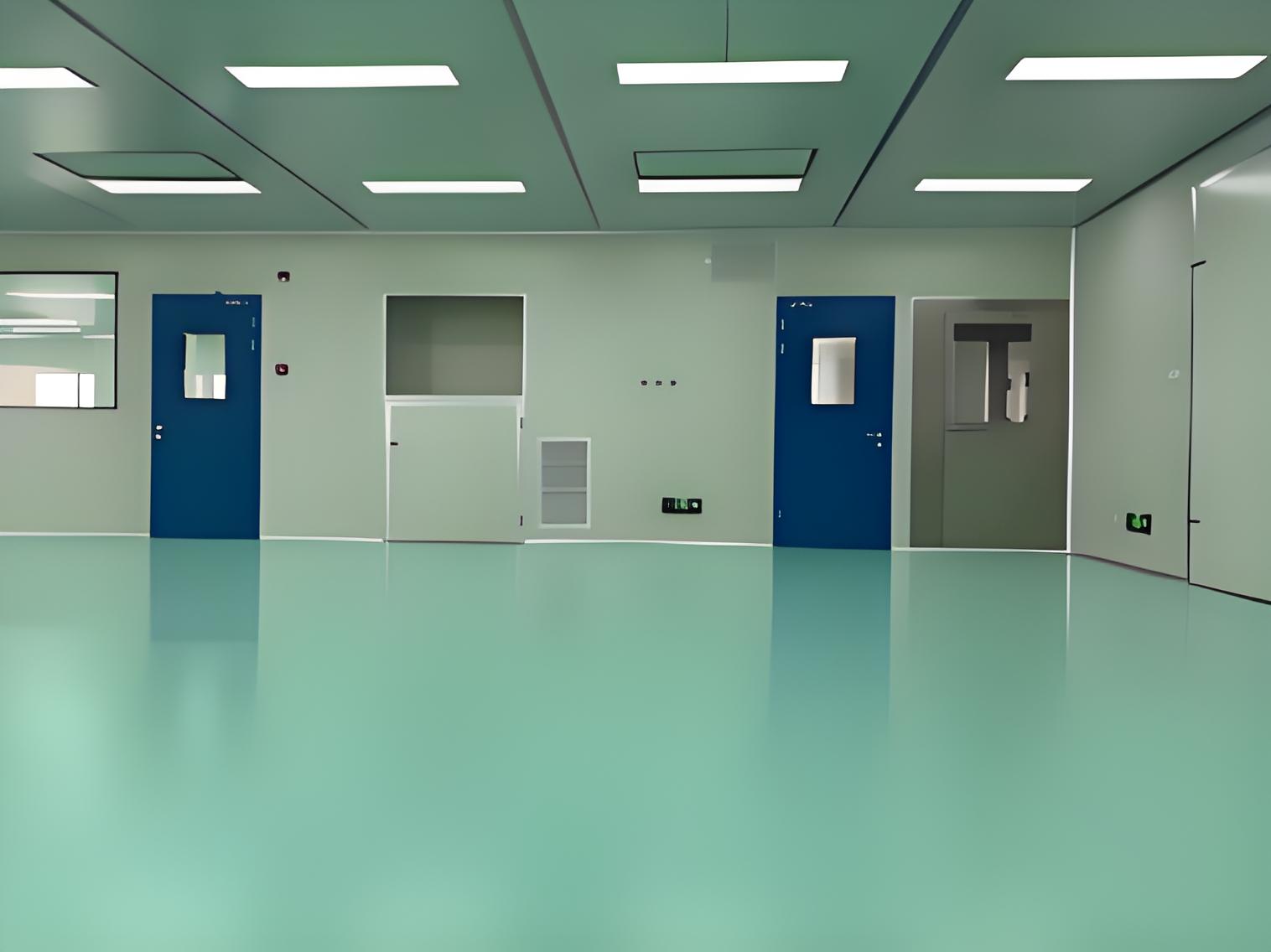
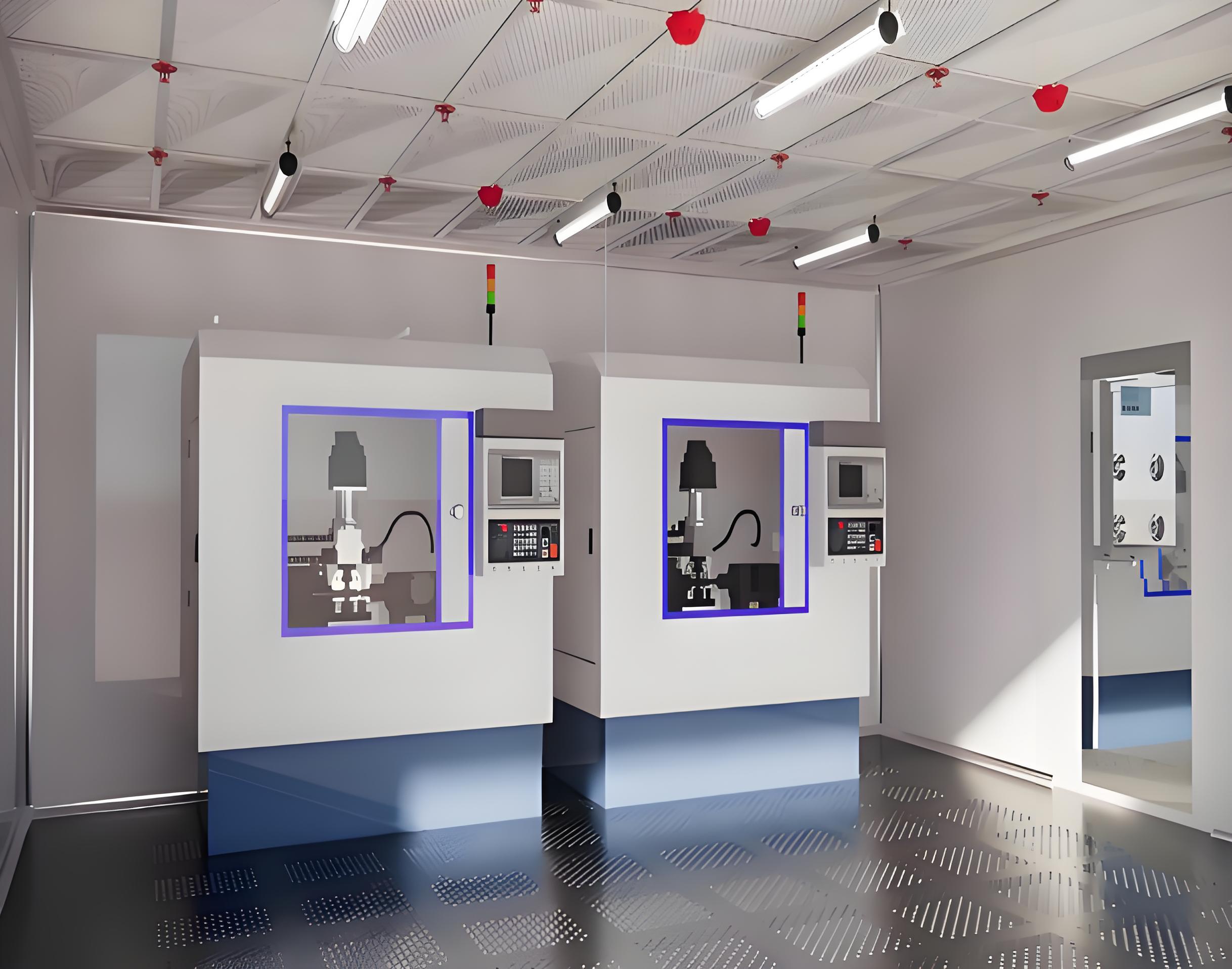
The beauty industry has shifted dramatically. Consumers no longer just look for effective packaging; they demand safety, purity, and transparency in ingredients. For manufacturers, this means the production environment is just as critical as the formula itself. Building a facility that meets international standards is not merely about regulation—it is a strategic asset.
At TAI JIE ER, we see firsthand how a properly designed facility reduces batch failures and improves brand trust. Whether you are upgrading an existing plant or breaking ground on a new site, understanding the core principles of Cosmetic GMP Cleanroom Engineering is the first step toward operational excellence.
This article breaks down the technical standards, layout strategies, and cost implications of building a world-class cosmetic manufacturing facility.
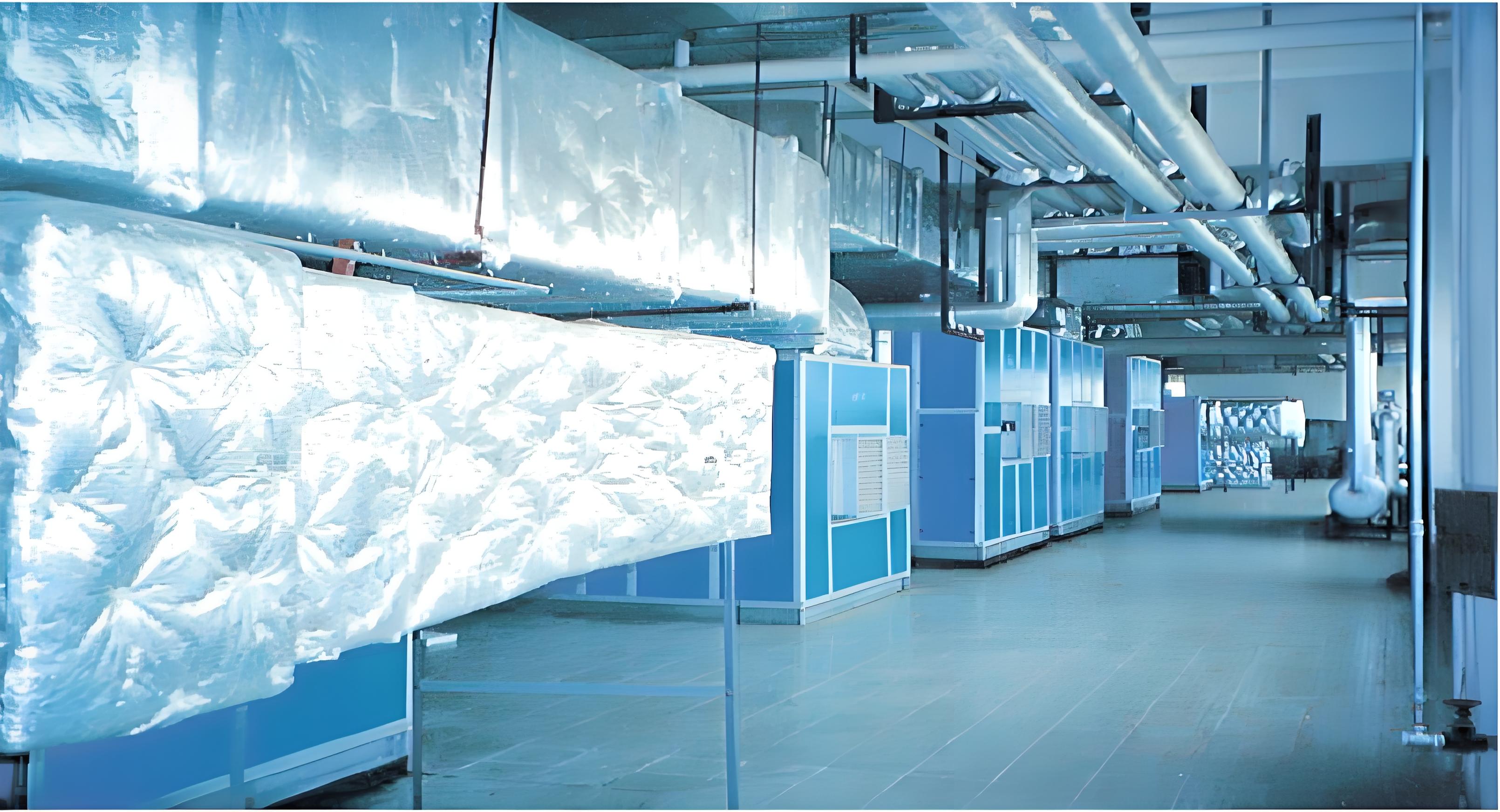
In the past, basic hygiene was enough for cosmetic production. Today, regulations like ISO 22716 and the U.S. FDA’s modernization acts have raised the bar. A cleanroom is no longer optional for high-end skincare, biological products, or eye cosmetics.
Cosmetic GMP Cleanroom Engineering involves more than just installing walls and filters. It requires a holistic approach to controlling airborne particulates, temperature, and humidity. If your engineering fails to account for the specific flow of personnel and raw materials, cross-contamination becomes a constant risk.
Many manufacturers struggle because they apply general construction standards to a hygienic environment. This leads to moisture retention in walls, poor air circulation, and eventually, mold growth. A specialized engineering approach ensures that every junction, floor drain, and air duct is designed to prevent bacterial accumulation.
Not all cosmetic products require the same level of cleanliness. Understanding the difference between ISO classes is vital for cost management. Over-designing your facility wastes energy, while under-designing leads to compliance failure.
For most general cosmetic production (like shampoos or body lotions), an ISO Class 8 (formerly Class 100,000) environment is the standard. This level restricts the number of particles in the air and ensures a controlled baseline of hygiene.
However, for sensitive products, the requirements change. Products that are applied around the eyes, utilized on broken skin, or contain little to no preservatives require stricter controls. In these cases, Cosmetic GMP Cleanroom Engineering teams will recommend upgrading filling and packaging zones to ISO Class 7 or even local Class 5 (Laminar Flow hoods) to protect the exposed product.
The physical layout of your factory acts as the first line of defense against contamination. A well-engineered layout follows the "Unidirectional Flow" principle. This means raw materials enter at one end, and finished goods exit at the other, never crossing paths.
Personnel flow is equally important. Workers should not move from a "dirty" packaging area back into a sterile mixing room without going through proper airlocks and gowning procedures.
TAI JIE ER engineers focus heavily on pressure differentials during the design phase. To keep contaminants out, the cleanest room must have the highest air pressure. Air should always flow from the clean zone outward to the less clean zone. If this pressure cascade is not calculated correctly during the Cosmetic GMP Cleanroom Engineering phase, when a door opens, dirty air will rush into your clean production suite.
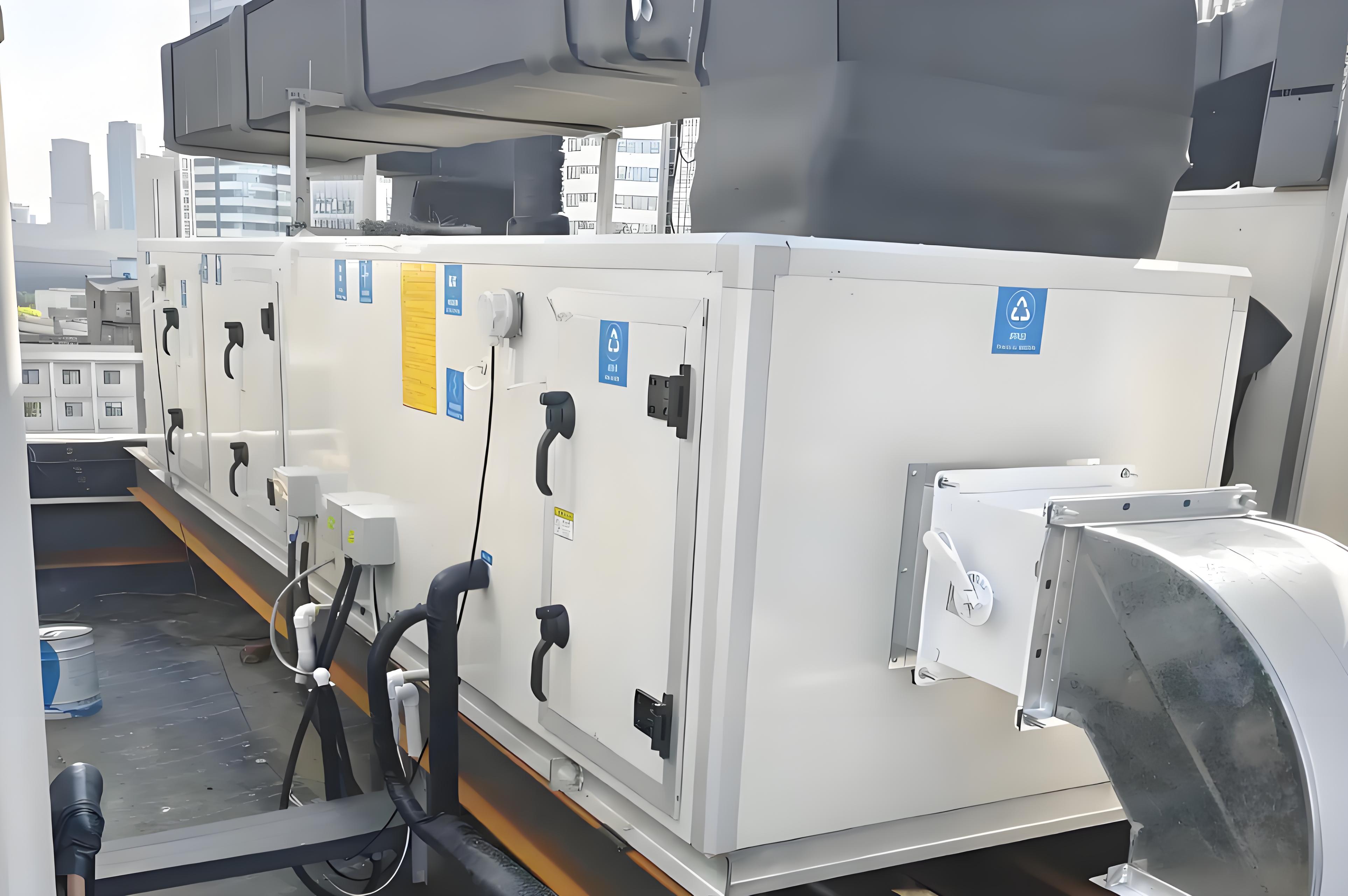
The Heating, Ventilation, and Air Conditioning (HVAC) system accounts for a significant portion of the initial investment and ongoing operational costs. In cosmetic manufacturing, the HVAC system does three main jobs: filtration, temperature control, and humidity regulation.
Humidity is a specific challenge in cosmetics. Powders (like eyeshadows or foundations) are hygroscopic; they absorb water from the air. If the humidity is too high, powders clump, and machinery clogs. Conversely, creams and emulsions might require different stability conditions.
An experienced engineering team will size the Air Handling Units (AHUs) to provide sufficient Air Change Rates (ACR). For an ISO Class 8 room, the air needs to change 15 to 25 times per hour. High-efficiency HEPA filters trap particles, but the motor power required to push air through them is substantial. Energy-efficient design options, such as variable frequency drives (VFDs), are essential to keep running costs down over the facility’s lifespan.
The surfaces in your facility must withstand rigorous daily cleaning. Standard drywall or porous tiles are unacceptable in a GMP environment.
Sandwich Panels:Most modern cosmetic cleanrooms use modular sandwich panels. These consist of two metal faces with an insulating core. Rockwool cores are preferred for fire safety, while paper honeycomb or aluminum honeycomb offers a lightweight structure. The surface must be anti-static and resistant to harsh sanitizing chemicals like hydrogen peroxide or isopropyl alcohol.
Flooring Solutions:Flooring is where most wear and tear occurs. Epoxy self-leveling floors are the industry standard for Cosmetic GMP Cleanroom Engineering projects. They are seamless, meaning there are no cracks for bacteria to hide. For areas with heavy forklift traffic, a polyurethane mortar floor might be recommended for higher durability.
Coving:Sharp 90-degree corners are impossible to clean effectively. Using curved coving at the junction between walls and floors prevents dust accumulation and allows for easy mopping and sanitation.
Water is the primary ingredient in most cosmetic formulations. Therefore, the Purified Water (PW) system is a critical component of the engineering scope.
The piping design must prevent "dead legs"—sections of pipe where water sits stagnant. Stagnant water is a breeding ground for biofilm. TAI JIE ER utilizes orbital welding for stainless steel (316L) piping to ensure smooth internal surfaces.
Furthermore, the water loop needs to be designed for constant circulation. The engineering plan should include UV sterilization or ozone generation points within the loop to maintain microbial control before the water ever reaches the mixing tank.
Determining the cost of a cosmetic cleanroom varies based on size, classification, and existing infrastructure. However, understanding the cost drivers helps in budget planning.
Cleanliness Level: An ISO Class 7 room costs significantly more than Class 8 due to higher airflow requirements and more filter coverage.Ceiling Height: Higher ceilings increase the volume of air that must be conditioned, raising both construction and energy costs.Automation Integration: Integrating automated filling lines requires precise engineering for conveyors and utility connections, adding complexity to the design.Local Climate: If your factory is in a humid tropical region, the dehumidification load on your HVAC system will drive up equipment costs compared to a factory in a dry climate.
It is often more cost-effective to invest in high-quality insulation and efficient motors upfront. Cheap materials often lead to air leaks and high energy bills, negating initial savings within the first two years of operation.
Building the room is only half the battle. Before you can manufacture legal products, the facility must be validated. This is where the engineering documentation becomes crucial.
IQ (Installation Qualification): Verifies that equipment is installed according to the design specifications.OQ (Operational Qualification): Tests the system under operating conditions (e.g., does the HVAC maintain temperature when the machines are running?).PQ (Performance Qualification): Verifies the system performs consistently over time under load.
A competent Cosmetic GMP Cleanroom Engineering partner will provide the necessary protocols and assistance to ensure these qualifications are passed without issue.
Selecting a contractor is a business decision that impacts your speed to market. You need a partner who understands both construction physics and cosmetic chemistry.
TAI JIE ER specializes in providing turnkey solutions for the cosmetic industry. We do not just build walls; we design workflows. Our team assists with layout optimization to maximize production efficiency while maintaining strict compliance.
From the initial blueprint to the final air balancing report, TAI JIE ER manages the complex intersection of mechanical engineering and GMP compliance. We help you navigate the trade-offs between cost and performance, ensuring your facility is audit-ready from day one.
Even with a budget, projects can fail due to oversight. One frequent error is neglecting the space required for maintenance. AHUs and water systems need physical space for technicians to work. If these are crammed into tight ceilings, maintenance becomes impossible, and systems degrade.
Another mistake is ignoring lighting requirements. Inspection areas require high lux levels (500+ lux) to detect particulate matter in clear bottles. Poor lighting design leads to quality control failures that could have been prevented by better engineering.
Finally, do not underestimate the "people factor." Changing rooms must be comfortable and logical. If the gowning process is too difficult or the room is too small, employees will cut corners, compromising the entire cleanroom environment.
Building a compliant manufacturing plant is a rigorous process, but it secures the future of your brand. By adhering to strict Cosmetic GMP Cleanroom Engineering standards, you protect your product from contamination and your company from regulatory fines.
Quality engineering pays for itself through energy efficiency, lower rejection rates, and seamless audits. Whether you are producing organic serums or mass-market lotions, the facility is the foundation of your quality promise. With TAI JIE ER as your partner, you can ensure that this foundation is solid, compliant, and built for growth.
Q1: What is the difference between GMP for cosmetics and GMP for pharmaceuticals?
A1: While the principles are similar, pharmaceutical GMP is generally stricter regarding air particulate counts and microbial limits. Cosmetic GMP (ISO 22716) focuses on preventing contamination and mix-ups but often allows for ISO Class 8 environments, whereas sterile pharmaceuticals require ISO Class 5 or higher.
Q2: How long does it take to design and build a cosmetic cleanroom?
A2: The timeline varies by project size, but typically, the design and engineering phase takes 4 to 8 weeks, followed by 3 to 6 months for construction and installation. Validation and testing will add another 4 to 8 weeks before full production can begin.
Q3: Can TAI JIE ER upgrade an existing warehouse into a GMP cleanroom?
A3: Yes, converting existing spaces is common. However, it requires a detailed site survey to check floor load capacity, ceiling height for ductwork, and existing power supply. We often build a "box-within-a-box" structure to create the cleanroom inside a standard warehouse.
Q4: How often do HEPA filters need to be changed in a cosmetic facility?
A4: This depends on the local air quality and the effectiveness of your pre-filters. Generally, pre-filters should be changed quarterly, while terminal HEPA filters can last anywhere from 2 to 5 years if the pre-filtration system is maintained correctly and pressure differentials are monitored.
Q5: What is the most expensive part of Cosmetic GMP Cleanroom Engineering?
A5: The HVAC system is usually the single largest cost component, often accounting for 40% to 50% of the mechanical budget. This includes the air handling units, chillers, ductwork, and controls required to maintain precise temperature, humidity, and pressure.