
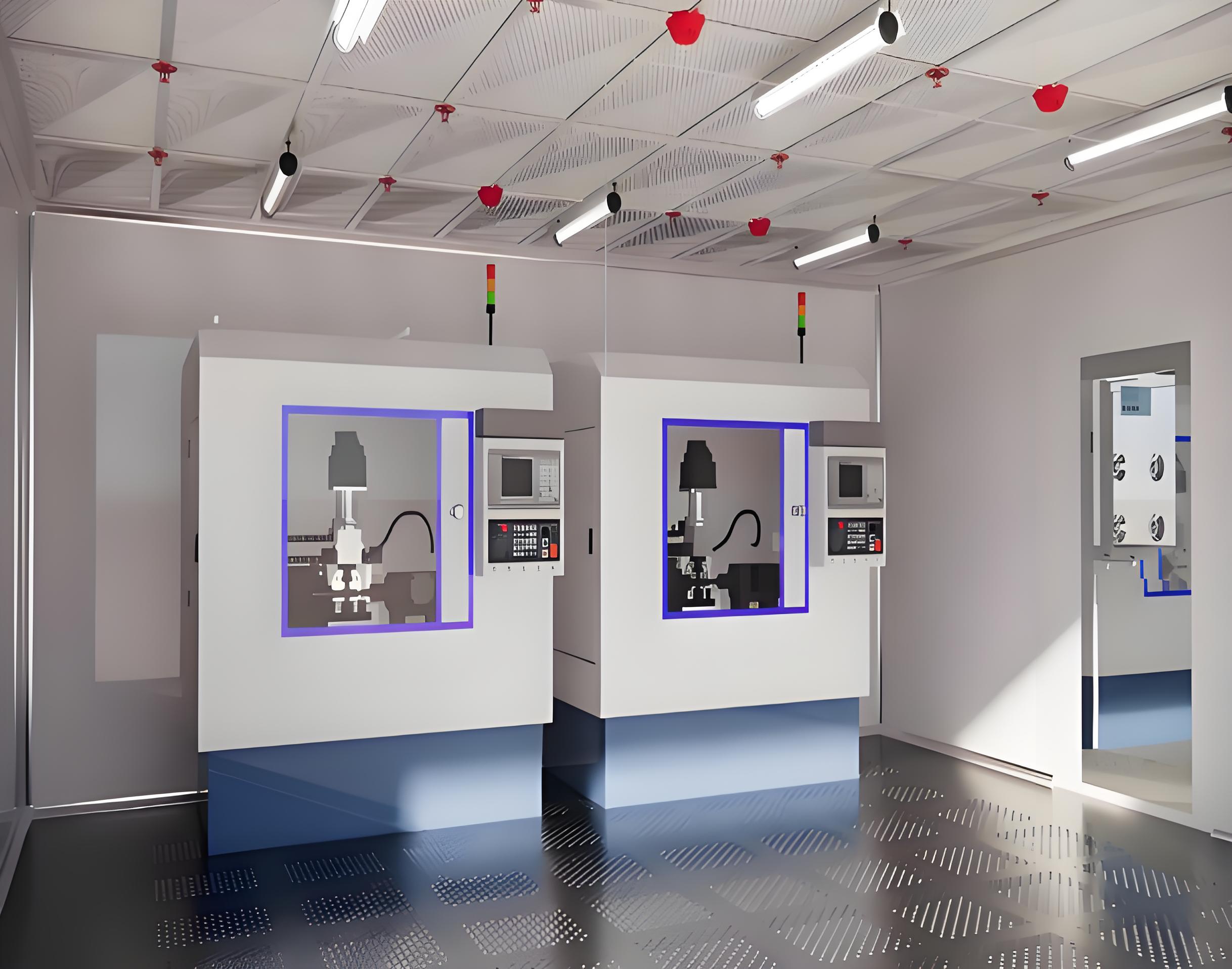
In the high-stakes world of semiconductor fabrication and pharmaceutical production, the quality of utility systems determines the success of the entire operation. Integrating a robust compressed gas process pure water engineering framework is no longer just a technical choice; it is a fundamental requirement for maintaining product yields and ensuring safety. When we look at the complexity of modern cleanrooms, the seamless delivery of ultra-pure water and contaminant-free gases stands as the backbone of the facility.
TAI JIE ER has long recognized that these two utilities, while distinct in physical state, share a common goal: the elimination of microscopic impurities that can compromise sensitive processes. Whether it is removing moisture from compressed air or stripping ions from a water stream, the engineering principles must be precise, scalable, and compliant with international standards like ISO 14644 and USP.
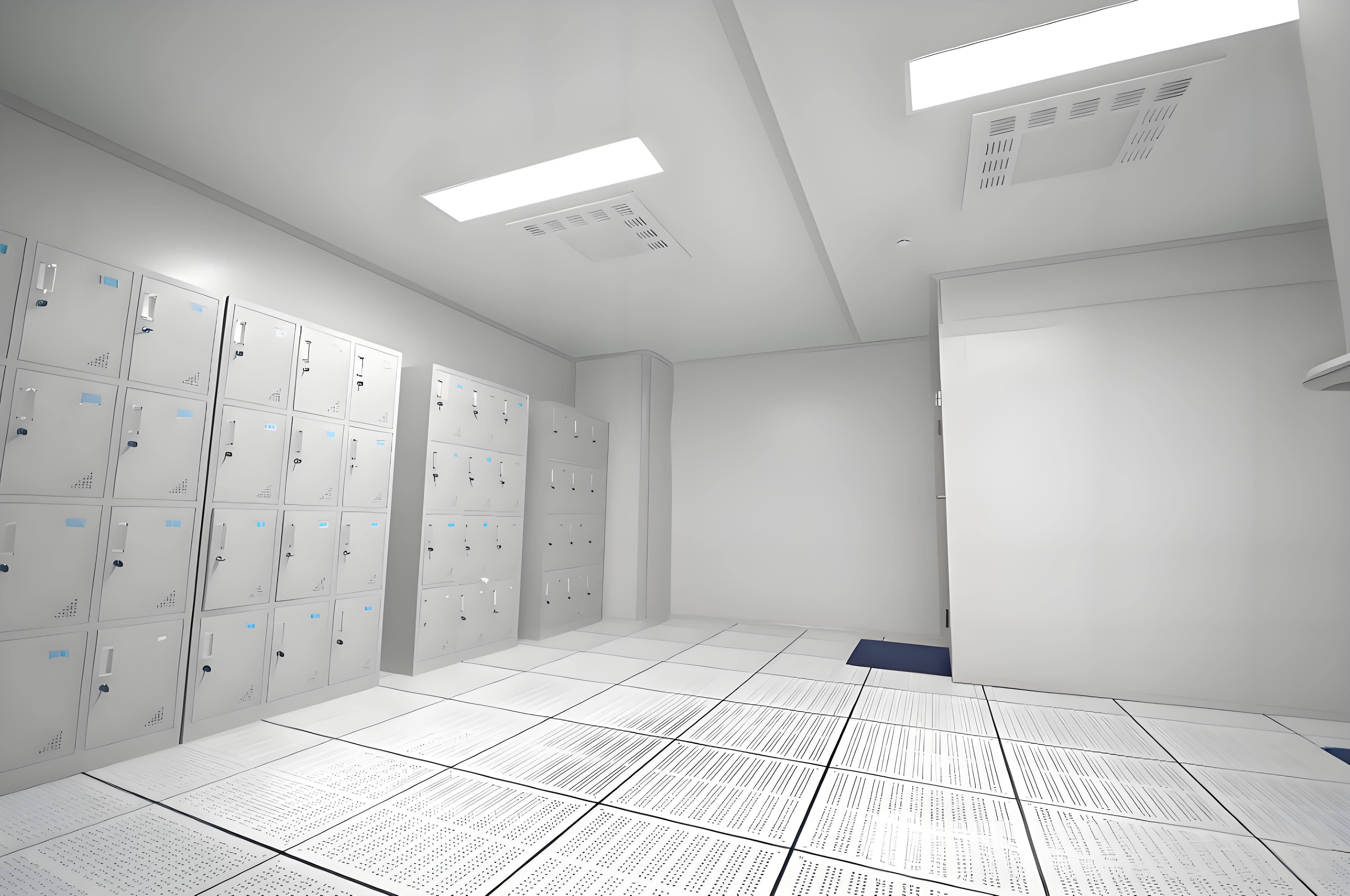
At its core, compressed gas process pure water engineering represents the intersection of fluid dynamics and chemical purification. In a typical industrial environment, compressed air is used to drive pneumatic systems, purge sensitive equipment, or act as a drying agent. Simultaneously, pure water is essential for cleaning wafers, formulating drugs, or cooling high-precision lasers.
If the gas contains oil vapor or the water contains silica, the results can be catastrophic. TAI JIE ER focuses on designing systems where the purification stages are redundant and monitored in real-time. This integrated approach reduces the footprint of the utility room and ensures that both gas and water systems are maintained under a unified quality management protocol.
The technical requirements for these systems are dictated by the end-use application. For gas systems, this involves multi-stage filtration to reach "Class 0" air quality, free of oil and moisture. Desiccant dryers and activated carbon towers are common components used to achieve pressure dew points as low as -70°C.
For the water component, the process usually involves a sequence of pre-treatment, Reverse Osmosis (RO), and Electrodeionization (EDI). In a sophisticated compressed gas process pure water engineering setup, the water is further polished using UV sterilizers and sub-micron filters to reach a resistivity of 18.2 MΩ·cm. TAI JIE ER ensures that every pipe, valve, and fitting is selected to prevent leaching, which could re-contaminate the purified medium.
One of the most overlooked aspects of utility engineering is the choice of delivery materials. In a compressed gas process pure water engineering project, the piping material is just as important as the purification equipment. For high-purity gases, 316L stainless steel with electro-polished internal surfaces is the industry standard to prevent particulate shedding.
For pure water, thermoplastic materials like PVDF (Polyvinylidene Fluoride) are often preferred due to their chemical inertness and resistance to microbial growth. TAI JIE ER utilizes advanced infrared (IR) welding techniques for PVDF piping to ensure smooth joints. This eliminates the "dead zones" where bacteria could otherwise thrive, maintaining the integrity of the water from the treatment plant to the cleanroom tool.
When planning a compressed gas process pure water engineering project, it is helpful to compare the different technologies available. For gas purification, mechanical coalescing filters are excellent for liquid water and oil aerosols, but they cannot remove vapors. For that, adsorption is required.
In water treatment, the choice between double-pass RO and a single-pass RO followed by EDI is a common debate. While double-pass RO provides a high degree of reliability, the inclusion of EDI significantly reduces the need for chemical regeneration, making it a more sustainable and cost-effective choice for long-term operations. TAI JIE ER evaluates the source water chemistry and gas quality requirements to recommend the most efficient technology stack for each specific site.
The operational cost of a compressed gas process pure water engineering system is heavily influenced by energy consumption. Air compressors are notoriously energy-intensive, and high-pressure water pumps also contribute to the utility bill. To address this, TAI JIE ER integrates Variable Frequency Drives (VFDs) and smart control algorithms.
By matching the output of the compressors and pumps to the actual demand of the production line, facilities can realize significant energy savings. Furthermore, heat recovery systems can be installed on air compressors to pre-heat water for other processes, effectively turning "waste" energy into a valuable resource. This holistic view of energy management is a hallmark of modern cleanroom engineering.
Choosing a provider for a compressed gas process pure water engineering project requires looking beyond the initial quote. Experience in managing complex installations and understanding regulatory compliance is vital. TAI JIE ER brings decades of expertise to the table, offering turnkey solutions that cover everything from initial CAD design to final commissioning and validation.
Our team understands that a delay in utility installation can stall an entire factory build. Therefore, we prioritize project management and transparent communication. We provide detailed documentation for every component, ensuring that the system is ready for audit by health or environmental agencies.
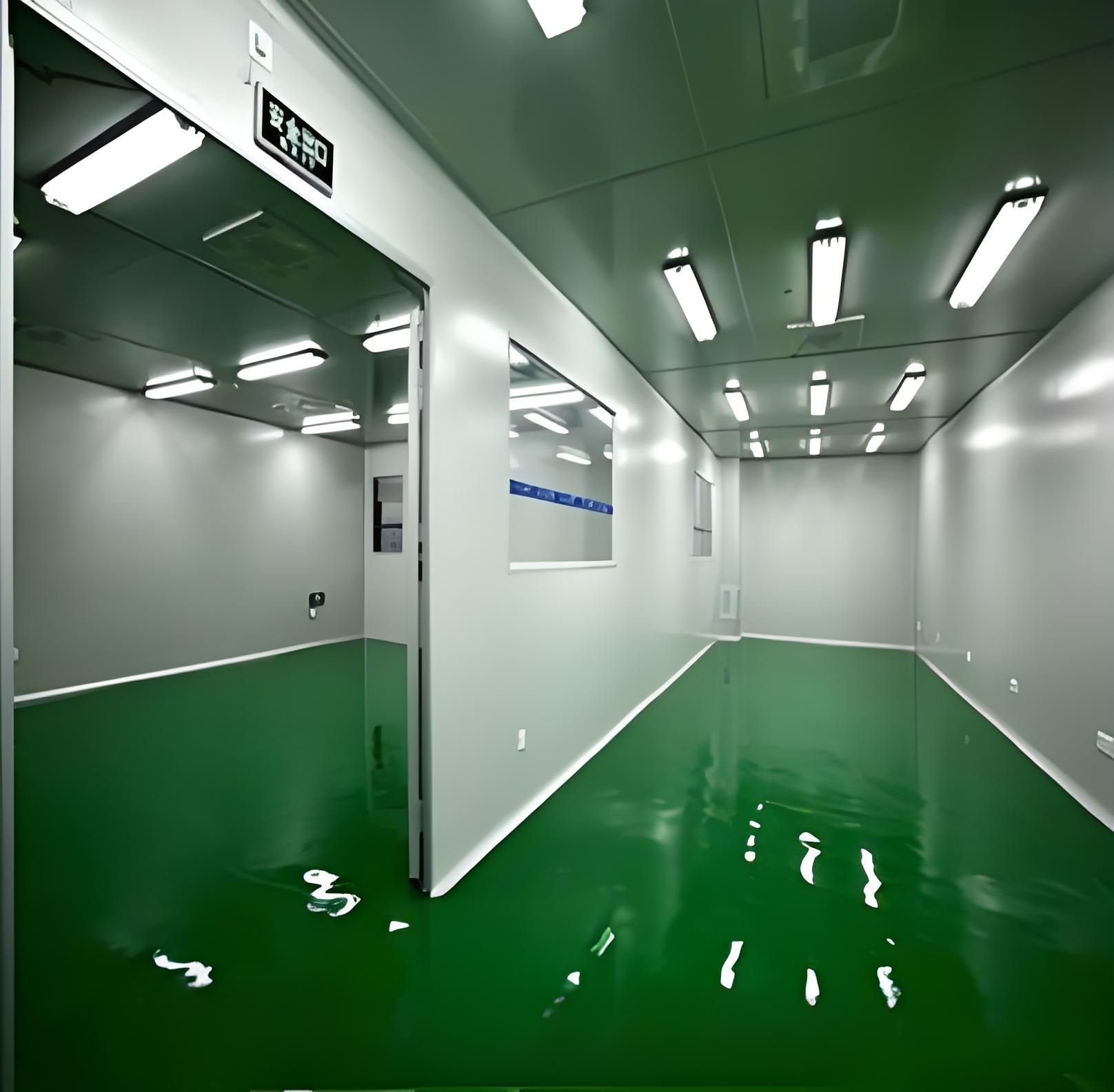
A well-engineered system is only as good as its maintenance schedule. In the context of compressed gas process pure water engineering, "set it and forget it" is a dangerous mindset. Filters must be changed based on pressure differentials, and sensors must be calibrated periodically to ensure accuracy.
TAI JIE ER offers comprehensive service contracts that include routine water sampling and air quality testing. By identifying potential issues before they lead to system failure, we help our clients avoid unplanned downtime. Our remote monitoring capabilities allow us to track system performance and provide immediate support if a parameter drifts outside of its specified range.
The modern compressed gas process pure water engineering project now includes a digital layer. Sensors for Conductivity, Total Organic Carbon (TOC), pressure, and flow rate are networked into a centralized Building Management System (BMS). This allows for data logging and trend analysis, which are essential for continuous improvement and troubleshooting.
TAI JIE ER leverages this data to optimize the duty cycles of the equipment. If the sensors detect a slight increase in TOC in the water or a rise in the dew point of the gas, the system can automatically trigger a maintenance alert or switch to a redundant backup unit. This level of automation is what separates world-class facilities from standard industrial plants.
In summary, the successful implementation of a compressed gas process pure water engineering project is a delicate balance of science, engineering, and operational discipline. By focusing on high-quality materials, efficient purification technologies, and smart monitoring, TAI JIE ER helps manufacturers create stable environments for their most sensitive processes. As industrial requirements continue to tighten, having a robust and reliable utility infrastructure will remain the key differentiator for leaders in the high-tech sector.
Q1: What are the main components of a compressed gas process pure water engineering system?
A1: A typical system includes air compressors, refrigerated or desiccant dryers, and multi-stage filtration for the gas side. For the water side, it includes pre-filtration units, Reverse Osmosis (RO) membranes, Electrodeionization (EDI) modules, and UV sterilization lamps. These are all linked by high-purity piping and managed by a centralized control system.
Q2: Why is moisture control so important in the gas process?
A2: Moisture in compressed gas can lead to several problems, including corrosion of the piping system, freezing in expansion valves, and providing a medium for microbial growth. In a compressed gas process pure water engineering project, achieving a low dew point is essential to prevent these issues and protect sensitive manufacturing equipment.
Q3: How does TAI JIE ER ensure there is no cross-contamination between gas and water lines?
A3: While these systems are often designed together, they are kept physically distinct. We use clear labeling, different piping materials (such as stainless steel for gas and PVDF for water), and distinct routing paths. Our engineering designs follow strict P&ID (Piping and Instrumentation Diagram) standards to ensure there is no risk of accidental cross-connection.
Q4: What is the benefit of using EDI over traditional deionization tanks?
A4: EDI (Electrodeionization) is a continuous process that uses electricity to regenerate ion-exchange resins, whereas traditional tanks require periodic chemical regeneration with acids and bases. This makes EDI more environmentally friendly, safer for operators, and provides a more consistent water quality without the "spikes" associated with tank exhaustion.
Q5: Can these systems be scaled if production needs increase?
A5: Yes, scalability is a core part of the compressed gas process pure water engineering design philosophy at TAI JIE ER. We often utilize a modular approach, where additional RO membranes or compressor units can be added to the existing infrastructure with minimal disruption to current operations.
Q6: How long does it typically take to complete a full installation?
A6: The timeline varies depending on the scale of the facility. A standard project can take anywhere from three to nine months from the initial design phase to final validation. TAI JIE ER focuses on efficient project timelines by using prefabricated modules and streamlined installation techniques to meet our clients' production schedules.