
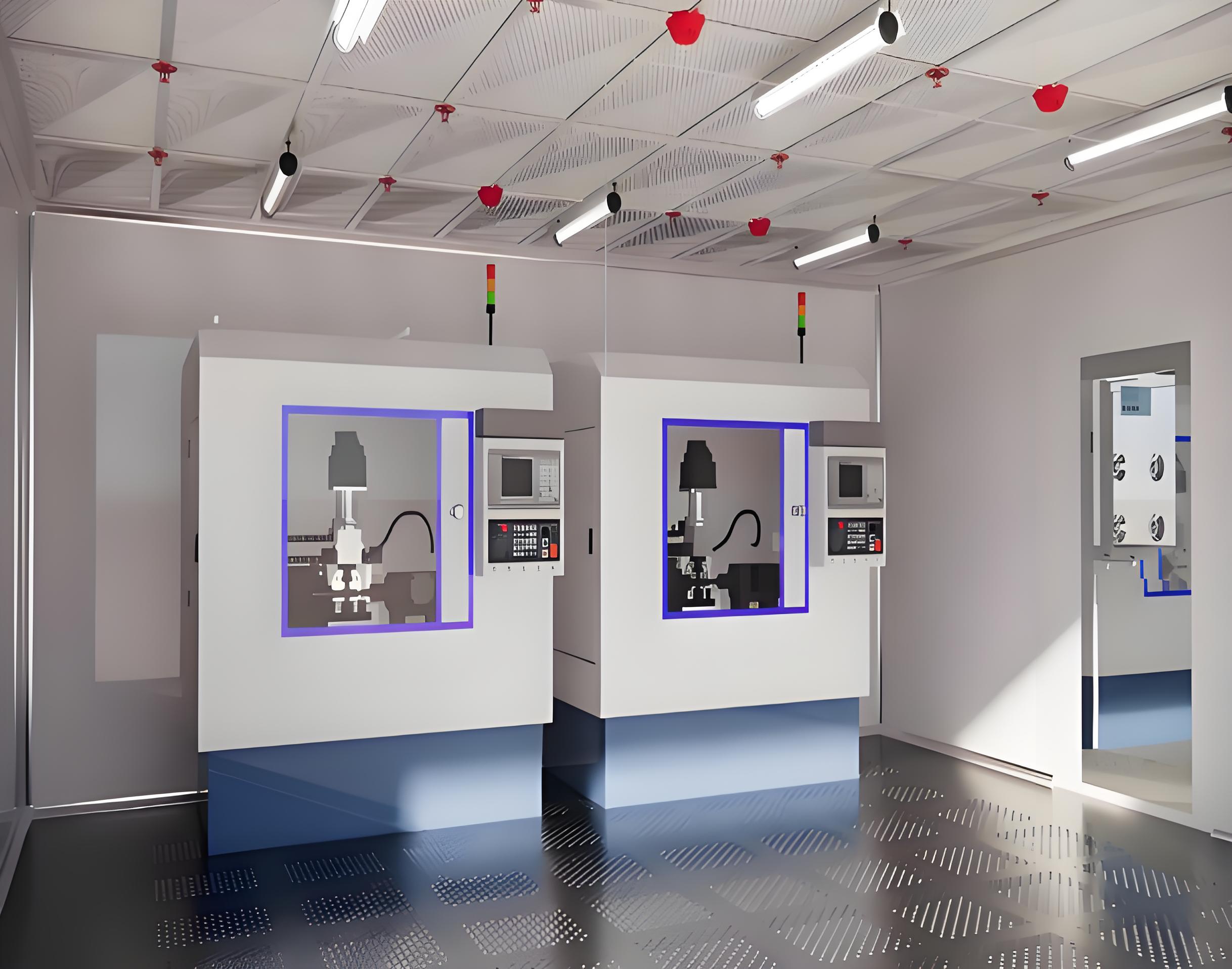
In high-precision manufacturing and laboratory environments, water is rarely just H2O. It’s a critical utility. The presence of minerals, ions, or particles in water can ruin sensitive processes, contaminate products, or damage expensive equipment. This is where specialized compressed gas process pure water engineering becomes indispensable. It's a technical discipline focused on designing and building integrated systems that produce, store, and deliver water of exceptional purity, often using compressed gases like nitrogen or air as part of the distribution or control mechanism.
For industries like semiconductors, pharmaceuticals, and biotechnology, compromised water quality equates to financial loss and operational risk. A robust system engineered for this purpose ensures consistency, protects capital investment, and safeguards product integrity. Firms like TAI JIE ER apply deep engineering principles to translate purity standards into reliable, turnkey installations.
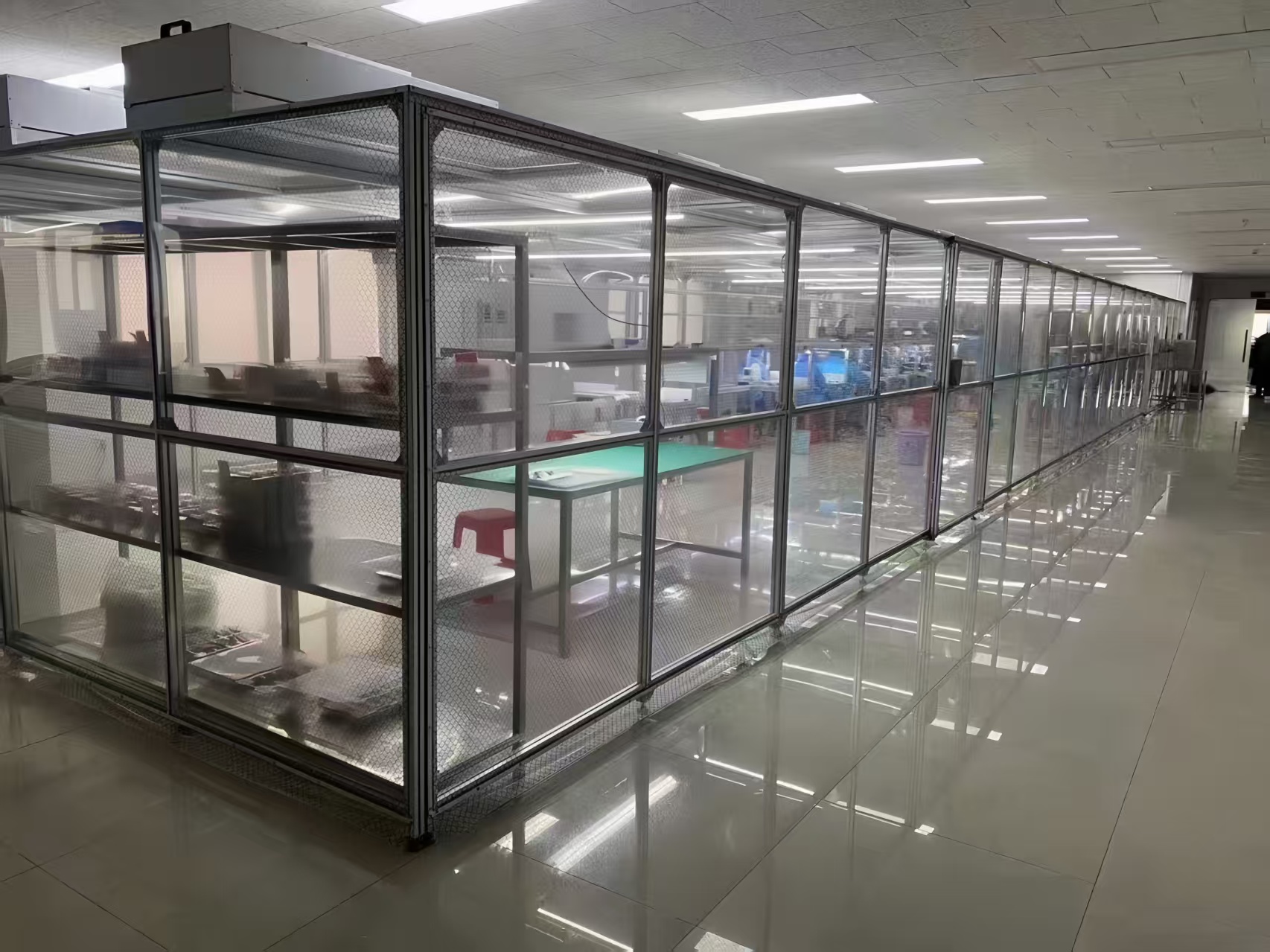
Process pure water is defined by its application, not a single standard. Its quality far exceeds drinking water and is characterized by extremely low levels of specific contaminants.
Key Parameters Include:
A compressed gas process pure water engineering project starts by defining these target specifications based on the end-user's process requirements.
A comprehensive pure water system is more than just filters. It's a cascading series of treatment stages, each with a specific removal task.
This stage prepares feed water for the core purification units. Inconsistent pretreatment is the leading cause of downstream system failure.
Common Technologies:
Here, the bulk of dissolved ions are removed. Reverse Osmosis (RO) is the industry standard.
RO System Design:
A well-engineered RO unit includes proper pre-filtration, dosing for scale inhibition, and correctly selected membranes. The design must account for recovery rates and concentrate disposal.
For many high-purity applications, RO effluent requires further polishing. EDI is a chemical-free, continuous process that uses electricity to remove residual ions.
EDI Advantages:
It eliminates the need for hazardous acid and caustic regenerants used in traditional mixed-bed deionization, enhancing safety and operational simplicity.
This is where compressed gas process pure water engineering distinctly separates itself from standard systems. Maintaining purity after production is a major challenge.
Inert Gas Blanketing:
High-purity nitrogen, often generated on-site, is used to blanket storage tanks. This inert gas cushion prevents the purified water from absorbing carbon dioxide and oxygen from the air, which would form carbonic acid and increase conductivity.
Gas-Powered Transfer:
In some designs, compressed ultra-clean air or nitrogen provides a pressure motive force to move water through final distribution loops without introducing contaminants from mechanical pump seals.
Pneumatic Valve Actuation:
Critical system valves may be actuated by clean compressed gas to ensure reliable, contaminant-free operation.
The point-of-use delivery is the final test of the entire compressed gas process pure water engineering effort. A poorly designed loop recontaminates the water.
Continuous Recirculation:
Water must constantly circulate at a designed velocity to prevent stagnation and microbial growth.
Material Selection:
PVDF (polyvinylidene fluoride) or electropolished 316L stainless steel tubing is standard. Sanitary fittings prevent dead legs.
Ultrafiltration Final Barrier:
Point-of-use or sub-loop ultrafilters remove particles and microbes, providing the final barrier before the process tool or bench.
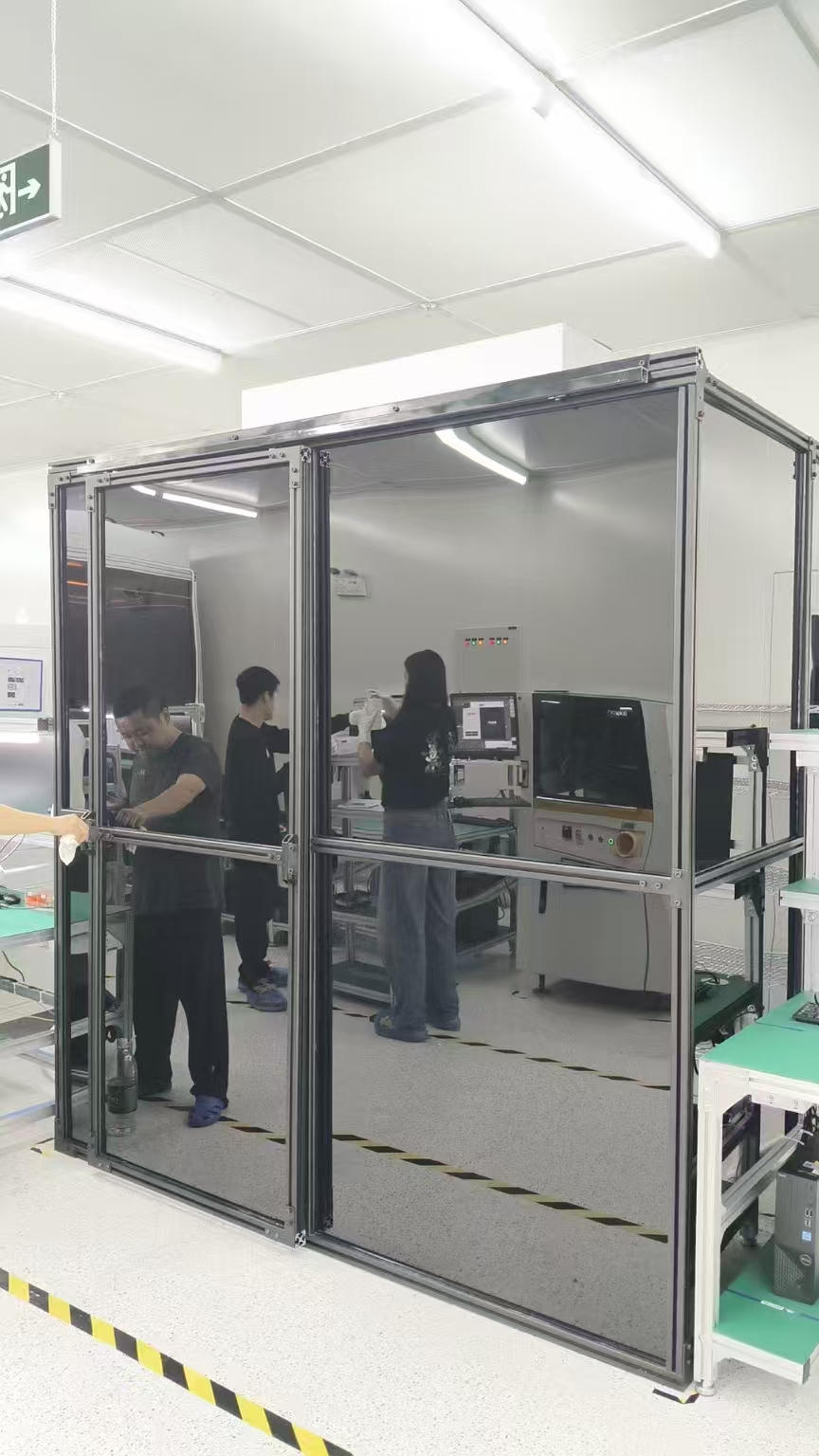
The engineering approach varies significantly by sector.
Microelectronics and Semiconductor Fabrication:
Focus is on extreme particle control and ultra-high resistivity. Systems must support constant, high-volume demand. TAI JIE ER often integrates advanced oxidation for TOC destruction in these projects.
Pharmaceutical and Biotech:
Compliance with pharmacopeia standards (USP, EP) for Water-for-Injection (WFI) or Purified Water is mandatory. Systems require full validation (IQ/OQ/PQ), sanitary design, and proven endotoxin control.
Laboratory and Research Facilities:
Systems may need to deliver different grades (Type I, II, III) to various outlets, requiring intelligent zoning and distribution management.
Even with perfect design, real-world execution presents hurdles.
Space Constraints:
Pure water systems are equipment-intensive. TAI JIE ER utilizes 3D modeling in the design phase to create compact, modular skids that fit into tight mechanical rooms while allowing maintenance access.
Integration with Building Utilities:
The system must interface with plant steam, electricity, drain lines, and compressed gas supplies. Early coordination with facility managers is part of the engineering workflow.
Future-Proofing and Scalability:
A good design accommodates future capacity increases. Using modular components and planning for extra distribution piping during initial installation prevents costly retrofits later.
Installation is just the beginning. Sustaining purity requires a disciplined operational and maintenance philosophy.
Continuous Monitoring:
Online sensors for resistivity, TOC, and particle count provide real-time system health data. Alarms should trigger immediate investigation.
Preventative Maintenance Schedule:
Membrane changes, UV lamp replacements, and sanitization cycles must be proactive, not reactive. TAI JIE ER provides clients with detailed maintenance protocols and can support with service contracts.
Regular Water Quality Testing:
Grab-sample testing against the full specification slate provides validation that the online sensors and the total system are performing as intended.
A successful compressed gas process pure water engineering project is a fusion of chemistry, mechanical engineering, and controls expertise. It delivers not just a piece of infrastructure, but a guaranteed utility that underpins product quality. Partnering with an experienced firm ensures the system is designed for reliability, built for compliance, and supported for its entire lifecycle.
Q1: What is the main advantage of using compressed nitrogen in a pure water system?
A1: The primary advantage is inert blanketing of storage tanks. Nitrogen displaces air, preventing purified water from absorbing carbon dioxide (which forms conductivity-increasing carbonic acid) and oxygen (which can promote microbial growth). This is a cornerstone of maintaining high resistivity in the storage and distribution phase.
Q2: How does Electrodeionization (EDI) differ from traditional Mixed-Bed (MB) DI polishers?
A2: Mixed-Bed DI uses replaceable resin cartridges that require chemical regeneration with acid and caustic once exhausted. EDI is a continuous, chemical-free process that uses DC current to ionize water and regenerate the resin internally. EDI offers more consistent quality, lower operating costs, and improved safety, making it the preferred choice for modern compressed gas process pure water engineering.
Q3: What is the single most common cause of RO membrane failure?
A3: Improper or inconsistent pretreatment is the most common cause. Scaling (from hard water), fouling (from silt or organic matter), and chemical degradation (from chlorine) can all rapidly damage RO membranes. Investing in a robust and well-maintained pretreatment stage is essential for protecting the core RO investment.
Q4: Can an existing pure water system be upgraded to meet higher purity standards?
A4: Often, yes. Upgrades can include adding a secondary RO stage, integrating an EDI module, replacing distribution piping with higher-purity materials, or installing point-of-use ultrafilters. TAI JIE ER frequently conducts audits of existing systems to provide a roadmap for phased upgrades that improve output quality without a complete system replacement.
Q5: What documentation should we expect from a professional engineering firm like TAI JIE ER?
A5: You should receive a comprehensive package including P&IDs (Piping and Instrumentation Diagrams), system operational manuals, material certifications, as-built drawings, and a detailed maintenance schedule. For regulated industries, this extends to validation protocols (DQ/IQ/OQ), calibration records, and full traceability of components in contact with the water.