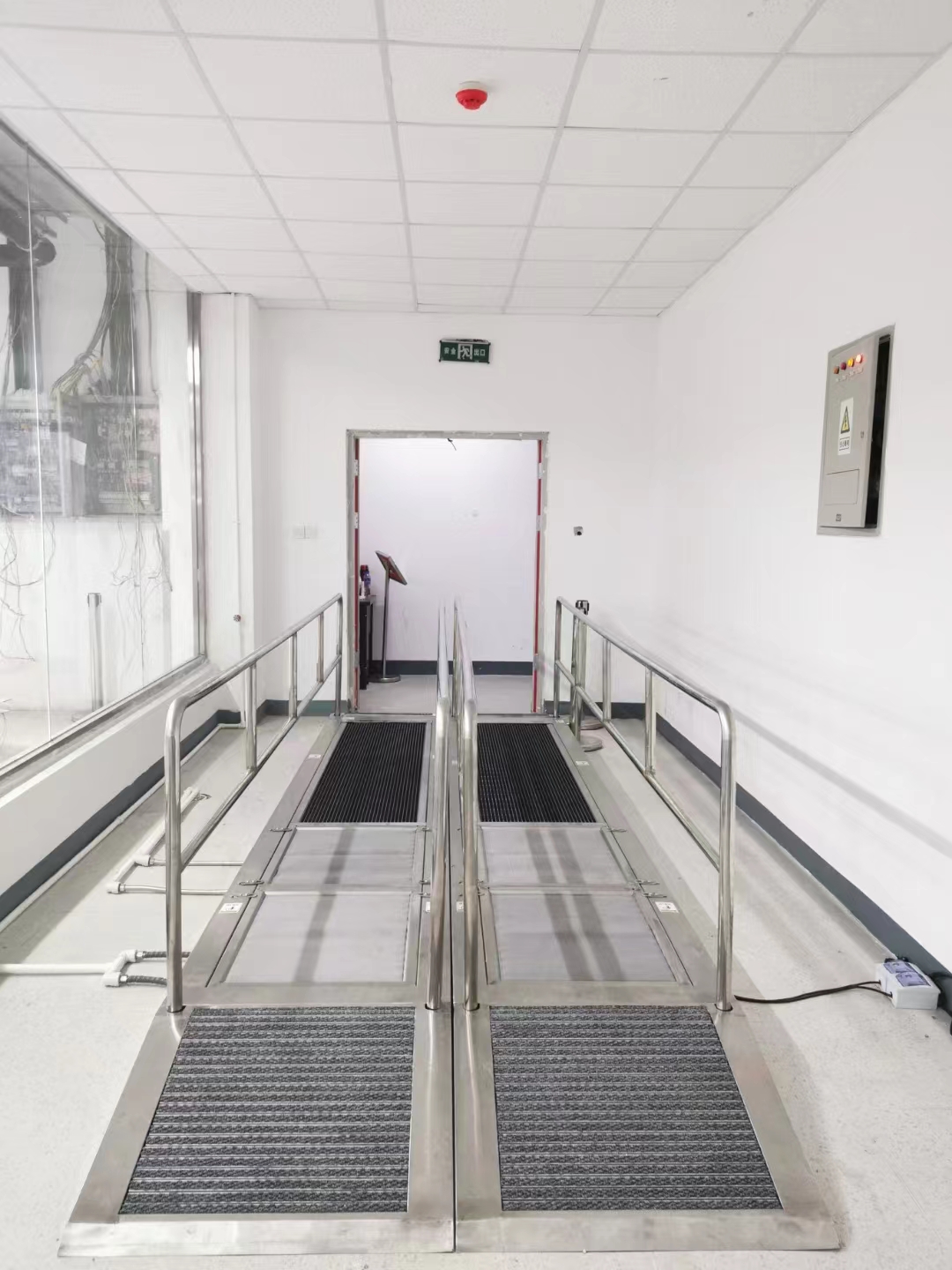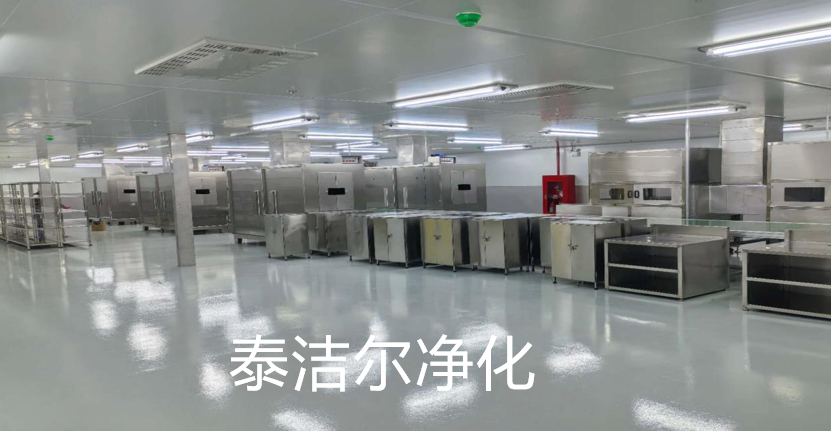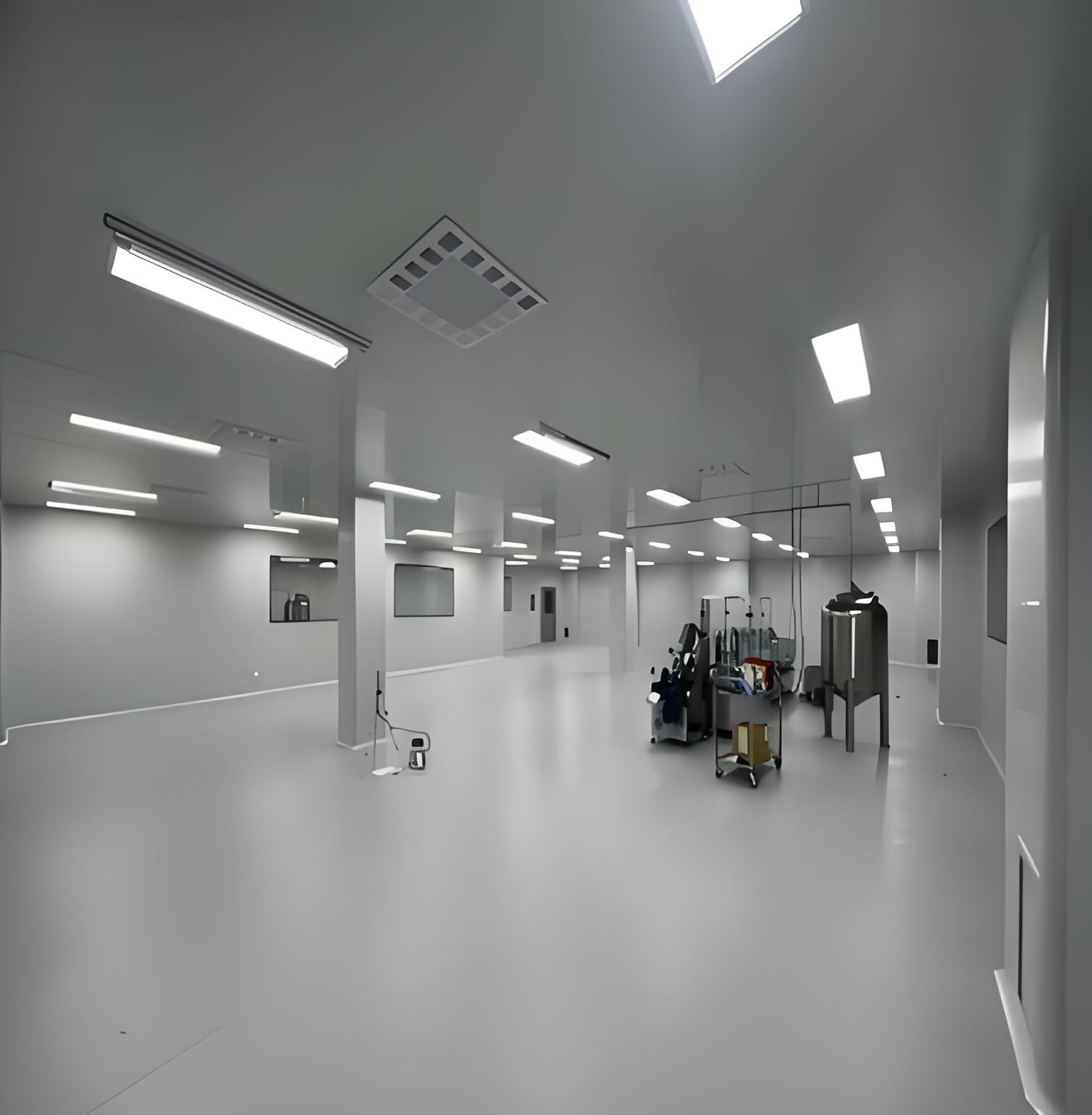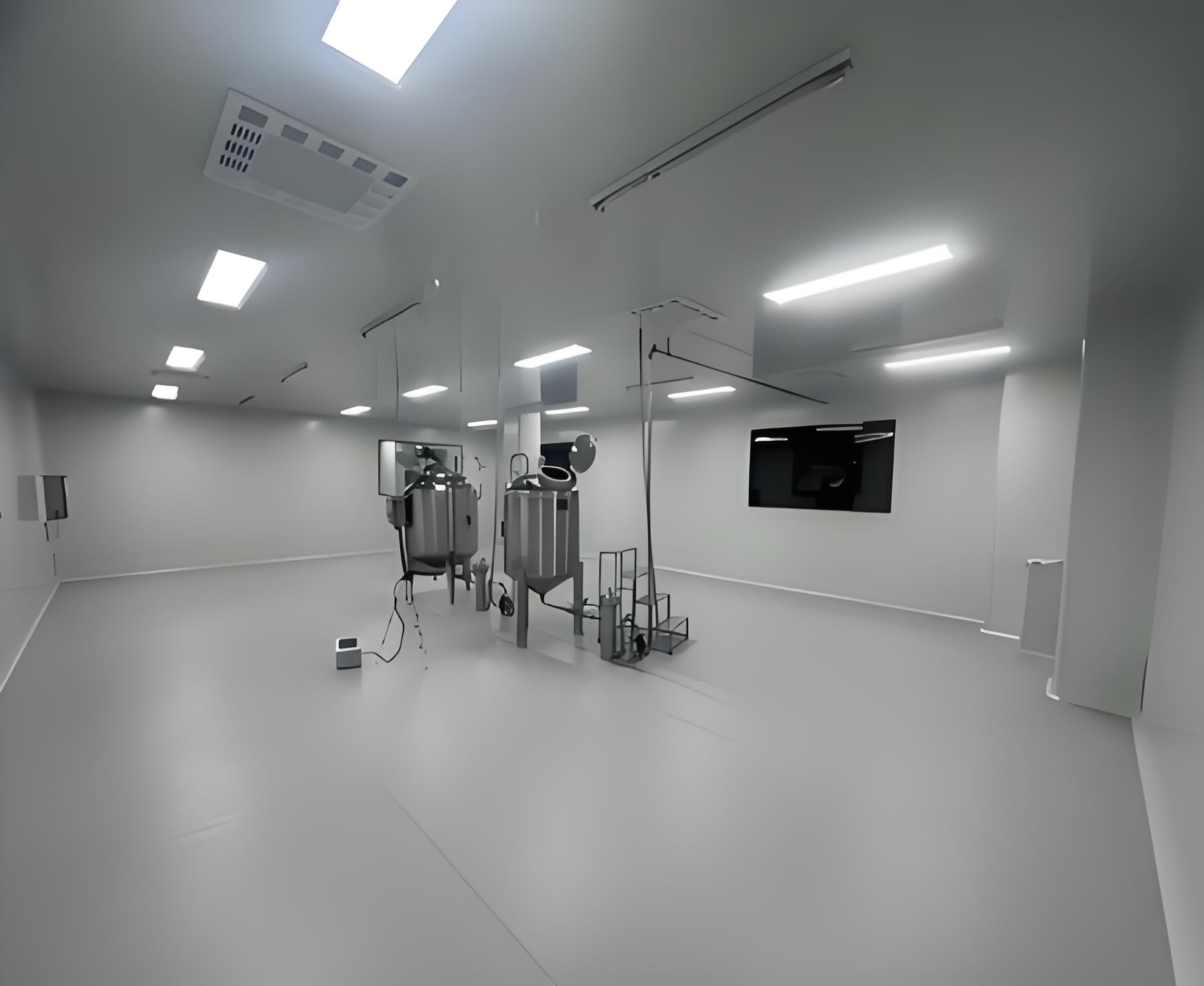
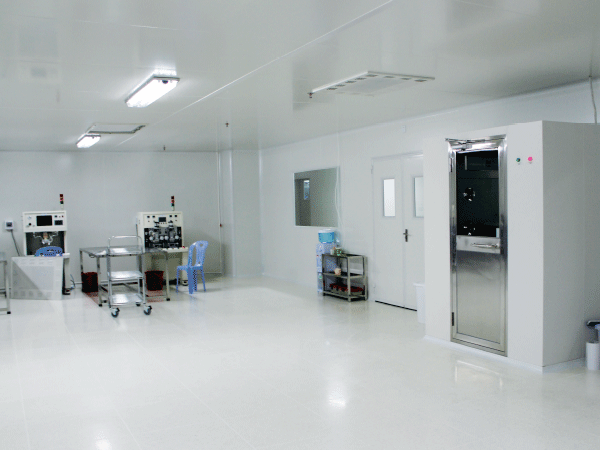

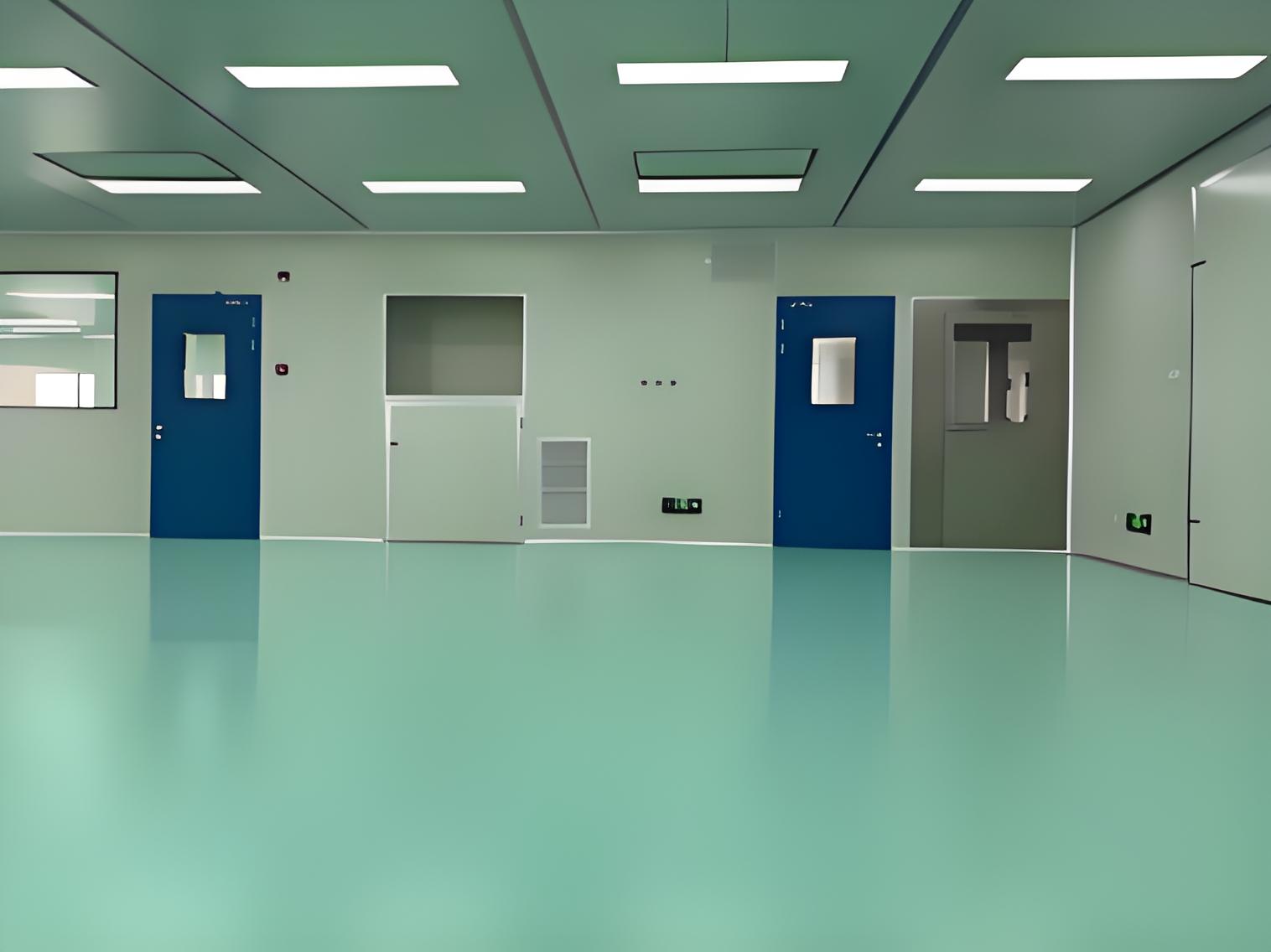
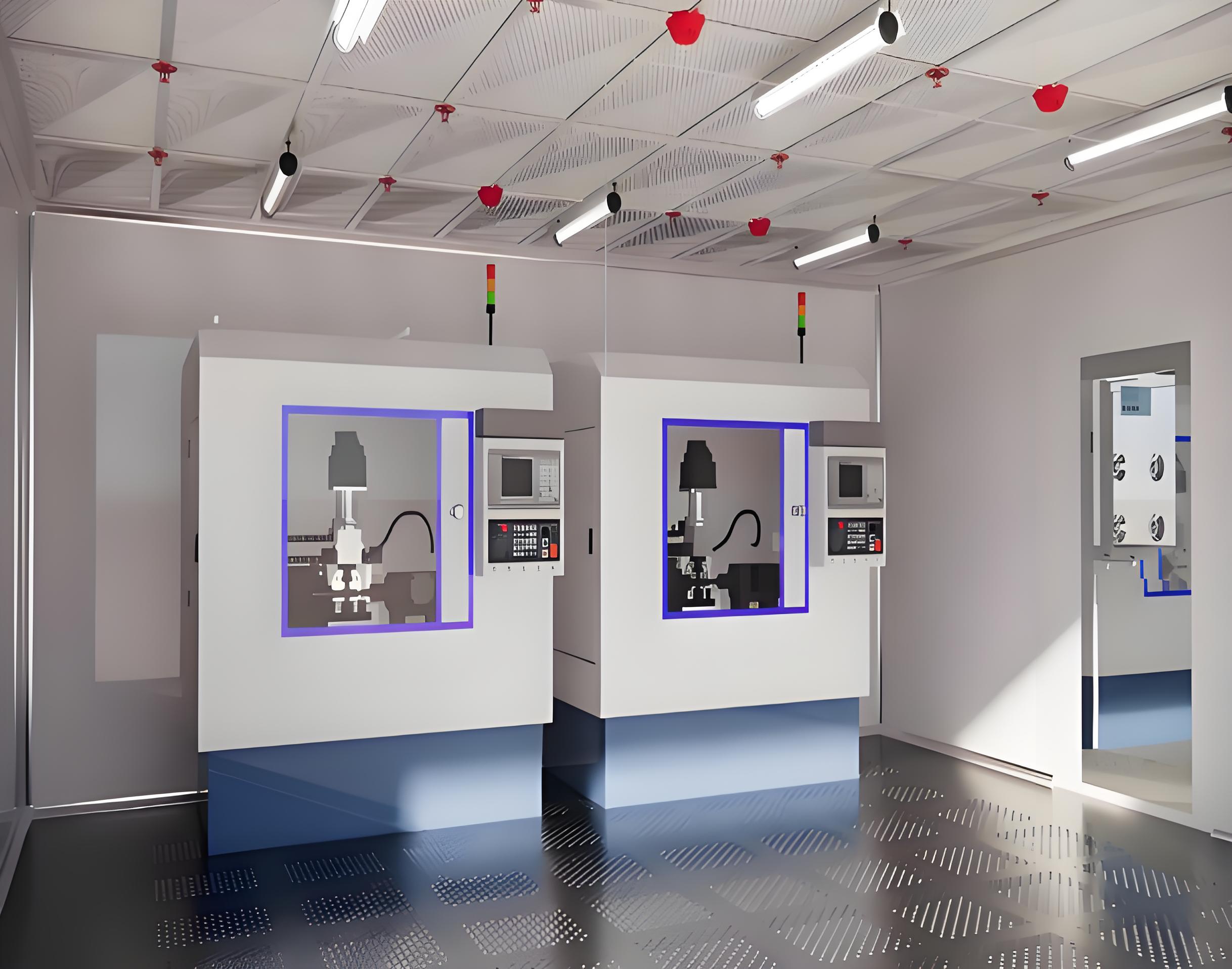
The production of high-quality, safe, and effective cosmetics relies heavily on the manufacturing environment. Cleanroom Engineering" target="_blank">Cosmetic GMP Cleanroom Engineering forms the critical foundation for meeting stringent Good Manufacturing Practice (GMP) standards. It involves the specialized design and construction of controlled environments that minimize airborne particles, microbial contamination, and cross-contamination.
This engineering discipline ensures product integrity, protects consumer safety, and is essential for brands aiming for global market compliance and excellence.
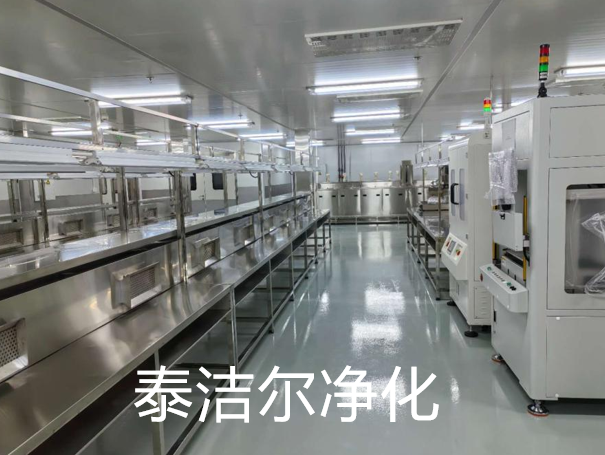
Adhering to GMP is not merely a regulatory suggestion; it is a fundamental requirement for responsible manufacturing. For cosmetics, GMP guidelines focus on every aspect of production, with facility design being paramount.
A well-engineered cleanroom is the first line of defense. It directly impacts:
Successful Cleanroom Engineering" target="_blank">Cosmetic GMP Cleanroom Engineering integrates several interdependent systems to create a seamless controlled environment.
Cleanrooms are classified by the cleanliness of the air, measured by the number and size of particles per cubic meter. Common standards for cosmetics include:
Essential HVAC and Filtration Systems
The Heating, Ventilation, and Air Conditioning (HVAC) system is the cleanroom's "lungs and heart."
Materials and Surfaces for Cleanroom Construction
Every surface must support cleanliness and durability.
Contamination Control Protocols
Engineering enables control, but protocols sustain it.
A systematic approach is key to a successful project. Specialists like TAI JIE ER follow a detailed phased process.
Phase 1: Concept and Feasibility
This initial stage defines the project's scope and goals.
Phase 2: Detailed Design Development
Here, the concept transforms into precise, buildable plans.
Phase 3: Construction and Installation
The physical build requires meticulous coordination.
Phase 4: Qualification and Validation (IQ/OQ/PQ)
This critical phase proves the cleanroom performs as designed.
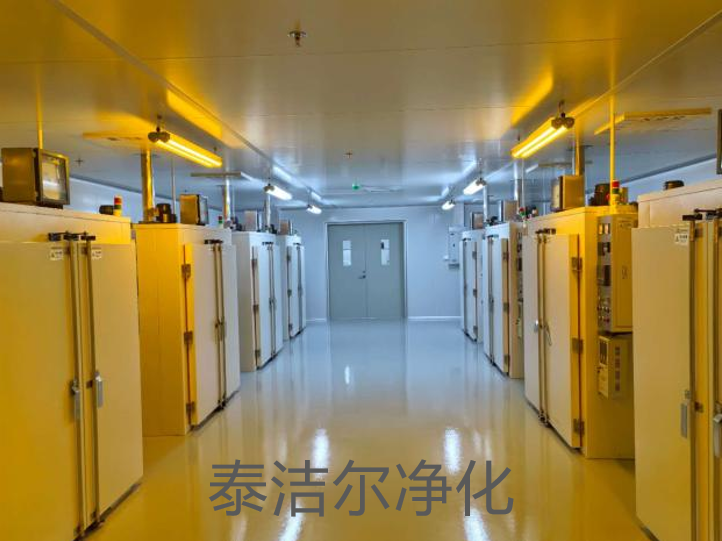
A cleanroom is a dynamic system requiring constant attention.
Choosing an Engineering Partner: Key Considerations
Selecting the right firm is crucial for long-term success. Look for a partner with:
Firms like TAI JIE ER bring this focused expertise, ensuring your facility is built to exact standards from day one.
The commitment to product quality begins with the facility itself. Robust Cleanroom Engineering" target="_blank">Cosmetic GMP Cleanroom Engineering is a strategic investment that mitigates risk, ensures compliance, and builds a foundation for brand trust and market growth. By prioritizing a scientifically designed and expertly built controlled environment, cosmetic manufacturers can confidently produce products that meet the highest standards of safety and excellence.
Q1: What is the typical ISO class required for a cosmetic filling room?
A1: For most non-sterile cosmetic filling operations, an ISO 7 (Class 10,000) environment is commonly adopted and accepted by regulators. For products with very high-risk ingredients or aseptic filling, an ISO 5 (Class 100) background with laminar flow hoods may be necessary.
Q2: How often does a cosmetic GMP cleanroom need to be recertified?
A2: ISO 14644 standards recommend routine monitoring and periodic testing. Full re-certification, including particle count tests, airflow velocity, and leak tests, is typically performed every 12 months. More frequent monitoring (e.g., particle counts, pressure differentials) is done daily or weekly.
Q3: Can an existing room be converted into a GMP cleanroom?
A3: Yes, retrofitting is possible but involves significant work. It requires assessing the existing structure, installing a new HVAC system with HEPA filtration, building a seamless cleanroom envelope within the space, and implementing proper controls. A feasibility study with a specialist like TAI JIE ER is the first step.
Q4: What are the biggest ongoing costs for operating a cosmetic cleanroom?
A4: The major operational costs are energy consumption (from running the HVAC system 24/7), regular replacement of HEPA filters, consumables (gowning, cleaning supplies), and the labor for environmental monitoring and routine maintenance.
Q5: How long does it take to design and build a new cosmetic cleanroom facility?
A5: The timeline varies greatly based on size, complexity, and classification. A small to medium-scale ISO 7/8 cleanroom suite can take approximately 6 to 9 months from initial design through to qualification and handover. Larger, multi-room facilities with complex systems require 12 months or more.