
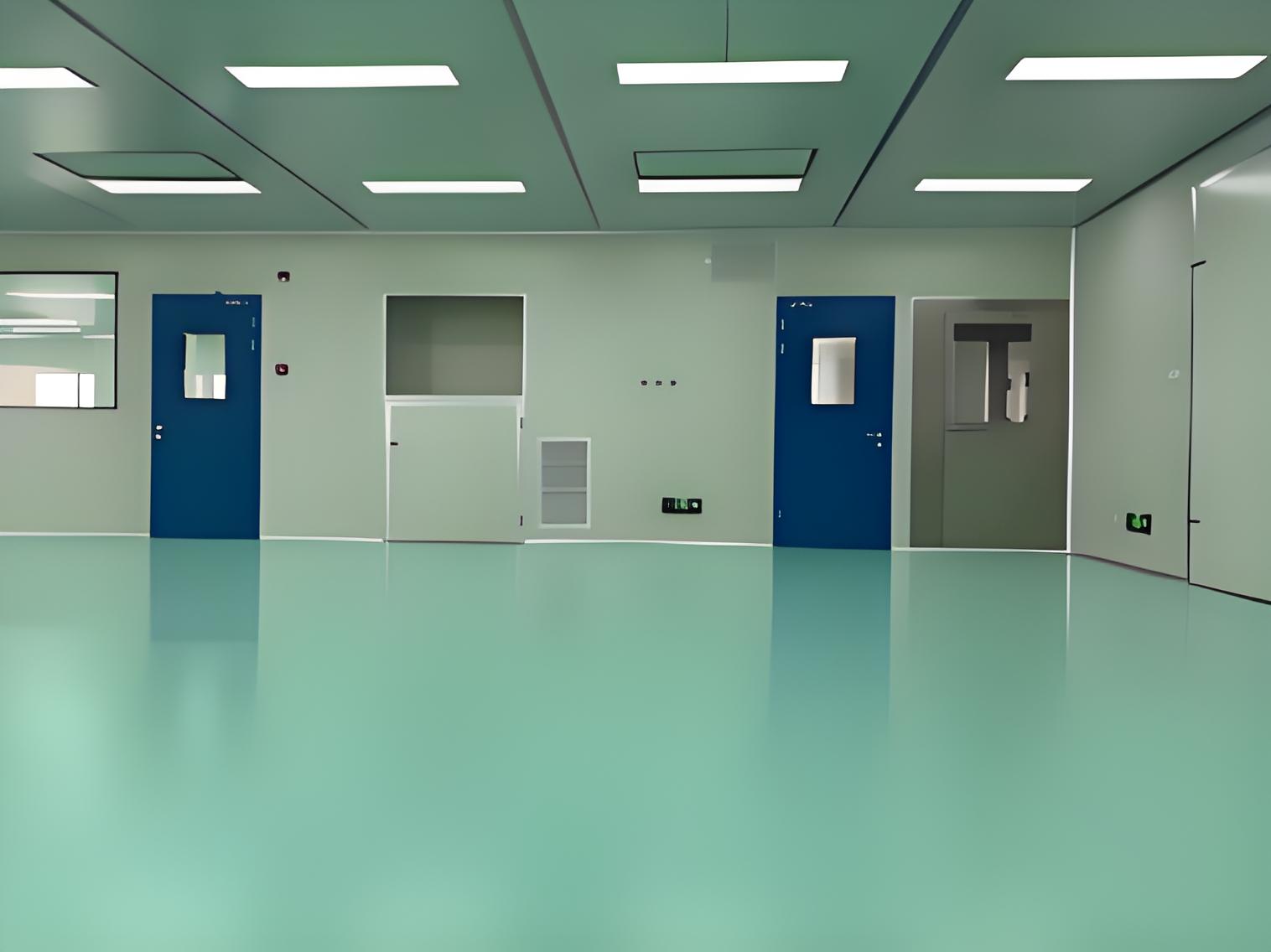
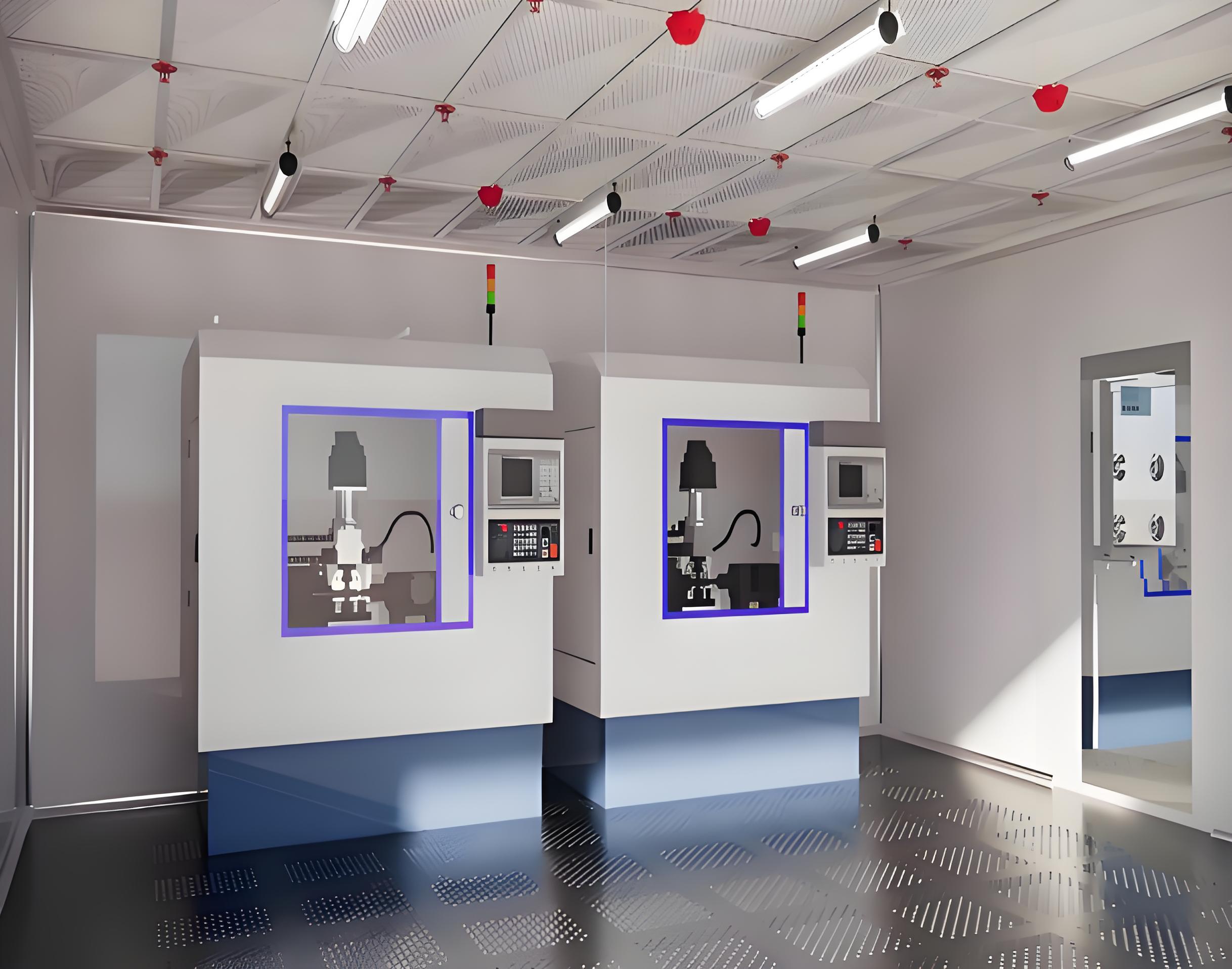
In the high-stakes environments of pharmaceutical manufacturing, biotechnology research, and semiconductor fabrication, precision is not a luxury—it is a necessity. Cleanroom engineering forms the backbone of these controlled environments, ensuring that airborne particles, temperature, humidity, and pressure are maintained within strictly defined limits. As regulatory demands tighten and production processes become more sensitive, the role of advanced engineering practices has never been more critical. This article examines the technical pillars, common industry pain points, and forward-looking solutions that define modern cleanroom engineering, drawing on the expertise of specialists like TAI JIE ER.
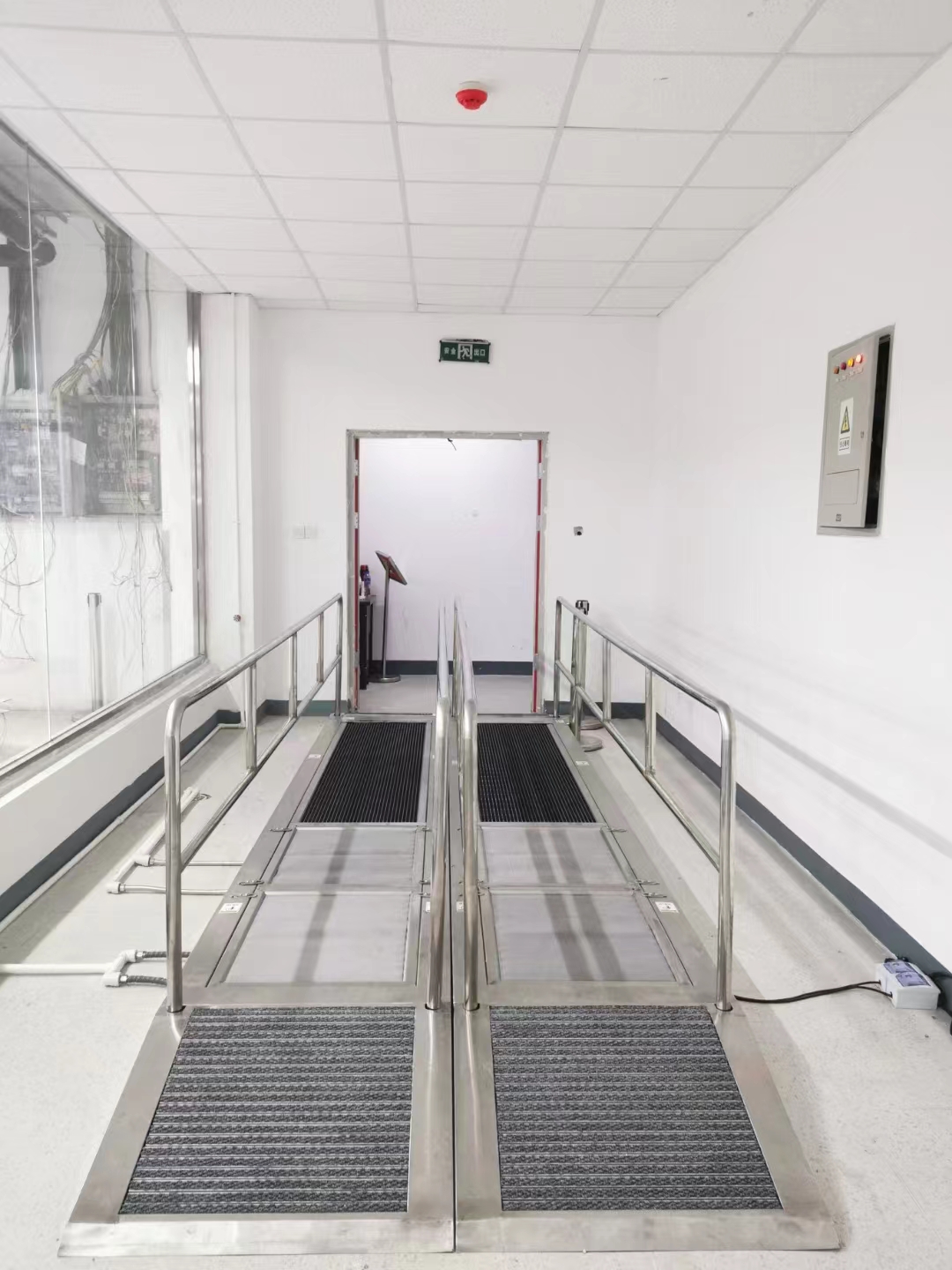
Any discussion of cleanroom engineering must begin with the frameworks that define its very purpose. The primary international standard, ISO 14644-1, classifies cleanrooms based on the concentration of airborne particles. For instance, an ISO Class 5 cleanroom allows a maximum of 3,520 particles (≥0.5 µm) per cubic meter, whereas an ISO Class 8 room permits up to 3,520,000 particles at the same size. These classifications dictate every engineering decision, from air-change rates to filter selection.
Beyond ISO, industry-specific Good Manufacturing Practices (GMP) impose additional requirements. Annex 1 of the EU GMP, for example, mandates unidirectional airflow and strict operator gowning protocols for grade A zones. Compliance with these overlapping standards requires a deep understanding of both mechanical engineering and microbiological control—a core competency delivered by experienced providers like TAI JIE ER.
Heating, Ventilation, and Air Conditioning (HVAC) systems account for 50-70% of a cleanroom's energy consumption and are arguably the most complex subsystem in cleanroom engineering. Key technical parameters include:
Air Changes per Hour (ACH): An ISO 7 pharmaceutical cleanroom typically requires 30-60 ACH, while an ISO 5 may demand 240-480 ACH.
HEPA/ULPA Filtration: HEPA filters (efficiency ≥99.97% at 0.3 µm) are standard; ULPA filters (≥99.9995% at 0.12 µm) are used for critical applications.
Airflow Patterns: Unidirectional (laminar) flow is essential for ISO Class 5 and cleaner, while non-unidirectional (turbulent) flow suffices for lower classes.
Pressure differential cascades are equally vital. Positive pressure protects sensitive products from outside contamination, while negative pressure contains hazardous materials. Modern engineering integrates variable frequency drives (VFDs) and demand-based control to optimize energy use without compromising cleanliness—a growing focus in sustainable cleanroom engineering.
The physical surfaces of a cleanroom—walls, floors, ceilings—must resist particle shedding, withstand repeated cleaning with aggressive agents, and prevent microbial growth. Common materials include:
Modular Panels: Powder-coated steel or aluminum with smooth, non-porous surfaces.
Flooring: Seamless vinyl or epoxy terrazzo that resists chemical corrosion and electrostatic discharge (ESD).
Ceiling Systems: Grid systems integrated with lighting and filter fan units (FFUs).
Corners and joints are engineered with cove bases to eliminate ledges where particles can accumulate. These architectural details are often overlooked but are fundamental to long-term contamination control—a nuance that distinguishes high-quality cleanroom engineering from basic construction.
Cleanroom requirements vary dramatically by industry, necessitating specialized engineering approaches:
These sectors require strict segregation, often through barrier systems like Restricted Access Barrier Systems (RABS) or isolators. Cleanroom engineering here must address live organisms, potent compounds, and aseptic processing. GMP validation—Installation Qualification (IQ), Operational Qualification (OQ), Performance Qualification (PQ)—is mandatory.
Nanoscale manufacturing demands ISO Class 3 or cleaner environments with stringent control of airborne molecular contamination (AMC) and vibration isolation. Airflow velocity uniformity and temperature stability (±0.1°C) are critical.
Each application requires a unique blend of mechanical, electrical, and architectural engineering—expertise that firms like TAI JIE ER have honed across hundreds of projects.
Two persistent pain points dominate client discussions: contamination control and operational costs. Human operators are the primary contamination source, emitting up to 100,000 particles per minute when active. Engineering countermeasures include:
Automation: Reducing human intervention through robotic process automation.
Advanced Gowning Protocols: Airlocks with differential pressure and interlocking doors.
Real-Time Monitoring: Continuous particle counting and microbial sampling.
Energy intensity is another challenge. A single ISO 5 cleanroom can consume as much power as a small office building. Solutions include:
Energy recovery wheels.
Low-pressure-drop HEPA filters.
Occupancy-based setback controls.
These innovations demonstrate how modern cleanroom engineering balances regulatory compliance with sustainability.
The future of cleanroom engineering lies in adaptability and intelligence. Modular cleanrooms—prefabricated in factories and assembled on-site—reduce construction timelines by 30-50% and minimize on-site contamination risks. They also allow reconfiguration as production needs evolve.
Industry 4.0 technologies are transforming operations. Smart sensors provide real-time data on particle counts, pressure, temperature, and humidity, feeding into building management systems (BMS) for predictive analytics. Machine learning algorithms can forecast filter clogging or HVAC failures, enabling proactive maintenance. These digital twins of cleanroom environments are becoming a standard expectation in cutting-edge cleanroom engineering.
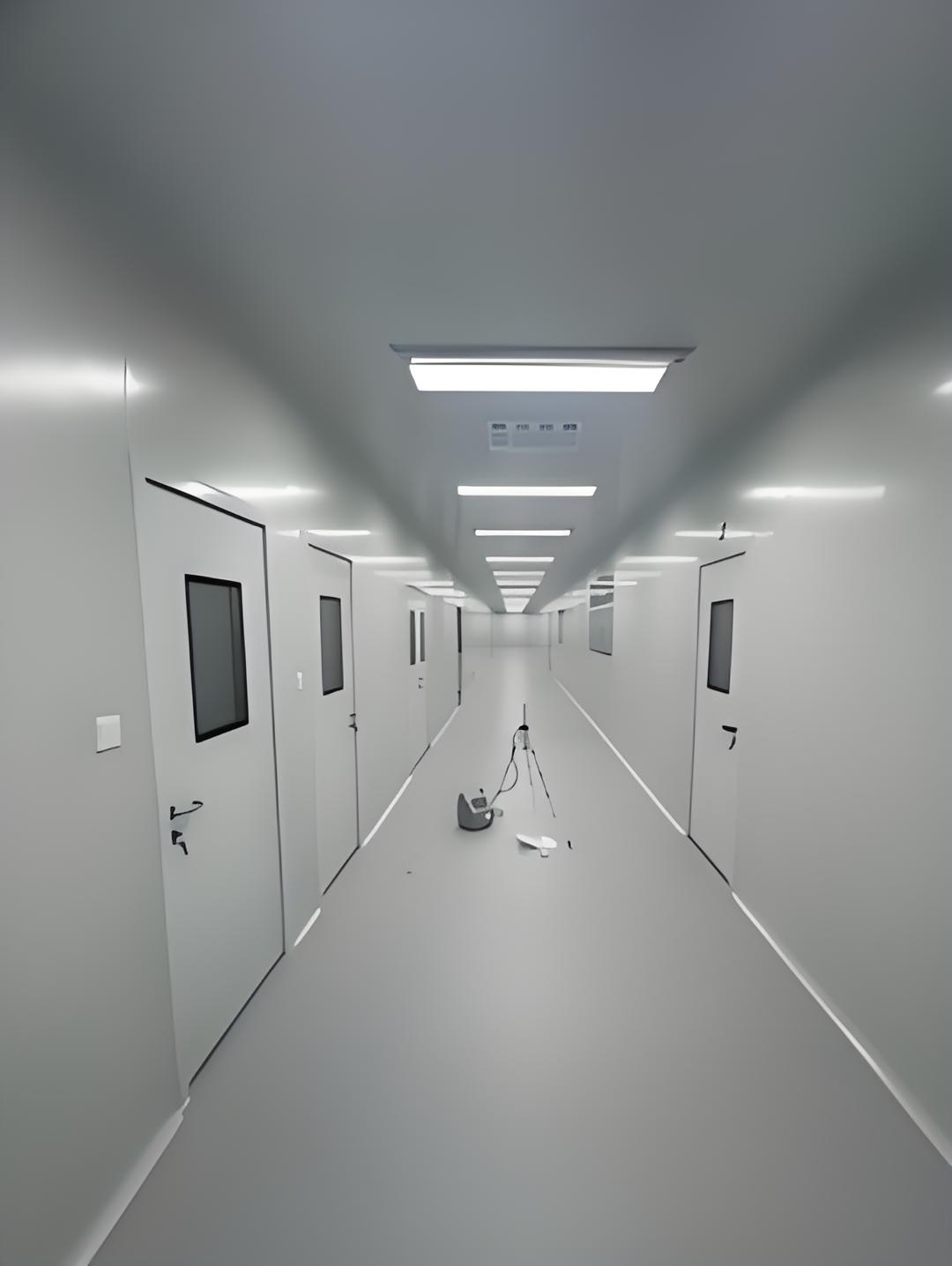
With decades of cumulative experience, TAI JIE ER has positioned itself as a leader in turnkey cleanroom projects. From conceptual design and CFD (Computational Fluid Dynamics) modeling to construction, validation, and after-sales support, the company integrates every facet of cleanroom engineering. Recent projects include a 10,000 m² ISO 7 facility for a vaccine producer and a network of modular ISO 5 cleanrooms for a semiconductor foundry. Their approach combines rigorous adherence to ISO/GMP standards with pragmatic solutions that reduce lifecycle costs—a testament to their engineering authority.
Q1: What is the difference between ISO 7 and ISO 8 cleanrooms in
terms of engineering complexity?
A1: ISO 7 cleanrooms typically
require 30-60 air changes per hour (ACH) and HEPA filtration, while ISO 8 spaces
may operate with 15-25 ACH and sometimes only final-stage filtration. The
engineering of airflow patterns and pressure control is significantly more
intricate for ISO 7, often requiring redundant HVAC systems.
Q2: How often should HEPA filters be tested and replaced in a
cleanroom?
A2: HEPA filters should be integrity-tested annually (or
semi-annually for critical areas) using a certified photometer or aerosol
challenge. Replacement cycles depend on pressure drop readings and particle
counts; typically every 3-5 years, but this varies with pre-filtration
efficiency and operational hours.
Q3: Can an existing conventional factory be retrofitted into a
cleanroom?
A3: Yes, but it requires meticulous cleanroom
engineering. The existing HVAC, ceiling height, and structural loads must be
assessed. Retrofit projects often use modular wall and ceiling systems to
minimize disruption. A specialist like TAI JIE
ER can conduct a feasibility study and gap analysis against ISO
standards.
Q4: What are the most common validation failures in new
cleanrooms?
A4: Frequent issues include improper airflow
visualization (turbulence in critical zones), inadequate pressure differentials
during door openings, and particle shedding from construction materials. These
stem from design-stage oversights, underscoring the need for experienced
cleanroom engineering partners.
Q5: How does Industry 4.0 integration impact cleanroom operational
costs?
A5: Real-time monitoring and predictive analytics can reduce
energy consumption by 15-25% through optimized HVAC scheduling. Additionally,
early detection of contamination events minimizes product loss and revalidation
costs, offering a strong return on investment within 2-3 years.
Q6: What is the role of Computational Fluid Dynamics (CFD) in
cleanroom design?
A6: CFD simulations model airflow patterns,
temperature distribution, and particle dispersion before construction. This
allows engineers to optimize diffuser placement, eliminate dead zones, and
ensure unidirectional flow in critical areas—reducing the risk of non-compliance
and rework.
Q7: Are modular cleanrooms as reliable as traditionally built
ones?
A7: Yes, when engineered correctly. Modular systems
manufactured in ISO-certified facilities often achieve tighter tolerances and
better surface finishes. They are widely accepted by regulatory bodies and offer
the advantage of scalability and faster deployment.
For tailored advice on your next cleanroom project, consult the engineering team at TAI JIE ER—where technical precision meets operational excellence.