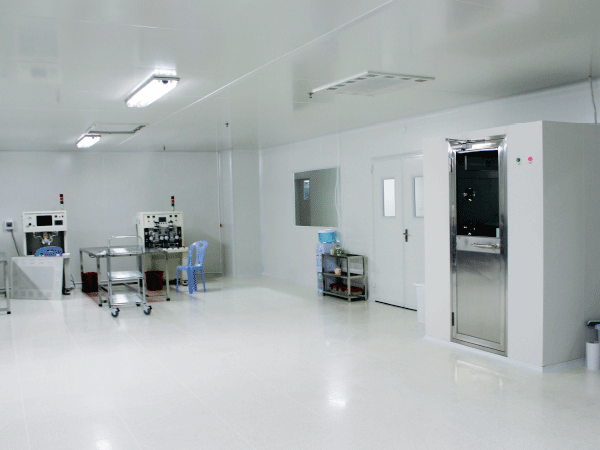

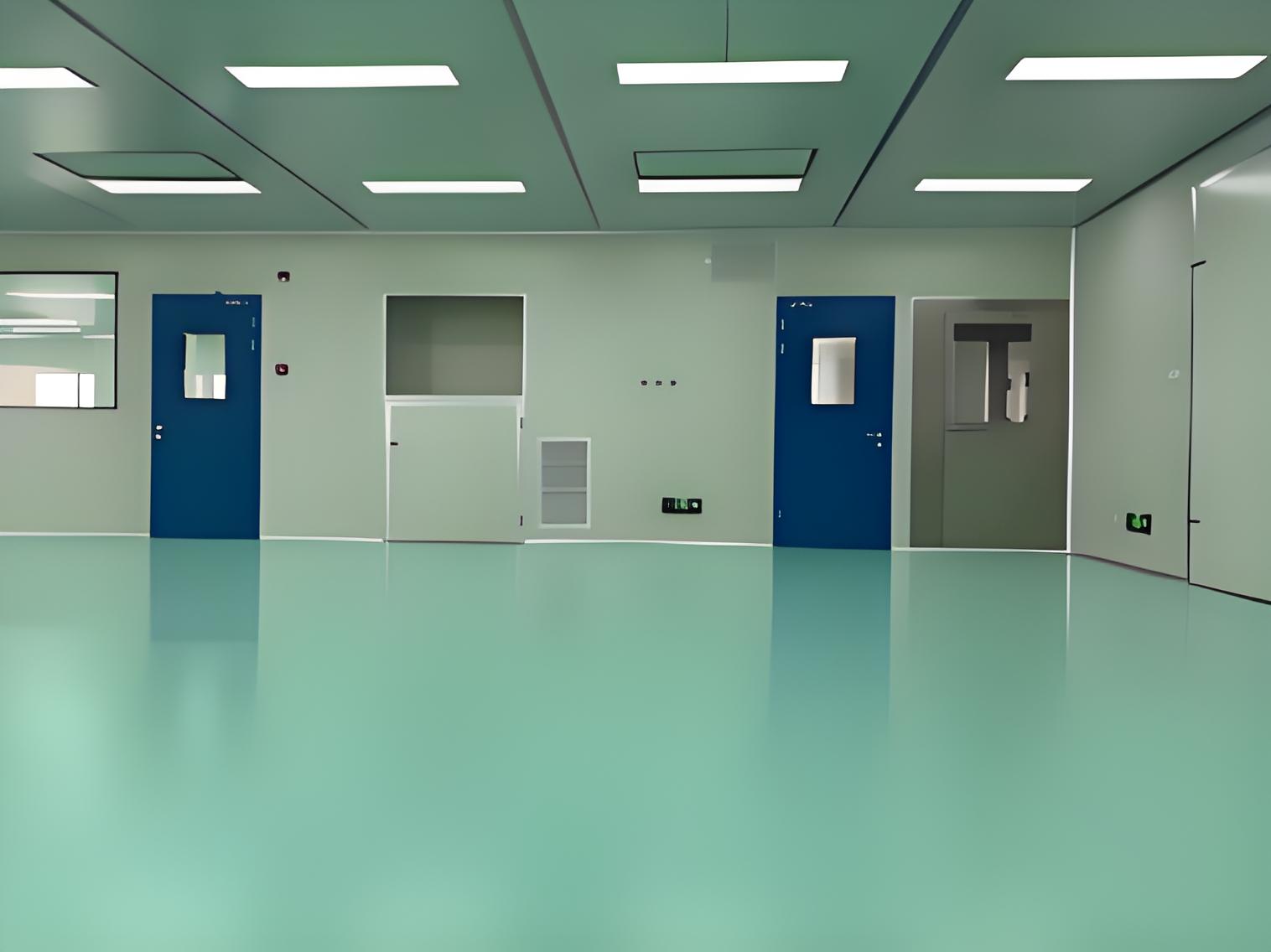
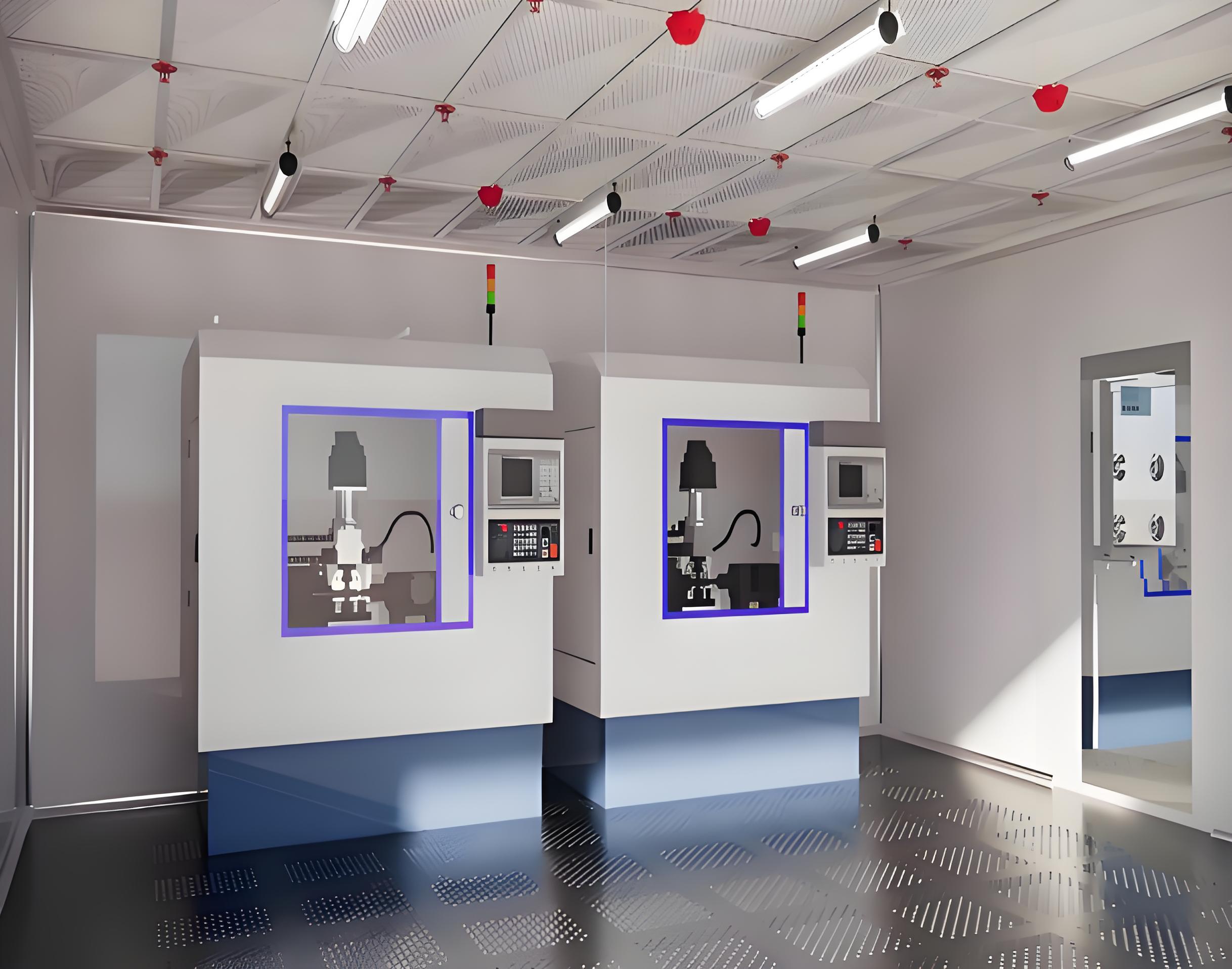
In industries ranging from semiconductor fabrication to aseptic pharmaceutical manufacturing, the cleanroom is the backbone of product quality and process safety. A single micron-sized particle can render a microchip useless or contaminate a sterile drug batch. Designing a cleanroom that consistently meets ISO 14644 standards requires deep engineering expertise, precise material selection, and rigorous validation. This article dissects the essential technical elements that define a high-performance controlled environment, drawing on decades of experience in international cleanroom projects by specialists like TAI JIE ER.
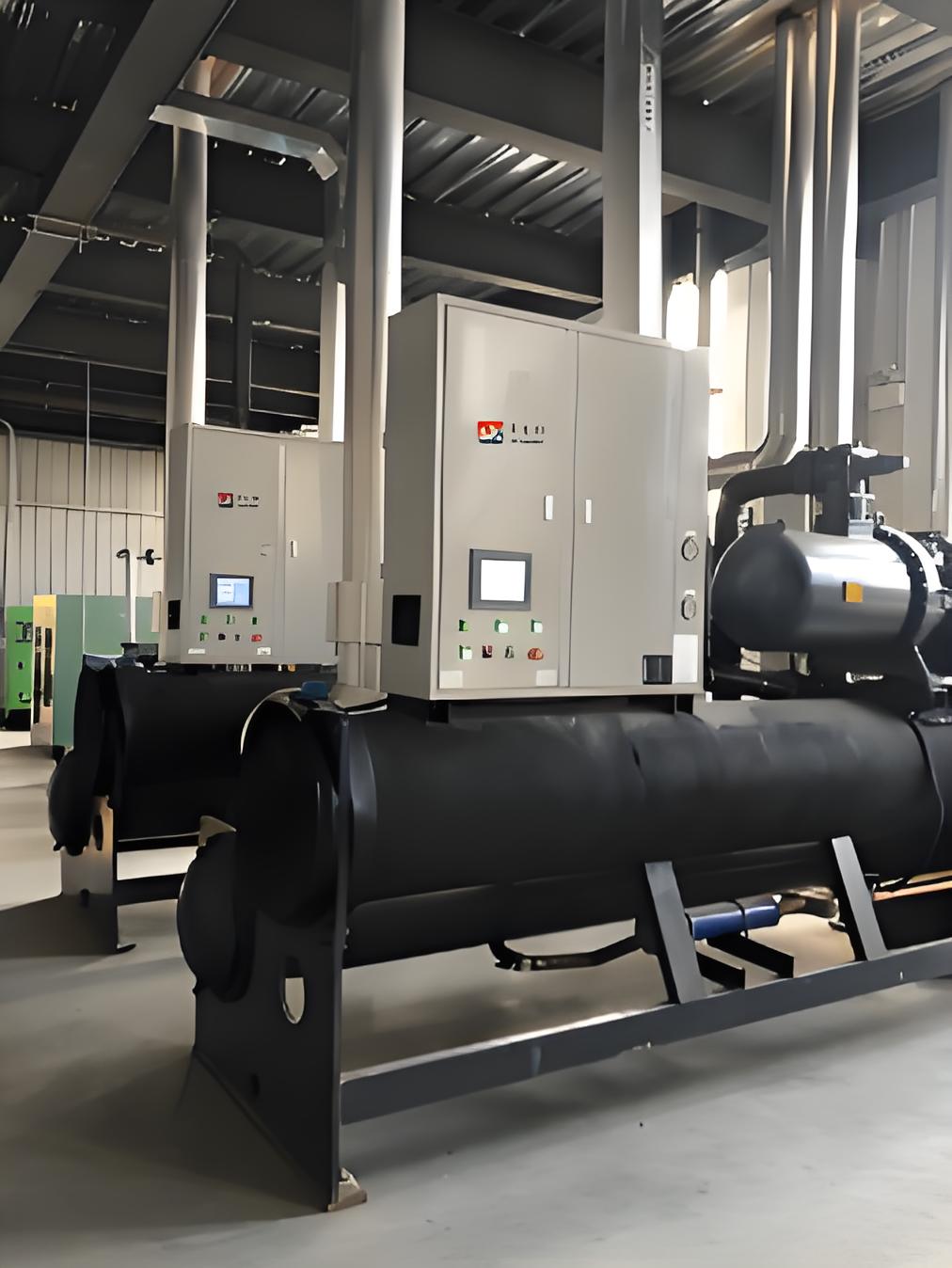
The foundation of any cleanroom project is selecting the correct cleanliness class. ISO 14644-1 defines classes from ISO 1 to ISO 9 based on the maximum allowable concentration of airborne particles. For instance, an ISO 5 cleanroom (equivalent to Class 100 under the old FS209E) permits no more than 3,520 particles ≥0.5 µm per cubic meter. Pharmaceutical applications often overlay GMP grades (A, B, C, D) which add requirements for microbiological monitoring. A common pitfall is designing for particle count alone while neglecting viable contamination, leading to failed media-fill runs during qualification.
The Heating, Ventilation, and Air Conditioning (HVAC) system is the heart of contamination control. In non‑unidirectional (turbulent) cleanrooms (ISO 6–9), high air change rates (20–60 ACH) dilute airborne particles. For unidirectional (laminar flow) cleanrooms (ISO 1–5), airflow velocity typically ranges 0.3–0.5 m/s, sweeping particles away from the critical zone. Key design parameters include:
HEPA/ULPA filter coverage: For ISO 5, ceiling coverage often exceeds 80% to ensure uniform airflow.
Pressure cascades: Positive pressure differentials (10–15 Pa) between cleaner and adjacent areas prevent ingress of contaminants.
Temperature & humidity control: Tight tolerances (±1°C, ±5% RH) are mandatory for photolithography and hygroscopic product handling.
Cleanrooms consume 10–100 times more energy than standard buildings. Modern designs incorporate energy recovery wheels, low‑face‑velocity filters, and demand‑controlled ventilation based on real‑time particle counts. TAI JIE ER has implemented variable air volume (VAV) systems that reduce operating costs by up to 30% while maintaining ISO classification.
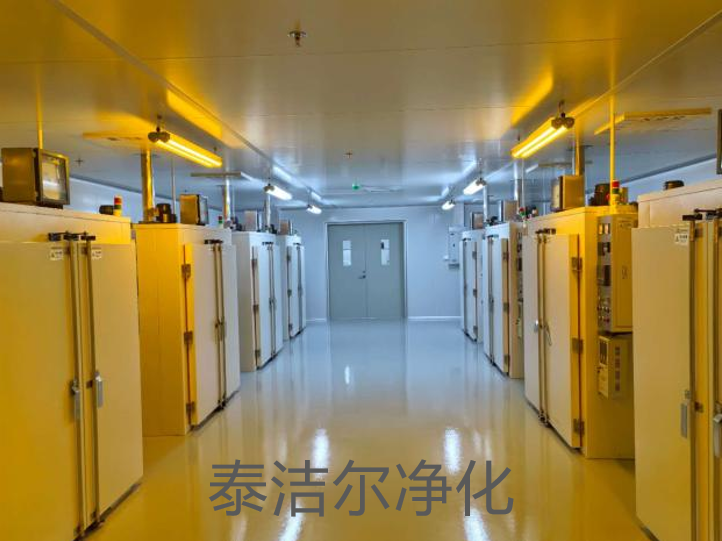
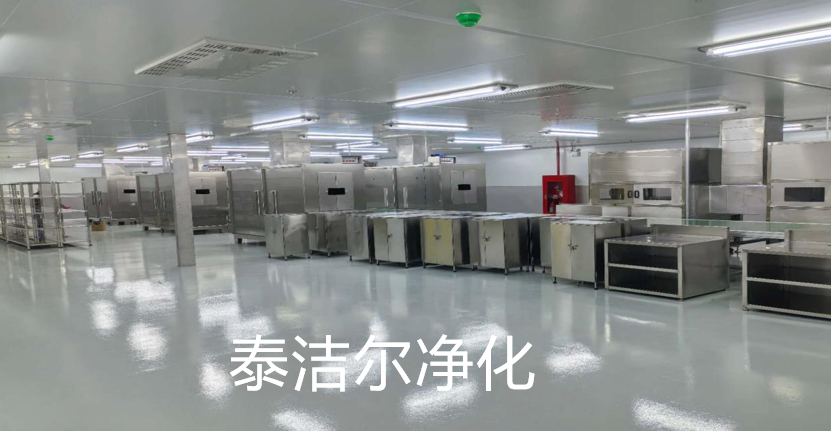
Every surface inside a cleanroom must be non‑shedding, smooth, and resistant to cleaning agents. Epoxy or polyurethane flooring with coved bases eliminates cracks where microbes accumulate. Walls are typically modular panels with baked enamel or stainless steel finishes. Ceilings must support HEPA filter housings without sagging. Electrostatic dissipative (ESD) properties are critical in electronics and explosive environments. In a recent semiconductor project, TAI JIE ER specified conductive vinyl flooring that maintained surface resistance below 10⁹ ohms, preventing electrostatic discharge damage.
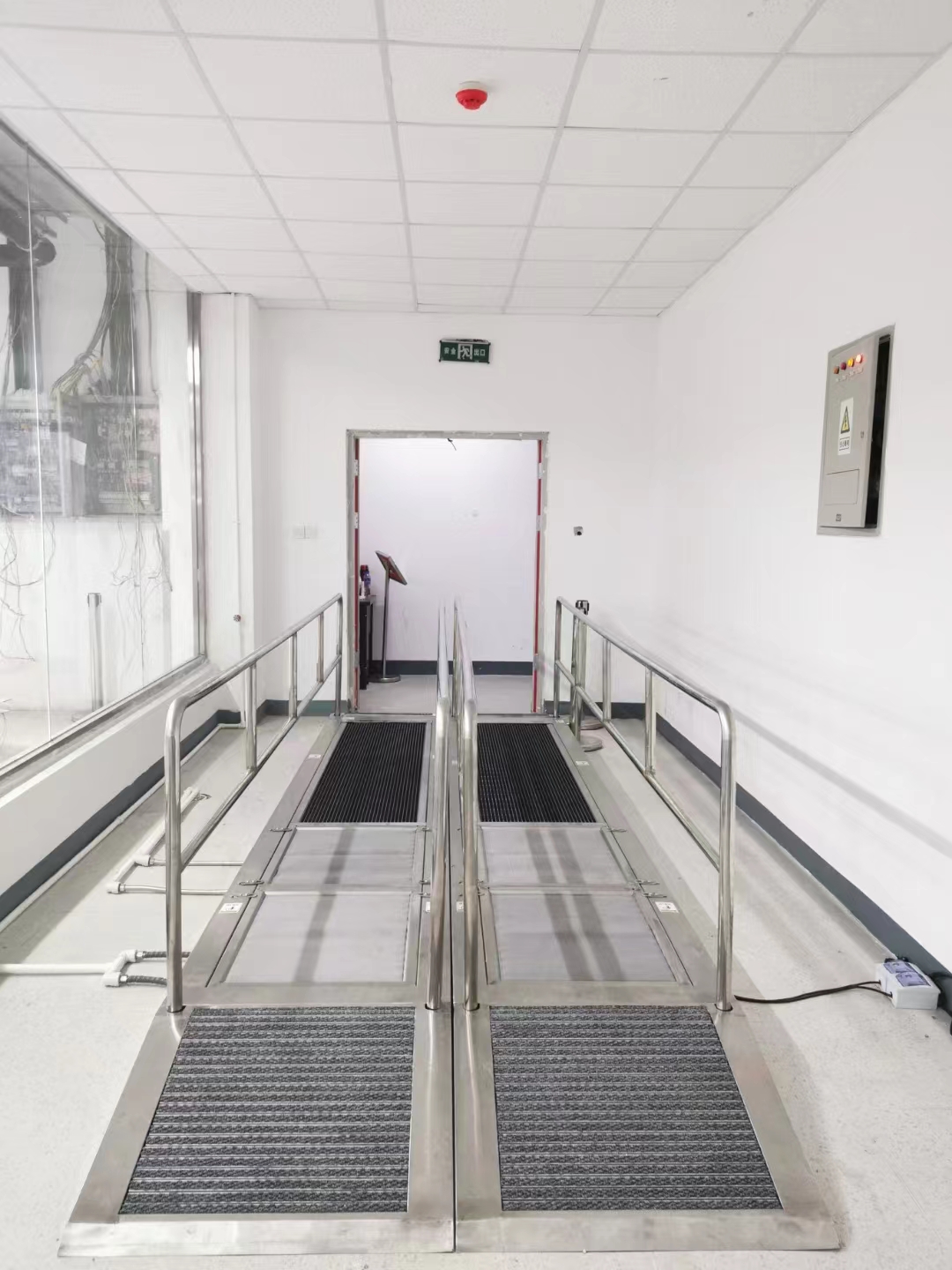
People are the primary source of contamination in any cleanroom. A well‑designed gowning room with sequential steps (shoe cover, hood, coverall, gloves, goggles) and positive pressure airflow is non‑negotiable. Pass‑through chambers (dynamic pass‑boxes) with interlocked doors allow materials to enter without compromising pressure cascades. For high‑risk areas, vaporized hydrogen peroxide (VHP) pass‑boxes provide surface decontamination.
Even the most advanced cleanroom fails without proper behavior protocols. Gowning qualification, aseptic technique certification, and regular mock particle generation tests are essential to maintain the integrity of the environment.
Validation ensures the cleanroom performs as designed. The process follows the 4Q framework:
Design Qualification (DQ): Verifying the design meets ISO, GMP, and user requirements.
Installation Qualification (IQ): Documenting that materials, equipment, and ductwork are installed per specifications.
Operational Qualification (OQ): Testing airflow patterns, filter integrity (PAO challenge), pressure differentials, and recovery times.
Performance Qualification (PQ): Demonstrating that the cleanroom maintains cleanliness under dynamic conditions (with operators and equipment running).
Particle counting must be performed at rest and in operation, with statistical analysis to confirm compliance.
Sterile drug production requires Grade A zones (ISO 5) within a Grade B background. Key concerns are viable particles (microorganisms) and cross‑contamination between different products. Isolators and Restricted Access Barrier Systems (RABS) are often integrated to reduce human intervention.
Here the focus is on airborne molecular contamination (AMC) and vibration control. ISO 3 or better is common for critical processes. Chemical filters remove acid gases, and specially designed floor gratings dampen vibrations from nearby equipment.
ISO 7 or ISO 8 cleanrooms are typical for implantable device assembly or aseptic food filling. The emphasis is on cleanability and compliance with FDA or EU regulations.
Even well‑designed cleanrooms face operational issues:
Leakage in filter housings: Improper gasketing can bypass unfiltered air. Regular DOP testing with scanning probes is mandatory.
Pressure fluctuations: Caused by poor HVAC balancing or door movements. Implementing fast‑responding differential pressure controllers mitigates this.
Microbial biofilm in drains: Drains must be sealed and designed with water traps that can withstand disinfection.
TAI JIE ER recommends continuous monitoring systems that provide real‑time alerts for pressure, temperature, and humidity, enabling proactive intervention before excursions occur.
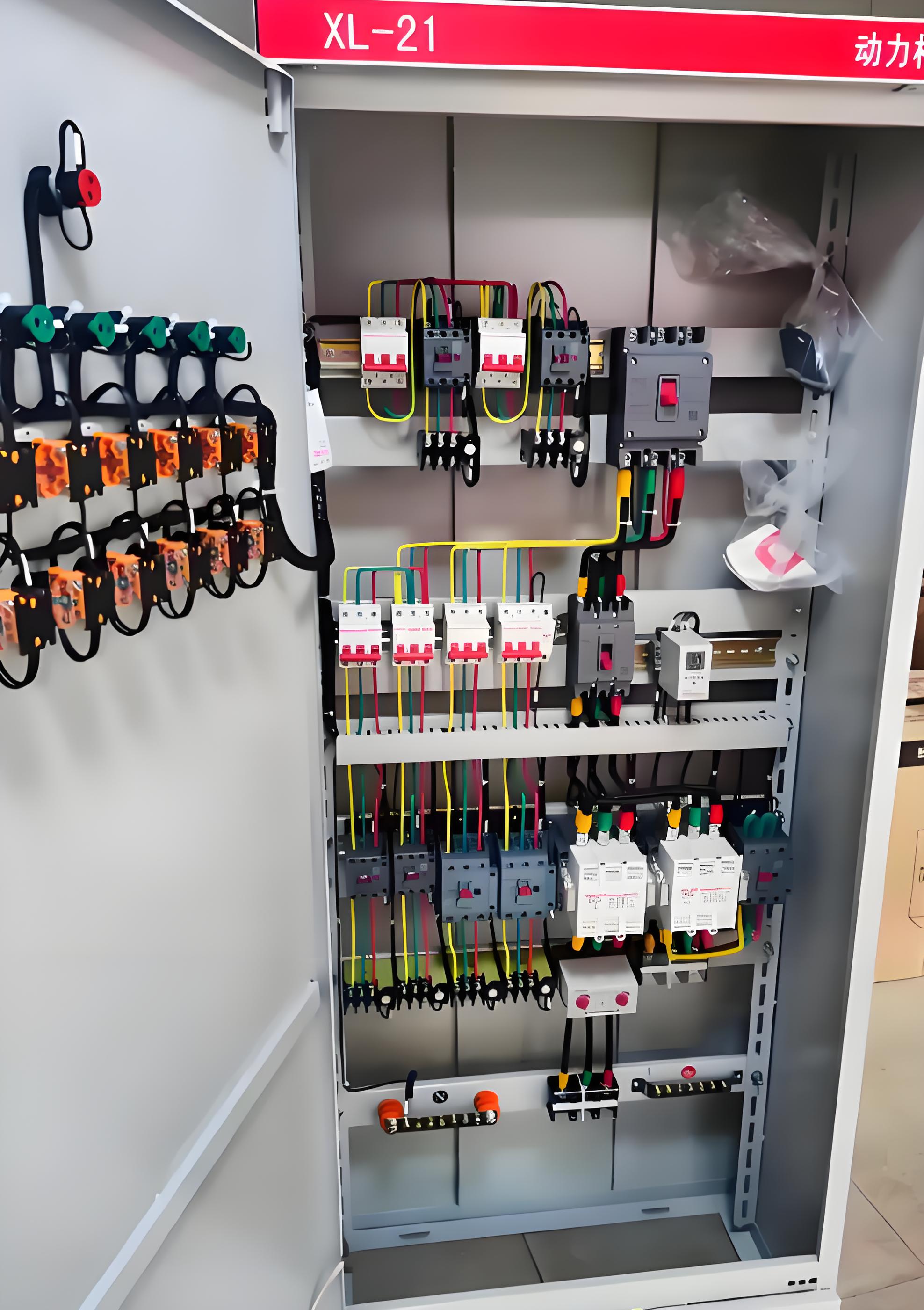
Modular cleanroom construction is gaining traction, allowing faster build times and reconfiguration flexibility. Integration with Industry 4.0 (smart sensors, IoT, predictive maintenance) is transforming how cleanrooms are managed. Additionally, energy‑positive cleanroom concepts—using photovoltaic glazing and waste heat recovery—are emerging to meet sustainability goals.
Designing a cleanroom that meets current and future demands requires a holistic approach that blends engineering precision with regulatory foresight. With over two decades of global cleanroom projects, TAI JIE ER offers end‑to‑end solutions—from conceptual design to certified handover—ensuring your facility operates at peak efficiency and compliance.
Q1: What is the difference between ISO 5 and ISO 7 cleanroom classifications?
A1: ISO 5 (Class 100) permits ≤3,520 particles ≥0.5 µm/m³ and often requires unidirectional airflow. ISO 7 (Class 10,000) permits ≤352,000 particles ≥0.5 µm/m³ and typically uses turbulent airflow with 30–60 air changes per hour. ISO 5 is required for aseptic processing, while ISO 7 suffices for many pharmaceutical supporting areas.
Q2: How often should a cleanroom be recertified?
A2: Industry standards recommend recertification at least every 6–12 months, depending on the cleanroom class and regulatory requirements (e.g., EU GMP requires Grade A zones to be tested every 6 months). Recertification includes HEPA filter integrity tests, particle counts, airflow velocity, and pressure differential verification.
Q3: Can a cleanroom be too clean for certain processes?
A3: Yes, over‑specifying cleanliness can be wasteful and sometimes counterproductive. For example, an ISO 3 cleanroom may introduce turbulence that disturbs sensitive coating processes. It is essential to match the cleanroom class to the actual process requirements to balance cost and performance.
Q4: What are the most common materials used for cleanroom walls and ceilings?
A4: Common materials include powder‑coated steel, stainless steel, aluminum honeycomb panels, and rigid PVC. They are non‑shedding, easy to clean, and resistant to disinfectants. For ESD control, conductive coatings or embedded carbon layers are used.
Q5: How do you ensure a cleanroom remains contamination‑free during operation?
A5: Besides engineering controls, strict operational protocols are crucial: proper gowning, restricted access, regular cleaning with validated agents, and continuous environmental monitoring. Staff training and periodic re‑qualification are equally important.
Q6: What is a "recovery test" in cleanroom validation?
A6: A recovery test measures how quickly the cleanroom returns to its specified cleanliness level after a controlled particle challenge (e.g., using a nebulizer). This validates the effectiveness of the air change rate and filtration system in clearing contamination.
Q7: What are the main challenges when retrofitting an existing space into a cleanroom?
A7: Common challenges include insufficient ceiling plenum height for ductwork, inadequate floor loading capacity for heavy equipment, and existing HVAC systems that cannot achieve required pressure cascades. A detailed feasibility study by an experienced engineering firm like TAI JIE ER is essential to identify and address these issues.
Q8: How does modular cleanroom construction compare to traditional stick‑built?
A8: Modular cleanrooms offer faster installation (up to 50% time savings), better quality control (factory‑fabricated panels), and flexibility for future reconfiguration. They are particularly cost‑effective for projects with tight schedules or where on‑site work must be minimized.
For expert guidance on your next cleanroom project, contact the team at TAI JIE ER.