
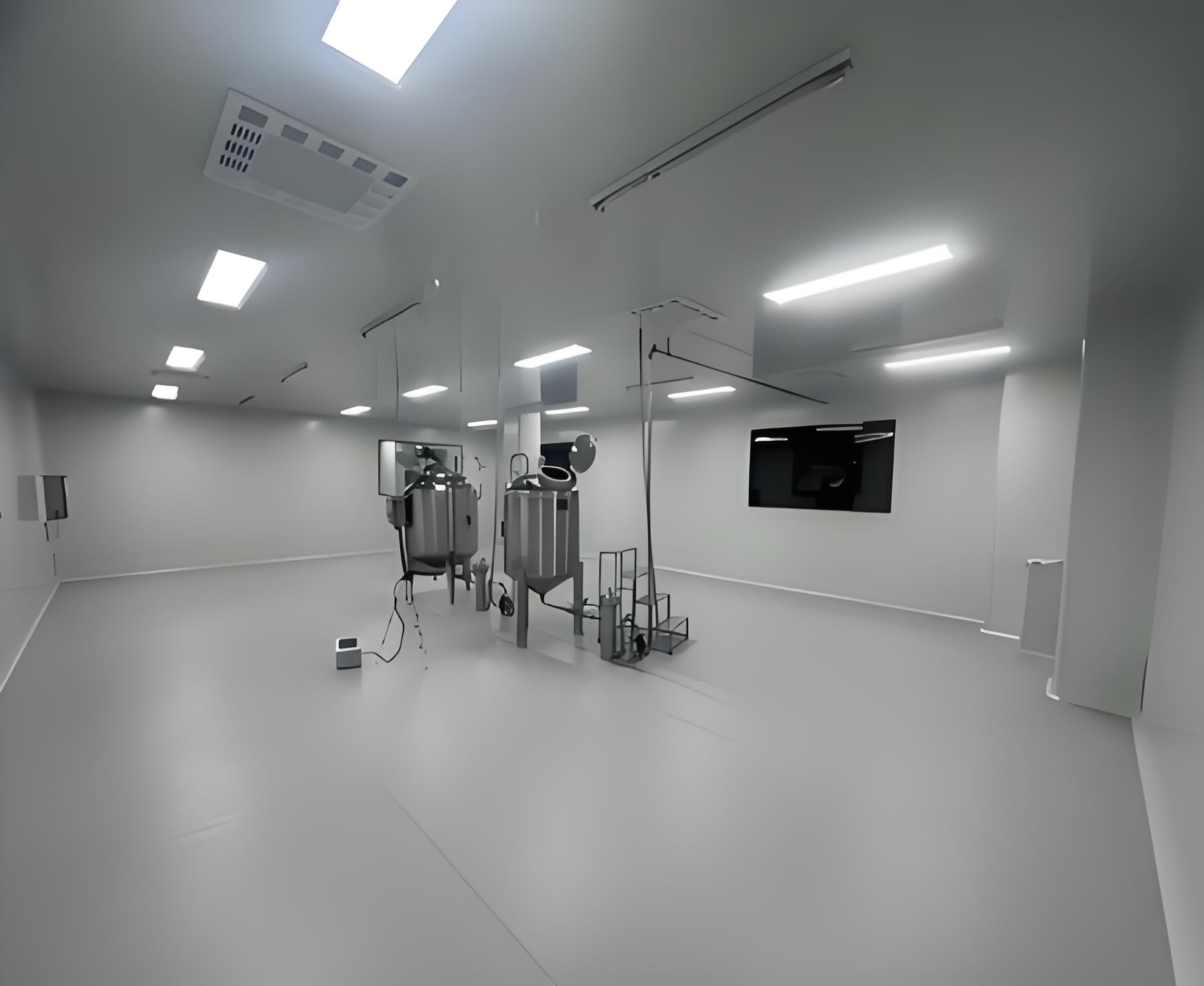
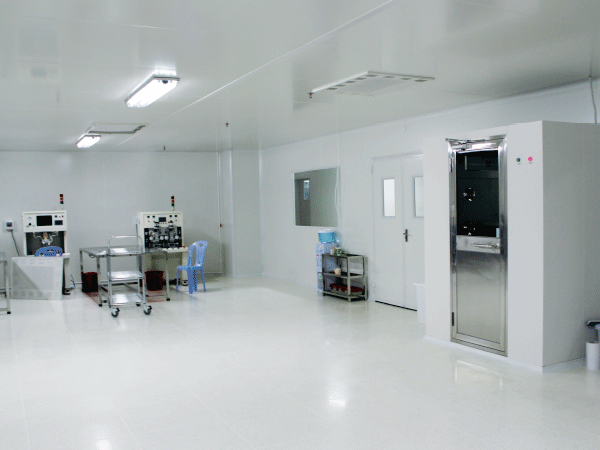
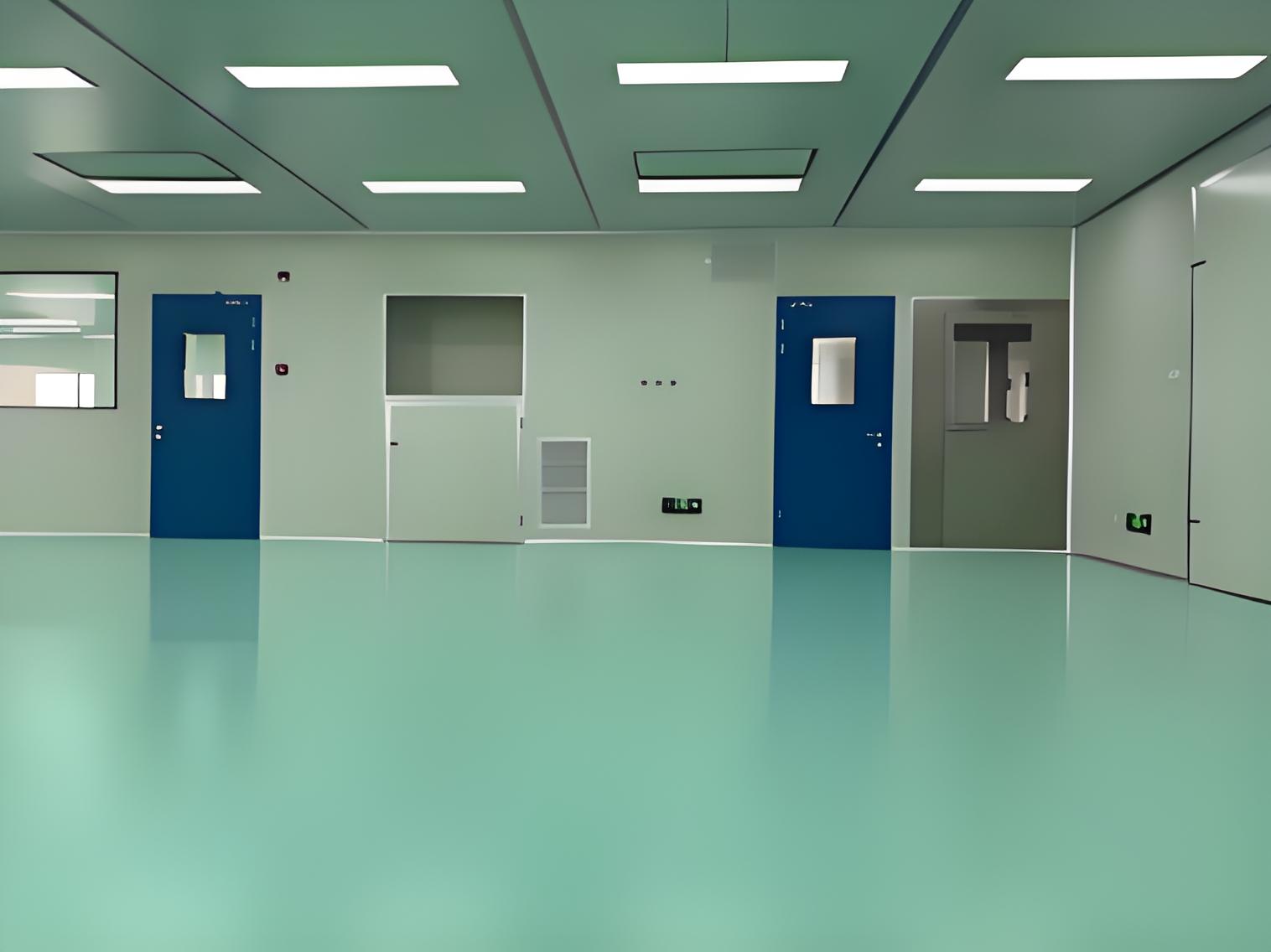
In high-technology manufacturing—from semiconductor fabs to aseptic pharmaceutical processing—the margin for error caused by airborne particles, molecular contaminants, or electrostatic discharge is measured in nanometers and parts per billion. A meticulously executed Clean Workshop design is not merely an operational asset; it is the cornerstone of yield integrity, regulatory compliance, and long-term capital efficiency. With over two decades of delivering turnkey engineered environments, TAI JIE ER has established itself as a partner that bridges theoretical standards with executable, performance-verified facilities.
This article dissects the technical anatomy of modern clean workshops, addresses industry-specific pain points with data-driven solutions, and outlines how strategic design choices impact total cost of ownership. For facility planners, engineering procurement, and quality assurance leaders, understanding these principles is the first step toward achieving operational excellence.

Understanding the Technical Architecture of Modern Clean Workshops
A robust Clean Workshop design integrates fluid dynamics, material science, and real-time control systems. The objective is to establish a controlled environment where particle counts, temperature, humidity, and differential pressure are maintained within strict tolerances—often ISO 14644-1 Class 5 to Class 8. Achieving this requires a layered approach.
Airflow Patterns and Filtration Hierarchy
Two primary airflow regimes dominate the industry: unidirectional (laminar) and non-unidirectional (turbulent). Unidirectional flow, typically employing ULPA (Ultra-Low Penetration Air) filters with 99.9995% efficiency at 0.12µm, is mandatory for ISO Class 5 and cleaner environments. Non-unidirectional flow, using HEPA filters and high air-change rates (20–100 ACH), suffices for ISO Class 7 and 8 spaces. Modern designs incorporate computational fluid dynamics (CFD) simulations during the early engineering phase to eliminate dead zones, optimize filter coverage, and reduce pressure loss across the fan filter unit (FFU) arrays—directly impacting energy consumption by up to 18% compared to traditional layouts.
Material Selection and Surface Finishes
Contamination originates not only from processes but also from the facility itself. Specifying non-shedding, chemically resistant materials is non-negotiable. For walls and ceilings, modular panels with powder-coated steel or polyvinylidene fluoride (PVDF) finishes offer cleanability and resistance to aggressive sanitizers. Floors require static-dissipative epoxy or vinyl systems with seamless cove bases to eliminate particle traps. In advanced nodes (<10nm semiconductor), outgassing from construction materials is quantified via analytical chemistry to prevent airborne molecular contamination (AMC), a leading cause of wafer defects.
Pressurization Cascades and Containment
Maintaining directional airflow from cleanest to less clean zones relies on pressure differentials. A typical cascade maintains 10–15 Pa positive pressure between adjacent areas. For pharmaceutical applications handling potent compounds, negative-pressure zones with 100% exhaust air prevent cross-contamination. Design engineers must balance pressure stability with door operation ergonomics; advanced systems utilize variable frequency drives (VFDs) on supply and exhaust fans, responding to real-time pressure transducers with a tolerance of ±0.5 Pa—a critical factor in maintaining GMP (Good Manufacturing Practice) classification during dynamic operations.
Addressing Critical Industry Pain Points Through Intelligent Design
Despite the maturity of contamination control technologies, facility owners consistently face three persistent challenges: energy intensity, operational flexibility, and validation complexity. A forward-thinking Clean Workshop design directly mitigates these issues.
Energy Efficiency: HVAC systems account for 50–70% of a cleanroom’s energy footprint. Strategies such as demand-controlled ventilation (DCV) that modulates air changes based on real-time particle counts, coupled with high-efficiency EC (electronically commutated) fans in FFUs, can reduce annual energy costs by $20–$40 per square foot. Additionally, heat recovery wheels on exhaust streams recapture thermal energy, lowering reheat loads.
Operational Agility: Traditional stick-built cleanrooms are rigid. Modern designs leverage modular cleanroom systems with interchangeable wall panels, relocatable fan filter grids, and underfloor utility distribution (UFUD). This allows manufacturers to reconfigure layouts for new product lines without prolonged shutdowns—a vital advantage for contract manufacturing organizations (CMOs) and R&D pilot lines.
Validation and Compliance: Meeting ISO 14644-3 and EU GMP Annex 1 requirements demands rigorous testing (particle counts, filter integrity, recovery tests). Intelligent design incorporates pre-engineered test ports, integrated monitoring sensors, and building management system (BMS) connectivity from day one, reducing validation timelines by up to 30% and ensuring data integrity for audits.
Leading engineering firms like TAI JIE ER embed these mitigation strategies into their project lifecycle, providing clients with both first-time-right validation and measurable sustainability targets.
Application-Specific Clean Workshop Design Strategies
Generic cleanroom designs often fail to address sector-specific nuances. Below, we analyze three demanding industries and their unique requirements.
Semiconductor and Microelectronics – Controlling Airborne Molecular Contamination
For 300mm wafer fabs and advanced packaging facilities, particles larger than 0.1µm are considered macroscopic defects. However, the greater threat is AMC—specifically acids, bases, and condensable organics. A semiconductor-oriented Clean Workshop design incorporates chemical filters (e.g., activated carbon, ion-exchange media) in the make-up air handling units (MAUs). The design must also account for vibration isolation: structural slabs with natural frequencies below 3 Hz and active vibration cancellation systems for lithography tools are specified to maintain nanometer-scale overlay accuracy.
Pharmaceutical and Biotech – Aseptic Processing and GMP Compliance
The 2022 revision of EU GMP Annex 1 mandates continuous environmental monitoring (EM) and risk-based approaches to contamination control. For sterile manufacturing, cleanrooms must be designed with unidirectional airflow over critical zones (Grade A), backed by Grade B backgrounds. Materials must withstand frequent disinfection with sporicidal agents. Isolator technologies (gloveboxes, RABS) are often integrated into the Clean Workshop design to minimize human intervention. Furthermore, segregation of utilities—purified water, clean steam, and process gases—requires dedicated distribution loops with sanitization capabilities (ozone or hot water) to prevent biofilm formation.
Precision Engineering and Optics – Particle and Vibration Control
Manufacturing of ultra-precision optics, inertial navigation systems, and laser components demands not only ISO Class 5 particle control but also stringent temperature stability (±0.1°C) and humidity control (±1% RH). Sudden temperature gradients cause thermal expansion mismatches, altering component tolerances. Design solutions include stratified air distribution (underfloor supply with raised returns) to decouple thermal loads from personnel and equipment, as well as dedicated process cooling loops with precision PID controllers.
Leveraging Modular and Scalable Design for Future-Ready Facilities
One of the most transformative shifts in the industry is the adoption of modular cleanroom construction. Unlike conventional construction, which is site-dependent and sequential, modular systems utilize factory-prefabricated panels, integrated utility chases, and standardized structural grids. This approach reduces on-site construction time by 40–50%, minimizes waste, and offers inherent scalability. When production demands grow, additional bays can be attached with minimal disruption to existing operations.
For companies seeking to de-risk capital projects, partnering with an experienced engineering provider such as TAI JIE ER ensures that modular designs align with strict cleanroom classifications while retaining the flexibility for future technology upgrades. Their engineering teams utilize BIM (Building Information Modeling) to coordinate MEP (mechanical, electrical, plumbing) interfaces, eliminating field conflicts that traditionally delay project handovers.
Ensuring Compliance and Performance with ISO 14644 and GMP Standards
A design that fails to meet international standards is a financial and regulatory liability. The ISO 14644 family provides the global framework for classification, testing, and monitoring. In practice, compliance begins with specifying the correct classification based on process sensitivity, then designing air change rates, filter coverage, and monitoring frequencies accordingly. For instance, an ISO Class 6 cleanroom (10,000 particles ≥0.5µm per m³) requires 60–150 air changes per hour, while ISO Class 5 demands unidirectional flow with velocities of 0.36–0.54 m/s.
Beyond initial certification, ongoing performance relies on a well-designed BMS/FMS (Facility Monitoring System). Today’s systems integrate particle counters, differential pressure sensors, temperature/humidity probes, and door interlocks into a single platform with alarm escalation and audit trail functionality. The design phase must allocate pathways for sensor wiring or wireless infrastructure, ensuring no "dead spots" for monitoring—a detail that directly affects regulatory inspection outcomes.
The Role of Digitalization in Clean Workshop Operations
Digital twins are redefining how clean workshops are operated and maintained. By creating a virtual replica of the physical cleanroom, operators can simulate airflow disruptions, filter loading effects, and equipment layout changes before physical implementation. During the design phase, digital twin models enable predictive validation: verifying pressure cascades under worst-case scenarios (e.g., door openings) and optimizing HVAC schedules to reduce energy use without compromising cleanliness. For facility managers, this translates to shorter troubleshooting cycles and data-backed predictive maintenance schedules.
Additionally, Industry 4.0 connectivity allows clean workshop components—from FFUs to particle counters—to feed data into centralized analytics platforms. Machine learning algorithms can detect filter degradation trends or anomalous particle events, triggering preemptive maintenance rather than reactive downtime. Such intelligent ecosystems represent the next frontier in Clean Workshop design, shifting from static enclosures to adaptive environments.
Integrating Lifecycle Cost Optimization into Clean Workshop Design
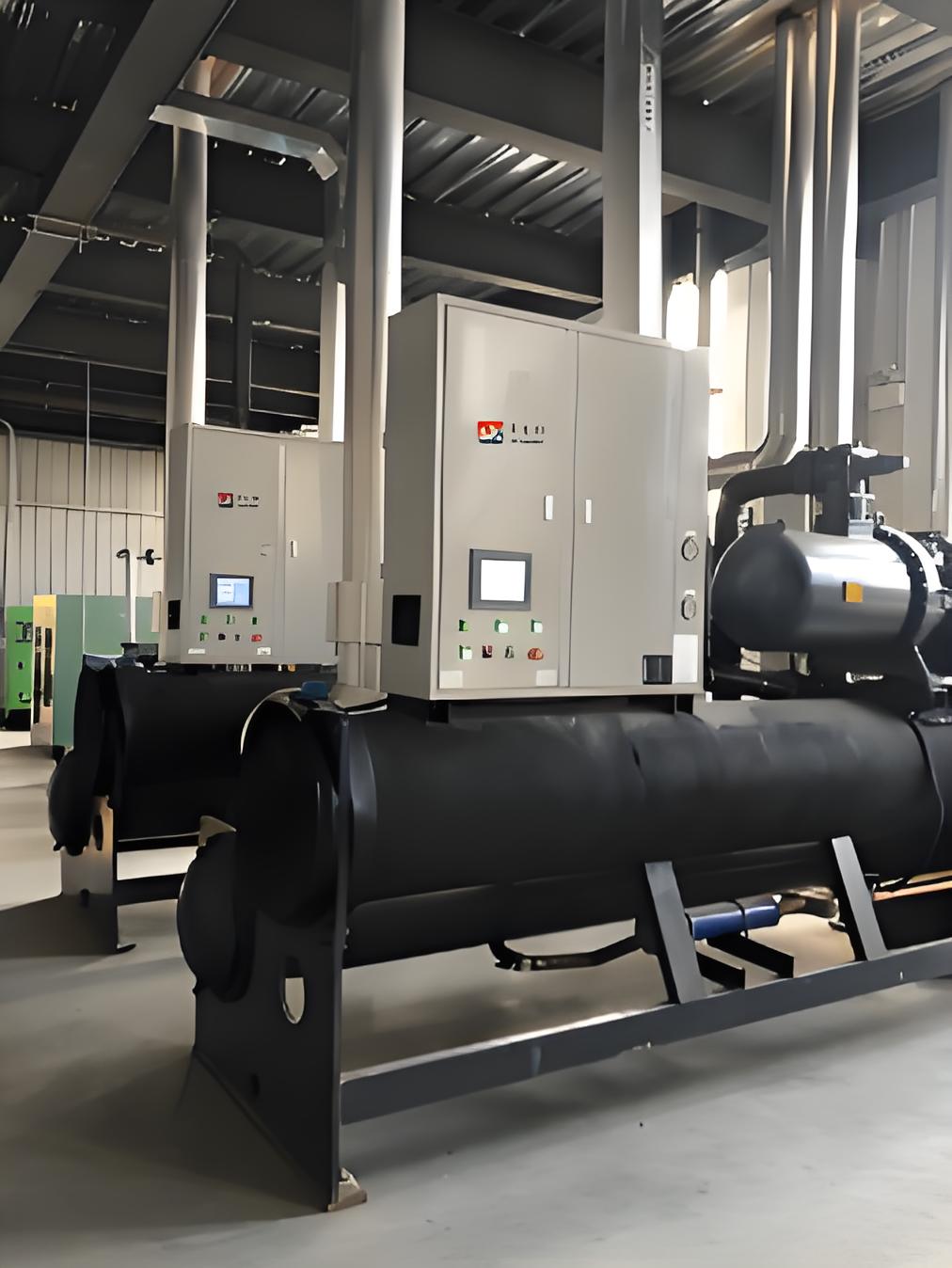
Capital expenditure (CAPEX) often dominates decision-making, yet operational expenditure (OPEX) accounts for 70–80% of a cleanroom’s total lifecycle cost over 15 years. An optimized design balances initial investment with long-term efficiency. Key levers include:
Energy-efficient HVAC architecture: Implementing air-recirculation loops with variable-speed drives, as opposed to 100% once-through systems, can reduce energy consumption by 60%.
Standardized component selection: Using common filter sizes, motor types, and control modules across multiple clean zones reduces spare parts inventory and training complexity.
Maintenance accessibility: Designing raised access floors, dedicated plenum spaces, and walkable ceilings ensures that HEPA filter changes and utility repairs can be performed without compromising adjacent zones or requiring full shutdowns.
Water and chemical conservation: Recycling rinse water from wet benches and implementing point-of-use recirculation systems for process cooling can slash utility bills and align with corporate sustainability goals.
Through rigorous value engineering, specialists like TAI JIE ER help clients achieve an optimal balance, documenting projected ROI through simulation models that account for local energy costs, maintenance intervals, and regulatory risk avoidance.
The Imperative of Expert-Driven Clean Workshop Design
In an era where manufacturing tolerances approach atomic scales and regulatory scrutiny intensifies, the difference between a compliant facility and a high-performance asset lies in the quality of its underlying design. A systematic Clean Workshop design addresses not only particle control but also energy economics, operational agility, and future scalability. It requires an integrated approach—combining CFD analysis, modular construction methodologies, digital monitoring infrastructure, and deep domain expertise in industry-specific standards.
Whether developing a greenfield semiconductor campus, retrofitting a pharmaceutical suite for cell and gene therapy, or expanding precision manufacturing lines, engaging with an authority that demonstrates proven engineering deliverables is a strategic necessity. The discipline of clean workshop engineering continues to evolve, yet the foundational principle remains constant: design with precision, build with accountability, and validate with rigor.
Frequently Asked Questions (FAQ) on Clean Workshop Design
Q1: What is the most critical factor in determining the cleanroom classification for a new facility?
A1: The classification must be derived from the process sensitivity and product exposure risk. For example, if the critical process step involves open wafer handling with 7nm nodes, an ISO Class 4 (or better) unidirectional environment is mandatory. Conversely, for medical device assembly, ISO Class 7 may suffice. A thorough risk assessment that maps particle, microbial, and molecular contaminants to product yield or patient safety is the standard methodology used by consultants and engineering firms.
Q2: How does modular cleanroom construction compare to traditional built-in-place methods in terms of cost and timeline?
A2: Modular construction typically reduces total project timeline by 30–50% due to concurrent site preparation and factory fabrication. While upfront material costs may be slightly higher than traditional methods, the reduction in construction financing costs, earlier production start, and lower on-site labor overhead often yield a lower total installed cost. Additionally, modular systems offer superior future reconfiguration flexibility, which adds long-term value for companies with evolving production roadmaps.
Q3: What are the key differences between ISO 14644-1:2015 and EU GMP Annex 1 requirements for cleanroom design?
A3: ISO 14644 focuses on particle concentration limits and testing protocols applicable across industries, whereas EU GMP Annex 1 is specific to medicinal products and mandates additional requirements: continuous particle monitoring during operations, microbiological limits (viable and non-viable), and stringent qualification phases (URS, DQ, IQ, OQ, PQ). A clean workshop serving the pharmaceutical sector must be designed to meet both standards, with emphasis on cleanroom gowning protocols, material flow segregation, and automated environmental monitoring system (EMS) integration.
Q4: What strategies can reduce energy consumption in a clean workshop without compromising cleanliness?
A4: Proven strategies include: (1) Implementing variable air volume (VAV) control that reduces air changes during unoccupied periods or when particle counts are stable. (2) Selecting fan filter units with EC motors that offer 30% higher efficiency than conventional AC motors. (3) Using airside economizers in appropriate climates to utilize outside air for cooling. (4) Optimizing static pressure setpoints through BMS algorithms. A well-executed design can achieve Energy Star certification and reduce HVAC energy use by 20–40%.
Q5: How often should a clean workshop undergo re-validation, and what design features facilitate this process?
A5: Re-validation frequency depends on industry and regulatory expectations—typically annually for ISO 14644 classification and at least every 6–12 months for GMP facilities. Designs that incorporate permanently installed particle counters, accessible filter test ports, and centralized alarm management drastically simplify re-qualification. Additionally, including a clean utility monitoring system (for compressed air, nitrogen, etc.) with data logging capabilities reduces manual testing labor and ensures consistent documentation during audits.
Q6: Can a clean workshop be designed to accommodate both sterile pharmaceutical manufacturing and high-precision electronics assembly?
A6: While technically possible, it is generally not recommended due to divergent contamination risks (e.g., viable vs. non-viable particles, chemical residues) and facility workflows. However, a multi-zone design with segregated HVAC systems, airlocks, and dedicated material pass-throughs can host both functions within the same building envelope, provided that pressure cascades and gowning protocols are strictly compartmentalized. A detailed facility fit-gap analysis is required to evaluate cross-contamination risks.
Q7: What is the typical lifecycle cost of a clean workshop, and where do the major expenditures occur?
A7: Over a 15-year lifespan, initial CAPEX accounts for 20–30% of total cost, while OPEX dominates the remainder. Major OPEX drivers include energy consumption (HVAC), HEPA/ULPA filter replacement cycles, calibration services, and utility consumption (water, chemicals). A strategic design that prioritizes high-efficiency equipment, modular filter layouts, and predictive maintenance infrastructure can reduce total lifecycle cost by 15–25% compared to baseline designs.
For tailored consultation on Clean Workshop design that meets your industry’s specific standards and production goals, explore the engineering portfolio and case studies at TAI JIE ER. Their integrated approach from conceptual design through validation ensures facilities that perform reliably from day one.