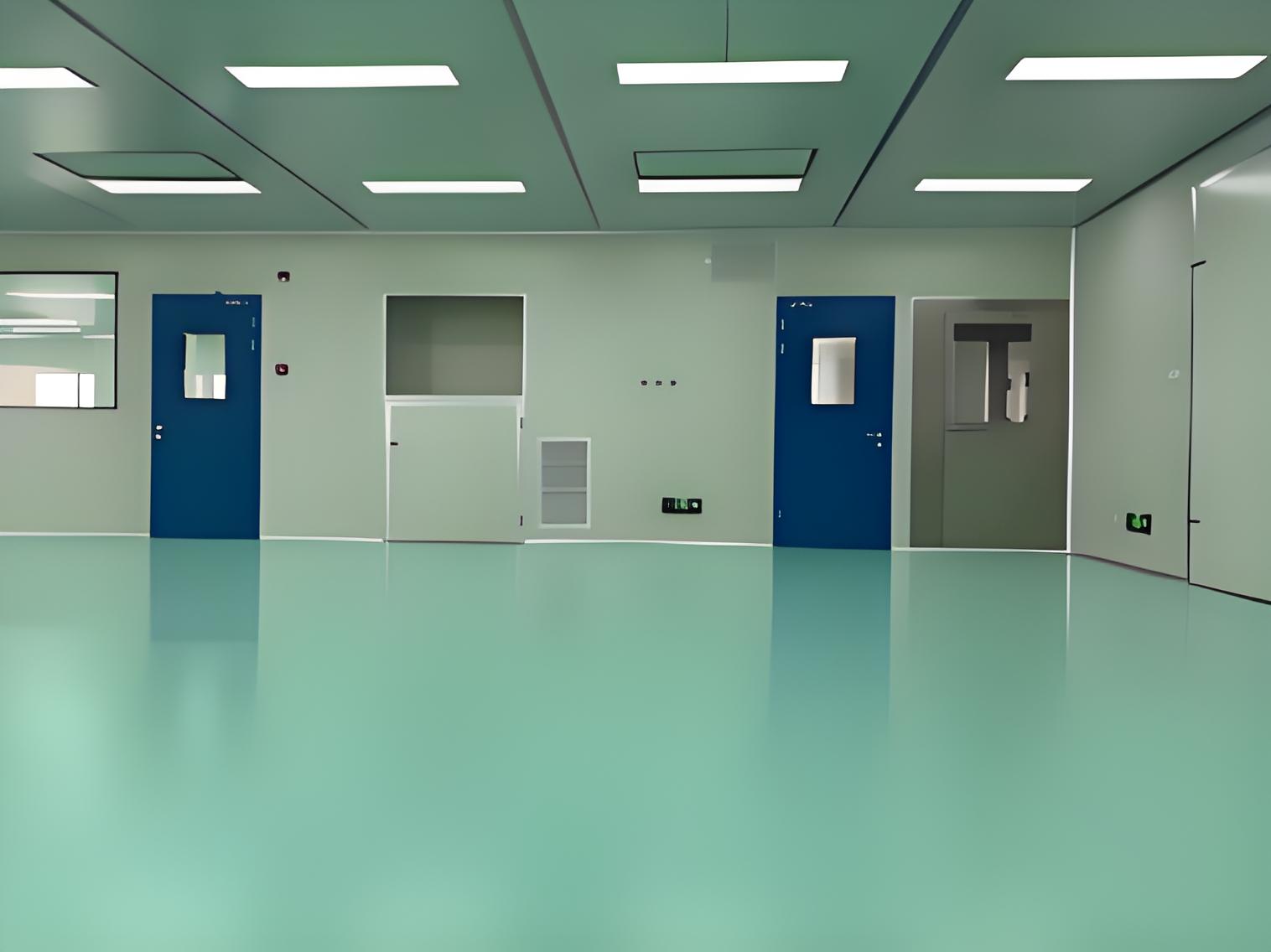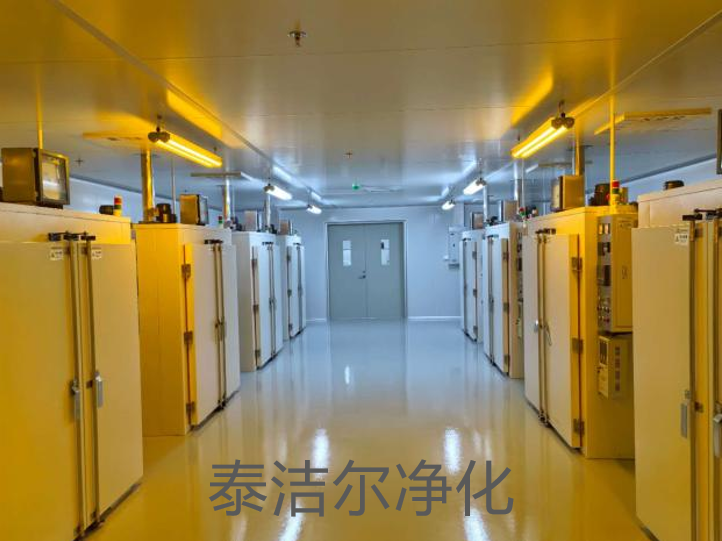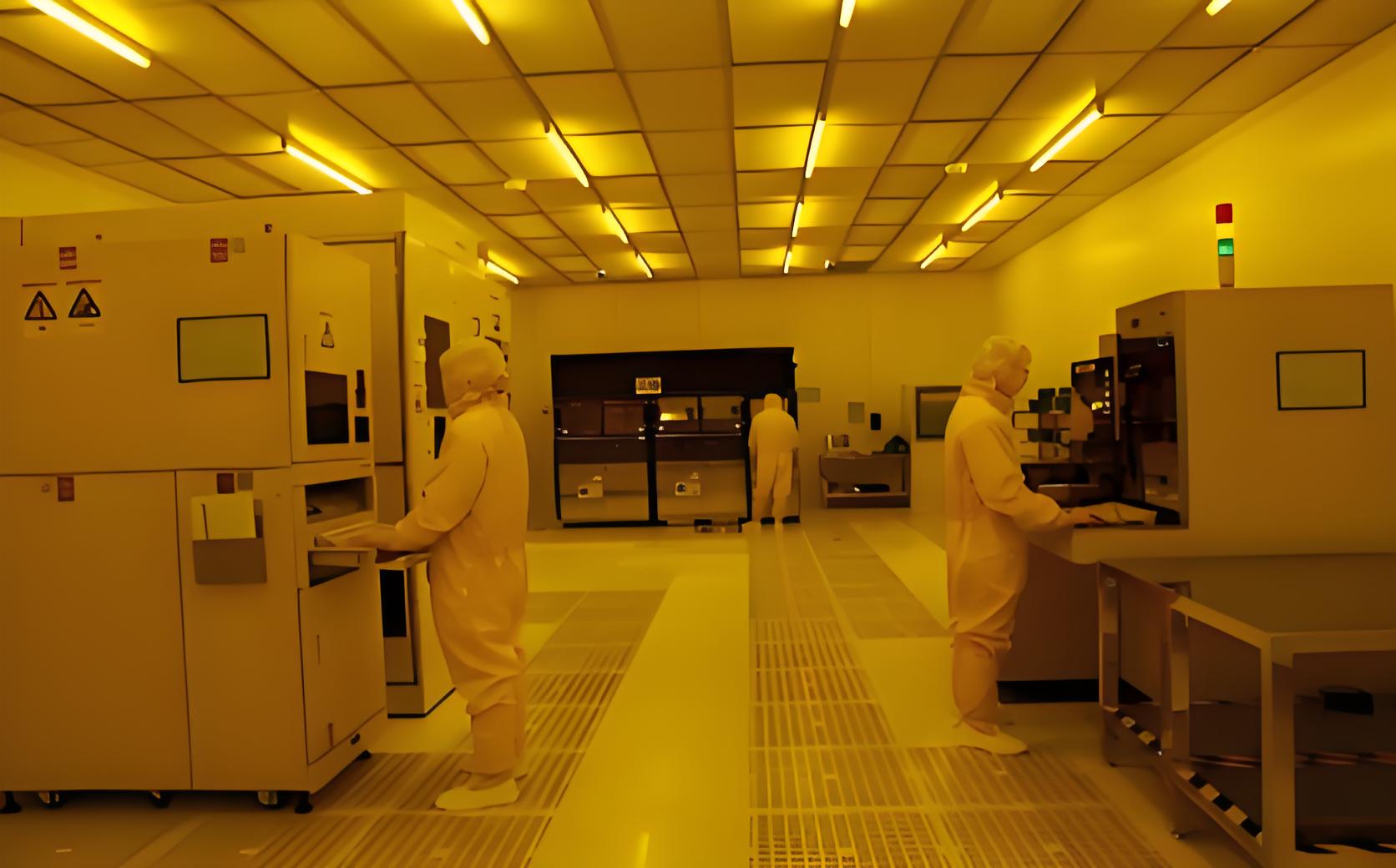

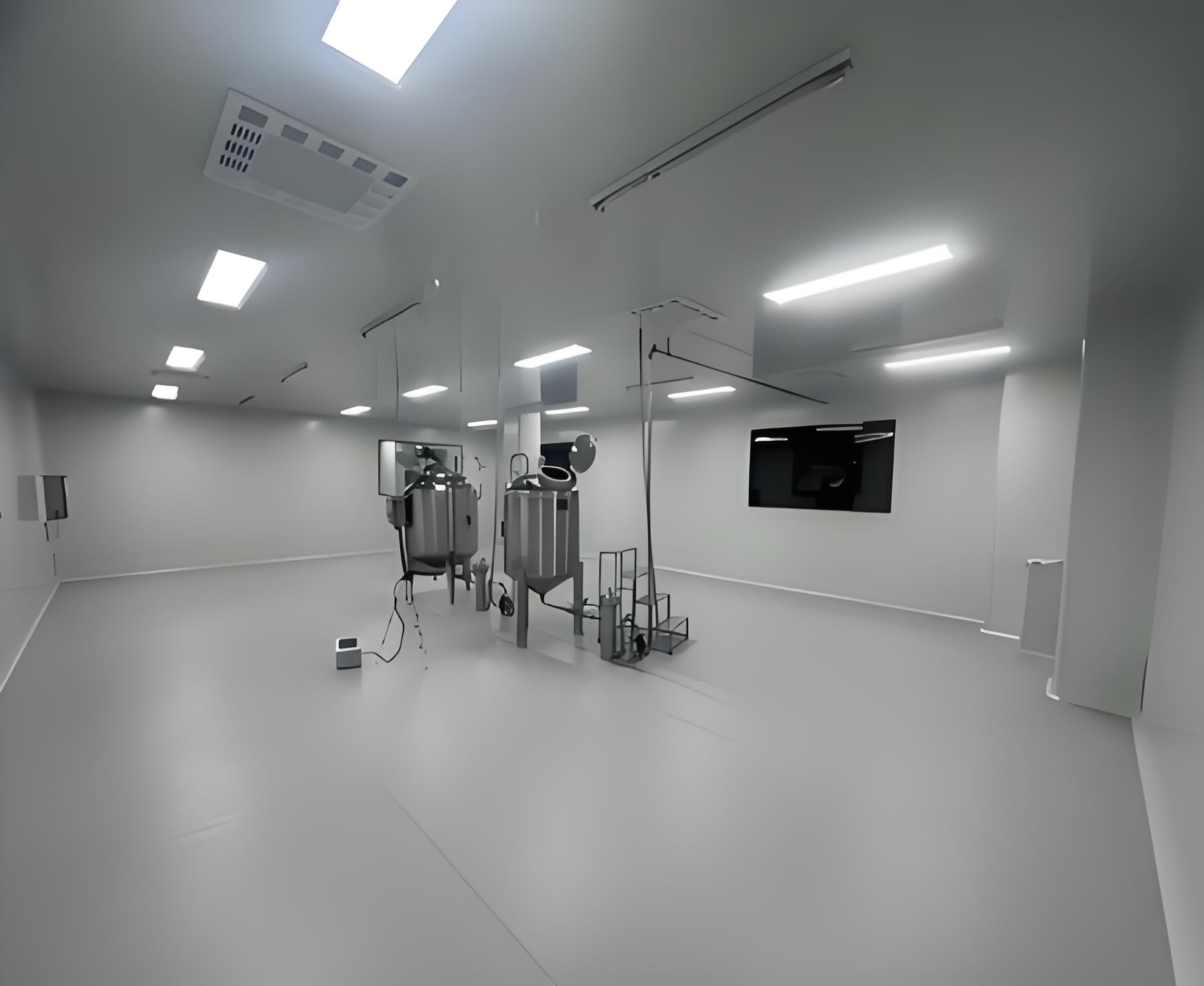
Controlled environments require precise airborne particulate control. While mechanical air handling systems manage thermal comfort and high-efficiency filtration, the architectural containment envelope defines the durability and leak-tightness of the clean space. This is where Cleanroom Engineering decoration plays a primary role. The interior envelope must prevent particle generation, resist chemical sanitizing agents, and remain completely flush to avoid dust accumulation. Designing these spaces involves a thorough understanding of material properties, structural integrity, and regulatory compliance.
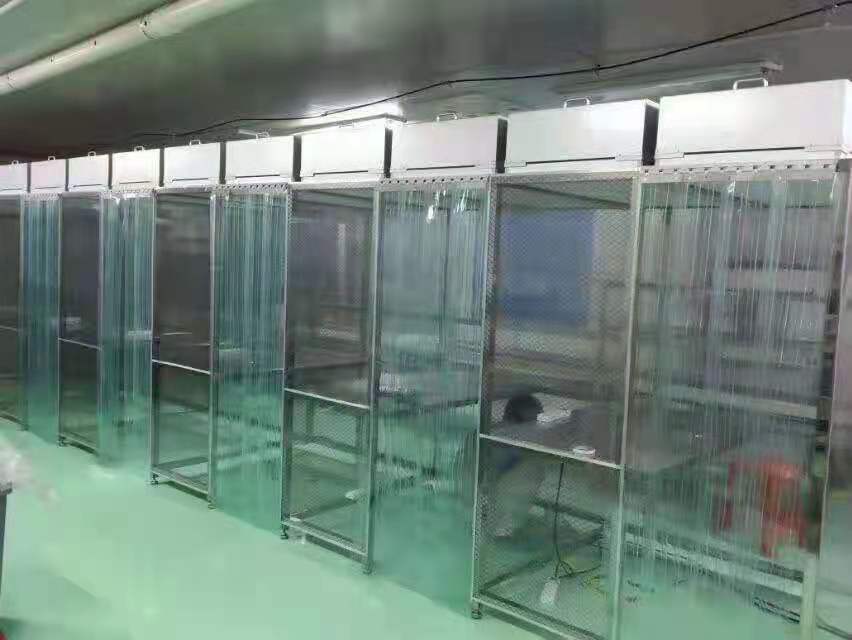
The wall and ceiling systems form the primary containment envelope. Standard commercial construction materials, such as gypsum board or standard acoustical tiles, are unacceptable because they shed fibers and degrade under frequent cleaning. Instead, heavy-duty modular sandwich panels are utilized.
Rockwool Core Panels: Highly favored for fire protection. They provide excellent thermal insulation and structural stability while meeting strict fire rating codes in industrial manufacturing facilities.
Aluminum Honeycomb Panels: Known for high rigidity and flatness, making them ideal for ceiling grids where weight reduction and high strength are necessary. They do not retain moisture and are highly resistant to deflection.
Paper Honeycomb and Polyurethane (PU): Selected for specific low-load partitions where lightweight, cost-effective insulation is required, though they have limited application in high-humidity zones.
Surface coatings must withstand abrasive cleaning protocols and chemical exposure, such as hydrogen peroxide vapor, alcohol solutions, and sodium hypochlorite. The choice of finish directly affects the operational life of the facility:
PVDF (Polyvinylidene Fluoride): Provides exceptional resistance to chemical degradation, UV exposure, and mechanical wear. It is the preferred choice for environments undergoing aggressive sterilization.
PE (Polyester) Coating: Suitable for environments with moderate cleaning cycles and lower humidity requirements, offering an optimal balance of cost and durability.
HPL (High-Pressure Laminate): Frequently used in pharmaceutical corridors due to high impact resistance, preventing structural damage from heavy utility carts.
The floor of a clean environment must endure foot traffic, heavy machinery movement, and stringent decontamination procedures. It also plays a key role in electrostatic control. Professional implementation by TAI JIE ER ensures that these flooring systems are installed with seamless transitions and robust adhesion to the concrete slab.
Epoxy systems provide a smooth, continuous surface without joints or pores, which prevents bacterial growth. They are highly resistant to acids, alkalis, and physical impacts. Successful installation requires meticulous sub-floor moisture preparation to prevent vapor transmission and subsequent blistering of the polymer layer.
Electrostatic Discharge (ESD) PVC tiles or continuous sheets are vital in semiconductor fabrication and electronic assembly. Copper grounding strips are installed beneath the PVC sheets to conduct static electricity safely to the building ground. Hot-gas welding of the joints creates a monolithic floor plane, ensuring zero liquid penetration during wet cleaning processes.
Every wall-to-wall, wall-to-ceiling, and wall-to-floor transition represents a potential dust trap and leakage path. Eliminating 90-degree internal angles is a foundational requirement of Cleanroom Engineering decoration.
Radius-curved aluminum extrusions are installed at all internal intersections to create a smooth, sweepable transition. The coving must be perfectly flush with the adjacent wall and floor planes to prevent ledge formation. These profiles are often finished with anodized coatings or powder finishes matching the wall panels.
Standard construction sealants release volatile organic compounds (VOCs) that can damage sensitive semiconductor silicon wafers. Low-outgassing, neutral-cure silicone sealants are mandatory. Sealants must also possess anti-fungal properties to prevent microbial growth in humid pharmaceutical processing environments.
The physical layout of the room must work in tandem with the HVAC airflow design. Unidirectional (laminar) or non-unidirectional airflow patterns require architectural accommodations to maintain pressure cascades. The architectural experts at TAI JIE ER design cleanroom partitions to coordinate with air handling dynamics, preventing stagnant air pockets.
Heavy-duty, gel-seal or dry-gasket grid systems hold HEPA/ULPA Fan Filter Units (FFUs). The connection between the filter frame and the ceiling panel must be completely airtight to prevent unfiltered air bypass. Walk-on ceilings must be designed with sufficient structural suspension rods to support the weight of maintenance personnel.
In cleanrooms requiring low-level return air, such as GMP Grade A/B areas, double-wall hollow partitions are constructed to act as return air plenums. The internal surfaces of these hollow walls must be smooth and sealed to avoid generating particulate matter over time. Return air grilles must be integrated flush with the panel surface to maintain aerodynamic profiles.
A functional clean room must allow for the safe passage of materials, personnel, and utilities without compromising cleanroom classification.
Pass boxes allow material transfer between rooms of different cleanliness levels without opening main doors. Electronic or mechanical interlocking systems ensure that only one door can open at a time, maintaining pressure differentials. Dynamic pass boxes include integrated HEPA filtration to purge contamination during transfer.
Cleanroom lighting fixtures must be sealed, cleanable from the room side (or maintenance walk-on ceiling side), and tear-drop shaped or completely flush-mounted to minimize turbulence. Electrical switch plates and utility outlets must be sealed with silicone gaskets to prevent air leakage from utility wall chases.
A uniform approach does not apply to all facilities; different industries have contrasting structural priorities for their Cleanroom Engineering decoration.
The primary concern is biological contamination. Surfaces must resist aggressive chemical washing (sodium hypochlorite, vaporized hydrogen peroxide). Zero voids are permitted where bacteria or mold could proliferate. All structural elements, including doors and windows, must be double-glazed and completely flush with the partition walls.
The focus is on airborne molecular contamination (AMC) and electrostatic discharge (ESD). Strict outgassing limits are enforced on all panel coatings, plastics, and sealants. Metallic finishes must be treated to prevent chemical outgassing or corrosion under specific chemical processes.
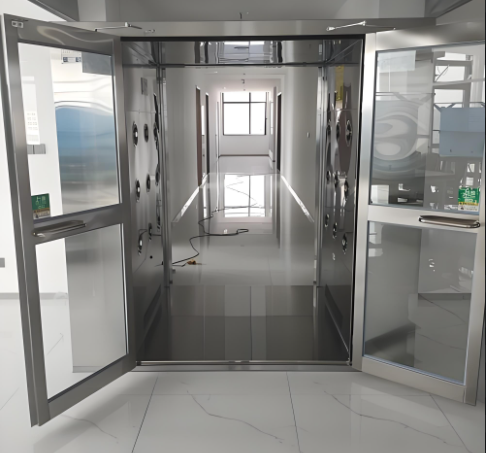
Before a clean environment can be certified (at-rest or operational), the physical construction must pass thorough verification testing. These protocols verify the physical integrity of the envelope:
Pressure Decay Testing: Verifies the integrity of the room boundary panels and joint sealants under positive or negative pressure conditions.
Air Leakage Checks: Utilizing smoke tests to visualize airflow paths and detect leaks around lighting fixtures, pass boxes, and doors.
Surface Particle Count Tests: Ensures that the wall, floor, and ceiling finishes do not shed particles when subject to physical vibrations or scrubbing.
By collaborating with an experienced contractor like TAI JIE ER, clients ensure that every phase of Cleanroom Engineering decoration complies with international standards, from structural calculations to final ISO certification.
Developing a controlled environment requires meticulous engineering coordination from the early conceptual stages. Choosing appropriate materials, understanding complex airflow interactions, and ensuring strict adherence to global regulatory frameworks are mandatory steps for a successful handover. If you are planning to construct or upgrade a clean facility, please contact our engineering specialists to discuss your project requirements, material specifications, and regulatory goals.
Q1: What is the main difference between sandwich panel core materials used in cleanrooms?
A1: Rockwool core panels are primarily chosen for fire protection and thermal insulation, while aluminum honeycomb core panels are selected for high structural rigidity, minimal weight, and moisture resistance, making them ideal for walk-on ceiling grids.
Q2: Why are standard construction sealants avoided in Cleanroom Engineering decoration?
A2: Standard sealants release volatile organic compounds (VOCs) and exhibit outgassing, which can destroy sensitive electronic components or contaminate pharmaceutical batches. Professional cleanroom applications require low-outgassing, neutral-cure silicone sealants with integrated anti-fungal properties.
Q3: How is electrostatic discharge managed through cleanroom flooring?
A3: ESD-protected PVC or epoxy flooring is integrated with underlying copper grounding grids connected directly to the facility's grounding system. This allows static charges built up on personnel or equipment to safely dissipate.
Q4: What is the function of coving at structural intersections?
A4: Coving eliminates sharp 90-degree internal corners at wall-to-wall, wall-to-ceiling, and wall-to-floor junctions. This curved profile prevents dust and microbial accumulation while allowing easy, thorough cleaning.
Q5: How do dynamic pass boxes differ from static pass boxes?
A5: Static pass boxes simply provide an interlocked physical barrier for manual transfers. Dynamic pass boxes incorporate a HEPA filtration loop and a fan unit to actively flush and clean the internal air volume, reducing cross-contamination between rooms.