

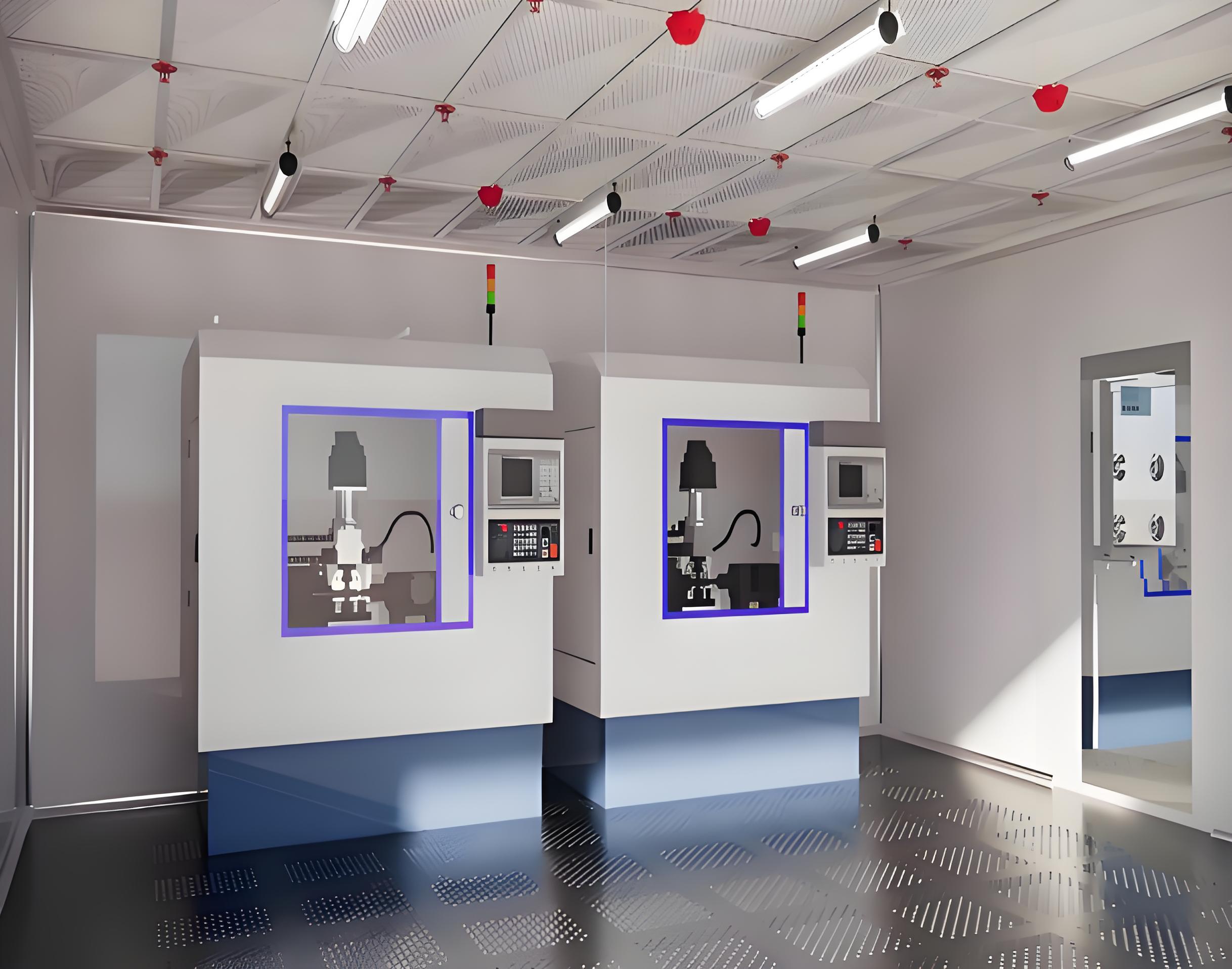
A sterile laboratory is a controlled environment where airborne particles and microbes are minimized. This setting is vital for research and production in pharmaceuticals, biotechnology, and medical device manufacturing. The goal is to prevent contamination of sensitive work. Creating and maintaining such a space requires precise engineering and strict protocols. This article outlines the core aspects involved in planning and operating a compliant sterile laboratory.
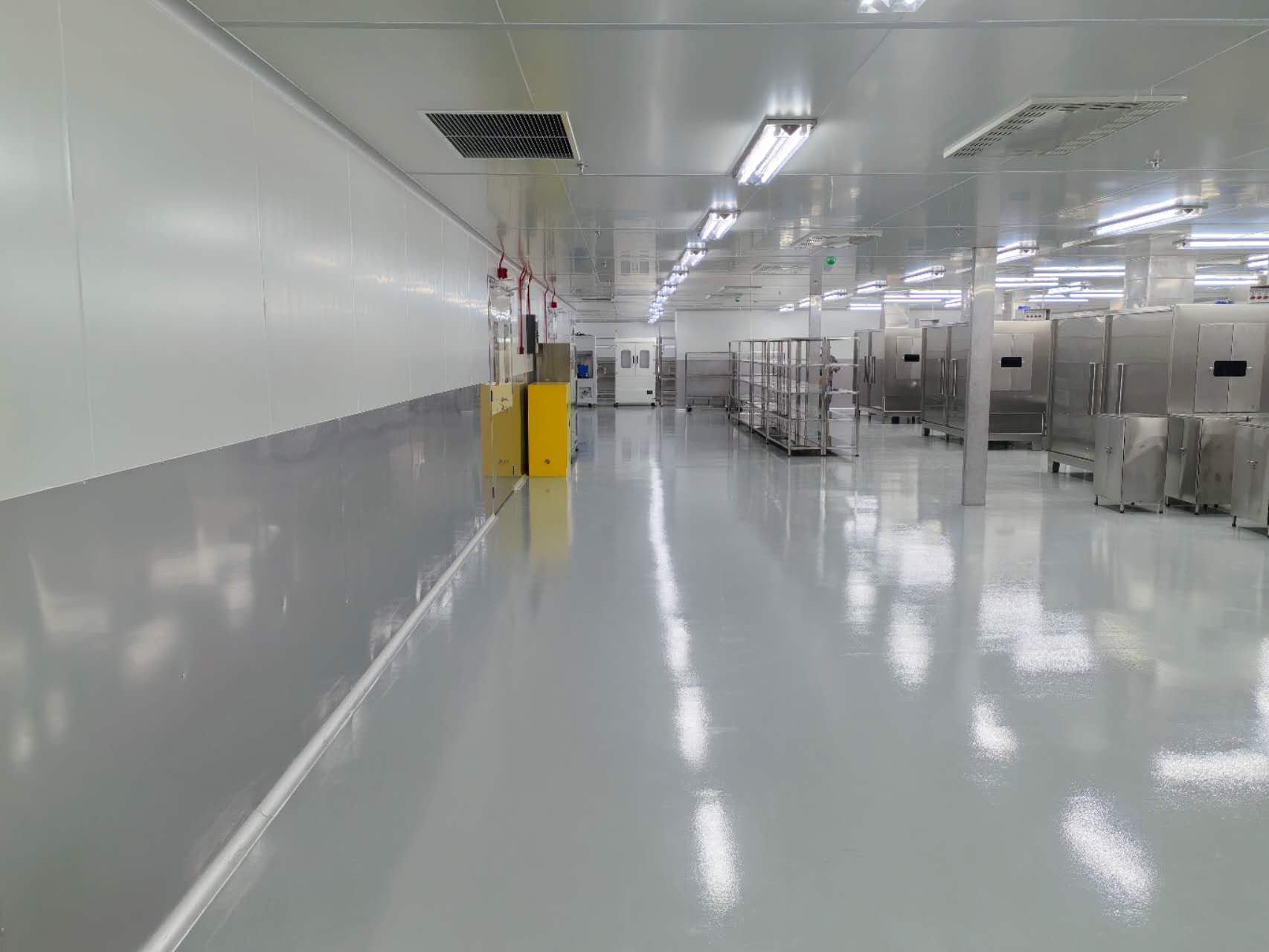
Fundamentals of a Sterile Laboratory
The primary function of a sterile laboratory is to provide a workspace free from contaminants. These contaminants include dust, airborne organisms, and aerosol particles. The design focuses on eliminating variables that could compromise experiments or product sterility. Understanding its core purpose is the first step in any project.
Applications are widespread and critical:
Aseptic filling of pharmaceutical vials and syringes.
Microbiological research and cell culture work.
Preparation of sterile medical implants and surgical kits.
High-purity analytical testing and quality control.
Every sterile laboratory project must start by defining its specific use case and required cleanliness level.
5 Critical Components of a Sterile Laboratory
A successful sterile laboratory integrates several engineered systems. Each component plays a distinct role in contamination control. Neglecting any one can compromise the entire environment's integrity.
1. Air Filtration and HVAC Systems
Air quality is the most critical factor. A specialized HVAC system provides filtered, conditioned air. It maintains positive or negative pressure relative to adjacent areas to control airflow direction.
Key elements include:
HEPA (High-Efficiency Particulate Air) or ULPA (Ultra-Low Penetration Air) filters for final air cleaning.
Proper air change rates per hour (ACH) to dilute and remove particles.
Laminar or unidirectional airflow benches for critical workspaces.
This system forms the lungs of the sterile laboratory, constantly supplying clean air.
2. Materials and Surface Finishes
Walls, floors, and ceilings must be seamless, non-porous, and easy to clean. They should resist chemical disinfectants and not shed particles.
Common material choices are:
Epoxy resin or vinyl sheet flooring with coved bases.
Fiberglass reinforced plastic (FRP) or smooth painted gypsum wall panels.
Stainless steel for workbenches, fixtures, and casework due to its durability.
The correct materials reduce maintenance effort and enhance the sterile laboratory's longevity.
3. Personnel Gowning and Access Protocols
People are the largest source of contamination. Strict gowning and access procedures are non-negotiable. A graded gowning approach is used, with more protective gear for cleaner zones.
A typical gowning sequence may involve:
Changing into dedicated laboratory shoes.
Donning a coverall, hood, face mask, and gloves.
Passing through an airlock, sometimes with an air shower.
These procedures protect the sterile laboratory environment from human-borne contaminants.
4. Cleaning and Disinfection Procedures
Rigorous and scheduled cleaning is mandatory. Procedures specify the agents, methods, and frequency for sanitizing every surface. Validation ensures these methods are effective.
A robust plan includes:
Use of sporicidal and bactericidal disinfectants in rotation.
Validated wiping techniques to ensure full surface coverage.
Documentation of every cleaning event for audit trails.
Consistent cleaning maintains the baseline cleanliness of the sterile laboratory between operations.
5. Environmental Monitoring Systems
You cannot control what you do not measure. Continuous monitoring provides data to prove the environment is in control. It also alerts staff to potential issues.
Monitoring typically covers:
Non-viable particle counts using lasers.
Viable (microbial) air and surface sampling.
Temperature, humidity, and pressure differentials.
This data is crucial for the ongoing qualification of the sterile laboratory.
Design, Certification, and Validation
Building a sterile laboratory is a phased process from concept to operational release. Each phase has defined deliverables and review points. Skipping steps risks creating a space that looks correct but fails to perform.
Planning and Design Phase
This initial stage defines user requirements and translates them into technical specifications. Key decisions involve layout, workflow, and classification goals (like ISO Class 5 or 7).
Considerations include:
Material and personnel flow to prevent cross-contamination.
Location of airlocks, gowning rooms, and equipment.
Integration of utilities like clean steam and pure water.
Expert partners like TAI JIE ER assist in creating designs that are both compliant and practical.
Certification and Performance Qualification
Once built, the sterile laboratory must be certified. This involves a series of tests against international standards like ISO 14644. The facility cannot be used for critical work until it passes.
Core tests include:
Airborne particle count certification.
HEPA filter integrity testing (DOP/PAO challenge).
Airflow velocity and volume measurements.
Recovery time testing after a contamination event.
Successful certification formally proves the sterile laboratory meets its designed classification.
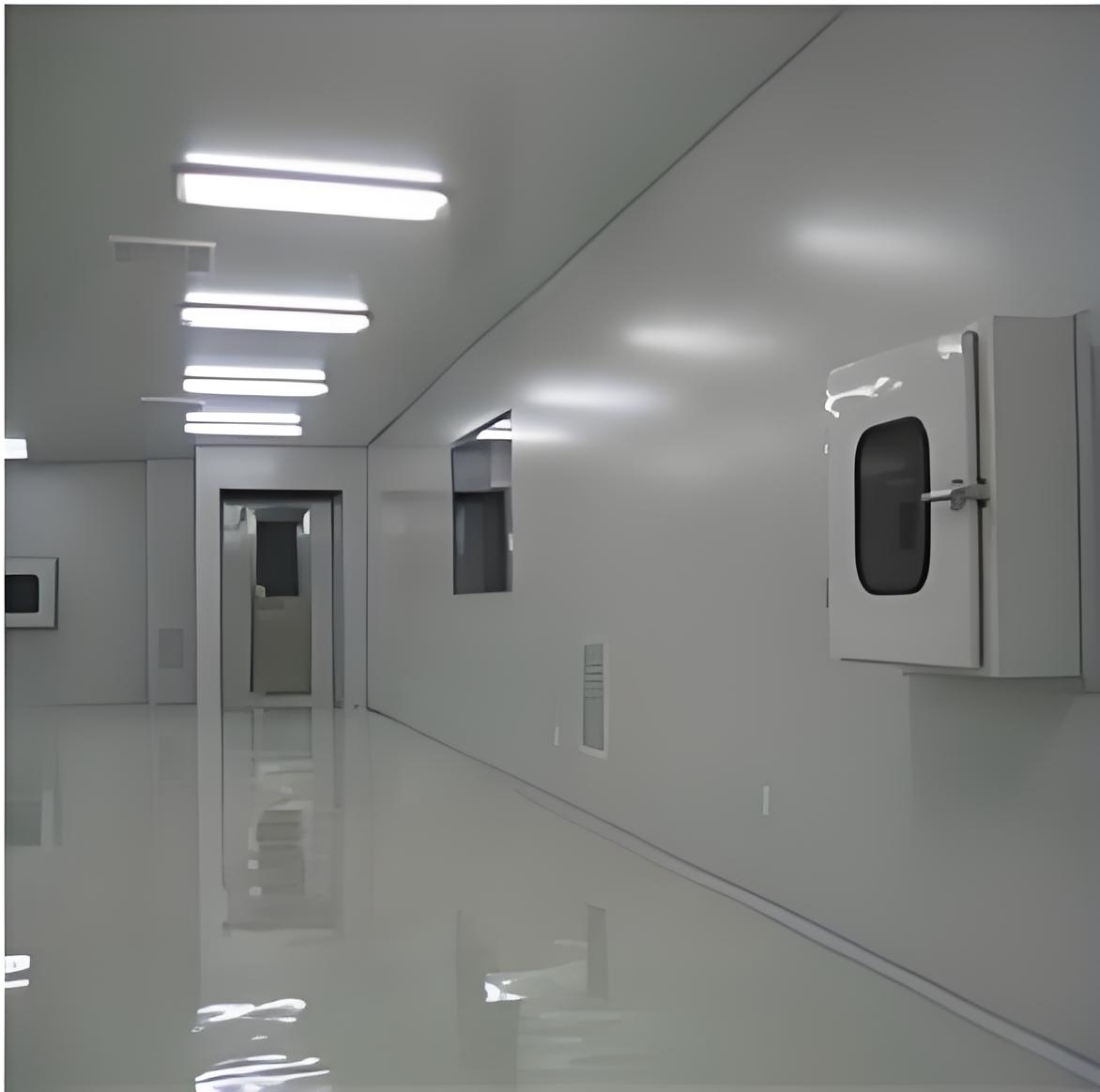
Operational Best Practices and Maintenance
Day-to-day operations determine the long-term success of a sterile laboratory. Even a perfectly designed room can fail without proper procedures and upkeep.
Routine Maintenance Schedules
All systems require preventive maintenance. This prevents unexpected failures that could lead to contamination events or downtime.
Critical maintenance tasks involve:
Regular filter integrity checks and replacements.
Calibration of monitoring sensors and gauges.
Verification of door interlocks and alarm systems.
A log of all maintenance activities is essential for regulatory audits in a sterile laboratory.
Staff Training and Competency
Human error is a major risk. Comprehensive training programs are required for all personnel entering the space. Training must be refreshed regularly.
Effective programs cover:
Aseptic techniques and cleanroom behavior.
Correct gowning procedures and personal hygiene.
Emergency response and deviation reporting.
Well-trained staff are the most important factor in sustaining a sterile laboratory environment.
TAI JIE ER’s Approach to Sterile Laboratory Solutions
TAI JIE ER specializes in turnkey solutions for high-precision environments. Their methodology ensures that every sterile laboratory project is built on a foundation of reliability and compliance.
Integrated Project Delivery
TAI JIE ER manages projects from initial consultation to final validation. This integrated approach reduces interface issues between design, construction, and commissioning teams.
Their process ensures:
Clear communication and single-point accountability.
Smoother regulatory approvals and fewer project delays.
A final facility that matches the client's exact operational needs.
This comprehensive service is valuable for companies establishing a new sterile laboratory.
Focus on Sustainable Operation
Beyond initial construction, TAI JIE ER designs for energy efficiency and lower lifetime operating costs. A sterile laboratory can be resource-intensive, but smart design mitigates this.
Their strategies include:
Energy recovery systems on exhaust air streams.
Variable air volume (VAV) controls to reduce fan energy when possible.
Selection of durable materials to minimize replacement cycles.
This forward-thinking approach benefits both the client's budget and environmental footprint.
Establishing and maintaining a sterile laboratory is a complex, multidisciplinary effort. It demands attention to detail in design, rigorous validation, and unwavering commitment to operational discipline. The five components of air filtration, materials, personnel protocols, cleaning, and monitoring form the pillars of a reliable facility.
By adhering to international standards and implementing robust procedures, organizations can create environments that protect their critical processes. Working with experienced engineering partners like TAI JIE ER provides the expertise needed to navigate these challenges successfully. A well-executed sterile laboratory is a foundational asset for innovation and quality in science and industry.
Frequently Asked Questions (FAQ)
Q1: What is the difference between a cleanroom and a sterile laboratory?
A1: All sterile laboratories are types of cleanrooms, but with a specific focus. A "sterile laboratory" typically refers to a space designed for aseptic processes where the goal is the absence of viable microorganisms, often supporting life sciences. Cleanrooms control particles for a wider range of applications, like electronics manufacturing, where microbial control may be less critical.
Q2: How often does a sterile laboratory need to be re-certified?
A2: ISO 14644-1 recommends re-testing at maximum intervals of 12 months for particle counts. More frequent monitoring of pressure differentials and microbial levels is done routinely. After any significant modification or maintenance event on the HVAC system, re-certification of the affected area is required.
Q3: What are the biggest daily challenges in operating a sterile laboratory?
A3: Common challenges include maintaining strict personnel discipline in gowning and procedures, managing material transfer without introducing contamination, and responding effectively to environmental monitoring alerts or pressure differential alarms before they escalate into major deviations.
Q4: Why is personnel training so critical for a sterile laboratory?
A4: Humans shed skin cells, hair, and microbes constantly. Even with perfect engineering, improper human behavior can introduce contaminants. Training ensures every individual understands how their actions impact the environment and knows the correct procedures to minimize this risk.
Q5: What factors most influence the cost of building a sterile laboratory?
A5: Key cost drivers are the required cleanliness classification (ISO Class 5 is more expensive than Class 7), the size of the facility, the complexity of the HVAC system, the level of automation for monitoring, and the choice of interior finish materials. An experienced firm like TAI JIE ER can help optimize these choices for budget and performance.