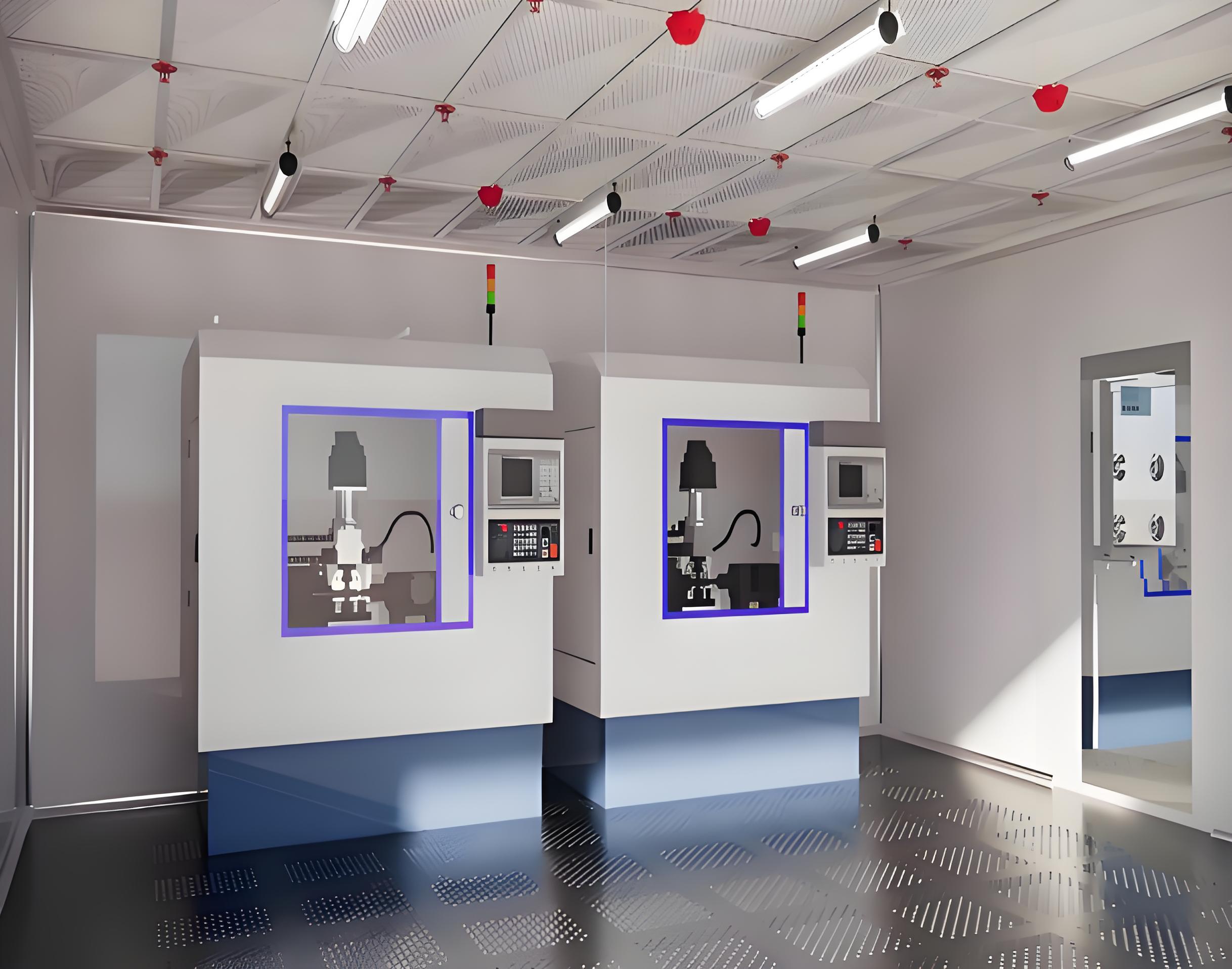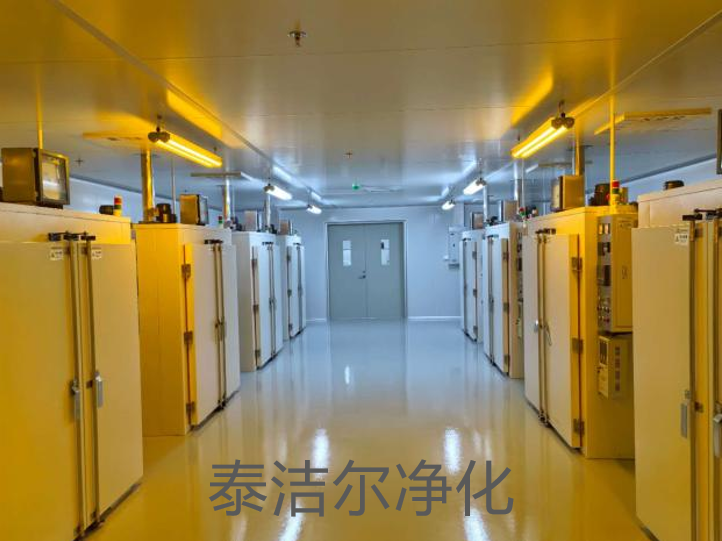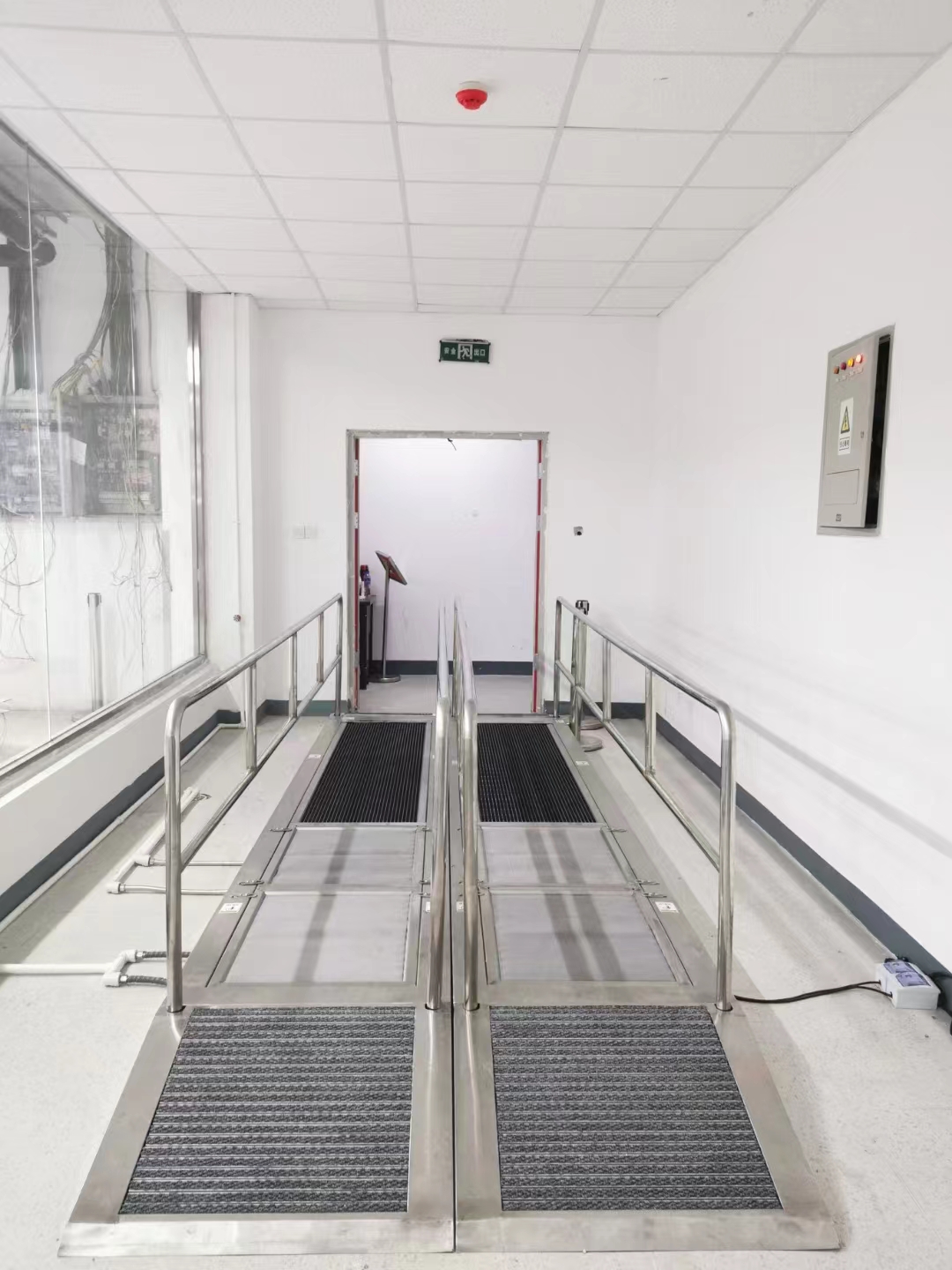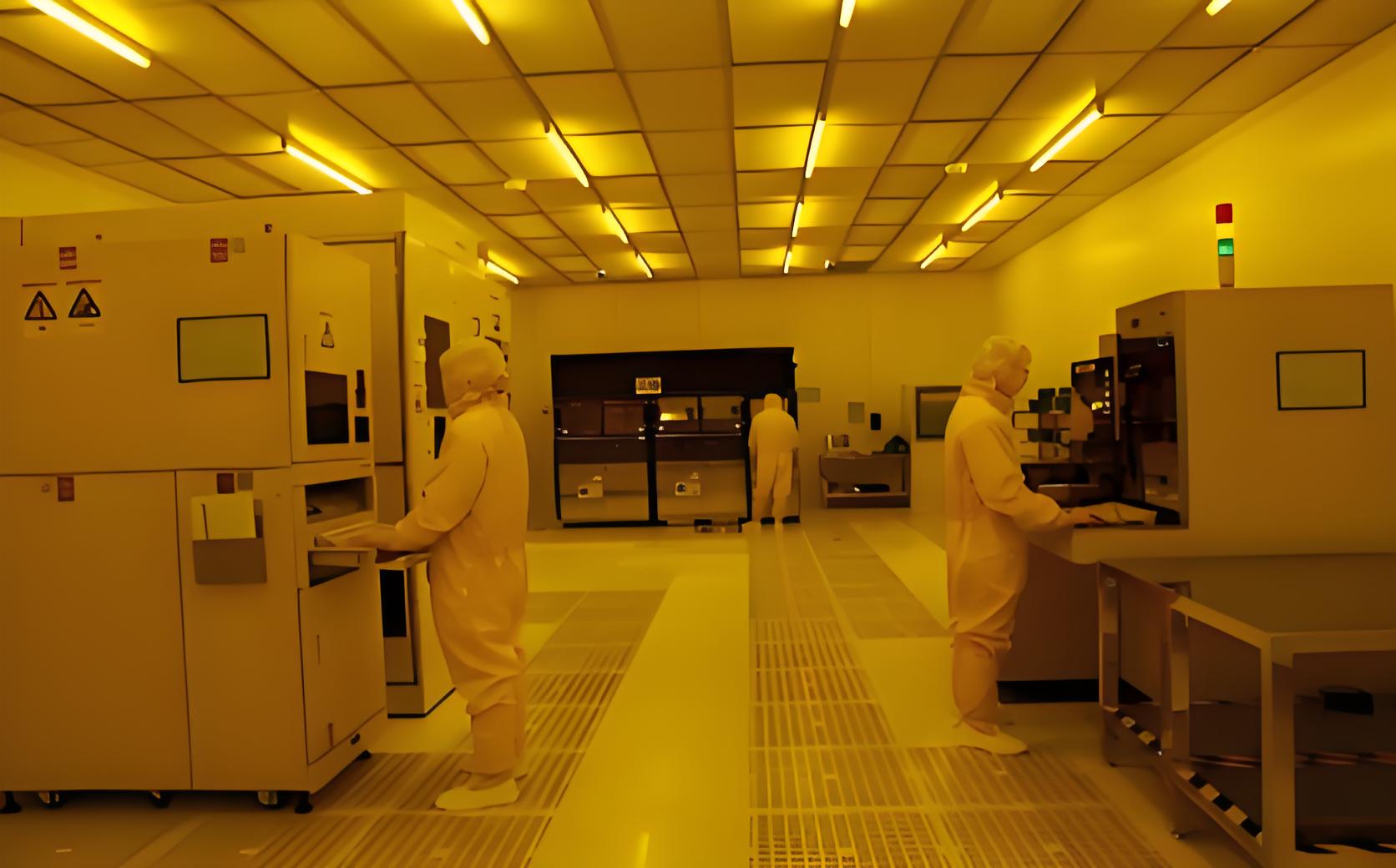
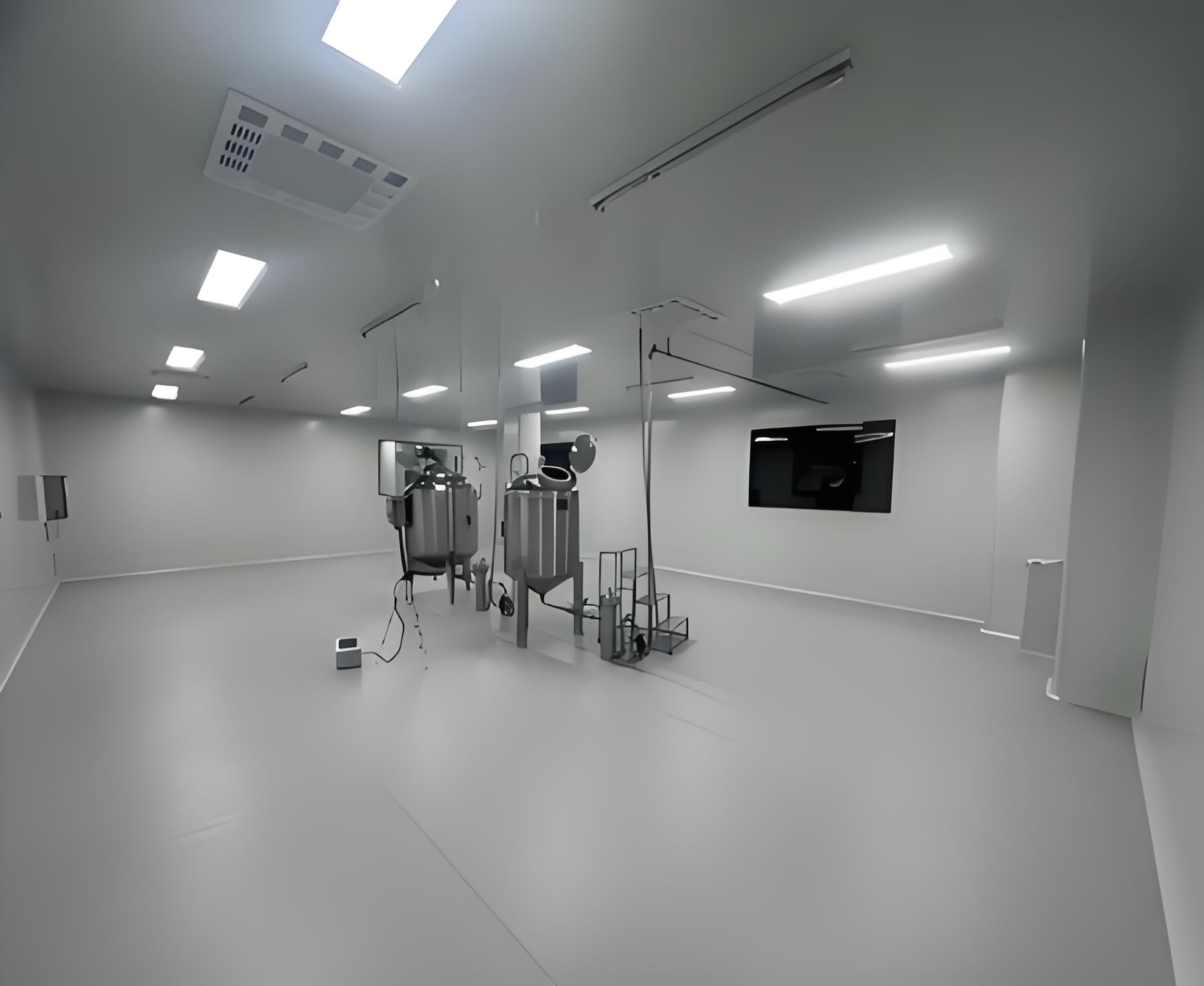
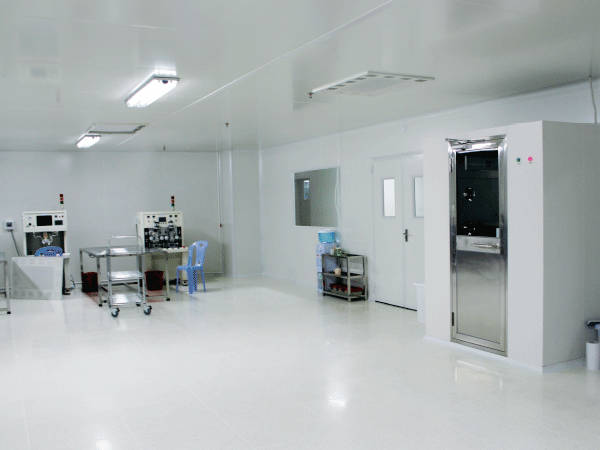
In the pharmaceutical and biotechnology sectors, maintaining sterility until the point of use is paramount. A Packaging purification project ensures that primary and secondary packaging materials meet strict cleanliness standards before entering the cleanroom. With contamination risks originating from packaging surfaces, a dedicated project led by experienced engineers—such as those at TAI JIE ER—is essential for compliance and patient safety. This structured approach minimizes microbial and particulate loads, directly supporting aseptic processing. Every successful project integrates design, validation, and operational protocols tailored to the facility's classification.
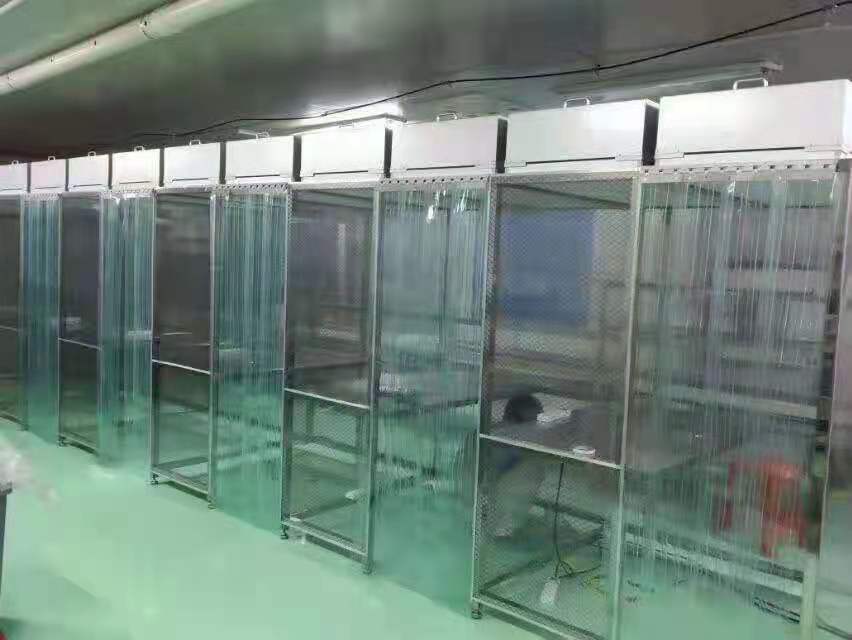
Global health authorities mandate rigorous control over packaging materials. A Packaging purification project must align with FDA 21 CFR Part 211, EU GMP Annex 1, and ISO 14644 cleanroom standards. These regulations require documented evidence that packaging components are free from contaminants that could compromise drug products.
Validation master plan (VMP) referencing the purification scope.
Standard operating procedures for material handling and transfer.
Routine monitoring data for particle and microbial counts.
Failure to meet these requirements can lead to regulatory observations or product recalls. TAI JIE ER's engineering team assists in interpreting these guidelines to build a robust project framework.
Designing a purification system starts with understanding the packaging material flow. The Packaging purification project layout should prevent cross-contamination between dirty and clean sides. Airlocks, pass-through chambers, and unidirectional material flow are foundational concepts.
Separation of clean and dirty corridors.
Use of stainless steel surfaces for ease of cleaning.
Integration with HVAC to maintain pressure cascades.
TAI JIE ER applies modular cleanroom concepts that allow scalability and future modifications without compromising the purification integrity.
Airborne particles are a primary concern during packaging handling. A comprehensive Packaging purification project incorporates high-efficiency particulate air (HEPA) filtration at strategic points, such as above de-bagging stations and transfer hatches. Airflow patterns must be visualized to ensure sweeping of particles away from exposed materials.
Unidirectional airflow in critical zones.
Differential pressure monitoring between rooms.
Regular smoke studies to validate airflow.
Packaging materials often carry surface contaminants. The Packaging purification project typically employs methods such as vaporized hydrogen peroxide (VHP) treatment, ultraviolet (UV) exposure, or dry heat sterilization depending on material compatibility. Each technology has validation requirements to prove spore reduction.
VHP bio-decontamination cycles for heat-sensitive films.
UV-C tunnels for high-throughput lines.
Gamma irradiation for terminal sterilization (if applicable).
Engineers at TAI JIE ER evaluate packaging composition to recommend the most effective and residue-free method.
Validation is the documented evidence that the purification process consistently delivers clean packaging. A formal Packaging purification project requires installation qualification (IQ), operational qualification (OQ), and performance qualification (PQ). During PQ, simulated product runs with biological indicators demonstrate lethality.
Temperature mapping for thermal processes.
Chemical indicator distribution studies for VHP.
Microbial challenge tests using appropriate spores.
All protocols should be approved before execution, and deviations must be investigated and resolved.
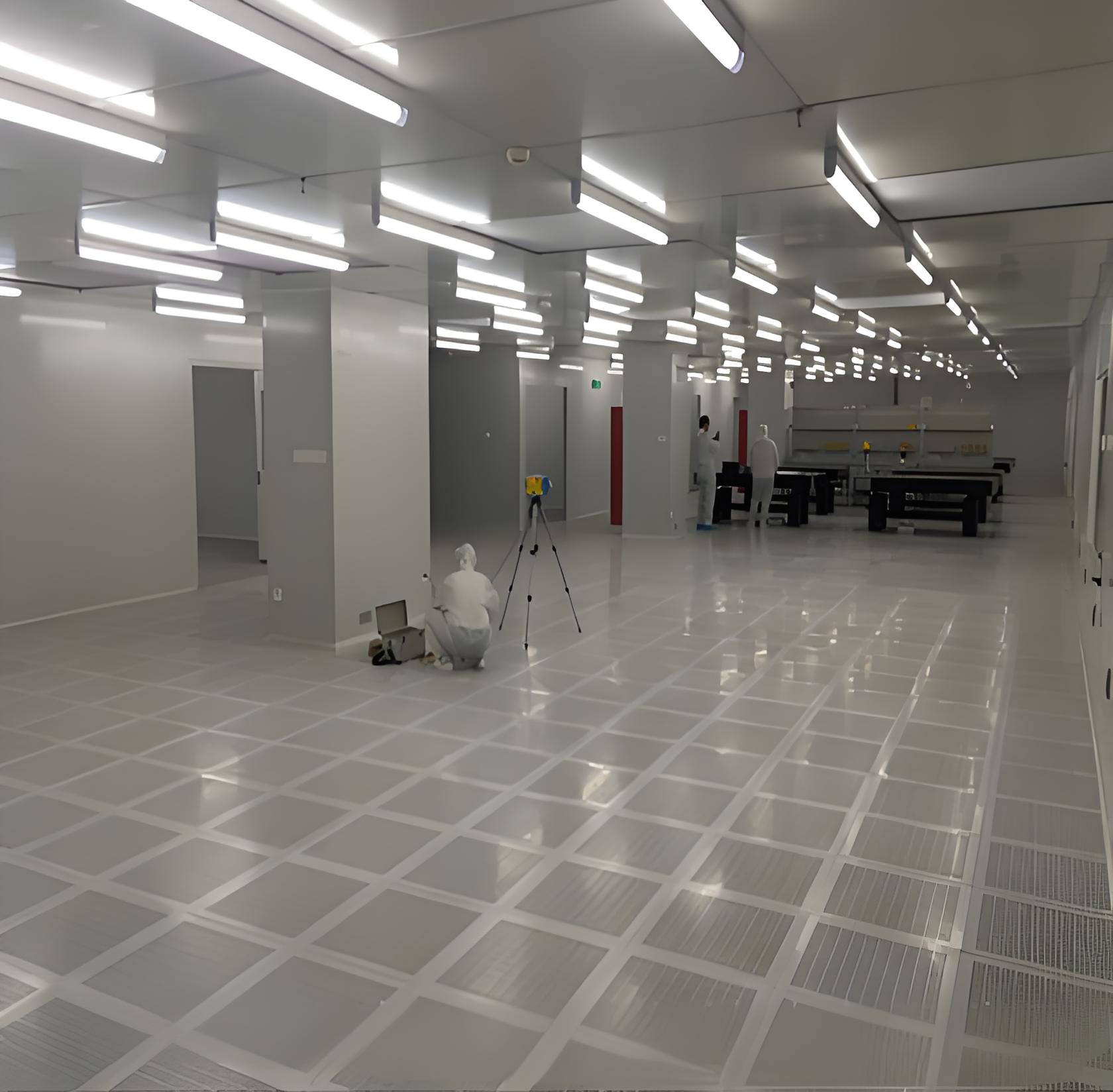
Materials used in purification equipment must resist corrosion and not shed particles. In any Packaging purification project, specifying 316L stainless steel with electropolished finish is common for contact surfaces. Gaskets and seals should be made of silicone or PTFE that withstand decontamination agents.
Avoid materials that outgas or retain moisture.
Ensure all welds are ground and passivated.
Select viewing panels made of shatter-resistant polycarbonate.
TAI JIE ER provides material certificates and surface roughness measurements as part of the engineering deliverables.
Modern purification projects integrate energy-saving features without compromising cleanliness. A well-designed Packaging purification project can include heat recovery wheels, low-flow air change rates during idle periods, and LED lighting. These reduce operational costs and carbon footprint.
Use of variable frequency drives on fans.
Automated setback modes when line is not running.
Selection of reusable or recyclable packaging components.
Automation ensures repeatable purification cycles and reduces human error. Implementing a building management system (BMS) that tracks parameters in real time is a key part of a modern Packaging purification project. Sensors monitor temperature, humidity, pressure, and VHP concentration, with alarms for deviations.
SCADA interfaces for operator overview.
Data logging for batch records and audits.
Integration with manufacturing execution systems (MES).
A European biologics manufacturer faced recurring contamination traced to packaging. TAI JIE ER designed a turnkey Packaging purification project that included a VHP tunnel and ISO 7 buffer zone. Post-implementation, environmental monitoring showed a 99.9% reduction in particle counts, and media fill trials passed with zero contamination. The project was completed within six months, on budget.
Modular construction minimized on-site disruption.
Automated cycle recipes for different packaging types.
Training program for operators and maintenance staff.
The industry is moving toward continuous monitoring and single-use technologies. Future Packaging purification project designs may incorporate robotics for material transfer and real-time microbial detection using laser-induced fluorescence. TAI JIE ER is already piloting IoT-enabled sensors that predict filter loading and schedule predictive maintenance.
Adopting these innovations early can give manufacturers a competitive edge while maintaining the highest sterility assurance levels.
Executing a successful Packaging purification project demands a holistic view—from regulatory compliance and equipment selection to validation and automation. Partnering with an experienced engineering firm like TAI JIE ER ensures that your project meets current good manufacturing practices and prepares your facility for future challenges. A well-implemented project protects product integrity and patient health, forming the backbone of any sterile manufacturing operation.
Q1: What exactly is a packaging purification project?
A1: It is a structured engineering initiative focused on removing contaminants from packaging materials (bottles, stoppers, films, etc.) before they enter classified cleanrooms. It includes design, equipment installation, validation, and ongoing monitoring to ensure packaging meets sterility requirements.
Q2: Which industries require a packaging purification project?
A2: Primarily pharmaceutical, biotechnology, and medical device manufacturing where products must be sterile. It is also applied in high-end food processing and electronics where particulate control is critical.
Q3: How long does a typical packaging purification project take?
A3: Duration varies based on scope and complexity. A small-scale project might take 3-4 months, while a full greenfield installation can take 12-18 months, including design, construction, and validation phases.
Q4: Can an existing facility be retrofitted with a packaging purification project?
A4: Yes, TAI JIE ER specializes in retrofitting. It requires careful planning to integrate new purification zones without disrupting ongoing production. Modular systems and temporary barriers are often used to phase the work.
Q5: What is the cost range for a packaging purification project?
A5: Costs depend on cleanroom class, size, automation level, and decontamination technology. A budget estimate can be obtained after a site audit. TAI JIE ER offers free preliminary assessments to outline investment needs.
Q6: How do I maintain a packaging purification project after commissioning?
A6: Maintenance includes regular HEPA filter certification, calibration of sensors, re-validation every 1-2 years, and staff retraining. TAI JIE ER provides comprehensive service agreements covering preventive maintenance and emergency support.