Contamination on printed circuit boards (PCBs) is a leading cause of intermittent failures and reduced lifespan in electronic devices. A well-executed Circuit board purification project removes ionic residues, dust, and process chemicals that can cause short circuits or corrosion. For manufacturers like TAI JIE ER, implementing such projects ensures compliance with IPC standards and customer reliability expectations. This structured approach combines precision cleaning technologies with validated cleanroom protocols, directly impacting yield rates.
The first step in any Circuit board purification project is identifying where contaminants originate. Flux residues, solder balls, airborne particles, and even skin oils from handling are common. Without thorough purification, these contaminants can lead to electrochemical migration and dendrite growth.
Manufacturing process residues (flux, adhesives, marking inks).
Environmental dust and fibers from the production area.
Packaging materials that shed particles.
Engineers at TAI JIE ER use particle analysis and ionic contamination testing to baseline the current state before designing the purification workflow.
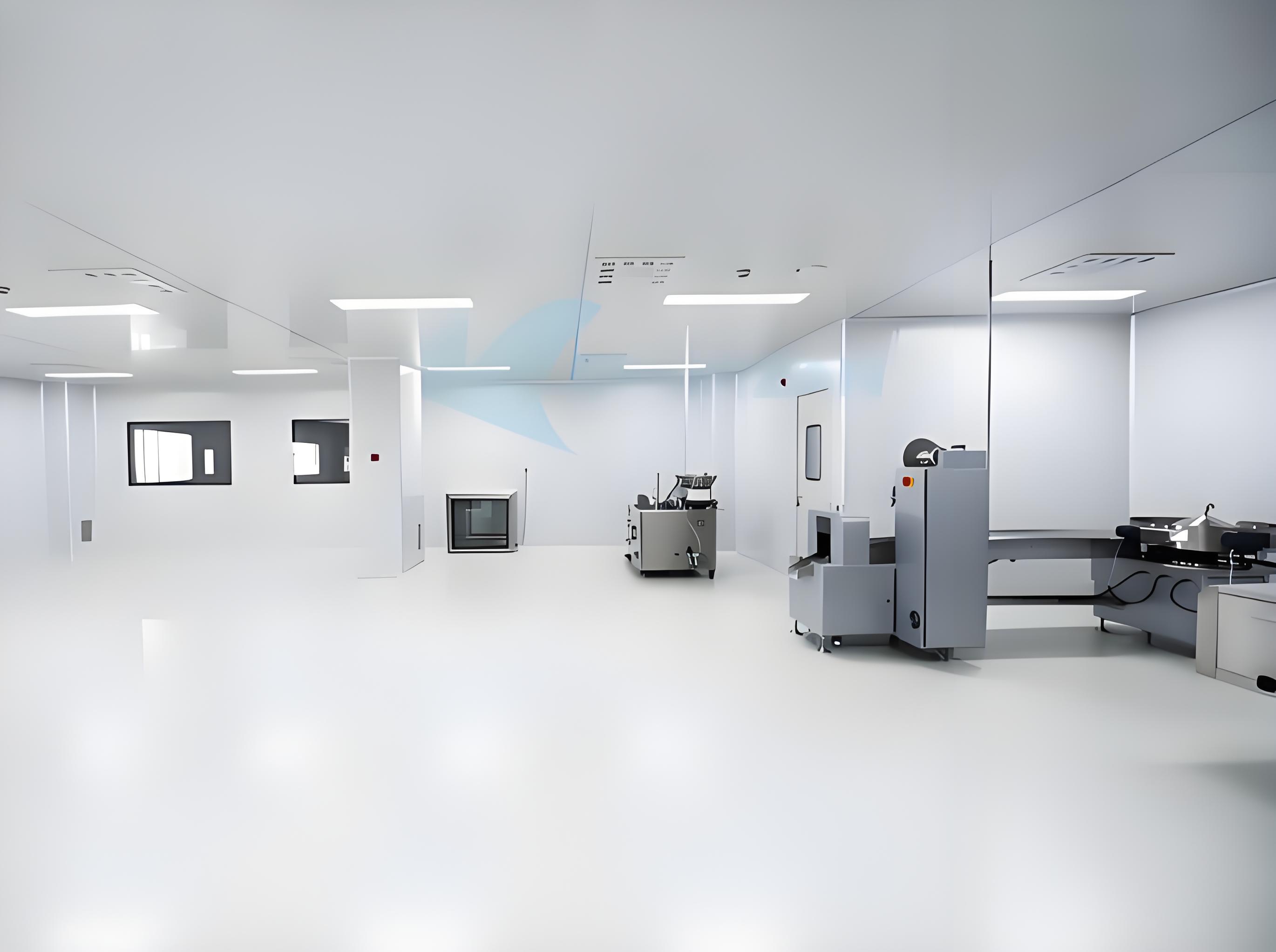
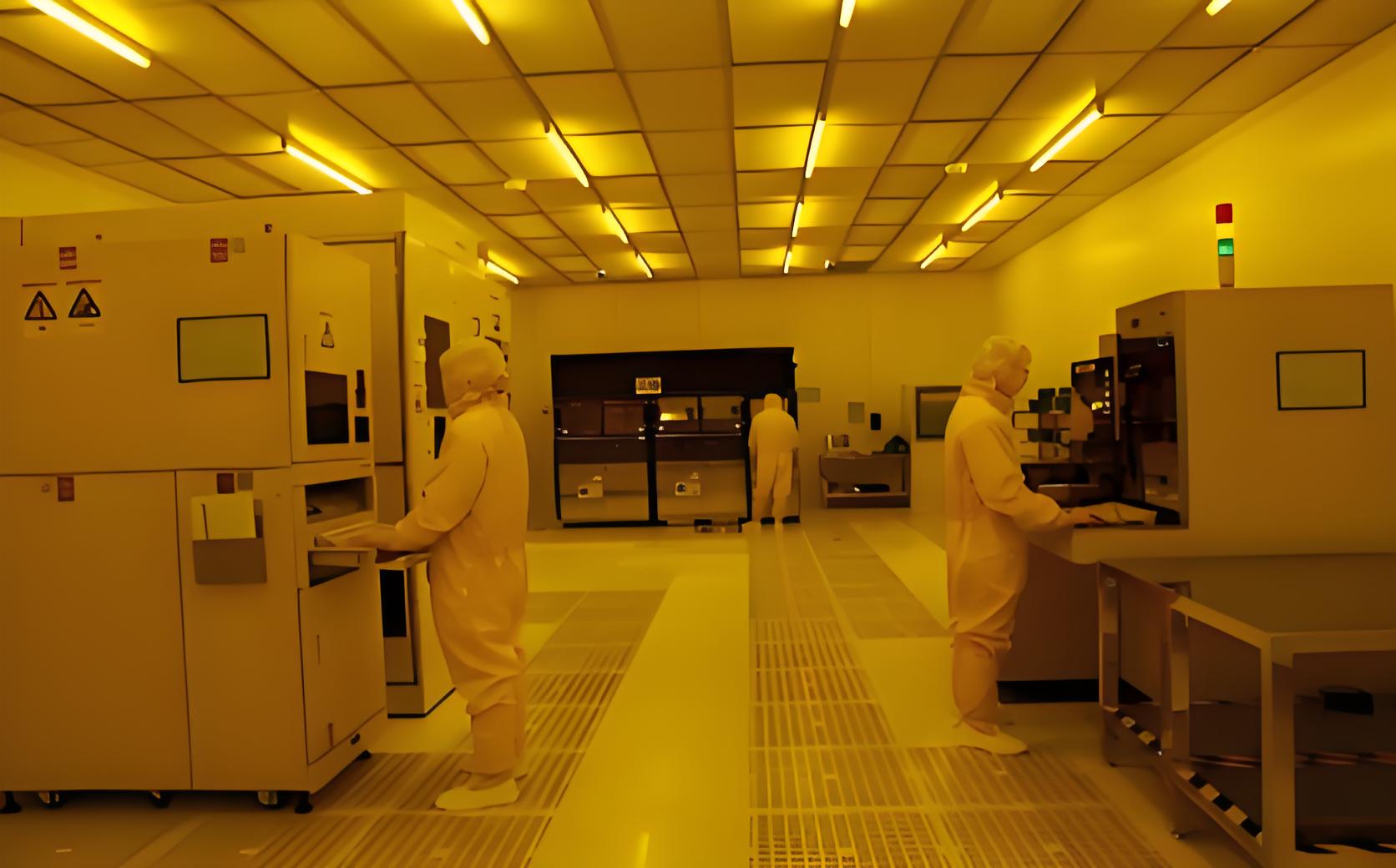
A dedicated Circuit board purification project must operate within a controlled environment. ISO 14644-1 defines classes ranging from ISO 5 (for critical processes) to ISO 8 (for general assembly). The required class depends on the board’s final application—medical devices demand stricter control than consumer electronics.
ISO 5: For boards with ultra-fine pitch components.
ISO 6-7: For high-reliability automotive and aerospace PCBs.
ISO 8: For general commercial electronics.
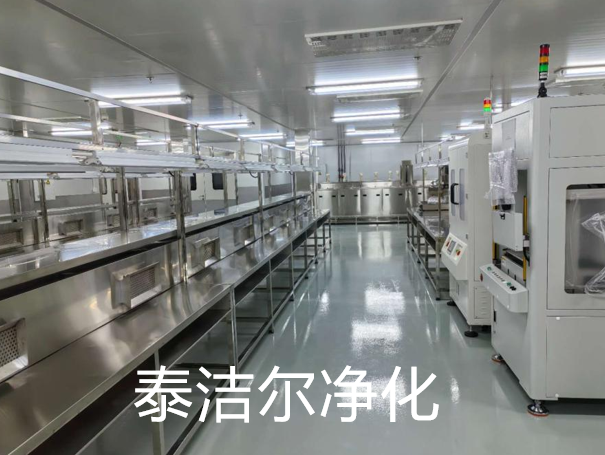
Selecting the right cleaning method is central to the Circuit board purification project. Aqueous cleaning with deionized water and saponifiers is common for removing polar and non-polar residues. Solvent cleaning may be used for specific no-clean fluxes. Each technology must be validated for material compatibility.
Batch spray washing with heated DI water.
Ultrasonic cleaning for complex geometries.
Vapor degreasing for rosin-based fluxes.
TAI JIE ER provides process recommendations based on IPC-CH-65 guidelines and board complexity.
Purification is only as good as the final rinse. A Circuit board purification project must ensure that rinsing water has resistivity above 10 MΩ·cm to prevent leaving mineral deposits. Monitoring total dissolved solids (TDS) and conductivity in real time helps maintain rinse quality.
Resistivity > 10 MΩ·cm.
Bacteria count < 10 CFU/100ml.
Silica and sodium levels below 5 ppb.
After wet processing, residual moisture can cause corrosion or outgassing during soldering. The Circuit board purification project must incorporate high-velocity air knives, infrared drying, or vacuum drying to achieve complete dryness. IPC-J-STD-001 specifies acceptable moisture levels for assembled boards.
Use HEPA-filtered air to avoid recontamination.
Monitor drying zone temperature and humidity.
Validate drying with gravimetric testing.
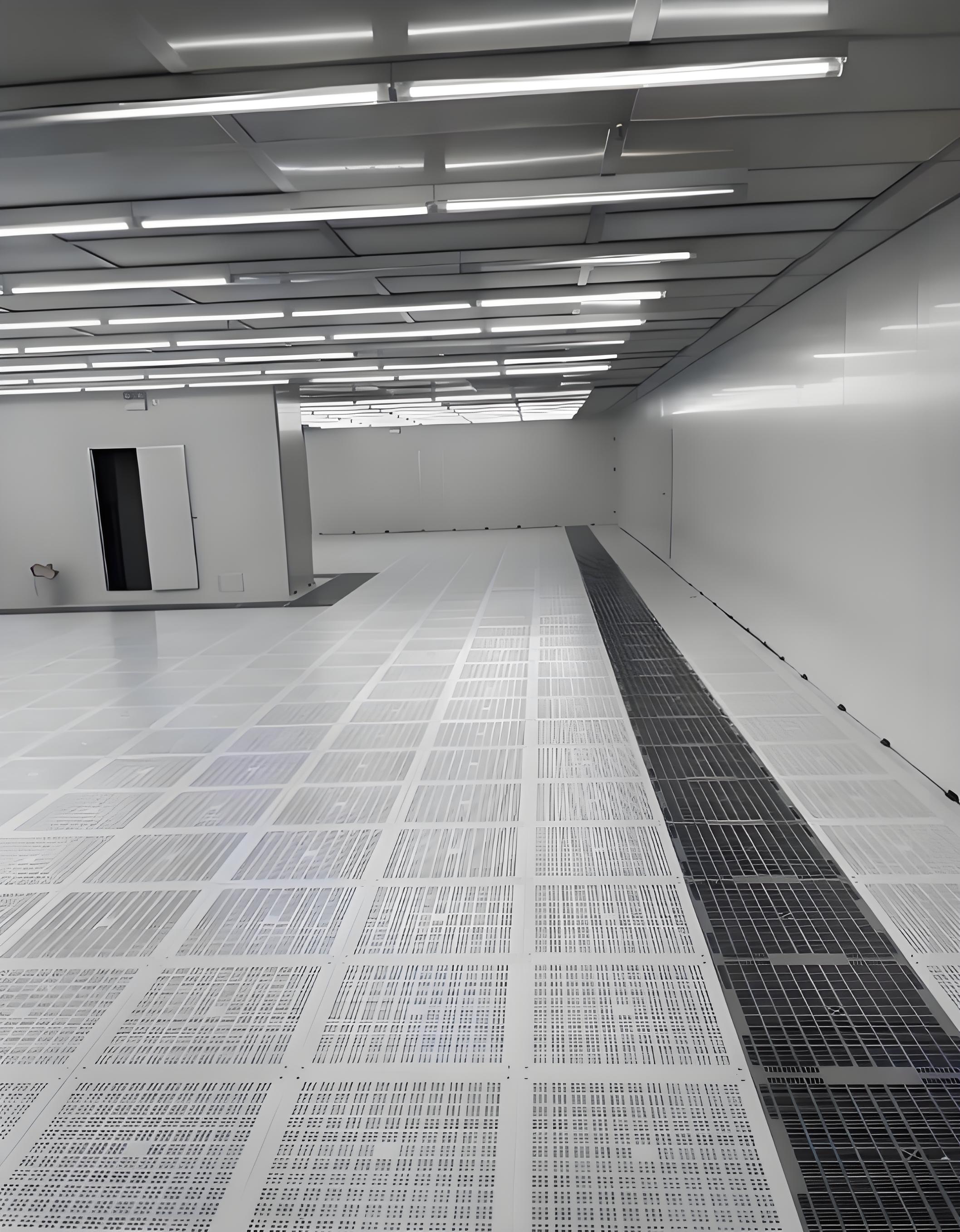
Even after boards are clean, airborne particles can settle on surfaces. A comprehensive Circuit board purification project includes terminal HEPA filters in the cleanroom ceiling and return air grilles. For ultra-clean areas, ULPA filters may be specified.
HEPA H14 filters with 99.995% efficiency at MPPS.
Unidirectional airflow hoods for critical stations.
Positive pressure differentials to adjacent areas.
TAI JIE ER designs airflow patterns to sweep particles away from open boards.
PCBs contain diverse materials—copper traces, soldermask, laminate, and components. The Circuit board purification project must select cleaning agents that do not attack these materials. Immiscible chemicals can cause delamination or discoloration. Compatibility testing on coupons is recommended before full implementation.
Check soldermask adhesion after cleaning.
Verify that no residue remains under components.
Use pH-neutral cleaners for sensitive assemblies.
Validation demonstrates that the purification process consistently meets specifications. A formal Circuit board purification project includes IQ/OQ/PQ with defined acceptance criteria. Routine monitoring uses ionic contamination testers (e.g., Omega Meter) and surface insulation resistance (SIR) testing.
Ionic cleanliness per IPC-TM-650 2.3.25.
SIR testing under temperature/humidity bias.
Visual inspection under UV light for fluorescence.
Purification processes can be energy-intensive. Modern Circuit board purification project designs incorporate heat exchangers to recover thermal energy from rinse water and drying exhaust. Low-flow nozzles and variable-speed pumps reduce water and electricity consumption. TAI JIE ER offers green solutions that lower operational costs while maintaining cleaning efficacy.
Closed-loop water recycling systems.
Energy-efficient drying technologies.
Use of biodegradable cleaning agents.
Automation ensures repeatability and traceability. A smart Circuit board purification project uses PLC-controlled conveyors, barcode tracking, and real-time data logging. Parameters such as spray pressure, temperature, and conductivity are recorded per board batch, enabling closed-loop process control.
Reduced human intervention and variability.
Immediate alerts for out-of-spec conditions.
Data integration with MES for full traceability.
A leading medical electronics firm faced field failures due to flux residues on implantable device PCBs. TAI JIE ER designed a turnkey Circuit board purification project that included an ISO 6 cleanroom, aqueous batch cleaner with cascade rinsing, and HEPA drying tunnel. Post-implementation, ionic contamination levels dropped from 3.5 µg NaCl/in² to below 1.0 µg, exceeding IPC Class 3 requirements. The project was completed in 5 months with full validation documentation.
Zero failures in accelerated life tests.
Increased throughput by 40%.
Regulatory approval from FDA auditors.
The industry is moving toward no-clean fluxes and low-residue materials, but purification remains essential for high-reliability applications. Future Circuit board purification project designs may incorporate laser cleaning for selective residue removal and AI-based vision systems to detect contamination in real time. TAI JIE ER is researching plasma cleaning for ultra-fine pitch substrates.
Adopting these innovations ensures that manufacturers stay ahead of quality expectations and environmental regulations.
A properly executed Circuit board purification project is not an expense but an investment in product reliability. From understanding contamination sources to selecting compatible cleaning chemistries and validating results, every step demands expertise. Partnering with an experienced engineering firm like TAI JIE ER ensures that your purification system meets current industry standards and prepares your facility for future challenges. Reliable electronics start with clean circuit boards.
Q1: What is a circuit board purification project?
A1: It is a structured initiative to remove contaminants such as flux residues, dust, and ionic compounds from printed circuit boards. It involves cleaning equipment, cleanroom infrastructure, and validated processes to ensure boards meet stringent cleanliness standards for reliability.
Q2: Which standards apply to a circuit board purification project?
A2: Key standards include IPC-A-600 (acceptability of printed boards), IPC-CH-65 (cleaning guidelines), and ISO 14644 (cleanroom classification). For medical devices, ISO 13485 may also apply.
Q3: How often should a purification system be validated?
A3: Initial validation is performed during commissioning. Re-validation is recommended annually or after major changes (e.g., new board design, chemistry change). Routine monitoring should be continuous.
Q4: Can a circuit board purification project be retrofitted into an existing facility?
A4: Yes, TAI JIE ER specializes in retrofitting. Modular cleanrooms and drop-in cleaning equipment can be integrated with minimal disruption. A site assessment determines the optimal layout and utility requirements.
Q5: What is the cost range for such a project?
A5: Costs vary based on cleanroom size, automation level, and cleaning technology. A small-scale batch system may start around $150,000, while a fully automated inline system with ISO 5 cleanroom can exceed $1 million. TAI JIE ER provides detailed quotations after a feasibility study.
Q6: What is the typical ROI for a circuit board purification project?
A6: ROI is realized through reduced field failures, lower rework costs, and higher customer satisfaction. Many clients see payback within 18-24 months due to yield improvements and warranty savings.
Q7: How do I choose between aqueous and solvent cleaning?
A7: The choice depends on flux type and board components. Aqueous is environmentally preferred and effective for water-soluble fluxes. Solvent cleaning may be necessary for no-clean residues under tight standoffs. TAI JIE ER runs compatibility tests to recommend the best method.