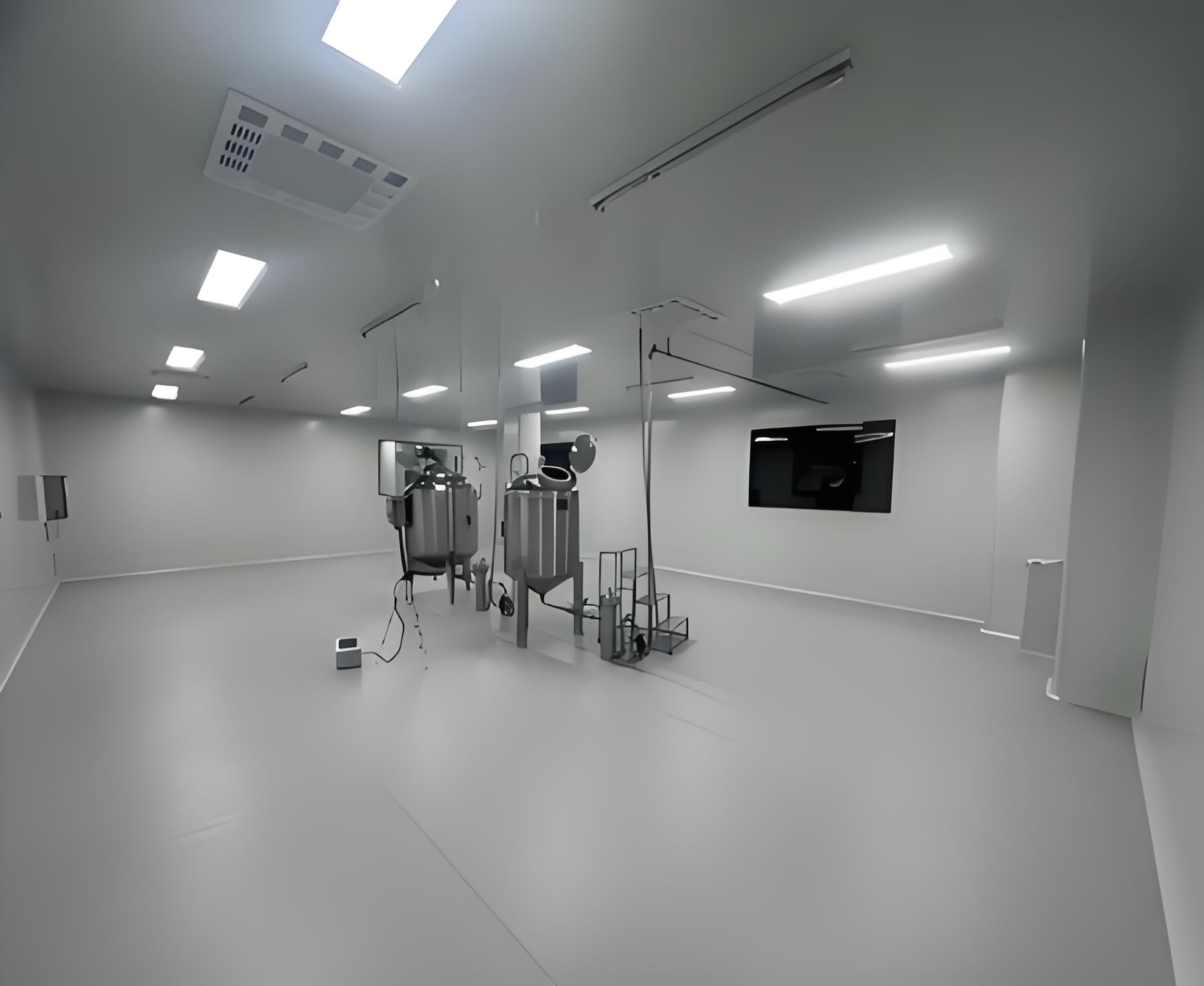
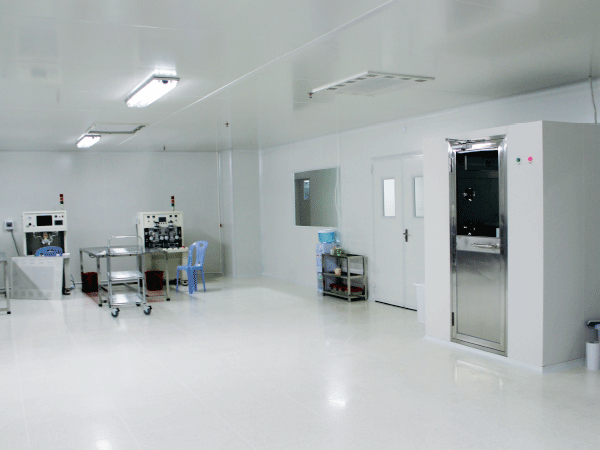


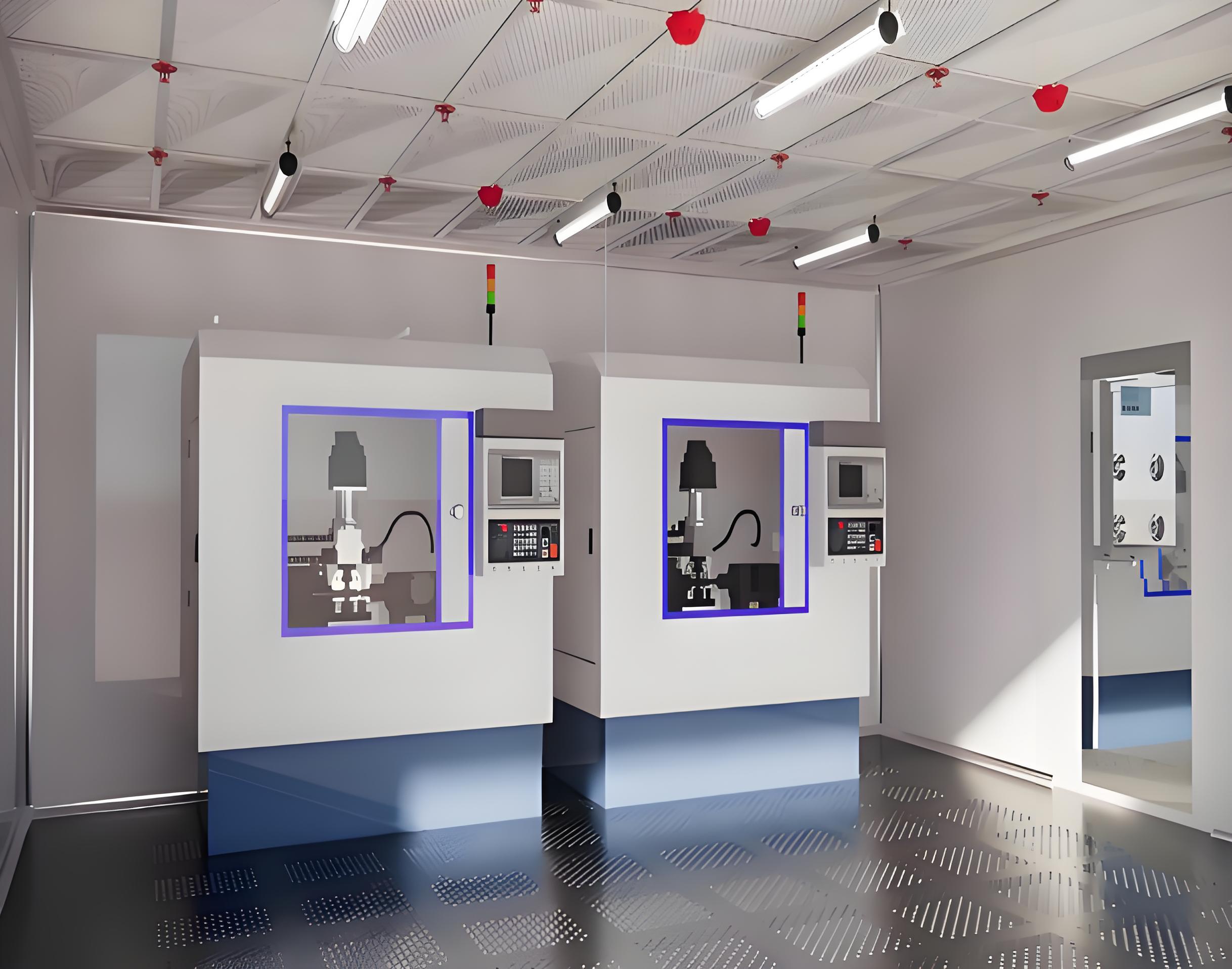
In the highly specialized world of cleanroom and controlled environments, the Fan Filter Unit Design is a cornerstone of success. An optimized FFU directly dictates air purity, energy efficiency, and operational cost. Whether you're an engineer, a facility manager, or sourcing for a critical project, understanding modern fan filter unit design principles is non-negotiable.
This guide breaks down the ten critical factors, from core technology to custom FFU design solutions, helping you make informed decisions.
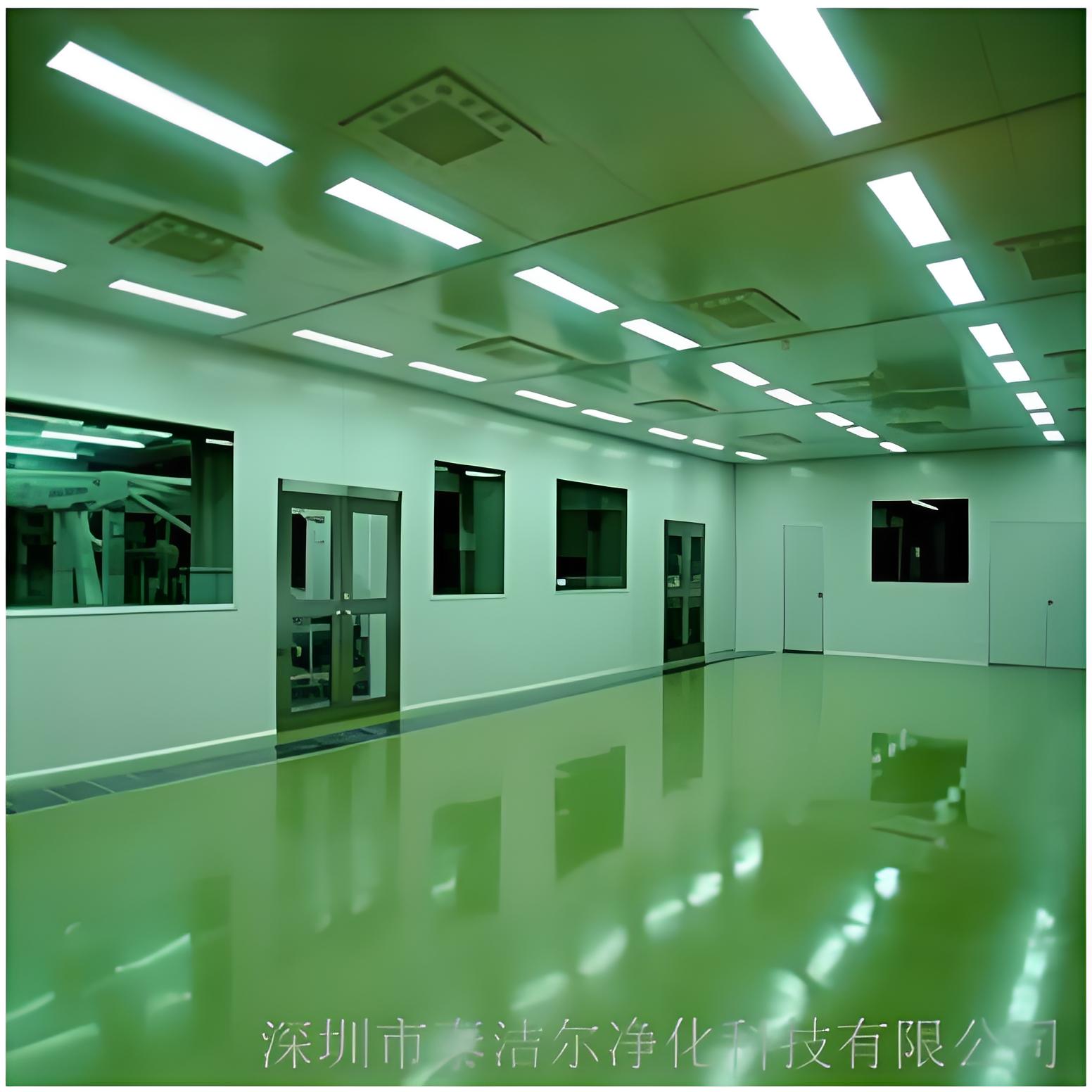
A Fan Filter Unit (FFU) is a self-contained, modular air purification device. It integrates a fan motor, a HEPA or ULPA filter, and often a pre-filter into a single housing. Installed in grid ceilings, FFUs create unidirectional, laminar airflow—the lifeblood of ISO-classified cleanrooms in semiconductor, pharmaceutical, biotech, and precision manufacturing.
The elegance of its design lies in its simplicity and modularity. However, the engineering depth behind a reliable fan filter unit is substantial.
The motor is the core of FFU performance. Key design choices include:
The blower (impeller) design must be aerodynamically matched to the motor to ensure optimal airflow with minimal turbulence and noise.
The filter is the "filter" in fan filter unit. Design integration is key:
Superior fan filter unit design prioritizes laminar, uniform airflow. Engineers must minimize turbulence within the plenum and at the discharge. Features like perforated diffuser plates or damping meshes are often incorporated into the design to achieve airflow uniformity of ±10-15% or better across the entire face velocity.
Cleanrooms often house sensitive processes and personnel who work long shifts. A well-engineered FFU design incorporates noise-dampening materials, isolation mounts for the motor, and balanced impellers. Specifying sound power levels (dB(A)) is a crucial part of the selection process.
The housing must be rigid, lightweight, and corrosion-resistant. Materials like powder-coated aluminum or stainless steel (for stringent environments) are common. The design should allow for easy installation, filter access, and maintenance without disrupting adjacent units.
Modern fan filter unit design is intelligent. Options range from simple manual speed dials to advanced network systems.

| Application/Need | Recommended FFU Design Focus |
|---|---|
| High-Bay Cleanrooms | High static pressure capability, robust housing. |
| Energy-Sensitive Projects | EC motor with smart constant flow control. |
| Pharmaceutical (GMP) | Stainless steel options, documented traceability, leak-tested filters. |
| Modular/Softwall Rooms | Lightweight housing, plug-and-play connectivity. |
| Retrofit Projects | Custom FFU design to fit existing grid dimensions and power. |
Standard FFUs work for many applications, but unique challenges demand custom FFU design. This is where expertise from suppliers like TAI JIE ER becomes invaluable.
When to Consider a Custom Design:
A tailored fan filter unit design ensures perfect fit, optimal performance, and long-term reliability for your specific facility.
Evaluating fan filter unit design cost requires a Total Cost of Ownership (TCO) perspective.
Investing in a superior fan filter unit design from the start, often from a trusted manufacturer like TAI JIE ER, yields rapid ROI through energy savings and reduced downtime.
Selecting a partner for your fan filter unit project is as important as the design itself. Look for:
TAI JIE ER exemplifies this approach, combining advanced R&D with practical application knowledge to deliver robust, efficient fan filter unit solutions.
Innovation continues. Future fan filter unit design will focus on:
Q1: What is the most energy-efficient type of motor for a modern FFU design?
A1: Electronically Commutated (EC) motors are the most energy-efficient choice for modern fan filter unit design. They offer premium efficiency, precise variable speed control, and smart connectivity, leading to typical energy savings of 30-50% over traditional AC motor FFUs.
Q2: How crucial is airflow uniformity in FFU design, and how is it measured?
A2: Airflow uniformity is critical for maintaining consistent cleanroom conditions and process yields. It is measured by taking face velocity readings at multiple points across the filter face. A high-quality fan filter unit design will achieve uniformity within ±10-15% of the target velocity.
Q3: When should I opt for a custom FFU design instead of a standard model?
A3: Consider a custom FFU design when facing spatial constraints (non-standard sizes, low plenum depth), special material requirements (e.g., stainless steel for corrosive environments), unique performance specs, or when integrating into an existing legacy cleanroom grid that doesn't match standard dimensions.
Q4: How often do HEPA/ULPA filters in an FFU need to be replaced?
A4: Filter life depends on the pre-filtration efficiency, operational hours, and cleanroom particle load. Typically, terminal HEPA filters in a well-designed system can last 3-5 years. Monitoring the differential pressure gauge is the best practice; replacement is usually recommended when the pressure drop doubles from its initial clean value.
Q5: Can FFUs from different manufacturers be mixed in the same cleanroom grid?
A5: It is strongly discouraged. Mixing FFUs with different fan filter unit design characteristics (motor curves, airflow profiles, control protocols) can lead to imbalances in airflow, pressure, and filtration performance, compromising the entire cleanroom's integrity. Consistency in supplier and model is key for reliable operation.