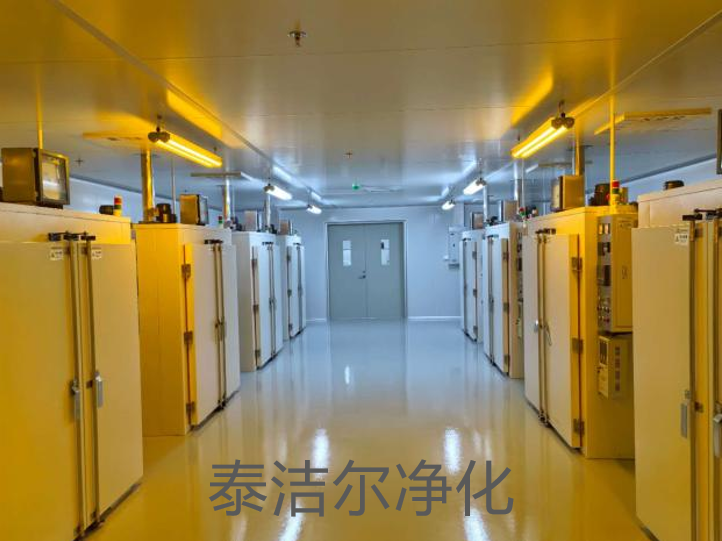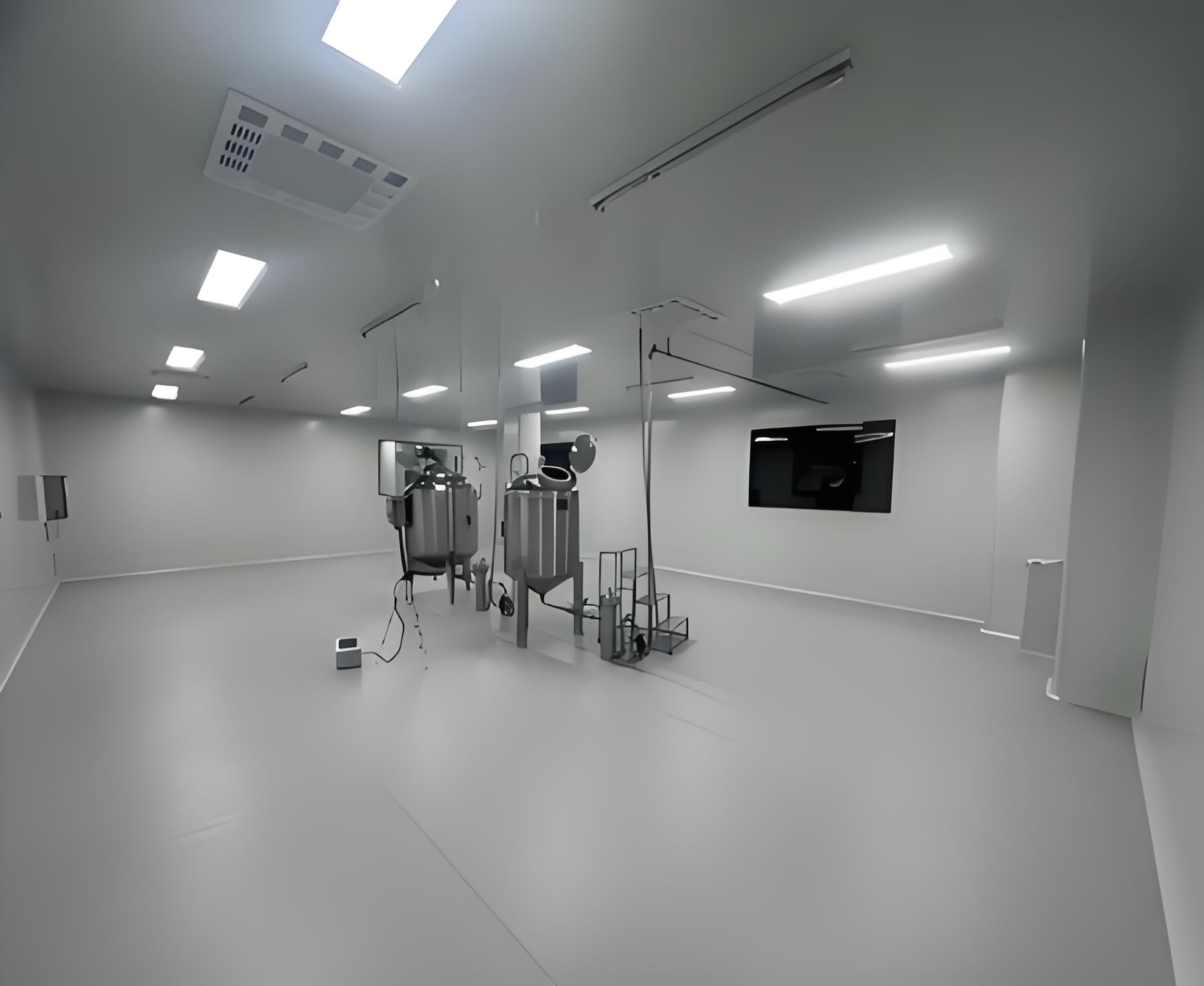
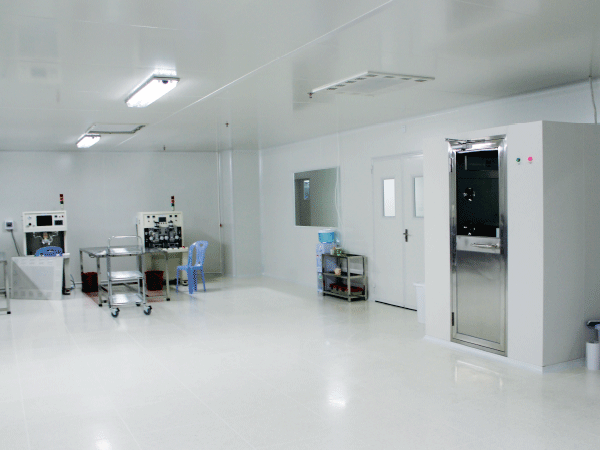

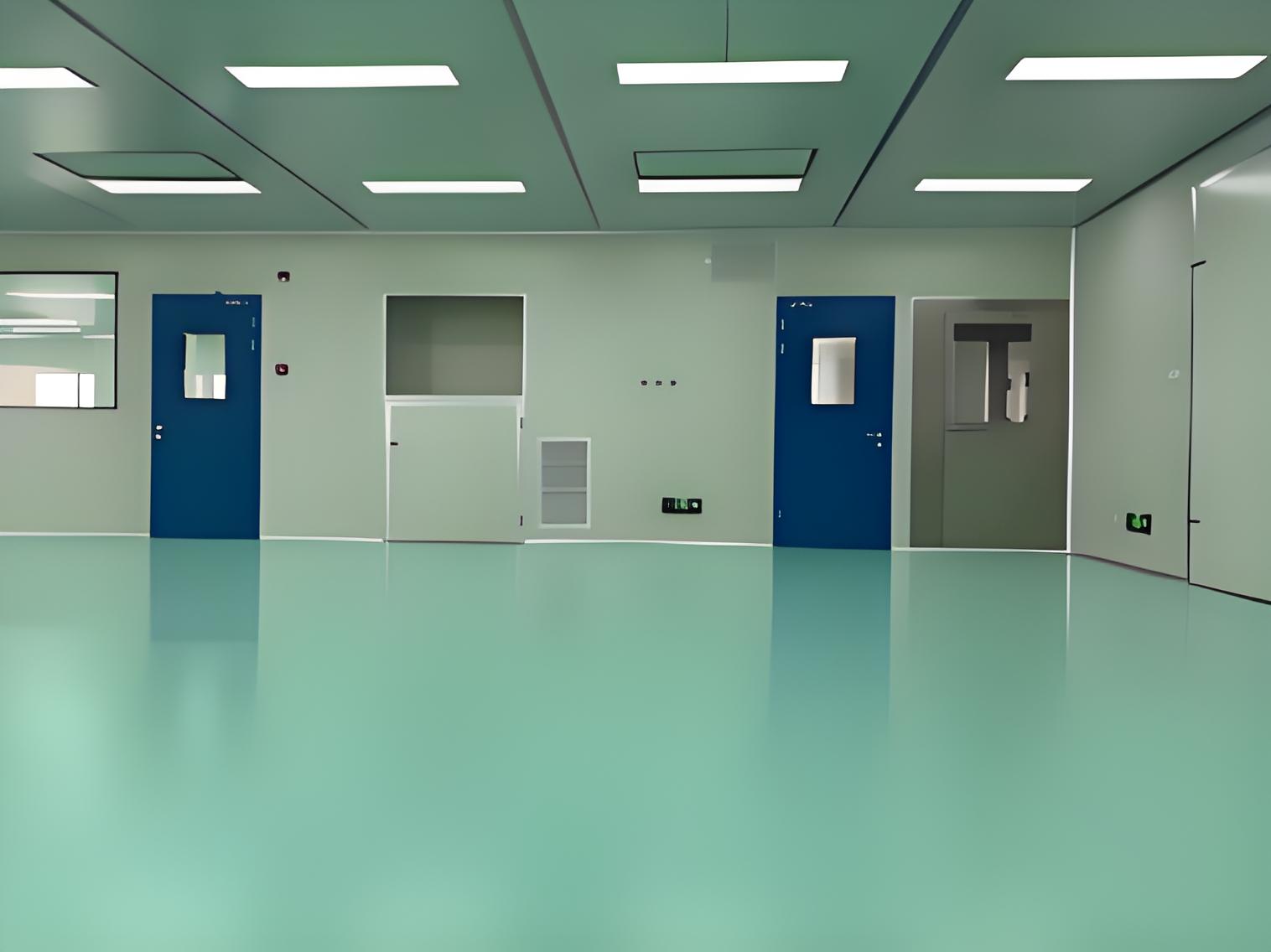
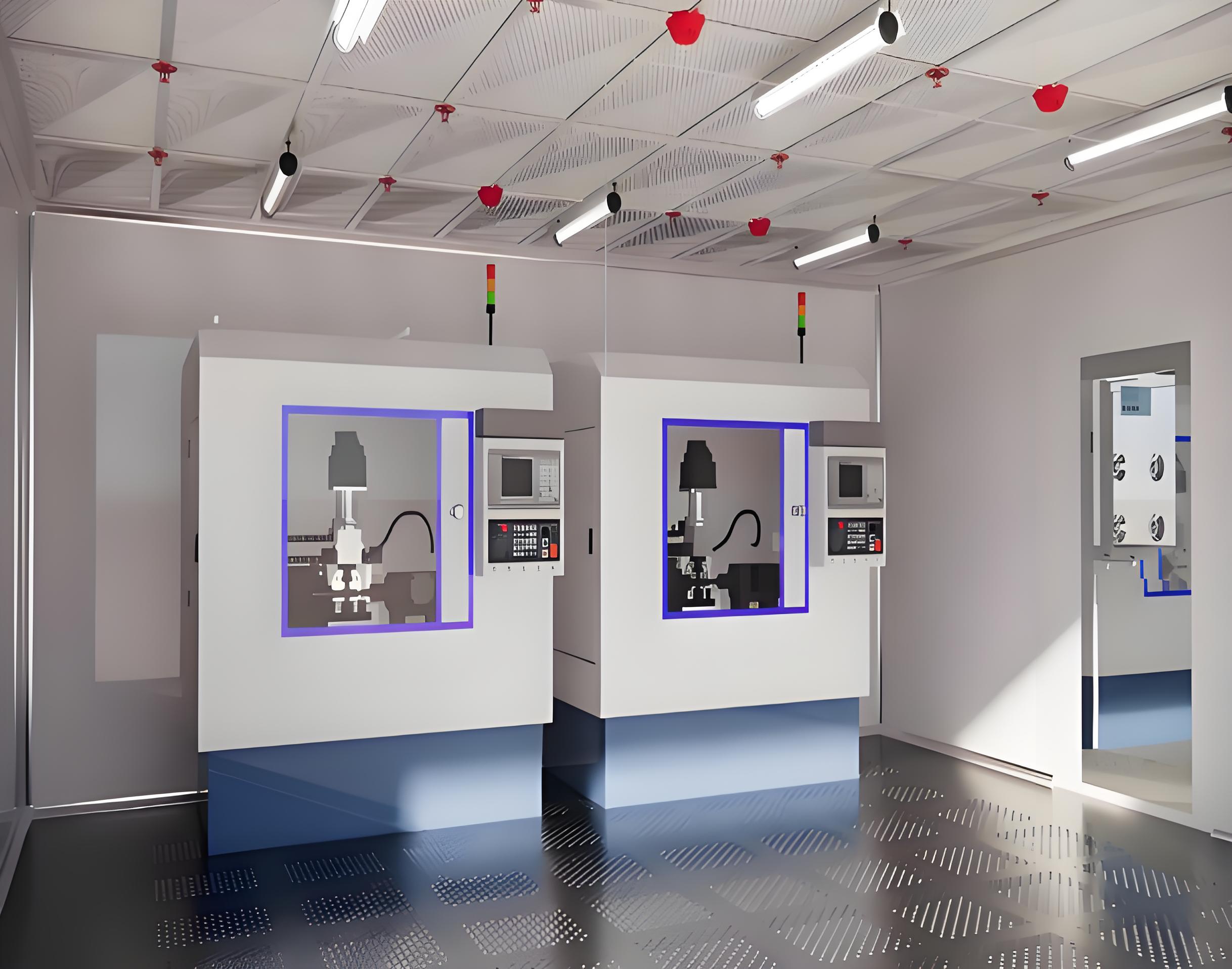
A successful cleanroom project hinges on the meticulous designing of laboratory section. This phase goes beyond aesthetics, defining the space's functionality, safety, and long-term viability. Whether for pharmaceuticals, microelectronics, or advanced biotech, a poorly designed lab section can become a persistent source of contamination, operational inefficiency, and cost overruns.
This article outlines the essential considerations for this complex process. We will also briefly touch on how experienced firms like TAI JIE ER approach these challenges systematically.
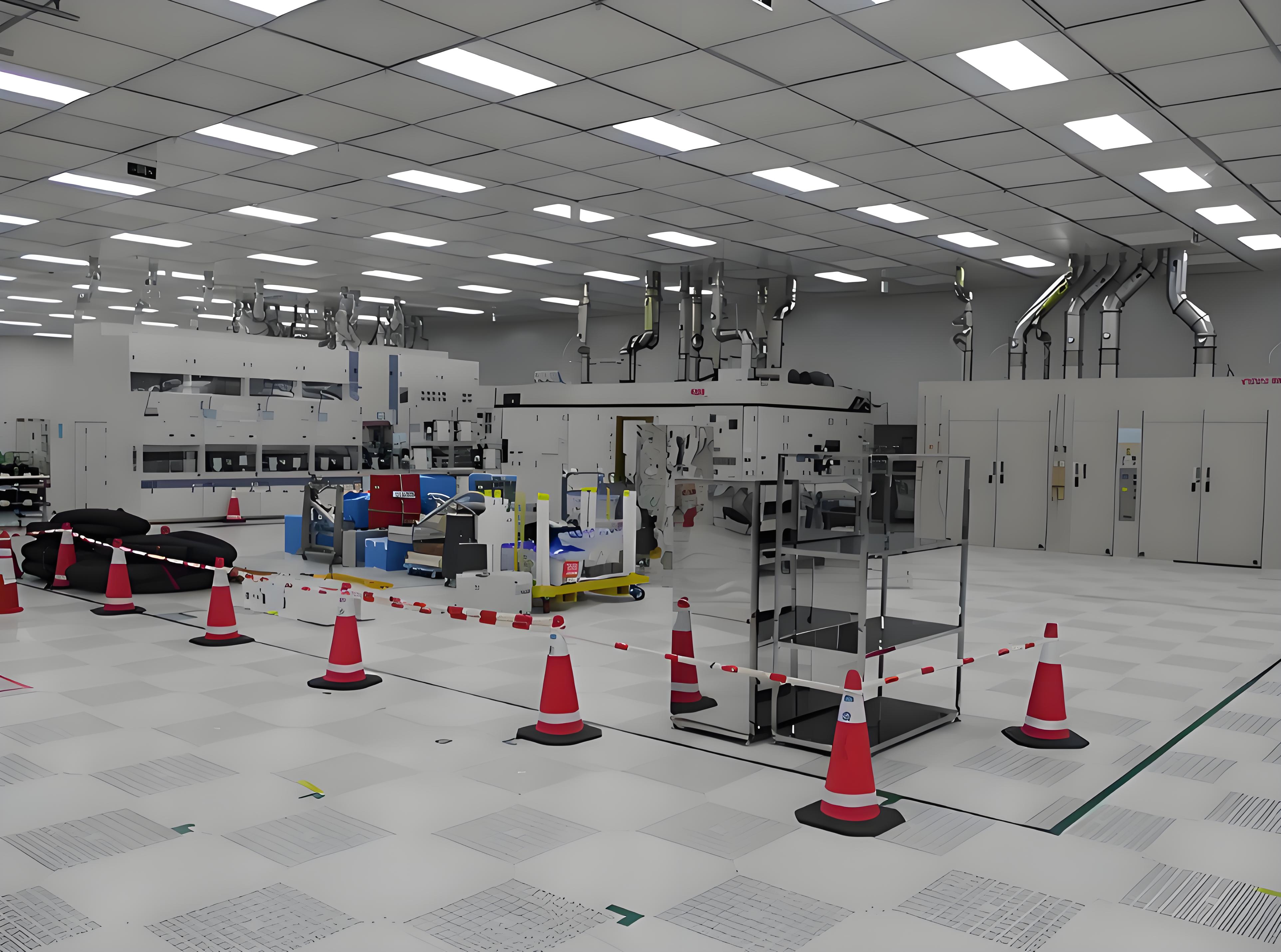
The designing of laboratory section must start with a clear definition of its purpose. An analytical lab handling sensitive samples has vastly different needs than a high-throughput quality control lab. The core activity dictates everything.
Key principles include workflow efficiency, contamination control, and personnel safety. The layout should support a logical flow of materials, personnel, and waste, minimizing cross-traffic and backtracking. This is a foundational step in effective laboratory planning and design.
Two dominant philosophies exist. The open-plan lab offers flexibility and easier supervision. It encourages collaboration. However, it can pose challenges for containing hazards or specific environmental conditions.
Modular labs, with defined rooms or enclosures, excel at containing contaminants, odors, or hazards. They offer superior control for processes requiring unique environments. The choice directly impacts the cleanroom laboratory design strategy and HVAC complexity.
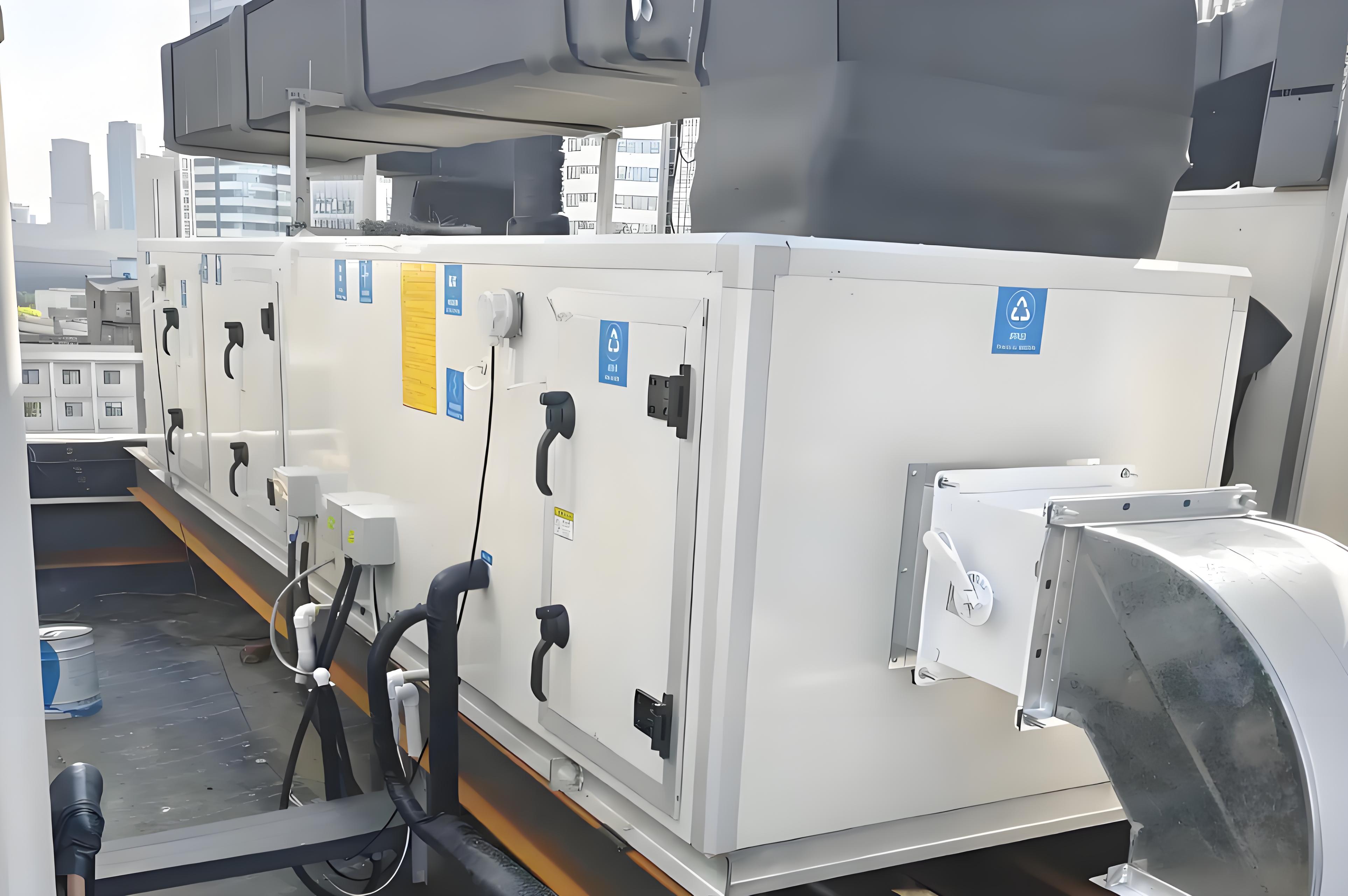
This is the engineering heart of any controlled environment. The designing of laboratory section must integrate a robust Heating, Ventilation, and Air Conditioning (HVAC) system. It manages temperature, humidity, and, crucially, air filtration and pressure differentials.
A well-designed pressure cascade ensures air flows from cleanest areas (positive pressure) to less clean areas (negative pressure), preventing ingress of contaminants. This is non-negotiable in ISO-classified spaces and is a specialty in modular cleanroom construction.
Every surface must be chosen for cleanability, durability, and chemical resistance. Walls often use smooth, non-porous panels like coated steel or fiberglass-reinforced plastic (FRP). Epoxy or resin-based flooring is standard for its seamless and resistant properties.
The designing of laboratory section must specify materials that withstand frequent decontamination cycles without degrading. This reduces particle shedding and maintains the integrity of the controlled environment laboratory.
A lab is useless without power, gases, vacuum, and data. Overhead service carriers or gantries are a modern solution. They keep utilities accessible yet off the bench, maximizing workspace and simplifying maintenance.
This approach enhances flexibility for future reconfiguration. Planning this utility matrix is a critical, technical aspect of laboratory section design often handled by specialist engineers from firms like TAI JIE ER, who understand the demands of precision environments.
Lab furniture is more than storage. Benches must be at correct heights, constructed of inert materials, and designed to minimize particle traps. Ergonomic design reduces fatigue and error, directly impacting productivity and safety.
The designing of laboratory section should involve end-users in selecting furniture. Their practical input ensures the space works for daily tasks, aligning lab layout optimization with human factors.
A design on paper must be proven in operation. The commissioning phase tests and documents that every system performs as specified. This is followed by rigorous validation protocols, often required for GMP or ISO compliance.
This final step closes the loop on the designing of laboratory section, ensuring the built environment meets all predefined user requirements and regulatory standards.
Costs vary dramatically based on complexity. A basic ISO 7 lab is far less capital-intensive than an ISO 5 biocontainment suite. Major cost drivers include the HVAC system, automation, monitoring systems, and the level of finish.
Smart designing of laboratory section focuses on lifecycle cost, not just initial capital. Investing in energy-efficient systems and durable materials yields significant long-term savings. Getting detailed quotes from experienced cleanroom design and build contractors is essential.
This is perhaps the most crucial decision. Look for a partner with a proven portfolio in your specific industry. They should offer integrated cleanroom design and build services, ensuring accountability from concept to completion.
Their expertise in modular cleanroom construction and laboratory planning and design should be evident through case studies and client testimonials. A partner like TAI JIE ER brings this integrated expertise, ensuring the designing of laboratory section is both innovative and practically executable.
In conclusion, the designing of laboratory section is a multidisciplinary puzzle. It demands a balance of regulatory knowledge, engineering precision, and practical workflow understanding. Success lies in meticulous planning, smart material choices, and partnering with experienced specialists who can translate requirements into a safe, efficient, and compliant operational reality.
Q1: What is the single most important factor to consider first when designing of laboratory section?
A1: The absolute priority is defining the Primary Function and Contamination Control Level (ISO Class/ GMP Grade). Every subsequent decision on airflow, materials, layout, and pressure cascades stems from this fundamental requirement.
Q2: How does a modular approach benefit the designing of laboratory section for future expansion?
A2: Modular cleanroom laboratory design uses prefabricated panels and standardized systems. This allows for future walls to be relocated or new sections added with minimal disruption to ongoing operations, offering superior scalability and adaptability.
Q3: In the designing of laboratory section, why are pressure differentials and airlocks so critical?
A3: Pressure differentials create directional airflow, preventing contaminants from entering cleaner zones. Airlocks act as buffers to maintain these pressure gradients during personnel and material transfer, which is the cornerstone of effective controlled environment laboratory integrity.
Q4: What are common cost overrun pitfalls during the designing of laboratory section phase?
A4: Major pitfalls include underestimating HVAC complexity, last-minute changes to utility points or equipment specs, selecting low-grade materials that require early replacement, and not allocating sufficient budget for the validation and commissioning process.
Q5: Why should I consider a design-build firm like TAI JIE ER for my lab project instead of separate architects and contractors?
A5: A design-build firm provides single-point accountability. From initial laboratory planning and design to final modular cleanroom construction, they manage the entire process. This integrated approach, as practiced by TAI JIE ER, typically leads to fewer communication errors, faster project delivery, and better cost control.