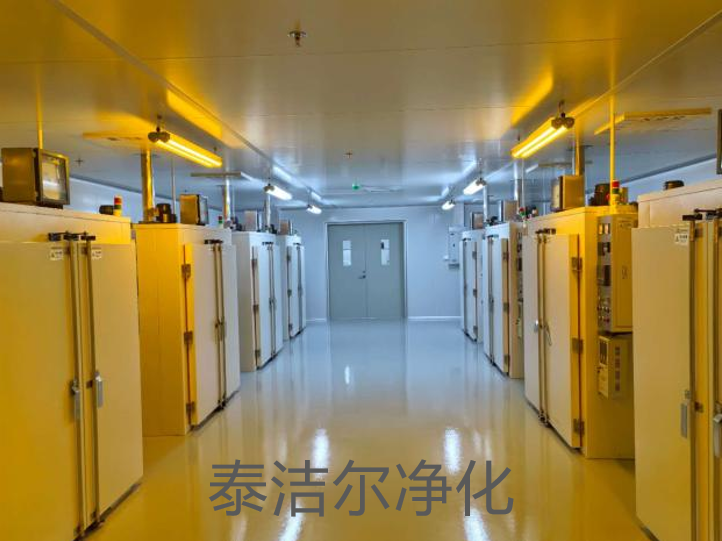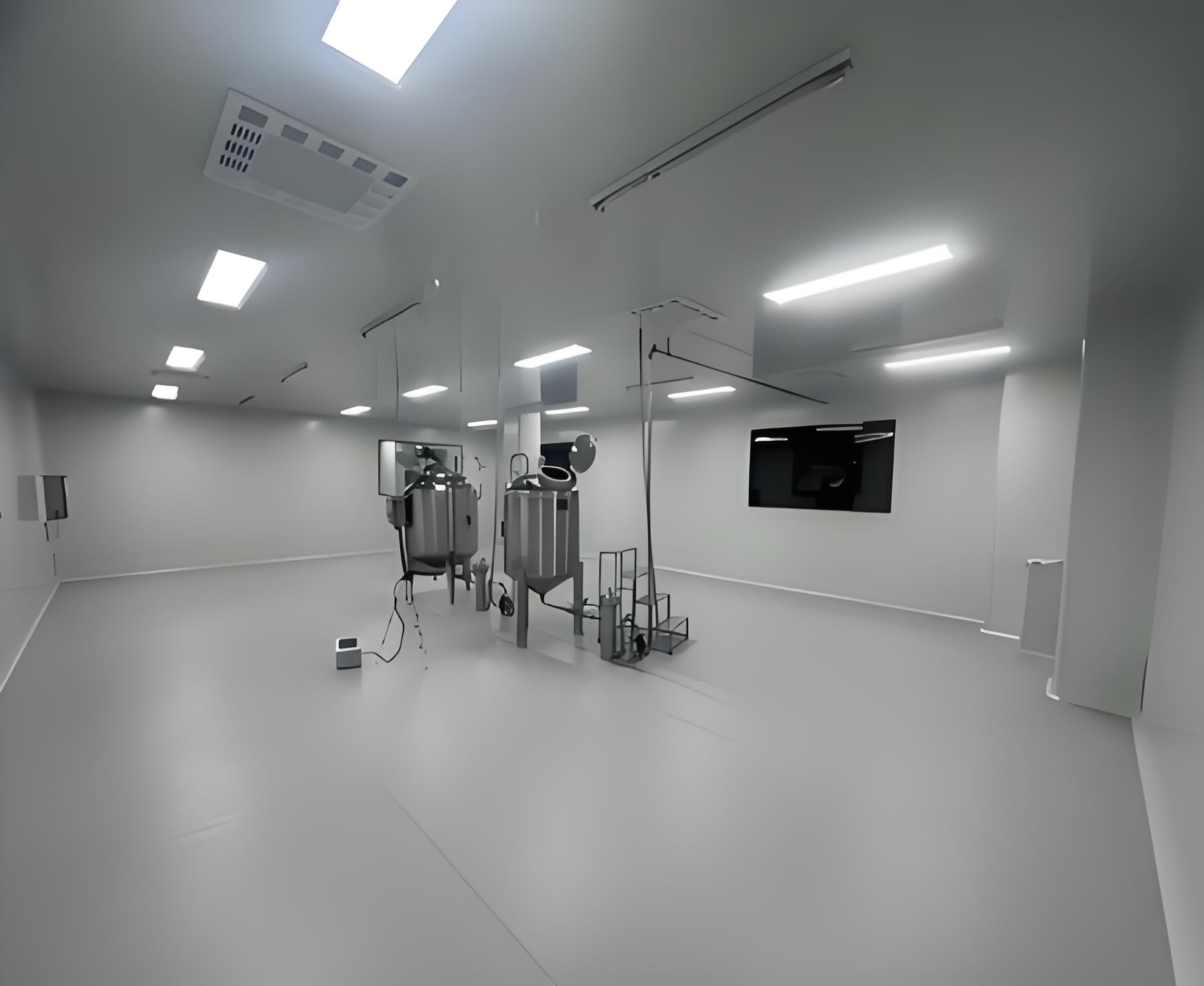
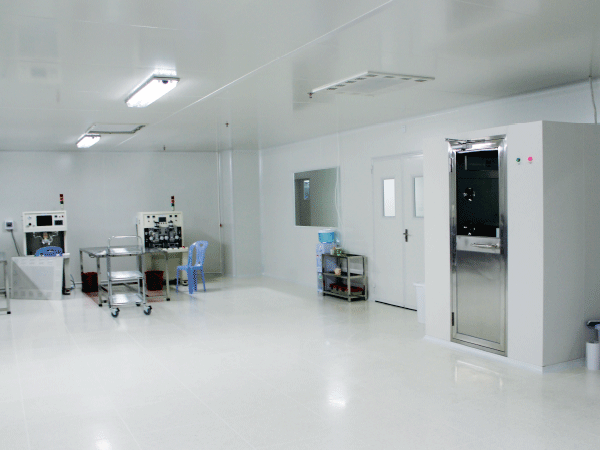

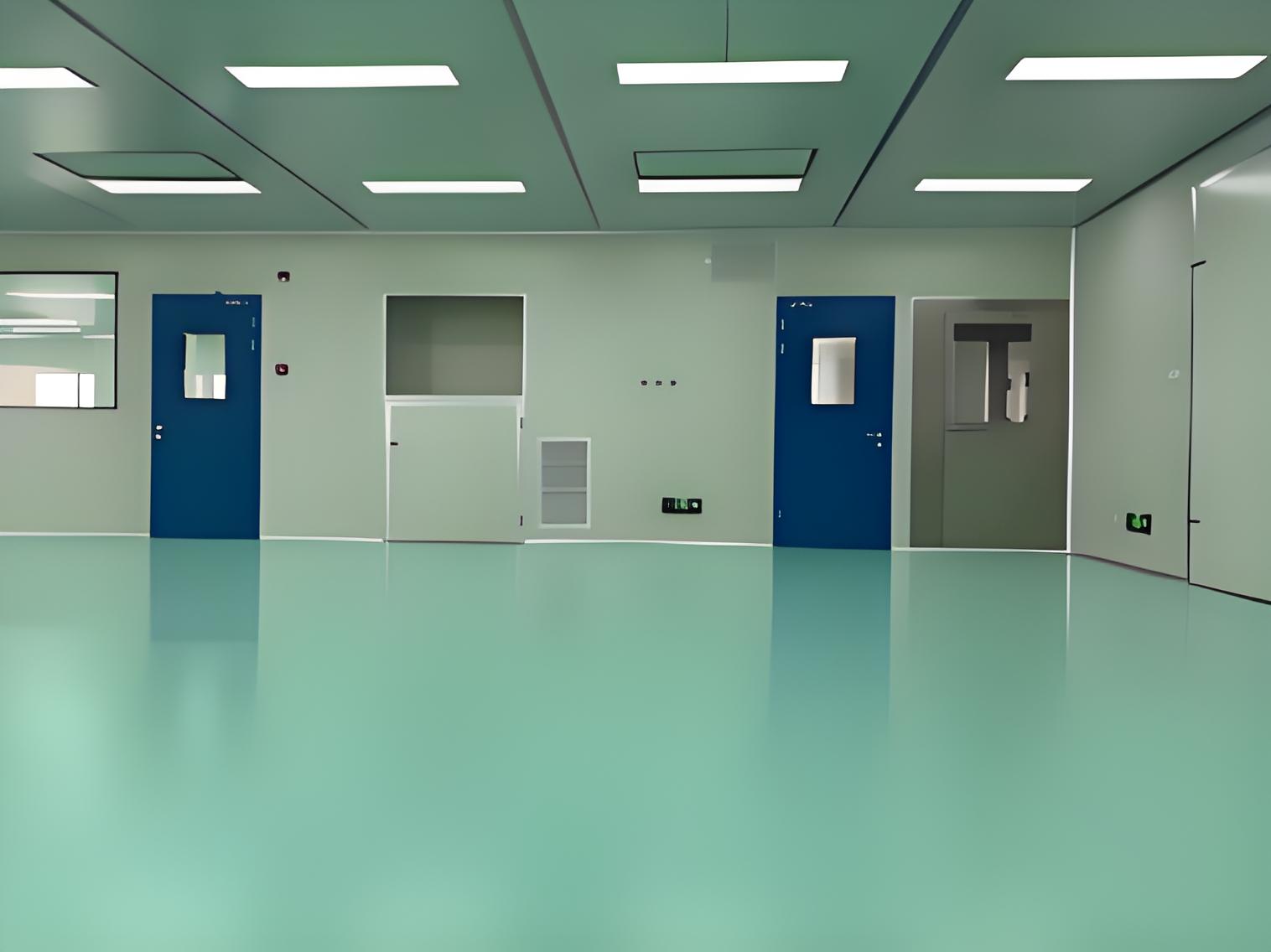
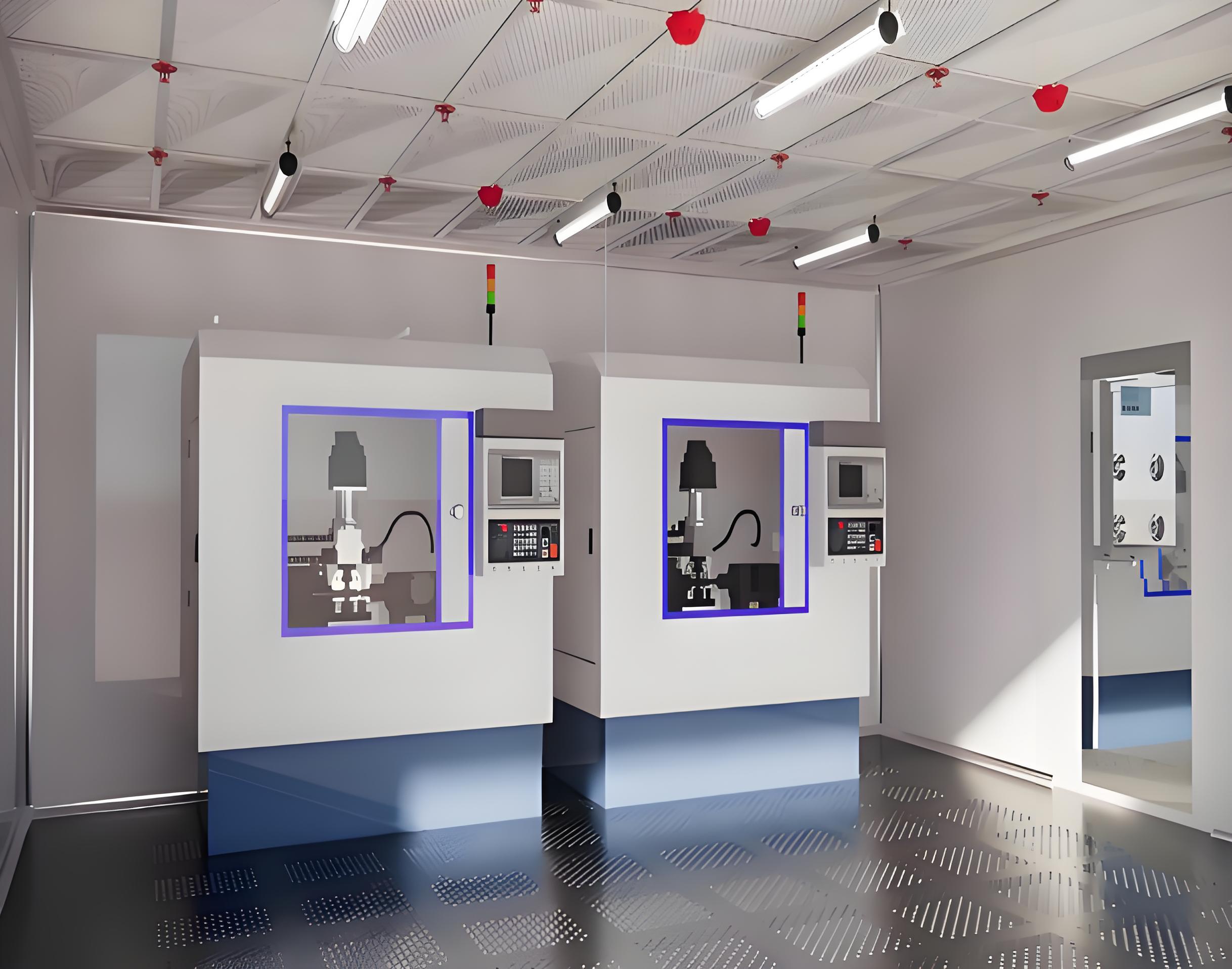
When planning a diagnostic lab, interior design is not just about aesthetics—it’s a critical component that impacts safety, workflow, and accuracy. Proper diagnostic lab interior design ensures compliance with international cleanroom standards, enhances productivity, and minimizes contamination risks. In this field, expertise from companies like TAI JIE ER can provide valuable insights tailored to modern healthcare needs. This article delves into practical aspects, from core principles to cost considerations, helping you navigate the complexities of lab design.
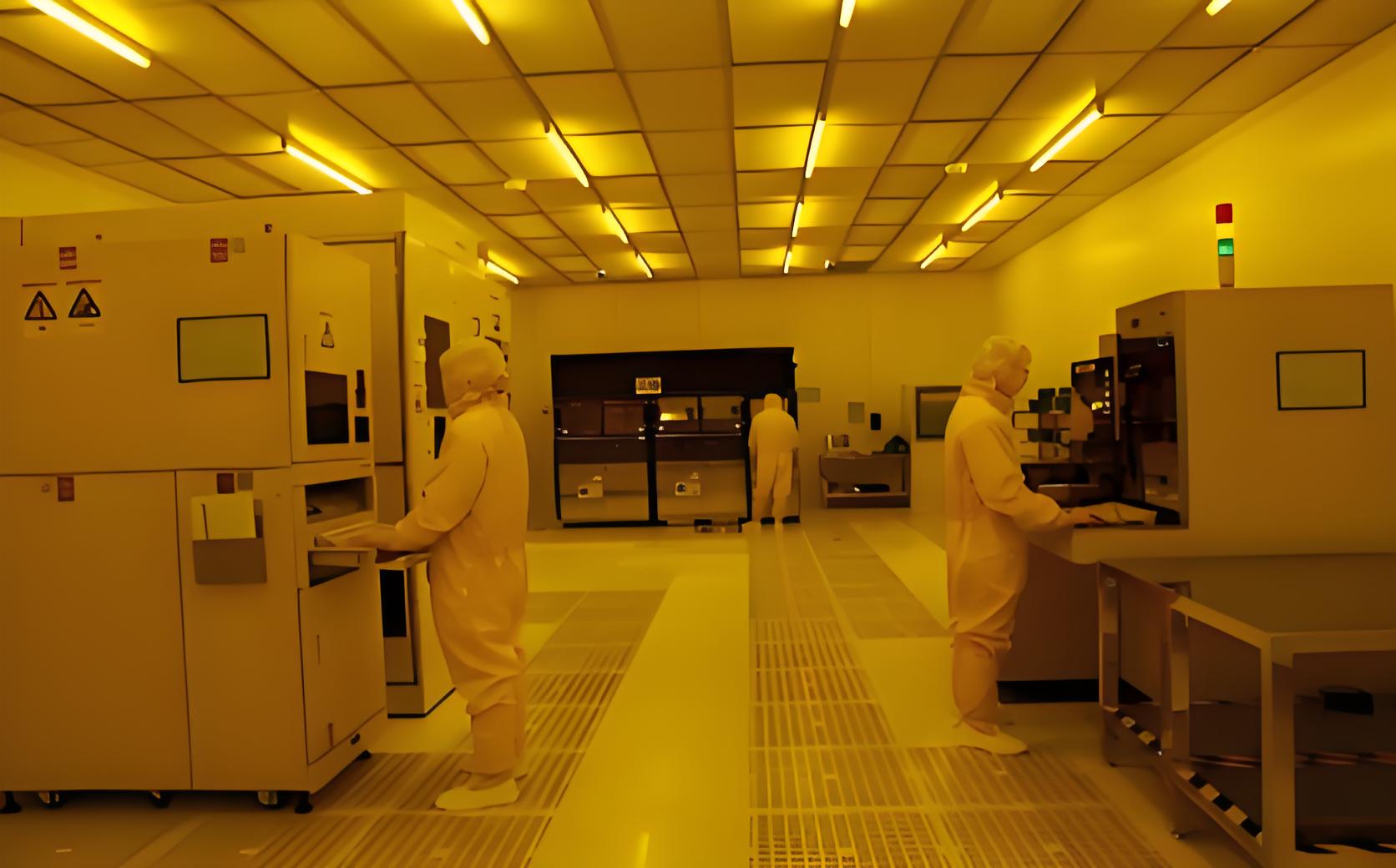
Diagnostic lab interior design focuses on creating functional environments for medical testing and analysis. It integrates layout, materials, and systems to support precise operations. Key goals include ensuring biosafety, optimizing workflows, and adhering to regulations like ISO 14644 for cleanrooms. A well-designed lab reduces errors and improves turnaround times for diagnostics. This design discipline balances technical requirements with human factors, such as ergonomics and lighting. Ultimately, it transforms spaces into efficient hubs for patient care and research.
Traditional diagnostic lab interior design often prioritized basic functionality over flexibility. Labs featured fixed benches, limited storage, and minimal zoning for different tasks. Ventilation systems were simpler, and materials like wood or laminate were common. However, these designs could hinder scalability and adapt to new technologies. In contrast, modern approaches emphasize modularity and sustainability. For example, flexible furniture allows reconfiguration for evolving needs. Advanced HVAC systems maintain strict air quality, while antimicrobial surfaces enhance cleanliness. Companies like TAI JIE ER leverage these modern methods to create future-proof labs. The shift also includes smart technology integration, such as automated monitoring for temperature and humidity. Comparing these approaches highlights the importance of investing in adaptable diagnostic lab interior design.
Effective diagnostic lab interior design relies on several core elements. First, spatial planning zones areas for pre-analytical, analytical, and post-analytical processes. This reduces cross-contamination and streamlines workflows. Second, material selection is crucial—surfaces must be non-porous, chemical-resistant, and easy to clean. Stainless steel and epoxy resins are popular choices. Third, lighting should minimize glare and shadows, with LED fixtures for energy efficiency. Fourth, ventilation and filtration systems must meet cleanroom classifications, often requiring HEPA filters. When applying these guidelines, consider lab-specific needs. For instance, molecular diagnostics labs need dedicated PCR zones to prevent amplicon contamination. Always consult standards like WHO biosafety guidelines. TAI JIE ER’s projects exemplify how these elements combine for compliant diagnostic lab interior design.
Selecting the right partners for diagnostic lab interior design requires careful evaluation. Start by assessing their experience in healthcare or cleanroom projects. Look for portfolios with successful diagnostic lab designs, and check for certifications in engineering or architecture. Providers should understand international codes, such as those from the International Society for Pharmaceutical Engineering (ISPE). When comparing suppliers, consider their ability to source high-quality materials, like seamless flooring or fume hoods. Request references and visit completed labs if possible. Companies like TAI JIE ER often offer end-to-end services, from planning to installation, which simplifies coordination. Ensure they provide ongoing support for maintenance and upgrades. A good provider will tailor solutions to your budget and operational goals.
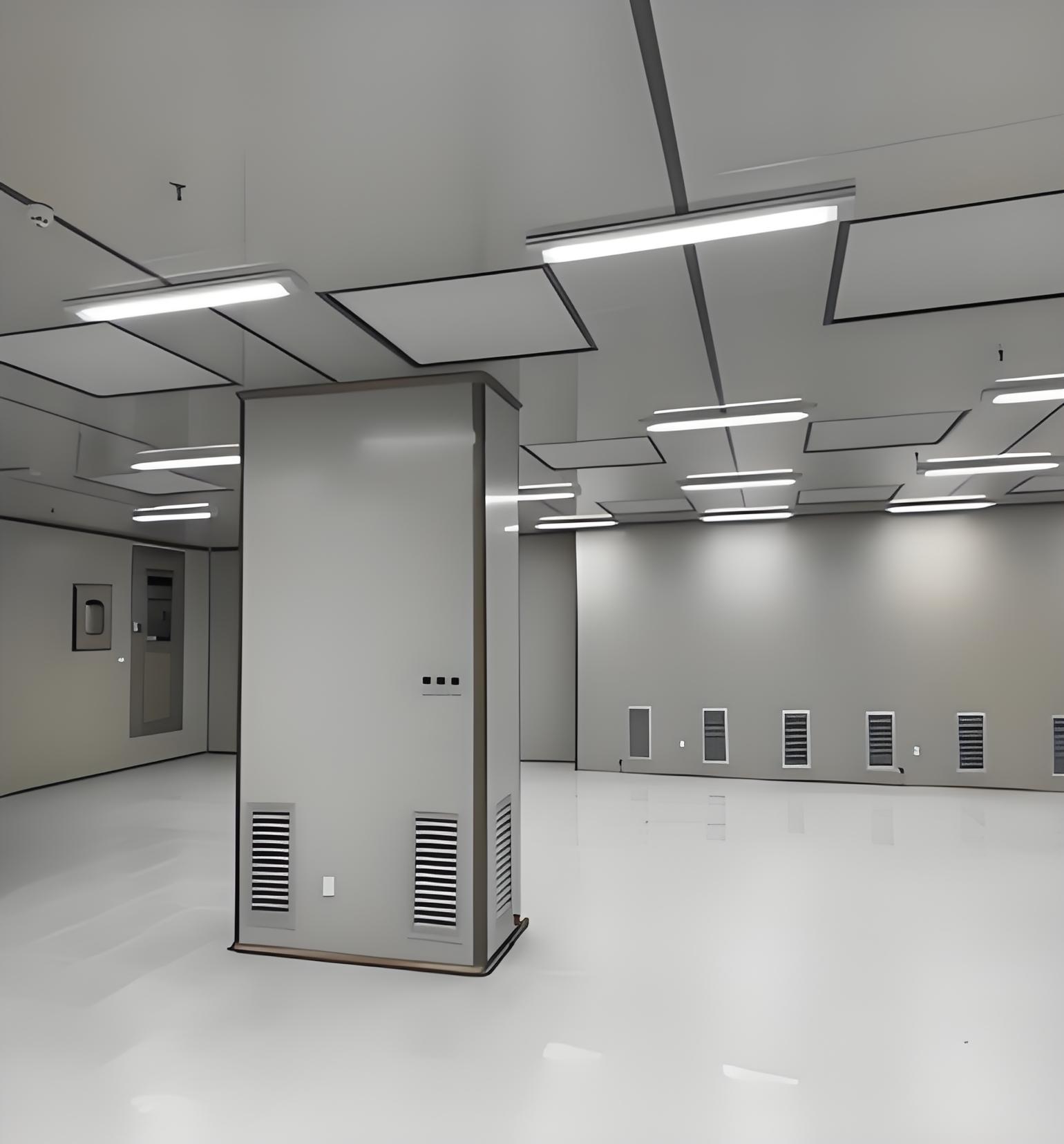
Costs for diagnostic lab interior design vary widely based on scope and specifications. A basic renovation might start at $150 per square foot, while high-end cleanrooms can exceed $500 per square foot. Key cost drivers include HVAC systems, which account for 30-40% of expenses, and specialized equipment like biosafety cabinets. Material choices also impact budgets—for example, antimicrobial wall panels cost more than standard drywall. Labor costs depend on project complexity and location. To manage expenses, prioritize must-have features like safety showers and emergency power. Consider phased upgrades to spread out investments. TAI JIE ER can help optimize budgets by recommending cost-effective yet durable solutions. Always factor in long-term operational savings from energy-efficient designs.
Modern diagnostic lab interior design incorporates cutting-edge technologies and precise craftsmanship. Automation systems, such as robotic sample handlers, require integrated layouts with ample space for machinery. Digital tools like BIM (Building Information Modeling) enable 3D planning for clash detection and efficiency. Craftsmanship shines in details—for instance, seamless coving at wall-floor junctions prevents dust accumulation. Advanced air pressure differentials maintain cleanroom integrity, often using laminar flow hoods. Materials like phenolic resin boards offer durability against harsh chemicals. These technologies enhance reliability and compliance. In projects by TAI JIE ER, attention to such details ensures labs meet stringent international standards. Staying updated on innovations, like IoT sensors for real-time monitoring, is key for future-ready designs.
Investing in professional diagnostic lab interior design pays off through improved safety, efficiency, and regulatory compliance. By focusing on flexible layouts, quality materials, and advanced systems, labs can adapt to evolving healthcare demands. Whether you’re building a new facility or renovating an existing one, consider partnering with experts like TAI JIE ER to achieve optimal results. Their experience in cleanroom engineering aligns with global best practices, ensuring your lab stands the test of time.
Q1: What are the primary goals of diagnostic lab interior design?
A1: The main goals include ensuring biosafety and contamination control, optimizing workflow efficiency, complying with international standards like ISO classes for cleanrooms, and creating ergonomic spaces for staff. Good design also supports accurate diagnostic results and scalability for future expansion.
Q2: How does diagnostic lab interior design differ from general laboratory design?
A2: Diagnostic lab interior design specifically focuses on medical testing environments, emphasizing factors like sample integrity, rapid turnaround times, and high-level disinfection. It often requires stricter cleanroom classifications and specialized zones for sensitive assays, compared to general labs which may prioritize research flexibility.
Q3: What materials are commonly used in diagnostic lab interior design?
A3: Common materials include stainless steel for counters due to its durability and cleanability, epoxy or resin floors for seamless and chemical-resistant surfaces, phenolic wall panels for moisture resistance, and glass partitions for visibility and light transmission. These choices align with cleanroom requirements.
Q4: How can I reduce costs in diagnostic lab interior design without compromising quality?
A4: To reduce costs, consider modular furniture that allows easy reconfiguration, prioritize essential HVAC zones over entire-lab high-end systems, use locally sourced materials where possible, and plan for phased implementations. Consulting with firms like TAI JIE ER can help identify cost-saving opportunities through efficient design.
Q5: What regulations should diagnostic lab interior design comply with?
A5: Key regulations include ISO 14644 for cleanroom standards, CDC and WHO biosafety guidelines for containment, local building codes for fire and safety, and industry-specific rules like CLIA for clinical labs. Design must also adhere to accessibility standards such as ADA in the U.S. or similar international norms.
Q6: How long does a typical diagnostic lab interior design project take?
A6: Project timelines vary based on size and complexity. A small lab renovation might take 3-6 months, while a new build can require 12-24 months from planning to completion. Factors like regulatory approvals, custom equipment lead times, and construction phases all influence the schedule.