
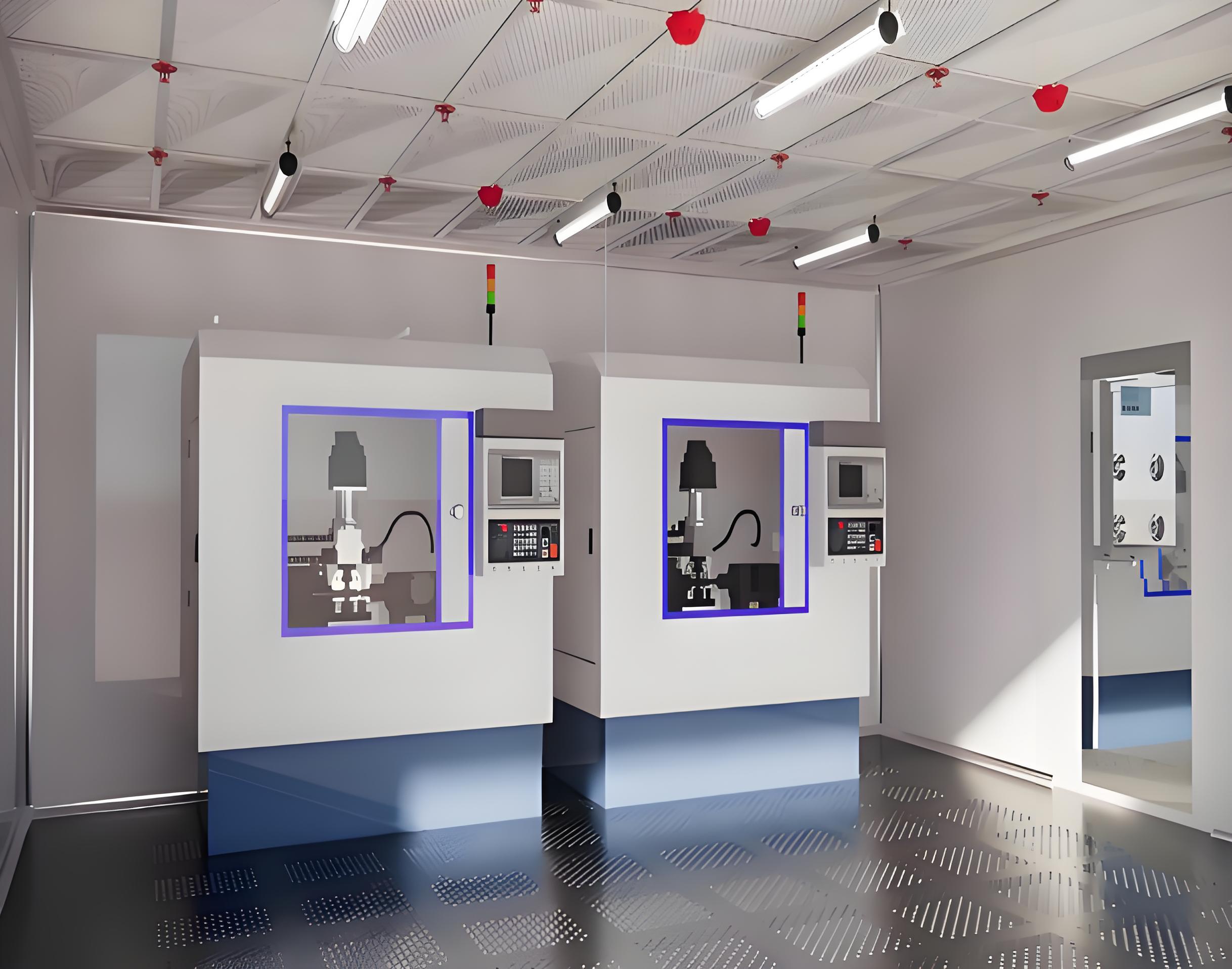
Planning a new research space? The design of a molecular biology laboratory is a complex, critical undertaking that directly impacts workflow efficiency, experimental reproducibility, and researcher safety. A well-planned lab accelerates discovery. A poorly designed one creates daily bottlenecks and risks.
Whether you're building a core facility, a university research lab, or an industrial R&D center, this guide breaks down the seven non-negotiable elements you must get right. We'll move from core principles to practical planning, helping you navigate the journey from concept to a fully functional, custom-designed molecular biology workspace.
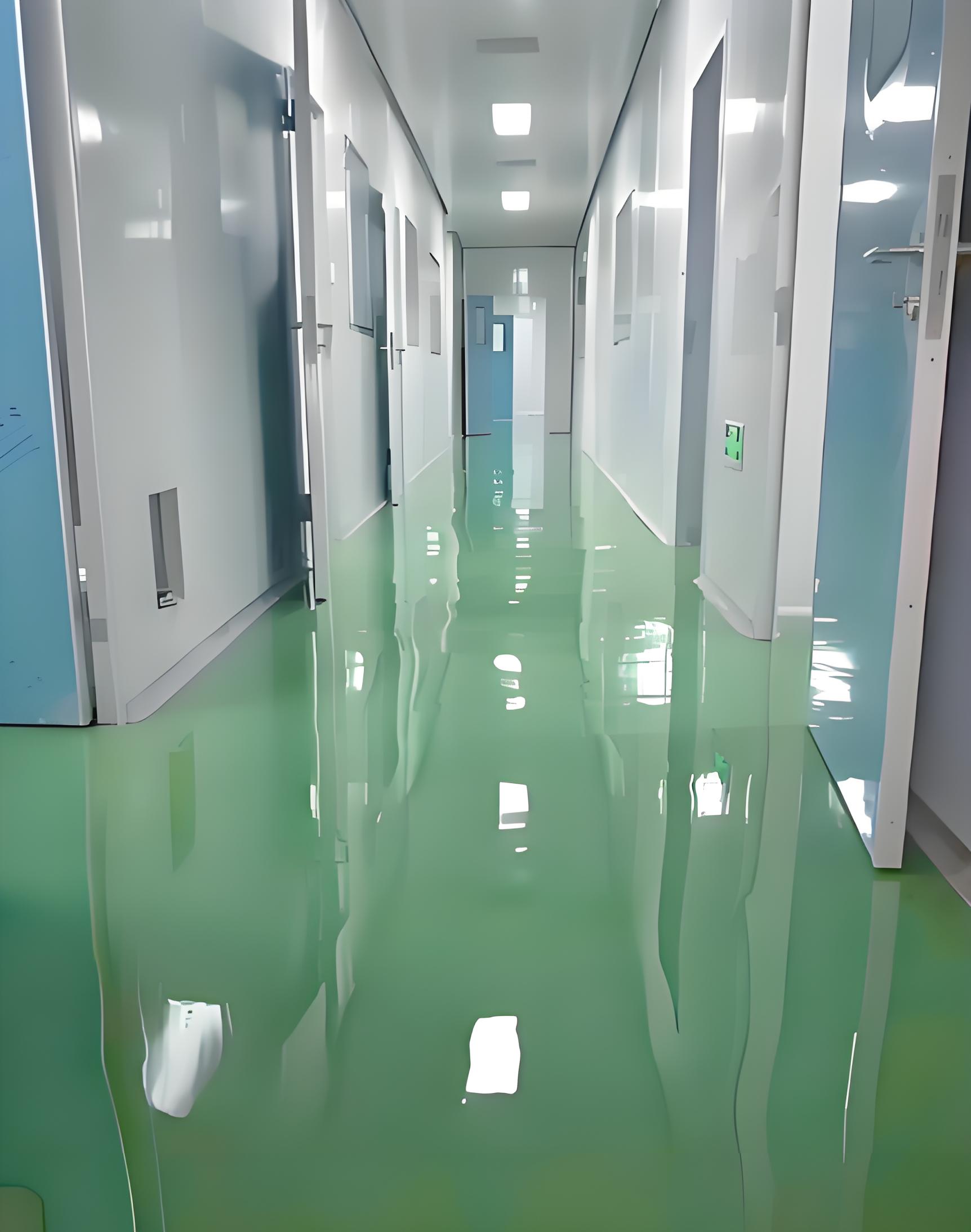
The single most important concept in the design of a molecular biology lab is physical separation of activities. Cross-contamination is the enemy of reliable data.
Effective zoning typically divides the lab into three distinct areas:
Pre-PCR Zone (Clean Area): Dedicated to reagent preparation, master mix assembly, and handling of pure nucleic acids. This area should have positive air pressure relative to adjacent spaces.
Sample Processing Zone: For tissue homogenization, DNA/RNA extraction, and purification. This is often a higher traffic area with potential for aerosol generation.
Post-PCR Zone (Amplification Area): Strictly confined to amplifying DNA and analyzing PCR products. This area must have negative air pressure and be isolated to prevent amplicon contamination of pre-PCR spaces.
Unidirectional workflow—from clean to dirty—is the gold standard. A specialized laboratory design firm like TAI JIE ER excels at creating layouts that enforce this flow intuitively.
The lab floor plan must serve the science, not hinder it. Think in terms of workflow triangles for key tasks.
Bench Layout: Combine fixed benchtops for heavy instruments with flexible, movable casework for adaptability. Consider sit-stand stations for long periods of pipetting.
Proximity Planning: Place the centrifuge, vortex, and microfuges close to extraction workstations. Locate ice machines and -20°C freezers near the PCR setup area. This reduces unnecessary movement.
Clear Circulation Paths: Ensure main aisles are wide enough for safe movement (at least 5 feet), especially near shared equipment like large centrifuges or imagers.
A custom molecular biology lab design always starts with mapping researcher movement and process sequences.
Molecular biology involves volatile chemicals (phenol-chloroform, TRIzol) and sensitive enzymatic reactions.
Chemical Fume Hoods: Essential for procedures using hazardous volatiles. Placement is key—away from doorways and air supply vents to maintain proper capture.
PCR Workstations / Dead Air Boxes: While not formal fume hoods, these enclosed benches with UV light provide a clean, amplicon-free environment for setting up sensitive reactions.
General Room Ventilation: High air change rates (typically 6-12 ACH) help control odors and maintain thermal stability for sensitive instruments. Zoned control of temperature and humidity is vital.
Utility outlets are the lifelines of your lab. Underestimating needs is a costly error.
Electrical: Dedicated, uninterrupted power supply (UPS) for critical devices like -80°C freezers, sequencing machines, and bioinformatics servers. Ample 110V and 220V outlets above and below the bench.
Gases: Plan for CO2 lines for cell culture incubators if your molecular work involves cell lines. Compressed air or nitrogen lines may be needed for certain instruments.
Data & Networking: High-density data ports at every bench and equipment location. Plan for robust Wi-Fi and consider future bandwidth needs for large genomic data transfer.
Surfaces must be durable, chemically resistant, and easy to decontaminate.
Bench Surfaces: Epoxy resin or phenolic tops are standard for their resistance to chemicals, heat, and abrasion. Stainless steel is ideal for RNA work areas.
Flooring: Seamless, chemical-resistant epoxy flooring with coved bases prevents liquid seepage and allows easy cleanup.
Walls & Ceilings: Use non-porous, washable paint. Glazed wall panels in high-splash areas are an excellent upgrade.
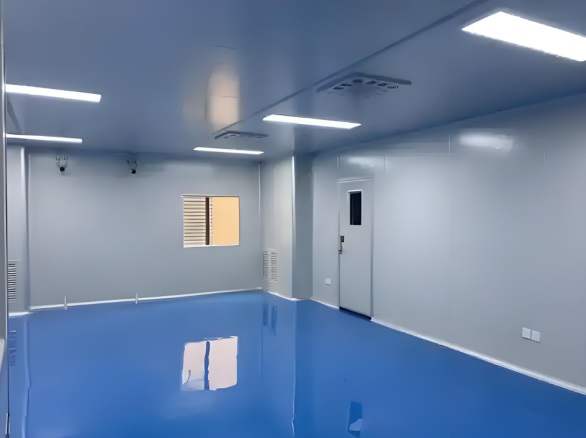
Safety in a molecular biology lab is multifaceted, covering chemical, biological, and physical hazards.
Specialized Storage: Flammable safety cabinets for ethanol and methanol. Acid/base cabinets for corrosive reagents. Secure, -20°C and -80°C freezer space with temperature monitoring alarms.
Eye Wash & Safety Showers: Easily accessible, unobstructed, and on a dedicated emergency water line.
Waste Streams: Clearly marked bins for sharps, biological waste (autoclave bags), chemical waste, and general trash. Designate a convenient autoclave station for decontamination.
Your design of the molecular biology laboratory must accommodate the size, heat output, and utility needs of core instruments.
Weight & Vibration: Ensure floor loading capacity for ultracentrifuges, large automated nucleic acid extractors, and sequencing platforms. Isolate vibration-sensitive instruments like confocal microscopes or mass specs.
Heat Load: Thermocyclers, real-time PCR machines, and servers generate significant heat. HVAC systems must be sized to handle this concentrated load.
Service Access: Leave ample clearance (front, back, and sides) for equipment servicing and maintenance. This is often overlooked in early lab layout planning.
The cost for a turnkey molecular biology laboratory design and build varies dramatically. A simple renovation may start at $200-$400 per square foot, while a greenfield build with high-end finishes and complex MEP systems can exceed $800 per square foot.
Key cost drivers include:
Level of customization in casework and layout.
Complexity of HVAC and exhaust systems.
Quantity and type of fume hoods and specialized workstations.
Tier of instrumentation being installed.
A realistic timeline from initial programming to occupancy is typically 12 to 18 months for a mid-sized lab. Partnering with an experienced firm like TAI JIE ER, which handles architecture, engineering, and construction management under one roof, can streamline this process and prevent costly delays.
The design of molecular biology laboratory spaces is a niche discipline. General architects or contractors often miss the subtle yet critical details that molecular biologists rely on daily.
TAI JIE ER brings a dual advantage: deep technical expertise in ISO-classified cleanrooms and a thorough understanding of life science workflows. We don’t just build rooms; we engineer environments for scientific precision. Our process involves close collaboration with principal investigators and lab managers to create a bespoke, high-performance laboratory that is safe, efficient, and adaptable for future research directions.
Q1: What is the most common mistake in first-time molecular biology lab design?
A1: The most frequent and costly mistake is inadequate zoning for PCR work. Failing to establish a strict unidirectional workflow with physically separated pre- and post-PCR areas almost guarantees future contamination issues, leading to ruined experiments and costly retrofits. A proper design of a molecular biology lab makes this separation a foundational layout principle.
Q2: How much flexibility should we build into the design for future needs?
A2: Significant flexibility is crucial. Science evolves rapidly. We recommend: 1) Using 25-30% movable casework (like modular base cabinets and wheeled carts), 2) Installing overhead service carriers (for power, data, gases) that allow easy reconfiguration of bench locations, and 3) Allocating "shell space" or under-utilized areas that can be easily outfitted later. A custom design should plan for change.
Q3: Are biosafety cabinets (BSCs) always needed in a molecular biology lab?
A3: Not always. A Class II BSC is essential if you are working with potentially infectious agents (BSL-2 materials) or for sterile cell culture work that supports molecular biology. For standard, non-infectious nucleic acid extraction and PCR setup, a dedicated clean bench or PCR workstation is often sufficient. Your risk assessment will determine this need.
Q4: What are the key questions to ask a potential lab design-build firm?
A4: Ask for: 1) Portfolio examples of completed molecular or biotech labs, 2) The credentials of their in-house MEP (mechanical, electrical, plumbing) engineers, 3) Their experience navigating local permitting and institutional biosafety committee (IBC) approvals, and 4) Their project management process for ensuring equipment vendors are coordinated. TAI JIE ER, for instance, provides all these services with a single point of contact.
Q5: How can we minimize energy consumption in a lab with so many energy-intensive devices?
A5: Smart laboratory design incorporates several energy-saving strategies: specifying high-efficiency -80°C ultra-low freezers; using variable air volume (VAV) fume hoods that reduce exhaust when not in use; installing occupancy sensors for lights in storage areas; and opting for energy recovery wheels in the HVAC system to capture waste heat or cooling. An experienced firm will model these options for your specific lab design and build project.