
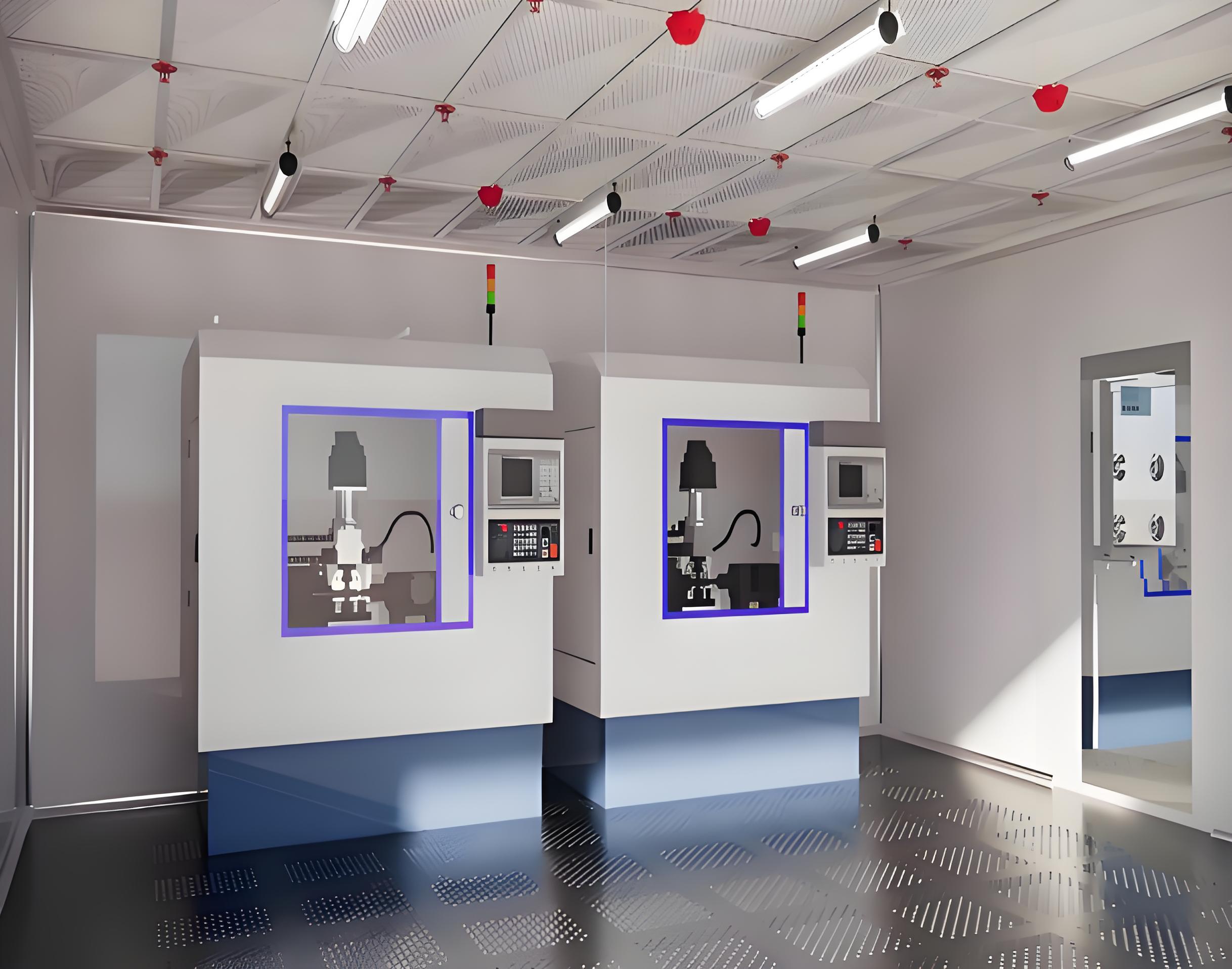
The design of an aseptic room is a critical foundation for industries where contamination control is non-negotiable. Pharmaceutical manufacturing, biotechnology, advanced medical device production, and certain electronics assembly all depend on these controlled environments.
A flaw in the design of your aseptic cleanroom can lead to product recalls, regulatory failures, and significant financial loss.
This guide breaks down the five essential steps, best practices, and technical considerations for a successful project.
An aseptic room, or sterile cleanroom, is an environment with a controlled level of airborne particulate contamination. It is constructed and used to minimize the introduction, generation, and retention of particles, microbes, and other pollutants.
The primary goal of the design of an aseptic facility is to protect the process and the product. Unlike a standard cleanroom, aseptic design often focuses on creating conditions where sterile products can be processed, filled, and sealed without microbial contamination.
The custom design of an aseptic room must align with stringent international standards like ISO 14644 and regulatory guidelines from the FDA (EU GMP Annex 1) and WHO.
Every successful project starts with a precise definition of needs.
Process Flow Analysis: Map every material, person, and product movement. This identifies critical contamination control points.
Cleanroom Classification (ISO 14644): Determine the required air cleanliness level (e.g., ISO Class 5 for critical filling zones, ISO Class 7 for background areas). This decision directly impacts aseptic room design cost and complexity.
Environmental Parameters: Define precise controls for temperature, humidity, pressure differentials, and lighting.
Regulatory Pathway: Clearly identify the governing regulations for your product and market.
A detailed User Requirement Specification (URS) document at this stage is invaluable. Experts like TAI JIE ER begin every project with this deep-dive consultancy to ensure the design of the aseptic processing room is built on a solid foundation.
This phase transforms requirements into technical drawings and specifications.
Architectural Layout: Designing for unidirectional flow (e.g., personnel and material airlocks, gowning rooms) to prevent cross-contamination. Smooth, cleanable surfaces and coved corners are mandatory.
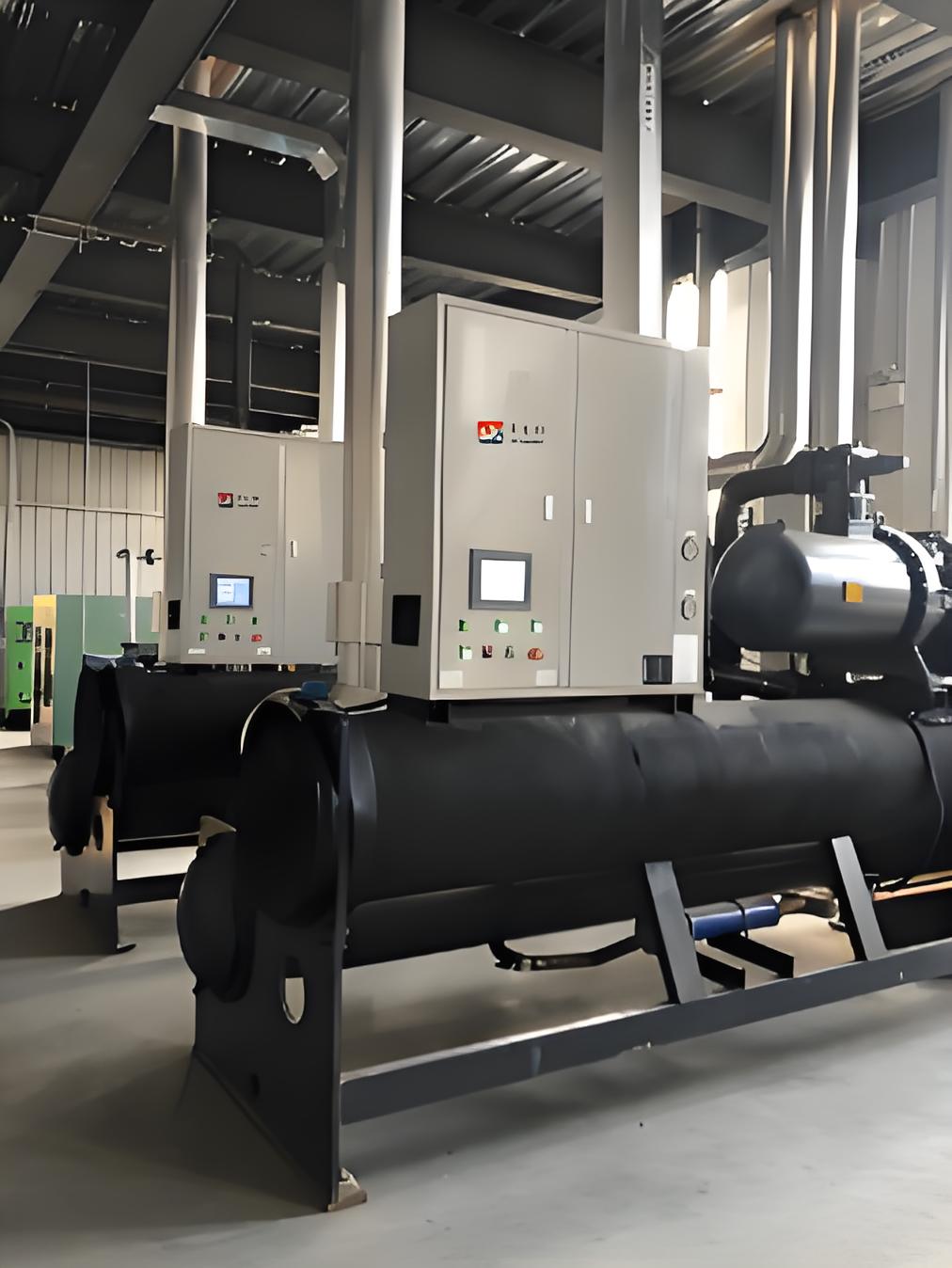
HVAC System Design: The heart of the aseptic room design. It involves calculating air change rates, designing filter cascades (often terminal HEPA/ULPA filters), and ensuring proper pressure cascades from cleanest to less clean areas.
Material and Finish Selection: Walls (often insulated metal panels), ceilings, floors (conductive or non-conductive epoxy), and windows must be non-shedding, durable, and withstand repeated cleaning with harsh agents. This is a core aspect of custom aseptic room construction.
The room's shell is just the beginning. Integrating controlled utilities is vital.
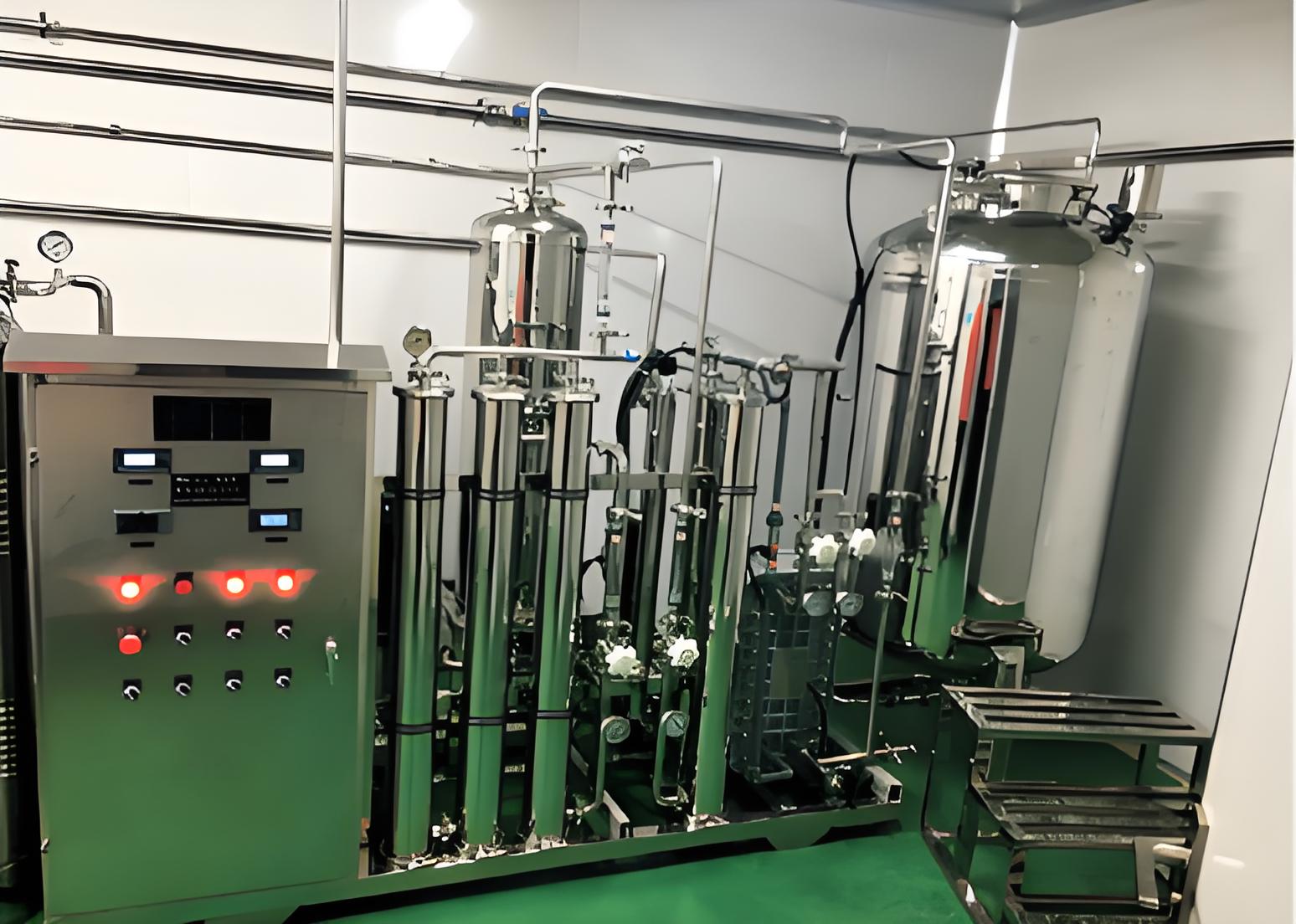
Process Utilities: Designing piping for Water-for-Injection (WFI), clean steam, and process gases with no dead legs to prevent microbial growth.
Equipment Integration: Placing autoclaves, depyrogenation tunnels, and filling machines to maintain aseptic conditions during transfer.
Monitoring and Control Systems: Integrating continuous particle counters, microbial air samplers, and Building Management Systems (BMS) for real-time environmental monitoring.
TAI JIE ER’s expertise shines in seamlessly integrating these complex systems into a cohesive, validated design.
A perfect design fails with poor execution.
Controlled Construction: Building under temporary environmental controls to prevent future contamination.
Quality Assurance: Rigorous inspection of seals, welds, and finishes.
Vendor Coordination: Managing multiple suppliers for panels, HVAC, and utilities.
A turnkey provider like TAI JIE ER manages this entire process, reducing risk and ensuring the design of the aseptic room is faithfully realized.
This is the formal proof that the aseptic room performs as designed.
Installation Qualification (IQ): Verifying all components are installed correctly.
Operational Qualification (OQ): Testing systems under dynamic conditions to meet specifications (airflow, recovery, pressure differentials).
Performance Qualification (PQ): Demonstrating the room maintains classified conditions during simulated or actual operations.
This rigorous process is non-negotiable for regulatory approval.
The aseptic room design and build cost is highly variable. Key drivers include:
Classification: An ISO Class 5 room costs exponentially more than an ISO Class 8.
Size and Layout: Complexity increases cost.
Materials: High-grade stainless steel and specialty epoxies are more expensive.
HVAC System: Energy consumption and sophistication majorly impact budget.
Level of Automation: Automated material handling reduces risk but increases initial investment.
A detailed feasibility study with a specialist is the best way to establish an accurate budget.
Q1: How long does the entire design, build, and validation process for an aseptic room typically take?
A1: The timeline varies significantly based on scope and complexity. A small, standardized ISO Class 7 room may take 6-9 months. A large, custom-designed aseptic facility with ISO Class 5 cores and complex utilities can take 18-24 months from initial concept to fully validated handover. Detailed planning with your engineering partner, such as TAI JIE ER, is crucial for setting realistic timelines.
Q2: What is the single most important factor in controlling ongoing operational costs?
A2: The design of the aseptic room's HVAC system. It is the largest energy consumer. An energy-optimized design featuring variable air volume (VAV) controls, efficient fan filter units (FFUs), and heat recovery can reduce lifetime operational costs by 30% or more compared to a basic system.
Q3: Can an existing warehouse or room be converted into an aseptic cleanroom?
A3: Yes, retrofitting is common. However, the feasibility depends on ceiling height, structural integrity, and existing utility capacities. A retrofit often presents unique challenges in aseptic room design, such as integrating new ductwork, that can make it comparable in cost to a new build. A professional assessment is essential.
Q4: Why is a turnkey supplier often recommended over managing individual contractors?
A4: The design and build of an aseptic room requires deeply integrated expertise. A turnkey provider like TAI JIE ER assumes single-point accountability for architecture, engineering, construction, and validation. This streamlines communication, reduces interface risks, ensures regulatory compliance is woven throughout the process, and ultimately provides a faster, more reliable outcome.
Q5: How often does an aseptic room need re-certification or major maintenance?
A5: Routine monitoring is continuous. Formal re-certification against ISO 14644 standards is typically required annually. Major maintenance or refurbishment cycles depend on usage but are often planned every 5-7 years. This includes HEPA filter replacements, surface refurbishment, and control system updates. The initial design of the aseptic room should facilitate this maintenance with features like service plenums and easy filter access.