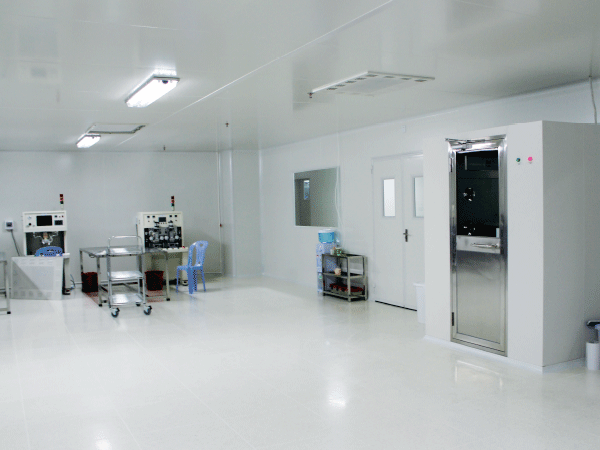

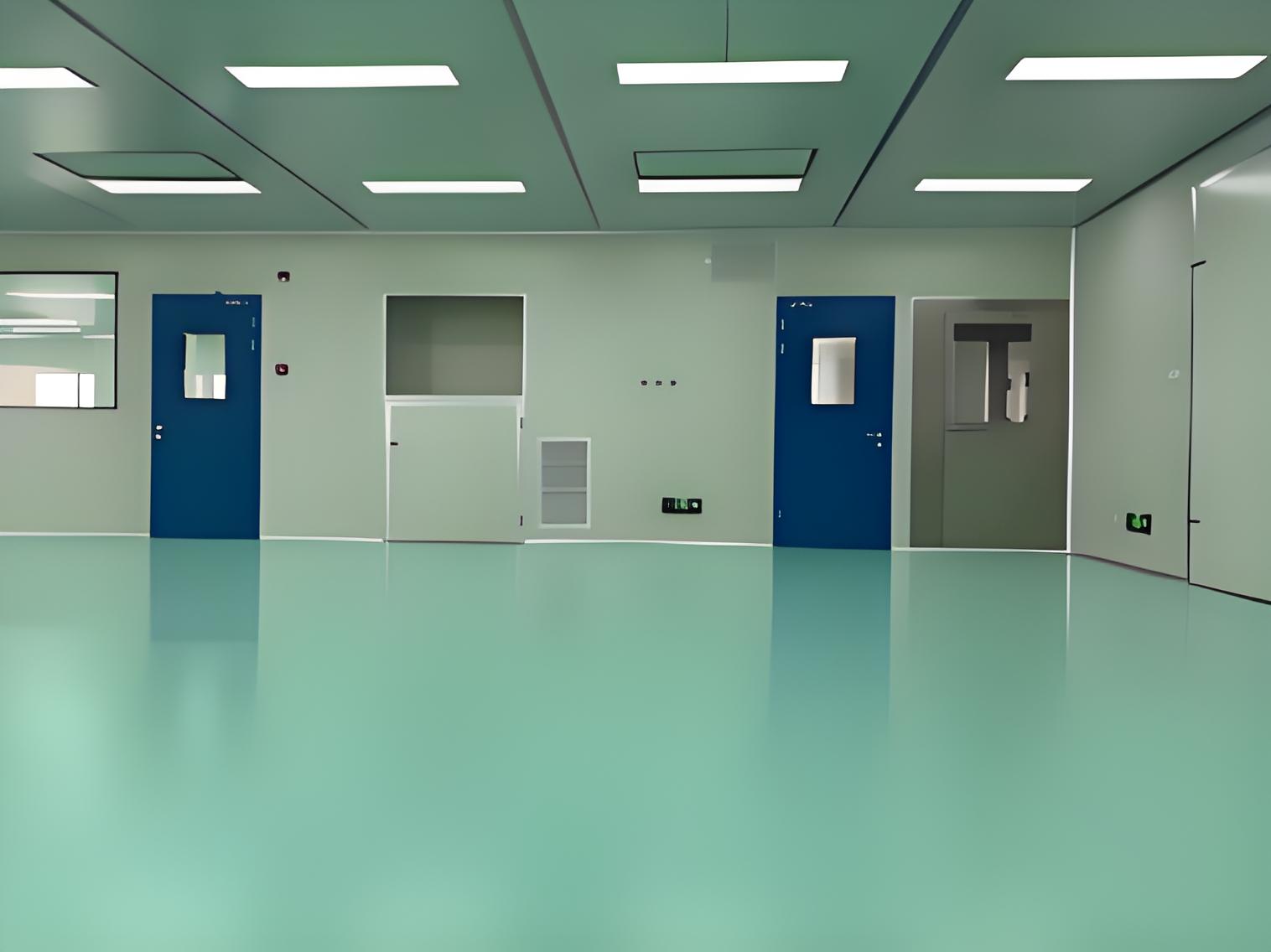
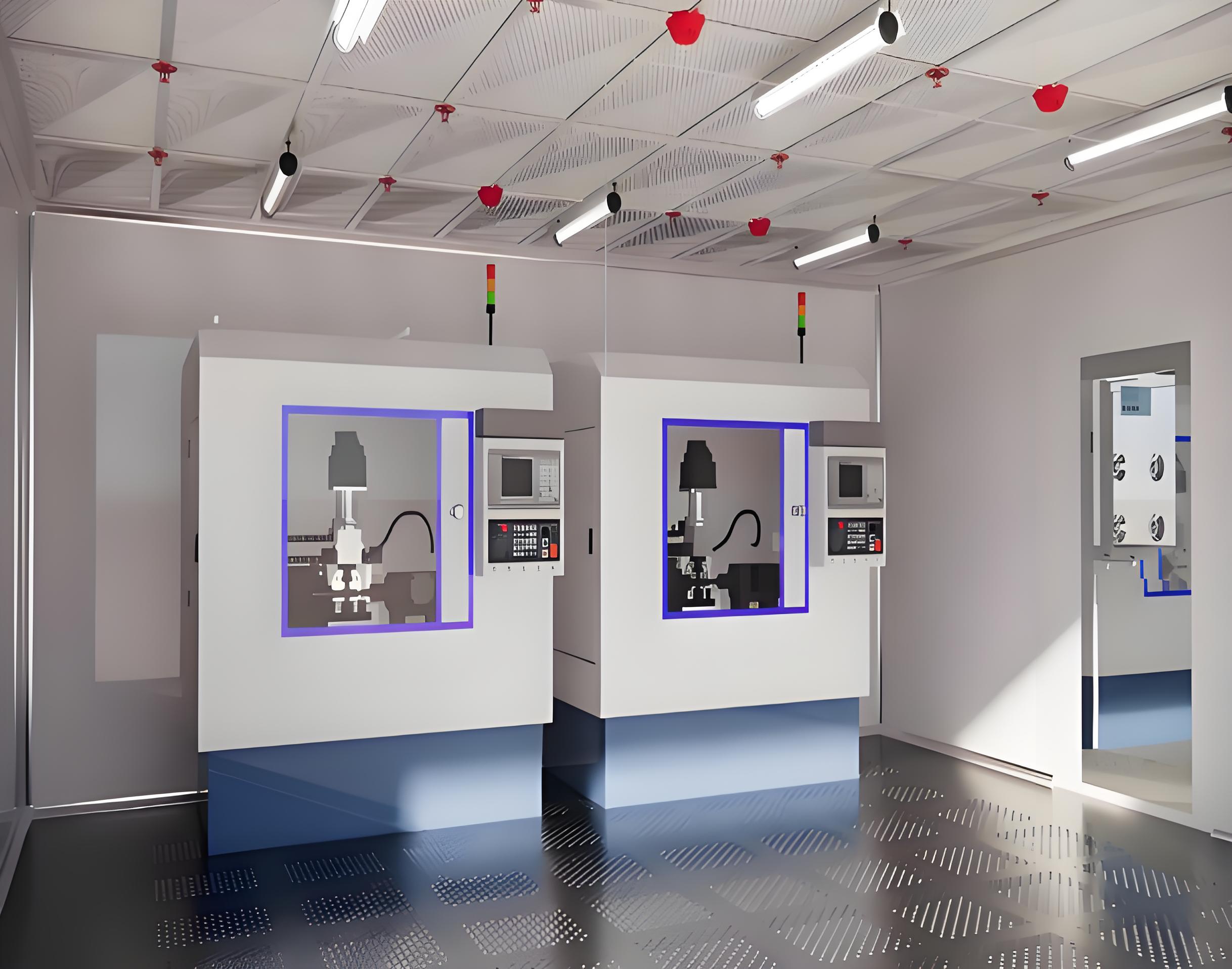
Planning a new lab space is a major undertaking. The design decisions you make will impact safety, efficiency, and productivity for years to come. Among the most critical choices is selecting the right layout philosophy: flexible or fixed laboratory design.
This comprehensive guide delves deep into the world of fixed laboratory design, exploring its advantages, applications, costs, and technical nuances. Whether you're a facility manager, a research director, or an architect, you'll find the insights needed to make an informed decision.
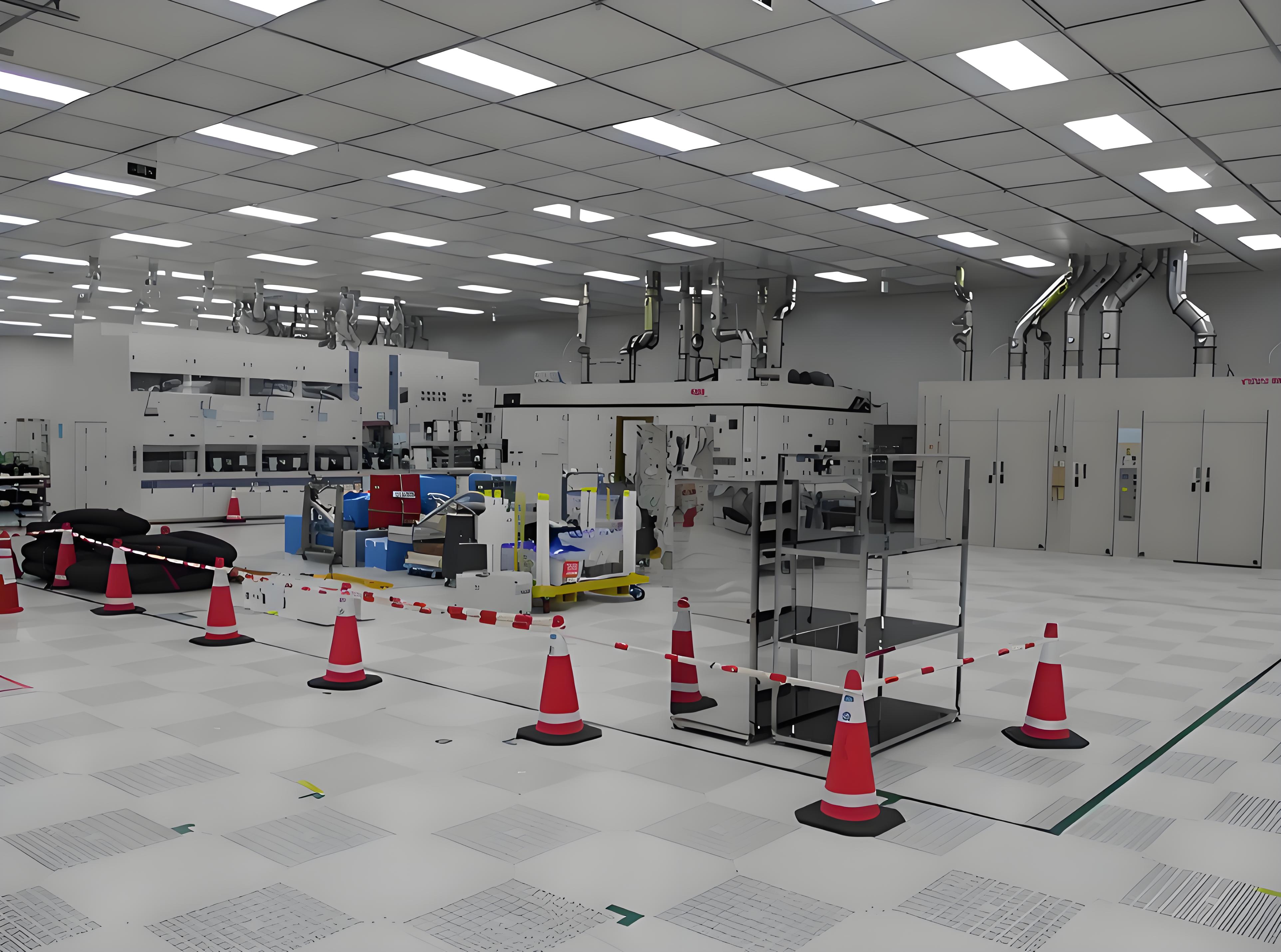
A fixed laboratory design refers to a purpose-built lab where primary casework, utilities, and major equipment are permanently installed. The layout is meticulously planned for a specific, long-term workflow.
Unlike modular labs with movable benches, a fixed laboratory design prioritizes durability, optimized workflow, and seamless integration of complex services. It is the go-to solution for processes with strict, unchanging requirements.
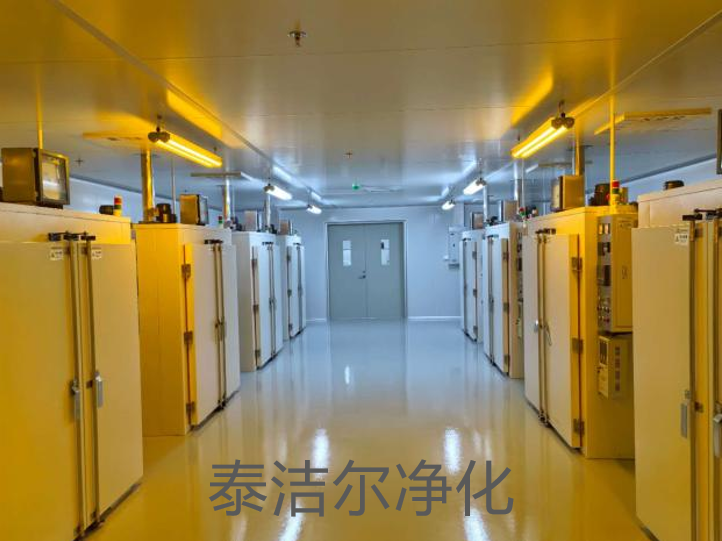
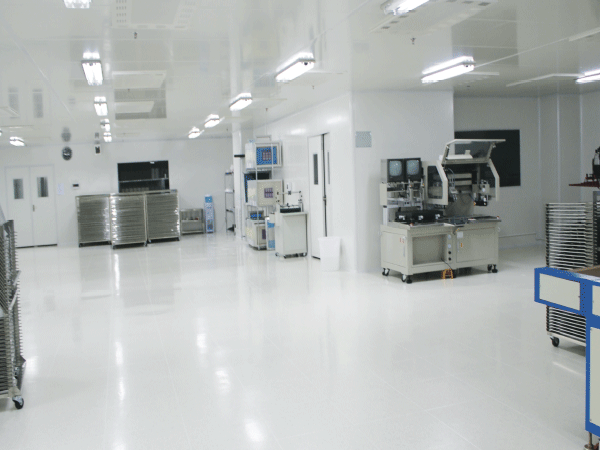
Think of chemical synthesis labs, high-throughput testing facilities, or cleanrooms. In these environments, stability and permanent placement of hazardous material zones or sensitive instrumentation are non-negotiable.
Choosing between fixed and flexible designs hinges on your operational forecast.
Fixed Laboratory Design Pros:
Optimized for Specific Workflow: Every inch is tailored to a precise process, minimizing wasted movement.
Enhanced Structural Integrity: Permanent installations allow for robust construction and heavy-load bearing.
Superior Integration: Services (gas, vacuum, power, data) are hard-plumbed and routed with minimal dead space, enhancing safety and reliability.
Long-Term Cost-Effectiveness: Lower lifetime maintenance and often lower initial build cost per square foot for its intended use.
Flexible Lab Design Pros:
Adaptability: Easily reconfigured for changing research teams or projects.
Future-Proofing: Accommodates unknown future equipment or needs.
Standardization: Often uses off-the-shelf components.
Verdict: If your processes are well-defined and stable for the foreseeable future, a customized fixed laboratory design offers unmatched performance and value.
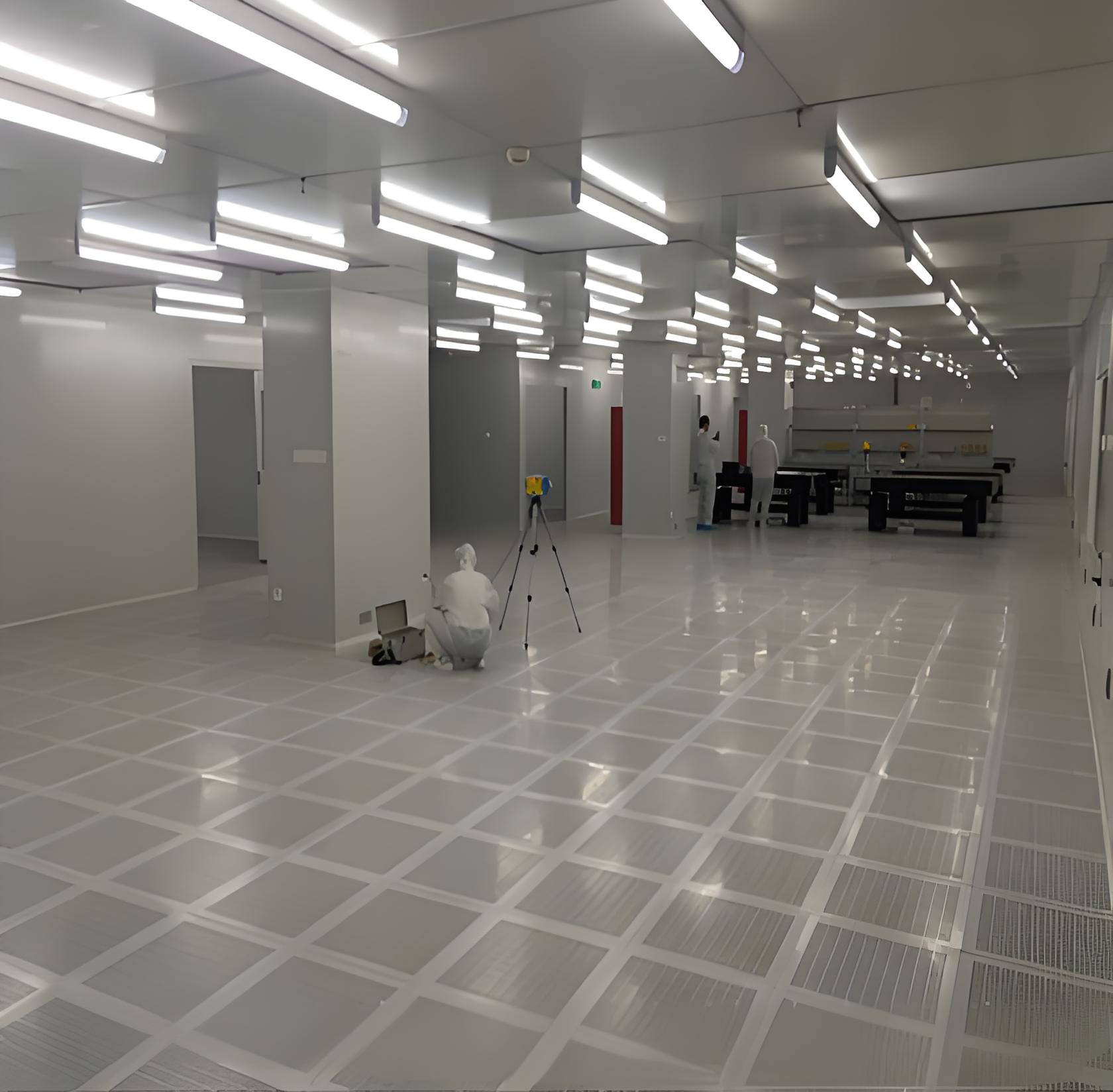
A successful fixed laboratory design hinges on meticulous upfront planning.
1. Process Flow Mapping: Diagram every step, from sample receipt to disposal. This map dictates the placement of zones (dry, wet, analytical, sterile) to create a logical, unidirectional flow, preventing cross-contamination.
2. Engineering Service Corridors: Permanent labs require brilliant utility planning. Chase spaces, vertical risers, and service trunks must be strategically located for easy maintenance without disrupting the lab. This is a hallmark of advanced fixed laboratory design.
3. Material Selection: Surfaces must withstand specific chemical exposures, thermal shocks, and heavy use. Epoxy resin countertops, chemical-resistant sinks, and reinforced cabinetry are common in a robust fixed lab design.
4. Safety by Design: Permanent fixtures allow for built-in safety: dedicated acid storage cabinets, centrally located emergency showers, and optimally placed fume hoods with dedicated exhaust. Safety is integral, not an afterthought.
Costs vary wildly based on discipline. A basic teaching lab differs vastly from a BSL-3 facility.
Key Cost Drivers:
Discipline Complexity: Physics labs cost less than vivariums or nano-fabrication cleanrooms.
Mechanical Systems: HVAC requirements (especially for cleanrooms or containment labs) are often the single largest expense.
Utility Density: The number of gas points, specialized power (e.g., for NMR), and pure water lines add up.
Casework & Finishes: The grade of chemical resistance and customization level directly impact budgets.
While the initial investment in a custom fixed laboratory design can be significant, its operational efficiency and reduced need for future renovations often yield a superior total cost of ownership.
This is where premium suppliers differentiate themselves. It's not just about installation; it's about integration.
Advanced Airflow Control: In fixed cleanrooms or containment labs, computational fluid dynamics (CFD) modeling is used to design fixed air supply and return grilles that guarantee unidirectional airflow and particle control.
Vibration & Static Control: Permanent placement of sensitive microscopes or balances requires fixed, isolated slabs or dedicated vibration-dampening table systems built into the structure.
Ergonomic Integration: Fixed heights for sinks, benches, and hoods are calculated based on precise ergonomic studies for the primary user group, reducing strain over long hours.
How to Choose a Fixed Laboratory Design & Build Partner
Selecting the right vendor is crucial. You need a firm that understands both construction science and your science.
Look for:
Proven Discipline-Specific Expertise: Do they have a portfolio in your field (pharma, academia, food testing)?
In-House Engineering Teams: Seamless collaboration between process engineers, MEP (Mechanical, Electrical, Plumbing) engineers, and architects is vital.
Focus on Lifecycle Value: They should discuss long-term operational costs, not just construction bids.
Transparent Communication & Project Management.
For over two decades, TAI JIE ER has specialized in high-performance fixed laboratory design and turnkey construction. We believe a lab should be a precise instrument in itself.
Our approach starts with a deep dive into your workflow. Our in-house process engineers and MEP teams collaborate to create a customized fixed laboratory design that hardwires efficiency and safety into the space. From groundbreaking GMP pharmaceutical facilities to robust university research labs, we deliver spaces built to perform reliably for decades.
We master the technical complexities—from validating cleanroom airflow to installing heavy-duty, chemical-resistant casework—ensuring your fixed lab design is not just built, but engineered for success.
Q1: Is a fixed laboratory design a bad choice if I think my needs might change in 5-7 years?
A1: Not necessarily. The key is to design fixed zones for core, unchanging processes (like sample prep or hazardous chemical handling) while incorporating flexible elements in less critical areas. A hybrid approach designed by experts like TAI JIE ER can provide an optimal balance.
Q2: What is the typical project timeline for a fixed lab build-out?
A2: Timelines vary by scale and complexity. A simple fixed laboratory design may take 6-9 months from design to completion. A complex, highly serviced lab or cleanroom can take 12-18 months or more, with significant time allocated for detailed engineering and MEP coordination.
Q3: Are fixed labs more expensive to maintain than flexible labs?
A3: Often, they are less expensive to maintain in the long run. High-quality permanent installations with robust service systems typically require less frequent repair or adjustment than movable systems, which can suffer from wear and tear from reconfiguration.
Q4: How do you ensure safety standards are met in a custom fixed design?
A4: Reputable design-build firms integrate safety codes (OSHA, NFPA, building codes) from the initial concept. This includes calculated ventilation rates, proper zoning of hazards, placement of safety equipment, and material flammability ratings. It's engineered in, not added on.
Q5: Can a fixed lab design still be aesthetically pleasing and promote collaboration?
A5: Absolutely. A customized fixed laboratory design allows for intentional placement of write-up areas, breakout spaces, and visual connections between labs and offices. Material and color choices can create an inspiring, modern workspace that fosters interaction while maintaining strict operational zoning.