
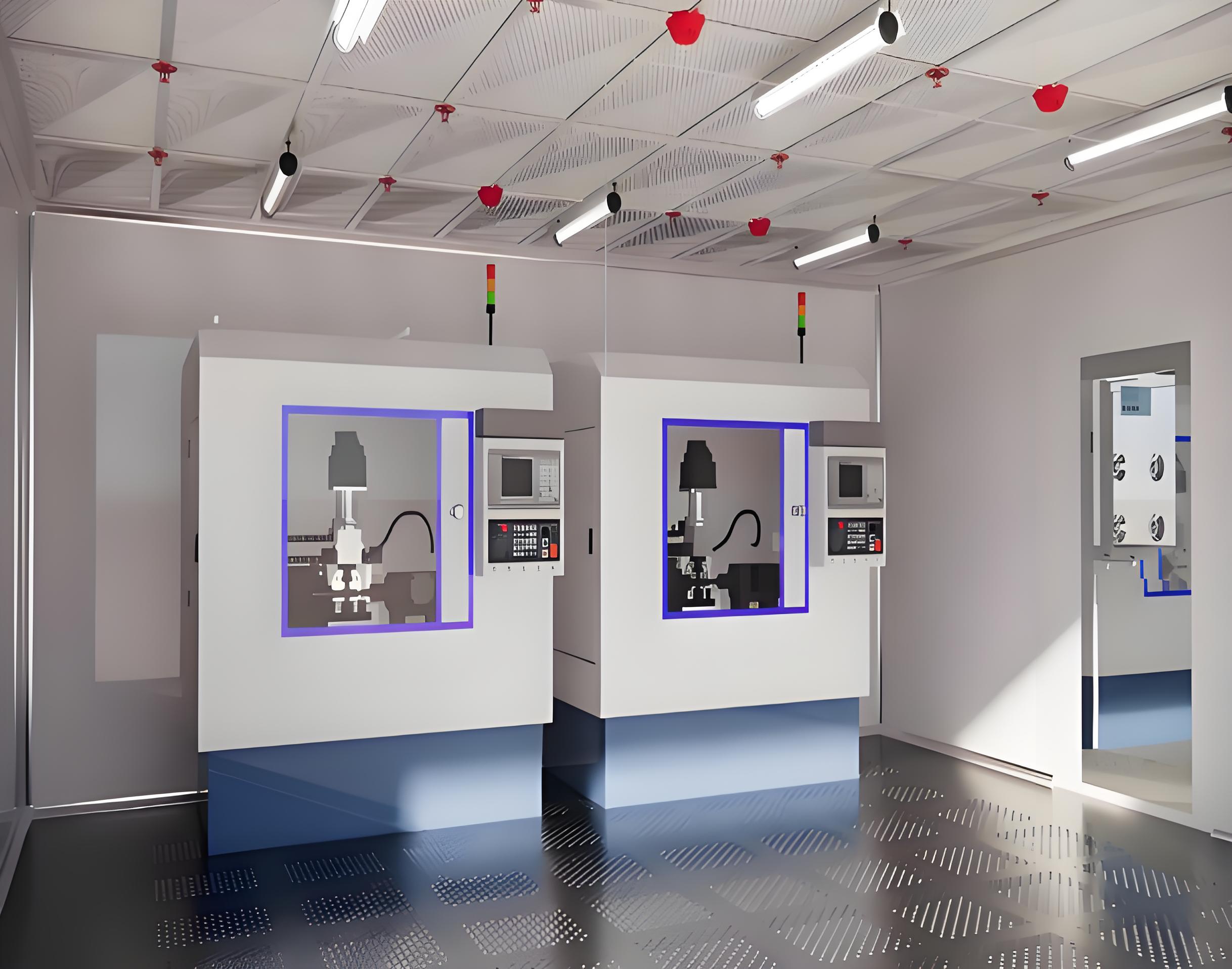
When it comes to setting up a functional and efficient laboratory, general laboratory design serves as the foundational blueprint for success. Whether you're establishing a research facility, a clinical lab, or an industrial testing center, a well-thought-out design ensures safety, productivity, and compliance with international standards. In this comprehensive guide, we'll explore the core principles, compare different approaches, and provide practical insights for selecting and implementing the right design. As a leader in the field, TAI JIE ER specializes in delivering tailored solutions that meet diverse needs. By the end of this article, you'll have a clear understanding of how to navigate the complexities of general laboratory design, including cost factors and advanced technologies, to create a space that excels in performance and efficiency.
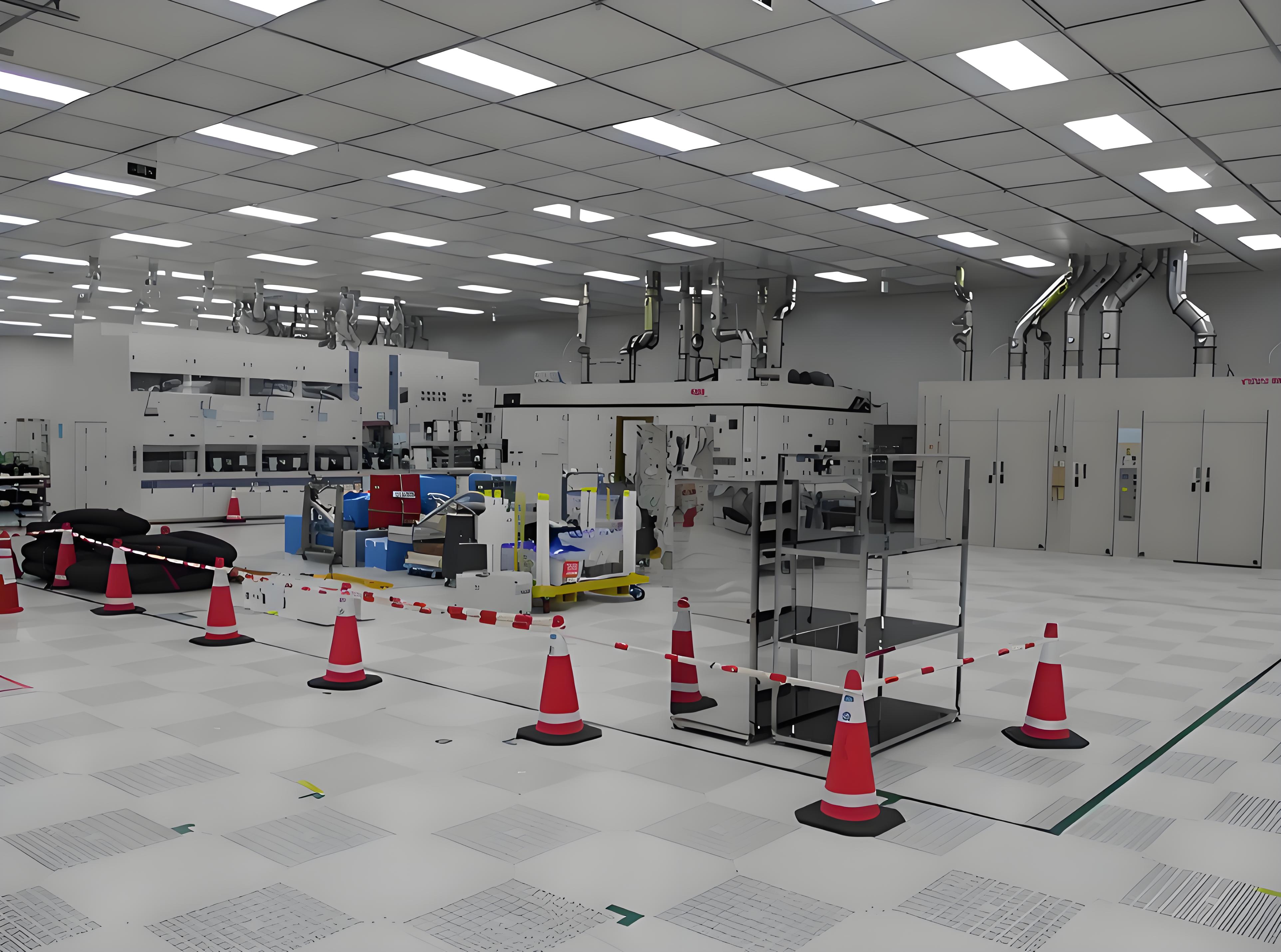
General laboratory design revolves around several key principles that ensure a lab operates smoothly. These include safety, flexibility, and efficiency. Safety is paramount, involving proper ventilation, chemical storage, and emergency exits. Labs must adhere to guidelines like ISO standards for cleanrooms.
Flexibility allows labs to adapt to changing research needs. Modular furniture and movable equipment can enhance this. Efficiency focuses on workflow optimization, reducing movement between stations. A good general laboratory design minimizes congestion and promotes collaboration.
TAI JIE ER emphasizes these principles in every project. Their approach integrates user input to create custom solutions. By prioritizing these core aspects, labs can reduce risks and boost productivity. Remember, a well-designed lab is an investment in long-term success.
Various approaches to general laboratory design exist, each suited for specific applications. Open-plan labs encourage teamwork and communication. They are common in academic and corporate settings. However, they may lack privacy for sensitive work.
Closed or modular labs offer controlled environments. These are ideal for cleanrooms or hazardous material handling. They provide better contamination control but can be more expensive. Another approach is the flexible lab, which combines elements of both.
When comparing, consider your lab's purpose. For instance, a pharmaceutical lab might need a closed design for sterility. TAI JIE ER helps clients evaluate these options. Their expertise ensures the chosen approach aligns with goals. A custom laboratory design can blend multiple styles for optimal results.
Selecting the right general laboratory design involves assessing your specific needs. Start by defining the lab's primary functions. Will it handle chemical analysis, biological research, or mechanical testing? Each requires different layouts and equipment.
Consider the user group. Scientists, technicians, and students have varying requirements. Ergonomics and accessibility are crucial. For example, benches should be at comfortable heights. Storage solutions must be organized for easy access.
TAI JIE ER offers a step-by-step selection guide. They begin with a needs analysis, then propose custom lab design options. Factors like space constraints and budget are reviewed. This process ensures a tailored fit. Always prioritize scalability for future expansions.
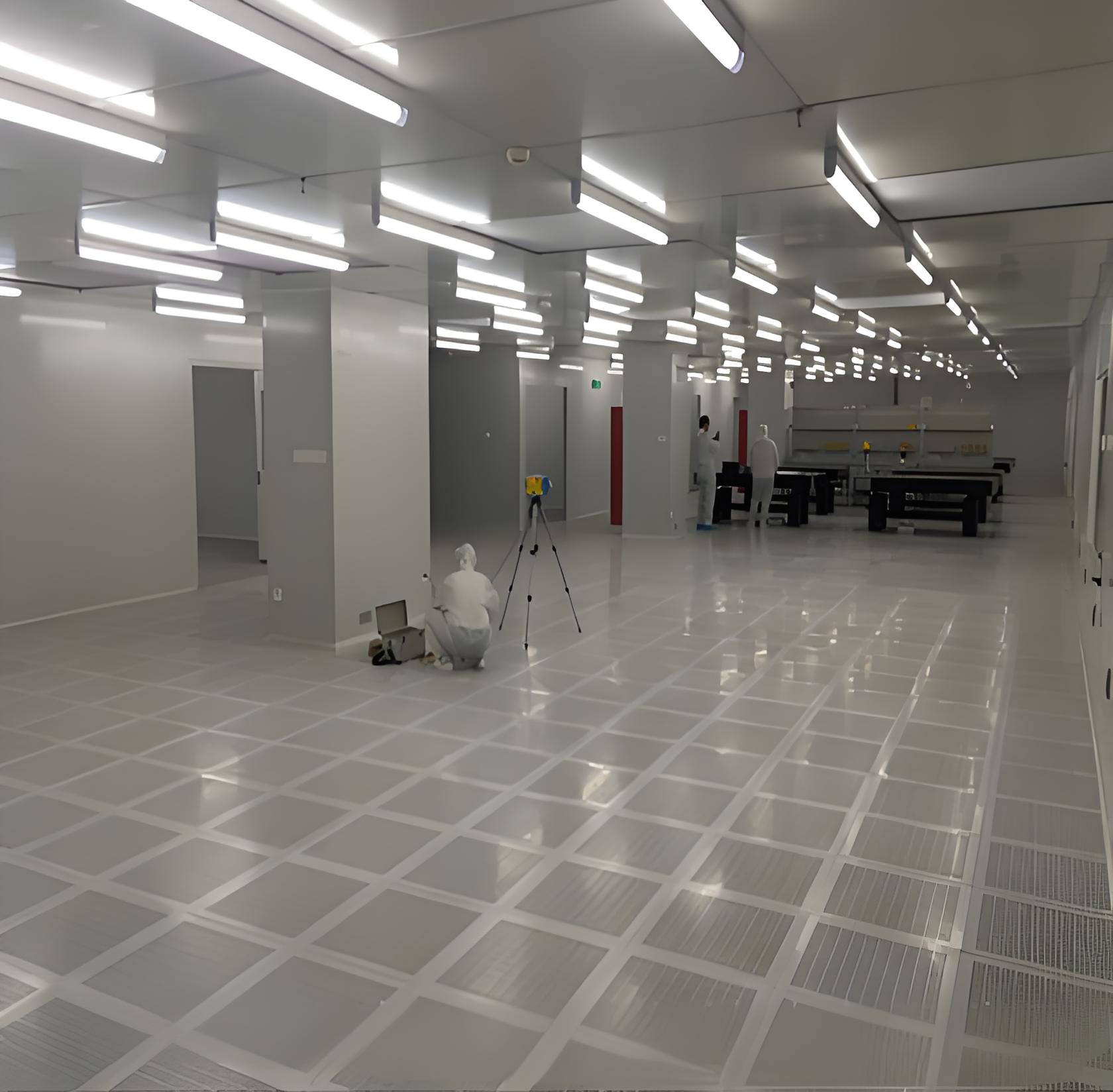
Choosing reliable services and suppliers is vital for general laboratory design. Look for companies with experience in your industry. Check their portfolio for similar projects. Certifications, such as ISO 9001, indicate quality standards.
TAI JIE ER stands out as a trusted provider in clean engineering. They offer end-to-end services, from planning to installation. Their network of suppliers ensures high-quality materials. When evaluating suppliers, consider lead times and after-sales support.
A good supplier relationship can streamline the design process. Request quotes and compare offerings. For custom laboratory design, communication is key. TAI JIE ER collaborates closely with clients to deliver precise solutions. This partnership minimizes delays and cost overruns.
Understanding costs is essential for general laboratory design. Prices vary based on size, complexity, and materials. A basic lab might cost $200-$500 per square foot. High-end cleanrooms can exceed $1000 per square foot.
Key cost drivers include HVAC systems, which ensure air quality. Electrical and plumbing installations also add up. Specialized equipment, like fume hoods, requires significant investment. Don't forget soft costs like permits and design fees.
TAI JIE ER provides transparent pricing models. They help clients budget effectively. For a custom lab design, they offer phased payments. Consider long-term savings from energy-efficient designs. Proper planning reduces unexpected expenses and ensures value for money.
Modern general laboratory design incorporates cutting-edge technologies. Automation systems streamline repetitive tasks. Robotics can handle sample processing, increasing accuracy. Digital integration allows remote monitoring and data management.
Cleanroom technologies are crucial for contamination control. HEPA filters and laminar airflow systems maintain sterile environments. Sustainable practices, like energy recovery ventilators, reduce environmental impact. These processes align with green building standards.
TAI JIE ER leverages these advancements in their projects. They use BIM (Building Information Modeling) for precise planning. This technology enhances collaboration and reduces errors. For a custom laboratory design, such tools ensure every detail is optimized. Staying updated with trends future-proofs your lab.
In summary, general laboratory design is a multifaceted process that demands careful planning. From core principles to cost analysis, each aspect contributes to a functional space. By comparing approaches and selecting the right services, you can create a lab that meets your specific needs. TAI JIE ER's expertise in custom laboratory design offers reliable solutions tailored to modern challenges. Embrace advanced technologies to enhance efficiency and compliance. As you embark on your lab design journey, use this guide as a roadmap to success. For more insights, explore TAI JIE ER's portfolio and services.
Q1: What are the key elements of a general laboratory design?
A1: The key elements include safety features like ventilation and emergency systems, efficient workflow layouts, flexible modular furniture, and compliance with international standards such as ISO for cleanrooms. A well-designed lab also integrates proper lighting, storage, and equipment placement to maximize productivity and minimize hazards.
Q2: How much does a custom laboratory design typically cost?
A2: Costs vary widely based on size, complexity, and materials. On average, a custom laboratory design can range from $200 to over $1000 per square foot. Factors like HVAC systems, specialized equipment, and regulatory approvals influence the total price. TAI JIE ER provides detailed quotes to help clients budget effectively.
Q3: What should I consider when choosing a supplier for lab design services?
A3: Consider the supplier's experience, certifications (e.g., ISO 9001), portfolio of past projects, and customer reviews. Look for providers like TAI JIE ER who offer comprehensive services, from planning to installation, and ensure clear communication for custom solutions. Also, check their after-sales support and warranty offerings.
Q4: How can I ensure my laboratory design is flexible for future changes?
A4: To ensure flexibility, opt for modular furniture and movable partitions that allow easy reconfiguration. Design open spaces with adaptable utility connections, and plan for scalable infrastructure. TAI JIE ER specializes in creating custom laboratory designs that incorporate these elements, facilitating future expansions or modifications.
Q5: What advanced technologies are trending in general laboratory design?
A5: Current trends include automation systems for task efficiency, robotics for precision handling, digital tools like BIM for accurate modeling, and sustainable technologies such as energy-efficient HVAC. Cleanroom advancements, like smart monitoring sensors, are also popular. TAI JIE ER integrates these technologies to enhance performance and compliance in lab designs.