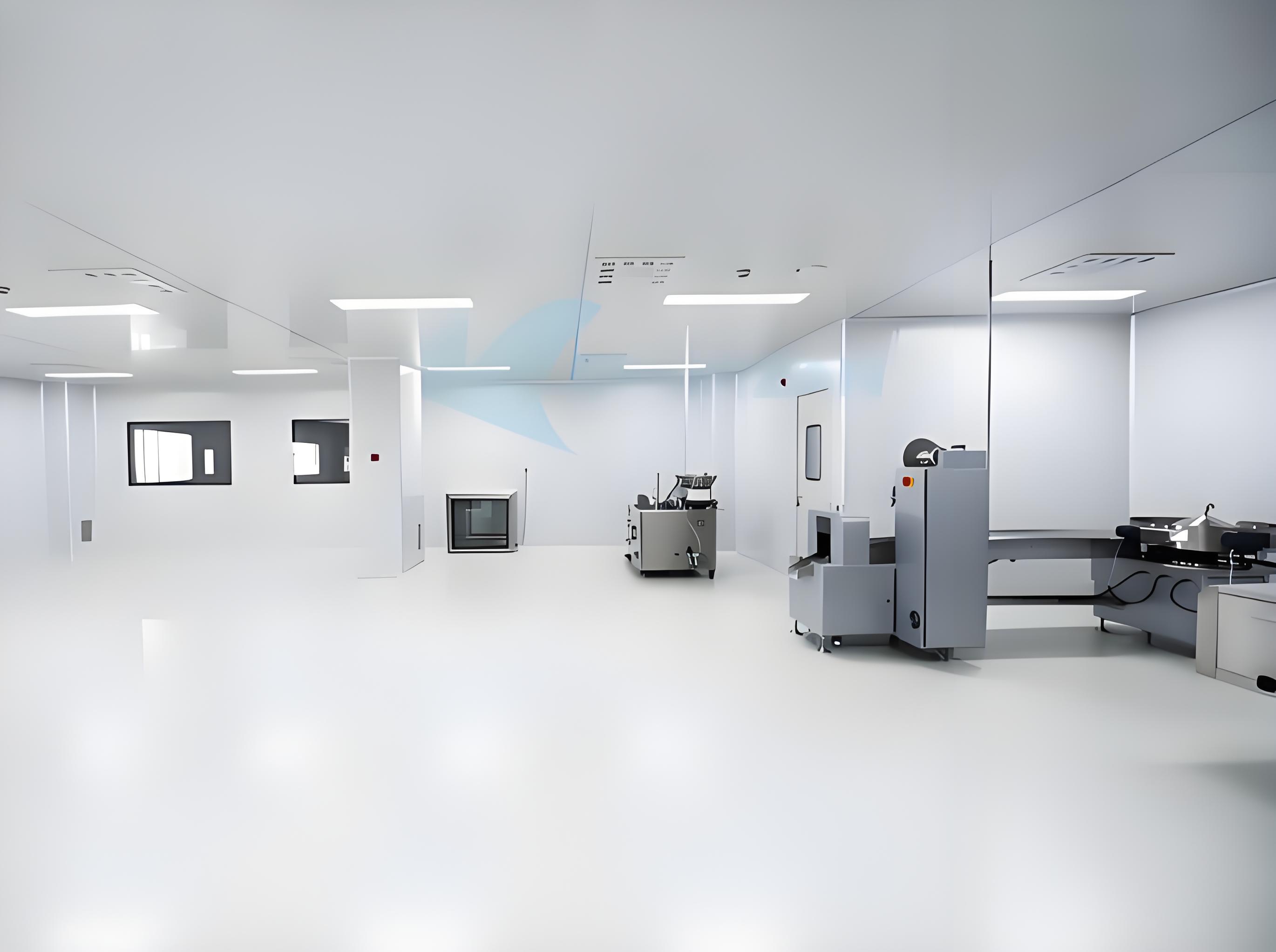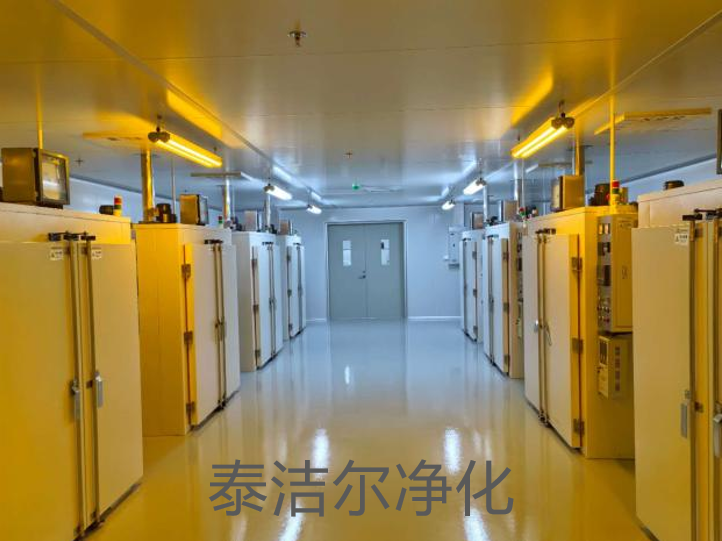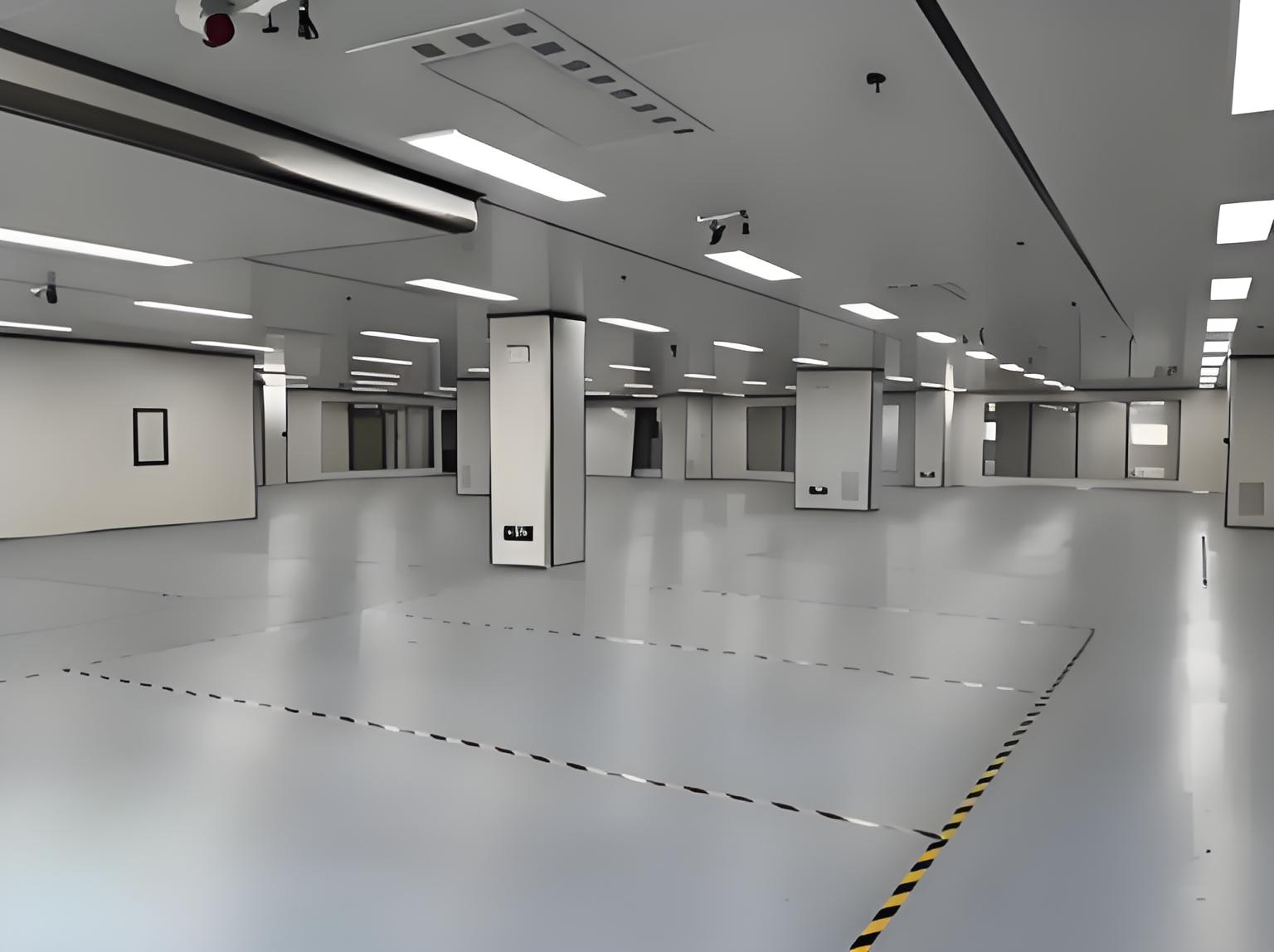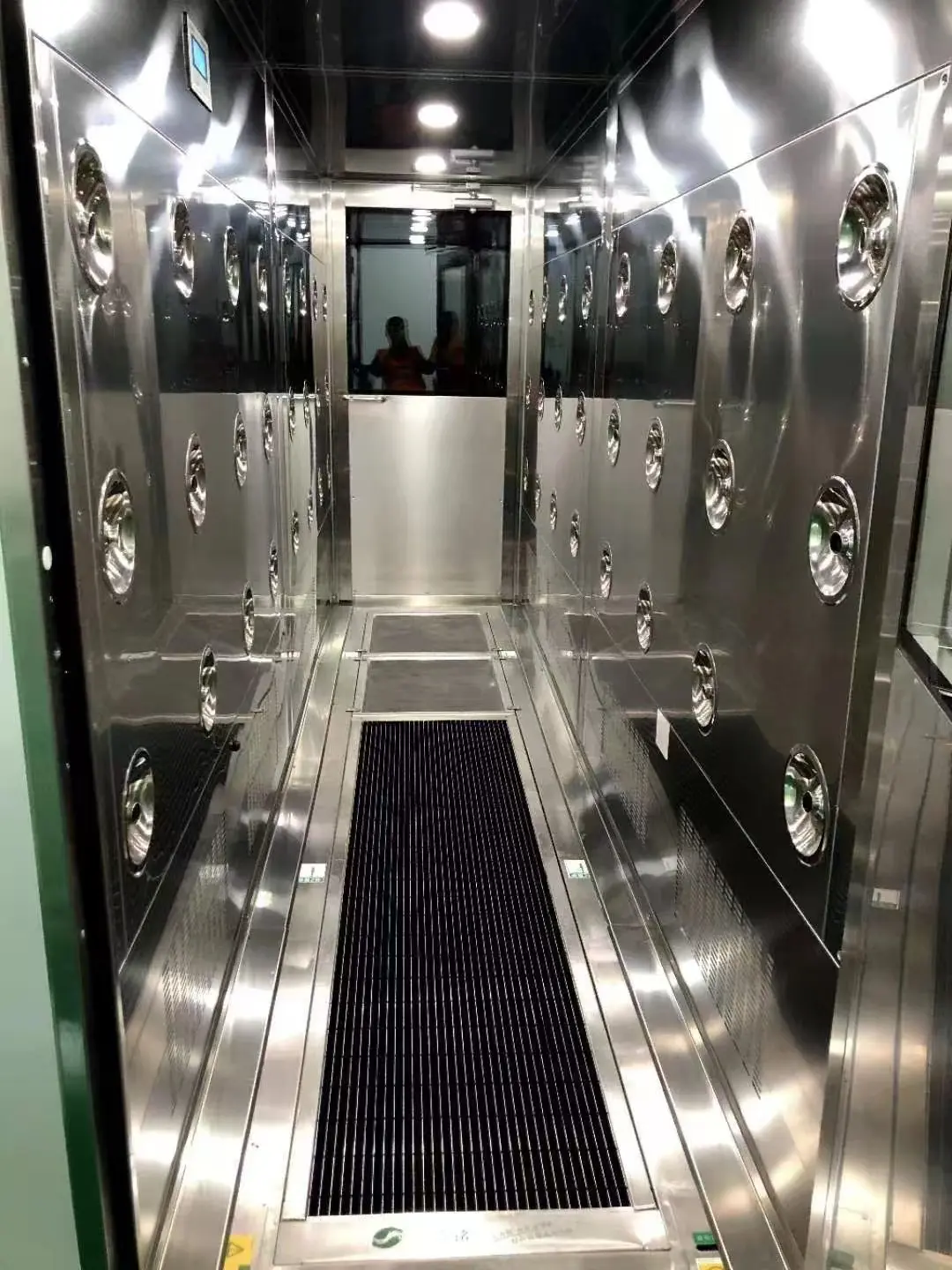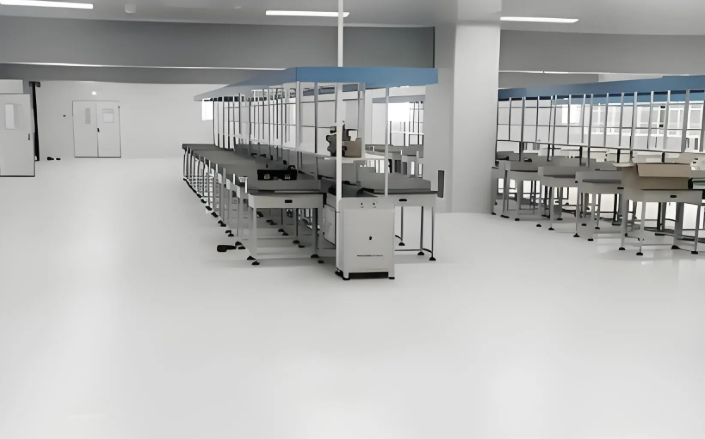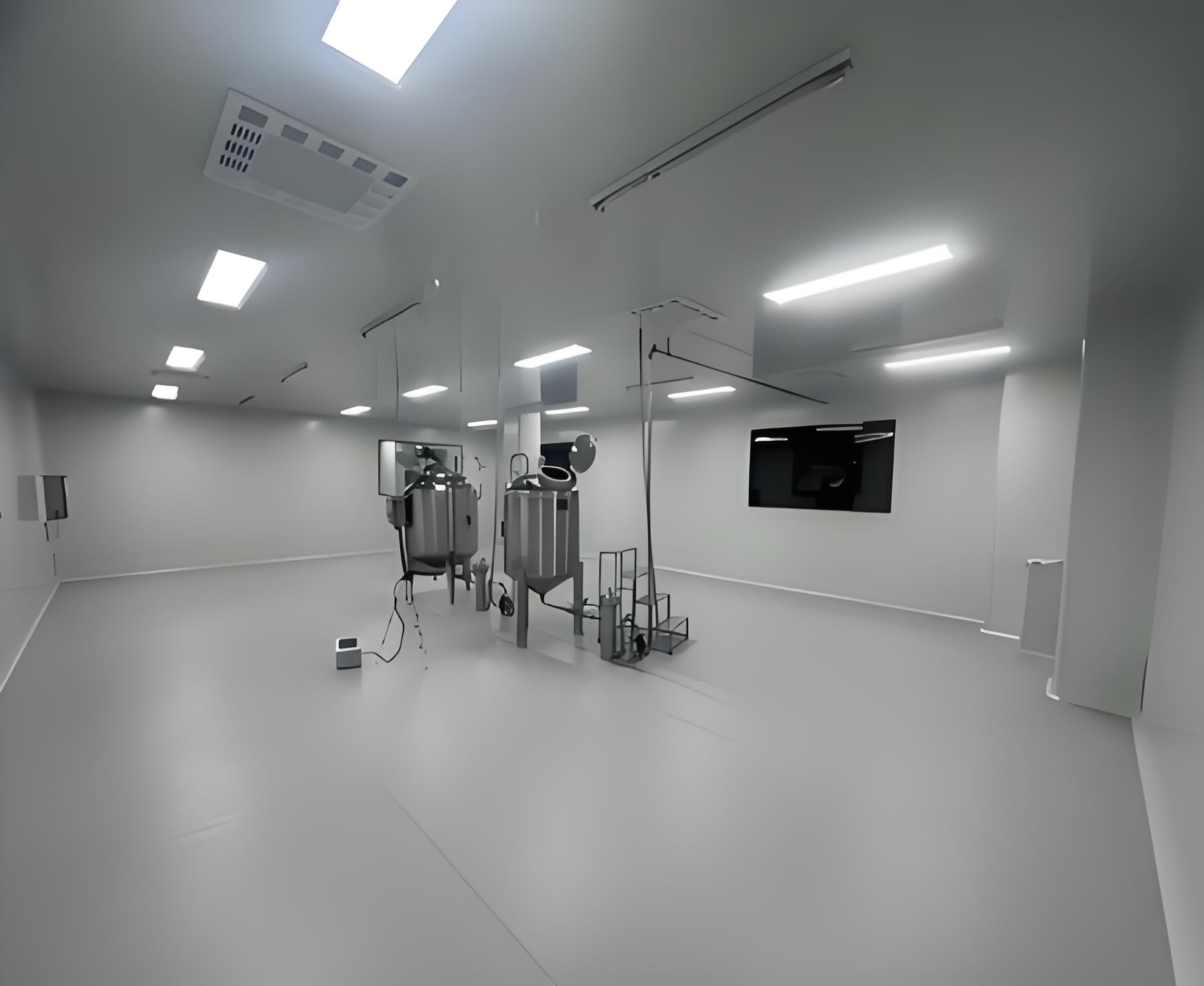
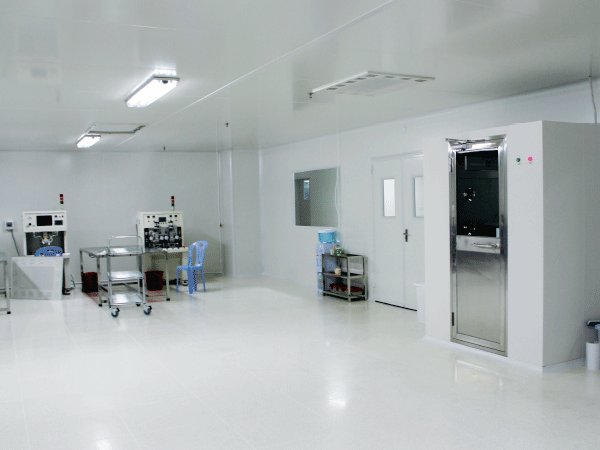

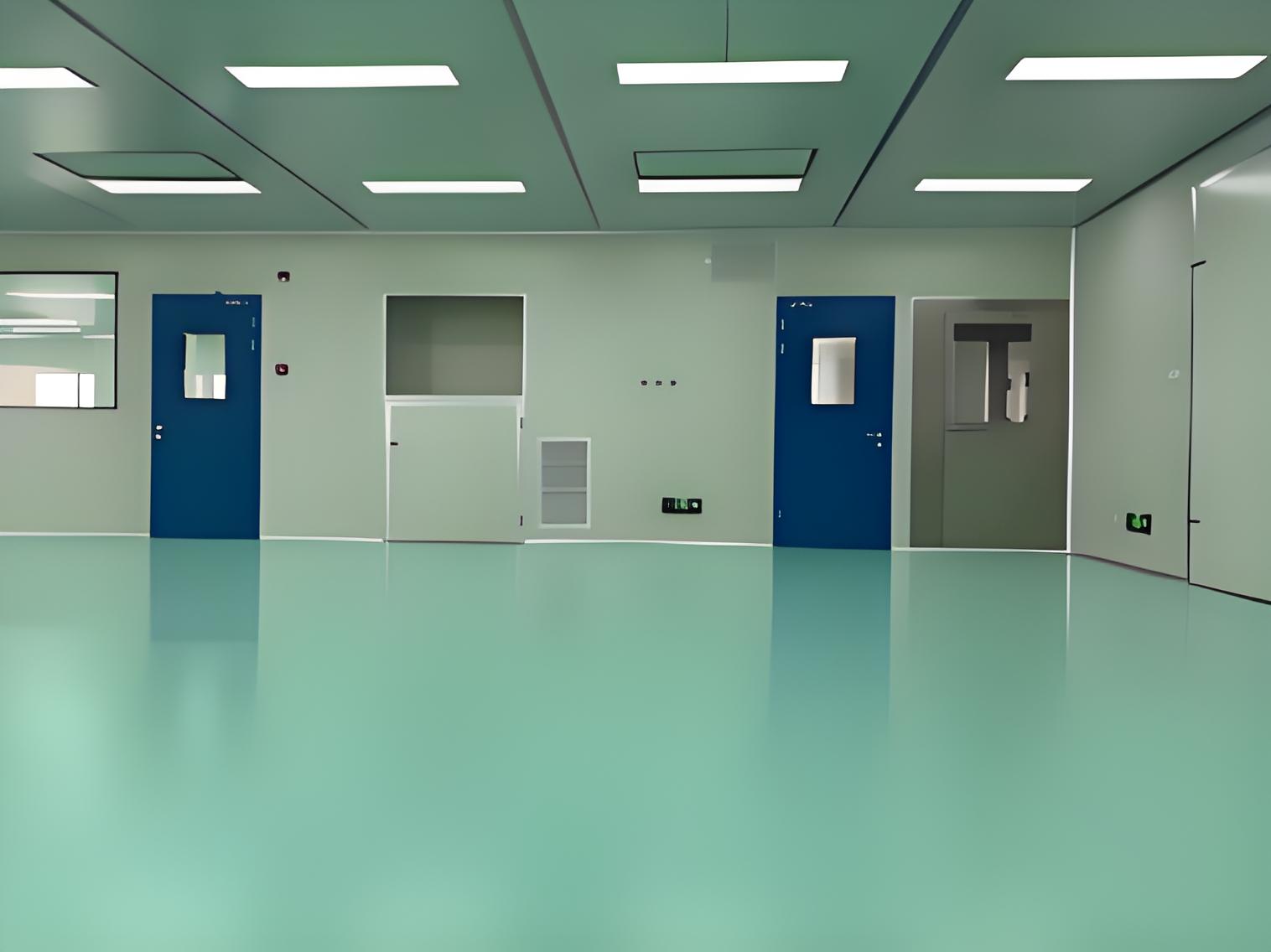
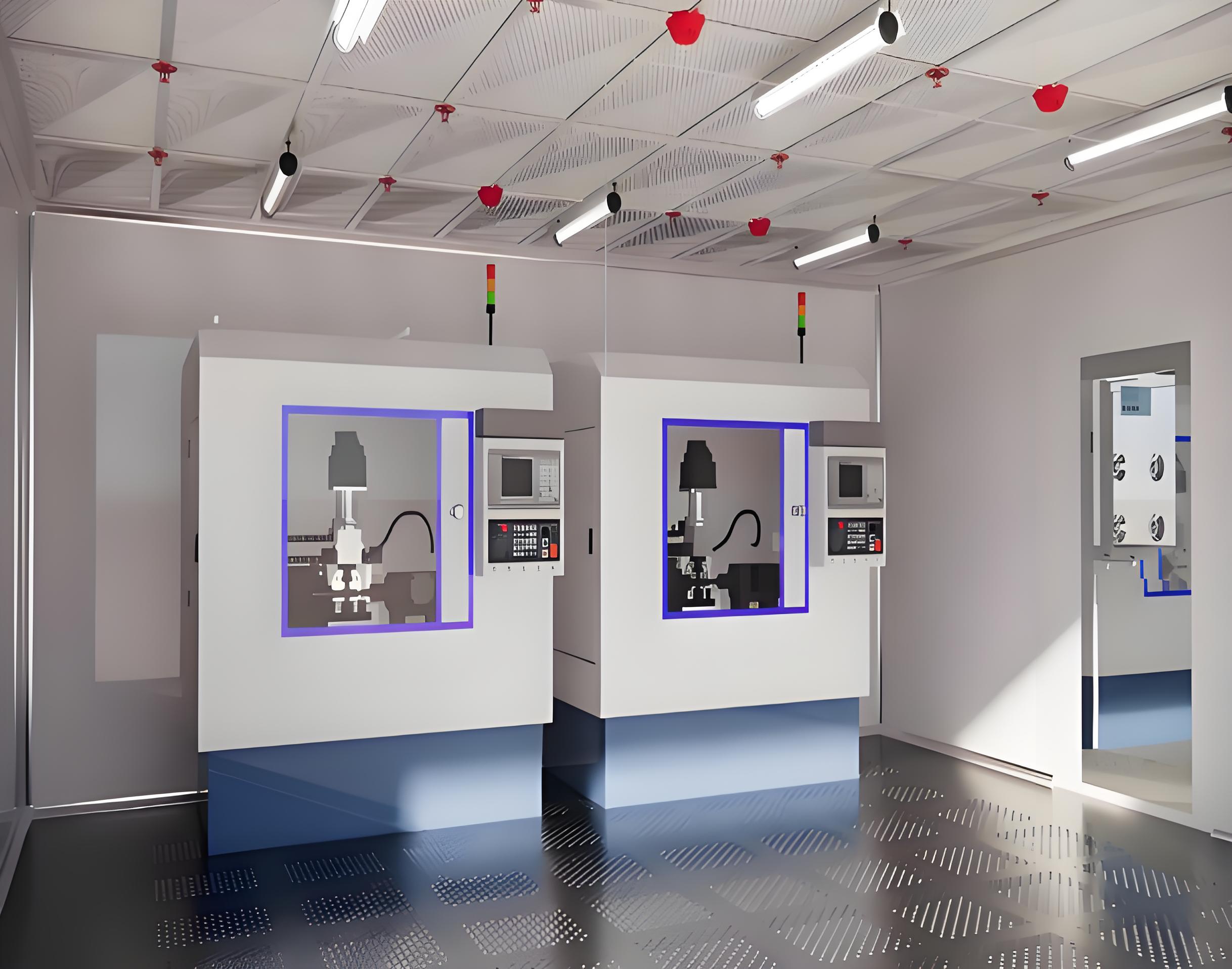
Maintaining a GMP cleanroom is non-negotiable in pharmaceutical and advanced manufacturing. The cornerstone of this maintenance is a rigorous, documented cleaning regimen. GMP cleanroom cleaning isn't just about tidiness; it's a critical control point to prevent contamination, ensure product safety, and pass regulatory audits.
This article breaks down the essential procedures, compares methods, and provides a clear path to establishing or auditing your own program. Whether you manage a Grade A aseptic core or a Grade D background zone, these principles are fundamental.
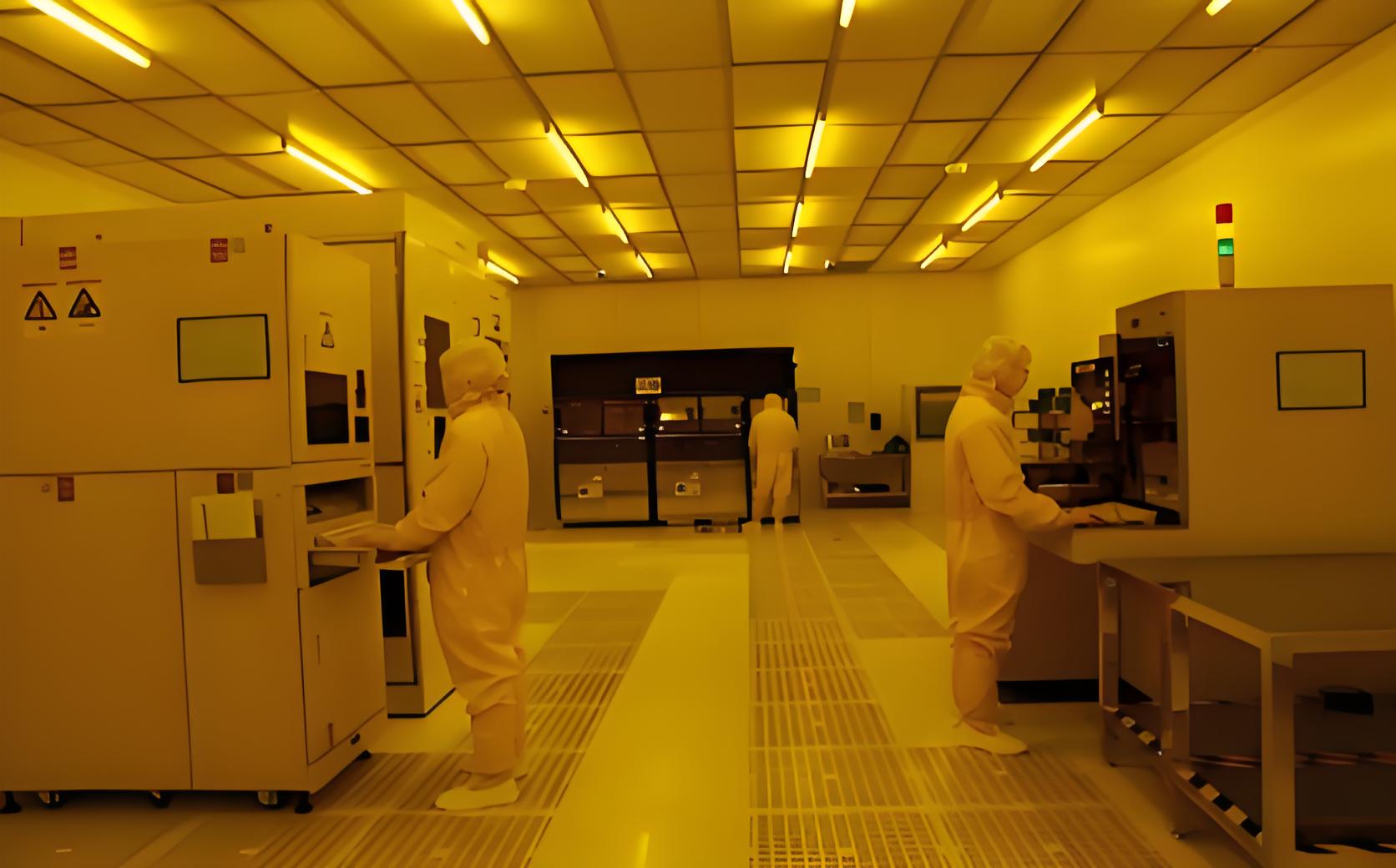
GMP cleanroom cleaning is defined by protocol and consistency. It moves far beyond standard janitorial work. Every action is governed by Standard Operating Procedures (SOPs).
The core principles are prevention, removal, and containment. You prevent contaminants from entering via personnel and materials. You actively remove particles and microbes from surfaces and air. Finally, you contain any generated waste without cross-contaminating cleaner areas.
Documentation is equally crucial. Every clean is logged. Every cleaning agent is logged and validated. In a GMP audit, if it isn't documented, it didn't happen.
A key decision in GMP cleanroom cleaning strategy is the balance between manual and automated processes.
Manual Cleaning is the most common and versatile method. Technicians follow precise SOPs using approved wipes, mops, and solutions. It's essential for intricate equipment, walls, and ceilings. The effectiveness relies heavily on personnel training and technique. The risk is human variability.
Automated Systems include Clean-in-Place (CIP) systems for tanks and closed transfers, and automated disinfection systems like vaporized hydrogen peroxide (VHP) generators. These reduce human intervention, offer superb repeatability, and are ideal for hard-to-reach places or high-grade areas. However, they require significant capital investment and validation.
Most facilities use a hybrid approach. TAI JIE ER often designs cleaning protocols that integrate both, ensuring cost-effectiveness and uncompromised cleanliness.
Choosing the right tools is half the battle in effective GMP cleanroom cleaning. Not all wipes and disinfectants are created equal.
Cleaning Agents: You typically need a sporicidal disinfectant (e.g., hydrogen peroxide-based), a general bactericidal disinfectant (e.g., quaternary ammonium compound), and a sterile 70% IPA solution for final wipes. A crucial GMP rule is rotating agents to prevent microbial resistance. All agents must be sterile for higher grade rooms and validated for efficacy on your specific surfaces.
Materials: Use low-lint, non-abrasive wipes and mops. Microfiber is popular for its particle trapping ability. Mop heads should be sterilizable and color-coded by zone to prevent cross-contamination. For critical areas, pre-saturated, sterile wipes in single-use packets are the standard.
TAI JIE ER advises clients on customized cleaning validation kits to ensure their selected materials and agents perform as intended in the specific cleanroom environment.
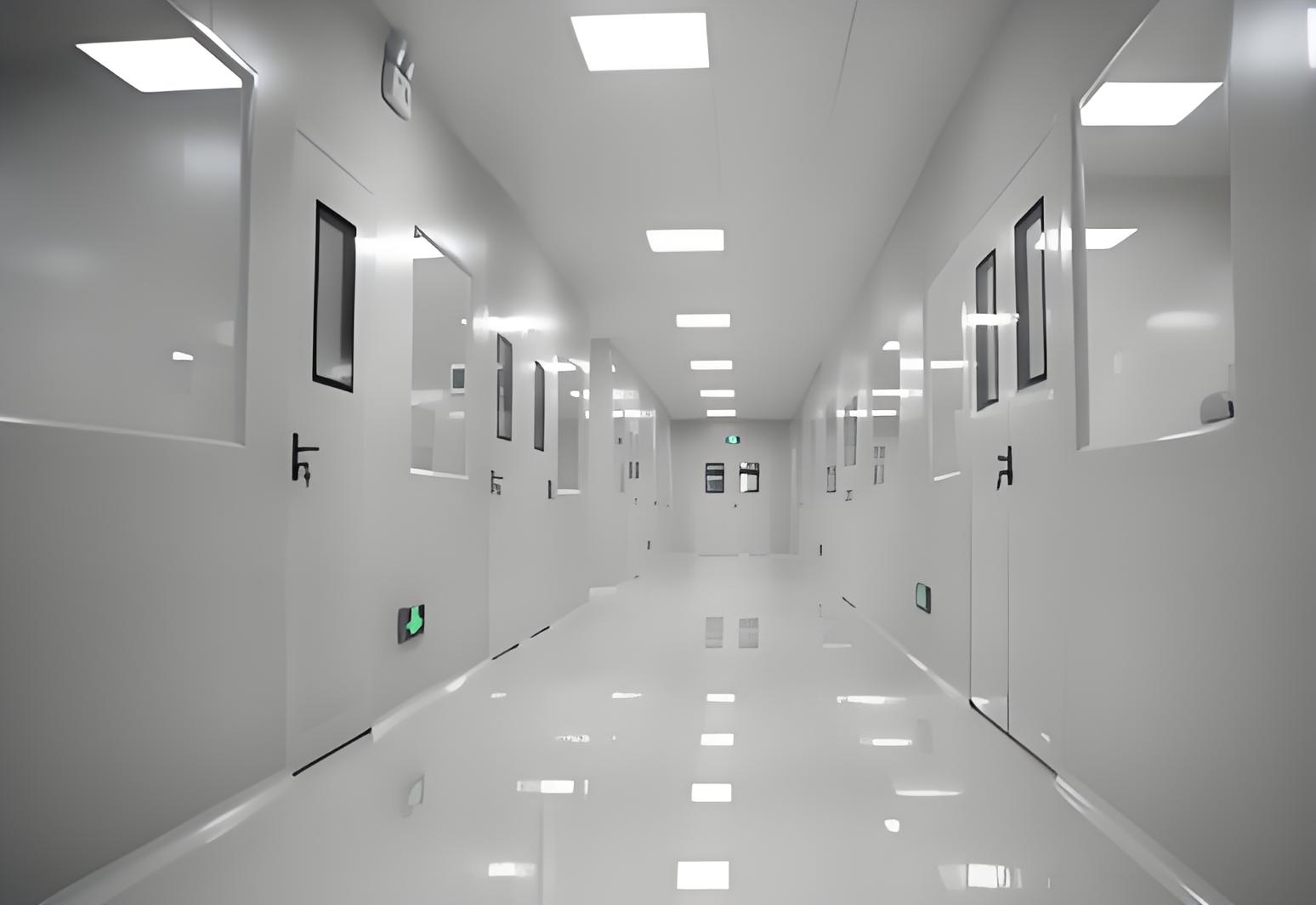
The cost of GMP cleanroom cleaning is an ongoing operational expense, not a one-time setup. Underestimating it can lead to compliance gaps.
Major cost drivers include:
Personnel: Highly trained cleaning technicians command higher wages. The frequency of cleaning (e.g., after every shift vs. weekly) directly impacts labor costs.
Consumables: Sterile wipes, approved disinfectants, and gowning supplies are recurring costs. Higher grade rooms use more expensive, sterile-packaged consumables.
Validation & Monitoring: Regular environmental monitoring (EM), adenosine triphosphate (ATP) swab testing, and disinfectant efficacy validation add significant cost.
Equipment: Autoclaves for sterilizing mop heads, VHP systems, and validated cleaning apparatus represent capital and maintenance costs.
A partnership with a specialist like TAI JIE ER helps in lifecycle costing. Investing in a robust, well-designed protocol from the start avoids costly non-compliance findings and batch failures later.
Beyond daily wiping, advanced gmp cleanroom cleaning involves periodic decontamination and deep technical processes.
Gaseous Decontamination: For total room bio-decontamination, methods like VHP or chlorine dioxide are used. This is critical for isolators, fill lines, or after a contamination event. The process requires sealing the room and using a generator to circulate the microbicidal agent. It's highly effective but requires extensive safety planning and validation.
Cleanroom Sterilant Fogging: This is sometimes used for space fumigation. It's less complex than VHP but still effective for area decontamination. It must be carefully controlled to avoid residue.
Process Validation: This is the technical backbone. Cleaning SOPs must be validated using a "worst-case" approach. This means proving that your method can remove a challenging soil (like a dried protein or lubricant) from your hardest-to-clean surface. TAI JIE ER's engineering team specializes in designing facilities and customized decontamination cycles that are validation-ready from the outset.
You may manage cleaning in-house or outsource to a specialist. Choosing the right partner is critical.
Look for a provider with:
Proven experience in your industry (pharma, medical devices, biotech).
Deep understanding of ISO and EU GMP Annex 1 requirements.
Trained personnel who comprehend cleanroom behavior and contamination control.
Transparent documentation and reporting practices.
For suppliers of agents and materials, ensure they provide full regulatory support files, including material safety data sheets (MSDS) and certificates of analysis (CoA). TAI JIE ER often acts as a bridge, connecting clients with vetted suppliers and service networks we trust from years in cleanroom engineering.
Effective GMP cleanroom cleaning is a culture, not a chore. It requires unwavering commitment, continuous training, and investment in the right processes and tools. By understanding these core procedures, cost factors, and advanced techniques, you can build a program that protects your product, your patients, and your business.
Remember, a clean cleanroom is a compliant cleanroom. For facilities requiring a fresh audit or a new build, engaging with experienced partners like TAI JIE ER can streamline the entire process, from design to implementing a bulletproof cleaning protocol.
Q1: How often should GMP cleanrooms be cleaned?
A1: Frequency is defined by your SOPs and room grade. Critical Grade A/B zones are cleaned meticulously before and after each operation, often continuously during operation. Grade C/D areas are cleaned at the end of each shift or daily. Walls and ceilings are cleaned on a weekly or monthly schedule. All frequencies must be justified by environmental monitoring data.
Q2: What is the "four bucket" cleaning method in GMP?
A2: It's a standard technique to prevent cross-contamination. One bucket holds the cleaning detergent solution. A second holds rinse water (often WFI in pharma). A third holds the sporicidal disinfectant. The fourth is a waste bucket for used wipes/mop heads. The technician cleans, rinses, disinfects, and then discards materials in sequence, using dedicated, color-coded tools for each step and zone.
Q3: Can we use regular disinfectants from a supermarket for GMP cleanroom cleaning?
A3: Absolutely not. GMP cleaning agents must be selected based on validated efficacy against a spectrum of microbes relevant to your facility. They must be compatible with your cleanroom surfaces, leave minimal residue, and be supported by full documentation from the manufacturer regarding composition, stability, and sterility (if required).
Q4: How is the effectiveness of a GMP cleaning procedure validated?
A4: Cleaning validation typically involves artificially contaminating surfaces with a known quantity of a challenge substance (e.g., a chemical soil or microbial inoculum). The cleaning SOP is then executed. Post-cleaning, the surface is sampled (via swab) and analyzed to prove the residue has been reduced to an acceptable predetermined limit. This must be repeated to prove consistency.
Q5: Why is personnel training so emphasized in GMP cleaning?
A5: People are the largest source of contamination in a cleanroom. A trained technician understands aseptic technique, proper gowning, the mechanics of wiping (e.g., overlapping strokes, not re-folding a contaminated wipe), and the critical importance of following the SOP exactly. Without continuous training and assessment, even the best-designed gmp cleanroom cleaning protocol will fail.