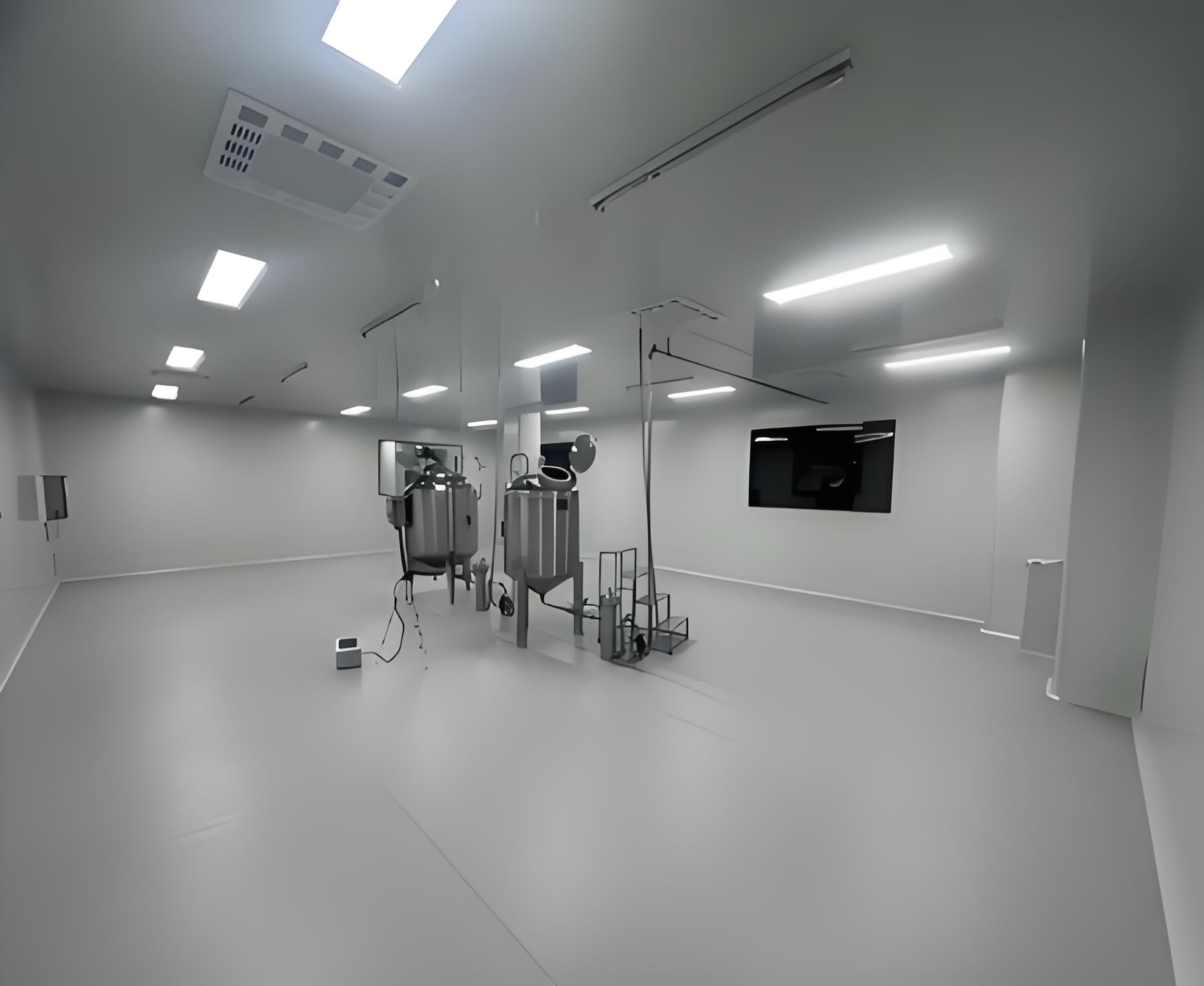
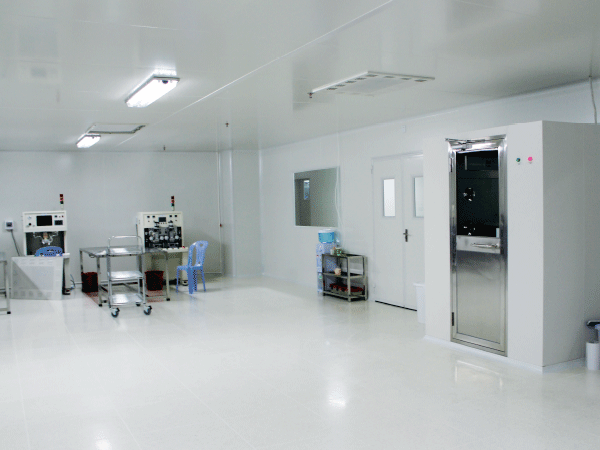

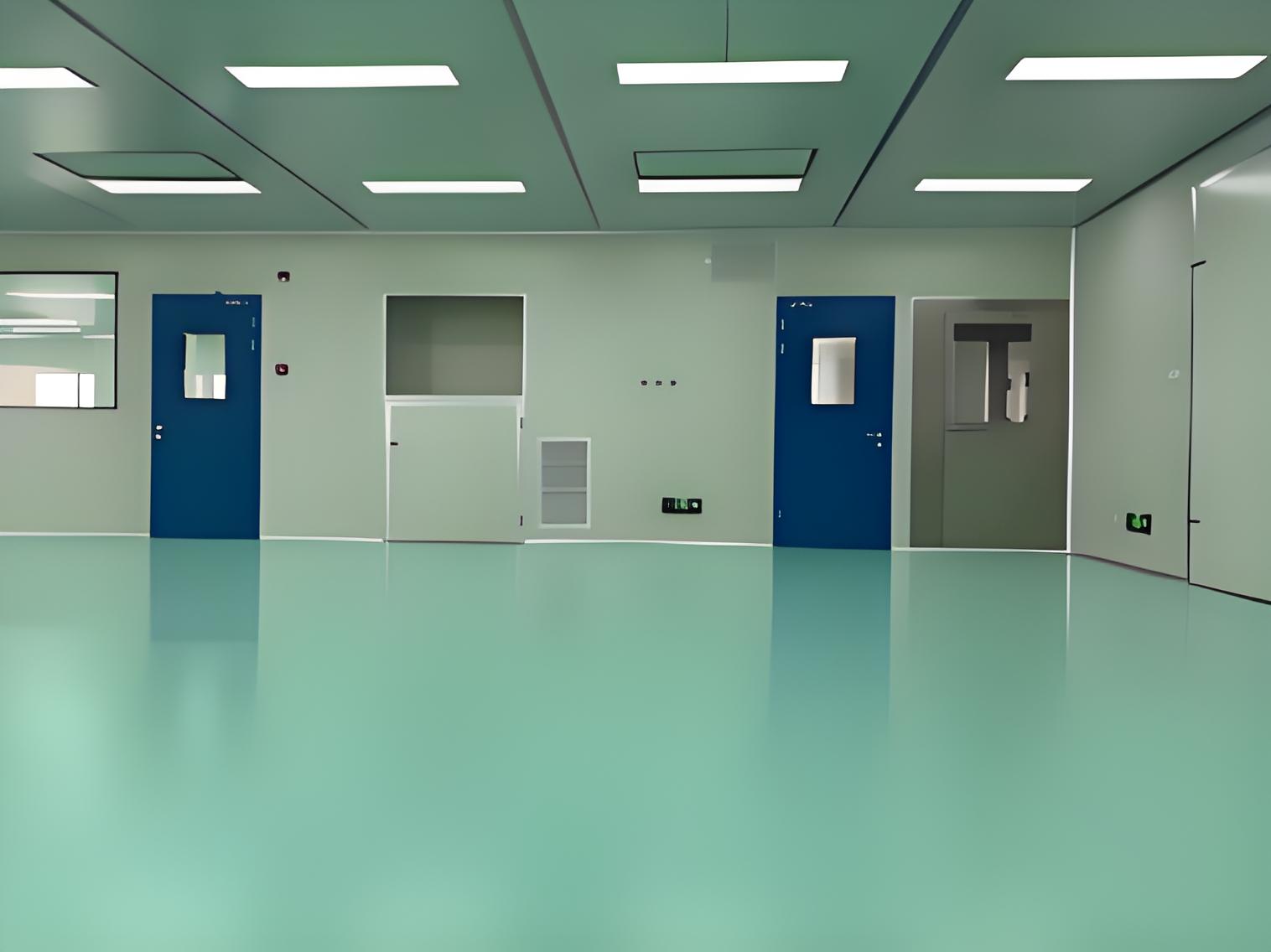
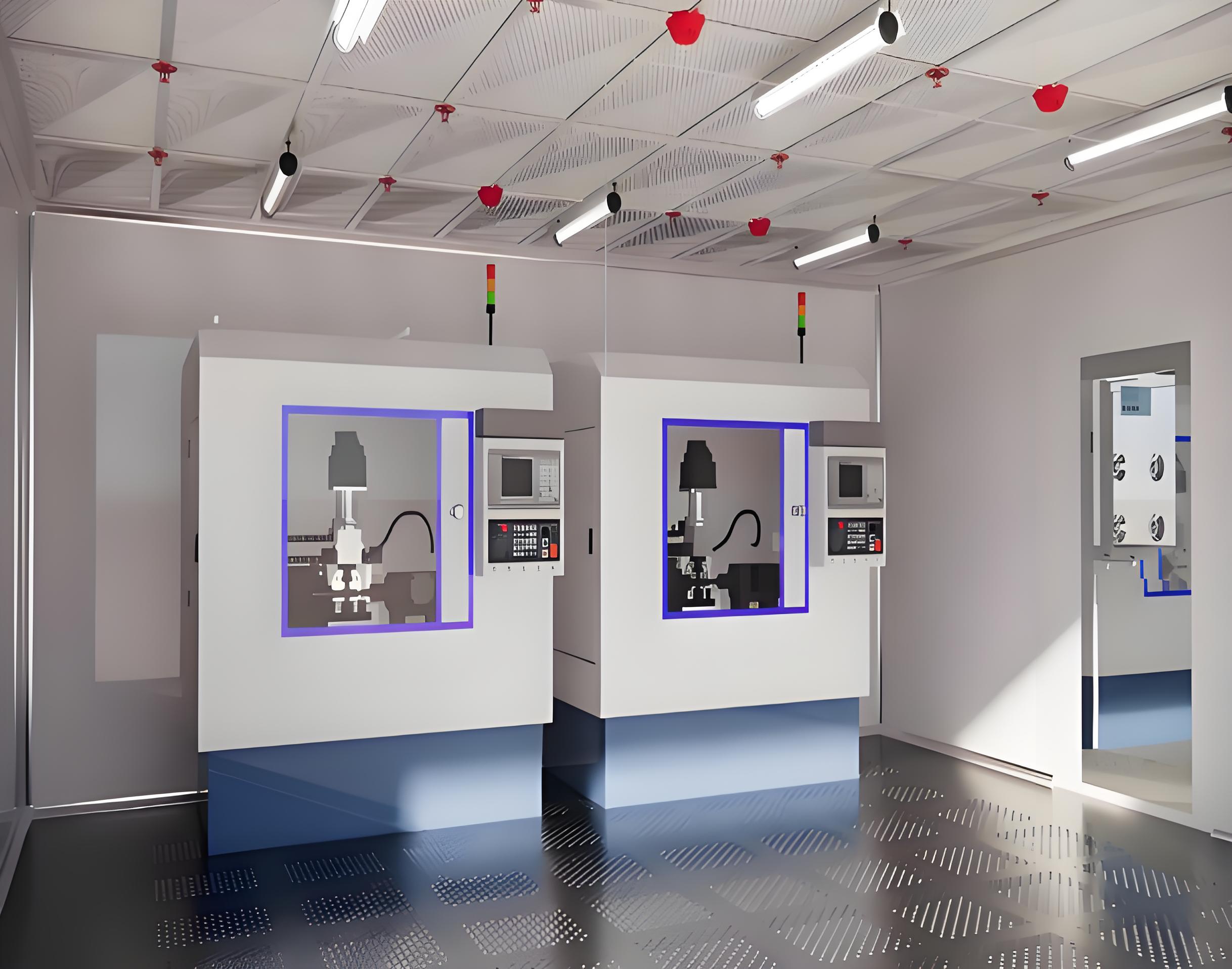
A controlled environment is the backbone of industries like pharmaceuticals, microelectronics, biotechnology, and precision manufacturing. At the heart of this control lies a single, non-negotiable component: the HEPA filter. Effective HEPA filter clean room design is not about merely installing filters; it's a holistic engineering discipline that determines product quality, yield, and safety.
This article breaks down the essential factors, choices, and considerations for a successful clean room project.
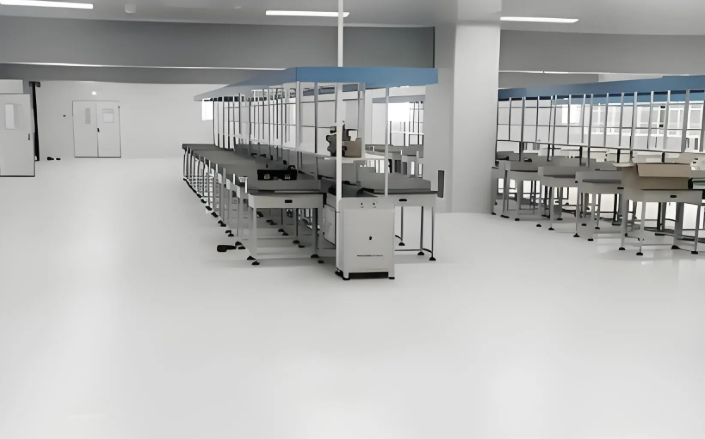
It is the integrated process of planning and constructing a space where airborne particulate contamination is controlled to specified limits. The design revolves around deploying High-Efficiency Particulate Air (HEPA) filters—or their more advanced counterpart, ULPA filters—within a comprehensive architectural and mechanical framework.
The goal is to create a predictable, repeatable airflow pattern (laminar or turbulent) that removes particles generated within the room or infiltrating from outside. Every other design element supports this primary function.
Cleanliness Class & Standards: Your starting point is the ISO Class (e.g., ISO 5, ISO 7, ISO 8). This classification dictates the allowable particle count per cubic meter and directly influences every subsequent design decision. Adherence to ISO 14644 and relevant industry standards (GMP, USP) is mandatory.
Airflow Pattern & Velocity: There are two main types. Laminar (Unidirectional) Flow directs air in parallel streams, typically from the entire ceiling to the floor, and is used in ultra-clean zones like ISO 5 hoods or tunnels. Turbulent (Non-Unidirectional) Flow uses mixed air to dilute contamination and is common in less stringent rooms.
HEPA Filter Selection & Placement: Not all HEPA filters are equal. Consider efficiency (99.99% at 0.3µm for HEPA, 99.999% at 0.12µm for ULPA), construction type (separator or mini-pleat), and fire rating. Their placement in ceiling filter modules or air handling unit plenums is critical.
Air Change Rates (ACH): This is how many times the total room air volume is replaced per hour. Higher ISO classes require dramatically higher ACH (e.g., ISO 5 can require 250-600 ACH, while ISO 8 may need 10-25 ACH). Correct calculation is vital for energy efficiency and performance.
Pressure Cascades: Rooms must be maintained at a higher pressure than adjacent, less clean areas to prevent infiltration of contaminated air. A typical cascade might be: ISO 5 room > ISO 6 corridor > ISO 7 gowning area > outside. Differential pressure monitors are key.
Material & Surface Finishes: Walls, ceilings, and floors must be smooth, non-shedding, crack-free, and easy to clean. Common materials include coated steel panels, fiberglass-reinforced plastic (FRP), and vinyl flooring with coved bases.
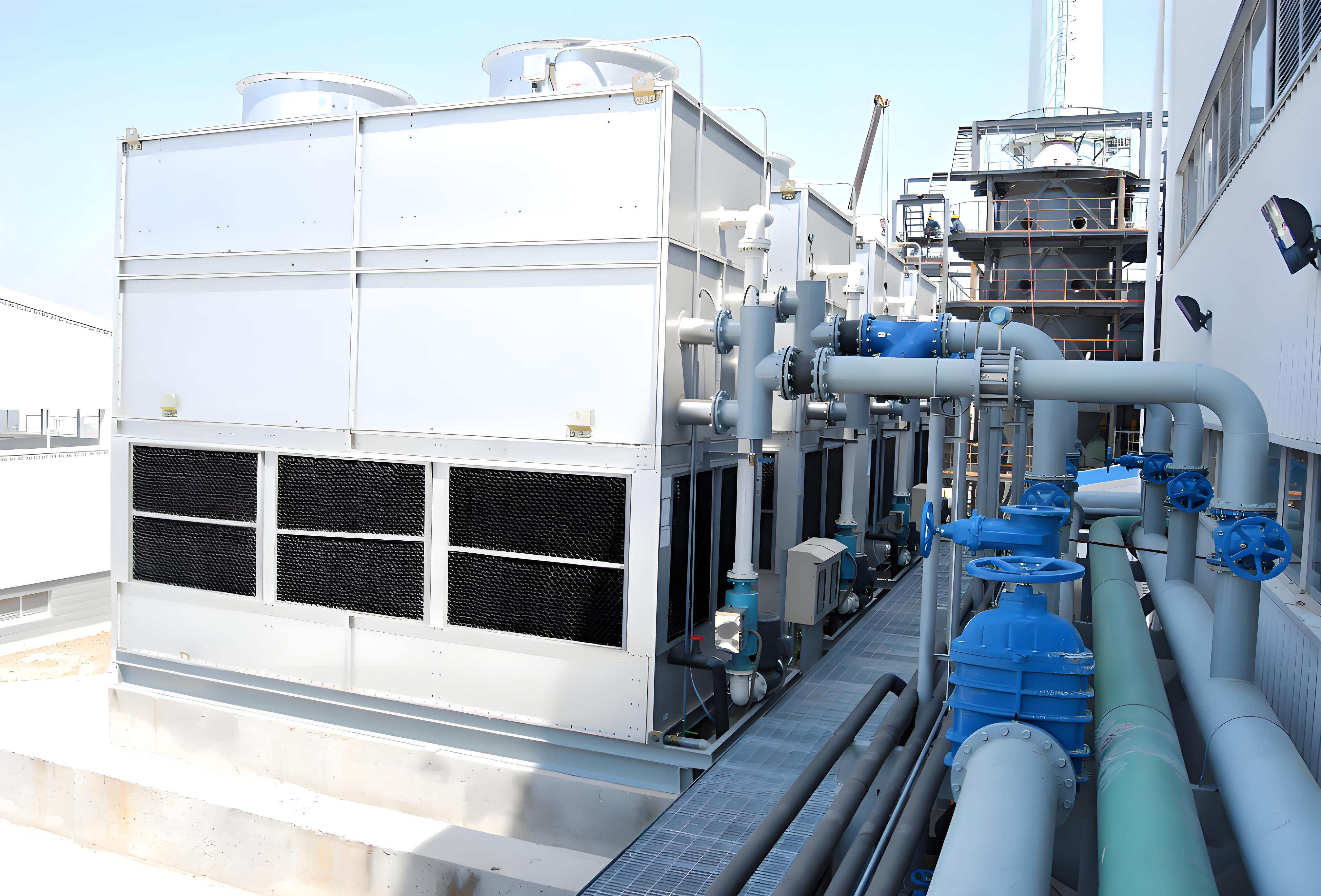
Environmental Control (HVAC): Beyond particle control, the HVAC system must precisely manage temperature and relative humidity. This often requires sophisticated cooling, reheating, and humidity control systems integrated with the filtration airflow.
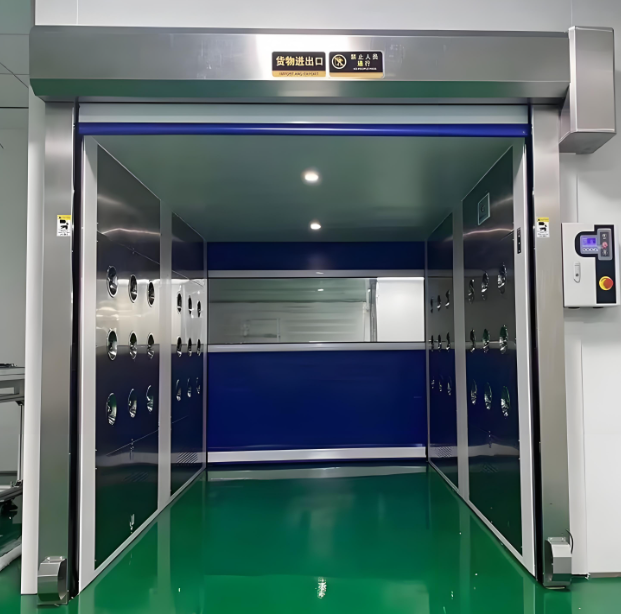
Contamination Control Airlocks & Pass-Throughs: These are essential for personnel and material transfer without compromising the pressure cascade or introducing contaminants. They come as personnel airlocks (PALs) and material airlocks (MALs).
Lighting & Utilities: Sealed, flush-mounted LED fixtures are standard. All utilities (electrical, gases, data) should be introduced through sealed penetrations and designed for easy cleaning.
Validation & Monitoring: A clean room is useless without proof of performance. Design must accommodate routine particle counting, airflow velocity tests, filter integrity testing (DOP/PAO), and pressure differential monitoring.
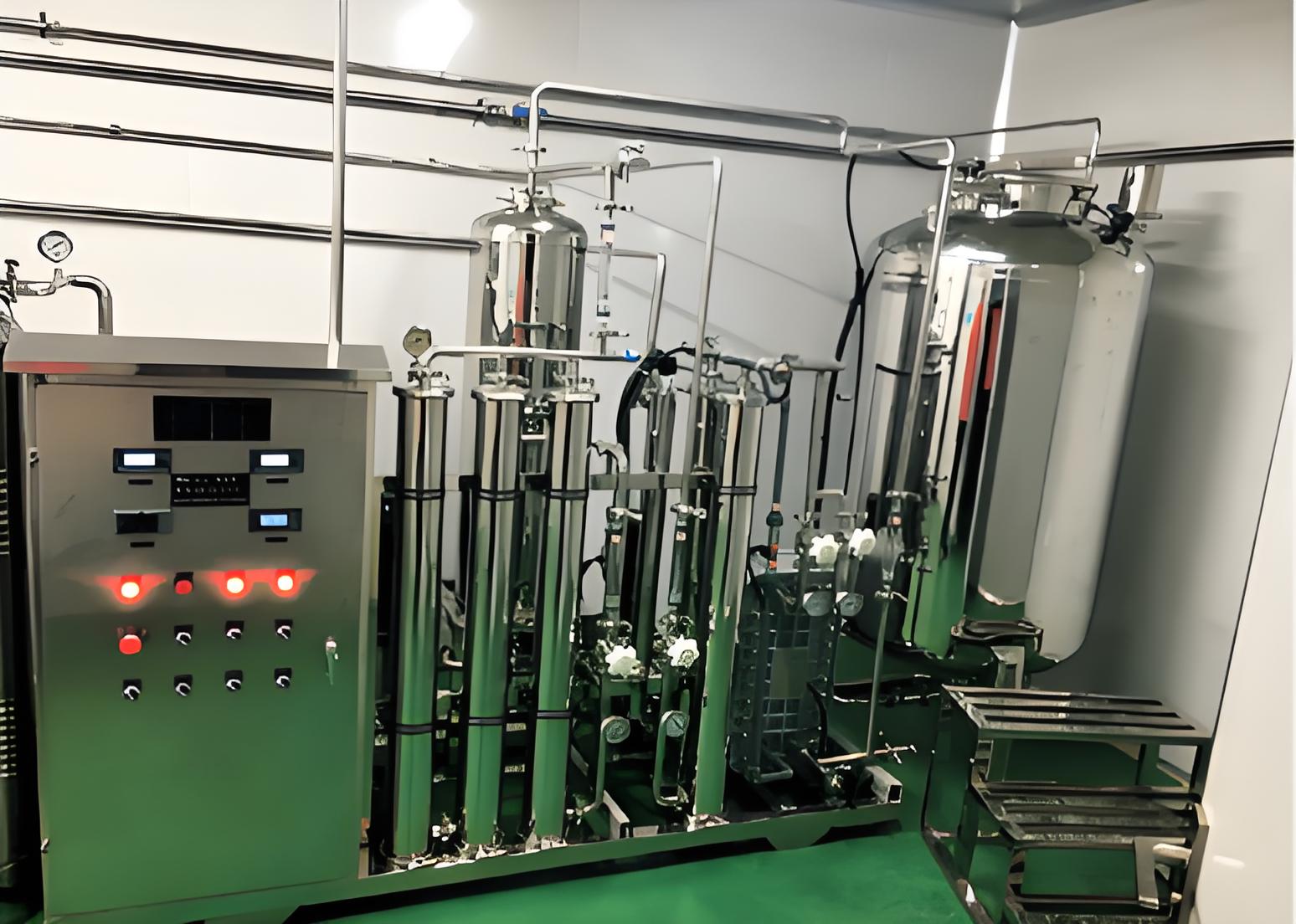
Choosing the right configuration depends on your process and class requirement.
Ballroom Design: A large, open space with turbulent airflow. Best for lower ISO classes (7/8) where entire areas require the same level of control. Offers layout flexibility.
Modular Clean Room (Softwall/Hardwall): Prefabricated panels create enclosed spaces. Highly adaptable, faster to install, and ideal for retrofits or lower-cost projects. TAI JIE ER specializes in high-quality modular systems.
Custom-Built Stick-Built: Traditional construction. Offers the most architectural flexibility for complex, permanent facilities but has longer timelines and can be more susceptible to leakage if not expertly built.
A successful project hinges on the right partner. Look for these qualities:
Proven Expertise: Request detailed case studies in your specific industry.
End-to-End Service: Can they handle design, manufacturing, installation, validation, and certification?
Technical Understanding: They should ask deep questions about your process, contaminants, and operational workflow.
Compliance Knowledge: They must be fluent in the regulatory standards you must meet.
Focus on Quality: Assess the materials they specify and the craftsmanship of past projects.
TAI JIE ER brings over two decades of this integrated expertise to the table. Our engineers focus on creating customized HEPA filter clean room design solutions that are not only compliant but also operationally efficient and cost-effective over their lifecycle.
Costs vary widely. Key drivers include:
ISO Classification (higher class = exponentially higher cost).
Room Size and Layout Complexity.
Environmental Control Requirements (tight temp/RH tolerances are expensive).
Material Selection (premium panels vs. basic).
Level of Customization for process equipment integration.
Long-term operational costs, especially energy for high ACH.
Investing in a robust design with quality components from the start reduces costly modifications and operational failures later.
The field of HEPA filter clean room design is evolving. Smart monitoring with IoT sensors allows for real-time, remote performance tracking. Energy recovery ventilators (ERVs) are being integrated to reduce the massive energy load of conditioning 100% fresh air. There is also a growing use of computational fluid dynamics (CFD) simulation during the design phase to visualize and optimize airflow before construction begins.
A well-executed HEPA filter clean room design is a strategic asset. It mitigates risk, ensures regulatory compliance, and protects your critical products and processes. By focusing on the ten core factors and partnering with an experienced firm like TAI JIE ER, you can navigate the complexities of design, construction, and validation to achieve a facility that delivers reliability and value for years to come.
Q1: How often do HEPA filters in a clean room need to be replaced?
A1: HEPA filters themselves have a long service life, often 5-10 years, if the pre-filter system is maintained properly. They are not replaced on a fixed schedule but based on airflow resistance (pressure drop) reaching a specified limit or failing an integrity test (DOP/PAO test). Regular testing is crucial.
Q2: What is the difference between a "clean room" and a "clean zone"?
A2: A clean room is an entire room or suite where the controlled environment is maintained. A clean zone is a localized area within a less clean or uncontrolled room where cleanliness is maintained, such as a laminar flow hood or an isolator. The design principles for the clean zone's HEPA filter clean room design are similar but on a smaller, more focused scale.
Q3: Can an existing room be converted into a clean room?
A3: Yes, through a retrofit using modular clean room construction. Hardwall or softwall panels, a dedicated air handling system with HEPA filtration, and appropriate finishes can transform a standard space. This is often more cost-effective and faster than new construction. TAI JIE ER frequently executes such retrofit projects.
Q4: Why is room pressurization so important in clean room design?
A4: Positive pressure acts as an invisible barrier. It ensures that when a door is opened or a leak exists, air flows out of the clean room into the less clean area, preventing unfiltered, contaminated air from being drawn in. This is fundamental to maintaining the ISO class.
Q5: What are the biggest operational challenges in maintaining a clean room?
A5: The main challenges are: 1) Personnel Discipline: Humans are the largest contamination source; strict gowning and procedural protocols are essential. 2) Maintaining Pressure Cascades: Balancing airflow to keep correct pressure differentials can be sensitive. 3) Filter Integrity: Ensuring HEPA seals remain perfect and filters are not damaged. 4) Energy Costs: The high air change rates require significant HVAC energy, making efficiency a constant concern.