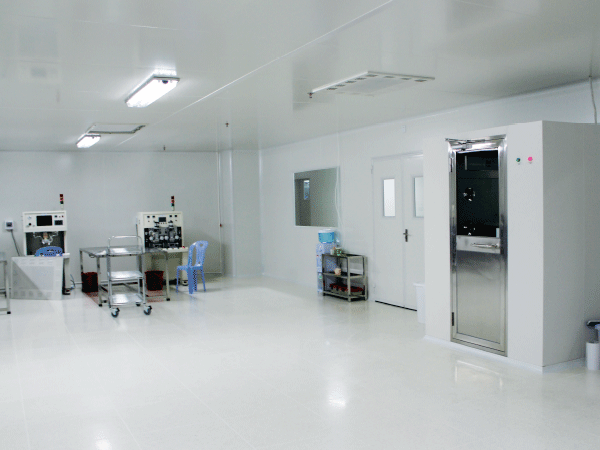

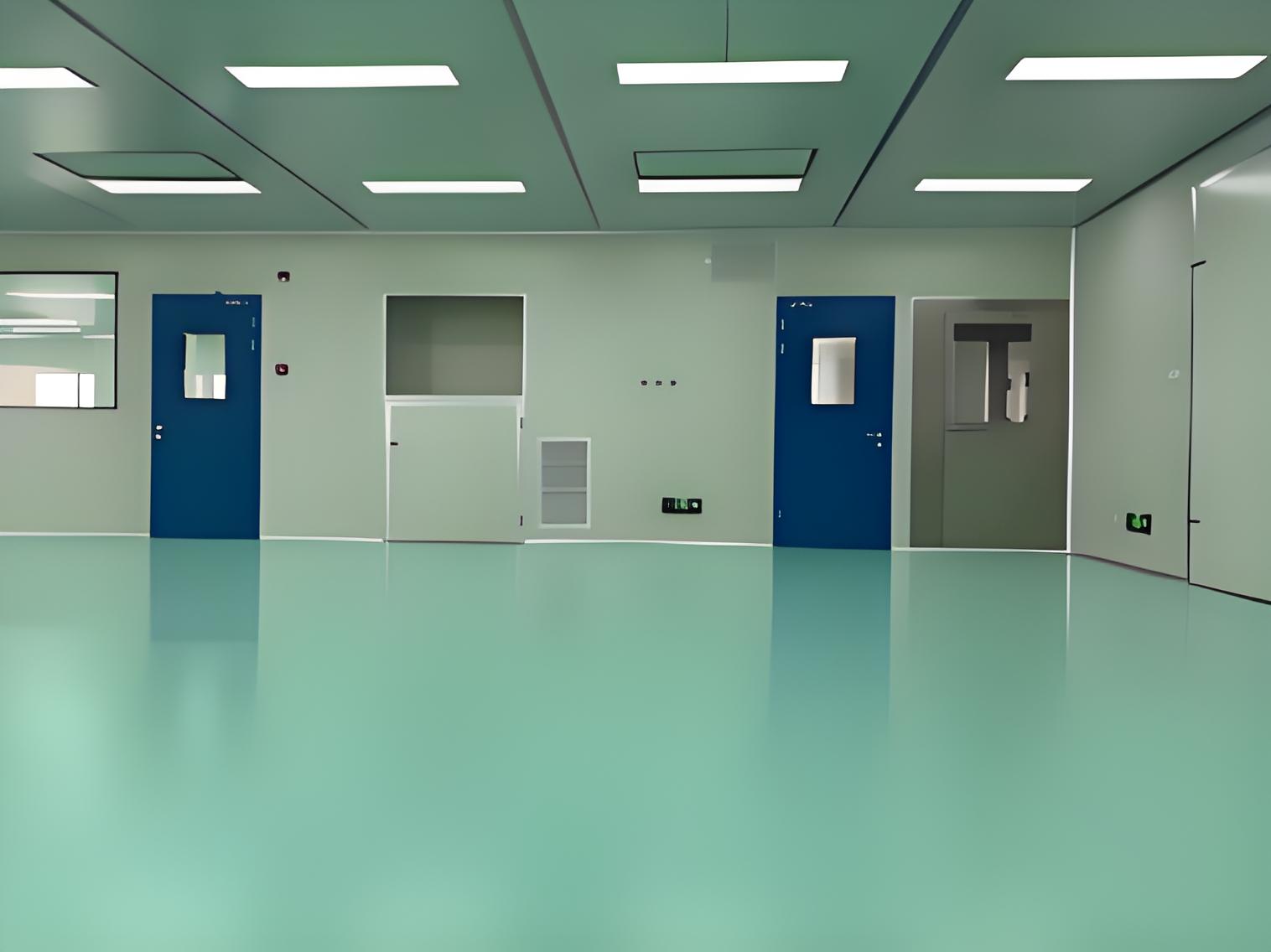
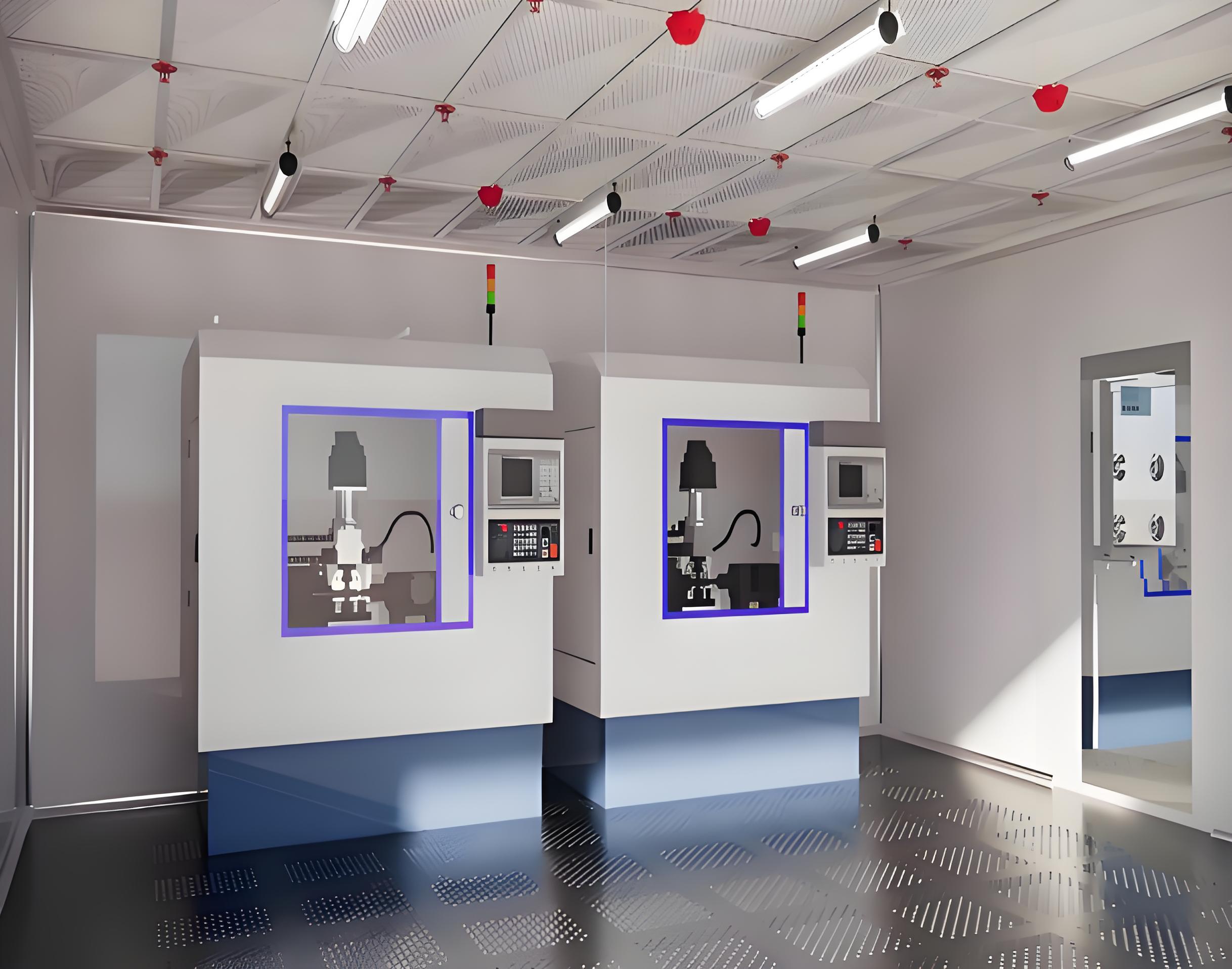
Creating an efficient, safe, and productive histology laboratory is a complex task. A successful histology lab design directly impacts workflow, staff morale, turnaround times, and diagnostic accuracy. It’s more than just placing equipment in a room; it’s a deliberate planning process that considers workflow, safety, and future growth.
This guide outlines the critical steps and considerations for designing a histology facility that meets today’s standards and tomorrow’s challenges.
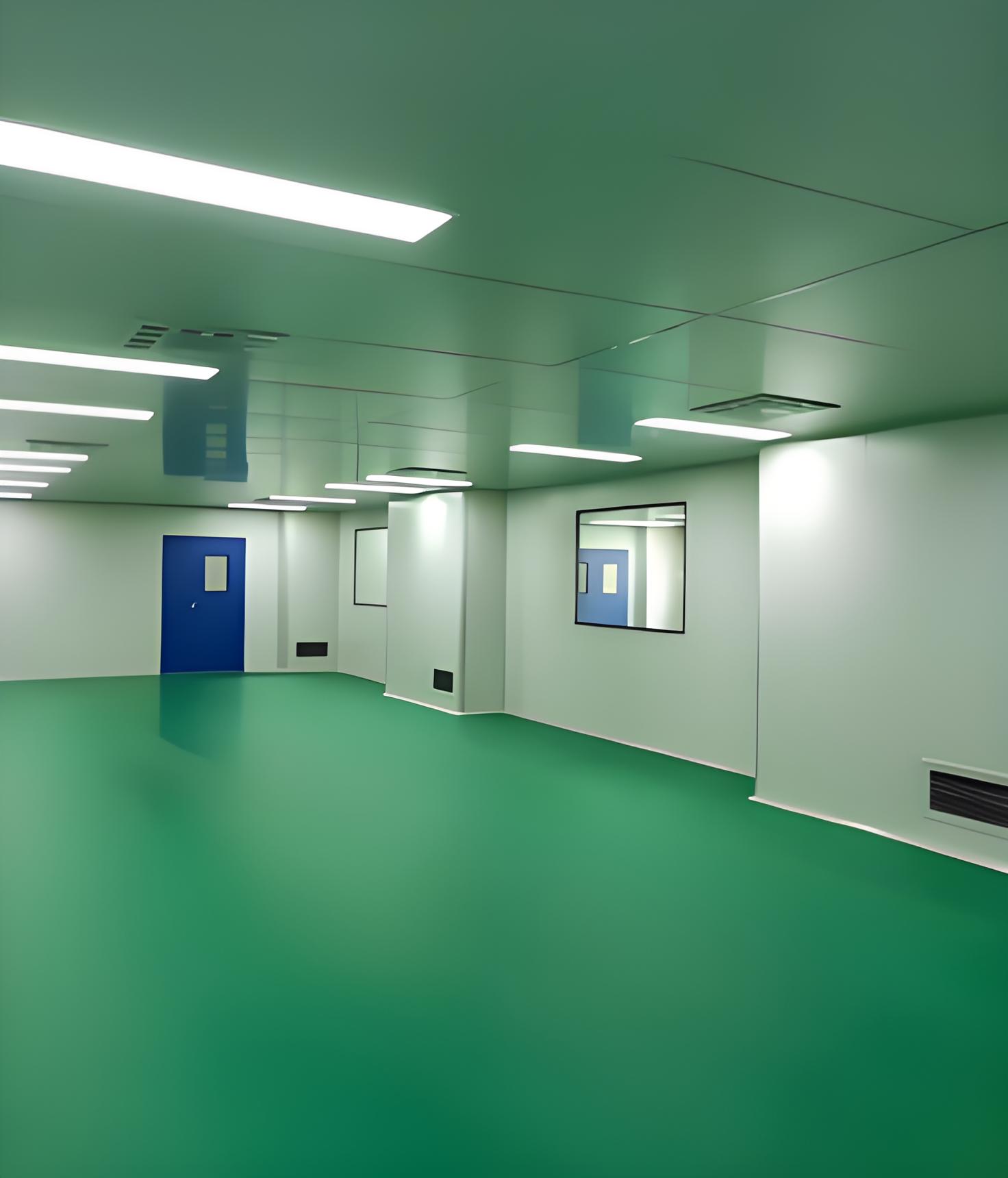
Histology lab design is the specialized planning and construction of spaces where biological tissues are processed, sectioned, stained, and analyzed. The core goal is to create a logical, unidirectional workflow that minimizes cross-contamination, ensures personnel safety from chemical and biological hazards, and maximizes efficiency.
A well-designed lab separates pre-analytical, analytical, and post-analytical zones while integrating proper ventilation, utility management, and ergonomic principles.
The foundation lies in understanding the daily workflow. The design must support a smooth, linear progression of specimens.
Unidirectional Workflow: This is non-negotiable. Specimens should move in one direction: from accessioning and grossing, through processing and embedding, to microtomy, staining, and finally to microscopy and archiving. Backtracking increases contamination risk and inefficiency.
Dedicated Zone Separation: A modern lab is divided into distinct physical or air-controlled zones.
Grossing Room: Requires robust ventilation (often ducted fume hoods or downdraft tables), ample lighting, and easy-to-clean surfaces. It’s a high biohazard area.
Tissue Processing Area: Houses automated processors. Ventilation is critical here to manage solvent vapors (e.g., xylene, formaldehyde).
Embedding Center Zone: Generates heat and requires dedicated cooling for wax dispensers.
Microtomy Area: Must be draft-free to prevent tissue block and ribbon disruption. Vibration control is also a key consideration.
Staining Area: For both manual and automated stainers. Requires careful plumbing for water supply and waste, and ventilation for solvent-based coverslipping.
Ventilation & Fume Control: This is a primary safety concern. Proper histology lab design employs a combination of general room exhaust and local exhaust ventilation (LEV). Chemical fume hoods in grossing and snorkels near stainers are essential to protect staff from volatile organic compounds (VOCs) and formalin vapor.
Ergonomics & Staff Safety: Repetitive strain injuries are a risk. Design should incorporate adjustable height workbenches, ergonomic seating for microtomy, anti-fatigue matting, and easy access to equipment. Clear visibility and open sightlines can improve supervision and communication.
The choice of layout significantly impacts operations.
Open-Plan Layout: Creates a large, open space with benches arranged by workflow. Promotes collaboration and supervision, and offers flexibility for reconfiguration. However, it requires excellent overall ventilation and can be noisy. Controlling airborne cross-contamination (e.g., dust from microtomy) is more challenging.
Modular Room-Based Layout: Separates major functions into dedicated rooms (e.g., a grossing room, a staining room). This best contains chemical vapors, biohazards, and dust. It offers superior contamination control and a quieter environment for focused tasks like microscopy. However, it uses more floor space and can feel less collaborative.
Most modern designs use a hybrid approach, isolating high-hazard areas (grossing) while keeping related low-hazard processes (embedding, microtomy) in controlled open zones.
Your histology lab design must accommodate both current and future technology.
Utility Planning: Provide abundant, correctly located electrical outlets, data ports, and compressed air lines. Plan for pure water lines and specialized drainage for automated stainers.
Space for Automation: Allocate space and utilities for future automated stainers, slide labelers, and tissue processors. Oversizing main service corridors simplifies future equipment installation.
Digital Pathology Ready: As labs transition to whole-slide imaging, design must include dedicated, vibration-controlled, and properly lit scanning stations with robust data cabling infrastructure.
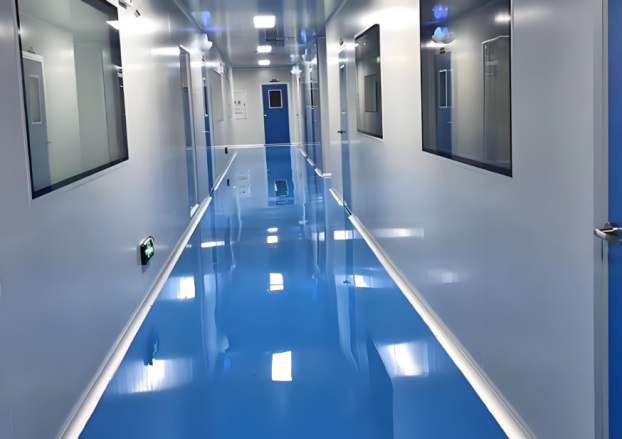
A specialized partner like TAI JIE ER understands the nuances of laboratory planning. When selecting a vendor, ask:
Can you share case studies of completed histology labs?
How do you approach ventilation and fume extraction calculations?
Are your designs compliant with key standards (e.g., CAP, CLIA, local building codes)?
What is your process for involving our lab staff in the planning phase?
Can you provide a custom histology lab design that fits our specific workflow and volume, not just a generic template?
TAI JIE ER’s team works closely with histotechnologists and pathologists to translate operational needs into a functional, safe, and compliant physical layout.
Costs are influenced by several factors:
Scope: New build vs. renovation of existing space.
Level of Finish: Epoxy resin countertops and seamless flooring are standard for chemical resistance but vary in cost.
Mechanical Systems: The complexity of the HVAC and fume extraction system is a major cost driver. Energy-efficient systems may have higher upfront costs but lower operating expenses.
Level of Customization: Custom cabinetry for specific instruments or unique workflow needs will add cost but improve long-term efficiency.
Investing in a well-considered design reduces costly change orders during construction and prevents operational inefficiencies that last for decades.
Material selection is critical for durability and safety.
Countertops: Use chemically resistant, heat-tolerant, and seamless materials like epoxy resin or phenolic laminate.
Flooring: Sheet vinyl with heat-welded seams and coved bases prevents liquid seepage and allows easy cleaning.
Cabinetry: Choose powder-coated steel or chemical-resistant polymer cases. Stainless steel is ideal for grossing areas.
Walls & Ceilings: Smooth, impervious, and cleanable surfaces are required. Glossy paint or fiberglass-reinforced plastic (FRP) panels are common.
A thoughtful, detailed approach to histology lab design is an investment in quality, safety, and productivity. By prioritizing unidirectional workflow, rigorous hazard containment, and staff ergonomics, you create an environment that supports excellent patient diagnostics and a positive work culture.
Partnering with an experienced firm that offers custom histology lab design services ensures your facility is not just built to code, but built for optimal performance. TAI JIE ER specializes in turning these complex requirements into a reality.
Q1: What is the most common mistake in histology lab design?
A1: The most common mistake is failing to establish a true unidirectional workflow. This often happens when space is too limited or planning doesn’t involve the end-users (histotechnologists). Backtracking or crisscrossing of specimens and materials increases contamination risk and creates daily logistical frustrations.
Q2: How important is ventilation in the microtomy area?
A2: While fume extraction isn't typically needed, air handling is crucial. The area must be draft-free to prevent problems with sectioning paraffin ribbons. However, some designs incorporate very low-volume local exhaust to remove fine paraffin particles and minimize background contamination on slides.
Q3: Can we design a histology lab to be easily expanded later?
A3: Yes, with foresight. A modular histology lab design approach using demountable partitions is ideal. More importantly, the main mechanical systems (HVAC, electrical) can be oversized or designed with extension points to easily serve an expanded lab area in the future. Discuss future growth plans with your design partner like TAI JIE ER from the start.
Q4: What are the key regulatory standards affecting the design?
A4: Labs must comply with a combination of standards: College of American Pathologists (CAP) checklist requirements, OSHA standards for chemical and biological safety (especially formaldehyde exposure limits), local building codes for fire and plumbing, and often NFPA guidelines. A good design-build firm will navigate all these.
Q5: How much space per technolo