
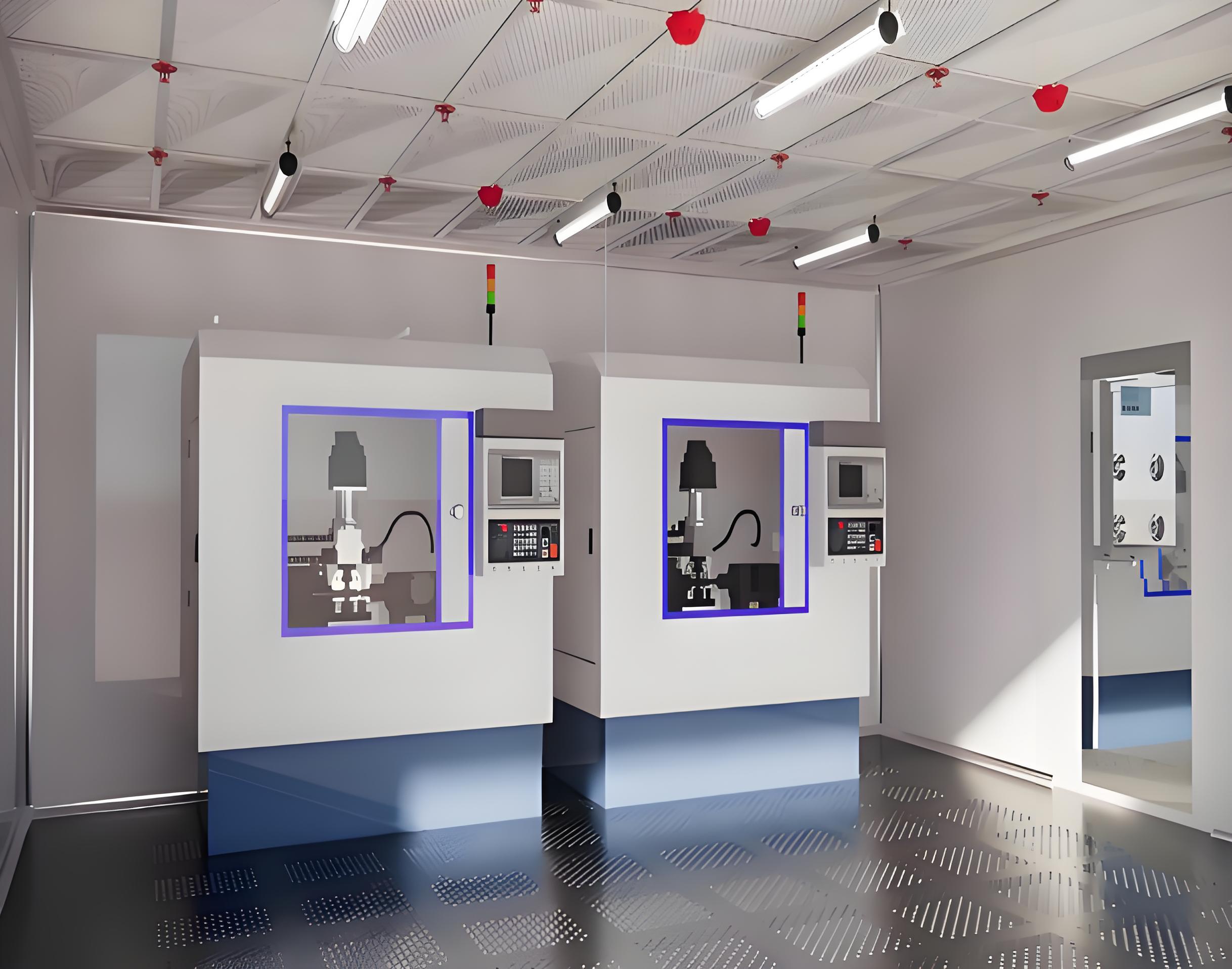
Designing a histopathology laboratory is a complex, critical task. It goes far beyond simply placing equipment in a room. A successful histopathology lab design directly impacts diagnostic accuracy, staff safety, operational workflow, and compliance with stringent international standards. This blog outlines the ten essential elements that must be considered for a functional, safe, and future-ready facility.
creates a structured environment where precision and safety are paramount. From receipt to diagnosis, every step requires careful spatial and engineering consideration. Specialists like TAI JIE ER understand that integrating architectural, engineering, and workflow principles is non-negotiable for a high-performing lab.
The first rule in histopathology lab design is establishing clear, unidirectional workflow zones. This prevents cross-contamination and streamlines the specimen journey.
Key zones include:
Specimen Receipt & Accessioning: A controlled area for logging and initial handling.
Grossing Station: The most critical containment area, requiring specific biosafety and ventilation controls.
Tissue Processing & Embedding: Spaces for automated processors and embedding centers.
Microtomy Sectioning: A dedicated, draft-free area for precise cutting.
Staining & Coverslipping: Zones for automated stainers and manual benches.
Pathologist Review & Reporting: Quiet, ergonomic spaces for microscopes and digital pathology systems.
A linear, forward-moving workflow is the hallmark of efficient histopathology laboratory planning.
Air handling is arguably the most critical engineering aspect. Proper histopathology lab ventilation design protects staff from hazardous chemical vapors (like formalin and xylene).
Essential features include:
Negative Pressure Grossing Stations: These contained workstations, with dedicated exhaust, capture harmful fumes at the source.
Chemical Fume Hoods: For manual staining and handling of volatile substances.
Room Air Changes: High air change rates per hour (ACH) in chemical areas ensure rapid removal of contaminants.
Differential Pressure Cascades: Maintaining pressure gradients between zones (e.g., grossing room negative to corridors) contains airborne risks.
This focus on laboratory air quality is a non-negotiable standard in international clean engineering for medical labs.
The histopathology lab environment is harsh. Surfaces must withstand constant exposure to chemicals, dyes, and disinfectants.
Material selection is crucial:
Countertops: Epoxy resin, phenolic resin, or stainless steel offer excellent chemical and heat resistance.
Flooring: Seamless, chemical-resistant vinyl or epoxy floors with coved bases prevent liquid seepage and allow easy cleanup.
Walls & Ceilings: Smooth, non-porous, cleanable finishes that can withstand frequent decontamination.
Choosing the right materials ensures longevity, maintains lab cleanliness, and supports infection control protocols.
Technologists spend hours at microscopes and microtomes. Ergonomic laboratory design reduces repetitive strain injuries and boosts productivity.
Considerations include:
Adjustable-height chairs and workbenches.
Microscope stations with forearm supports and proper monitor placement.
Ample, task-appropriate lighting at each workstation.
Easy access to frequently used tools and reagents.
An ergonomic histopathology workspace is a direct investment in staff well-being and sustained output quality.
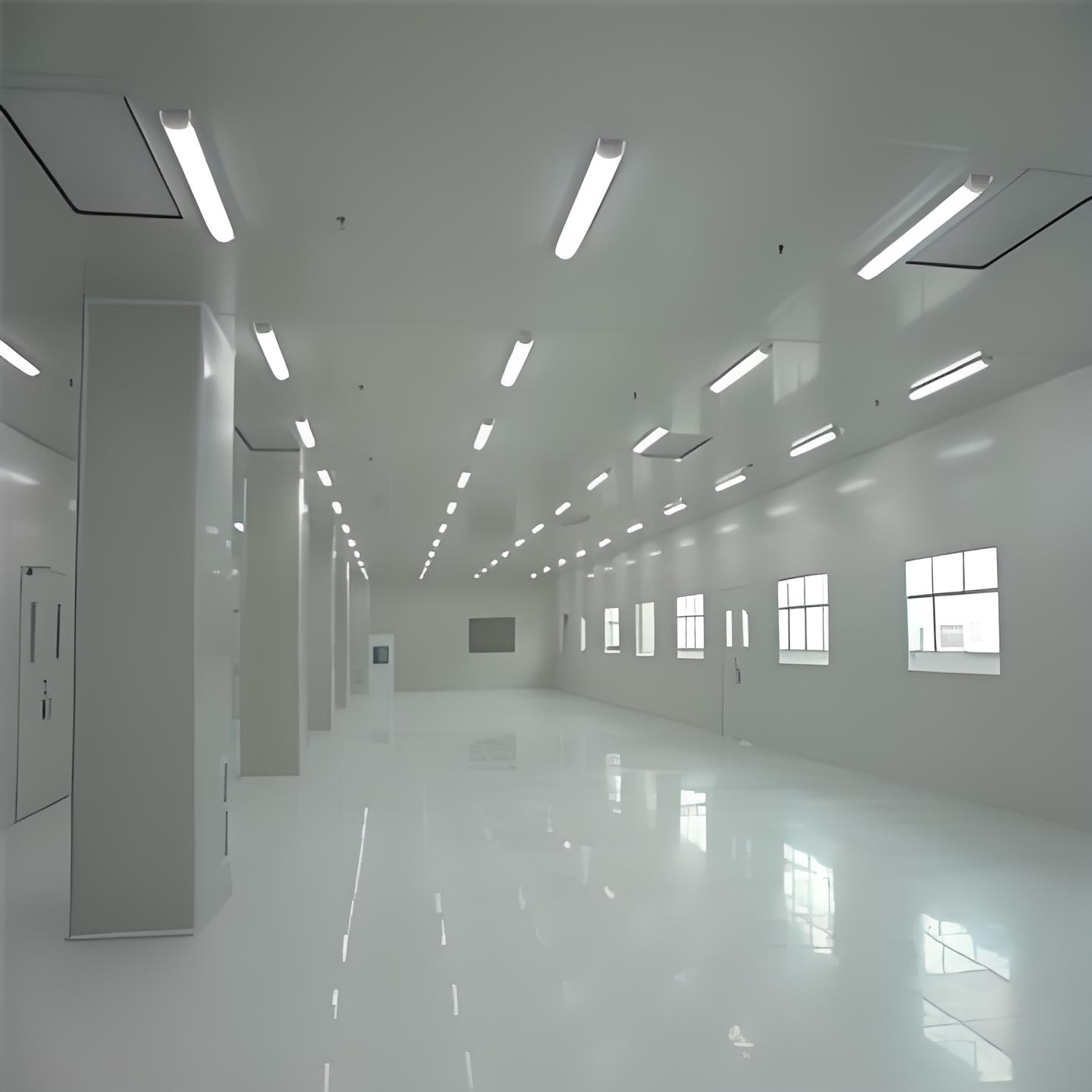
A modern histopathology lab is utility-intensive. Detailed early planning for all services is vital.
This includes:
Electrical: Sufficient outlets, dedicated circuits for major equipment, and backup power (UPS/Genset) for critical devices like tissue processors and freezers.
Plumbing: Direct feed and drain lines for automated stainers, processors, and glassware washers. Emergency eyewash/shower stations in chemical areas.
Data & Connectivity: High-bandwidth data ports for digital pathology scanners, LIMS, and networked microscopes. Cable management is key.
Firms with deep cleanroom engineering expertise, such as TAI JIE ER, excel at integrating these complex utilities seamlessly into the lab layout.
Safety systems must be proactive and integral to the lab design.
Mandatory elements are:
Chemical Spill Kits and absorbent materials in easy-to-reach locations.
Eyewash Stations within 10 seconds of chemical use areas.
Emergency Showers for grossing rooms.
Appropriate Storage: Flammable safety cabinets for alcohols/xylene and ventilated acid/cabinet storage.
Clear Signage for hazards, PPE requirements, and emergency procedures.
A safe histopathology facility design proactively mitigates risks for all personnel.
Histopathology labs generate vast amounts of materials: blocks, slides, chemicals, and supplies. Smart storage is essential.
Plan for:
Compact Mobile Shelving for archived blocks and slides, maximizing floor space.
Chemical Storage Cabinets (flammable, corrosive) segregated from workstations.
Specimen Storage: Secure, refrigerated storage for fresh specimens.
Supply Storage: Organized closets for bulk reagents, personal protective equipment (PPE), and clean glassware.
Efficient storage supports lab workflow optimization and reduces clutter.
Lighting in a histopathology laboratory serves two purposes: precise task illumination and comfortable ambient light.
A dual-layer approach works best:
High-Quality Task Lighting: Adjustable, color-corrected LED lights at microtomy and grossing stations for accurate color rendition.
General Ambient Lighting: Uniform, glare-free overhead lighting to reduce eye strain during long microscopy sessions.
Proper lighting design is a critical, yet often overlooked, component of diagnostic accuracy.
Technology in pathology evolves rapidly. A rigid lab design becomes obsolete quickly.
Incorporate flexibility through:
Modular, movable casework and benches.
Oversized utility chases or raised floors for easy future re-routing of services.
Allocating “soft space” that can be easily adapted for new equipment like advanced stainers or digital scanners.
Future-proofing your histopathology lab design protects your long-term investment.
Finally, the design must adhere to all relevant regulations. Key standards include:
ISO 15189 for medical laboratories.
CDC/NIH Biosafety Guidelines (especially for grossing).
NFPA 45 for fire protection in labs.
Local Building and Ventilation Codes.
Navigating this regulatory landscape requires expertise. Partnering with a seasoned firm ensures your histopathology facility meets all safety and operational benchmarks from day one. As a leader in specialized clean engineering, TAI JIE ER consistently integrates these standards into practical, high-performance laboratory solutions.
Q1: What is the single most important safety feature in a histopathology lab design?
A1: The most critical safety feature is a properly engineered ventilation system, specifically negative pressure, source-capture containment at grossing stations. This directly controls exposure to formalin and other hazardous airborne chemicals, protecting staff health as mandated by OSHA and international safety standards.
Q2: How much space should be allocated per person in the microtomy area?
A2: While needs vary, a good rule of thumb is to allocate a minimum of 50-60 square feet per microtomy workstation. This allows for the microtome, a cooling/work area, slide storage, and comfortable ergonomic movement without crowding, which is crucial for both safety and precision in histopathology lab operations.
Q3: Can digital pathology integration be planned into a new lab design?
A3: Absolutely. In fact, it should be a core consideration. This involves planning for high-capacity data cabling, adequate electrical outlets, space for whole-slide scanners, and designing review stations with optimized lighting for digital screens. Proactive planning for digital pathology infrastructure avoids costly retrofits later.
Q4: Why is a unidirectional workflow so emphasized in histopathology laboratory design?
A4: A unidirectional workflow (from dirty to clean, from raw specimen to final report) is emphasized to prevent cross-contamination. It ensures that processed tissue blocks or stained slides do not cross paths with fresh, potentially biohazardous specimens, thereby safeguarding both sample integrity and technician safety.
Q5: What role does a consultant like TAI JIE ER play in the design process?
A5: A specialized consultant provides end-to-end expertise. They translate pathologists' operational needs into a detailed architectural and engineering plan, ensure compliance with complex international codes, manage vendor coordination for critical systems like HVAC, and oversee construction to ensure the final build matches the designed intent for safety and efficiency.