
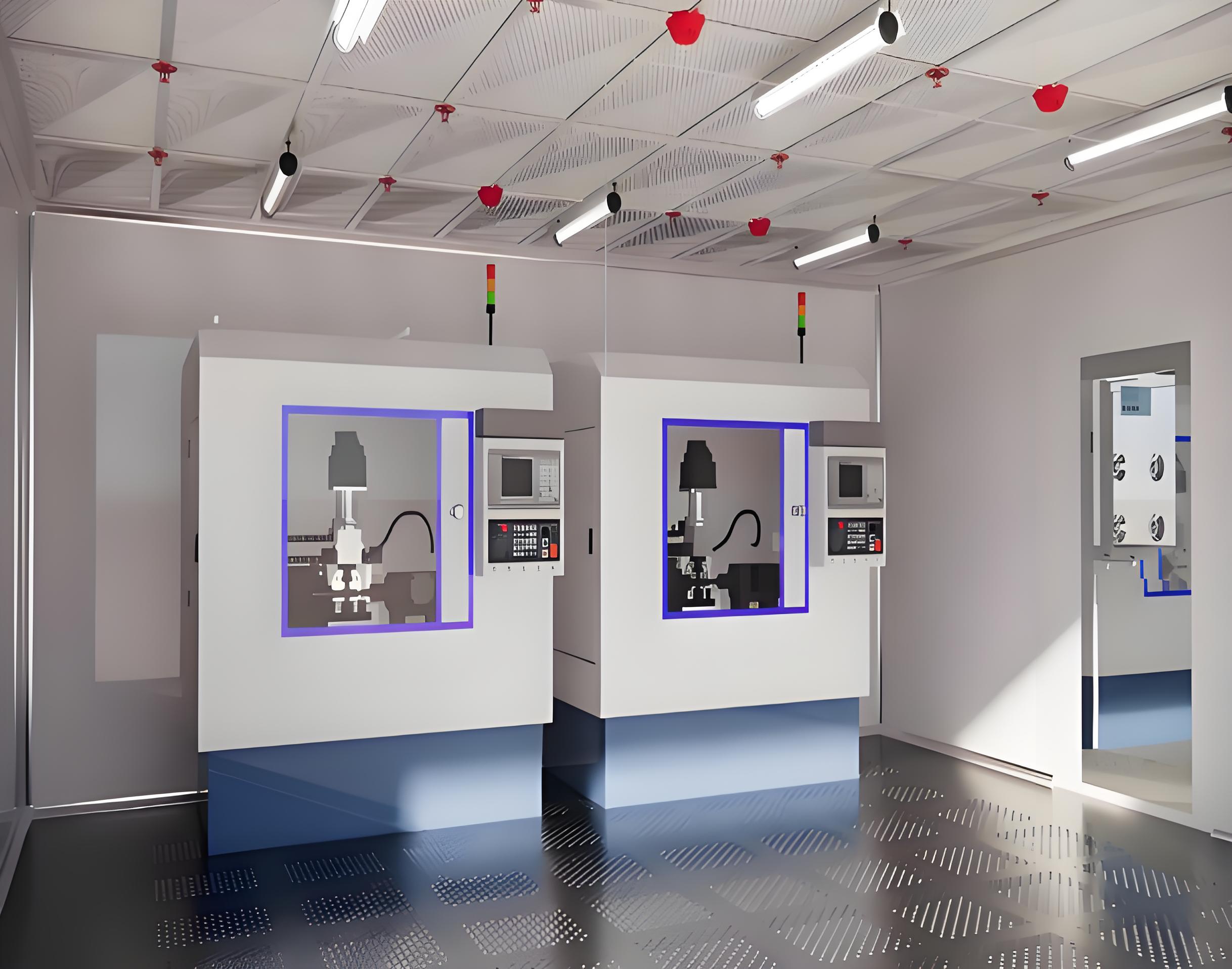
Designing a histopathology laboratory is a complex, critical undertaking. A well-planned lab directly impacts diagnostic accuracy, staff safety, operational workflow, and compliance with stringent international standards. This article outlines the essential considerations for effective histopathology laboratory design, focusing on the integration of clean engineering principles for a functional and safe diagnostic environment.
Successful histopathology lab design goes beyond aesthetics. It requires a deep understanding of the workflow, from specimen receipt to final diagnosis. Every design decision must prioritize specimen integrity, personnel protection, and contamination control.
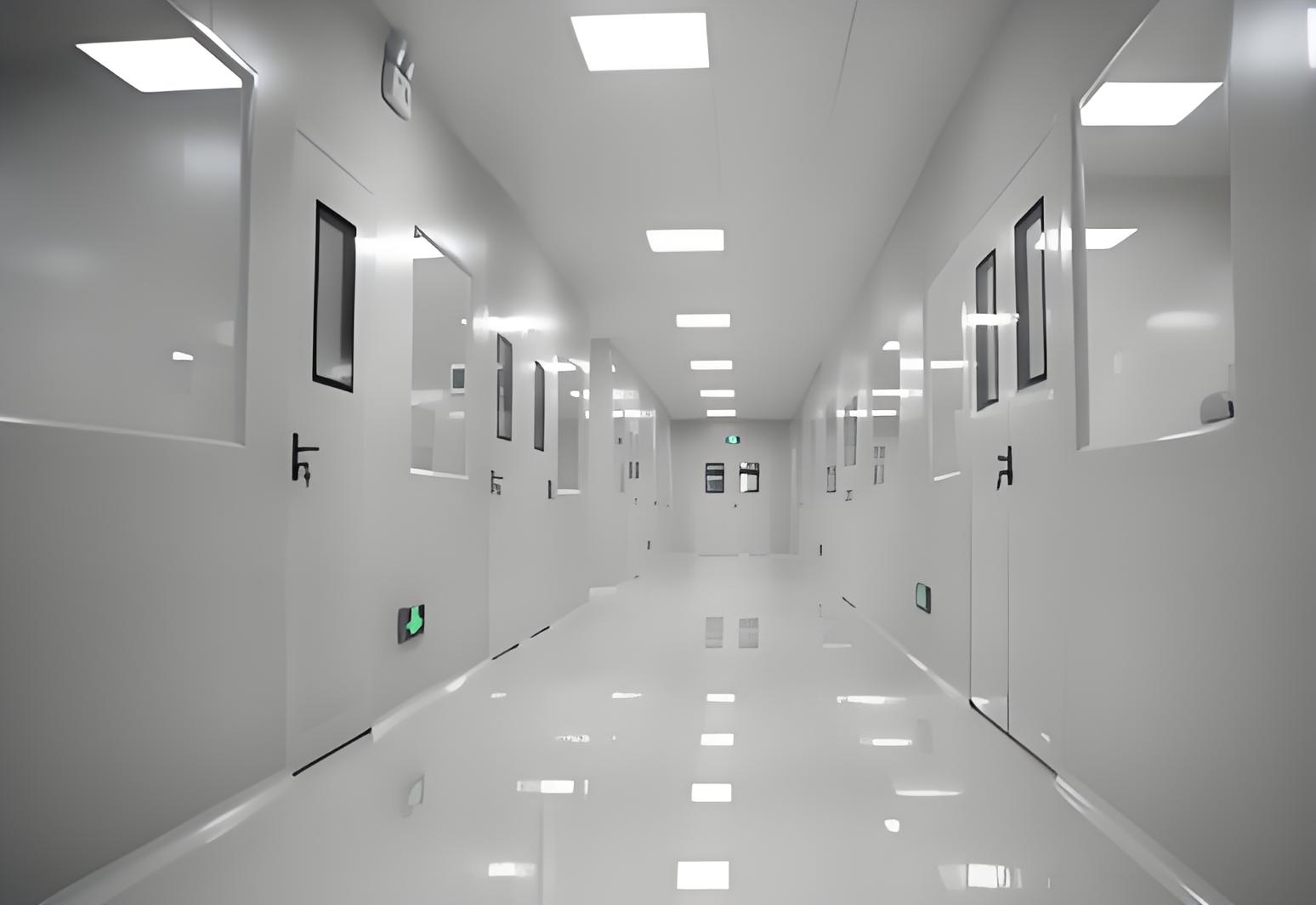
The foundation of any histopathology laboratory design rests on three pillars: workflow efficiency, biosafety, and regulatory compliance. The layout must facilitate a unidirectional flow of specimens to prevent cross-contamination. Separate, clearly defined pathways for clean and dirty materials are non-negotiable.
Biosafety is paramount. The design must incorporate primary and secondary containment barriers. This includes certified Biological Safety Cabinets (BSCs) for high-risk specimens, proper ventilation, and readily accessible safety equipment. Compliance with standards like ISO 14644 for cleanrooms and local building codes is mandatory from the outset.
A logical division of space is crucial. The typical histopathology laboratory design segments into distinct, dedicated zones:
Specimen Reception and Accessioning: A controlled entry point for logging and triaging samples.
Grossing Station: This area requires robust ventilation (often ducted downdraft tables), ample lighting, and easy-to-clean surfaces. It is a critical containment point.
Tissue Processing Area: Houses processors and should be well-ventilated to manage chemical fumes.
Embedding and Microtomy Zone: Requires precise environmental control (temperature and humidity) for optimal paraffin block and section quality.
Staining Area: Designed for safe handling of chemical stains, with appropriate storage and waste segregation.
Coverslipping and Drying: A clean area to prevent artifacts on prepared slides.
Pathologist Review and Reporting: Quiet, ergonomic spaces for microscopy and digital pathology workstations.
Each zone in the histopathology laboratory layout must have defined air pressure relationships to protect sensitive areas from particulates and chemical aerosols.
Ventilation is the lifeblood of a safe histopathology laboratory design. The HVAC system must provide:
Controlled Airflow: Directional airflow from clean to less clean areas.
Adequate Air Changes per Hour (ACH): High ACH rates in grossing and staining areas to remove hazardous vapors.
Filtration: HEPA filtration may be required in embedding and microtomy zones to protect specimens from dust.
Negative Pressure: Maintaining negative pressure in chemical and biohazardous areas prevents the spread of contaminants to other lab sections or corridors.
These principles align directly with international clean engineering practices, ensuring a controlled microenvironment. Specialists like TAI JIE ER integrate these complex HVAC solutions seamlessly into the overall laboratory planning process, ensuring both safety and energy efficiency.
Equipment placement dictates workflow. In histopathology lab design, the goal is to minimize unnecessary movement. Placing tissue processors close to the grossing station, and embedding centers adjacent to microtomes, creates a smooth linear workflow.
Ergonomics reduce fatigue and repetitive strain injuries. Adjustable-height grossing tables, comfortable seating for microscopists, and easily accessible storage are essential details. Planning for equipment servicing, clearance, and future technology upgrades during the design phase prevents costly retrofits.
Surfaces must withstand harsh chemicals, frequent disinfection, and heavy use. Recommended materials include:
Epoxy Resin Countertops: Seamless, chemical-resistant, and durable.
Stainless Steel Sinks and Backsplashes: Ideal for grossing areas.
Coved Flooring: Seamless, chemical-resistant vinyl or epoxy flooring with integral coving prevents microbial growth in corners.
Non-porous, Cleanable Walls: High-performance wall coatings or fiberglass-reinforced panels (FRP) are standard.
Material choice is a cornerstone of compliant histopathology laboratory design, directly affecting long-term maintenance and decontamination protocols.
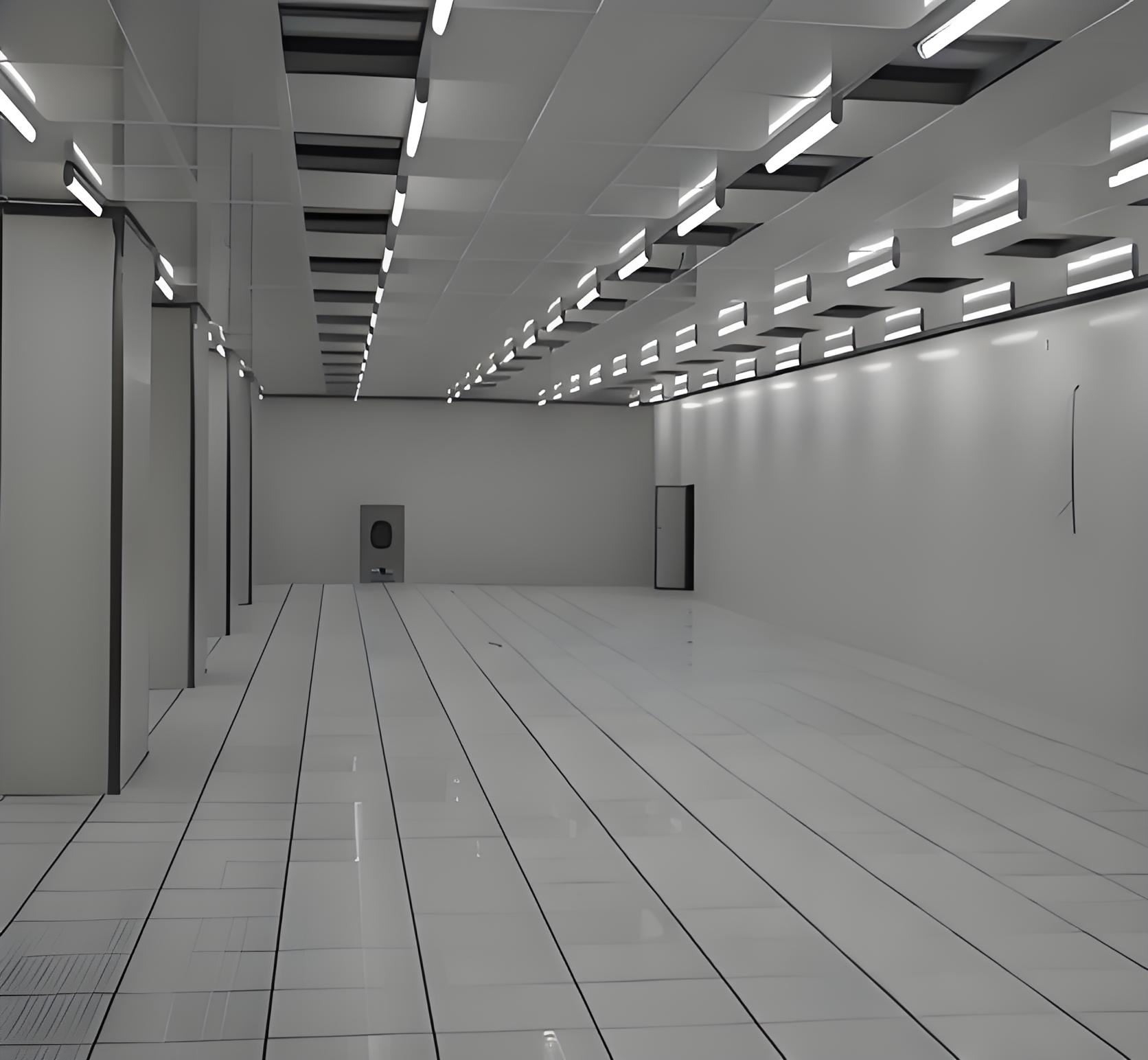
Safety features must be designed in, not added on. This includes:
Emergency eyewash and shower stations.
Dedicated, ventilated chemical storage cabinets.
Clear signage for hazards and exits.
Centralized vacuum and medical gas systems where needed.
Compliance with NFPA, OSHA, and ISO standards.
Designing for accreditation (e.g., CAP, CLIA) from the beginning streamlines the certification process later. The expertise of a firm like TAI JIE ER, experienced in international cleanroom and lab standards, can be invaluable in navigating these complex requirements for your histopathology facility design.
Given the complexities, engaging a professional design-build firm specializing in laboratory environments is a wise investment. They translate operational needs into a compliant, efficient physical space. They manage the integration of architecture, MEP (mechanical, electrical, plumbing) systems, and specialized lab equipment.
A proficient partner ensures your histopathology laboratory design is future-ready, sustainable, and built to the highest standards of diagnostic medicine. Their experience can help avoid common pitfalls in laboratory construction, saving time and resources.
Q1: What is the single biggest challenge in histopathology laboratory design?
A1: Balancing competing priorities is the key challenge. The design must simultaneously ensure optimal workflow efficiency, absolute biosafety for staff, stringent contamination control for specimens, and full compliance with often complex and overlapping international, national, and accreditation standards—all within a defined budget and space.
Q2: Why is airflow so critical in a histopathology lab design?
A2: Proper airflow manages multiple risks. It contains chemical fumes (like formaldehyde and xylene) in grossing and staining areas, protects sensitive microtomy and embedding zones from dust contamination, and controls bioaerosols. Correct pressurization sequences prevent cross-contamination between lab sections, which is fundamental to both staff safety and diagnostic accuracy.
Q3: How much space should we allocate for future expansion in the initial design?
A3: A minimum of 20-25% additional space for future expansion is a prudent rule of thumb. This can be designed as shell space or by oversizing core infrastructure (like HVAC and electrical capacity). Specifically, plan for additional microscopes, digital pathology scanners, automated stainers, or molecular pathology equipment, as these are common growth areas.
Q4: What are the most common mistakes made during histopathology lab planning?
A4: Common mistakes include underestimating the HVAC system's complexity and cost, poor placement of critical utilities (vacuum, gases, electrical outlets), inadequate storage for chemicals and archival materials, failing to plan for waste handling logistics, and designing a workflow that creates backtracking or congestion, particularly around the grossing and processing areas.
Q5: How can a design-build firm like TAI JIE ER add value to our histopathology laboratory project?
A5: A specialized design-build firm provides integrated expertise. They offer single-point accountability from concept to certification. Their experience in cleanroom engineering and histopathology laboratory design ensures compliance with ISO and safety standards from day one. They optimize material and system choices for lifecycle cost, prevent costly change orders through detailed planning, and ultimately deliver a turnkey facility that is operational, efficient, and accredited-ready, saving significant time and mitigating risk for the client.