
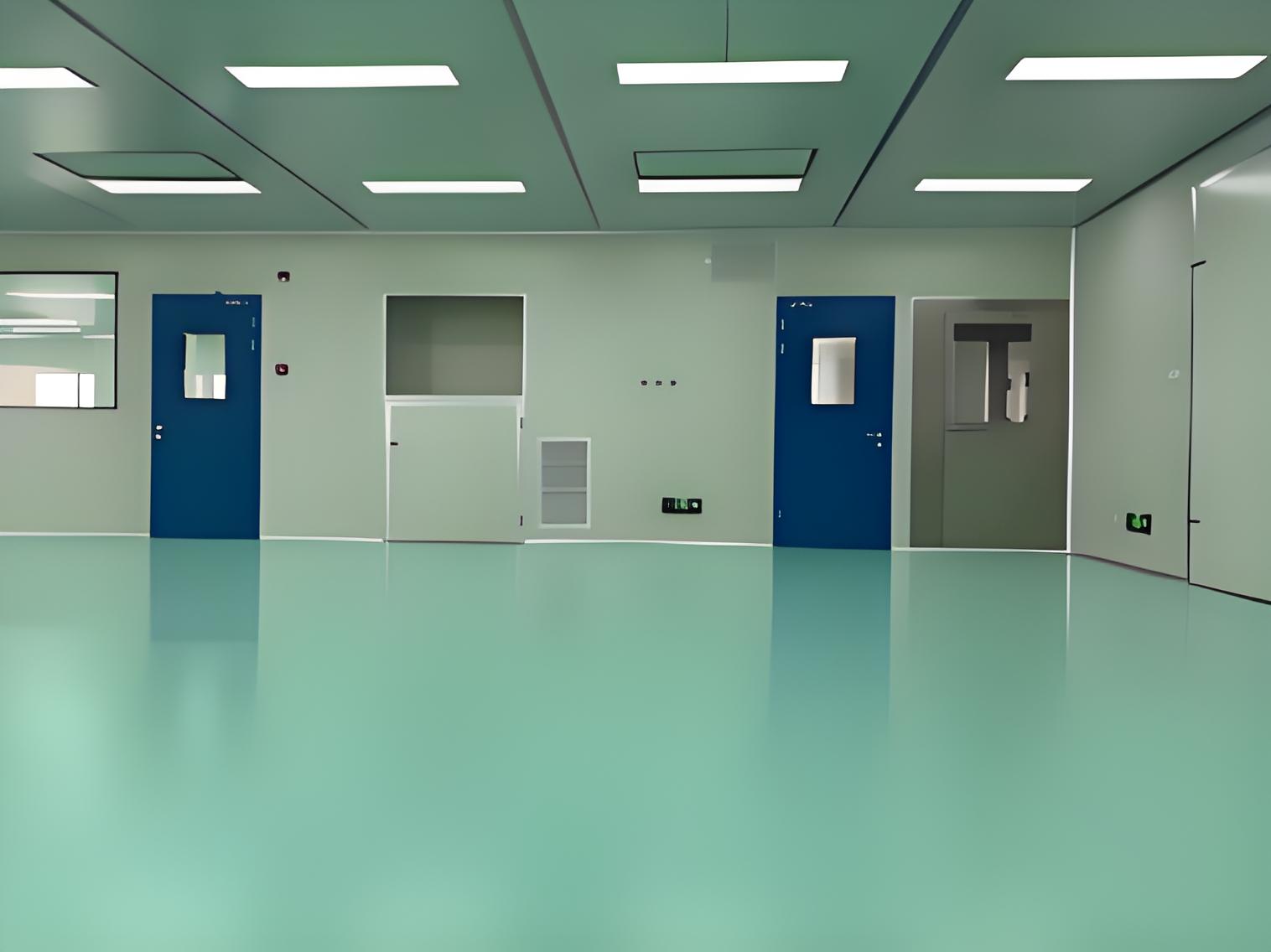
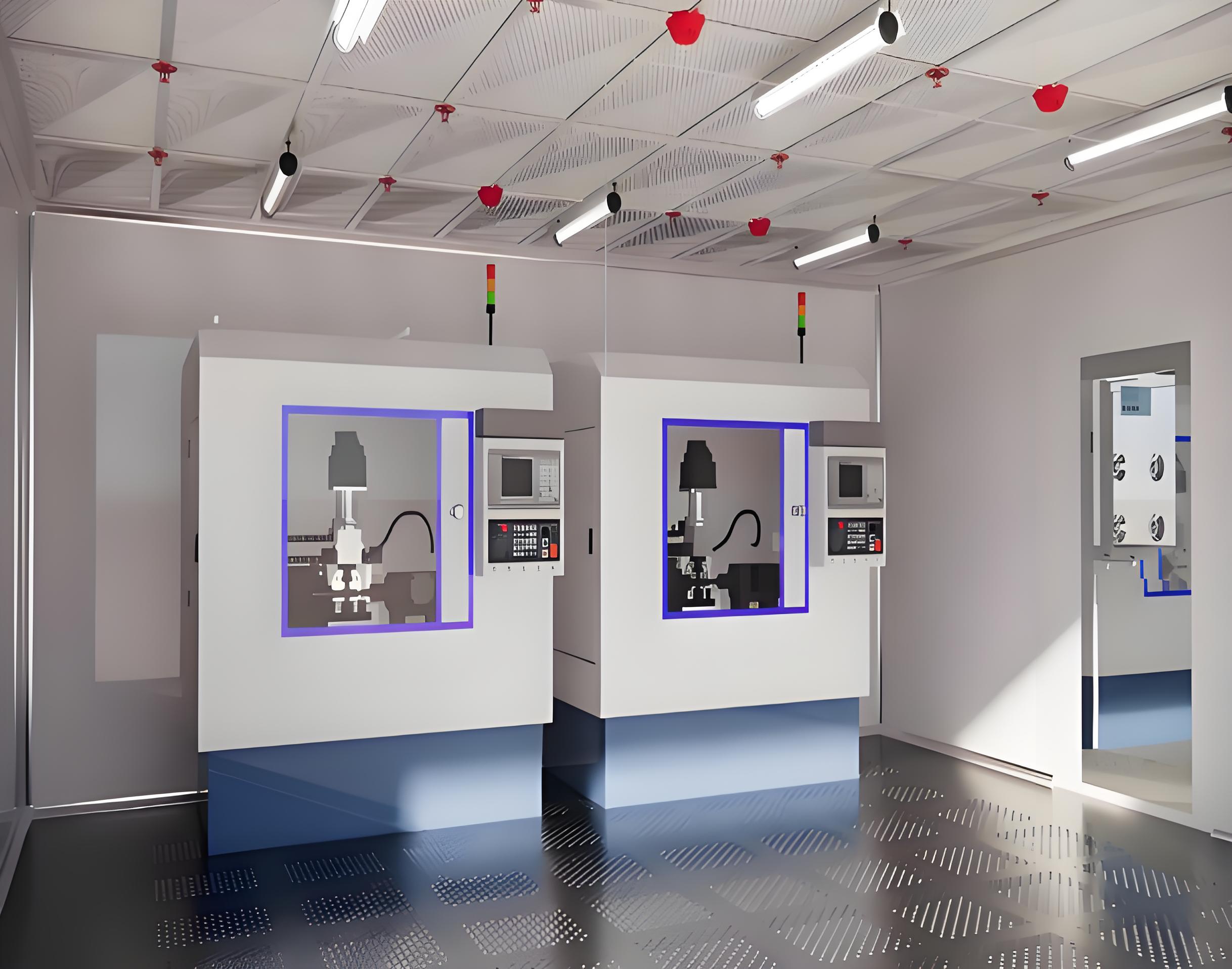
Building or renovating a research facility is a high-stakes investment. Unlike standard office architecture, industrial laboratory design industrial laboratory design requires a complex balance of safety, workflow efficiency, and strict regulatory compliance.
Whether you are setting up a pharmaceutical production line, a chemical analysis unit, or a semiconductor R&D center, a mistake in the planning phase can lead to millions in operational inefficiencies later.
This article breaks down the essential elements of creating a modern, compliant, and scalable laboratory. We move beyond basic concepts to look at the engineering realities of cleanrooms, HVAC integration, and budget planning.
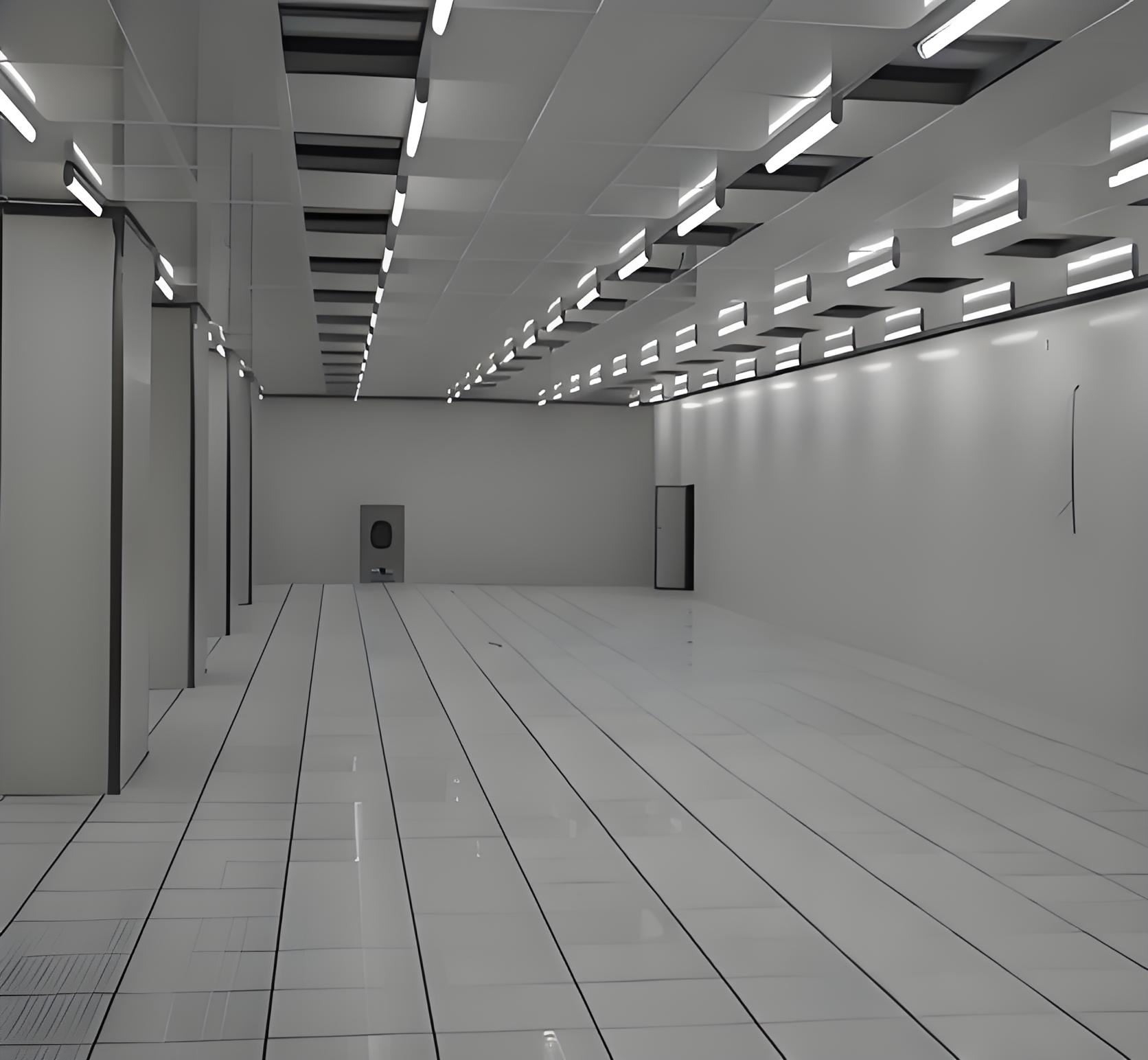
The first step in any successful project is not selecting furniture; it is mapping the process. A functional layout reduces cross-contamination risks and minimizes the physical steps researchers must take to complete a task.
The Open vs. Closed DebateModern design often favors open-plan labs to encourage collaboration. However, industrial settings frequently require segregation. You must identify which zones need to be "closed" due to hazard levels, noise, or equipment sensitivity.
Zoning StrategiesEffective industrial laboratory design separates workflows into distinct zones:
Wet Zones: Areas with sinks and fume hoods for chemical handling.Dry Zones: Spaces for instrumentation, data analysis, and electronics.Support Zones: Glass washing, sterilization (autoclaves), and sample storage.
By placing support zones centrally, you reduce traffic bottlenecks. A "dance floor" layout, where benches are mobile and utilities drop from the ceiling, allows you to reconfigure the space as projects change without major construction.
For industries like biotech, pharmaceuticals, and microelectronics, general ventilation is not enough. You are likely dealing with International Cleanroom Engineering standards.
Understanding ISO ClassificationsYour design must meet specific ISO 14644-1 classifications.
ISO 5 (Class 100): Required for aseptic processing and semiconductor manufacturing.ISO 7 (Class 10,000): Common for general pharmaceutical finishing.ISO 8 (Class 100,000): Often used for support corridors and packaging areas.
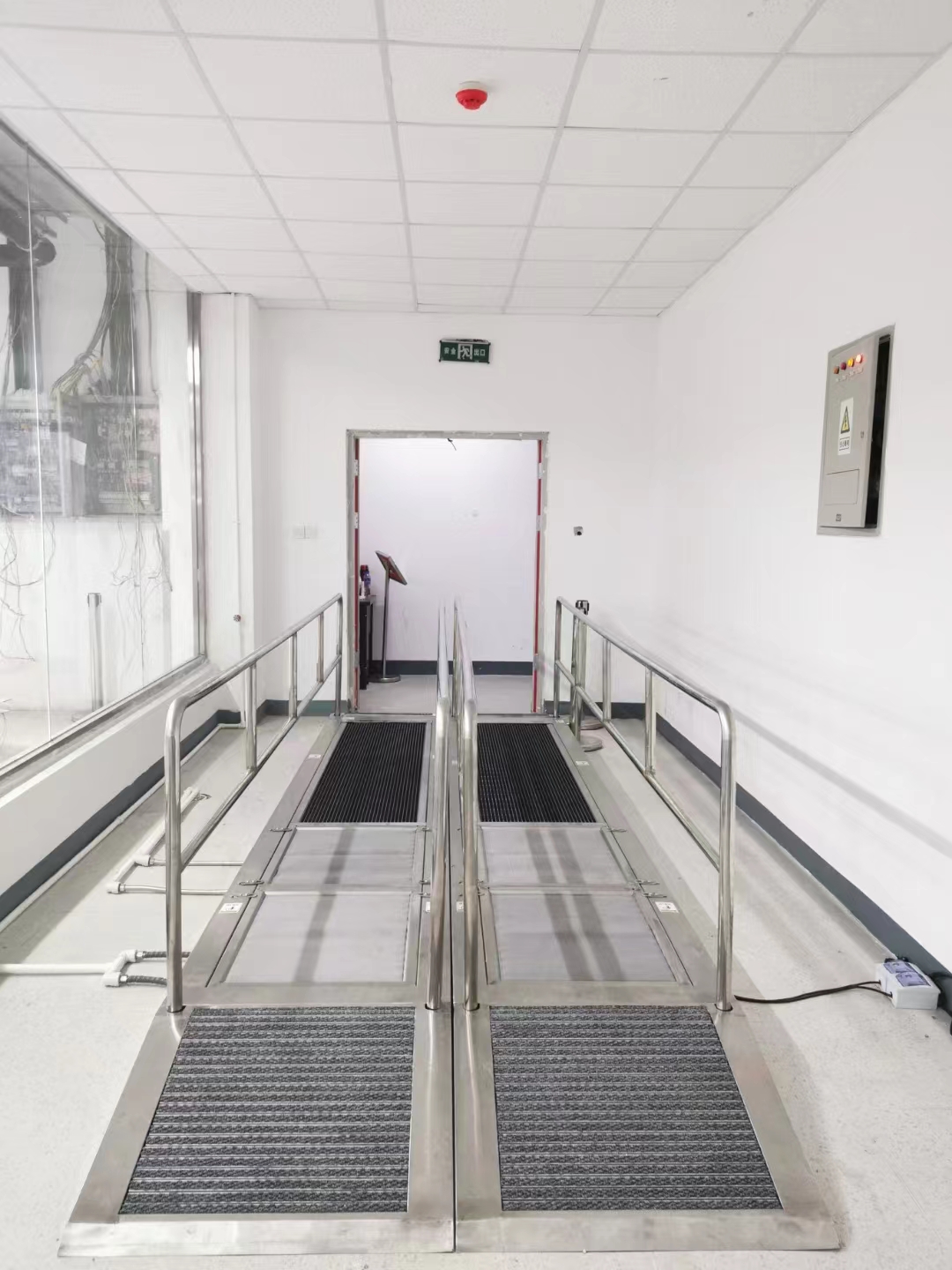
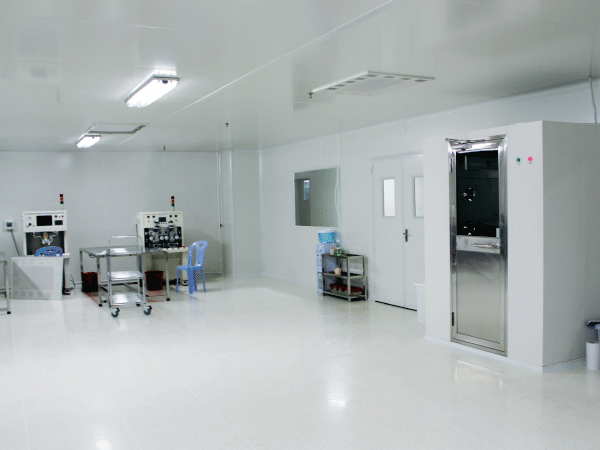
Airlocks and Gowning RoomsDesigning the entry and exit points is critical. You need cascading pressure differentials. The cleanest room should have the highest pressure, pushing air out to preventing contaminants from entering. Your floor plan must include dedicated gowning rooms (PAL/MAL - Personnel Airlock/Material Airlock) that act as buffers between dirty and clean zones.
The Heating, Ventilation, and Air Conditioning (HVAC) system usually accounts for the largest portion of the construction budget and operating costs. In industrial laboratory design, the HVAC system does more than control temperature; it controls safety.
Once-Through vs. Recirculated AirMost chemical labs require 100% outside air (once-through systems) to ensure hazardous fumes are never recirculated. This prevents toxic buildup but significantly increases energy costs.
Air Change Rates (ACH)Safety standards dictate how often the air in the room is replaced.
General Labs: 6 to 10 changes per hour.High-Hazard Zones: 12 to 20+ changes per hour.
Variable Air Volume (VAV)To manage costs, modern designs utilize VAV systems linked to fume hood sash sensors. When a fume hood is closed, the system ramps down airflow, saving massive amounts of energy.
Selecting the right containment device is a life-safety decision. The placement of these units affects the airflow dynamics of the entire room.
Placement RulesNever place a fume hood near a door or a high-traffic walkway. People walking by create turbulence that can pull vapors out of the hood and into the breathing zone of the operator.
Types of Containment
Chemical Fume Hoods: Ducted systems for handling toxic volatiles.Biosafety Cabinets (Class II): HEPA-filtered units for protecting both the product and the user from biological agents.Laminar Flow Hoods: Product protection only (not for hazardous materials).
Your mechanical engineer must calculate the total exhaust volume early in the design phase to size the rooftop blowers correctly.
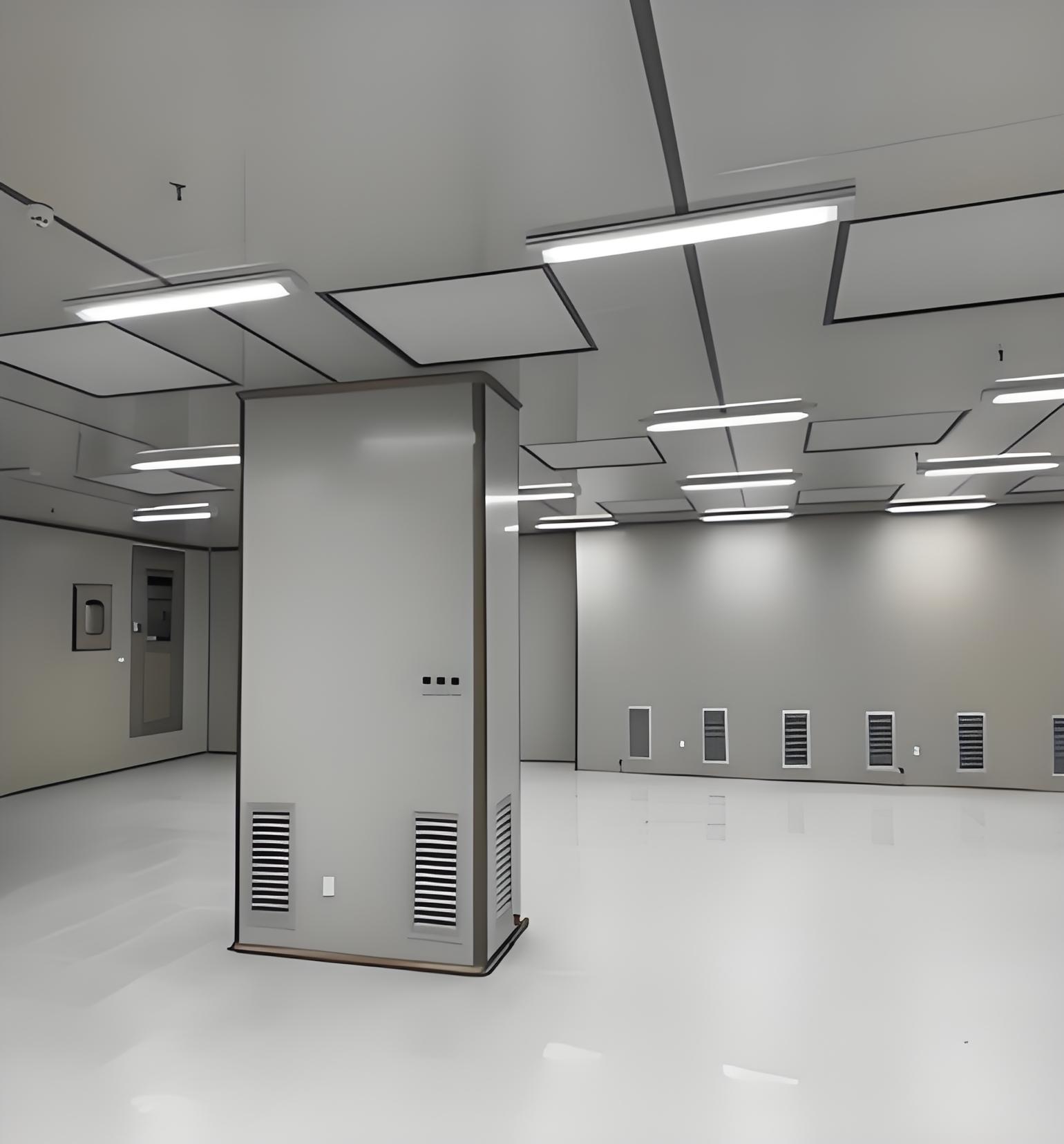
In an industrial setting, furniture is equipment. It must withstand harsh chemicals, heavy loads, and frequent cleaning protocols.
Worktop Material Selection
Epoxy Resin: The gold standard. Monolithic, non-porous, and resistant to heat and almost all acids. It is heavy and expensive but lasts for decades.Phenolic Resin: Excellent chemical resistance and lighter weight. It is easier to fabricate and modify on-site than epoxy.Stainless Steel (304/316): Mandatory for sterile areas and cleanrooms because it does not shed particles and handles aggressive sanitization agents (VHP).
Modular CaseworkFixed cabinetry is becoming obsolete. Mobile casework allows you to swap under-bench storage for knee space or equipment carts. This flexibility is a core component of future-proof industrial laboratory design.
How do you get gas, power, vacuum, and data to the bench?
Overhead Service CarriersAvoid running utilities through the floor slab if possible. Concrete cutting is expensive and disruptive during future renovations.
Using overhead service panels or ceiling-mounted service columns allows you to drop utilities exactly where needed. Quick-connect fittings for gases (nitrogen, compressed air, vacuum) allow researchers to plug in equipment without calling a plumber.
Power DensityIndustrial labs consume significantly more power than standard commercial spaces. Plan for dedicated circuits for high-draw equipment like ultra-low temperature freezers (-80°C), centrifuges, and mass spectrometers. Always include backup power (UPS and generators) for critical storage units.
Regulatory bodies (such as OSHA in the US, or local equivalents elsewhere) have strict rules regarding chemical storage.
Solvent StorageYou cannot store unlimited chemicals in the open lab. Designate a separate solvent storage room with fire-rated walls and specialized ventilation if your inventory exceeds specific thresholds (MAQ - Maximum Allowable Quantities).
Emergency StationsSafety showers and eyewash stations must be reachable within 10 seconds of any hazard. They need to be located on the same level (no stairs) and free of obstructions. The floor must be pitched toward a drain to prevent flooding during testing or actual use.
Labs are energy hogs, consuming up to 10 times more energy per square foot than office buildings. However, "Green Lab" design is now a standard expectation, not a luxury.
Energy Recovery WheelsSince you are venting expensive conditioned air out of the building, use energy recovery systems in the exhaust stream to pre-cool or pre-heat the incoming fresh air. This can recover 50-70% of the energy.
LightingMaximize daylight where possible, but be careful with glare on screens and heat gain. LED lighting with occupancy sensors is now the baseline standard for reducing electrical load.
Budgeting for industrial laboratory design is difficult because costs vary wildly based on technical requirements.
Cost Drivers
HVAC: 30-40% of total construction cost.Casework & Hoods: 15-20%.Architectural/GC: 40-50%.
Price Ranges (Estimates)
Renovation: $250 - $450 per square foot.New Construction: $400 - $800+ per square foot.Cleanroom (ISO 7): $1,000+ per square foot depending on complexity.
The Commercial Service AspectWhen hiring a design firm, look for "Turnkey" capability. A firm that handles both design and construction (Design-Build) often delivers projects faster and with fewer change orders than the traditional Design-Bid-Build method.
Q1: How much space should I allocate per researcher in an industrial lab?
A1: A general rule of thumb for industrial R&D is roughly 150 to 200 square feet (approx. 14-19 square meters) per researcher. This number includes the actual bench space plus shared support zones like equipment corridors and storage. If you are designing a heavy engineering or pilot plant facility, this number will need to be significantly higher to accommodate large machinery.
Q2: What is the difference between a cleanroom and a standard lab?
A2: A standard lab focuses on chemical safety and general ventilation. A cleanroom, utilized heavily in industrial laboratory design for pharma and electronics, focuses on particulate control. Cleanrooms use HEPA filtration, strict gowning protocols, and airlocks to maintain a specific particle count per cubic meter (ISO standards). Standard labs do not usually control pressure or particulate counts to this degree.
Q3: Should I renovate an existing building or build new?
A3: Renovation is usually cheaper upfront but comes with technical limits. Labs require high floor-to-floor heights (14-16 feet) to accommodate massive HVAC ductwork. If your existing building has low ceilings or weak floor slabs that cannot support heavy equipment, a new build might be more cost-effective in the long run. You must perform a structural and mechanical feasibility study before deciding.
Q4: How long does the design and construction process take?
A4: A typical industrial lab project takes 12 to 24 months. The planning and design phase usually lasts 3-6 months. Permitting and bidding can take 2-3 months. Construction and commissioning (testing the systems) take the remaining time. Long-lead items, such as custom air handling units or specialized casework, can delay the project, so order them early.
Q5: What is the best flooring material for an industrial lab?
A5: For general chemistry and biology, seamless vinyl or rubber flooring with heat-welded seams is preferred because it is easy to clean and comfortable to stand on. For heavy industrial use or pilot plants, epoxy resin poured flooring is better as it can withstand forklift traffic and heavy chemical spills. Avoid tile flooring, as grout lines trap bacteria and chemicals.