
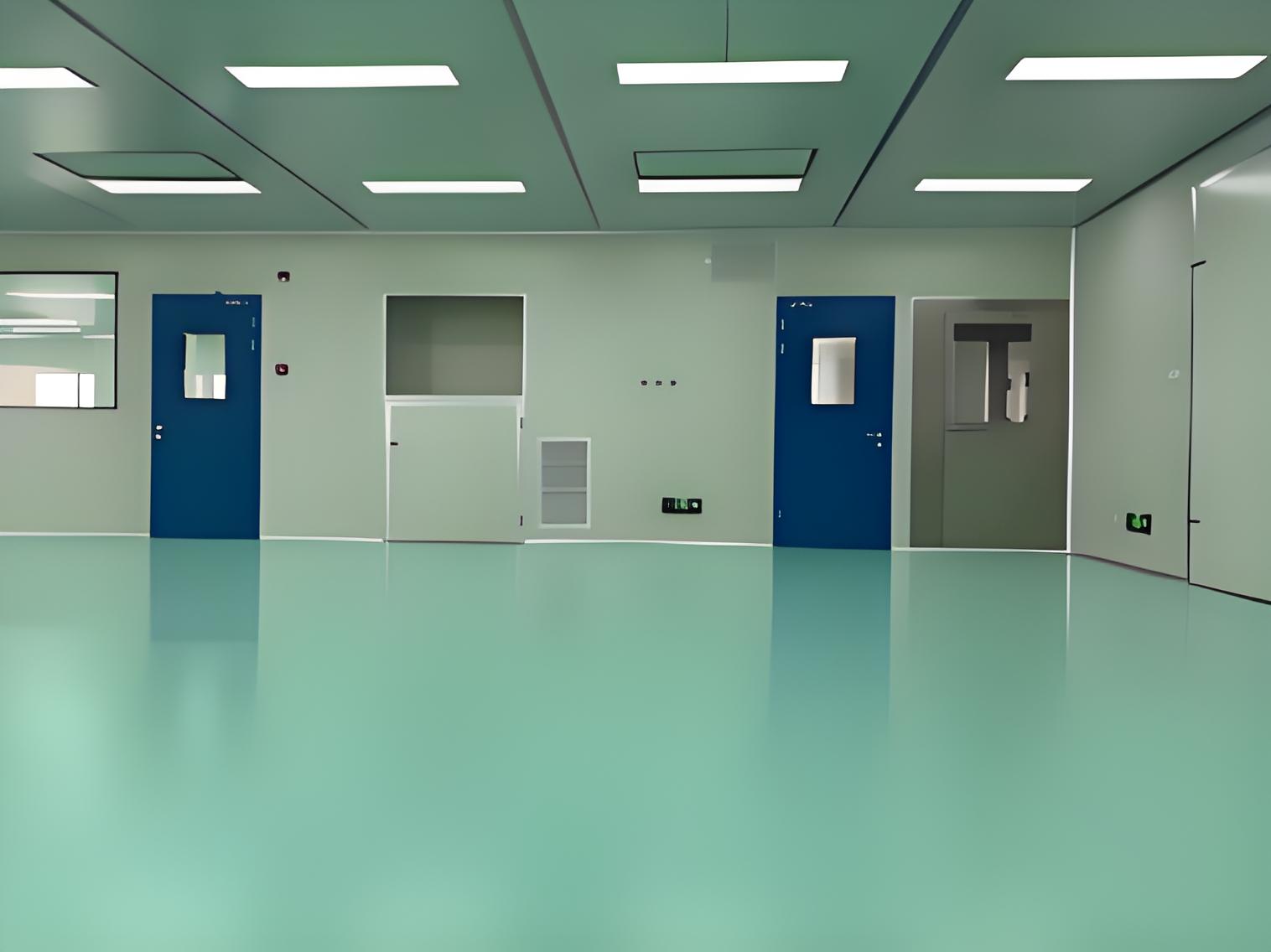
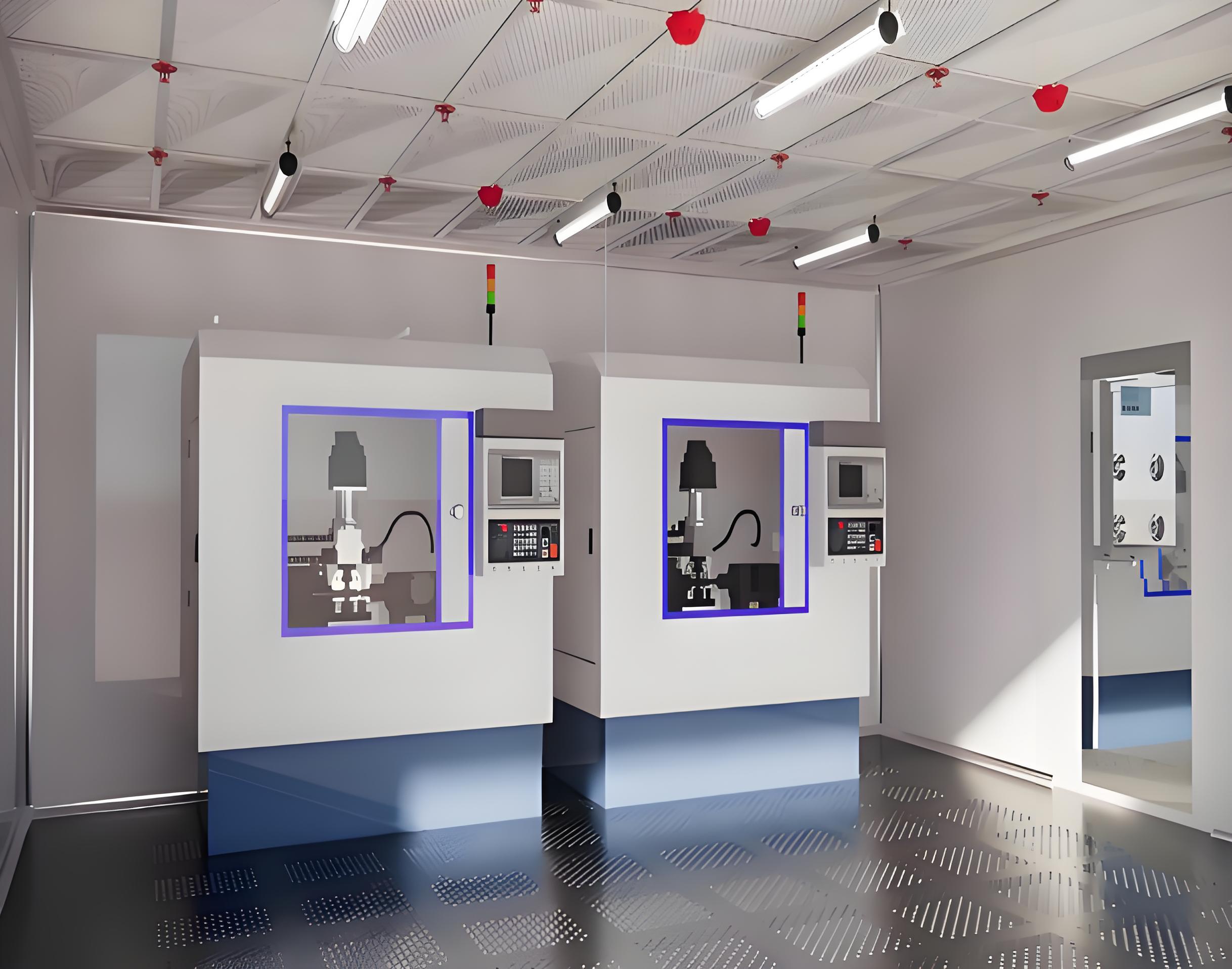
Getting a controlled environment from the "construction complete" phase to "operational readiness" is the most fragile stage in facility management. The walls are up and the HVAC is running, but the air quality is likely nowhere near the required ISO standard.
This specific phase—often referred to as the initial cleanroom commissioning or the "super clean"—determines whether your facility passes validation or faces weeks of expensive delays. It is not just about mopping floors; it is a systematic reduction of bio-burden and particulate matter to absolute zero (or close to it).
This article breaks down the protocols, costs, and technical strategies required to manage this critical transition effectively.
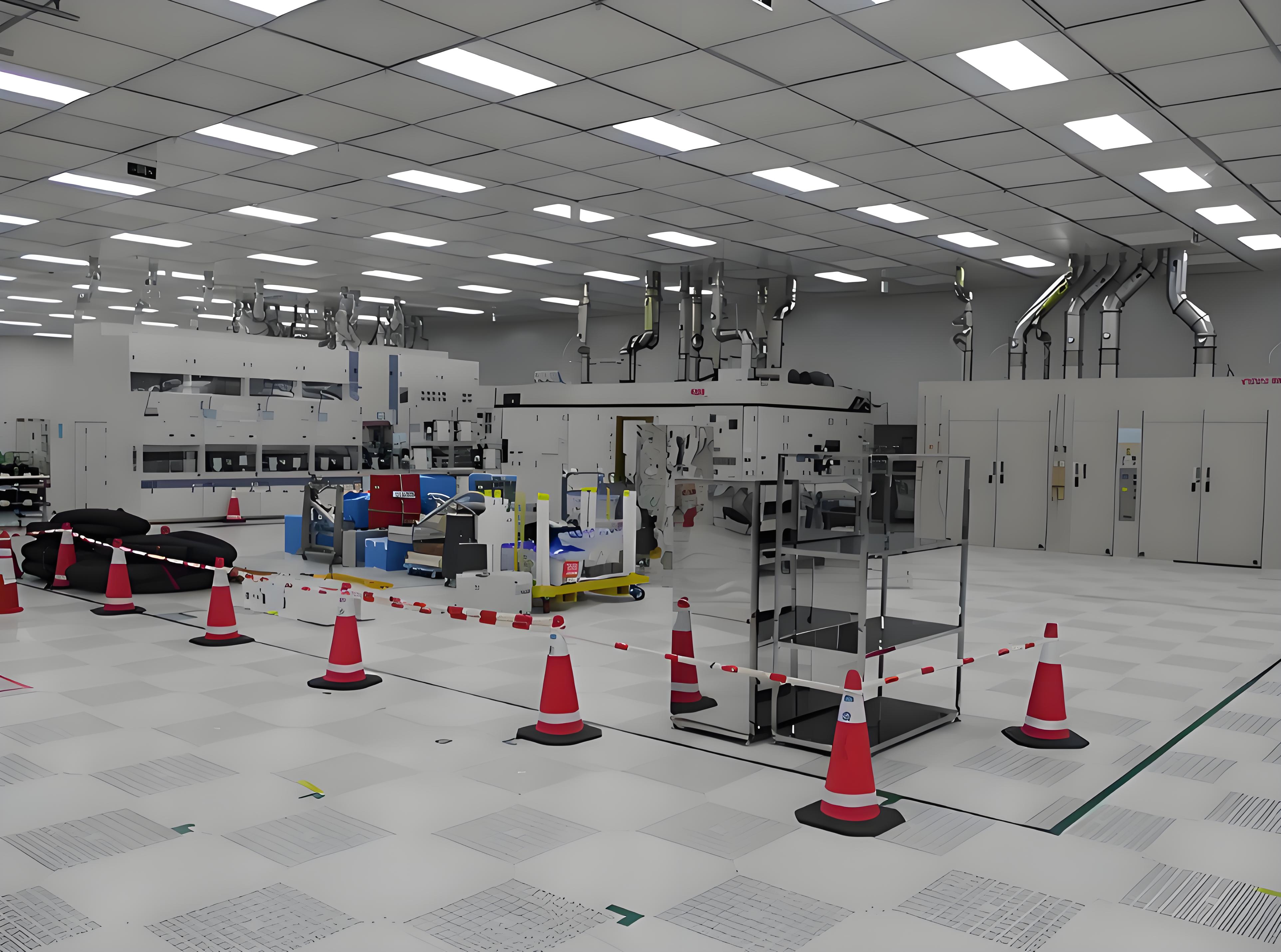
When industry professionals discuss the "initial" phase, they are referring to the bridge between the contractor leaving and the scientists or manufacturers entering.
Construction work is inherently dirty. Drywall dust, sealant residues, and metal filings are disastrous for HEPA filters. If you turn on your full air change rate before performing the initial cleanroom cleaning, you risk clogging expensive filtration systems immediately.
A proper strategy involves three distinct stages:
Gross Cleaning: Removing visible debris and construction waste.Pre-Commissioning Clean: Cleaning surfaces to prepare for airflow balancing.Final Precision Clean: The ultra-fine cleaning that happens right before certification and validation.
Skipping any of these results in a failed particle count test.
The cleaning process for a new facility differs vastly from daily janitorial work. You cannot use standard cotton rags or tap water. The protocols must adhere to ISO 14644-1 standards.
Before a single wipe touches a surface, all dry contaminants must be removed. This requires the use of HEPA-filtered vacuums. Standard shop vacuums will simply spit dust back into the air, defeating the purpose.
Operators should start from the ceiling and work their way down. This gravity-assisted method ensures that particles falling from lighting fixtures or grid systems are caught when the floor is vacuumed last.
Once the initial cleanroom dry cleaning is done, the wet cleaning begins. This usually involves a "two-bucket" or "three-bucket" system to separate dirty water from the cleaning solution.
The chemistry matters here. Typically, a neutral detergent is used first to remove construction grime, followed by a disinfectant. Every inch of the facility must be wiped—this includes inside return air grilles, behind door frames, and the tops of pass-through chambers.
For pharmaceutical or biotech applications, the initial cleanroom protocol concludes with a sporicide or high-grade Isopropyl Alcohol (IPA 70/30). This is applied using non-shedding polyester wipes. At this stage, the cleaning crew must be fully gowned in cleanroom suits to prevent re-contamination.
Selecting the wrong tools can ruin a validation test. A common error during the initial cleanroom setup is using materials that shed fibers.
Wipers:You must use polyester, heat-sealed edge wipers. Cotton or cellulose blend wipes release thousands of particles per swipe. For an ISO 5 or ISO 6 environment, pre-wetted wipers are often preferred to ensure the chemical ratio is exact.
Solutions:
Deionized (DI) Water or WFI: Never use tap water. It contains minerals that leave residues when dried.Phenolic Disinfectants: Often used for the first pass to kill bacteria.IPA (Isopropyl Alcohol): Used for the final residue removal because it evaporates quickly and cleanly.
Mops:Flat-head mops with microfiber or polyester covers are standard. String mops are generally prohibited in modern cleanrooms as they are difficult to sterilize and tend to rot.
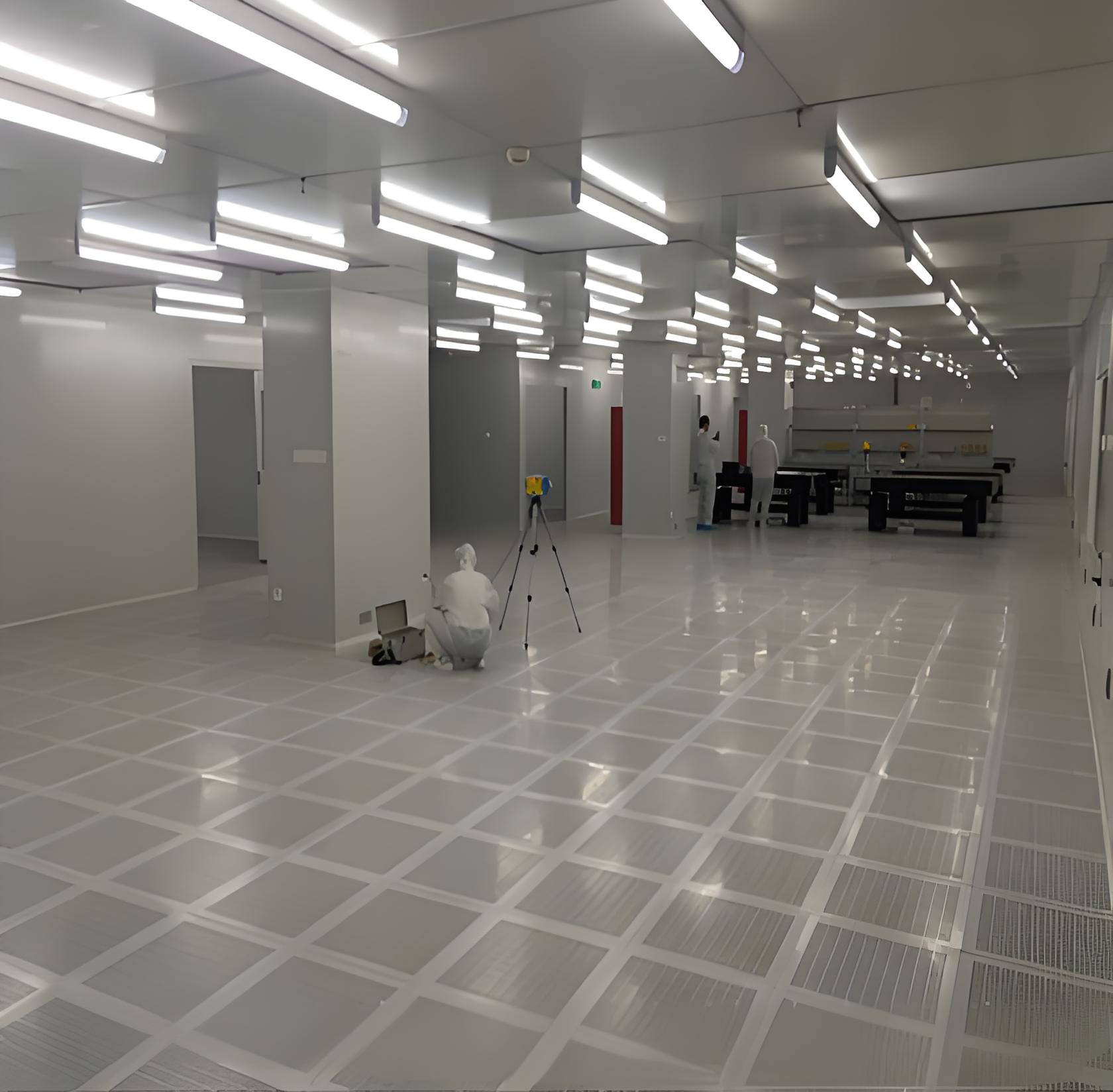
Budgeting for the initial cleanroom phase is often overlooked in the construction bid. However, this service is specialized and priced accordingly.
Pricing is rarely a flat rate. It depends on several factors:
Surface Area: Not just floor space, but the total surface area (walls + ceiling + floors).Cleanliness Class: An ISO 5 (Class 100) room takes three times longer to clean than an ISO 8 (Class 100,000) room.Height: High bay cleanrooms require scissor lifts, increasing insurance and labor costs.
While prices vary by region, you might expect to pay between $0.50 to $1.50 per square foot of surface area (not floor area) for a standard ISO 7 or 8 clean. For sterile suites or stricter requirements, costs can exceed $3.00 per square foot.
If you are hiring a dedicated initial cleanroom service provider, they will typically quote a "Not To Exceed" (NTE) price or a fixed bid based on a site walk.
The goal of this cleaning is to pass validation. Once the cleaning is finished, the certification team enters to perform the following tests:
Airborne Particle Count: Measuring particles at 0.5 microns and 5.0 microns.Filter Integrity Test: Ensuring HEPA/ULPA filters have no leaks.Airflow Volume and Velocity: Checking if the air changes per hour (ACH) meet design specs.Recovery Test: How fast does the room return to "clean" after a contamination event?
If the initial cleanroom cleaning was poor, the particle counters will spike, and the facility will fail certification. This triggers a "re-clean," which doubles your cost and delays production.
Should you use your own staff or hire a contractor?
The Case for In-HouseIf you have a small modular cleanroom (e.g., 200 sq. ft.) and a trained staff, you might handle it internally. However, you need to buy the specific equipment (HEPA vacuums) which brings high upfront capital costs.
The Case for Professional ServicesFor facilities larger than 1,000 sq. ft., outsourcing is the industry standard. Professional initial cleanroom cleaners bring their own validated equipment and trained personnel.
Crucially, they understand "gowning protocols." A construction worker or a regular janitor does not know how to wear a Tyvek suit properly. They will likely expose their skin or street clothes, shedding millions of skin cells into the room you are trying to clean.
Experience shows that projects usually fail for one of three reasons during this stage.
1. Turning HVAC on too earlyContractors often turn on the HVAC to cool the room while they work. If pre-filters aren't installed, the ducts fill with drywall dust. When you finally perform the initial cleanroom startup, that dust blows right back out.
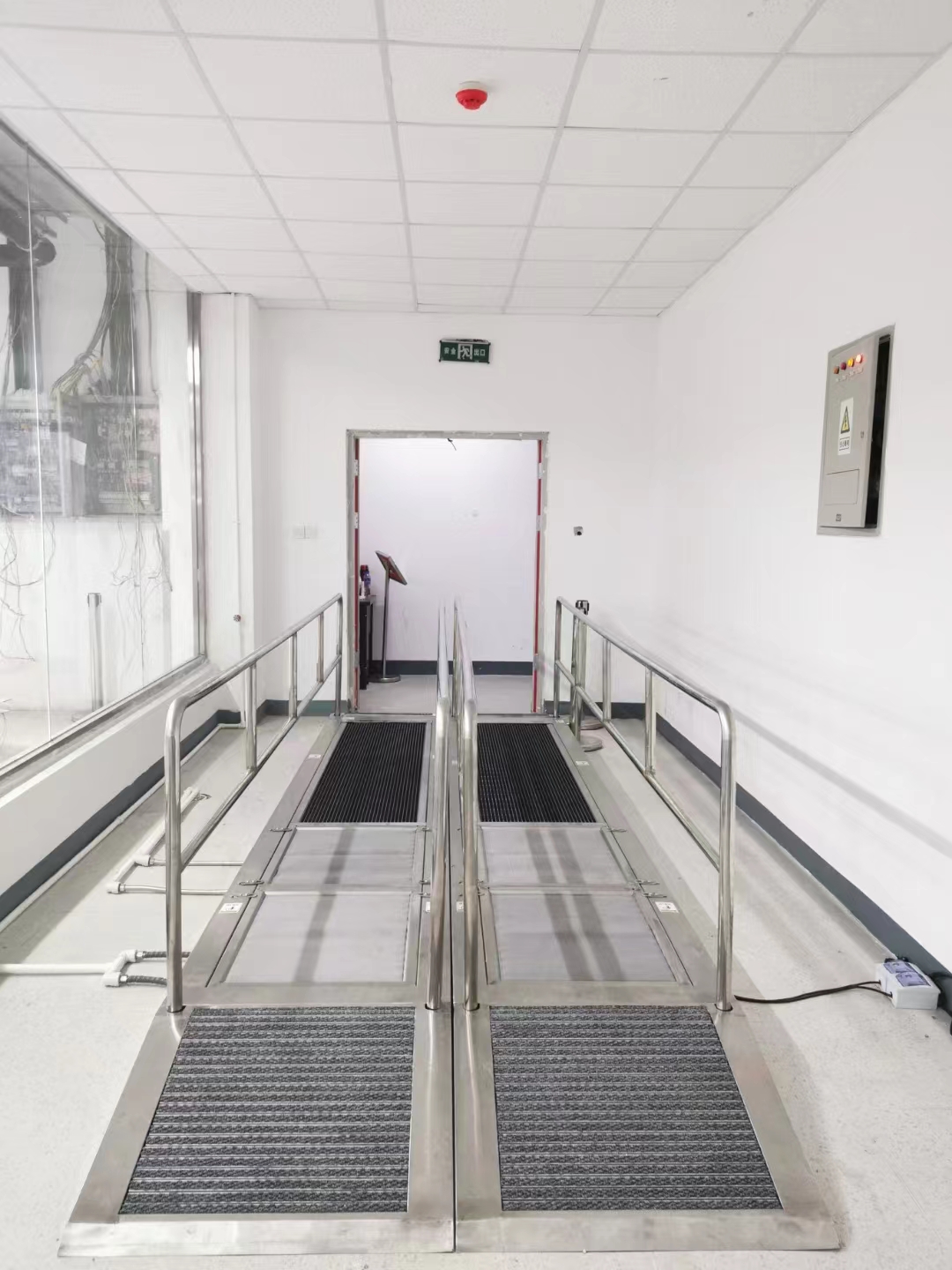
2. Walking on the floor too soonOnce the floor is cleaned, it should be off-limits until the floor sealant (epoxy or vinyl weld) cures and the validation team arrives. Putting tacky mats at the entrance is mandatory.
3. Using the wrong testing sequenceYou must clean before you test. It sounds obvious, but some project managers schedule the particle count on the same day as the cleaning. The air needs time to "wash" the room (flush out suspended particles) after the cleaners leave—usually at least 12 to 24 hours.
The industry is moving away from buckets and mops where possible.
Vaporized Hydrogen Peroxide (VHP):For biological decontamination, VHP fogging is becoming standard for the initial cleanroom sterilization. It reaches corners and crevices that a human hand cannot.
UV-C Disinfection:Robotic units that use UV-C light to kill pathogens are now being used as a final step after the manual deep clean.
Particle Sensing Vacuums:Newer HEPA vacuums have built-in sensors that tell the operator if they are capturing particles or if the exhaust filter is clogged, ensuring the equipment isn't making the room dirtier.
When vetting a company for your initial cleanroom project, ask for their SOPs (Standard Operating Procedures).
A legitimate vendor will provide a document detailing:
The specific chemicals they will use (with Safety Data Sheets).The gowning protocol their staff follows.A checklist that their supervisor signs off on.
If they treat it like a standard office cleaning contract, walk away. The risk to your product and certification is too high.
Q1: How long does an initial cleanroom deep clean take?
A1: It depends on the size and classification. A 1,000 sq. ft. ISO 7 room typically takes a team of 3-4 people about two full days. Day one focuses on gross cleaning and vacuuming; day two focuses on the solvent wipe-down and disinfection.
Q2: Can we use our regular facility management team for the initial clean?
A2: Generally, no. Regular maintenance staff are rarely trained in ISO 14644 protocols or proper gowning. Improper wiping techniques (e.g., circular wiping instead of parallel overlapping strokes) will leave residues and particles that cause validation failures.
Q3: What happens if we fail the particle count test after the initial clean?
A3: You will need to perform a "re-clean." Usually, this doesn't mean starting from scratch. It often requires a re-wipe of horizontal surfaces and a flush period where the HVAC runs at high velocity to scrub the air. Afterward, re-testing is required.
Q4: When should the initial cleanroom cleaning be scheduled?
A4: It should be the very last step of construction. All tools, ladders, and non-cleanroom furniture must be removed. The HVAC should be balanced or close to balanced. Once the clean is done, only gowned personnel should enter.
Q5: Is the "initial clean" the same as "daily cleaning"?
A5: No. The initial cleanroom protocol is much more aggressive. It involves cleaning walls, ceilings, and floors three times (Triple Clean method) and often uses stronger solvents to remove construction adhesives. Daily cleaning is usually just floor mopping and trash removal.