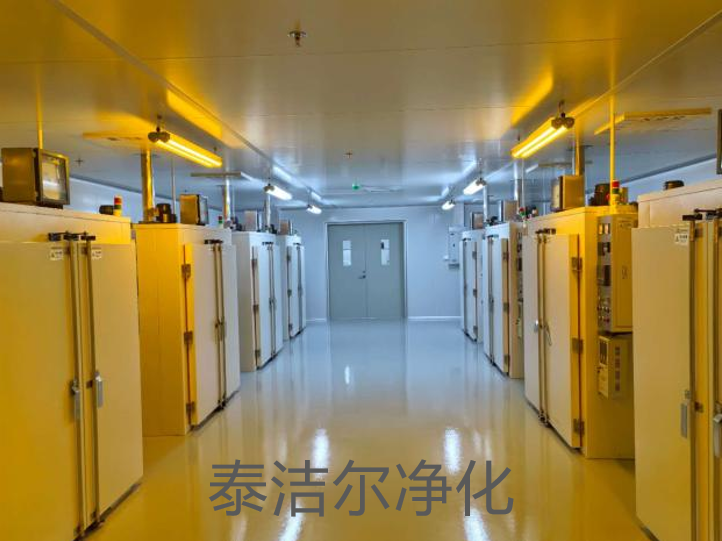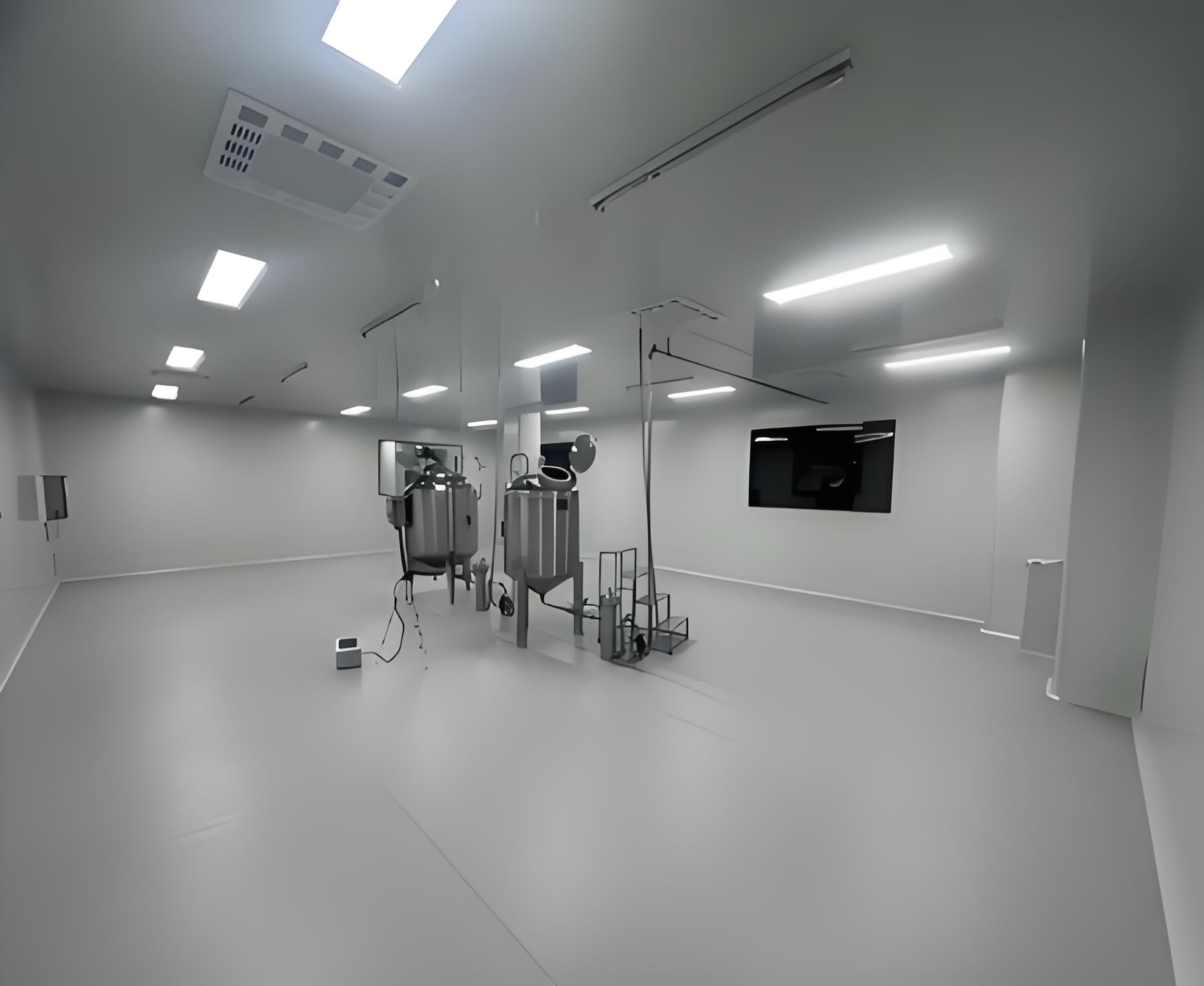
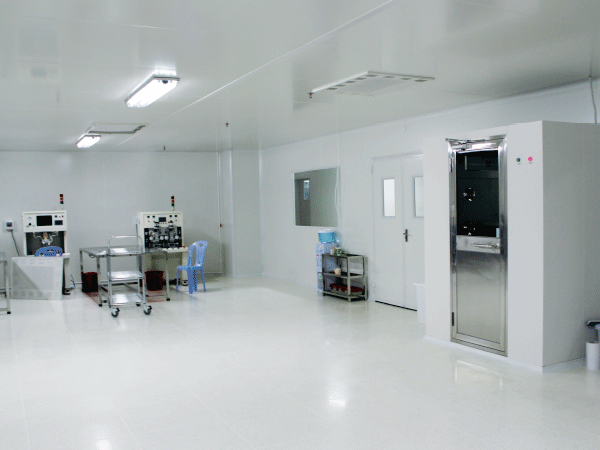

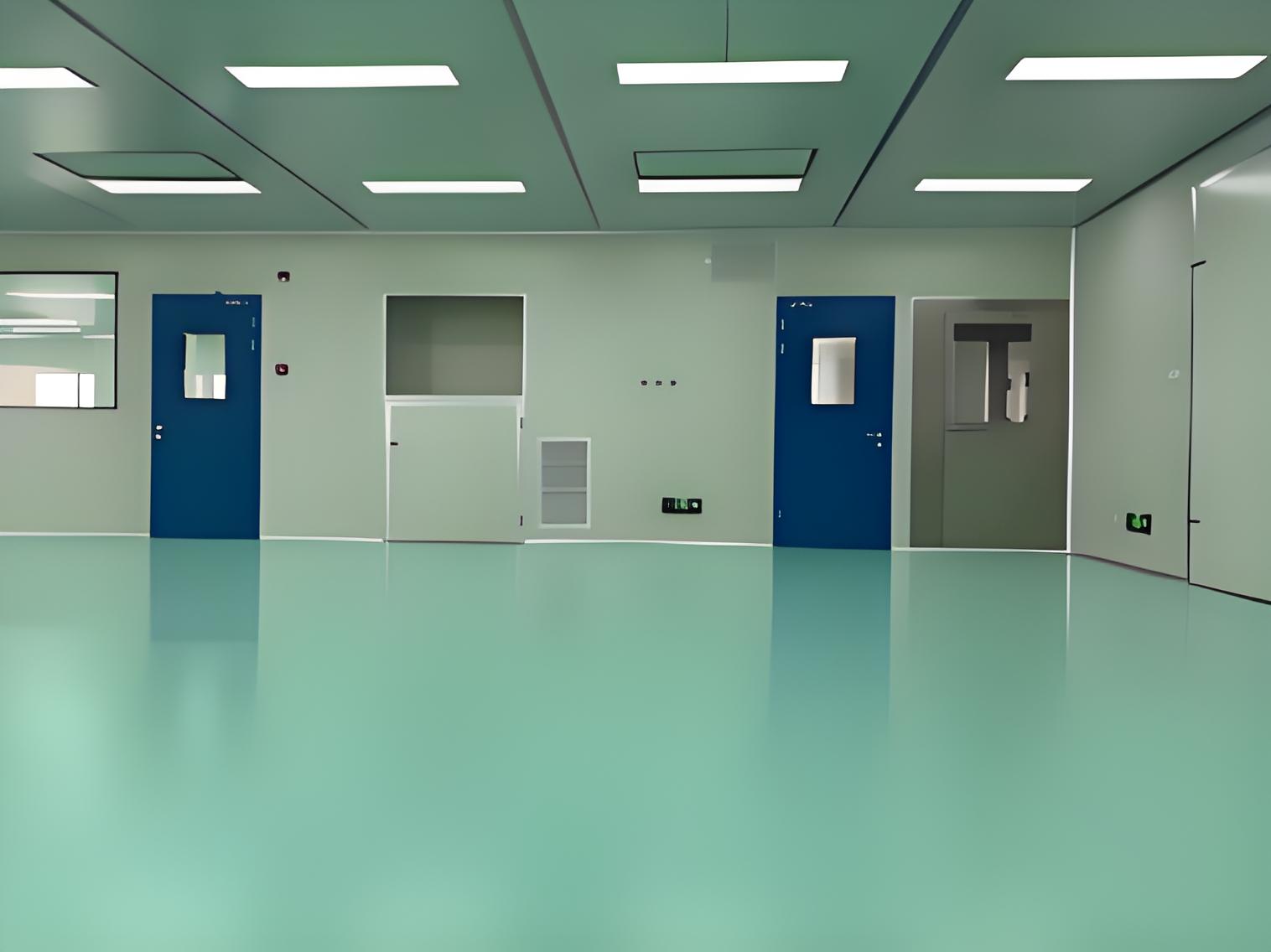
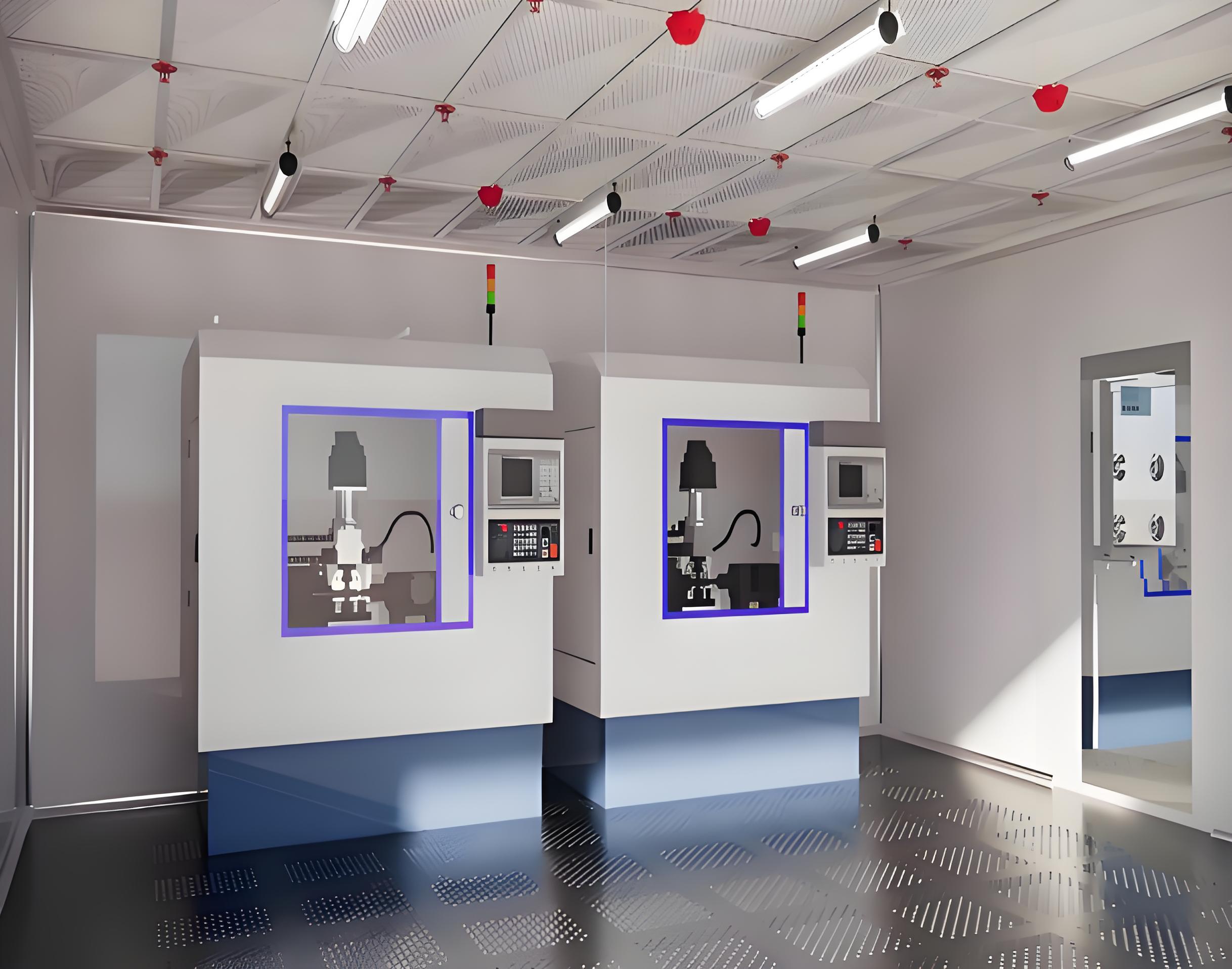
In the world of international cleanroom engineering, the concept of an innovative design science laboratory is reshaping how we approach sterile environments. These laboratories blend cutting-edge design principles with scientific rigor to optimize safety, efficiency, and sustainability. As a pioneer in this field, TAI JIE ER has been at the forefront, integrating such innovations into their projects to meet evolving global demands. This article delves into the multifaceted role of an innovative design science laboratory, exploring its impact on cleanroom technology and beyond.
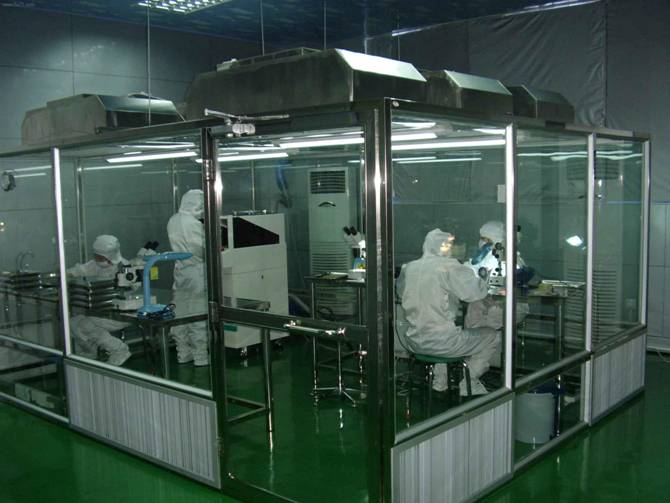
An innovative design science laboratory is not just a physical space; it’s a holistic approach to solving complex engineering challenges. It merges design thinking with empirical science to create adaptable, high-performance environments. In cleanroom engineering, this means developing labs that minimize contamination risks while maximizing operational flow. Key aspects include modular layouts, advanced material usage, and data-driven design processes. The goal is to foster innovation through iterative testing and collaboration.
This laboratory model emphasizes user-centric design. Scientists and technicians can work seamlessly, reducing errors and boosting productivity. By leveraging an innovative design science laboratory, companies like TAI JIE ER ensure that cleanrooms adhere to strict international standards, such as ISO 14644. The focus is on creating sustainable solutions that adapt to future technological shifts. Such labs are becoming essential in sectors like pharmaceuticals, biotechnology, and semiconductor manufacturing.
The foundation of an innovative design science laboratory lies in its core principles. First, interdisciplinary collaboration is crucial. Engineers, scientists, and designers work together to address cleanroom challenges from multiple angles. This synergy leads to breakthroughs in air filtration, temperature control, and contamination prevention. Second, scalability allows these labs to evolve with project needs, supporting everything from small research setups to large industrial complexes.
Another principle is evidence-based design. Data from sensors and simulations guide decisions, ensuring that every element of the cleanroom lab is optimized. For example, airflow patterns are modeled to reduce particle counts effectively. TAI JIE ER incorporates these principles to deliver tailored solutions, emphasizing that an innovative design science laboratory must balance creativity with scientific validation. This approach reduces costs and enhances long-term reliability in cleanroom operations.
Globally, cleanroom engineering demands high precision to meet regulatory requirements. An innovative design science laboratory plays a key role here by enabling customized solutions for diverse industries. In healthcare, such labs design cleanrooms for vaccine production, ensuring sterile conditions that comply with FDA and EMA guidelines. In electronics, they focus on minimizing electrostatic discharge in manufacturing environments.
The integration of smart technologies is a hallmark. IoT devices and AI monitors are embedded within these laboratories to track cleanliness levels in real-time. This proactive stance prevents downtime and ensures consistency. TAI JIE ER has applied this model in projects across Asia and Europe, showcasing how an innovative design science laboratory can bridge local needs with international benchmarks. The result is enhanced safety and efficiency, driving innovation in sectors like aerospace and nanotechnology.
Technological advancements are fueling the growth of innovative design science laboratories. Automation systems, for instance, streamline cleanroom processes by reducing human intervention, thus lowering contamination risks. Robotics are used for material handling, while advanced HVAC systems maintain precise environmental controls. These technologies are tested and refined within the lab setting to ensure they meet cleanroom specifications.
Another critical technology is computational fluid dynamics (CFD). It simulates air and particle movement, allowing designers to optimize cleanroom layouts before construction. Virtual reality (VR) tools enable stakeholders to visualize spaces, improving planning and collaboration. TAI JIE ER leverages these technologies to create robust cleanroom designs, emphasizing that an innovative design science laboratory must stay ahead of tech trends. This forward-thinking approach ensures adaptability in a fast-paced industry.
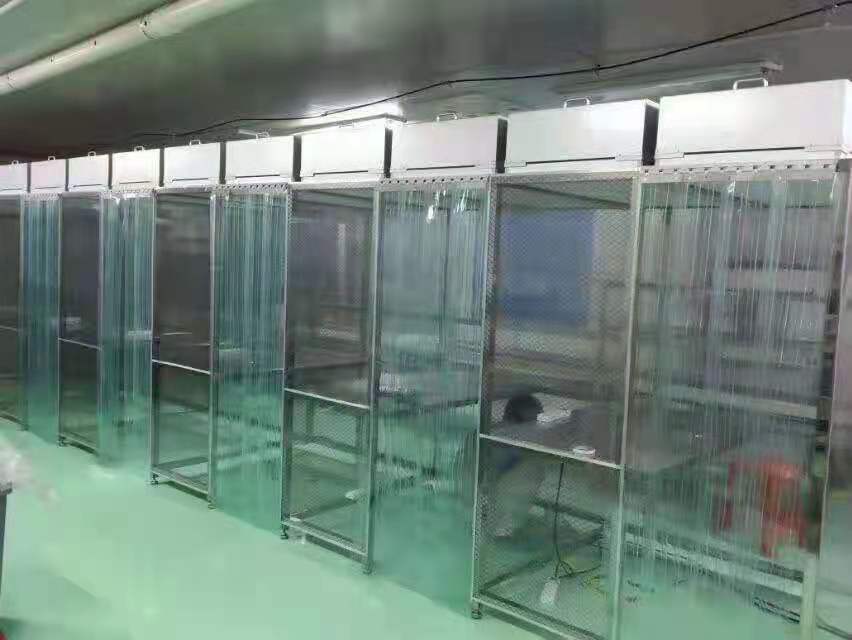
Real-world examples highlight the value of an innovative design science laboratory. In one case, a biotech firm faced contamination issues in their cleanroom. By adopting a design science lab approach, they redesigned the space with improved airflow and modular workstations, reducing particle counts by 30%. This led to faster product approvals and higher compliance rates. Such success stories underscore the practical benefits of this methodology.
TAI JIE ER contributed to a semiconductor project where an innovative design science laboratory was used to test new filtration materials. The lab’s iterative design process identified a solution that extended equipment lifespan and cut energy costs. These cases show how these laboratories drive tangible improvements in cleanroom engineering. They not only solve immediate problems but also set new standards for innovation and sustainability in global markets.
The future of cleanroom engineering is tightly linked to the evolution of innovative design science laboratories. Emerging trends include the use of green materials to enhance sustainability, such as recyclable panels and low-emission coatings. Digital twins—virtual replicas of physical cleanrooms—will allow for continuous monitoring and optimization, reducing trial-and-error in design phases. This trend supports predictive maintenance and smarter resource management.
Another trend is the integration of biophilic design, which incorporates natural elements to improve worker well-being in sterile environments. As global regulations tighten, an innovative design science laboratory will play a pivotal role in ensuring compliance through adaptive designs. TAI JIE ER is already exploring these trends, investing in research to shape the next generation of cleanrooms. By embracing change, these laboratories will continue to revolutionize how we build and maintain critical environments.
In summary, an innovative design science laboratory is a cornerstone of modern cleanroom engineering, offering solutions that blend creativity with scientific precision. From enhancing safety to driving technological adoption, its impact spans across industries. As challenges like globalization and sustainability grow, this approach will become even more vital. TAI JIE ER exemplifies this commitment, leveraging design science labs to deliver excellence in every project. For those in the cleanroom field, embracing this model is key to staying competitive and innovative on a global scale.
Q1: What is an innovative design science laboratory in cleanroom engineering?
A1: An innovative design science laboratory is a specialized space that applies design thinking and scientific methods to develop optimized cleanroom environments. It focuses on reducing contamination, improving efficiency, and meeting international standards through iterative testing and technology integration.
Q2: How does an innovative design science laboratory benefit pharmaceutical cleanrooms?
A2: In pharmaceutical cleanrooms, such a laboratory ensures sterile conditions for drug manufacturing by designing precise airflow systems, modular layouts, and real-time monitoring solutions. This enhances compliance with regulations like GMP, reduces production risks, and accelerates time-to-market for critical products.
Q3: What technologies are commonly used in an innovative design science laboratory?
A3: Key technologies include computational fluid dynamics (CFD) for airflow simulation, IoT sensors for environmental monitoring, automation robotics for material handling, and virtual reality (VR) for design visualization. These tools help create data-driven, adaptable cleanroom designs.
Q4: Why is scalability important in an innovative design science laboratory?
A4: Scalability allows the laboratory to adapt to different project sizes and evolving needs, from small research labs to large industrial cleanrooms. It ensures cost-effectiveness, flexibility in design, and the ability to incorporate future advancements without major overhauls.
Q5: How can companies like TAI JIE ER implement an innovative design science laboratory approach?
A5: Companies like TAI JIE ER implement this approach by combining interdisciplinary teams, evidence-based design processes, and cutting-edge technologies. They focus on customizing solutions for specific cleanroom challenges, conducting rigorous testing, and staying updated with global trends to deliver sustainable, high-performance environments.