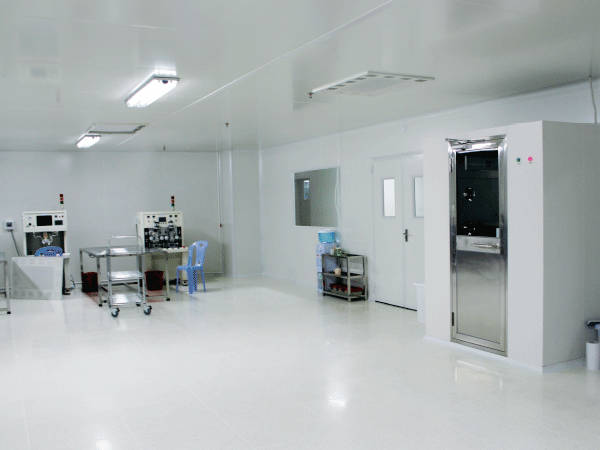

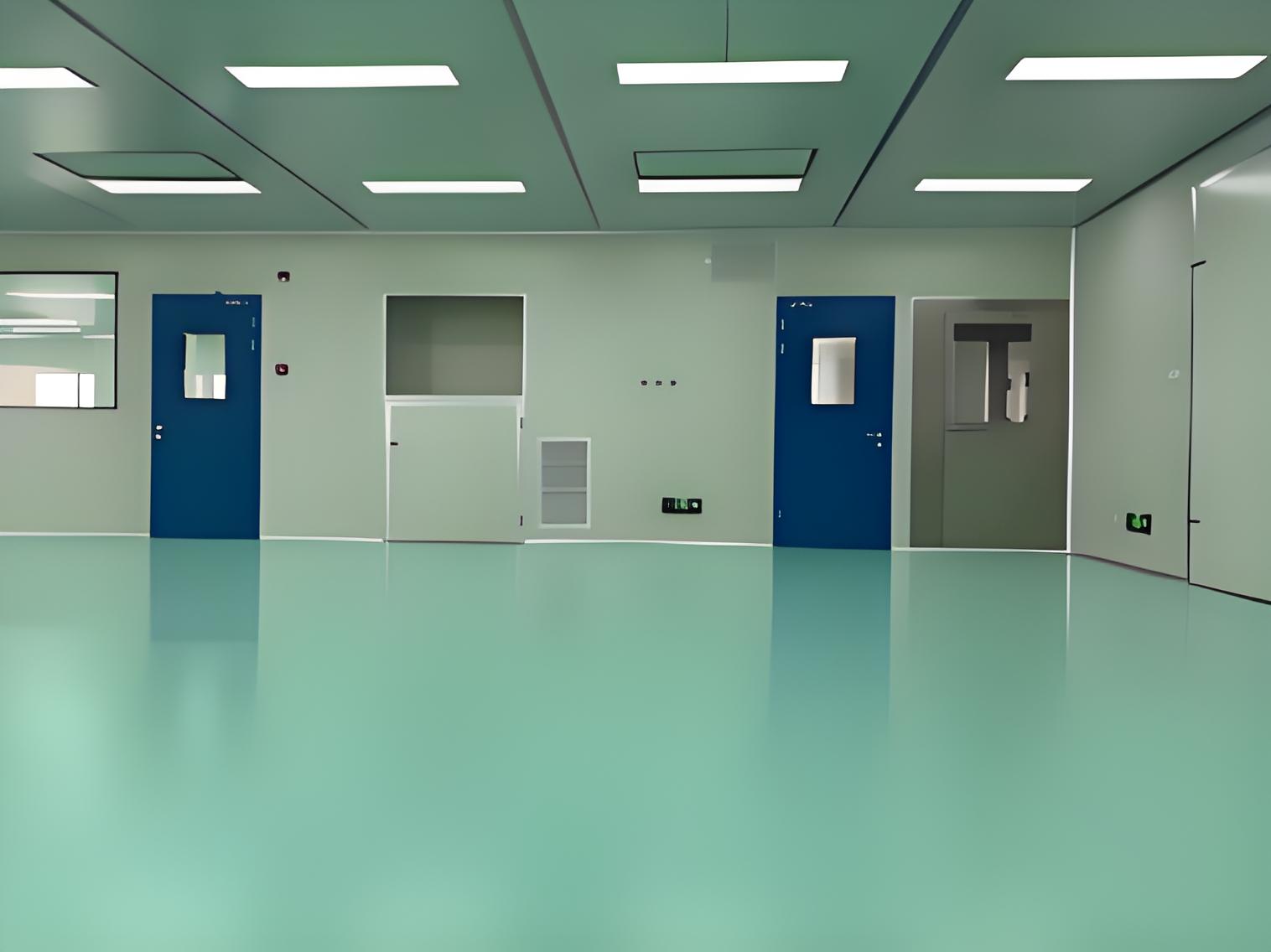
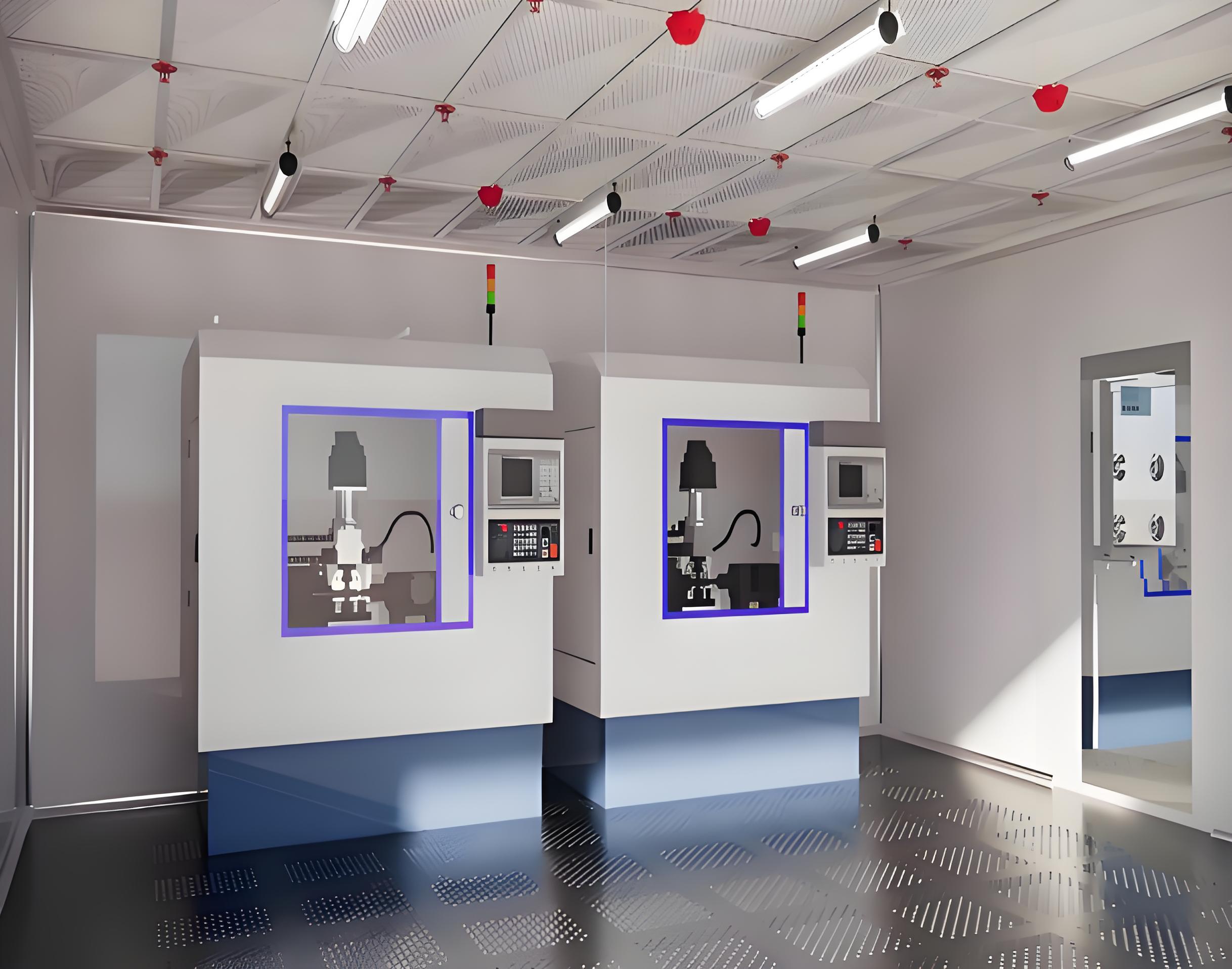
Creating an efficient and compliant workspace starts with strategic lab arrangement. This is especially true within the demanding field of international cleanroom engineering. A well-planned layout is not just about placing equipment. It's a foundational element that directly impacts contamination control, operational workflow, and overall safety. A poor lab arrangement can undermine even the most advanced HVAC systems.
For companies operating under strict GMP, ISO, or Fed Standard 209E regulations, the stakes are high. The physical setup of a cleanroom laboratory determines its ability to maintain particle counts, temperature, and humidity. It also affects how personnel move, interact with processes, and handle materials. Getting the lab arrangement right from the outset prevents costly retrofits and operational hiccups down the line.
TAI JIE ER has seen firsthand how a science-driven approach to lab arrangement can transform project outcomes. Their expertise shows that every decision, from workstation placement to utility routing, must serve the primary goal of maintaining cleanliness and efficiency.
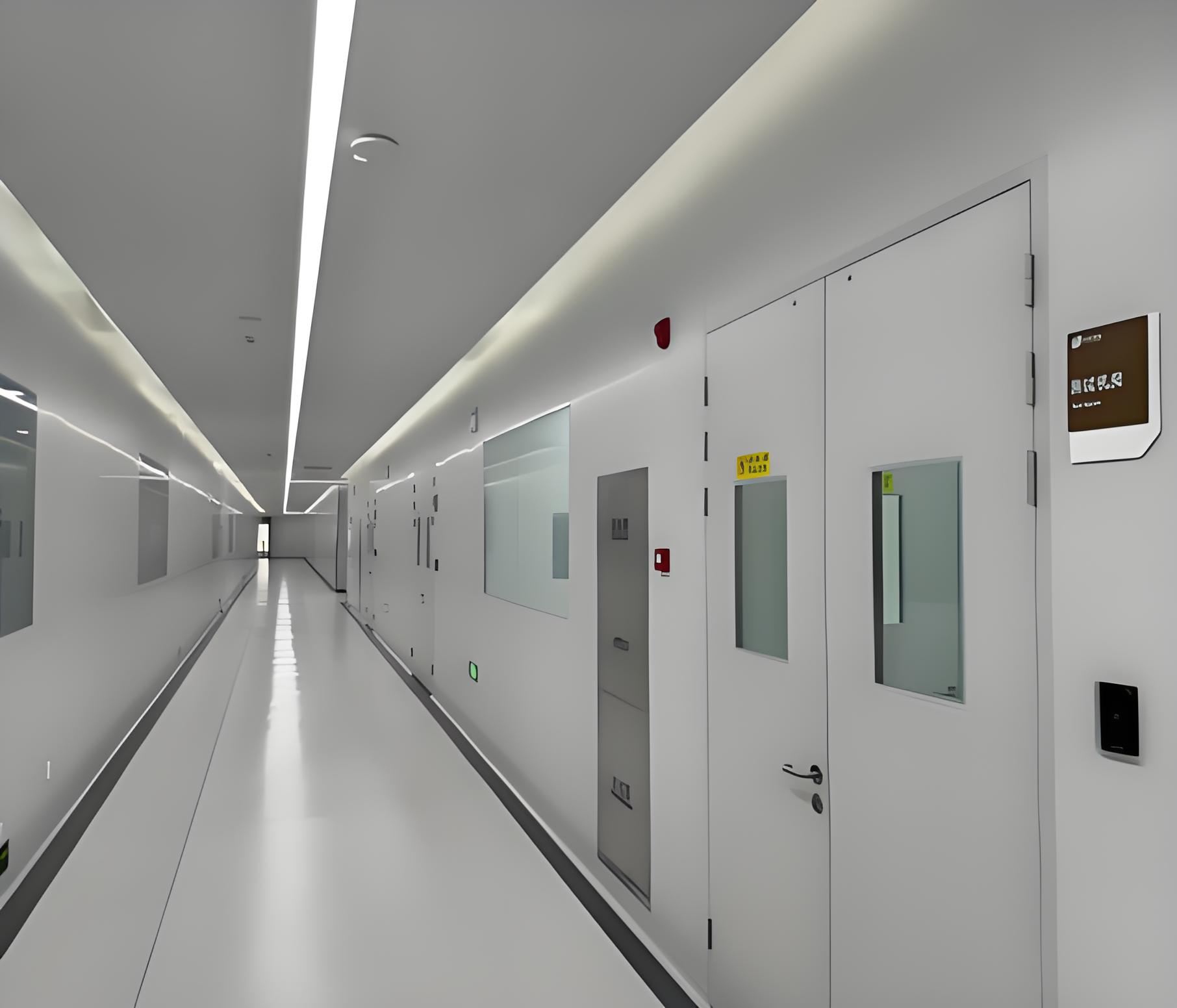
A successful lab arrangement in cleanroom environments is governed by several non-negotiable principles. The first is the clear definition of process flow. All activities, from material receipt to finished product dispatch, should follow a logical, unidirectional path. This minimizes cross-traffic and reduces the risk of cross-contamination. The layout should visualize this flow like a roadmap.
The second principle is zoning. A cleanroom lab must be divided into distinct zones based on cleanliness levels (e.g., ISO Class 5, 7, 8). The lab arrangement should enforce a gradient, guiding personnel and materials from the least clean areas (change rooms) to the most critical zones (core processing). Airlocks and pass-throughs are critical components in this zoned strategy.
Finally, flexibility and future-proofing are key. While the process flow is fixed, the lab arrangement should allow for some adaptability. Modular furniture, movable partitions, and easily accessible service chases enable the lab to evolve with changing research or production needs without a complete shutdown.
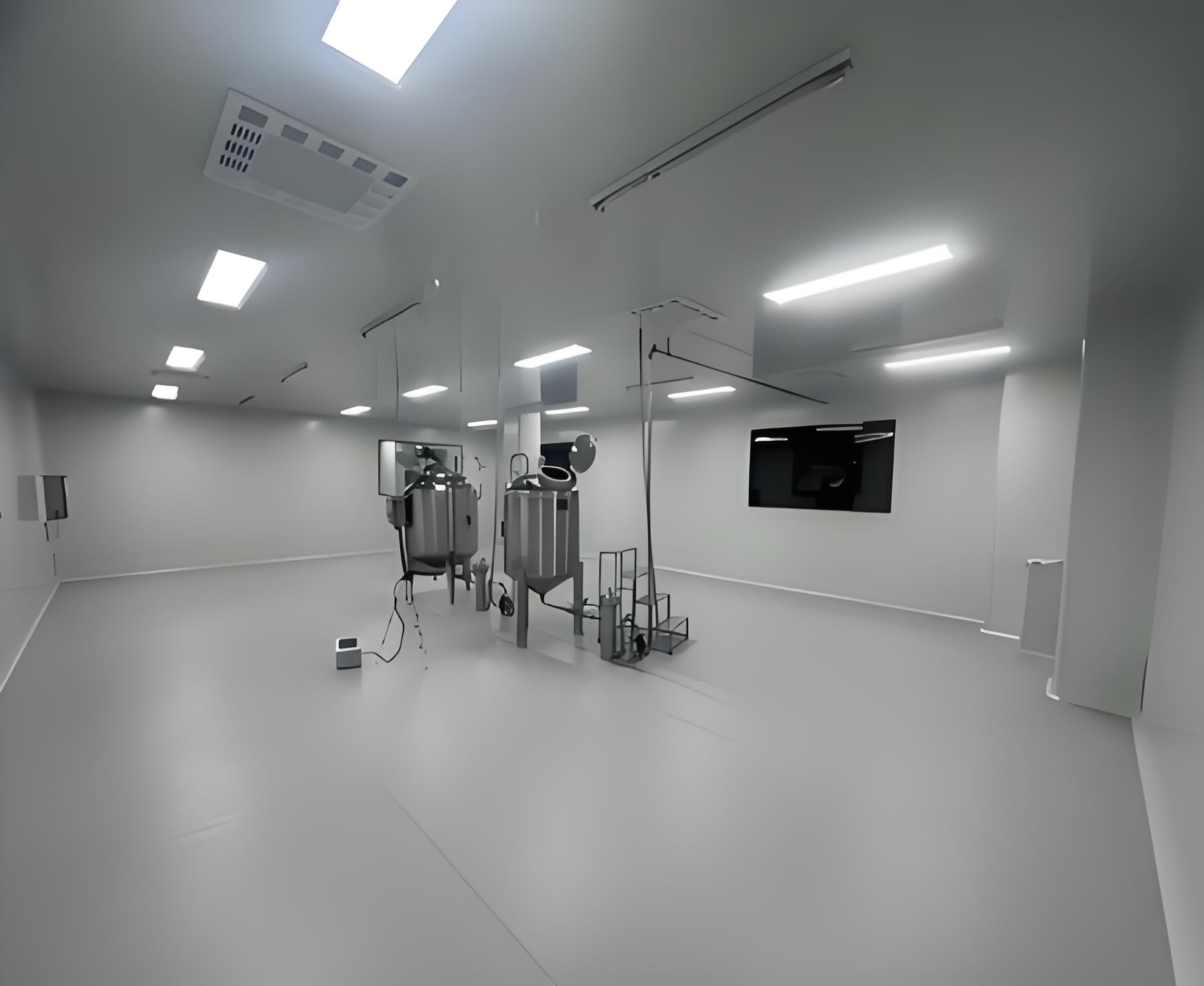
At the heart of any functional lab arrangement is intelligent space planning. This involves meticulously mapping out the location of every element. Fixed items like biosafety cabinets, fume hoods, and laminar flow benches are placed first. Their positioning dictates airflow patterns and defines clean zones.
Ergonomics and technician movement are then overlaid on this plan. The goal is to minimize unnecessary steps and reduce rapid movements that can disturb particles. Workstations should be within easy reach, and commonly used equipment should be centrally located. A thoughtful lab arrangement reduces fatigue and enhances focus on precise tasks.
Consider the “golden triangle” concept for key work areas. The distance between a primary workstation, a critical instrument, and a material storage point should be minimized. This efficient lab arrangement is a hallmark of TAI JIE ER’s design philosophy, ensuring smooth daily operations in the facilities they help develop.
The mechanical system is the lungs of a cleanroom, and the lab arrangement is its skeleton. They must work in perfect harmony. The placement of supply air HEPA filters and return air grilles is determined by the physical layout. The goal is to achieve laminar or unidirectional airflow over critical areas.
Equipment placement can create airflow shadows or eddies. A large incubator or freezer can disrupt the designed air pattern, creating a pocket of higher particle concentration. Therefore, the lab arrangement process involves close collaboration with HVAC engineers. Computational Fluid Dynamics (CFD) modeling is often used to simulate airflow in the proposed layout before construction begins.
This proactive approach prevents costly performance failures. TAI JIE ER’s teams use such simulations to validate that their proposed lab arrangement will support the required ISO class, ensuring the cleanroom performs as intended from day one.
Separating the paths of clean and dirty materials is a critical challenge addressed by smart lab arrangement. Dedicated corridors or defined uni-directional lanes prevent incoming raw materials from crossing paths with finished products. Pass-through autoclaves and dunk tanks are integrated into walls to facilitate safe material transfer between zones of different cleanliness.
Similarly, personnel flow is carefully choreographed. The lab arrangement must include clearly defined change rooms with progressive gowning stages. The path from street clothes to full cleanroom attire should be intuitive and inescapable. This design inherently enforces protocol.
Waste streams also need a dedicated and sealed path out of the clean zone. Ignoring waste flow in the initial lab arrangement is a common mistake that leads to procedural compromises and contamination risks later.
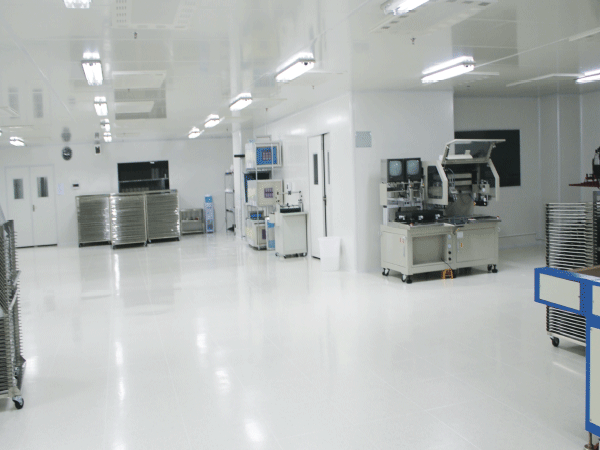
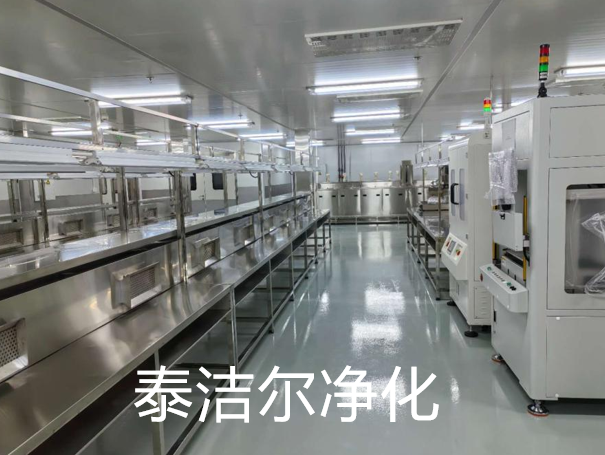
The choice of FF&E is integral to the lab arrangement. In cleanrooms, every surface must be easy to clean and resistant to chemicals. Furniture with rounded corners, seamless welds, and non-shedding materials is essential. Benches and cabinets are often specified as modular systems to allow for reconfiguration.
Equipment footprint and service requirements must be factored into the floor plan. A large spectrometer isn’t just a box on the floor; it needs power, data, coolant, and possibly exhaust. The lab arrangement must allocate space for these utilities and for maintenance access behind and around the instrument.
TAI JIE ER often advises clients on FF&E selection early in the design phase. This ensures that the purchased items physically and functionally fit into the master lab arrangement plan, avoiding last-minute changes and budget overruns.
Consider a biotech company scaling up from R&D to pilot-scale production. Their existing open-plan lab arrangement was causing cross-talk between projects and airflow issues. They engaged with experts, including consultants from TAI JIE ER, to redesign the space.
The new lab arrangement created distinct, enclosed modules for different process stages. A centralized gowning core serviced all modules, improving efficiency. Material flow was re-routed through a dedicated logistics corridor. The result was a 40% reduction in average particle counts during operation and a 15% increase in throughput due to smoother workflows. This demonstrates the tangible ROI of a professionally planned lab arrangement.
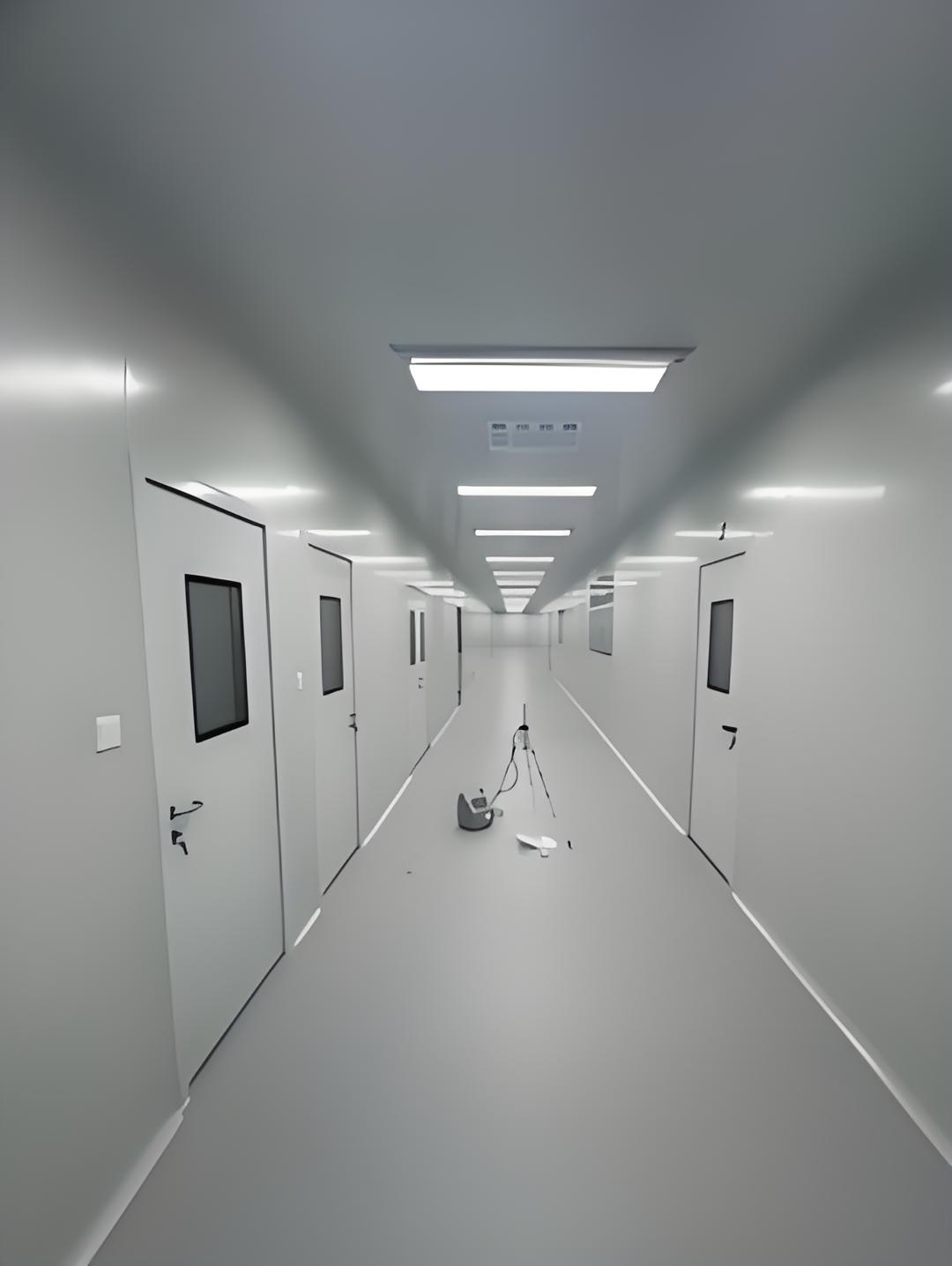
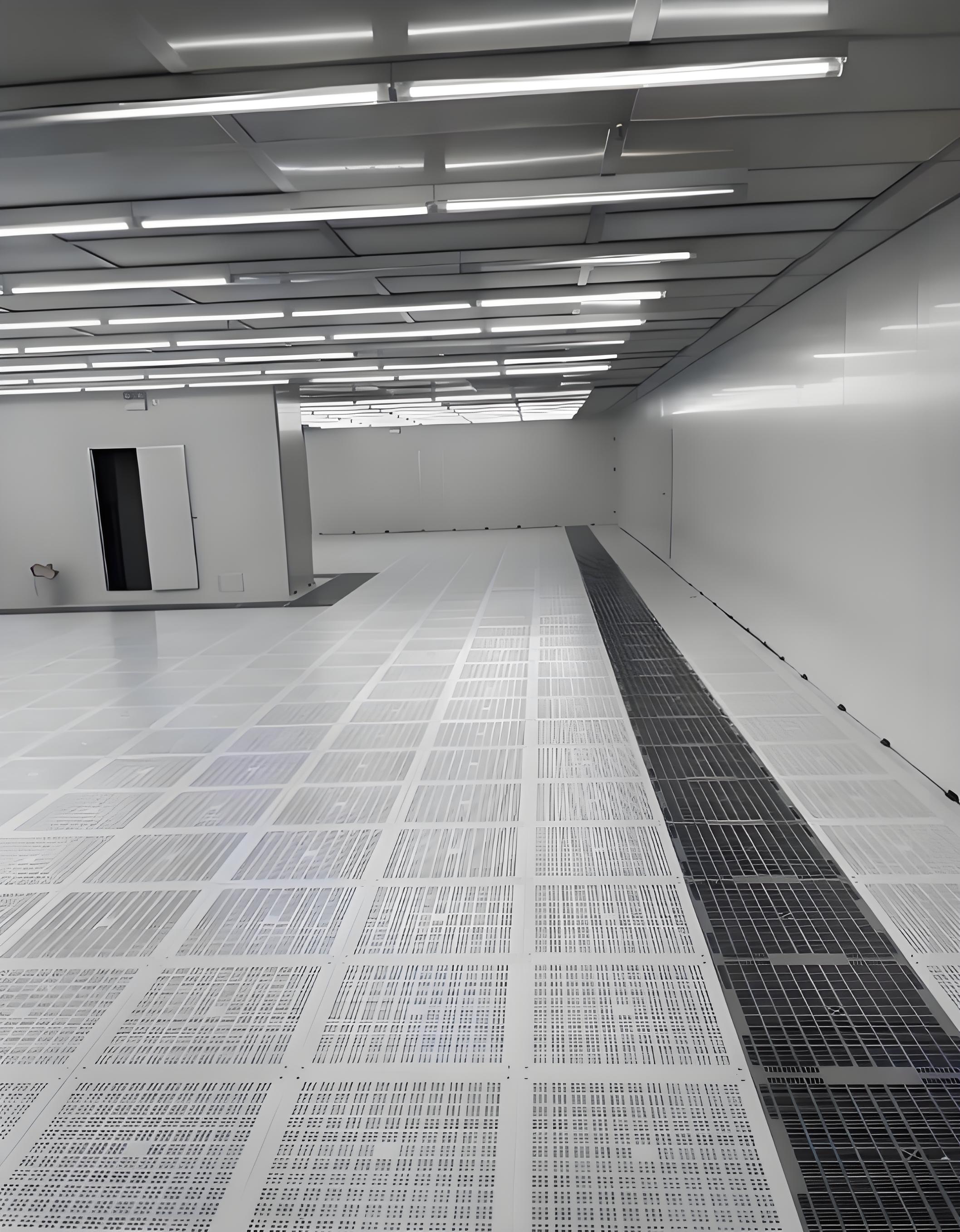
Technology and processes change. A rigid lab arrangement can become obsolete quickly. The solution is to design with adaptability in mind. This means using demountable wall systems instead of permanent drywall. It involves installing interstitial ceilings or raised floors with ample service capacity for future equipment.
Creating “soft spaces” or expansion zones in the initial lab arrangement plan is a wise investment. These areas can temporarily house storage or admin functions but are designed to be easily converted to higher-classification clean space when needed. This forward-thinking approach protects your capital investment.
For over a decade, TAI JIE ER has helped clients build not just for today, but for tomorrow. Their designs prioritize a core lab arrangement that is robust yet adaptable, ensuring facilities remain state-of-the-art for years to come.
Ultimately, lab arrangement is the critical first step in cleanroom success. It is a complex puzzle where safety, science, and workflow intersect. By prioritizing a logical process flow, seamless HVAC integration, and strict contamination control pathways, you build a foundation for reliability and compliance. Partnering with experienced designers like TAI JIE ER can help translate these principles into a high-performing, efficient, and safe cleanroom laboratory that stands up to both audit and daily use.
Q1: What is the single most important factor in a cleanroom lab arrangement?
A1: The most critical factor is establishing and enforcing a unidirectional flow for personnel, materials, and waste. A lab arrangement that prevents cross-contamination by separating clean and dirty paths is fundamental to maintaining the integrity of the cleanroom environment.
Q2: How does lab arrangement affect HVAC system cost and efficiency?
A2: A compact, well-zoned lab arrangement can reduce the volume of space requiring stringent climate control, lowering HVAC capital and operational costs. More importantly, an efficient layout minimizes airflow obstructions, allowing the system to work as designed with less energy required to maintain laminar flow and pressure cascades.
Q3: Why is flexibility so important in modern lab arrangement planning?
A3: Research focuses and production scales change rapidly. A flexible lab arrangement using modular furniture and demountable walls allows a facility to be reconfigured for new equipment or processes with minimal downtime and renovation cost, protecting your long-term investment.
Q4: Can a poor lab arrangement be fixed after the cleanroom is built?
A4: It can be corrected, but retrofits are often complex and expensive. They may require shutting down operations, relocating major utilities, and modifying the HVAC system. It is far more cost-effective to invest in meticulous planning and simulation during the initial design phase to get the lab arrangement right the first time.
Q5: How early should we involve a cleanroom specialist like TAI JIE ER in planning our lab arrangement?
A5: Involvement should happen at the very earliest conceptual stage. A specialist can guide site selection, overall space programming, and core flow principles before any architectural drawings are started. This early collaboration ensures that the fundamental lab arrangement supports all technical and operational requirements, preventing redesigns later in the project.