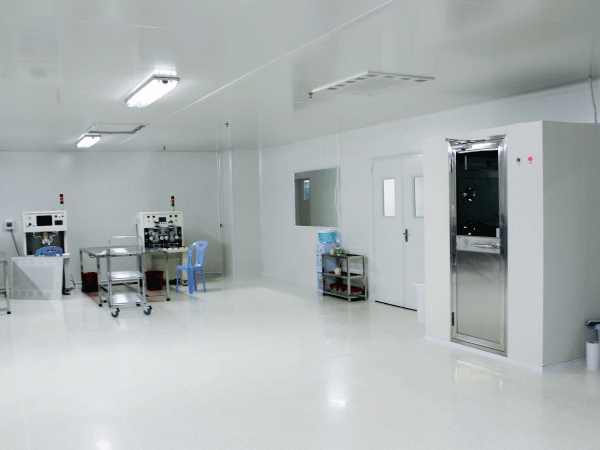

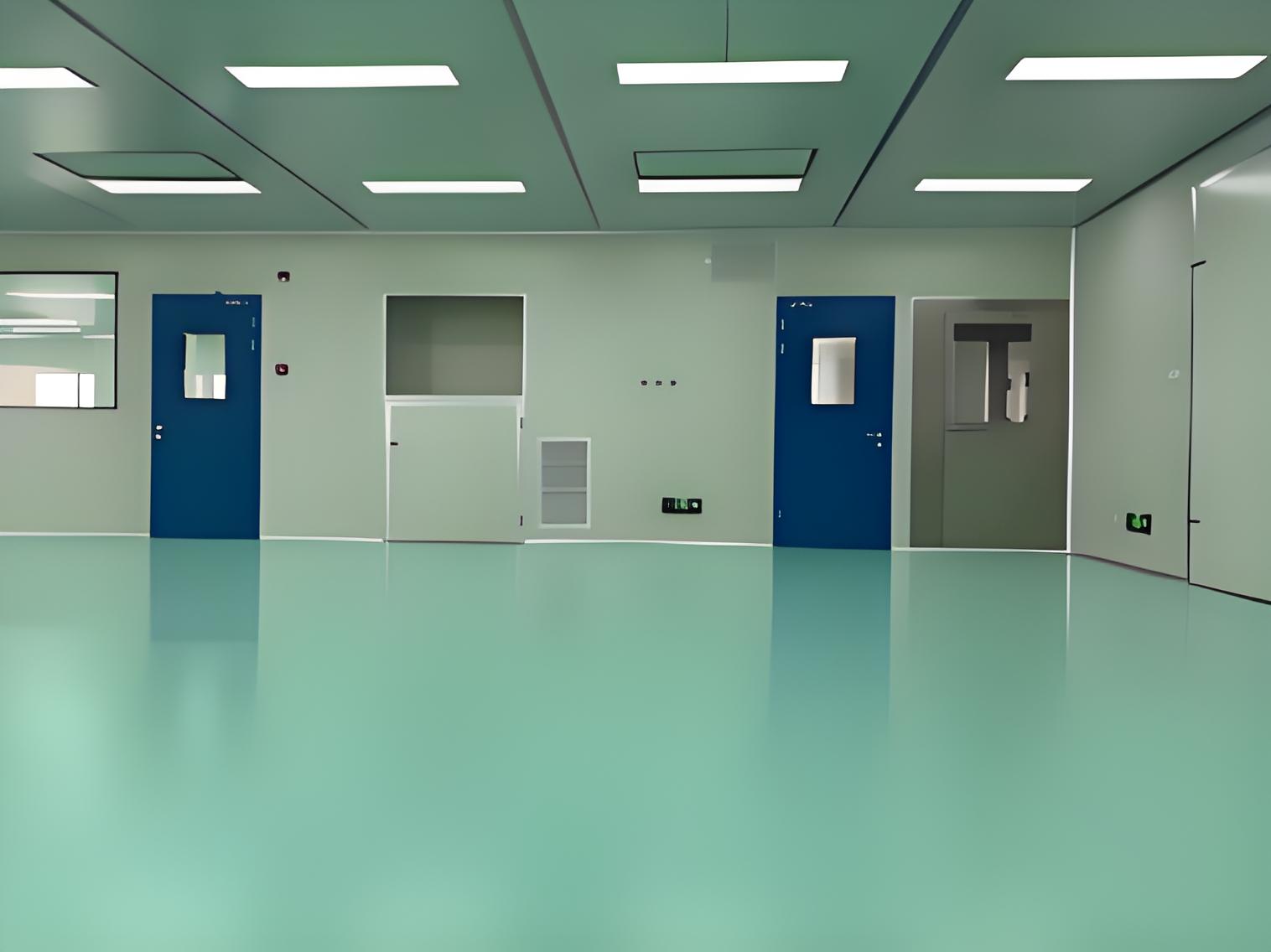
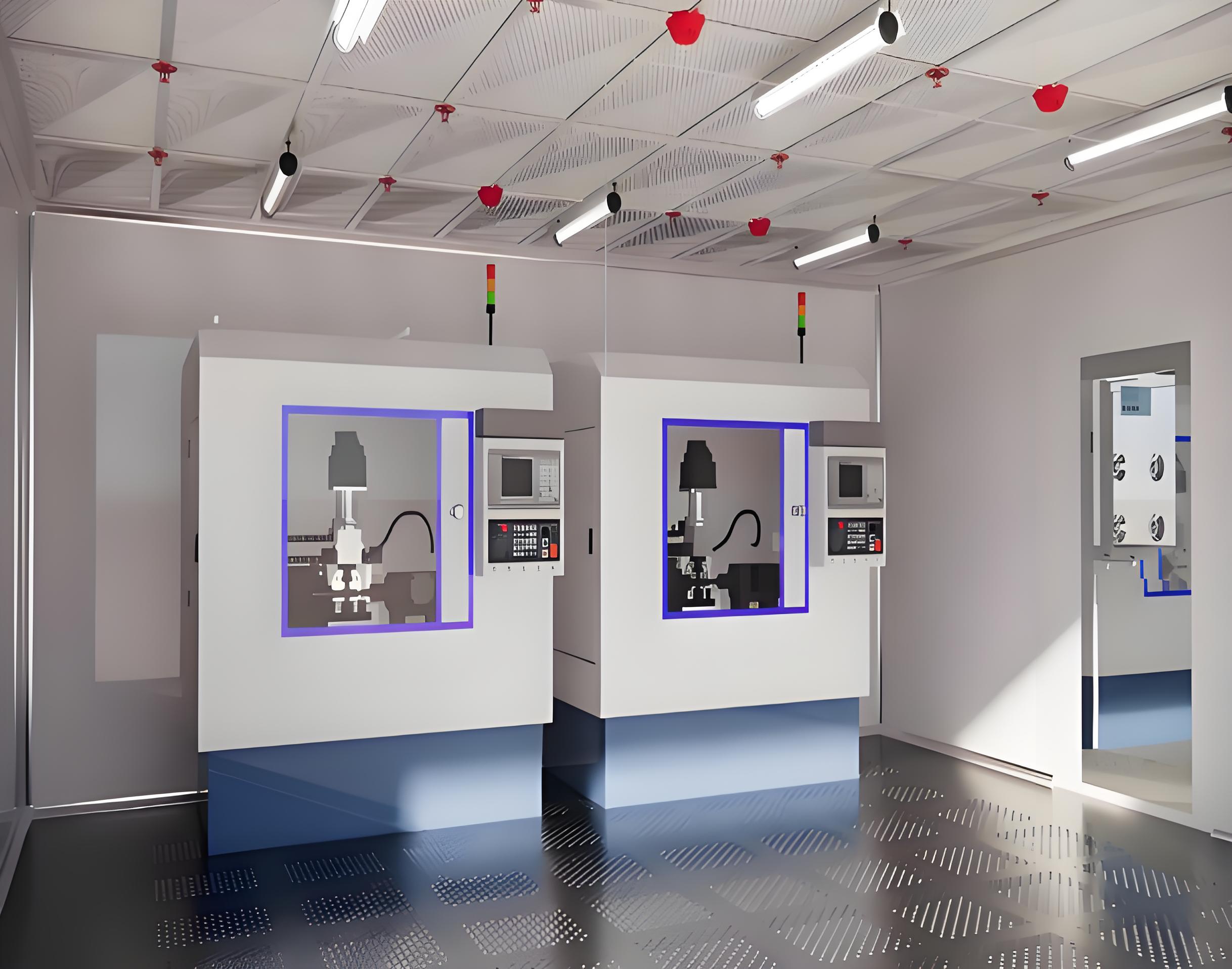
In today's fast-paced scientific and industrial landscapes, laboratories and cleanrooms are more than just physical spaces. They are critical hubs for innovation, research, and production. The concept of "lab by design" has emerged as a pivotal approach to creating facilities that are not only functional but also efficient, safe, and adaptable. This methodology emphasizes intentional planning from the ground up, ensuring that every aspect of a laboratory or cleanroom is tailored to meet specific operational needs. In the realm of international cleanroom engineering, adopting a lab by design philosophy can lead to significant improvements in performance, compliance, and sustainability. This article delves into the multifaceted aspects of lab by design, exploring its principles, benefits, and practical applications in modern facility planning.
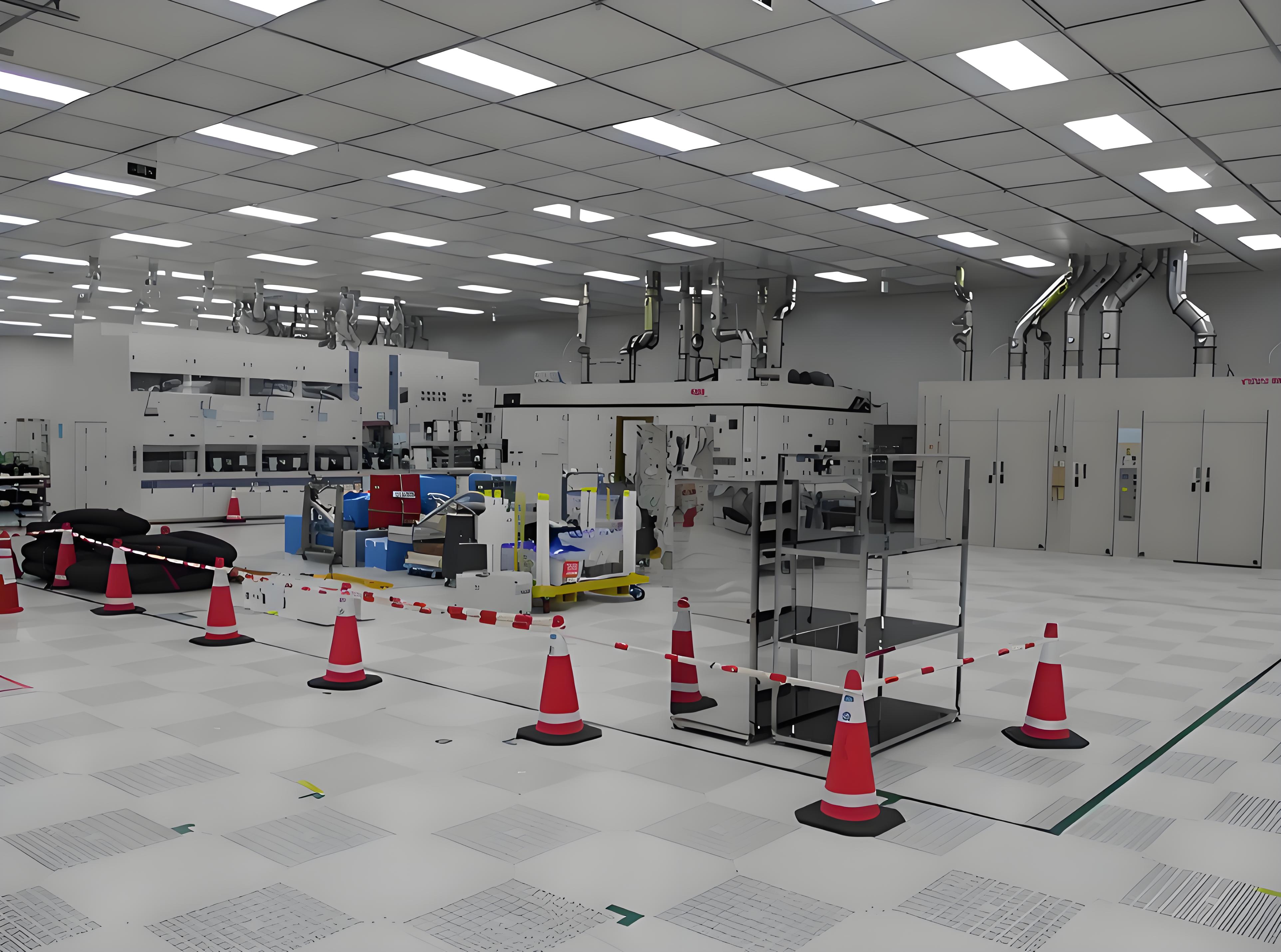
Lab by design is a proactive approach to laboratory and cleanroom development. It involves integrating design, engineering, and operational considerations from the initial stages of a project. Unlike traditional methods where design might be an afterthought, lab by design places emphasis on strategic planning. This ensures that the facility aligns with its intended purpose, whether it's for pharmaceutical research, biotechnology, or semiconductor manufacturing.
The core idea behind lab by design is to create spaces that enhance workflow, safety, and efficiency. By considering factors such as equipment placement, airflow, and material flow early on, designers can avoid costly modifications later. This approach is particularly crucial in cleanroom environments, where precision and contamination control are paramount. Implementing lab by design means that every decision, from layout to technology integration, is made with a clear vision in mind.
In cleanroom engineering, lab by design translates to meticulous attention to detail. It encompasses aspects like HVAC systems, filtration, and pressure differentials. These elements must be carefully planned to meet international standards, such as ISO classifications. The goal is to build a facility that not only meets regulatory requirements but also supports long-term operational success. Lab by design, therefore, serves as a blueprint for excellence in laboratory and cleanroom construction.
The success of a lab by design strategy hinges on several fundamental principles. First is functionality. A well-designed laboratory or cleanroom must support the specific processes it will house. This involves analyzing workflows and ensuring that spaces are optimized for efficiency. For instance, in a cleanroom used for sterile manufacturing, the design should minimize particle generation and facilitate easy cleaning.
Second is flexibility. Science and technology evolve rapidly, so facilities must be adaptable. Lab by design incorporates modular elements and scalable infrastructure. This allows for future expansions or reconfigurations without major disruptions. In cleanroom engineering, flexibility might mean designing utility systems that can accommodate new equipment or changing regulatory demands.
Third is safety and compliance. Laboratories and cleanrooms often handle hazardous materials or sensitive processes. A lab by design approach integrates safety features from the start. This includes proper ventilation, emergency exits, and containment systems. Compliance with international standards, such as ISO 14644 for cleanrooms, is non-negotiable. By embedding these requirements into the design, risks are minimized.
Fourth is sustainability. Modern facilities are increasingly focused on reducing environmental impact. Lab by design promotes energy-efficient systems, waste reduction, and sustainable materials. In cleanroom engineering, this might involve using low-energy air handlers or recycling processes. Sustainable design not only benefits the planet but also lowers operational costs over time.
Adopting a lab by design methodology offers numerous advantages. One of the primary benefits is enhanced operational efficiency. By streamlining workflows and reducing bottlenecks, laboratories and cleanrooms can achieve higher productivity. This is especially important in industries where time-to-market is critical, such as pharmaceuticals or microelectronics. A well-designed facility minimizes downtime and maximizes output.
Another key benefit is improved safety. When safety measures are integrated into the design, the risk of accidents or contamination decreases. For cleanrooms, this means better control over particulate and microbial levels. Lab by design ensures that safety protocols are built into the infrastructure, rather than added as an afterthought. This protects both personnel and products.
Cost savings are also a significant advantage. While initial investment in lab by design might be higher, it leads to long-term savings. Efficient layouts reduce energy consumption, and flexible designs avoid expensive renovations. In cleanroom engineering, proper planning can extend the lifespan of filtration systems and reduce maintenance costs. Thus, lab by design is a cost-effective strategy over the facility's lifecycle.
Furthermore, lab by design supports compliance and quality assurance. By aligning with international standards from the outset, facilities are better prepared for audits and inspections. This reduces the likelihood of non-compliance penalties and ensures consistent product quality. In sectors like healthcare or aerospace, where regulations are stringent, this is invaluable.
Implementing lab by design requires a structured process. The first step is needs assessment. This involves collaborating with stakeholders to define the facility's purpose, scope, and requirements. In cleanroom engineering, this might include determining the ISO class, operational processes, and future growth projections. A clear understanding of needs forms the foundation of the lab by design approach.
Next is conceptual design. During this phase, designers create initial layouts and system schematics. They consider spatial relationships, equipment integration, and flow dynamics. For cleanrooms, this includes planning airflow patterns and contamination control zones. The conceptual design should reflect the principles of lab by design, prioritizing functionality and safety.
The third step is detailed engineering. Here, technical specifications are developed for all systems, such as HVAC, electrical, and plumbing. In lab by design, this stage involves selecting materials and technologies that align with sustainability and efficiency goals. For example, choosing energy-efficient lighting or advanced filtration systems for cleanrooms.
Construction and commissioning follow. During construction, the design is brought to life with careful oversight to ensure adherence to plans. Commissioning involves testing and validating all systems to confirm they meet design criteria. In cleanroom engineering, this includes particle count tests and pressure differential checks. Lab by design ensures that commissioning is thorough, guaranteeing optimal performance.
Finally, ongoing evaluation and adaptation are crucial. A lab by design facility should be monitored regularly to identify areas for improvement. Feedback from users can inform adjustments, keeping the facility aligned with evolving needs. This iterative process reinforces the value of lab by design over time.
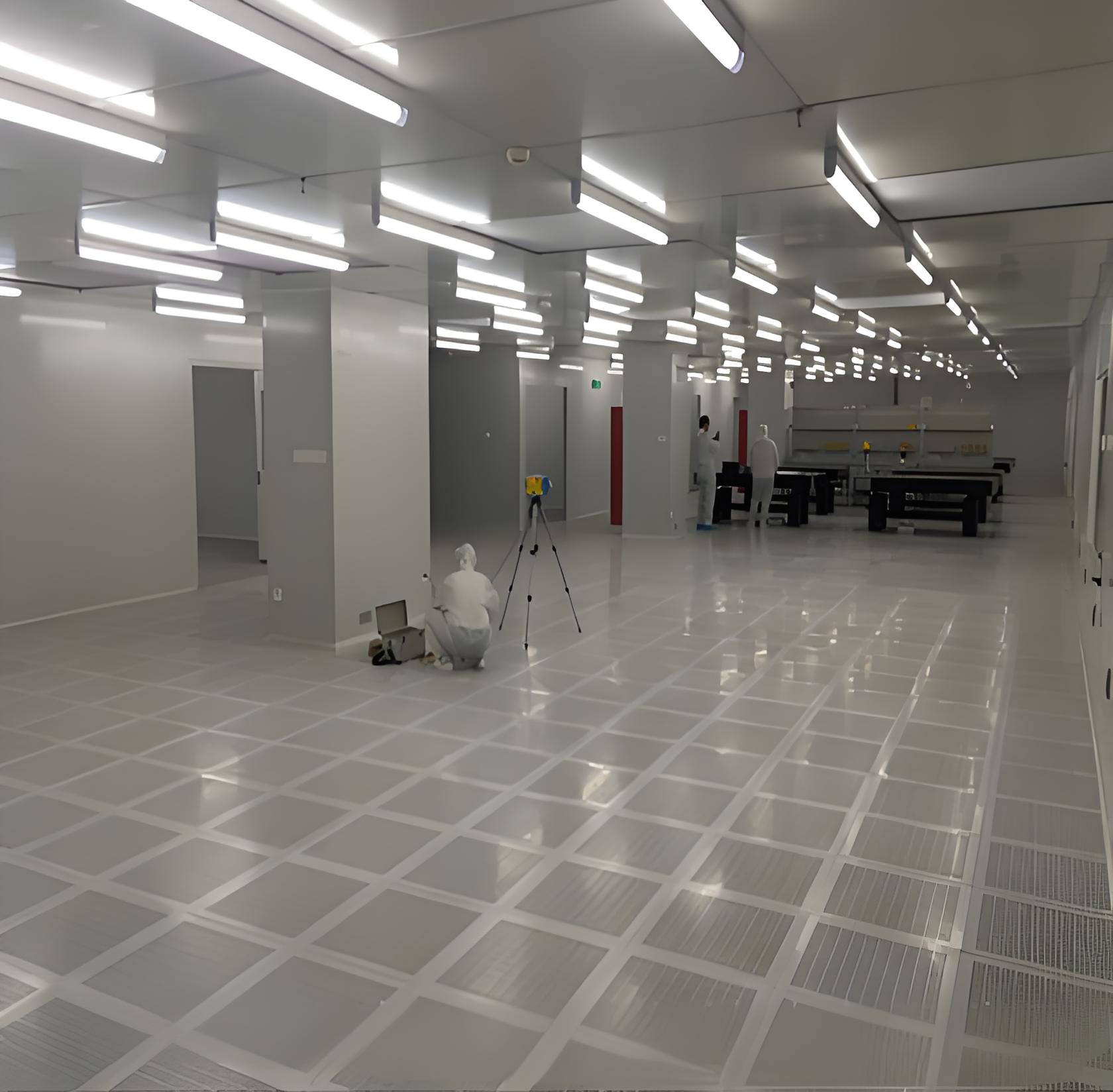
Despite its benefits, lab by design can face challenges. One common issue is budget constraints. Comprehensive planning might seem costly upfront. However, by emphasizing long-term savings and efficiency, stakeholders can be convinced of the return on investment. Solutions include phased implementation or seeking funding for sustainable features.
Another challenge is balancing multiple requirements. Laboratories and cleanrooms often serve diverse functions, making design complex. Lab by design addresses this through interdisciplinary collaboration. Engaging engineers, scientists, and operations teams early ensures that all perspectives are considered. This holistic approach leads to more integrated solutions.
Regulatory compliance can also be daunting, especially in international cleanroom engineering. Standards vary by region, and keeping up with changes is tough. Lab by design mitigates this by incorporating compliance checks at every stage. Working with experts who understand global standards, such as ISO or EU regulations, is key. Regular audits during design help avoid last-minute adjustments.
Technological integration poses another hurdle. As new equipment emerges, facilities must adapt. Lab by design builds in flexibility by using modular components and future-proof infrastructure. For cleanrooms, this might mean designing utility chases that allow for easy upgrades. Planning for technology obsolescence ensures longevity.
Lastly, communication gaps among project teams can hinder lab by design. Clear documentation and regular meetings foster alignment. Tools like BIM (Building Information Modeling) enhance collaboration by providing visual representations. This reduces misunderstandings and ensures that the lab by design vision is consistently applied.
Sustainability is increasingly central to laboratory and cleanroom design. Lab by design naturally incorporates green principles by optimizing resource use. In cleanroom engineering, this involves designing energy-efficient HVAC systems. These systems reduce electricity consumption while maintaining strict environmental controls. Such approaches align with global efforts to combat climate change.
Water conservation is another aspect. Labs and cleanrooms often use significant amounts of water for processes and cooling. Lab by design can include water recycling systems or low-flow fixtures. This not only conserves resources but also lowers utility bills. Sustainable design in lab by design thus has both environmental and economic benefits.
Material selection plays a role too. Choosing durable, recyclable, or low-emission materials reduces the facility's carbon footprint. In cleanroom construction, this might mean using sustainable flooring or wall panels. Lab by design encourages lifecycle analysis to ensure materials are eco-friendly from production to disposal.
Efficiency gains from lab by design extend beyond sustainability. By improving workflow, facilities can operate with fewer resources. For example, optimized layouts reduce the need for excessive lighting or heating. In cleanrooms, efficient airflow designs minimize energy loss. These efficiencies contribute to a leaner, more cost-effective operation.
Overall, lab by design promotes a circular economy mindset. It encourages designing facilities that are not only high-performing but also responsible. As regulations tighten and public awareness grows, sustainability through lab by design will become a standard in cleanroom engineering.
The field of lab by design is evolving with technological advancements. One trend is the increased use of digital tools. BIM and simulation software allow for virtual modeling of laboratories and cleanrooms. This enables designers to test scenarios before construction, reducing errors. In lab by design, these tools enhance precision and collaboration.
Automation and robotics are also shaping the future. Laboratories are incorporating automated systems for sample handling or monitoring. Lab by design must account for these technologies by designing spaces that accommodate robots and AI interfaces. In cleanroom engineering, automation can improve consistency and reduce human error.
Another trend is the focus on resilience. Facilities must withstand disruptions like pandemics or supply chain issues. Lab by design is adapting by incorporating redundant systems and remote operation capabilities. For cleanrooms, this might mean backup power supplies or remote monitoring sensors. Resilience ensures continuity in critical operations.
Personalization is becoming more important. As research becomes more specialized, facilities need to cater to specific needs. Lab by design allows for customization without sacrificing efficiency. This could involve configurable workstations or tailored environmental controls. In cleanroom settings, personalized designs support niche manufacturing processes.
Lastly, integration of IoT (Internet of Things) is on the rise. Smart sensors can monitor conditions in real-time, providing data for optimization. Lab by design incorporates IoT from the start, embedding sensors into infrastructure. This enables predictive maintenance and dynamic adjustments in cleanrooms, enhancing overall performance.
Lab by design represents a transformative approach to creating laboratories and cleanrooms that are efficient, safe, and sustainable. By emphasizing intentional planning from the outset, this methodology addresses the complex demands of modern cleanroom engineering. From functionality and flexibility to compliance and cost savings, the benefits are clear. As trends like digitalization and automation advance, lab by design will continue to evolve, shaping the future of facility design. For organizations aiming to excel in scientific and industrial sectors, embracing lab by design is not just an option—it's a strategic imperative.
Q1: What exactly does "lab by design" mean in cleanroom engineering?
A1: In cleanroom engineering, "lab by design" refers to a proactive planning approach where laboratory and cleanroom facilities are intentionally designed from the beginning to optimize performance, safety, and efficiency. It involves integrating all aspects—such as layout, HVAC systems, and workflow—to meet specific operational needs and international standards, ensuring that the facility is tailored for its purpose without requiring major modifications later.
Q2: How does lab by design improve safety in laboratories and cleanrooms?
A2: Lab by design improves safety by embedding safety features directly into the facility's infrastructure during the planning phase. This includes proper ventilation for hazard control, designated containment zones, emergency access routes, and compliance with regulatory standards like ISO classifications. By considering safety upfront, risks of contamination, accidents, or exposure are minimized, creating a secure environment for personnel and processes.
Q3: Can lab by design be applied to existing facilities, or is it only for new construction?
A3: While lab by design is most effective when implemented from the ground up in new construction, its principles can also be applied to existing facilities through renovations or retrofits. By conducting a thorough assessment and redesigning key elements—such as upgrading HVAC systems or reconfiguring layouts—older laboratories and cleanrooms can be optimized to align with lab by design goals, though it may involve more complexity and cost.
Q4: What are the cost implications of adopting a lab by design approach?
A4: Initially, lab by design may require higher investment due to detailed planning and quality materials. However, it leads to significant long-term cost savings by enhancing operational efficiency, reducing energy consumption, minimizing maintenance needs, and avoiding expensive retrofits. In cleanroom engineering, for example, efficient designs can lower lifetime costs by extending equipment lifespan and ensuring compliance, thus offering a strong return on investment.
Q5: How does lab by design address sustainability in cleanroom environments?
A5: Lab by design addresses sustainability by incorporating eco-friendly practices into the facility's core design. This includes selecting energy-efficient systems like low-power air handlers, using sustainable materials, implementing water conservation measures, and optimizing layouts to reduce resource waste. In cleanroom engineering, these strategies help lower the environmental impact while maintaining high performance, aligning with global sustainability goals and often reducing operational expenses.