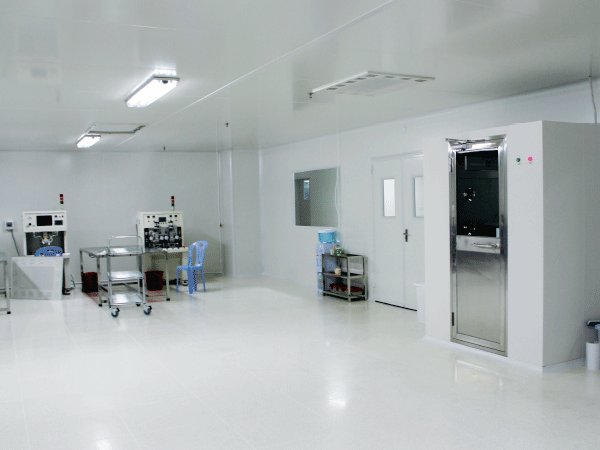

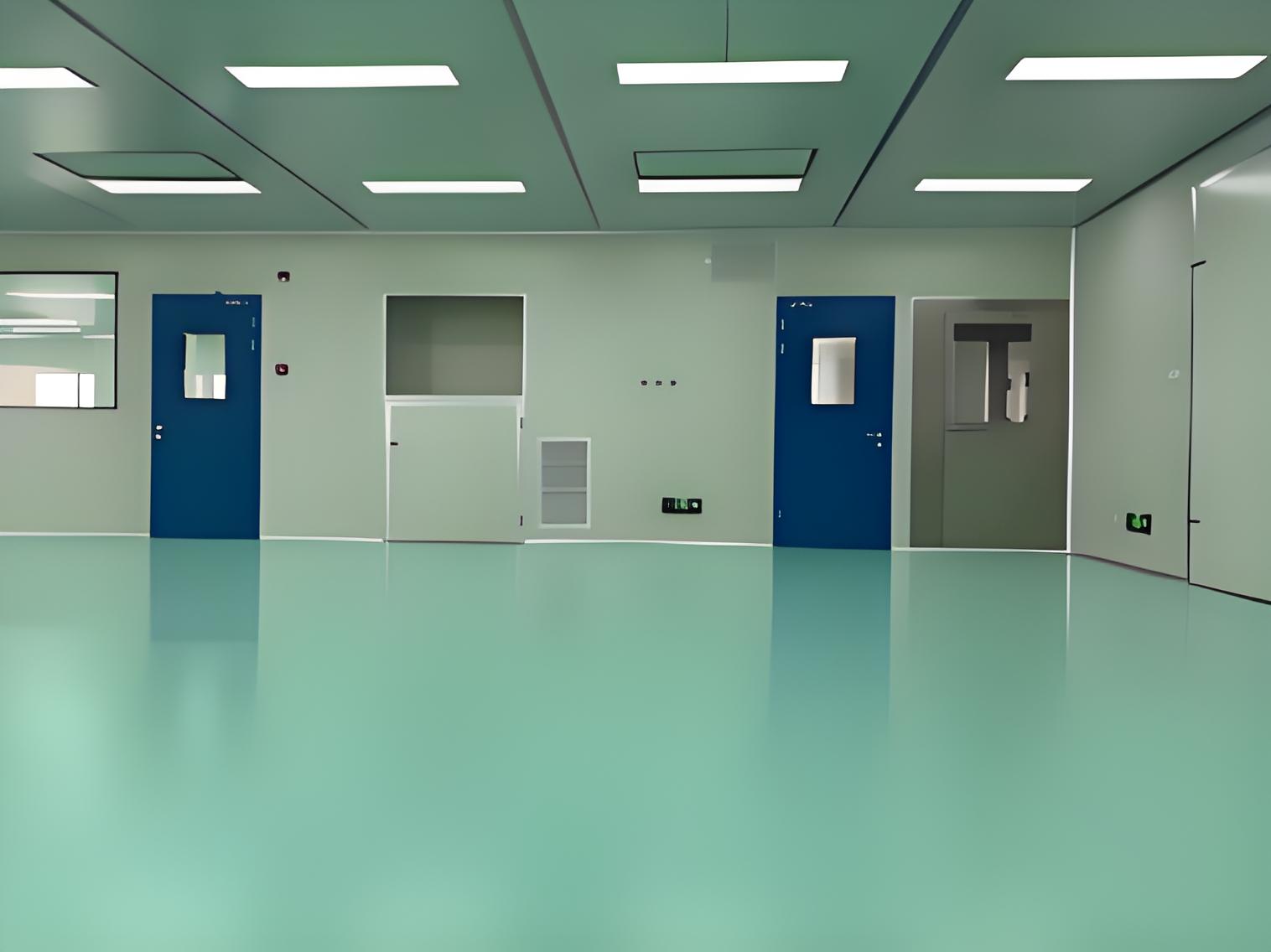
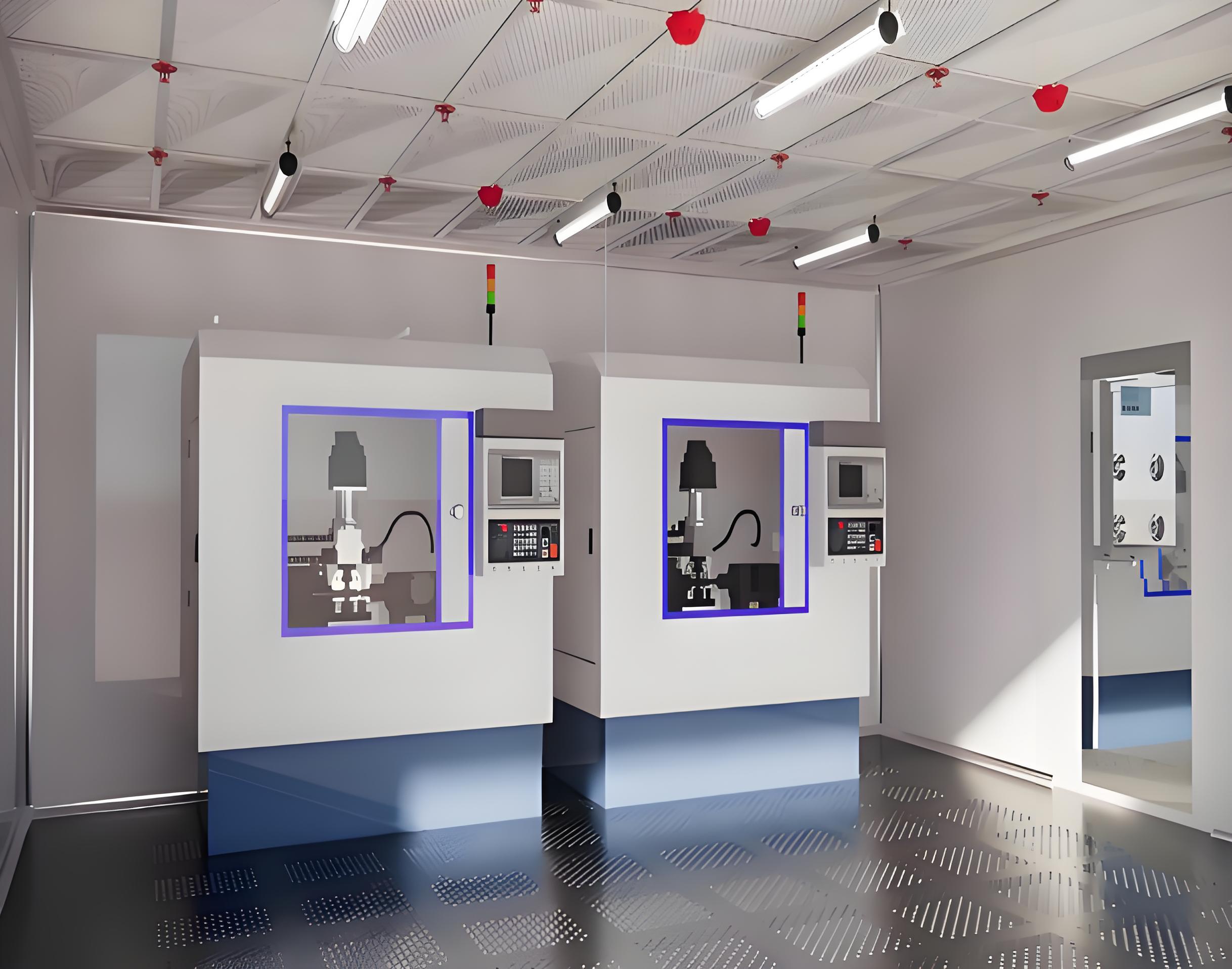
Designing a laboratory involves countless critical decisions. Among these, lab counter design stands out as a foundational element that directly impacts daily operations, safety, and research integrity. This is especially true in international cleanroom environments, where surfaces must meet rigorous standards for cleanliness, durability, and chemical resistance. A well-planned lab counter design is not merely about installing a work surface; it's about creating a reliable, efficient, and compliant foundation for sensitive work.
Getting your lab counter design wrong can lead to contamination, workflow bottlenecks, and even safety hazards. The right design supports seamless processes, protects personnel, and ensures the longevity of the facility itself. This article breaks down the essential factors to consider, moving beyond aesthetics to focus on the core requirements of modern cleanroom and laboratory applications.
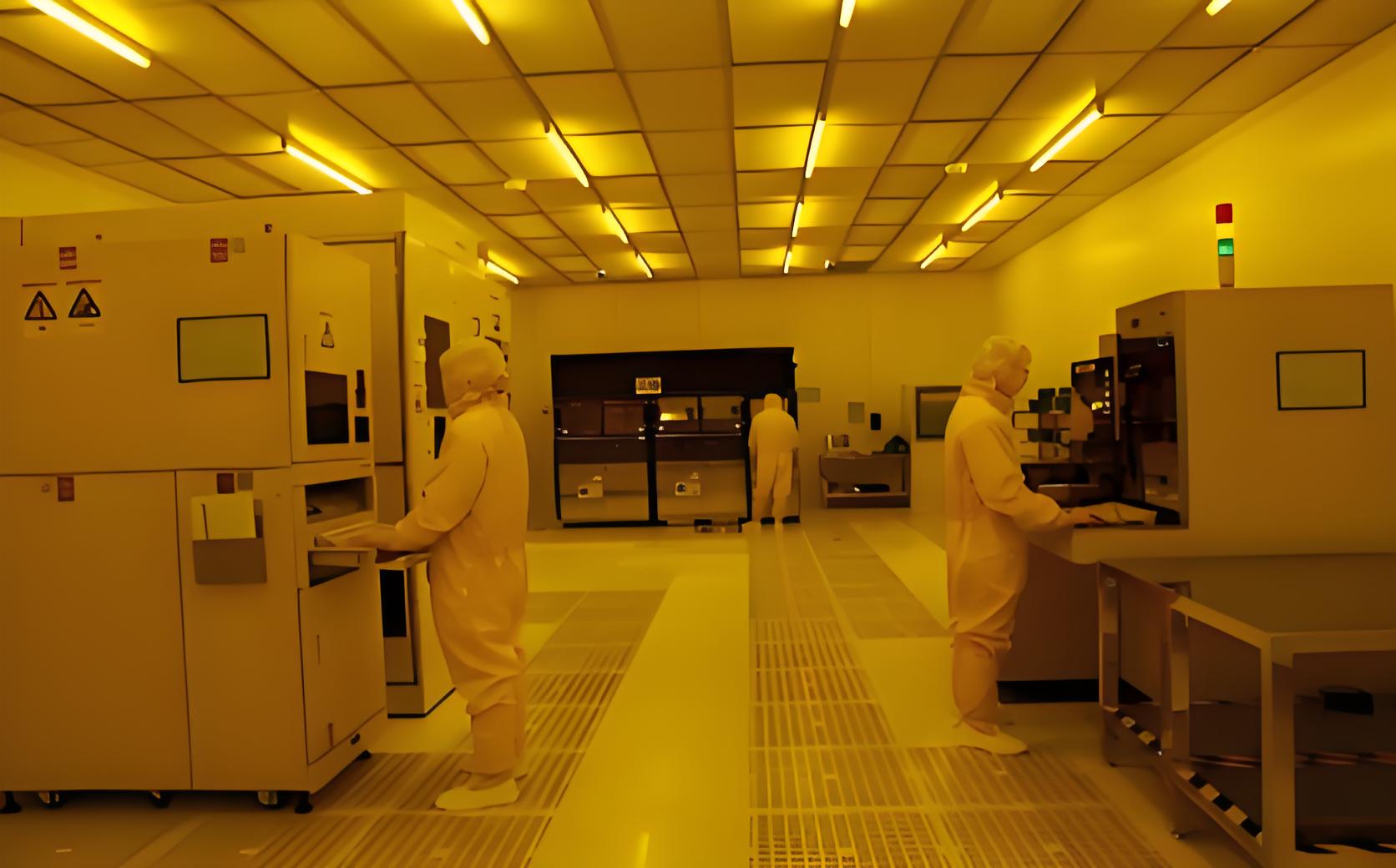
The choice of material is the first and most crucial decision in lab counter design. The surface must withstand a unique combination of challenges. Chemical exposure, thermal shock, physical impact, and strict hygiene protocols are all part of a cleanroom's daily reality.
Epoxy resin is a perennial favorite for many labs. It offers a non-porous, seamless surface that resists a wide range of acids, solvents, and alkalis. Its monolithic nature means there are no cracks or joints where contaminants can hide, making it ideal for ISO Class environments. However, it can be vulnerable to very high heat.
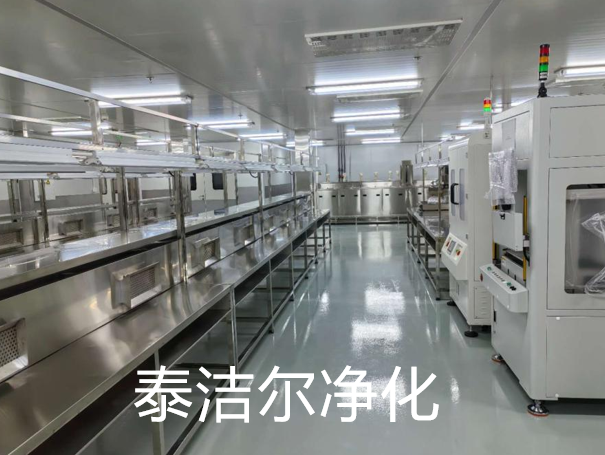
Stainless steel is the gold standard for aseptic and sterile applications, such as in pharmaceutical fill lines or biotechnology. Type 316 stainless steel provides excellent corrosion resistance. Its non-porous quality allows for aggressive cleaning and sterilization with steam or harsh disinfectants. The integration of sinks, backsplashes, and coved corners into a single, welded unit is a hallmark of advanced cleanroom countertop design.
Phenolic resin and solid surface materials offer a balance of chemical resistance and cost-effectiveness. They are lighter than epoxy or steel and can be good for electronic assembly areas where static dissipation might be a concern. Ultimately, material selection for your lab work surface design must be driven by the specific chemical, thermal, and cleanroom class requirements of your processes.
A durable material is useless if the lab counter design creates an inefficient or unsafe workspace. Ergonomic principles must guide the layout. The standard workbench height should accommodate the majority of users, typically between 900mm and 950mm, to prevent strain during long procedures.
Consider the workflow like a choreographer plans a dance. The design of lab counters should create a logical progression from sample receipt, to preparation, to analysis, to disposal. This often means designing dedicated zones with specialized counter setups. A weigh station needs vibration resistance and leveling. A microscopy station requires electrical outlets and data ports integrated thoughtfully.
Knee spaces and sit-stand considerations are vital for technician comfort. Ample toe kicks allow users to stand close to the bench without discomfort. The depth of the counter is also key; too deep, and reagents at the back become inaccessible; too shallow, and there isn't enough workspace. Smart laboratory bench design always prioritizes the human element alongside technical specifications.
Modern laboratories are hubs of instrumentation and equipment. A bare countertop is rarely sufficient. Effective lab counter design seamlessly integrates essential services directly into the work surface or the supporting cabinetry. This is where functionality is truly built-in.
Electrical raceways, data ports, gas taps (for nitrogen, compressed air), and vacuum lines need predefined positions. In cleanroom fume hood and counter design, these services are often routed through the bench structure to maintain an uncluttered, cleanable surface. Service spines or overhead service carriers are alternatives that keep the counter free.
Local exhaust ventilation (LEV) is sometimes needed directly at the counter, not just in a fume hood. Slot extracts or capture hoods can be built into the lab counter design to remove light fumes or heat from soldering stations. Planning for these services upfront prevents costly and disruptive retrofits later, ensuring a clean and safe air environment.
In regulated environments, lab counter design is a compliance issue. Surfaces must contribute to the controlled particulate and microbial environment. Materials must be able to withstand validated cleaning and decontamination procedures without degrading.
Seams and edges are critical points. The best practice in cleanroom counter design is to specify coved (rounded) corners where the counter meets the wall (backsplash) and at the front edge. This eliminates sharp 90-degree angles that are difficult to clean. Sinks, if required, should be seamlessly welded into the countertop material.
The finish of the material matters. A smooth, glossy finish is generally easier to wipe down and decontaminate than a matte or textured one. The entire assembly—countertop, supports, and attached fixtures—must not shed particles or outgas volatile compounds that could compromise the cleanroom's integrity or sensitive processes.
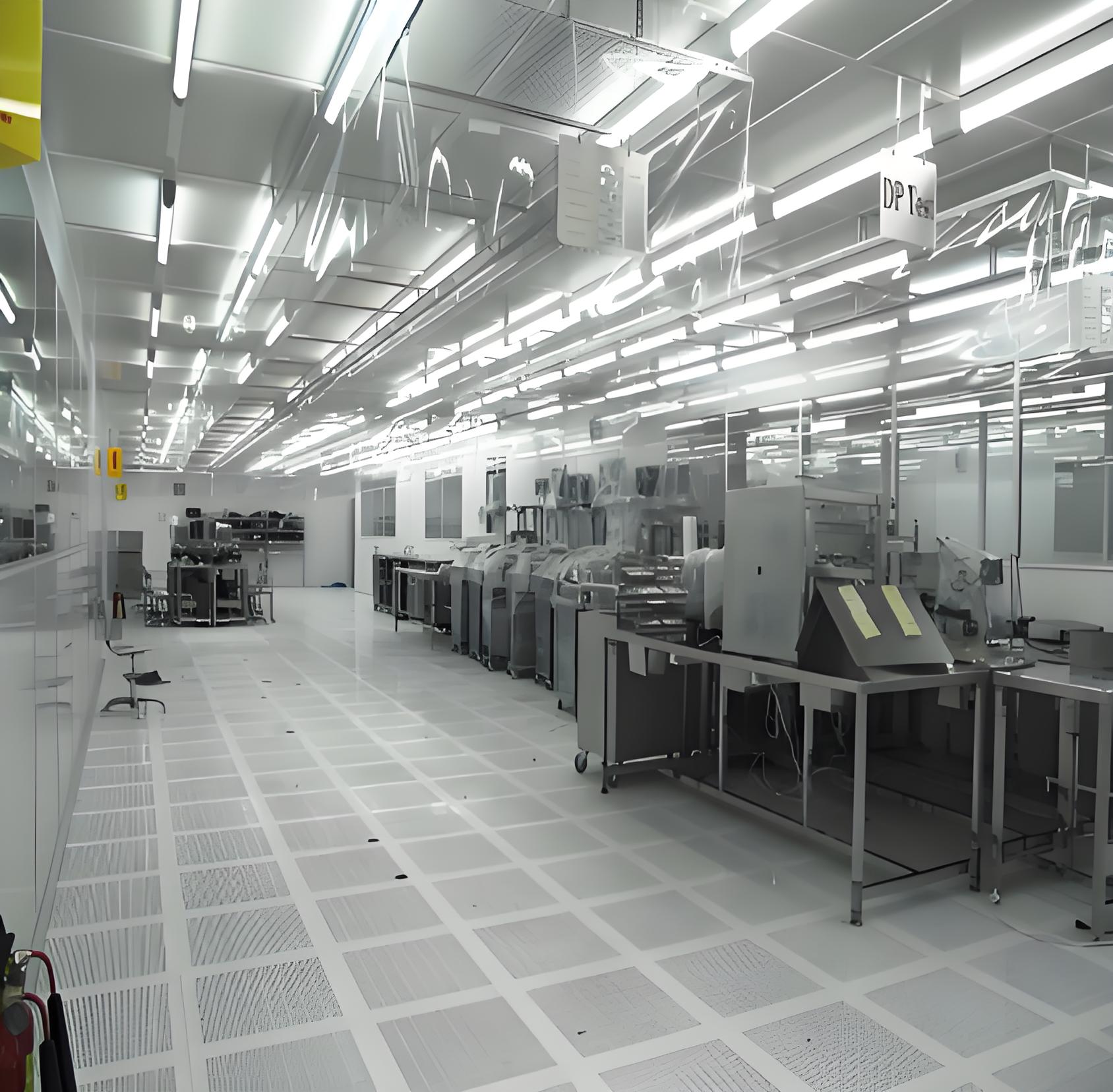
A laboratory is a high-traffic, high-stress environment. The lab counter design must be built for the long haul. Durability translates to resistance against scratches, stains, and impacts from dropped tools or glassware.
Maintenance is an operational reality. The chosen design should make daily and periodic cleaning as simple as possible. Are there difficult-to-reach areas behind equipment? Does the material require special cleaners or can it tolerate broad-spectrum disinfectants? A low-maintenance lab work surface design reduces downtime and operational costs.
Think about the lifecycle. Will the counter need to be replaced in five years, or can it last for twenty? Investing in a robust material and construction upfront often provides a better total cost of ownership. Furthermore, consider if the design allows for future modifications. Can a new service be added? Can a section be replaced without dismantling the entire line? Flexible lab counter design accommodates future scientific and regulatory changes.
The environmental impact of laboratory furniture is increasingly important. Sustainable lab counter design considers the entire product lifecycle. This includes the source of raw materials, the manufacturing process, the durability and energy efficiency during use, and end-of-life disposal or recyclability.
Some solid surface materials contain recycled content. Stainless steel is highly recyclable. The longevity of the product itself is a key sustainability factor—a counter that lasts 30 years is inherently more sustainable than one replaced every decade. Additionally, designs that improve energy efficiency, like integrating insulation for cold rooms or facilitating proper airflow to reduce HVAC load, contribute to a greener facility.
Science evolves rapidly. A static lab counter design can become obsolete. Future-proofing involves incorporating adaptability. Modular bench systems that can be reconfigured are a smart choice for dynamic research environments.
Designing counters with standardized dimensions and removable service panels allows for easier upgrades. Considering the potential for increased automation—such as integrating robotic arms or conveyor systems—during the initial laboratory bench design phase can save immense trouble later. The goal is to create a resilient infrastructure that supports both today's experiments and tomorrow's innovations.
Lab counter design is a complex fusion of materials science, ergonomics, engineering, and regulatory compliance. It demands careful forethought and a deep understanding of the specific processes the cleanroom or laboratory will host. There is no universal "best" countertop; the optimal design emerges from a clear analysis of chemical, physical, biological, and workflow requirements.
By prioritizing the right materials, integrating services thoughtfully, ensuring compliance, and building for durability and adaptability, you create more than just a work surface. You create a reliable, safe, and efficient platform that supports scientific integrity and operational excellence for years to come. Investing time in a meticulous lab counter design process is an investment in the success and safety of the entire facility.
Q1: What is the most chemical-resistant material for a lab countertop?
A1: No single material is resistant to all chemicals. For broad-spectrum resistance against acids, bases, and solvents, epoxy resin is an excellent choice. For extreme chemical exposure or where sterilization is required, Type 316 stainless steel is often preferred. Always consult chemical compatibility charts for your specific reagents before finalizing your lab counter design.
Q2: How important are coved corners in cleanroom counter design?
A2: Extremely important. Coved (rounded) corners where the counter meets the wall and at the front edge are a fundamental best practice in cleanroom counter design. They eliminate sharp angles that are impossible to clean effectively, preventing the accumulation of contaminants and microbial growth, which is critical for maintaining ISO classification and GMP compliance.
Q3: Can services like electrical and gas be added to an existing lab counter later?
A3: It is possible but often disruptive and costly. Retrofitting services usually requires drilling into the counter or bench structure, which can compromise integrity and cleanliness. This is why integrating all anticipated electrical, data, gas, and vacuum lines during the initial lab counter design and installation phase is highly recommended to avoid future downtime and contamination risks.
Q4: What height should a laboratory counter be?
A4: Standard ergonomic height for standing lab work surface design is typically between 900mm (35.4 inches) and 950mm (37.4 inches) from the floor. However, the ideal height can vary based on the primary tasks and the average height of users. Some applications benefit from adjustable-height benches to accommodate different users and tasks, promoting long-term comfort and reducing strain.
Q5: Is stainless steel always the best choice for a sterile cleanroom?
A5: While stainless steel is a top-tier choice for aseptic processing areas due to its non-porous nature and ability to withstand repeated sterilization (e.g., steam, chemical vapors), it is not the only option. High-quality, seamless epoxy resin with appropriate heat resistance can also be validated for use in many sterile environments. The final decision should be based on a full risk assessment, process requirements, and lifecycle cost analysis for your specific lab counter design project.