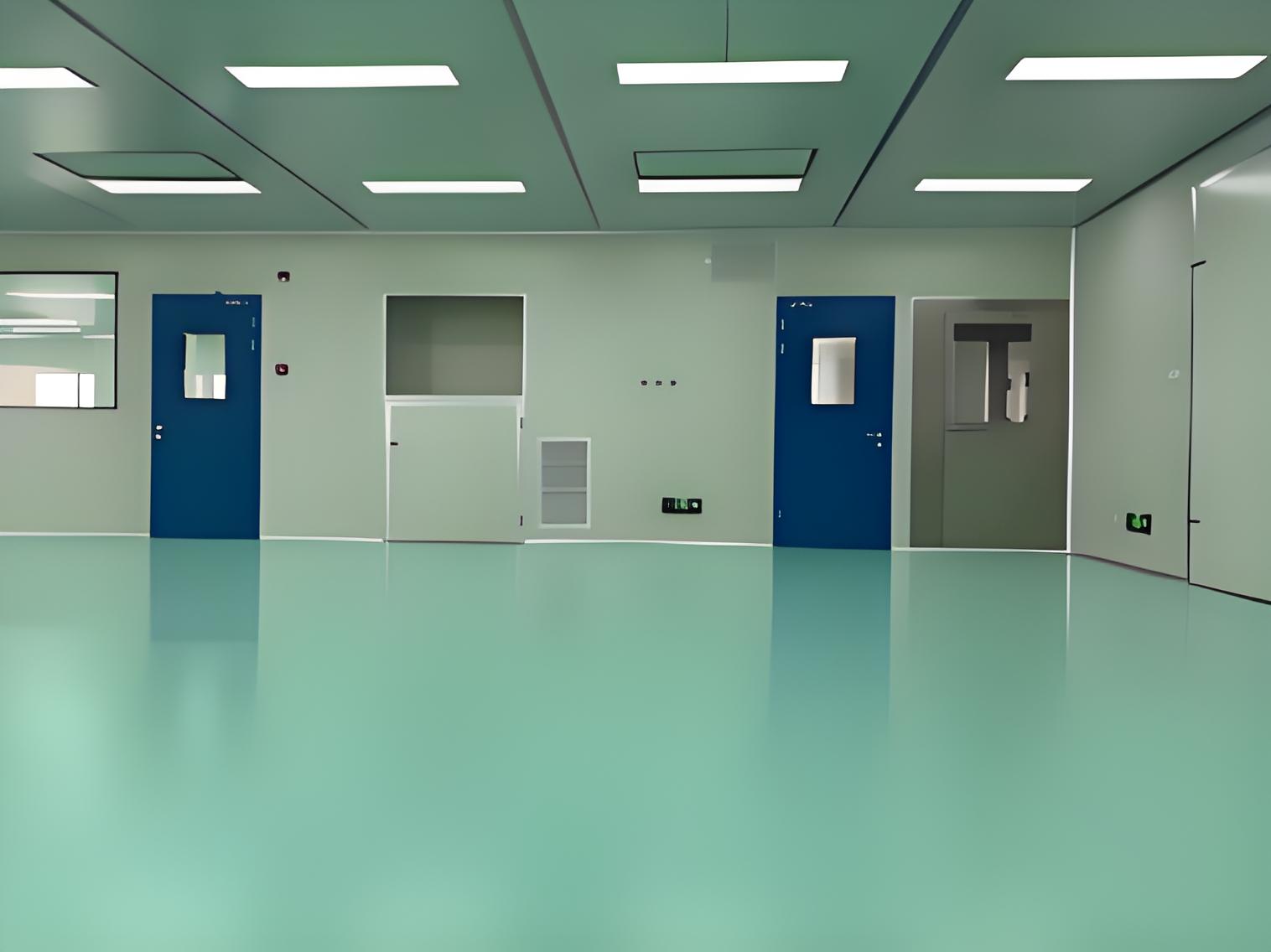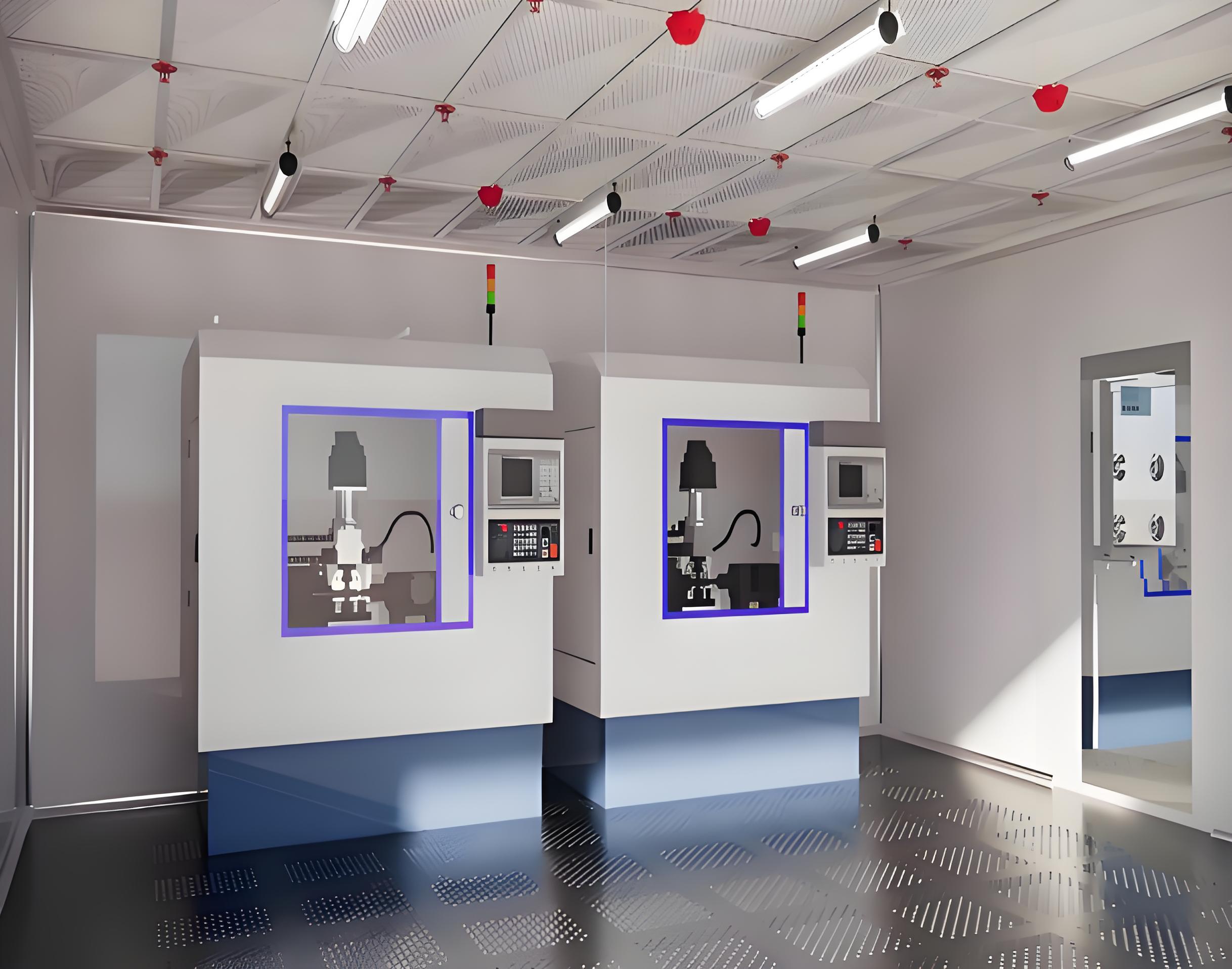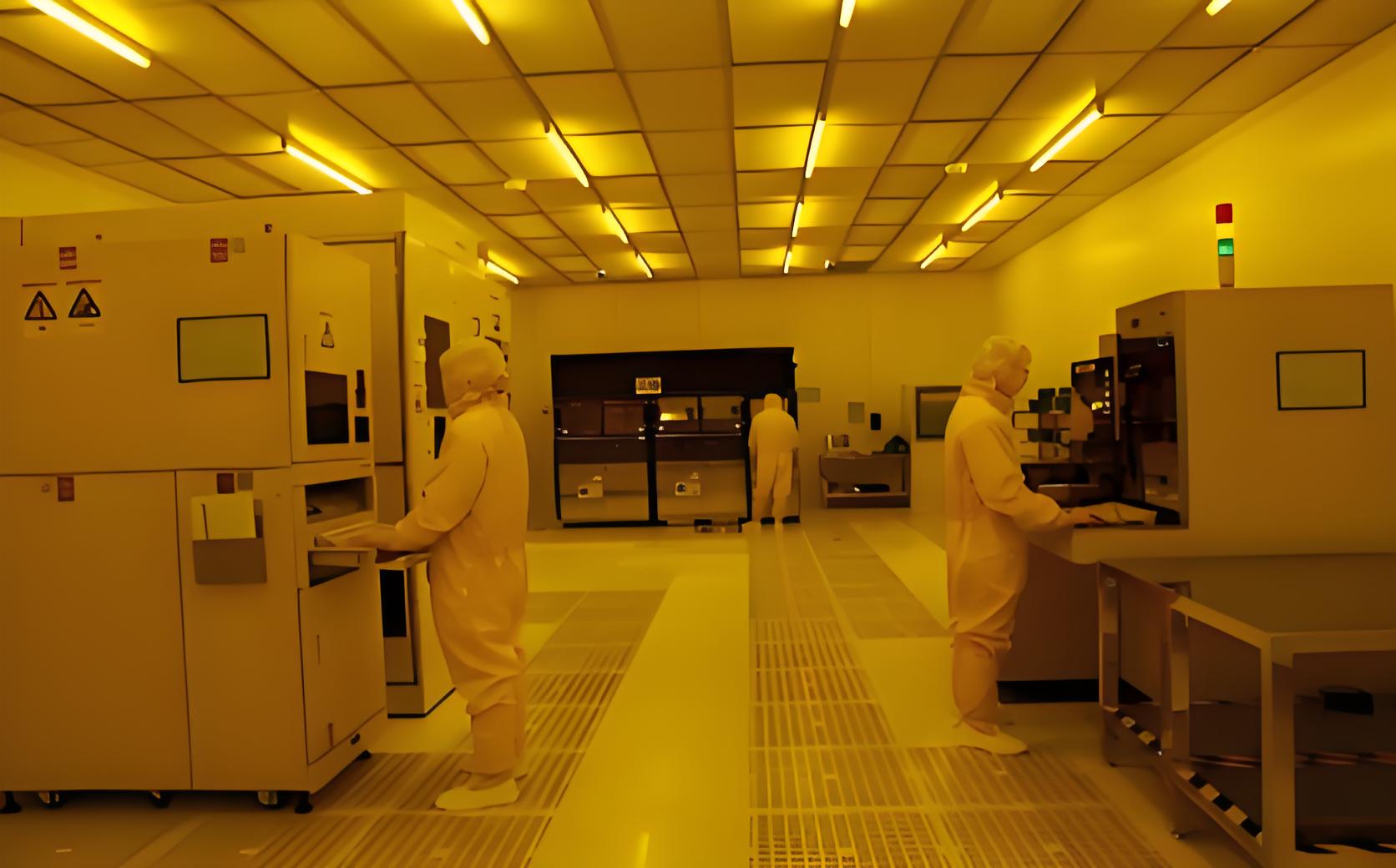
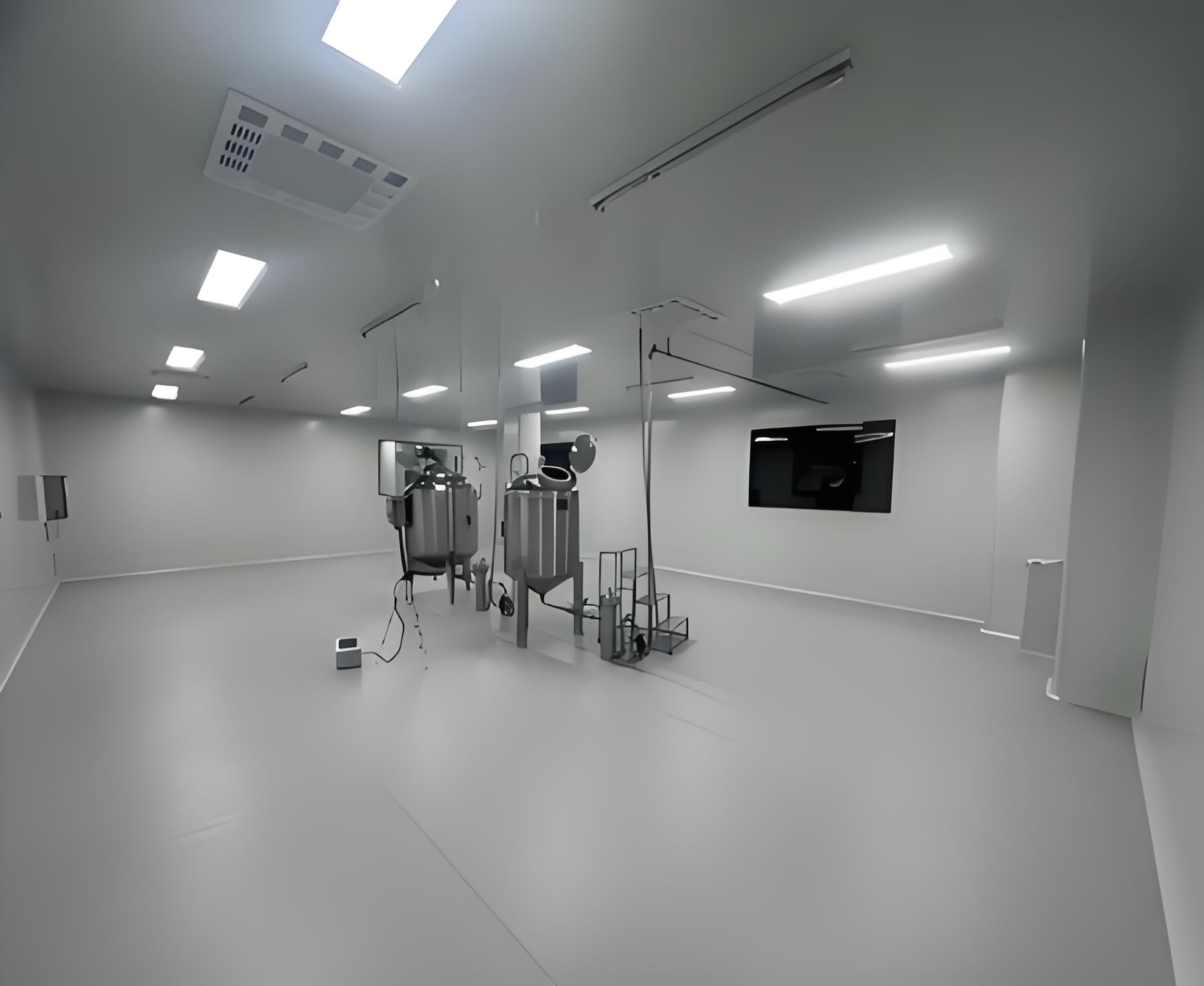
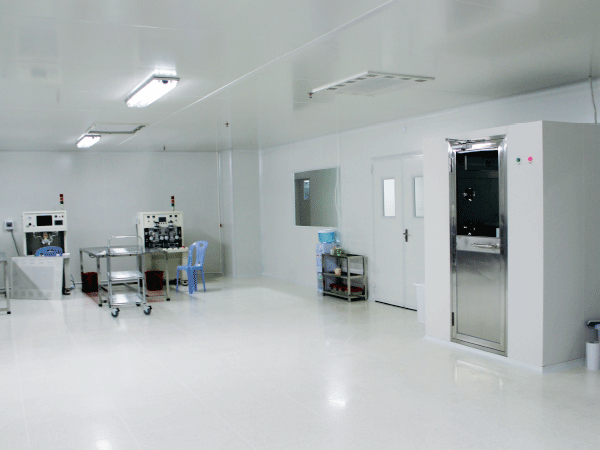
In cleanrooms, pharmaceutical labs, and semiconductor fabs, contamination control is non‑negotiable. Electronic purification engineering integrates advanced filtration, ionization, and monitoring to remove airborne particles and molecular contaminants. At TAI JIE ER, we design systems that meet the strictest international standards. This article explores how electronic purification engineering underpins modern industry.
Key sectors relying on these technologies include:
Microelectronics and semiconductor manufacturing
Biotechnology and aseptic processing
Aerostics and precision optics
Effective electronic purification engineering combines several physical and electronic methods to achieve ISO 14644 cleanroom classes.
HEPA filters remove 99.97% of particles ≥0.3 µm, while ULPA achieves 99.999% at 0.12 µm. These are the backbone of any purification system.
Ionizers neutralise electrostatic charges that attract contaminants. Bipolar ionization is often integrated into HVAC ducts to enhance particle agglomeration.
Real‑time particle counters and sensors feed data to building management systems, enabling immediate adjustments. This proactive approach minimises human error.
Electronic purification engineering is tailored to each sector’s unique requirements.
Fabs require ISO Class 3–5 environments. Molecular contamination is controlled by chemical filters and advanced air handling. TAI JIE ER supplies modular systems for 24/7 operation.
Sterile filling areas demand ISO 5 (Class 100) conditions. Purification systems must comply with EU GMP Annex 1, including unidirectional airflow and integrity testing.
Cleanliness prevents biofilm formation and ensures implant safety. Electronic purification engineering reduces bioburden in assembly zones.
Compliance drives design. Global benchmarks include:
ISO 14644‑1: Classification of air cleanliness by particle concentration.
EU GMP Annex 1: Requirements for sterile medicinal products.
US Federal Standard 209E (historical but still referenced).
Modern electronic purification engineering must also address energy efficiency and sustainability without compromising cleanliness.
With over a decade of experience, TAI JIE ER offers turnkey solutions that integrate seamlessly into existing facilities. Our engineering team customises every project based on:
Room classification and air change rates
Contaminant types (particulate, molecular, microbial)
Energy recovery and operational cost targets
We embed electronic purification engineering into HVAC designs, ensuring uniform airflow and minimal turbulence. All systems undergo factory acceptance testing before delivery.
Regular upkeep preserves performance and extends equipment life. Recommendations include:
HEPA filter integrity testing (at least annually).
Calibration of particle counters and sensors every six months.
Pre‑filter replacement based on differential pressure monitoring.
Ioniser emitter pin cleaning to maintain ion output.
A well‑maintained system reduces downtime and ensures consistent cleanroom certification.
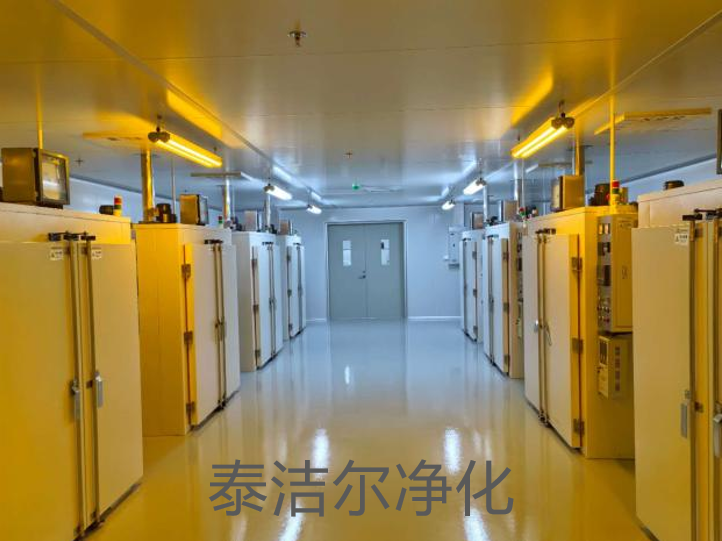
As device geometries shrink and regulatory demands tighten, electronic purification engineering becomes even more critical. Innovations like smart sensors and AI‑driven airflow control are already emerging. Whether you are upgrading an existing cleanroom or building a new one, TAI JIE ER provides the expertise and hardware to meet your goals. By partnering with us, you invest in reliable, future‑ready purification.
Q1: What is electronic purification engineering and how does it differ from standard air conditioning?
A1: While standard HVAC focuses on temperature and humidity, electronic purification engineering specifically targets particle and microbial removal through HEPA/ULPA filtration, ionization, and real‑time monitoring. It is essential for cleanrooms and controlled environments.
Q2: How often should electronic purification engineering systems be validated?
A2: Validation frequency depends on industry and risk. Typically, cleanrooms are re‑certified annually, but critical areas (e.g., ISO 5) may require semi‑annual testing. Always follow ISO 14644 and GMP guidelines.
Q3: Can electronic purification engineering reduce energy costs?
A3: Yes. Modern systems use variable speed drives, energy‑recovery wheels, and low‑pressure‑drop filters. TAI JIE ER designs energy‑efficient solutions that maintain cleanliness while lowering operational expenses.
Q4: What is the role of ionization in electronic purification engineering?
A4: Ionization neutralises electrostatic charges on surfaces and airborne particles, preventing them from adhering to products or work surfaces. It also helps agglomerate fine particles, making them easier to capture by filters.
Q5: How do I choose the right electronic purification engineering partner?
A5: Look for experience in your industry, compliance with international standards, and after‑sales support. TAI JIE ER offers custom designs, on‑site commissioning, and training to ensure long‑term performance.
Q6: Does electronic purification engineering cover molecular contamination (AMC)?
A6: Absolutely. Advanced systems incorporate activated carbon filters and chemical scrubbers to remove airborne molecular contaminants (AMCs) that can corrode sensitive electronics or affect bioprocesses.