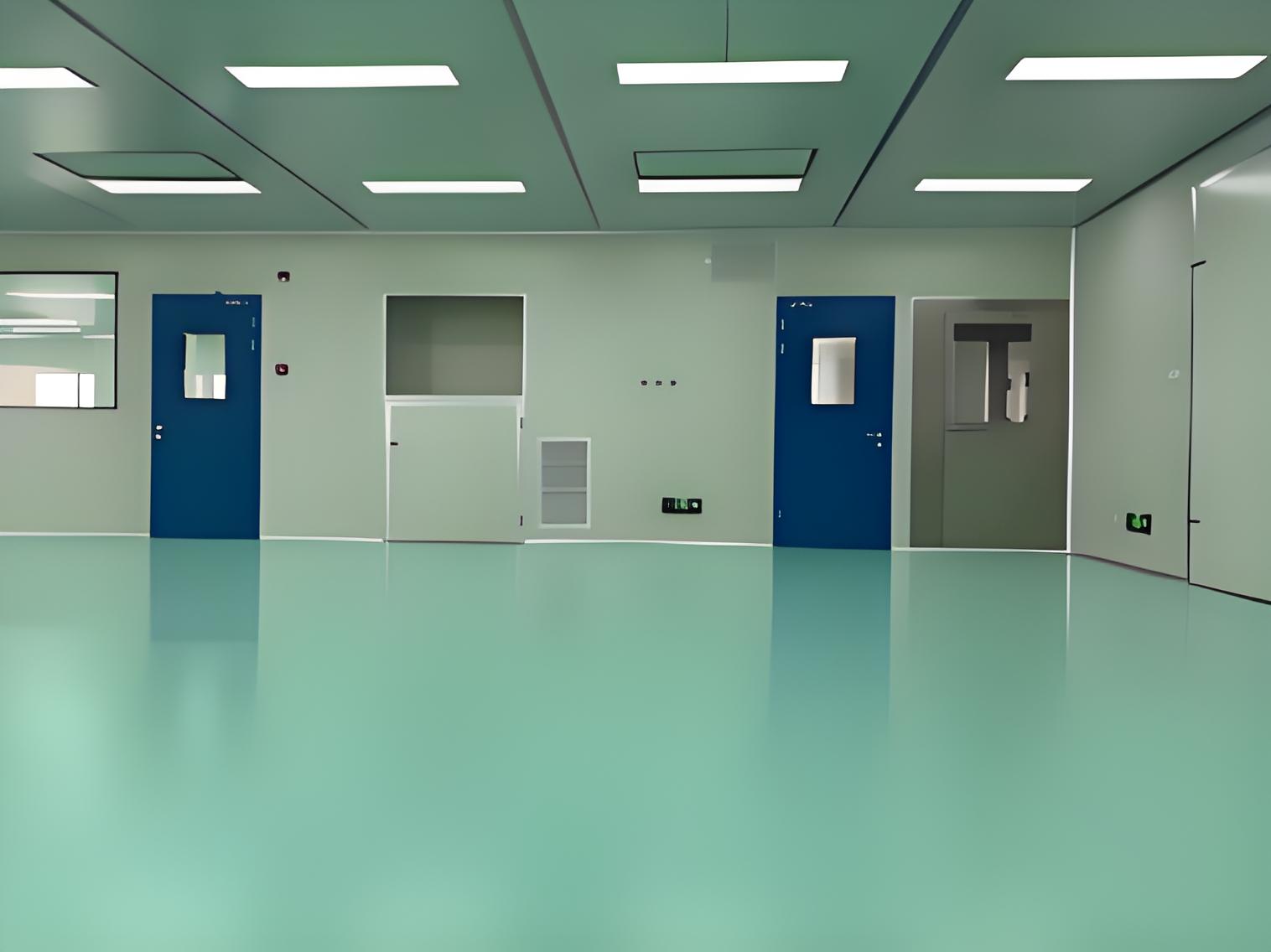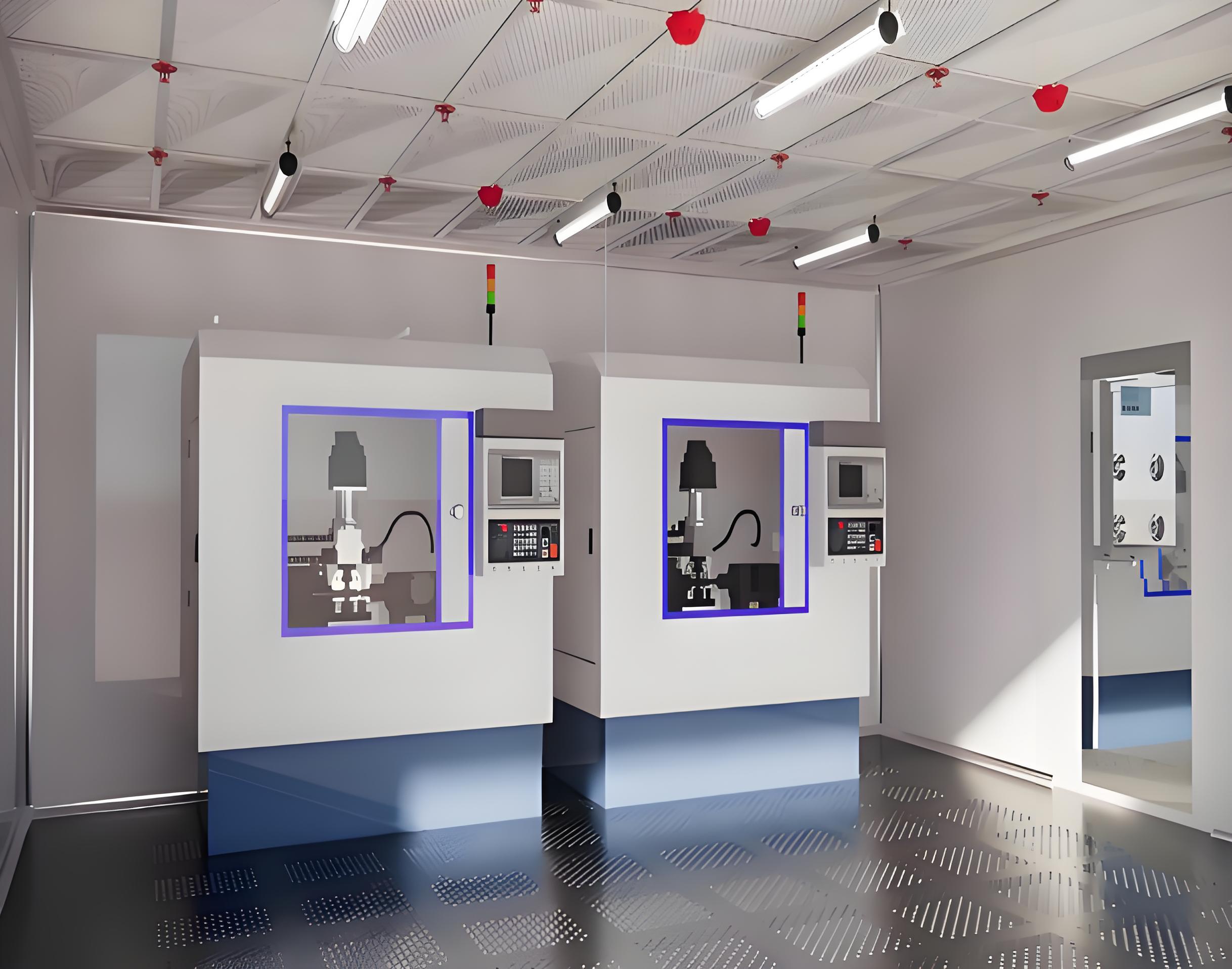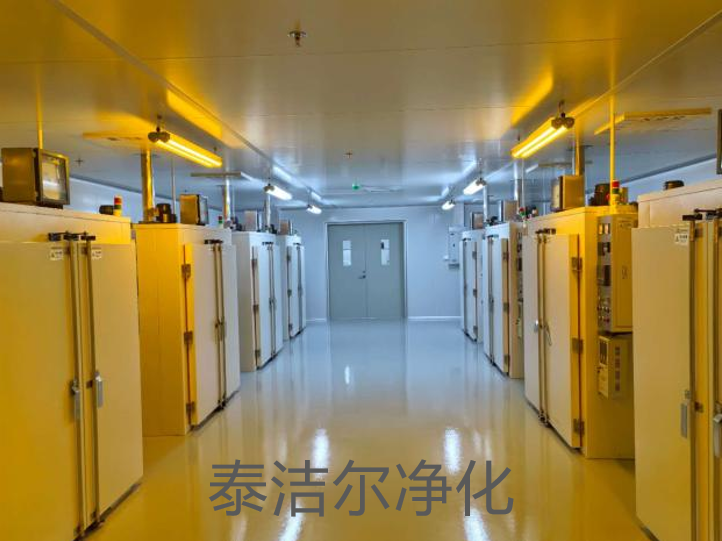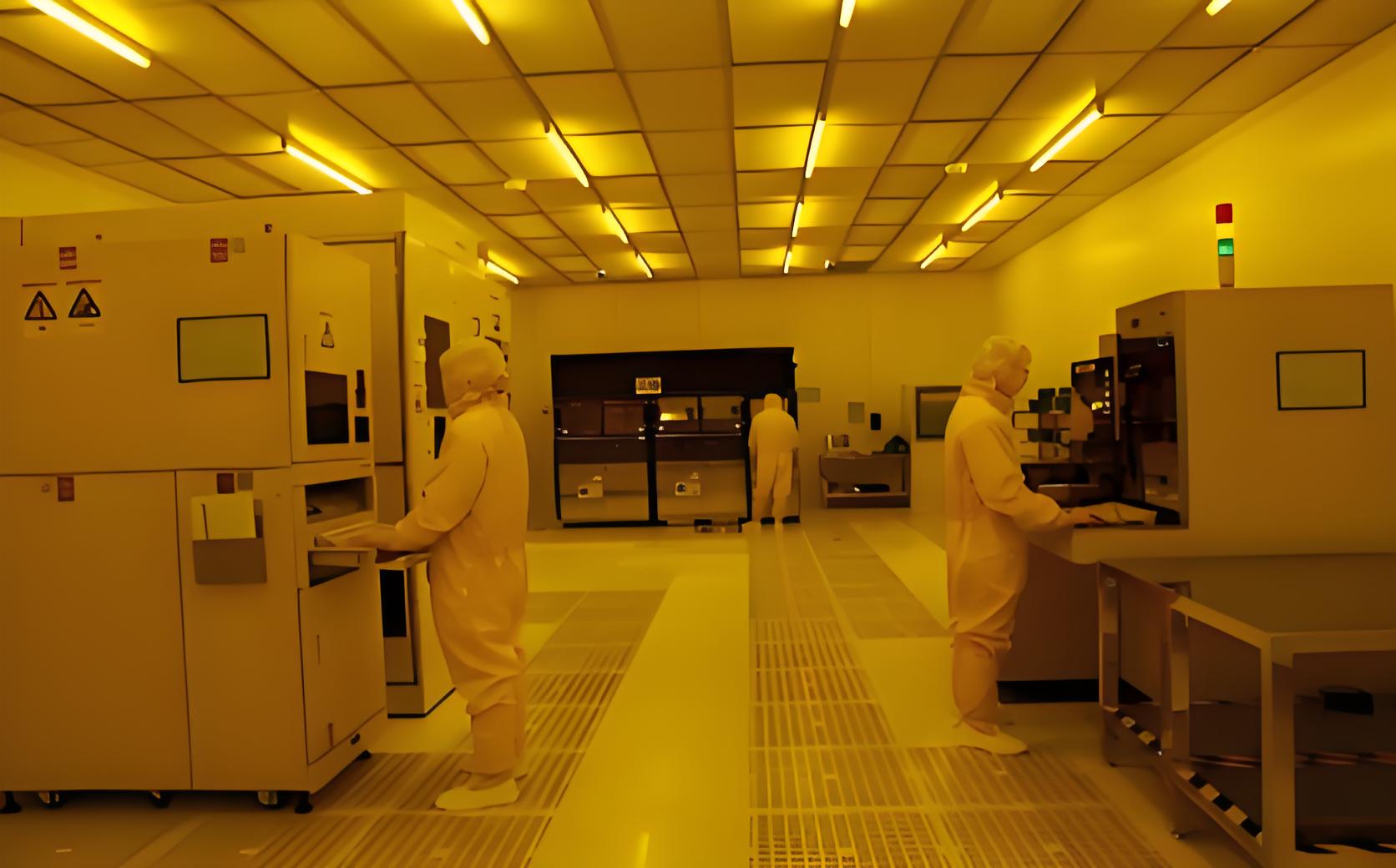
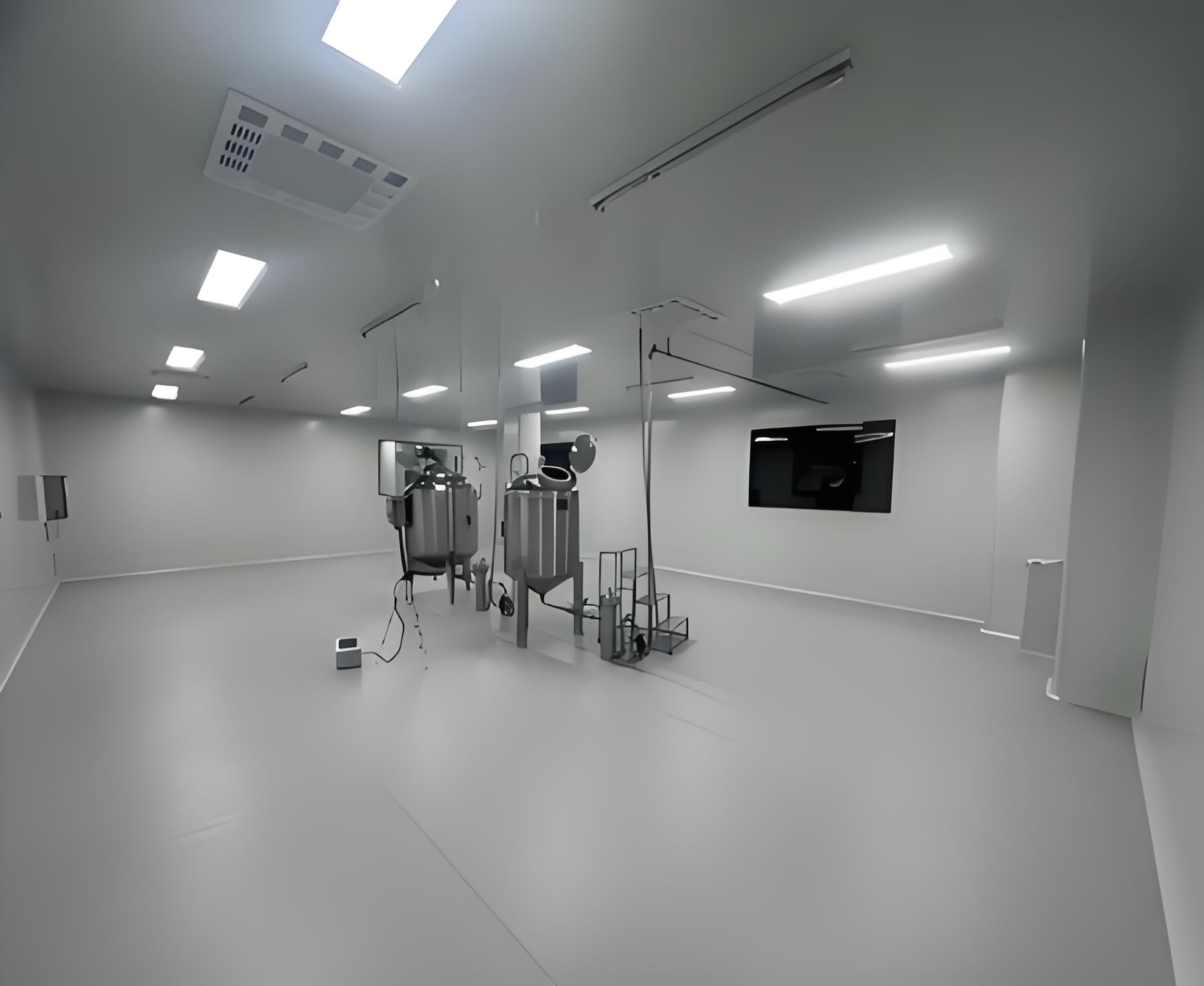
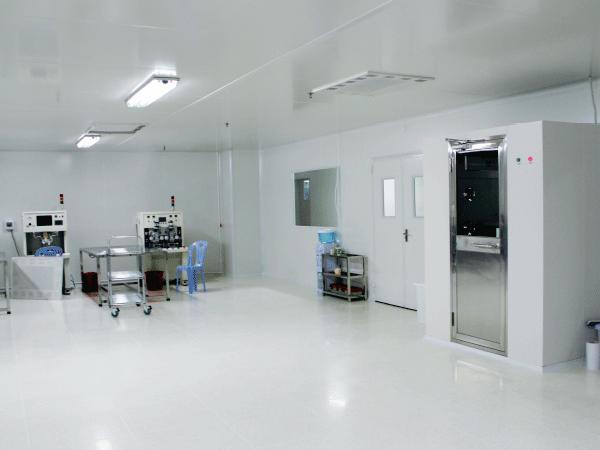
Biological purification engineering focuses on eliminating viable contaminants—bacteria, viruses, fungi, and endotoxins—from critical spaces. In pharmaceutical cleanrooms, hospitals, and labs, it ensures product safety and regulatory compliance. At TAI JIE ER, we design systems that integrate filtration, disinfection, and monitoring to meet global biocontamination standards.
Key goals of biological purification engineering include:
Achieving defined sterility assurance levels (SAL).
Preventing cross‑contamination between zones.
Maintaining reproducible cleanroom conditions.
Modern biological purification engineering relies on multiple physical and chemical methods to inactivate or remove microorganisms.
HEPA filters capture 99.97% of particles ≥0.3 µm, including bacteria and spores. For higher risk areas, ULPA filters provide even greater efficiency. Regular integrity testing is mandatory.
UV‑C light (254 nm) damages microbial DNA, preventing replication. Photocatalytic oxidation (PCO) uses UV + TiO₂ to produce hydroxyl radicals that destroy volatile organic compounds and microbes.
Vaporized hydrogen peroxide (VHP) or ClO₂ is used for room‑level decontamination. These methods penetrate hidden surfaces and are cycle‑validated for spore kill.
Automated systems detect airborne viable particles using laser‑induced fluorescence or impaction on culture media. This provides immediate alerts and reduces manual intervention.
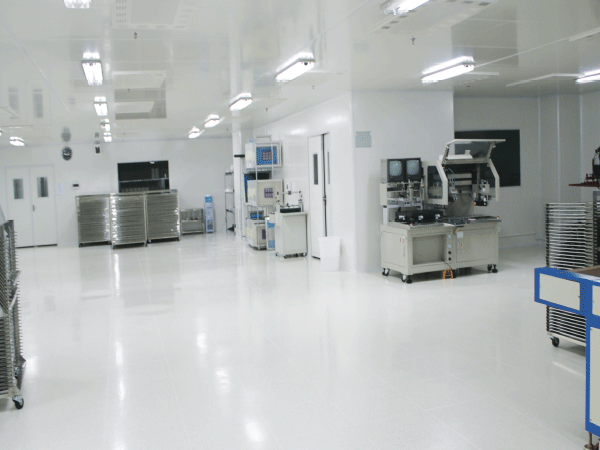
Biological purification engineering is tailored to each sector’s contamination risks and regulatory framework.
Aseptic filling lines require ISO 5 (Class 100) conditions. Purification systems must comply with EU GMP Annex 1, including unidirectional airflow and continuous particle monitoring. TAI JIE ER supplies validated solutions for sterile production.
Operating theatres use HEPA filtration and positive pressure to protect patients. Isolation rooms need negative pressure and exhaust treatment. Biological purification engineering ensures infection control.
Cleanrooms in food production prevent spoilage organisms and pathogens. Systems often combine HEPA with UV‑C on conveyors or air showers.
High‑containment labs require double HEPA filtration on supply and exhaust, plus effluent decontamination. Engineering controls are critical to protect personnel and the environment.
Compliance with global norms is non‑negotiable. Key documents include:
ISO 14698: Biocontamination control in cleanrooms.
EU GMP Annex 1: Manufacture of sterile medicinal products.
USP 〈1116〉: Microbiological control and monitoring.
ISO 14644‑1 & ‑2: Cleanroom classification and testing.
Adhering to these standards ensures that biological purification engineering systems are designed, installed, and operated consistently.
To guarantee long‑term performance, implement these procedures:
Conduct DQ/IQ/OQ/PQ for all purification equipment.
Perform HEPA filter integrity tests (PAO/DOP) annually.
Calibrate particle counters and microbial samplers every six months.
Validate decontamination cycles (e.g., VHP) with biological indicators (Geobacillus stearothermophilus).
Monitor differential pressure across filters and replace pre‑filters regularly.
With extensive experience in controlled environments, TAI JIE ER offers customised purification skids and HVAC integrations. Our engineering team assesses:
Risk level and required cleanroom class (ISO 5 to ISO 8).
Type of biological load (vegetative bacteria, spores, viruses).
Space constraints and energy efficiency targets.
We embed biological purification engineering principles into every project, from design to commissioning. Our systems are factory‑tested and documented for regulatory submissions. TAI JIE ER also provides training and lifecycle support.
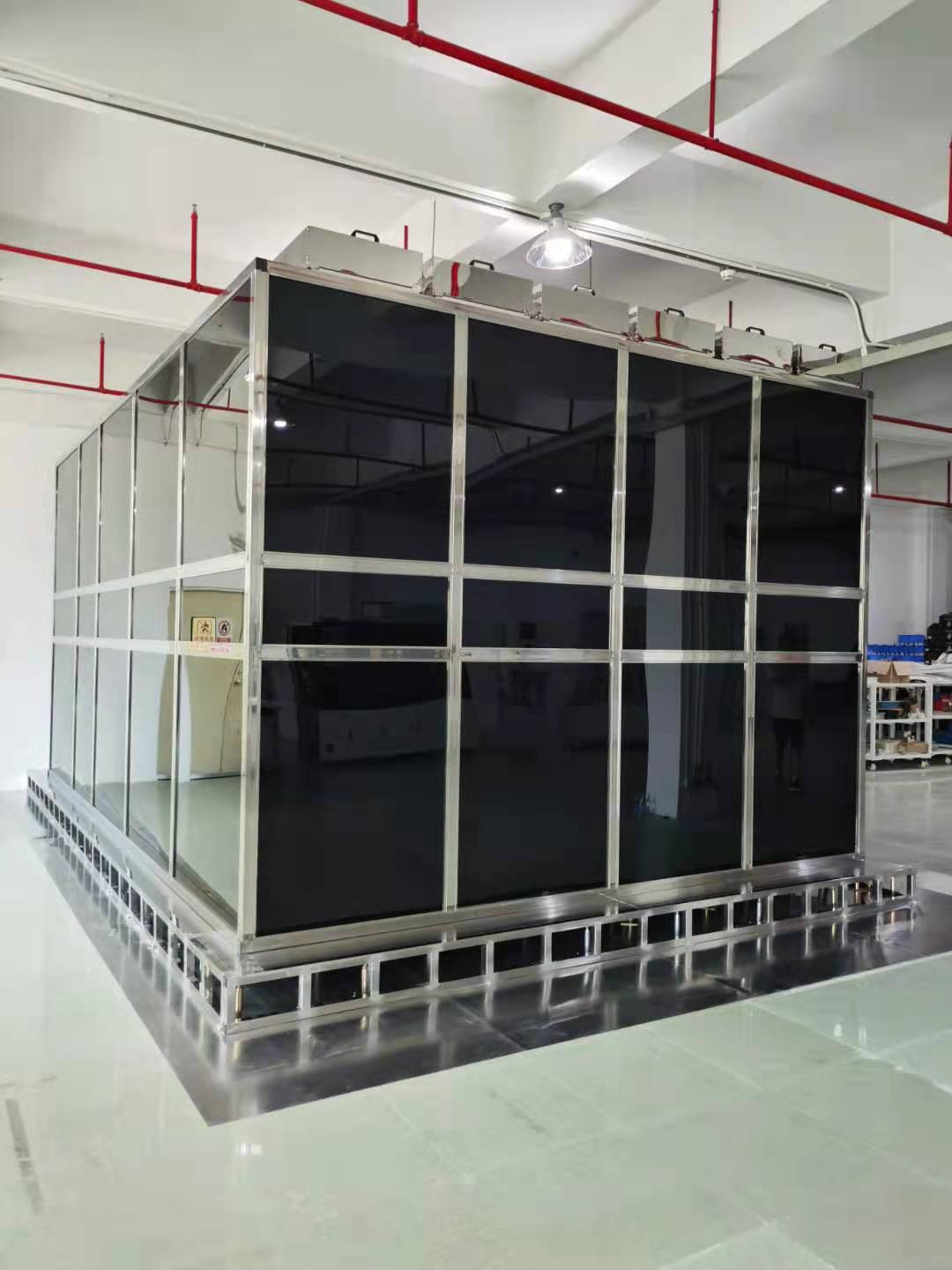
As biological risks evolve and regulations tighten, biological purification engineering must advance. Emerging trends include continuous microbial monitoring, AI‑driven airflow adjustments, and single‑use decontamination technologies. Partnering with a knowledgeable provider like TAI JIE ER ensures your facility remains compliant and safe. By investing in robust purification systems, you protect products, patients, and personnel.
Q1: What is the difference between biological purification engineering and standard air filtration?
A1: Standard filtration removes particles, while biological purification engineering specifically targets viable organisms through validated microbial retention, disinfection (UV, VHP), and real‑time monitoring to meet regulatory biocontamination limits.
Q2: How often should biological purification engineering systems be re‑validated?
A2: Typically annually, but higher‑risk areas (e.g., sterile filling) may require semi‑annual re‑qualification. Always follow ISO 14698 and GMP requirements. Filter integrity testing and environmental monitoring are part of ongoing control.
Q3: Can biological purification engineering remove viruses from the air?
A3: Yes. HEPA filters capture virus‑carrying droplets and nuclei. UV‑C and PCO systems can inactivate airborne viruses. Combination approaches are recommended for maximum safety.
Q4: What is VHP and why is it used in biological purification engineering?
A4: Vaporized Hydrogen Peroxide (VHP) is a low‑temperature decontamination method that kills spores, bacteria, and viruses. It is widely used for room and equipment biodecontamination because it leaves no toxic residues.
Q5: How do I choose the right biological purification engineering provider?
A5: Look for proven experience in your industry, knowledge of international standards, and ability to provide full documentation. Custom solutions, factory acceptance testing, and after‑sales service are essential. TAI JIE ER meets all these criteria.
Q6: Does biological purification engineering include surface disinfection?
A6: While primarily focused on air, integrated systems often incorporate surface treatment via UV‑C robots or automated wiping with disinfectants. Comprehensive biocontamination control addresses both air and surfaces.