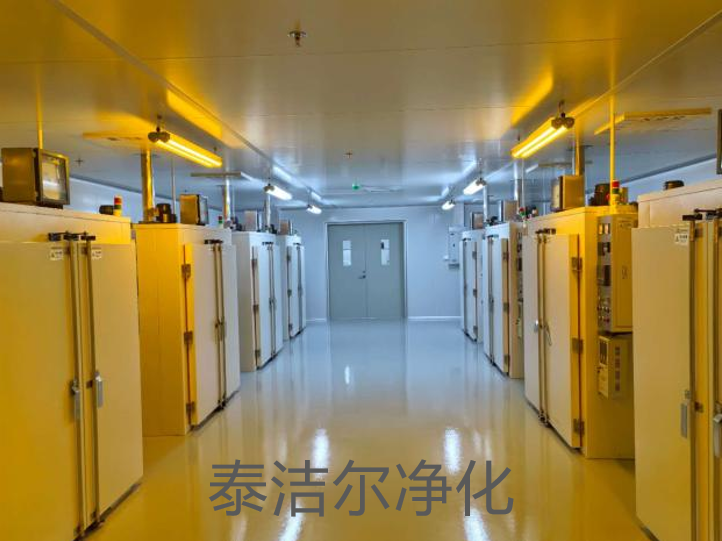
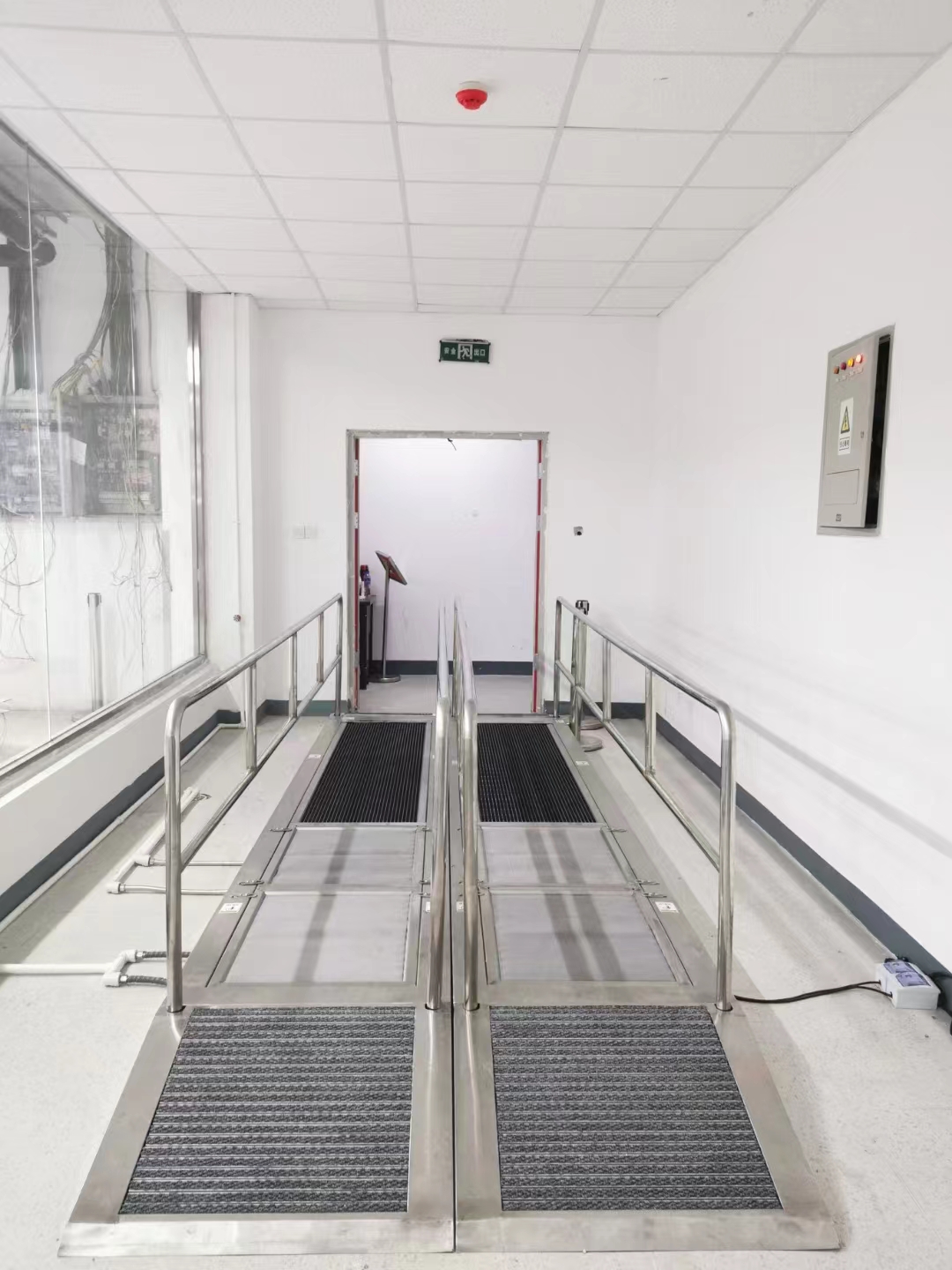
Modern laboratory design is a high-stakes intersection of science, architecture, and engineering. A well-conceived lab accelerates discovery, protects personnel, and minimizes lifecycle costs. Yet, according to the International Institute for Sustainable Laboratories, nearly 50% of facilities face costly retrofits within five years due to oversights in initial planning. This article synthesizes field data, regulatory standards (ISO 15189, BSL, cGMP), and practical solutions from international Cleanroom Engineering experts. We also reference proven methodologies from TAI JIE ER, a leader in turnkey cleanroom and lab environments, to illustrate how theoretical design translates into operational reality.
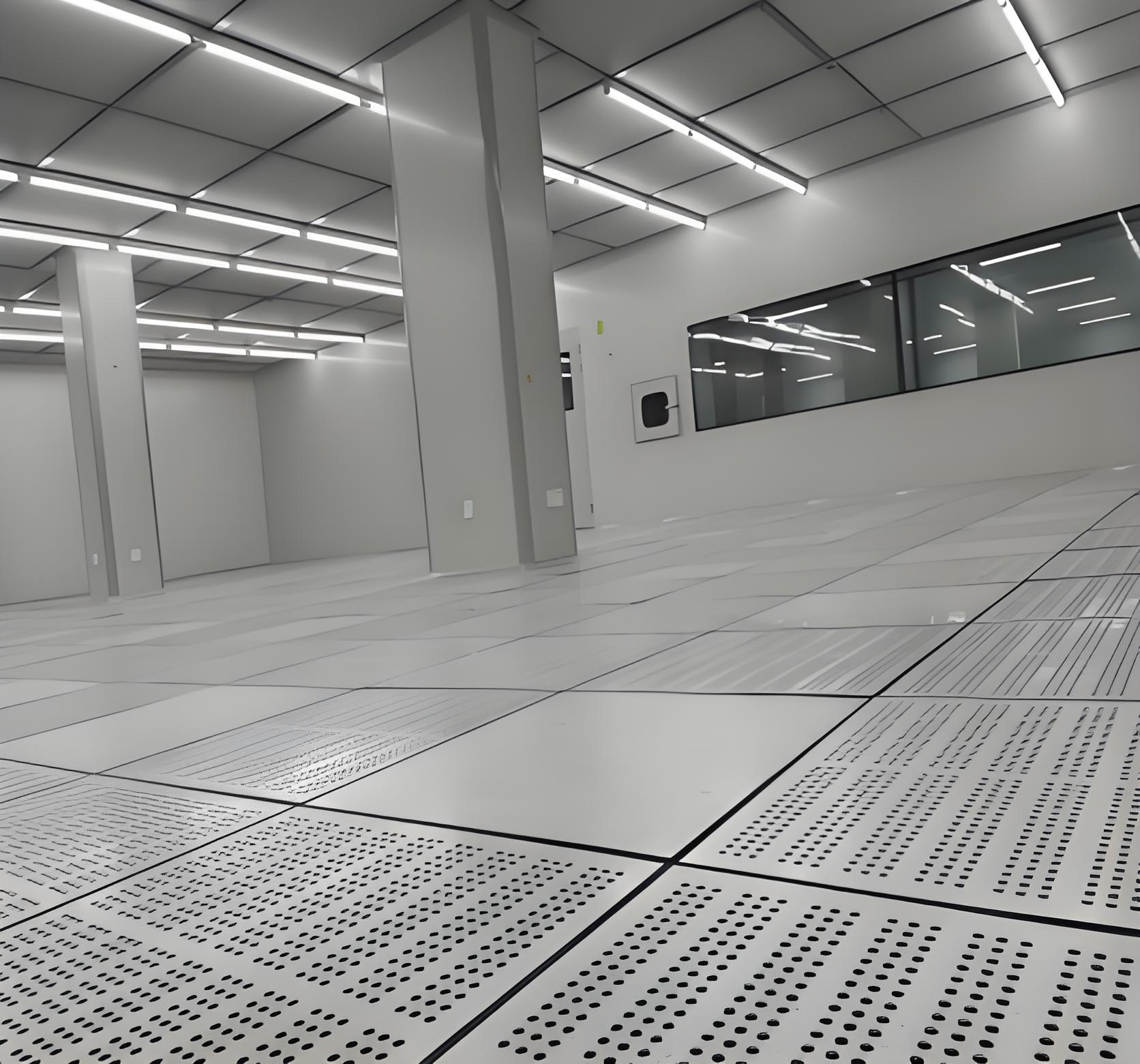
The foundation of any robust laboratory design is a thorough risk assessment. Primary barriers (biological safety cabinets, fume hoods) and secondary barriers (room pressurization, airlocks) must match the hazard level—from BSL‑1 to BSL‑4. For example, a BSL‑3 lab requires inward directional airflow, HEPA filtration on exhaust, and a visible pressure differential of -12.5 Pa to -25 Pa. TAI JIE ER’s projects often incorporate real‑time pressure monitoring with alarms, ensuring that containment is never compromised. In clinical labs following ISO 15189, segregation of pre‑ and post‑amplification areas prevents cross‑contamination, a detail frequently underestimated in generic designs.
Air change rates: BSL‑3 typically requires 6–12 ACH, while BSL‑4 demands 12–15 ACH with 100% exhaust.
Material flow: Pass‑through autoclaves and dunk tanks must be integrated into the architectural shell to avoid contaminating corridors.
Redundancy: N+1 fans and backup power are non‑negotiable for high‑containment labs.
Heating, ventilation, and air conditioning (HVAC) account for 40–60% of a laboratory’s energy consumption. Yet, in high‑performance laboratory design, HVAC is also the primary safety device. Variable‑air‑volume (VAV) systems with fast‑response valves maintain room pressure setpoints even when fume hood sashes move. The latest ASHRAE applications guide recommends demand‑based ventilation that reduces air changes during unoccupied periods while preserving pressure relationships. TAI JIE ER recently commissioned a vivarium lab where energy recovery wheels reduced annual HVAC costs by 34% without affecting humidity control—a critical factor for animal welfare.
Stainless steel (316L) or epoxy‑coated carbon steel is preferred for exhaust ducts handling corrosive fumes. Leakage class must be below 0.5% at operating pressure, verified by duct pressure tests. In addition, chemical‑fume scrubbers or carbon filters are essential for labs handling volatile organics.
Research priorities shift quickly—a lab designed for molecular biology today may need chemistry or imaging suites tomorrow. Modular laboratory design uses a grid system (typically 3.0 m to 3.6 m modules) with demountable partitions and service carriers suspended from the ceiling. This approach enabled a TAI JIE ER client to repurpose 40% of their lab space over a weekend, avoiding three months of construction disruption. Key enablers include:
Plug‑and‑play utility connections (water, gas, data, vacuum).
Overhead service carriers that allow bench repositioning without floor trenches.
Modular casework on locking casters for heavy equipment.
The longevity of a lab depends on the interaction between chemicals, cleaning agents, and surface materials. Epoxy resin countertops resist acids, bases, and solvents, while stainless steel (type 304 or 316) is mandatory for aseptic areas. Flooring should be monolithic, chemically resistant, and coved to eliminate harborage points. In BSL‑2 and above, all penetrations must be sealed to maintain room integrity. Data from the CDC shows that proper material selection reduces surface contamination incidents by 70% compared to standard commercial finishes.
Modern laboratory design increasingly incorporates digital twins and building management systems (BMS) that monitor every parameter—temperature, humidity, pressure, particle counts, and equipment status. The “smart lab” concept uses IoT sensors to send predictive maintenance alerts. For example, a sudden drift in fume hood face velocity can be corrected before a safety event occurs. TAI JIE ER integrates BACnet‑based BMS with laboratory execution systems (LES), allowing real‑time compliance documentation. This digital layer also supports remote audits, a growing need in globalized research.
Sustainable laboratory design goes beyond LEED points. Laboratories consume three to four times more energy per square meter than office buildings. To reduce the carbon footprint, engineers employ heat recovery chillers, low‑flow fume hoods, and enthalpy wheels. The U.S. Department of Energy’s Labs21 program reported that optimized design can cut energy use by 30–50%. One practical measure is specifying fume hoods with automatic sash closers, which reduce exhaust volume by 40% when not in active use. Water conservation also matters—condensate recovery from HVAC systems can supply autoclaves or glassware washers.
Poorly planned casework and equipment placement cause repetitive strain injuries and lost productivity. Ergonomic laboratory design positions frequently used items within 45 cm reach and adjusts work surfaces to standing or sitting heights. Walkways should be at least 1.5 m wide to allow two people to pass safely. In high‑throughput clinical labs, linear workflow—from sample reception to analysis to storage—minimizes cross‑traffic. TAI JIE ER uses simulation software to model technician movements, reducing unnecessary steps by up to 25% in recent projects.
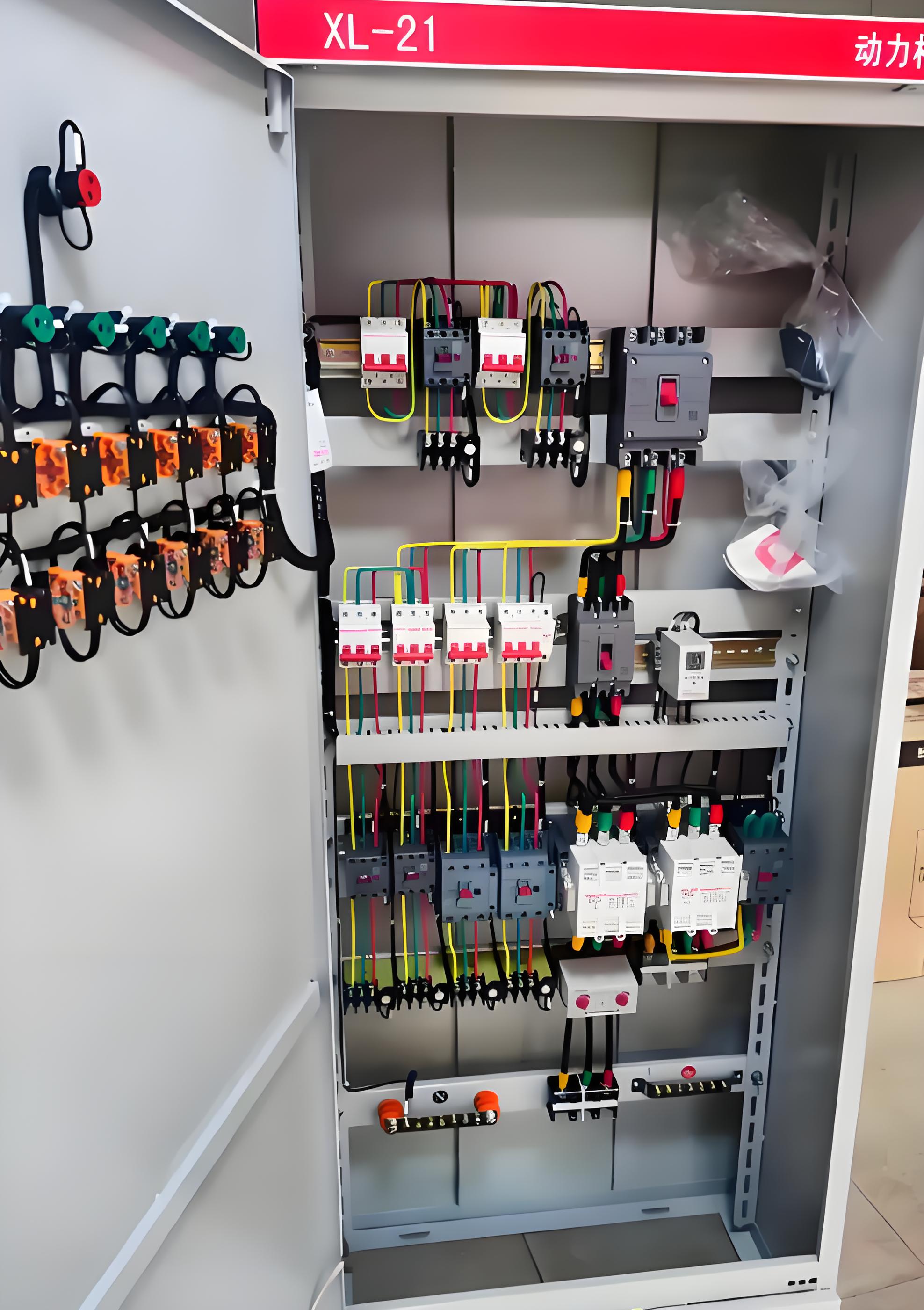
Even the most sophisticated laboratory design fails if not properly commissioned. Commissioning is a systematic process—from design review to performance testing—that ensures all systems operate as intended. For GMP and ISO 17025 labs, Installation Qualification (IQ) and Operational Qualification (OQ) are mandatory. TAI JIE ER provides full commissioning packages including airflow visualization (fog tests), HEPA filter integrity scans, and particle count certification. Their documentation packages have passed audits by EU and FDA inspectors without findings.
Q1: What is the difference between BSL‑2 and BSL‑3 laboratory
design?
A1: BSL‑2 labs require basic personal protective equipment
and a sink for handwashing, while BSL‑3 labs demand directional airflow
(negative pressure), self‑closing double doors, and all exhaust air
HEPA‑filtered. BSL‑3 also requires a dedicated HVAC system with alarms and
visible pressure monitoring.
Q2: How can I improve energy efficiency in an existing lab without
compromising safety?
A2: Retrofit fume hoods with
variable‑air‑volume (VAV) controls and install occupancy sensors to reduce air
changes during unoccupied periods. Ensure that the building automation system is
properly calibrated to maintain pressure differentials at lower flows. Heat
recovery wheels can also be added to exhaust air streams.
Q3: What are the key international standards for laboratory
design?
A3: Key references include ISO 15190 (medical lab safety),
WHO Laboratory Biosafety Manual, ANSI/ASHRAE 110 (fume hood performance), and
the U.S. NIH/CDC guidelines for BSL facilities. For cleanrooms, ISO 14644‑1
classifies airborne particulate cleanliness.
Q4: How often should HVAC systems be re‑validated in a research
lab?
A4: Re‑validation frequency depends on the lab type. For BSL‑3
and GMP labs, annual recertification is typical. For BSL‑2 labs, every two to
three years is common, unless changes to the HVAC configuration or room use
occur. Continuous monitoring with sensors reduces the need for full
re‑validation.
Q5: Can an old building be converted into a modern molecular biology
lab?
A5: Yes, but structural constraints (floor loading, ceiling
height) must be assessed. Often, mechanical shafts need enlargement to handle
increased HVAC ductwork. Vibration isolation becomes critical for sensitive
instruments. A thorough gap analysis against current standards is essential
before design begins.
Q6: What role does material flammability play in laboratory
design?
A6: Fire codes require that casework, benchtops, and storage
cabinets meet specific flame spread ratings (Class A or Class 1). Epoxy and
phenolic resins typically meet these standards, while some wood composites do
not. In chemistry labs, acid‑proof and fire‑rated cabinetry for flammable
storage must be integrated.