

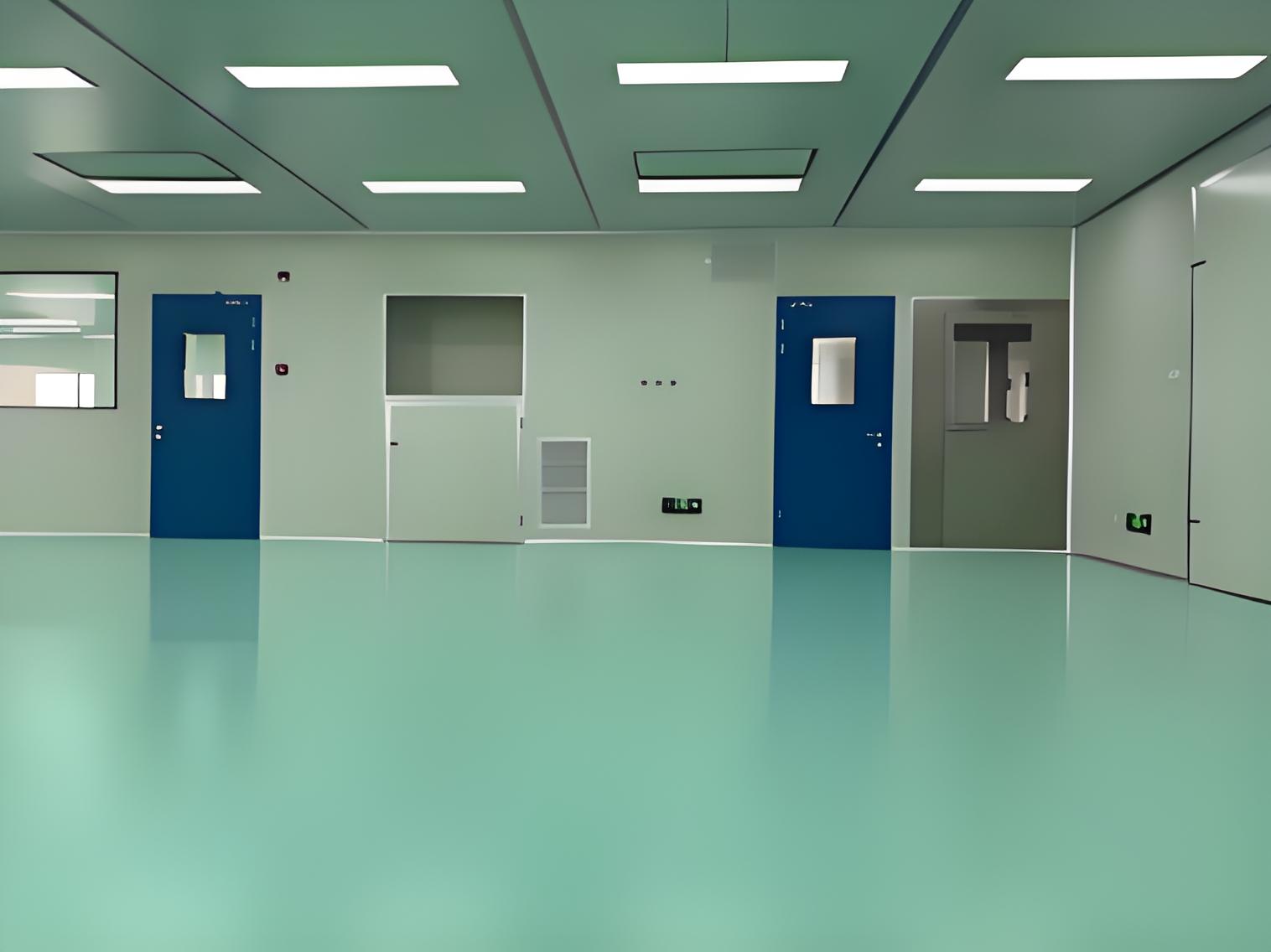
In the specialized field of scientific infrastructure, Laboratory decoration is frequently misinterpreted as a superficial exercise in aesthetics. However, for facility managers, principal investigators, and EHS officers operating within regulated environments—whether BSL-2 virology suites, ISO Class 5 cleanrooms, or analytical chemistry labs—the term represents a complex integration of cleanroom construction protocols, chemical containment engineering, and precision utility routing. A suboptimal approach to Laboratory decoration introduces latent defects: surface outgassing compromising HPLC results, non-laminar airflow disrupting biosafety cabinet performance, or corrosion of structural steel from acid vapor migration. This technical brief deconstructs the engineering layers beneath the surface finish, providing a roadmap for procurement professionals seeking validation-ready environments.
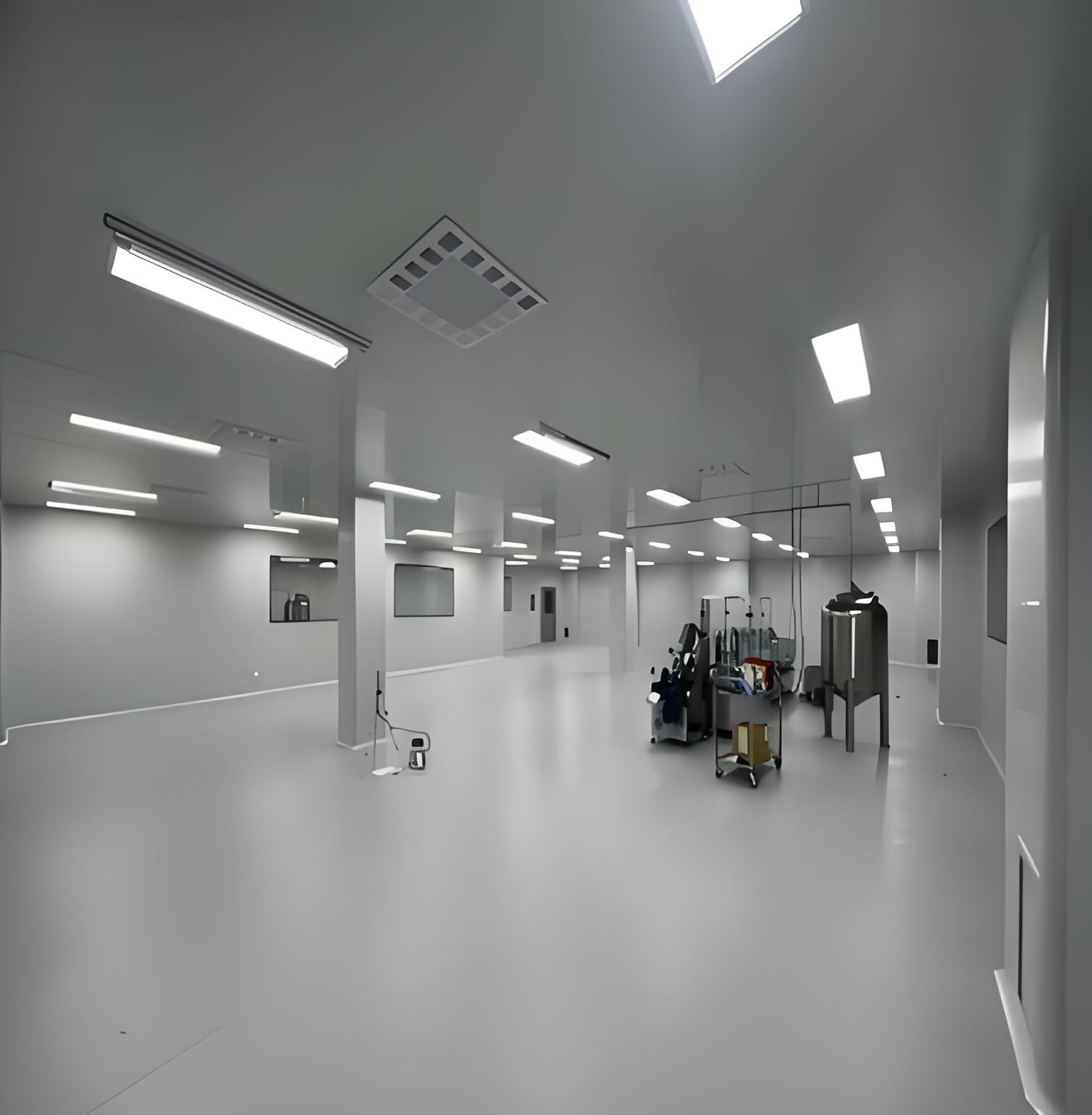
1. Functional Demands: Distinguishing Laboratory Decoration from Commercial Interiors
The primary objective of Laboratory decoration is environmental integrity, not visual appeal. While commercial fit-outs prioritize tenant comfort and branding, scientific spaces demand adherence to strict performance metrics. The distinction lies in the management of three vectors: particulate burden (viable and non-viable), chemical off-gassing (VOC/SVOC thresholds), and electrostatic discharge (ESD) sensitivity.
Airborne Molecular Contamination (AMC): Decorative paints and sealants containing high-volatility organic compounds can poison catalyst beds in electron microscopes or skew ppb-level trace analysis. Specification of low-VOC, sulfur-free, or silicone-free materials is non-negotiable.
Surface Resistivity: In explosives testing or microelectronics labs, laboratory furniture and flooring must dissipate static charges at a controlled rate (typically 10^6 to 10^9 ohms).
Pressure Cascade Maintenance: Decorative elements like drop ceilings or partition walls must be sealed to prevent interstitial airflow that undermines room pressurization differentials (typically -0.05 in. w.g. for containment zones).
2. Material Science: Chemical Resistance and Cleanability Matrix
The selection of finishes in Laboratory decoration is governed by a risk assessment of the chemicals listed in the facility's Hygiene Plan. Standard commercial vinyl composition tile (VCT) fails rapidly under exposure to aggressive solvents like methylene chloride or concentrated nitric acid. The following matrix outlines performance characteristics:
Flooring Systems:
Epoxy Terrazzo: Superior resistance to 98% sulfuric acid; seamless application eliminates microbial harborage joints.
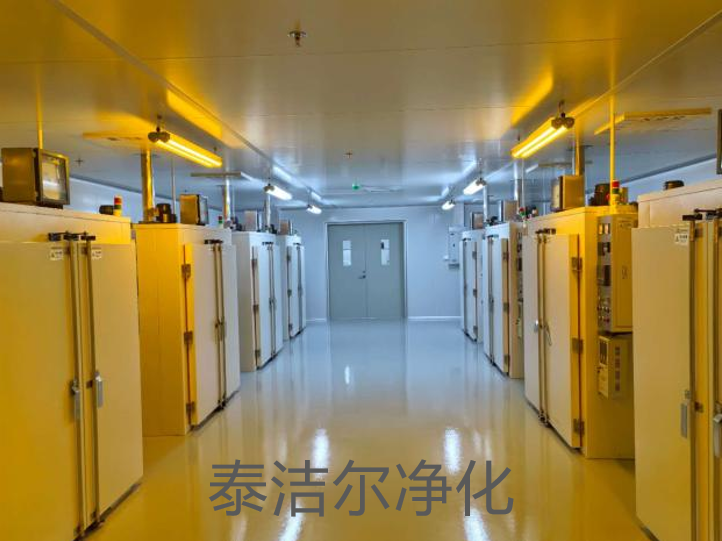
Welded Sheet Vinyl: Required for BSL-3 and GMP spaces due to integral coved skirting and heat-welded seams preventing liquid penetration.
Static-Dissipative (SDT) Flooring: Mandatory for munitions handling and semiconductor failure analysis labs.
Wall Substrates: High-build epoxy coatings (minimum 16 mils DFT) applied over CMU block offer impact resistance against cart traffic and are compatible with vaporized hydrogen peroxide (VHP) decontamination cycles.
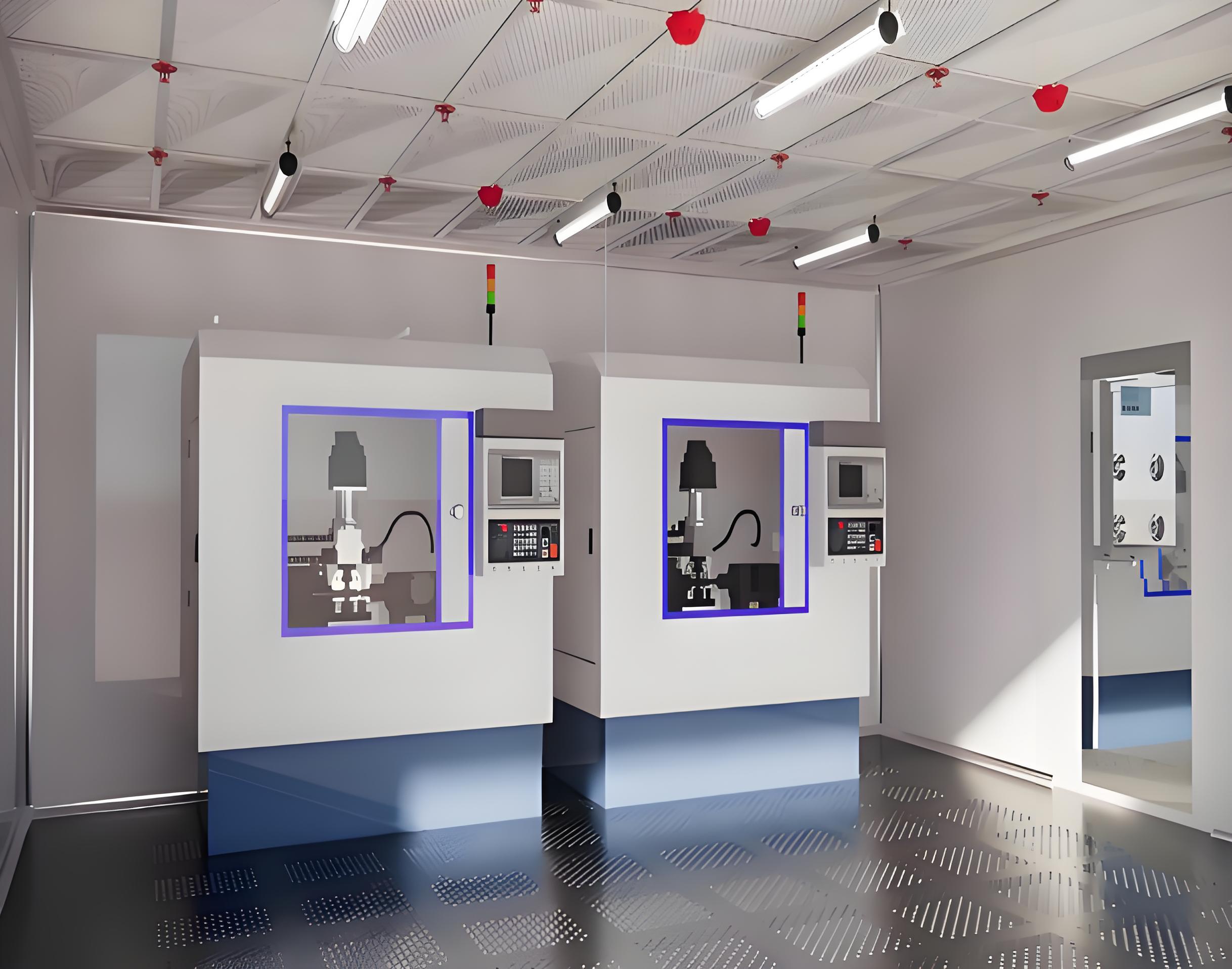
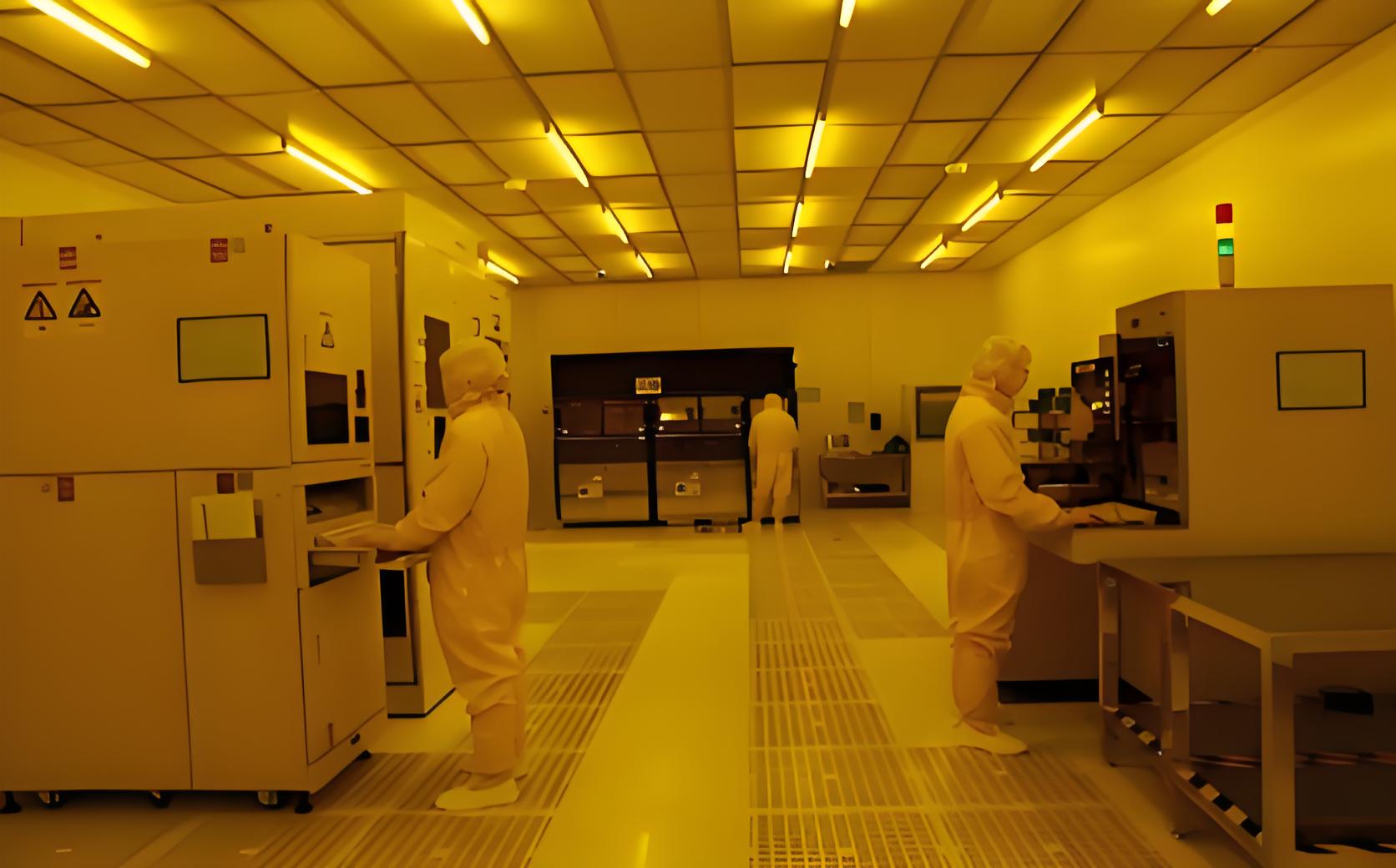
Ceiling Systems: In cleanroom applications, cleanroom construction mandates gasketed, gel-sealed grid systems with non-shedding panels (e.g., aluminum honeycomb or coated mineral fiber).
3. HVAC Integration: The Invisible Architecture of Air Management
Perhaps the most overlooked component of Laboratory decoration is the interface between the architectural envelope and the mechanical system. TAI JIE ER engineering assessments frequently identify decor-driven retrofits that obstruct diffuser throw patterns or create dead zones for air changes. Key integration points include:
Fume Hood Make-up Air: Decorative bulkheads or light coves must not interfere with the radial air pattern entering the hood face. ASHRAE 110 testing is required post-decoration to verify containment at 0.3 m/s face velocity.
Plenum Design: In wet labs, the space above the ceiling serves as a return air plenum. Decorative acoustic baffles installed without considering their flame spread index (ASTM E84 Class A) or particulate shedding can contaminate the return airstream.
Thermal Mapping: Dark-colored decorative finishes near incubators or thermal cyclers can absorb radiant heat, creating microclimates that deviate from the 22°C ± 1°C stability required for precision instrumentation.
4. Modular Laboratory Casework: Future-Proofing Through Flexibility
Fixed millwork is becoming obsolete in modern Laboratory decoration strategy. The pace of research turnover—often every 18 to 24 months—demands fume hood installation and bench reconfiguration with minimal downtime. Modular steel casework systems offer distinct advantages:
Cantilevered Frames: Eliminate toe-kick dust traps and facilitate easy washdown beneath cabinets.
Service Wings: Decorative yet functional service spines allow plug-and-play access to data, vacuum, and gas turrets without penetrating structural walls.
Phenolic Resin Surfaces: Unlike epoxy, which can chalk under UV exposure, phenolic resin countertops maintain structural integrity when exposed to consistent thermal shock (e.g., hot plates up to 350°F).
5. Regulatory Compliance: Navigating GLP, CLIA, and ISO Frameworks
Aesthetic choices in Laboratory decoration carry regulatory weight. During an audit by AAALAC or CAP, the physical environment is treated as a proxy for data reliability. Deficiencies in surface porosity or lighting intensity are citable under 21 CFR Part 58 (GLP for Nonclinical Studies).
Lighting Uniformity: Decorative pendant fixtures must deliver a minimum of 75-100 foot-candles at the bench top for fine manipulation tasks without causing glare on monitor screens.
Seismic Restraint: In regions of moderate to high seismicity, tall decorative shelving and overhead storage cabinets require engineering anchorage to prevent falling hazards and chemical spills (NFPA 45 compliance).
Emergency Drench Equipment Access: ANSI Z358.1 mandates a clear, unobstructed path to safety showers. Decorative planters, artwork, or non-essential partitions within the required 16-inch radius are a violation.
6. Containment and Biosafety: Physical Barriers vs. Airflow Decorrelation
The visual aspects of Laboratory decoration in containment suites (BSL-3/ABSL-3) are deliberately austere—not for economy, but for decontamination efficacy. The decoration must withstand gaseous fumigation (chlorine dioxide or VHP). Industry data from TAI JIE ER project post-mortems reveal that 60% of directional airflow failures in high-containment labs originate from breaches in the architectural barrier created during decorative finish installation (e.g., unsealed conduit penetrations behind a decorative panel).
Monolithic Coating Systems: These provide a continuous surface from floor to wall to ceiling, eliminating the seam at the coving base where fungal spores proliferate.
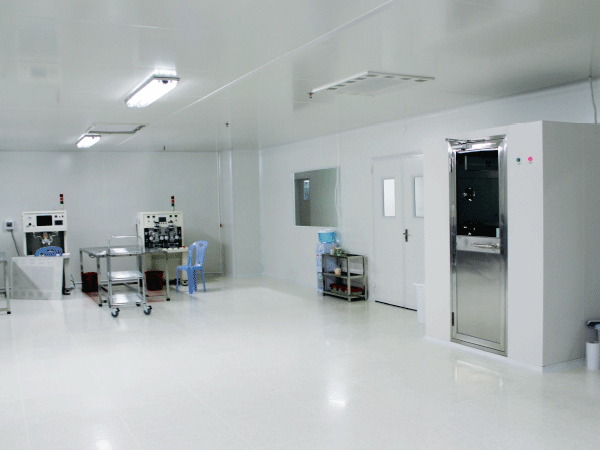
Pass-Through Chamber Integration: Decorative wall finishes must transition seamlessly to stainless steel autoclave pass-throughs, requiring specialized flashing details to maintain pressure integrity.
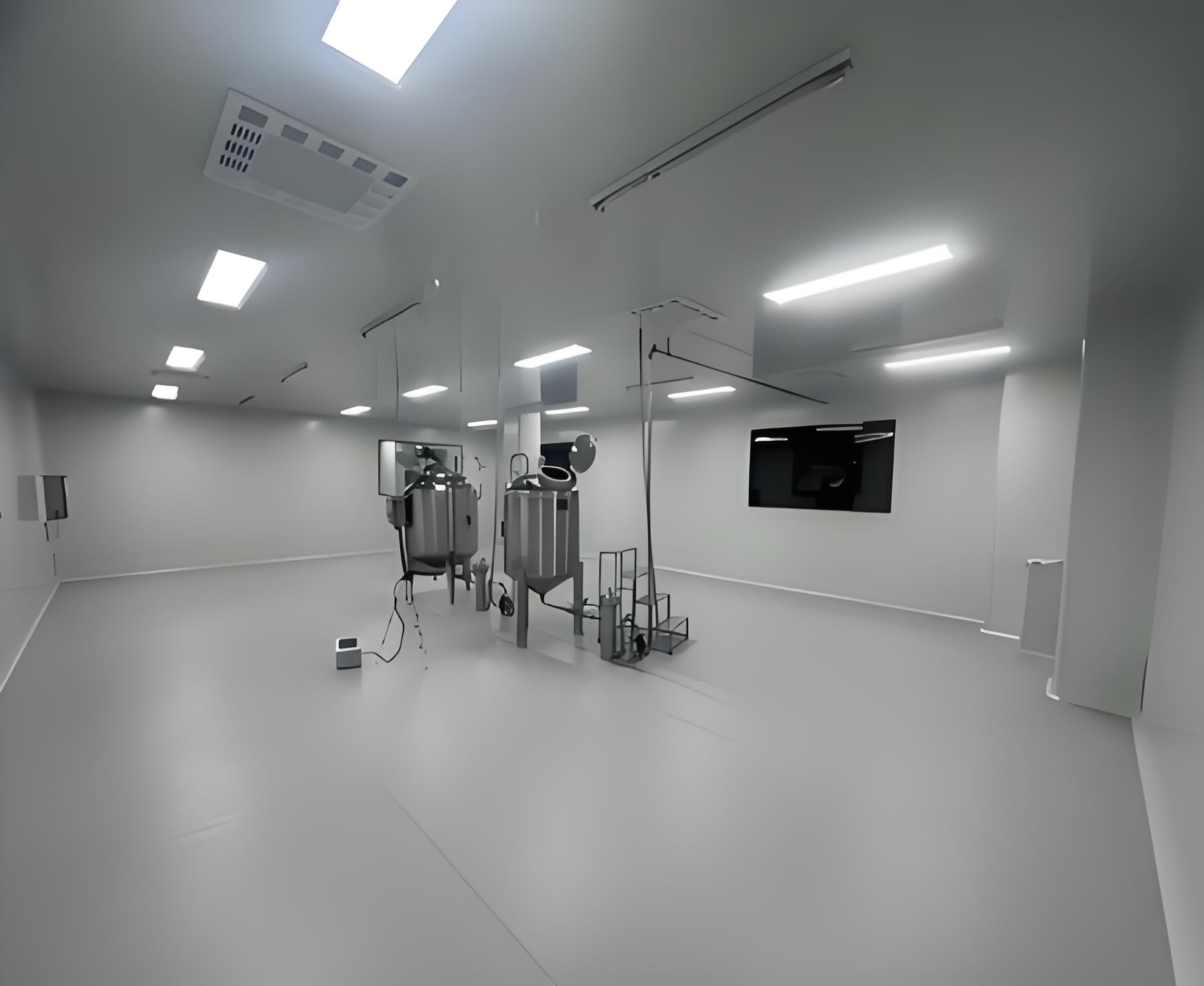
7. Utility Coordination: The Art of Concealed Precision
Effective Laboratory decoration masters the concealment of complex building services without sacrificing access for maintenance. In a typical wet lab bench run, the following utilities must be coordinated behind a decorative, washable facade: RO/DI water loops, natural gas (yellow-coded), compressed air (blue-coded), vacuum (white-coded), and dedicated data conduits.
Access Panels: Fire-rated access doors in decorative gypsum shafts allow valve maintenance without entering the cleanroom proper.
Ceiling Service Grids: For overhead service panels, the decorative ceiling plane is often a drop-down grid with quick-release hinges to expose the valve box during routine PM.
Exhaust Stack Aesthetics: External fume hood installation and manifolded exhaust stacks often require architectural screening (louvers or perforated metal) to meet campus planning standards while adhering to ANSI/AIHA Z9.5 dispersion modeling requirements.
8. The Long-Term Economic Impact of Technical Laboratory Decoration
While initial capital outlay for high-performance finishes and modular systems may exceed standard commercial rates by 15-25%, the lifecycle cost analysis strongly favors specialized Laboratory decoration. A study of mid-sized research facilities indicates that reducing unplanned maintenance work orders related to flooring delamination or wall coating failure yields an ROI within 3.1 years. Furthermore, TAI JIE ER has observed a direct correlation between environmental stability (air change effectiveness, vibration control) and the reduction of costly assay repeats.
Reduced Downtime: Epoxy flooring cures in 24-48 hours versus multi-day replacement of VCT tiles.
Warranty Compliance: Improper cleanroom construction adhesives can void the warranty on adjacent analytical equipment due to corrosive outgassing.
Energy Recovery: Airtight decoration and envelope sealing reduce the load on once-through HVAC systems, a major operational expense in lab buildings.
Engineering Certainty Through Precision Finishes
The discipline of Laboratory decoration is a cornerstone of scientific validation. It demands a departure from conventional architectural practice toward a more rigorous, performance-verified methodology. For organizations commissioning new research wings or refurbishing legacy wet labs, the decision matrix must prioritize material compatibility data sheets, pressure decay test results, and surface resistivity logs over color palettes. Collaborating with firms like TAI JIE ER ensures that the built environment actively contributes to the reliability of the science conducted within it.
Ready to align your facility's physical infrastructure with your research objectives? Contact our engineering team for a technical consultation on your next laboratory decoration project.
Frequently Asked Questions: Laboratory Decoration Technical Inquiries
Q1: What is the typical lead time for specialized cleanroom flooring materials used in laboratory decoration?
A1: Lead times vary based on the system specified. Standard welded sheet vinyl can be mobilized within 2-3 weeks, whereas high-build epoxy terrazzo systems may require 4-6 weeks due to curing conditions and moisture vapor emission testing (ASTM F2170) of the concrete substrate prior to application. Supply chain constraints on specialized static-dissipative resins can extend this to 8 weeks.
Q2: How does laboratory decoration differ when designing a facility for chemical analysis versus cell culture?
A2: The primary divergence lies in the cleaning protocols and environmental controls. Chemical analysis labs prioritize chemical resistance (e.g., epoxy countertops) and high ACH rates for spill dilution. Cell culture and microbiology suites, however, demand smooth, non-porous surfaces resistant to 70% ethanol/IPA wipes and compatibility with UV-C or VHP decontamination. Wall finishes in cell culture are often flush, monolithic, and coved to prevent microbial harborage.
Q3: Can existing laboratory decoration be upgraded to BSL-3 standards without major demolition?
A3: Upgrading to BSL-3 is challenging and rarely a "light touch" renovation. It requires verification of envelope airtightness (room pressure decay testing per ISO 10648-2). Existing decorative drop ceilings must often be replaced with hard-lid gypsum or walk-on tension grids to maintain negative pressure. Penetrations behind existing casework must be sealed with firestop and non-hardening sealant. A feasibility study is required to assess the existing HVAC system's capacity for 100% exhaust and HEPA filtration.
Q4: What are the most common failure points in laboratory decoration during post-construction audits?
A4: The three most frequent citations involve: (1) Unsealed penetrations at the wall-floor interface behind fixed benches, leading to pest ingress and pressure loss. (2) Use of standard acoustic ceiling tiles in return air plenums where non-shedding, mylar-faced panels are required. (3) Improper coving installation where the cove stick separates from the floor, creating a moisture trap.
Q5: How do you manage vibration control through decorative finishes?
A5: For labs housing nano-indenters, confocal microscopes, or mass spectrometers, vibration criteria (VC curves, typically VC-C or VC-D) govern the structural slab. The decoration layer must not short-circuit isolation joints. We specify flexible, elastomeric sealant at the perimeter of epoxy floors where they meet isolated equipment pads. Even a rigid decorative baseboard bridging the lab floor to the instrument pad can transmit footfall vibration and ruin image resolution.
Q6: Is LEED certification compatible with high-performance laboratory decoration?
A6: Yes, but it requires careful specification. Many high-durability epoxy coatings historically used high-VOC solvents. Modern water-borne epoxy and polyaspartic technologies now meet LEED v4.1 Low-Emitting Materials credit thresholds while providing equivalent chemical resistance to their solvent-based predecessors. Additionally, using recycled content in steel casework substrates contributes to Materials & Resources credits without compromising cleanability.
For project-specific submittals and material data sheets, submit an inquiry to the TAI JIE ER engineering department.