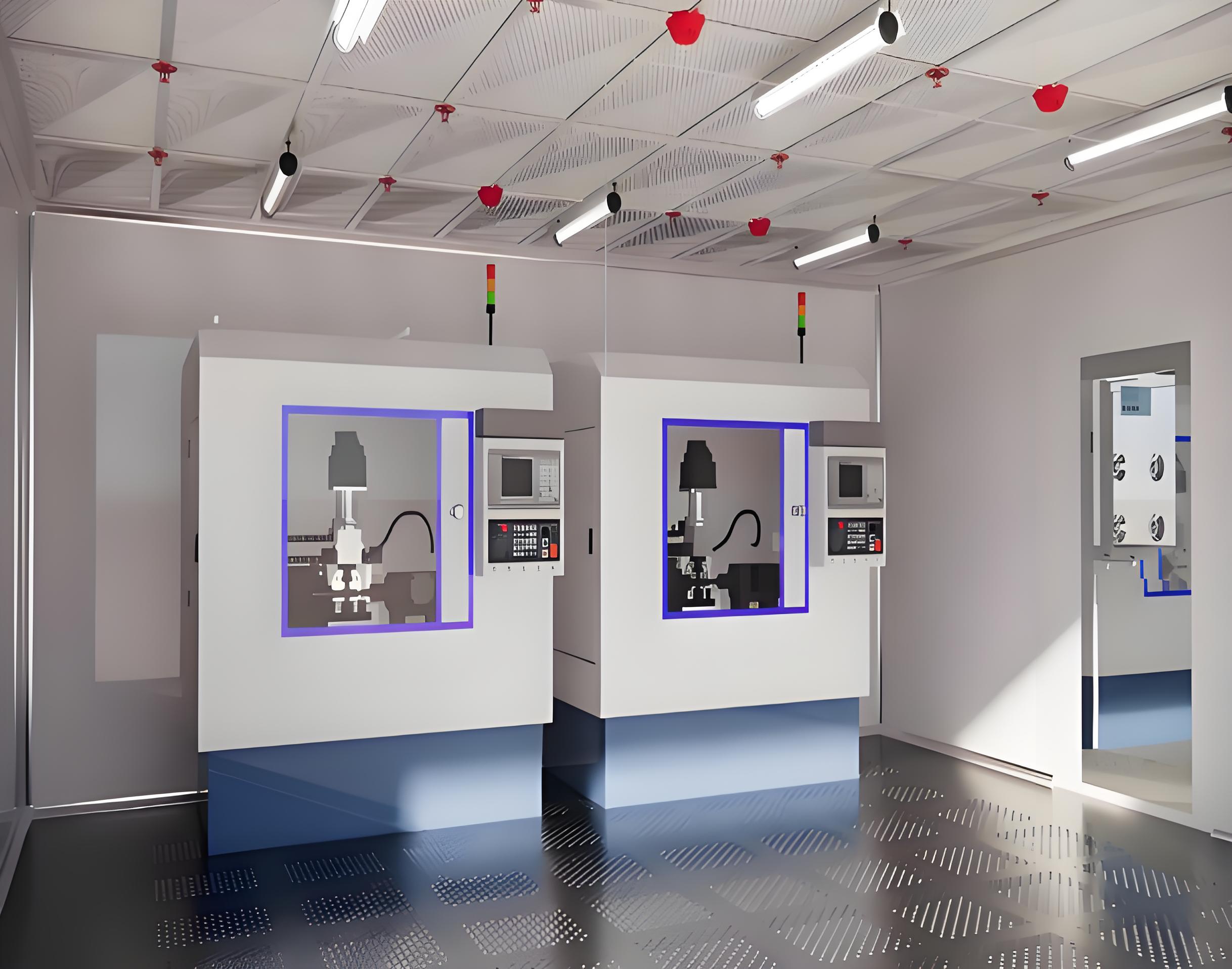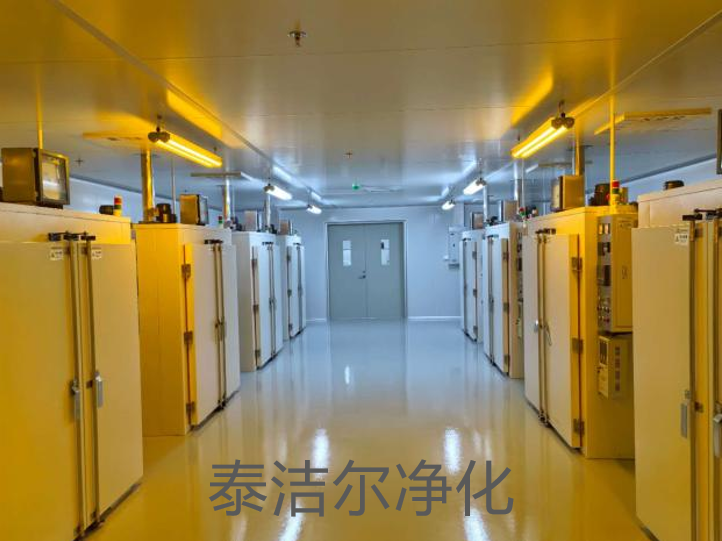

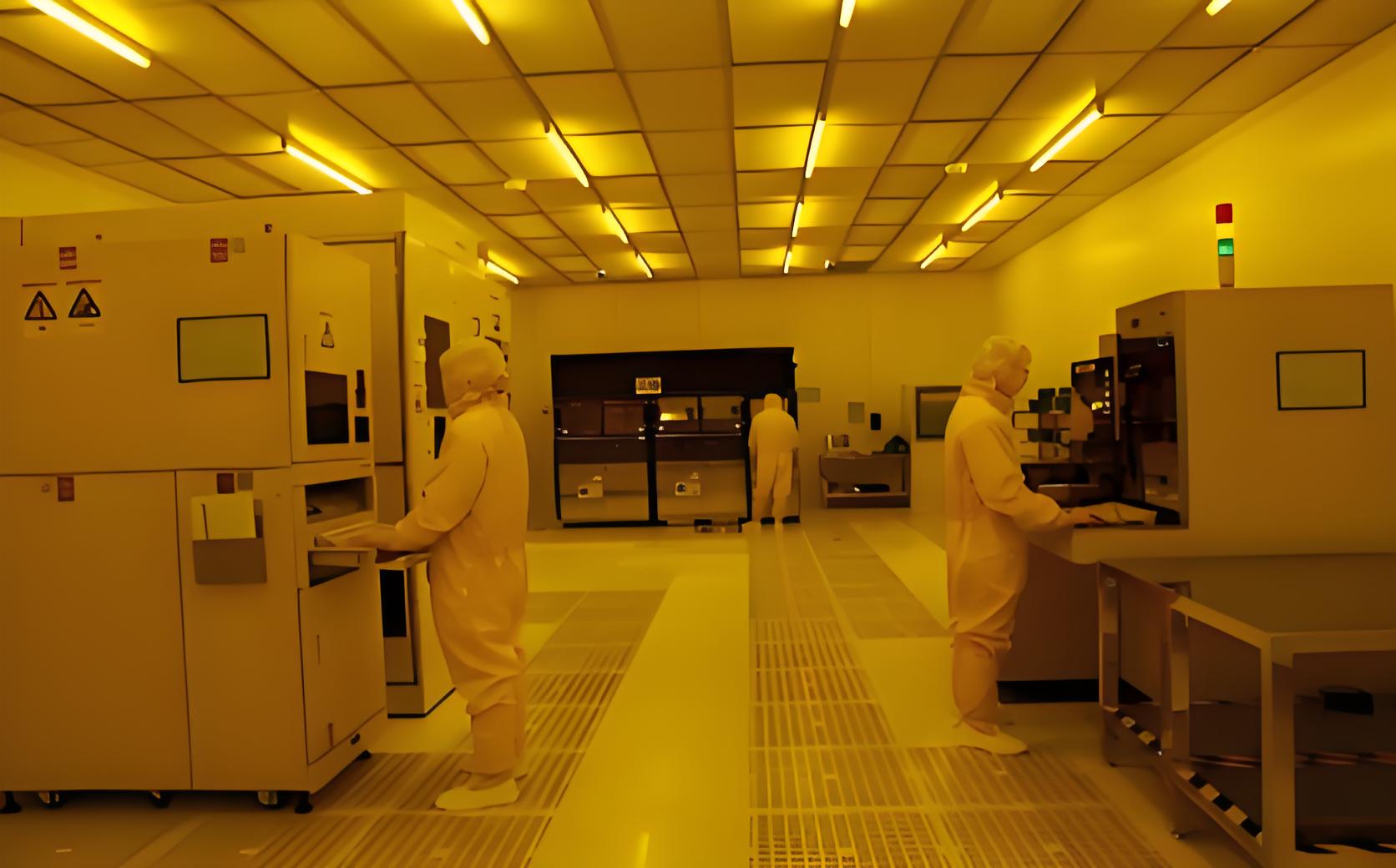
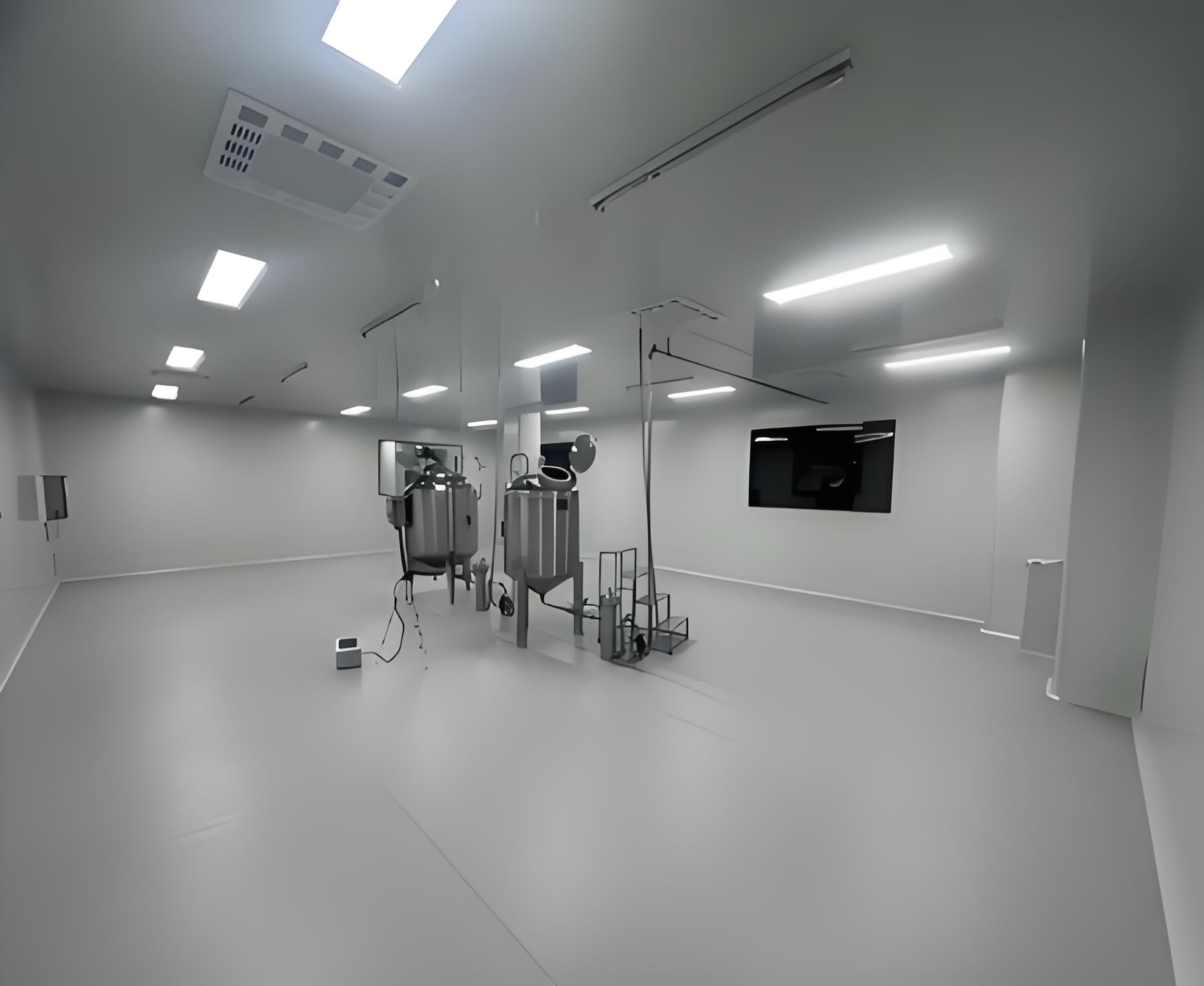
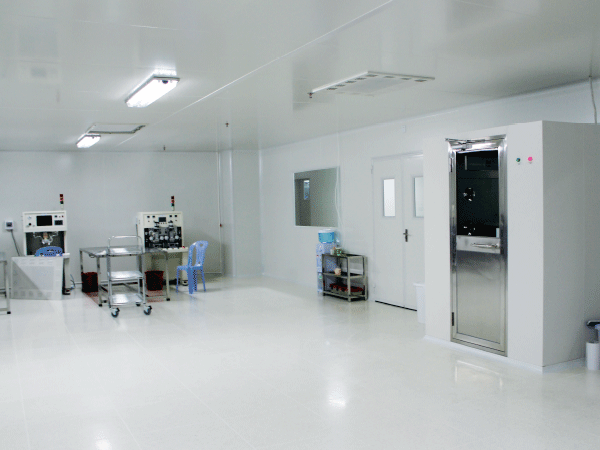

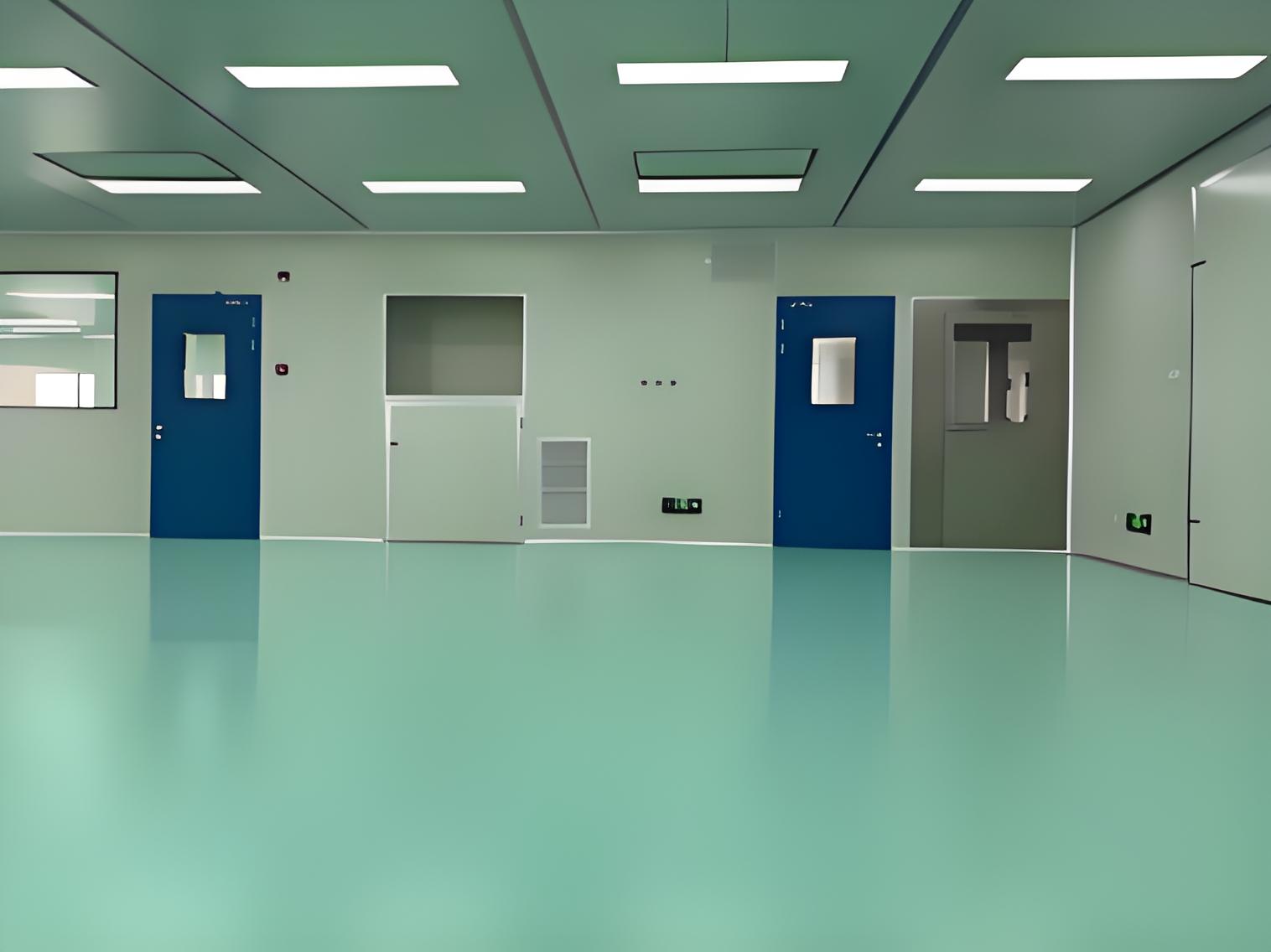
Effective Laboratory design directly determines contamination risk, operational costs, and regulatory inspection outcomes. A poorly conceived layout causes pressure reversals, particle retention zones, and failed filter integrity tests. This guide provides technical specifications, failure mode analyses, and validated solutions drawn from over 120 pharmaceutical and biotech projects. Each parameter is quantified with industry benchmarks to support engineering decisions.
Specialized Laboratory design integrates airflow cascades, material cleanability, and utility redundancy into a single validated system. With TAI JIE ER — a turnkey provider of critical environments — engineering teams achieve ISO 14644-1 Class 5 to Class 8 performance with full documentation. Below, we examine the nine non-negotiable parameters that define robust laboratory design.
1. Pressure Cascades and Airlock Integrity
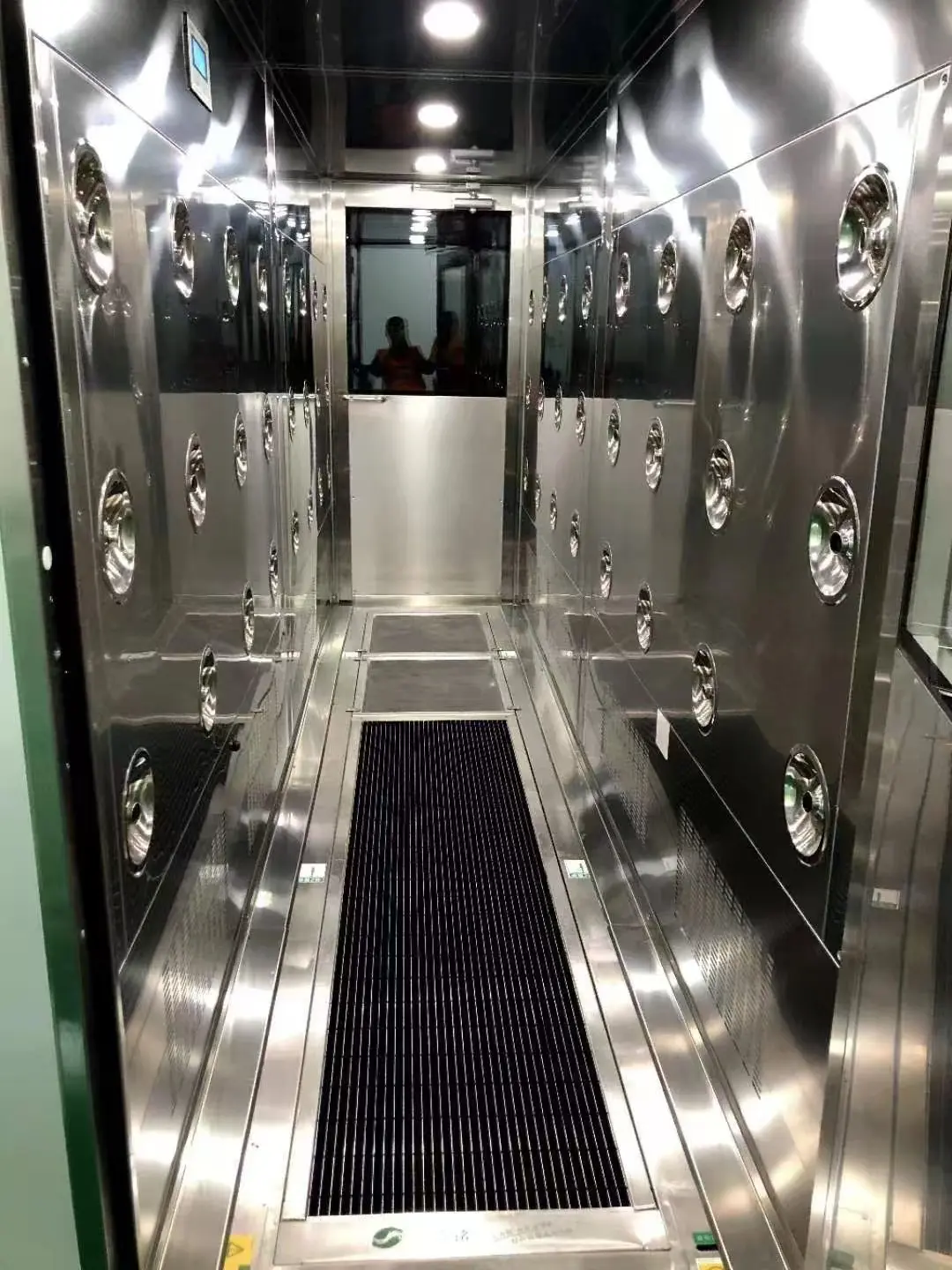
Pressure differentials are the first line of containment. For BSL-2 and BSL-3 suites, Laboratory design must maintain ≥15 Pa between containment zones and adjacent corridors. This prevents aerosol escape when doors open. However, static pressure measurements are insufficient — transient pressure drops during door operations must be modeled.
Engineering solution: Install interlocked airlock doors with a 5-second delay and visual traffic lights. Each airlock should have separate supply and exhaust dampers to maintain the cascade.
Validation metric: Pressure recovery time ≤2 seconds after door closure, measured by 0.1 Pa resolution sensors logging at 10 Hz.
1.1 Door Sequencing Failures – A Case Study
In an audited vaccine QC lab, simultaneous opening of two airlock doors collapsed the pressure cascade from -25 Pa to -3 Pa for 14 seconds. This breach was detected only after installing continuous monitoring. Corrected Laboratory design used electromagnetic locks with solenoid interlocks, reducing concurrent openings by 94%.
2. HVAC Redundancy and Failure Mode Coverage
Single-failure points in ventilation invalidate containment. Industry standard (PDA TR13) requires N+1 redundancy for supply and exhaust fans serving BSL-3 or aseptic areas. But redundancy alone is insufficient — automatic changeover must be tested under simulated power loss.
Specification: Dual electrical feeds from separate substations, automatic transfer switches (ATS) with 10-second max transfer time, and generator fuel for 72 hours continuous operation.
Testing protocol: Simulate loss of primary supply fan while exhaust fan remains operational — the BMS must automatically start the backup fan and adjust dampers without exceeding ±5 Pa deviation.
3. Surface Materials and Cleanability Validation
Porous or jointed surfaces trap contaminants and resist disinfection. Acceptable materials include:
Welded vinyl sheet flooring (2.5 mm thickness, heat-welded seams)
Epoxy-based seamless wall coatings (minimum 500 μm dry film thickness)
Type 304 or 316L stainless steel for work surfaces, with #4 finish (Ra ≤ 0.8 μm)
Each material must pass chemical resistance testing against 5% bleach, 70% IPA, 2% peracetic acid, and quaternary ammonium compounds. A validated Laboratory design includes coved corners (radius ≥12 mm) at all wall-floor junctions, eliminating 90° angles that retain residue.
4. Regulatory Frameworks That Shape Laboratory Design
Compliance is not a checklist — it defines engineering tolerances. Key standards:
ISO 14644-1 to -10: Classification, monitoring, and cleanroom operation.
EU GMP Annex 1 (2022): Mandates continuous particle monitoring for Grade A zones and a formal contamination control strategy (CCS).
NSF/ANSI 49: For biological safety cabinets and their exhaust integration.
NFPA 45: Fire protection for laboratories using flammable liquids.
Each framework requires documented design qualification (DQ), installation qualification (IQ), and operational qualification (OQ). TAI JIE ER provides turnkey validation packages aligned with these standards, reducing project risk.
5. Energy Optimization Without Compromising Containment
Laboratories consume 4–5 times more energy than office spaces due to 100% exhaust air. However, aggressive energy reduction (e.g., reducing air changes per hour) risks non-compliance. Balanced strategies include:
Enthalpy wheels: Transfer 70-80% of sensible and latent heat from exhaust to supply air. Savings of $45,000 annually per 1,000 sq. ft. of lab space.
Demand-controlled ventilation (DCV): Use CO₂ and occupancy sensors to reduce ACH from 20 to 8 during unoccupied hours in non-critical zones (e.g., chemical storage). Must not affect pressure cascades — each zone requires independent control.
Low-flow fume hoods: VAV hoods with sash position sensors reduce exhaust volume by 70% compared to constant-volume hoods.
6. Modular Laboratory Design for Rapid Reconfiguration
Fixed ductwork and rigid walls prevent adaptation to new research needs. Modular Laboratory design uses prefabricated panels, integrated utility chases, and cassette-style HEPA fan filter units (FFUs). Benefits:
On-site construction time reduced by 50-70%.
Reconfiguration from ISO 7 to ISO 6 completed in days, not months.
Pre-cleaned panels eliminate construction dust contamination.
For a recent contract lab, TAI JIE ER delivered a modular ISO 7 laboratory in 14 weeks — 65% faster than conventional methods. The client reallocated saved capital to additional analytical equipment.
7. Contamination Control Strategy (CCS) – Engineering Elements
EU GMP Annex 1 requires a formal CCS. Engineering contributions include:
Failure Mode Effects Analysis (FMEA): Identify single points of failure (e.g., common exhaust duct for BSC and room). Mitigation: independent exhaust paths with backdraft dampers.
Personnel/material flow segregation: Clean/dirty corridors, step-over benches at gowning exits, and color-coded zoning.
Double-door pass-through chambers: Interlocked with HEPA-filtered air shower (20 air changes, 30-second cycle).
CCS validation includes particle recovery tests (ISO 14644-3:2019, Annex B.12) and pressure decay tests (≤10% loss over 10 minutes).
8. Digital Twins and Predictive Maintenance
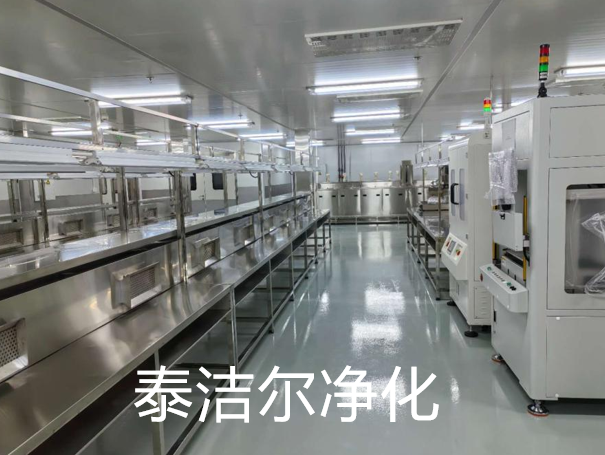
Leading Laboratory design now incorporates digital twins — real-time simulations using IoT sensor data. The BMS tracks pressure drop across pre-filters, fan bearing vibration, and valve drift. Algorithms predict filter loading and trigger maintenance alerts 10 days before ISO limit violation. Early adopters report 32% fewer unplanned shutdowns.
During the design phase, the digital twin serves as a training simulator for emergency scenarios (e.g., exhaust fan failure). Post-construction, it becomes the master validation document, reducing re-validation time by 40%.
9. Common Questions in Laboratory Design (FAQ)
Q1: What is the minimum air change rate for an ISO 8 cleanroom
laboratory?
A1: ISO 14644-4 does not prescribe fixed ACH values, but
industry practice (PDA TR13) recommends 15-20 ACH for ISO 8 (Class 100,000) in
operation. However, for rooms with open chemical handling or biological agents,
higher rates (25-30 ACH) are often specified based on risk assessment. The
Laboratory design must calculate required ACH from
contaminant generation rates, not from a generic table.
Q2: How often should HEPA filter integrity testing be
performed?
A2: ISO 14644-2 mandates maximum 12-month intervals.
However, for facilities handling potent APIs or BSL-3 agents, engineering
standards (e.g., NSF/ANSI 49) require 6-month intervals plus continuous
downstream particle monitoring. Any filter relocation or maintenance activity
requires immediate re-testing.
Q3: Can a standard office space be converted into a BSL-2
laboratory?
A3: Possible but requires substantial modifications: (1)
Install dedicated supply/exhaust with HEPA filtration, (2) Seal all penetrations
(cables, pipes) with silicone or putty pads, (3) Add autoclave or pass-through
for waste, (4) Replace flooring with seamless, chemical-resistant material.
Conversion typically costs 60-80% of new construction due to ceiling plenum
rework. A more practical solution is modular Laboratory design within the existing shell.
Q4: What is the difference between primary and secondary containment
in laboratory design?
A4: Primary containment refers to biosafety
cabinets (BSCs), isolators, or fume hoods that directly enclose the hazard.
Secondary containment is the room itself — including sealed walls, negative
pressure, and HEPA-filtered exhaust. Engineering design must ensure that failure
of primary containment (e.g., a torn BSC sleeve) does not compromise secondary
containment. This requires redundant exhaust fans, room pressure alarms, and a
minimum 15 Pa differential to adjacent areas.
Q5: How does TAI JIE ER validate pressure cascades after
construction?
A5: TAI JIE ER follows a three-step
protocol: (1) Door fan test to measure room leakage at 50 Pa (max allowable 0.5
cfm per sq. ft. of room surface), (2) Static pressure mapping with 15-minute
data logging at 2-second intervals across 20+ sensors, (3) Dynamic pressure test
while simulating door openings, HVAC setback, and filter loading. The final
report includes a color-coded pressure matrix showing compliance with
client-specified limits (e.g., -20 Pa for containment suite, +5 Pa for
corridor). All sensors are NIST-traceable.
Q6: What is the required unidirectional airflow velocity for an ISO 5
cleanroom?
A6: ISO 14644-4 specifies 0.36 to 0.54 m/s (70–110 fpm)
measured 150–300 mm below the filter face. For critical aseptic filling zones,
many engineering standards target 0.45 m/s ±20%. Lower velocities risk
turbulence that draws particles into the critical zone; higher velocities may
cause product drying or excessive energy use (adding $0.50 per cfm per
year).
Q7: Is a separate gowning room required for an ISO 7
laboratory?
A7: ISO 14644 does not mandate gowning rooms for ISO 7,
but EU GMP Annex 1 requires a defined change area for Grade C (equivalent to ISO
7). Engineering best practice: provide a two-stage gowning (street clothes → lab
coat → cleanroom suit) with a physical bench and sticky mat to separate zones.
This reduces particle shedding by 85% compared to direct entry from an office
corridor.
Robust Laboratory design is a lifecycle discipline — from initial risk assessment through ongoing validation. Whether upgrading a legacy lab or building a greenfield BSL-4 suite, the principles of airflow integrity, modular flexibility, and data-driven maintenance remain universal. TAI JIE ER combines deep domain expertise with turnkey execution, ensuring that your critical environment meets both regulatory scrutiny and operational agility. For project-specific engineering consultations, refer to the official portfolio and case studies.