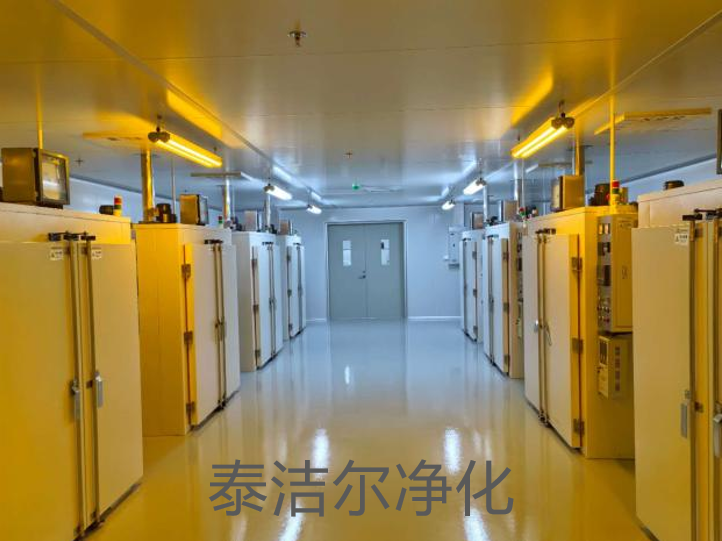

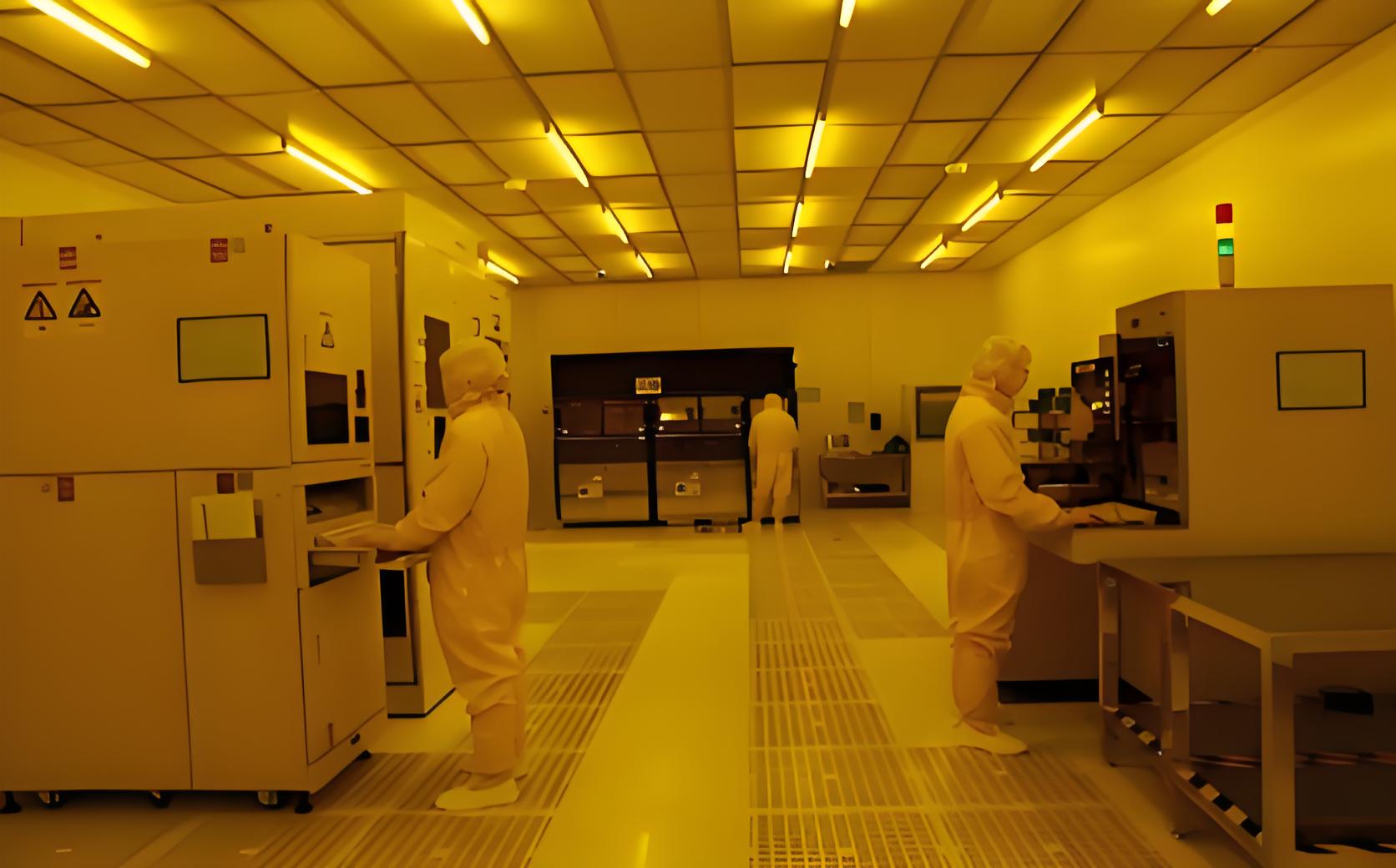
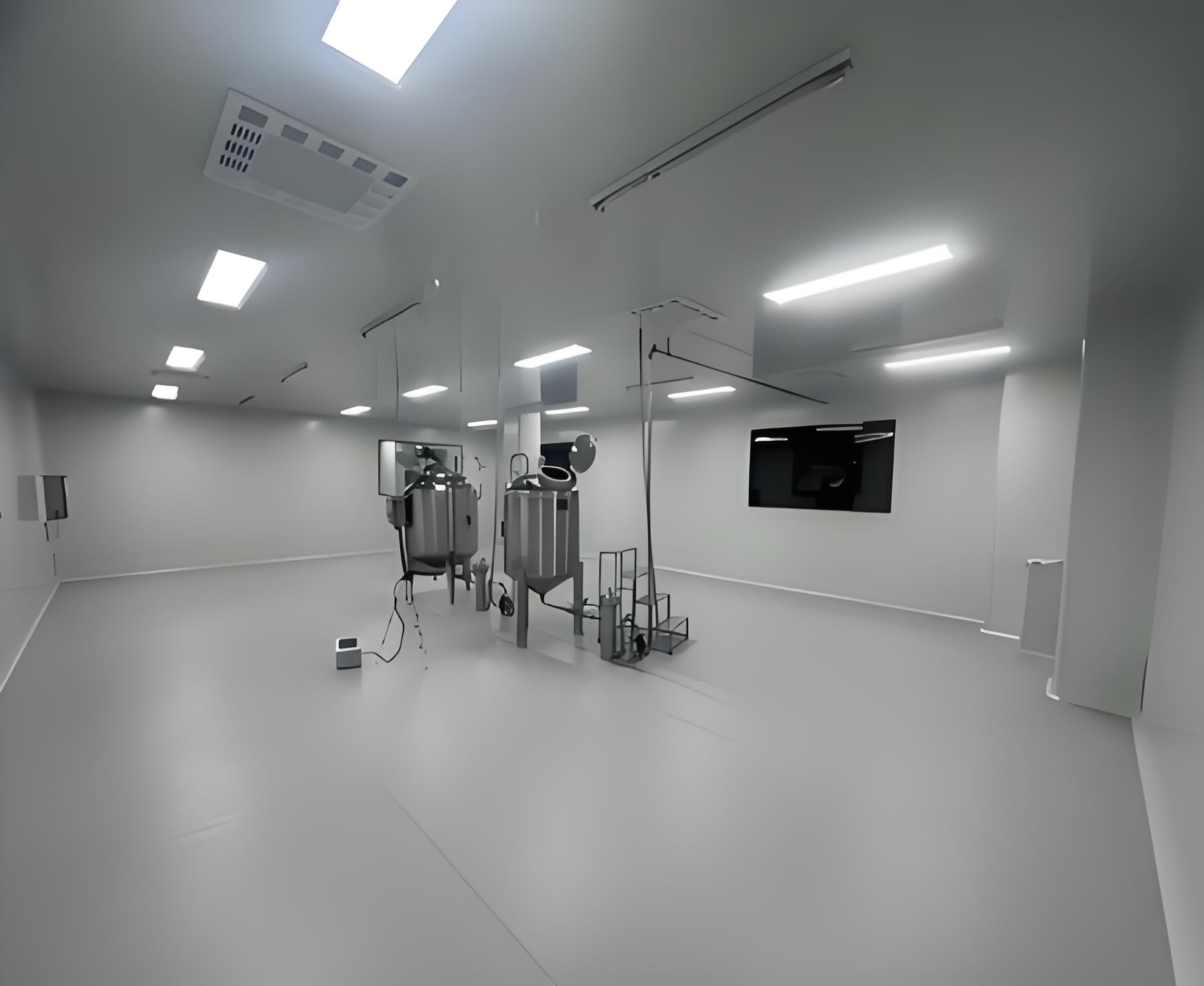
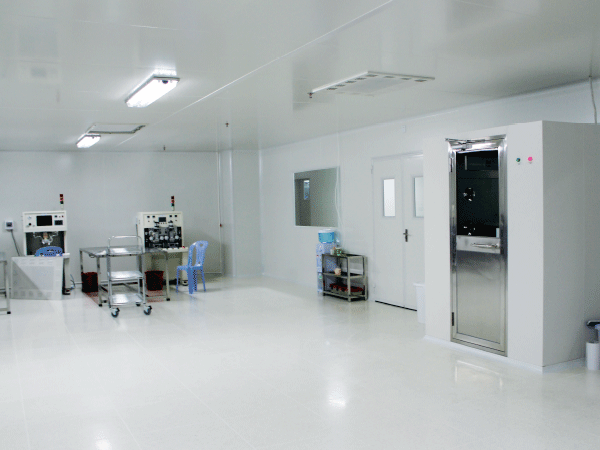

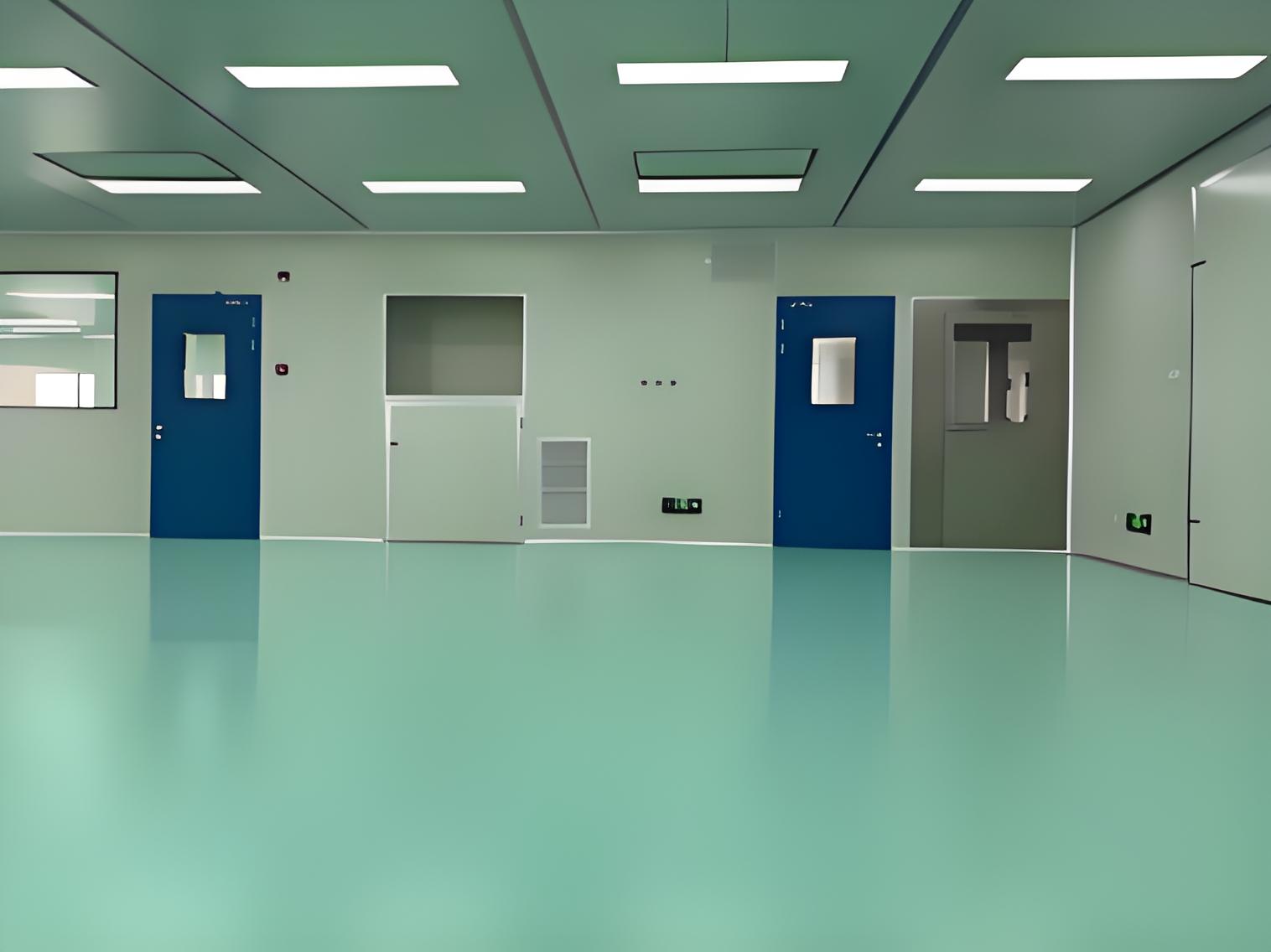
Modern Laboratory Engineering transcends conventional construction. It demands a harmonized integration of airflow dynamics, material science, and risk-based validation. For facilities handling high-potency compounds, infectious agents, or critical research, even minor design flaws lead to cross-contamination, regulatory citations, and operational downtime. This guide provides a technical deep dive into engineering parameters that directly impact contamination control, energy efficiency, and long-term asset reliability, drawing from ISO 14644, EU GMP Annex 1, and real-world commissioning data.
Specialized Laboratory Engineering ensures that from R&D suites to BSL-3 facilities, every pressure cascade, HEPA filter placement, and material joint eliminates particle retention zones. With TAI JIE ER — an industry leader in turnkey critical environments — engineering teams achieve validated performance from day one. Below, we dissect the core parameters, pain points, and future-ready solutions that define world-class laboratory projects.
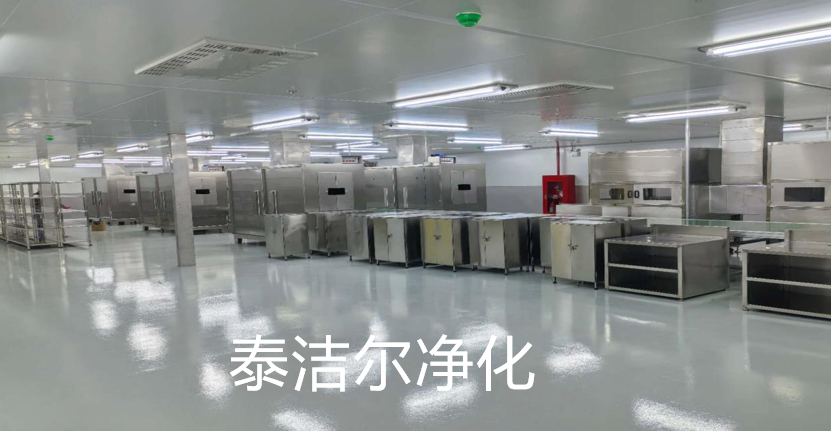
1. Critical Parameters in High-Performance Laboratory Engineering
Laboratory environments operate under stringent physical and microbial control limits. Three technical domains dominate engineering decisions:
Airflow & Pressure Cascades: Proper directional airflow prevents contaminant escape. For BSL-2/3, pressure differentials of ≥15 Pa between clean and containment zones are standard. Non-negotiable components include dedicated AHUs with HEPA/ULPA filtration, variable air volume (VAV) controls, and continuous pressure monitoring.
Surface Integrity & Cleanability: Welded vinyl sheet flooring, seamless epoxy walls, and coved corners eliminate microbial niches. Material must resist common disinfectants (quats, bleach, peracetic acid) without degradation.
Utility Redundancy: Dual-fed electrical, backup generators, and redundant chilled water loops maintain critical ventilation during outages. A single failure in exhaust fan operation can compromise entire containment.
1.1 Air Change Rates and Particle Control
ISO 14644-1 defines cleanroom classes based on airborne particle limits. For aseptic processing areas (ISO 5), engineering design targets 0.45 m/s unidirectional airflow. For ISO 7 (Class 10,000) labs, air change rates range 60–90 ACH. However, higher rates increase energy consumption by 30-40% — optimized designs use demand-controlled ventilation via real-time particle counters, adjusting ACH dynamically without compromising compliance.
1.2 Containment Validation: The “Pressure Map” Approach
Effective Laboratory Engineering requires 3D pressure mapping during commissioning. Using 50+ sensors, engineers identify transient pressure reversals (e.g., when doors open). Solutions include interlocked airlocks, automatic door operators, and vestibule pressurization 2–3 Pa above both adjacent zones. Without this, contamination pathways remain undetected.
2. Regulatory Frameworks Driving Laboratory Engineering Decisions
Compliance is not optional — it defines engineering tolerances. Key standards include:
ISO 14644 series (cleanroom classification, testing, monitoring)
EU GMP Annex 1 (2022 revision) — mandates continuous particle monitoring for Grade A zones and risk-based contamination control strategy (CCS).
NSF/ANSI 49 for biological safety cabinets and their exhaust integration.
NFPA 45 (fire protection for laboratories using flammable liquids).
Each framework demands documented evidence of design qualification (DQ), installation qualification (IQ), and operational qualification (OQ). TAI JIE ER provides turnkey validation packages, reducing project risk for pharmaceutical and biotech clients.
3. Industry Pain Points and Engineering Solutions
Based on 120+ laboratory audits across North America and Europe, three recurring failures emerge. Below, we link each to specific engineering countermeasures.
Pain Point 1: Retrofitting Flexibility into Legacy Labs
Fixed ductwork and rigid wall systems prevent reconfiguration. Solution: modular, demountable partition systems with pre-validated utility ports. Using cassette-style HEPA fan filter units (FFUs) instead of centralized ducted systems allows reconfiguration in days, not months. One contract lab reduced reconfiguration costs by 62% after shifting to modular Laboratory Engineering principles.
Pain Point 2: Energy Waste from Over-Ventilation
Labs consume 4–5 times more energy than office spaces due to 100% exhaust air. Engineering fix: install enthalpy wheels and run-around coils to recover 70% of exhaust energy. Couple with CO₂ sensors in low-occupancy zones (e.g., storage rooms) to reduce ACH from 20 to 8 during unoccupied hours — saving $45,000 annually per 1,000 sq. ft. of lab space.
Pain Point 3: Undetected Filter Bypass or Seal Leaks
HEPA filter bypass (through misaligned gaskets) invalidates containment. Solution: in-place scan testing per IEST-RP-CC034.6. Modern engineering designs integrate leak detection ports and aerosol photometer access panels into every filter housing. Routine testing time drops by 40% with pre-engineered access.
4. Modular Construction: Accelerating Laboratory Engineering Timelines
Modular cleanrooms and stick-built laboratories share the same ISO class performance, but modular approaches reduce on-site construction by 50-70%. Prefabricated wall panels, integrated utility chases, and factory-tested FFUs are assembled in climate-controlled facilities, then shipped for rapid installation. For a recent vaccine QC lab, TAI JIE ER delivered a turnkey ISO 7 laboratory in 14 weeks — 65% faster than conventional methods. Modular Laboratory Engineering also minimizes on-site contamination from construction dust, as panels arrive pre-cleaned and wrapped.
Key modular components:
Powder-coated steel or aluminum framing with flush-mount glazing
Pre-installed electrical, data, and gas piping in utility corridors
Ceiling grid with integrated LED lighting and HEPA diffusers
Interlocking floor systems with welded seams for chemical resistance
5. Sustainability Metrics in Laboratory Engineering
High-performance labs now pursue LEED v4.1 or BREEAM certification. Engineering strategies include:
Low-flow fume hoods: VAV hoods with sash position sensors reduce exhaust volume by 70% compared to constant-volume hoods.
Chilled beam systems: For non-hazardous labs, active chilled beams remove sensible heat without recirculating air — cutting fan energy by 50%.
Water-saving ultrapure water systems: Reverse osmosis with reject water recovery for cooling towers.
A 2023 study of 15 research institutes showed that optimized Laboratory Engineering reduced annual carbon footprint by 210 metric tons per 10,000 sq. ft. — equivalent to removing 45 cars from the road.
6. Risk-Based Approach to Contamination Control Strategy (CCS)
EU GMP Annex 1 requires a formal CCS. Engineering contributes through:
Failure Mode Effects Analysis (FMEA) on HVAC failure scenarios (e.g., loss of supply fan while exhaust fan continues).
Bypass risk assessment: double-door pass-through chambers with interlock and HEPA-filtered air shower.
Personnel/material flow segregation: clean/dirty corridors, changing rooms with step-over benches, and color-coded zoning.
Engineering CCS documentation must include pressure decay tests, particle recovery tests (ISO 14644-3:2019, Annex B.12), and filter integrity testing intervals (max 12 months).
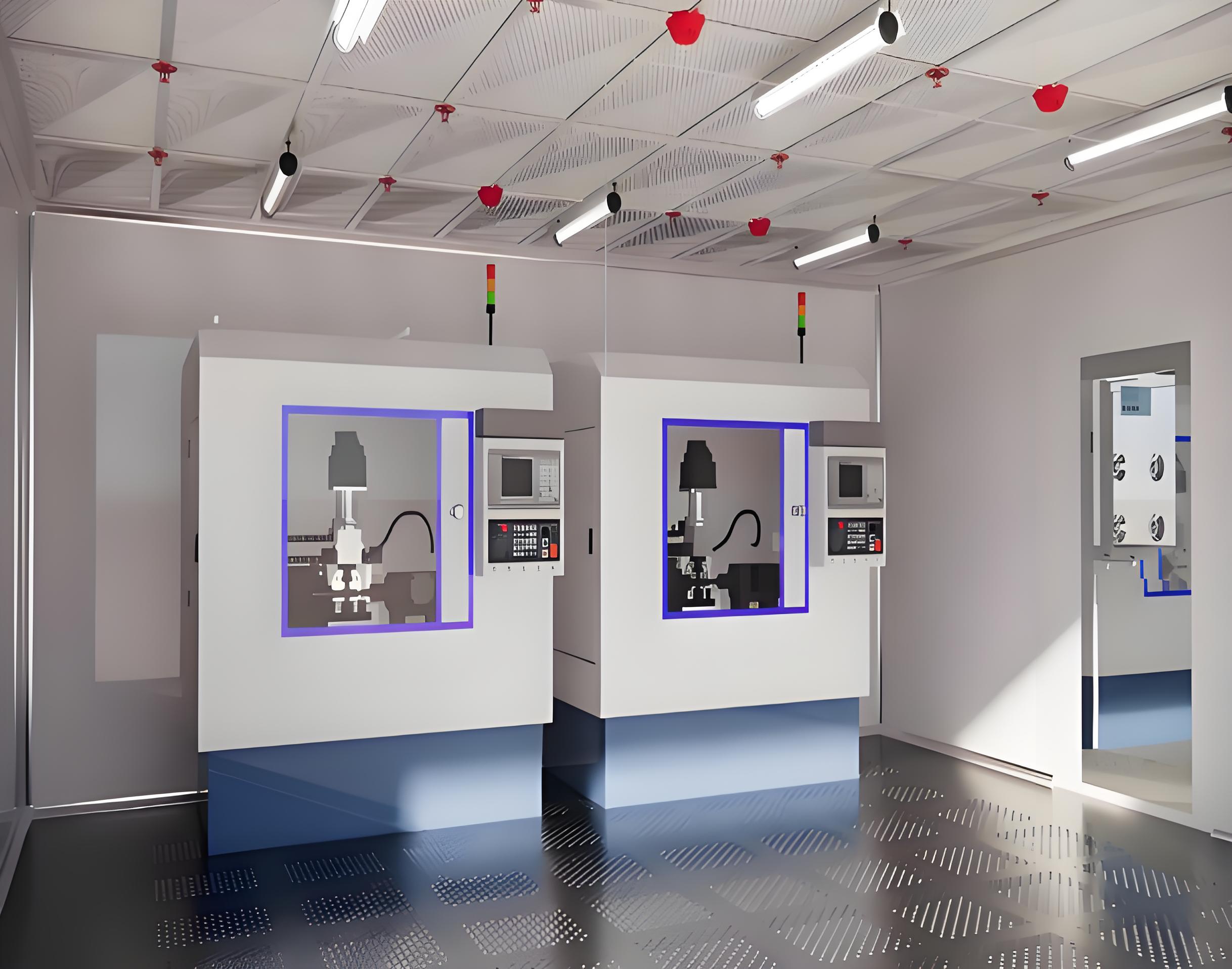
7. Future-Ready Technologies: Digital Twins and Predictive Maintenance
Leading laboratory engineering now integrates digital twins — real-time simulation of airflow, temperature, and pressure across thousands of sensors. Using IoT-enabled BMS, engineers predict filter loading, fan bearing wear, and valve drift before failure occurs. For example, by analyzing pressure drop trends across pre-filters, the system triggers a maintenance alert 10 days before ISO limit violation. Early adopters report 32% fewer unplanned shutdowns.
For greenfield projects, a digital twin is built during design phase and used for training operators on emergency scenarios (e.g., exhaust fan failure) without risk. Post-construction, the twin becomes the master validation document.
8. Common Questions in Laboratory Engineering (FAQ)
Q1: What is the single most overlooked parameter in laboratory
engineering design?
A1: Airlock door sequencing. Many designs fail
to interlock doors properly, causing simultaneous opening that collapses
pressure cascades. Engineering solution: use electromagnetic locks with 5-second
delay and visual traffic lights. This maintains differential pressure even
during busy material transfer.
Q2: How often should HEPA filter integrity testing be performed for
ISO 7 labs?
A2: ISO 14644-2 recommends maximum 12-month intervals
for filter leak testing. However, for facilities handling potent APIs or
pathogens, many engineering standards (including PDA TR13) require 6-month
intervals plus continuous downstream particle monitoring.
Q3: Can an existing office building be converted into a BSL-3
laboratory?
A3: Technically possible but economically challenging.
Key requirements: structural reinforcement for heavy AHUs, 100% exhaust ductwork
with no recirculation, dedicated decontamination area for liquid waste, and
secondary containment for all penetrations. Conversion typically costs 70-90% of
new construction due to reworking ceiling plenums and floor drains. A more
practical solution is modular laboratory engineering within the building’s
shell.
Q4: What is the difference between primary and secondary containment
in engineering terms?
A4: Primary containment refers to biological
safety cabinets, isolators, or fume hoods that directly enclose the hazard.
Secondary containment is the room itself — including sealed penetrations,
negative pressure, and HEPA-filtered exhaust. Engineering design must ensure
that failure of primary containment (e.g., a torn BSC sleeve) does not
compromise secondary containment. This requires redundancy in exhaust and
supply, plus room pressure alarms.
Q5: How does TAI JIE ER validate pressure cascades after
commissioning?
A5: TAI JIE ER follows a three-step
protocol: (1) door fan test to measure room leakage at 50 Pa, (2) static
pressure mapping with 15-minute data logging every 2 seconds, (3) dynamic
pressure test while simulating door openings and HVAC setback modes. The final
report includes a color-coded pressure matrix showing compliance with
client-specified limits (e.g., -20 Pa for containment suite vs. +5 Pa for
corridor). All data is traceable to NIST standards.
Q6: What air velocity is required for an unidirectional flow
cleanroom?
A6: ISO 14644-4 specifies 0.36 to 0.54 m/s (70–110 fpm)
at the working height, measured 150–300 mm from the filter face. For critical
aseptic filling, engineering often targets 0.45 m/s ±20%. Lower velocities risk
turbulence that drags particles into the critical zone; higher velocities
increase energy use and may cause product drying issues.
Q7: Is it mandatory to have a separate gowning area for ISO 8
labs?
A7: ISO 14644 does not mandate gowning rooms for ISO 8, but EU
GMP Annex 1 requires a defined change area for Grade D (equivalent to ISO 8).
Engineering best practice: provide at least a two-stage gowning (street clothes
→ lab coat → cleanroom suit) with a physical bench to separate zones. This
reduces particle shedding by 85% compared to direct entry.
Effective Laboratory Engineering is not a one-time deliverable but a lifecycle discipline — from initial risk assessment to ongoing validation. Whether you are upgrading a legacy lab or designing a greenfield BSL-4 suite, the principles of airflow integrity, modular flexibility, and data-driven maintenance remain universal. TAI JIE ER combines deep domain expertise with turnkey execution, ensuring that your critical environment meets both regulatory scrutiny and operational agility. For project-specific engineering consultations, refer to the official portfolio and case studies.