In aseptic pharmaceutical filling, biotechnology, and advanced electronics manufacturing, the integrity of the packaging process directly dictates product safety and regulatory compliance. A meticulously executed Packaging purification project ensures that primary packaging materials—vials, syringes, cartridges, and foil membranes—enter the sterile core without introducing viable or non-viable contamination. This article provides a technical deep dive into the architectural, mechanical, and procedural pillars of such projects, referencing ISO 14644-1, GMP Annex 1, and practical engineering solutions from TAI JIE ER, a specialist in turnkey cleanroom engineering.
Unlike conventional cleanroom builds, a dedicated packaging purification project addresses unique pain points: material transfer lock cycles, particle shedding from packaging components, static charge interactions, and the validation of decontamination methods like vaporized hydrogen peroxide (VHP) or dry heat. Below, we dissect five essential stages—from concept design to performance qualification—while integrating LSI terms such as aseptic barrier systems, HEPA filter integrity, and RABS integration.
Every successful Packaging purification project begins with a risk assessment methodology (ICH Q9). The target classification depends on the product's sterility assurance level (SAL). For terminal sterilization packaging, ISO 7 (Class 10,000) background with ISO 5 (Class 100) critical zones suffices; for aseptic filling, the entire packaging tunnel and stoppering area must meet ISO 5 with unidirectional airflow.
Air change rates & velocity: ISO 5 zones require 0.45 m/s ±20% at working height, with air changes exceeding 300 per hour in unidirectional flow. HEPA filters (H14 grade, MPPS efficiency ≥99.995%) must be scanned annually per ISO 14644-3.
Pressure cascades: Maintain ≥10 Pa differential between clean corridor and packaging hall, and ≥15 Pa between aseptic core and adjacent lower-grade areas. Real-time pressure monitoring with alarms is mandatory.
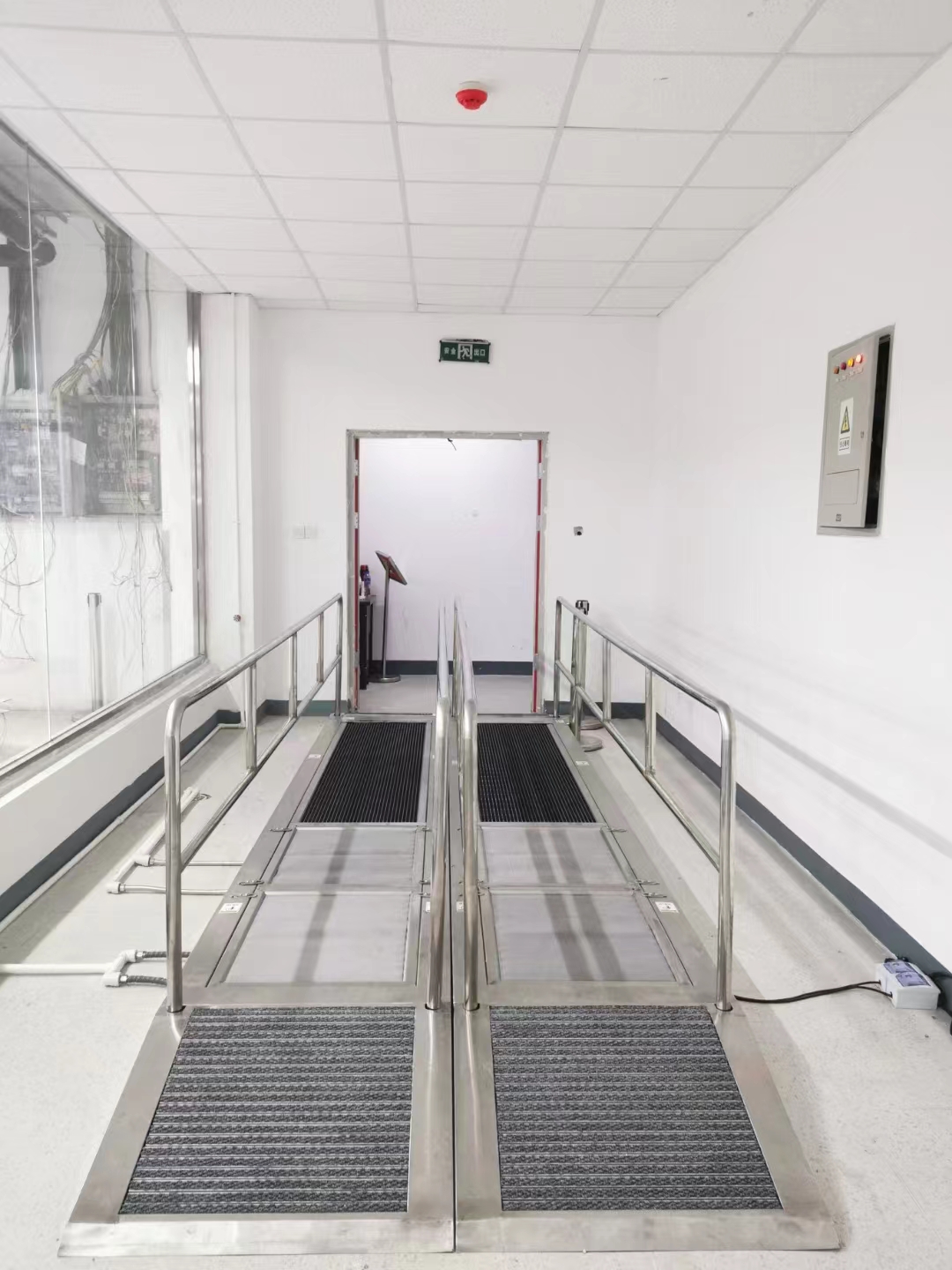
Material flow segregation: Personnel, raw packaging components, and finished goods must follow unidirectional paths. Air locks with interlocked doors and VHP decontamination cycles for pass-through chambers are standard.
A recent project by TAI JIE ER for a pre-filled syringe manufacturer integrated an isolator-based packaging line where the purification project achieved <0.5 CFU/m³ and ≤3,520 particles (≥0.5 µm) per m³ during dynamic operations—surpassing EU GMP requirements.
The technical core of any packaging purification project lies in three interlinked domains: airborne particle control, surface bioburden reduction, and viable/non-viable monitoring.
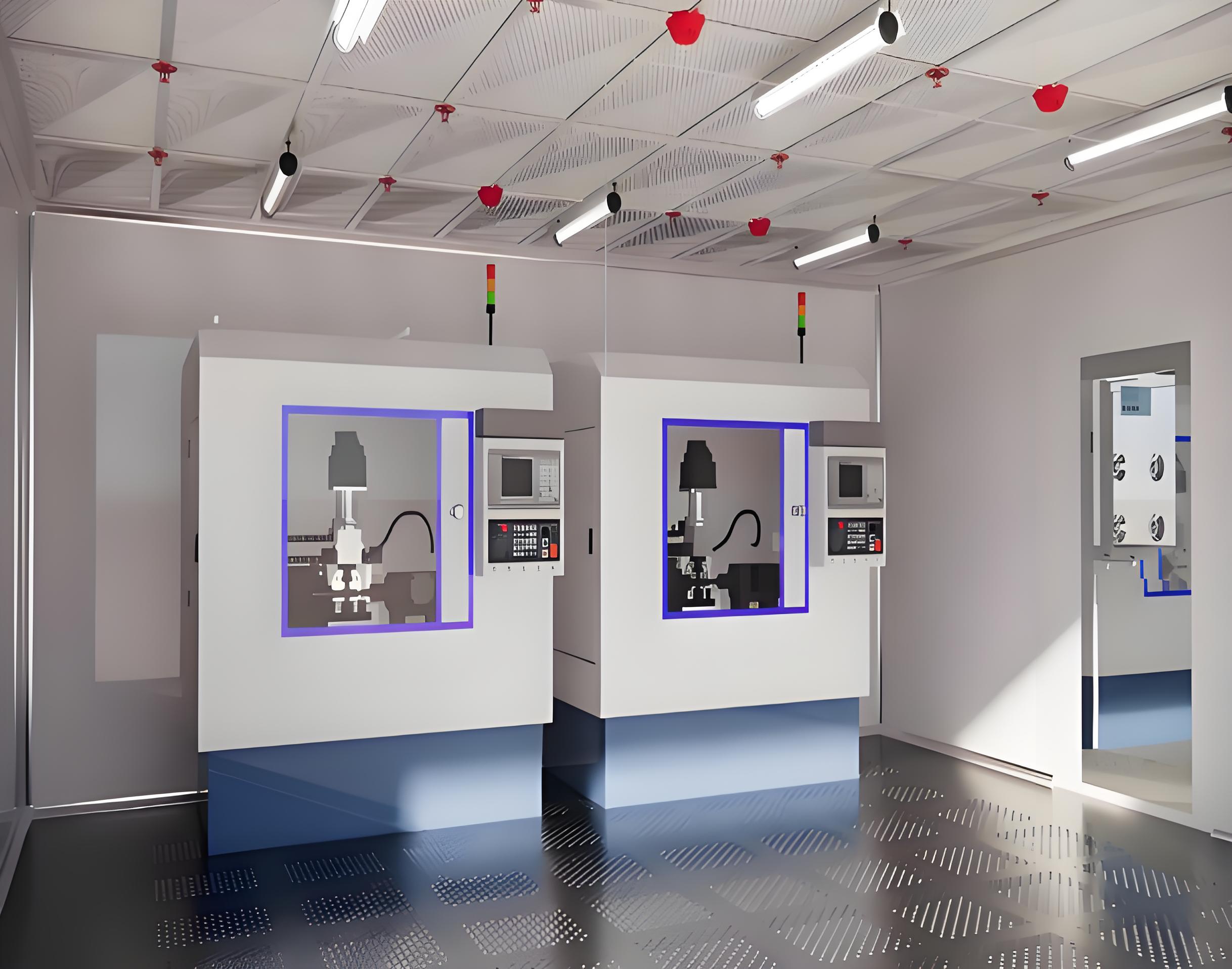
Low-turbulence displacement (Laminar flow) hoods or fan-filter units (FFUs) cover the packaging machine infeed, filling station, and capping area. Computational fluid dynamics (CFD) simulations help optimize FFU placement to avoid dead zones. Cleanroom packaging validation includes remote particle counters (28.3 L/min) positioned at worst-case locations, continuously reporting to a SCADA system.
Primary packaging components (rubber stoppers, aluminum caps, glass vials) require validated bioburden reduction. Common modalities:
Vaporized Hydrogen Peroxide (VHP): Applied for heat-sensitive components. Cycle parameters: H2O2 concentration 300–500 ppm, dwell time 20–40 minutes, aeration to <1 ppm. Biological indicators (Geobacillus stearothermophilus) must show 6-log reduction.
Dry heat depyrogenation: For glass containers, tunnels operating at 300–340°C with residence time ≥5 minutes achieve endotoxin reduction (3-log) and sterility. Validation requires thermocouple mapping and endotoxin challenge tests.
Gamma or e-beam irradiation: Used for pre-sterilized packaging (ready-to-use systems). Dose range 25–40 kGy, with dosimetric release.
An intelligent packaging purification project incorporates:
Continuous viable air sampling (MAS-100 or equivalent) with 1 m³ sampling per shift.
Surface monitoring via contact plates and swabs (aerobic and anaerobic incubation).
Non-viable particle counters with 1-minute data granularity, triggering alarms at excursion limits (e.g., >3,520 particles/m³ for ISO 5 at rest).
Different sectors impose unique demands on a packaging purification project. Below is a breakdown of typical scenarios and engineering countermeasures.
Pharmaceutical (sterile injectables): Pain point – rubber stopper silicone oil migration causing particle shedding. Solution – use low-particulate stoppers and install ionizing bars to neutralize static charge before the infeed starwheel. Implementation of barrier isolator technology reduces manual interventions by 90%.
Biotechnology (gene therapies, mRNA vaccines): Pain point – extreme sensitivity to cross-contamination and endotoxins. Solution – dedicated single-use packaging lines with fully enclosed VHP chambers for material transfer. The packaging purification project must include rapid transfer ports (RTPs) and glove port integrity testers.
Medical devices (implantables, combination products): Pain point – package seal integrity failure after sterilization. Solution – in-line seal strength testing (peel and burst tests) integrated with cleanroom conveyor systems. Pressure decay leak testers at 10–30 psi sensitivity.
High-precision electronics (semiconductors, MEMS): Pain point – electrostatic discharge (ESD) damaging micro-components during packaging. Solution – conductive flooring, ESD-safe workbenches, and ionizers; also HEPA filters with conductive frames to prevent static buildup.
Through strategic Packaging purification project design, TAI JIE ER resolved a recurring contamination issue for a CDMO handling mRNA lipid nanoparticles by upgrading the airlock sequence and installing a peroxide-resistant HVAC coating, reducing batch rejections from 12% to below 0.8%.
Validation is not a one-time event but a lifecycle approach. A compliant packaging purification project follows these stages:
Installation Qualification (IQ): Verify that all FFUs, HEPA filters, pressure differential transmitters, and interlock systems are installed per engineering drawings. Document filter certificates, fan motor ratings, and material certifications (316L stainless steel, non-shedding gaskets).
Operational Qualification (OQ): Test alarm setpoints, door interlocks, VHP cycle uniformity (minimum 10 thermocouple/humidity sensors), and airflow visualization (smoke studies) per ISO 14644-3:2019. Smoke patterns must demonstrate unidirectional flow without turbulence or dead zones.
Performance Qualification (PQ): Conduct three consecutive days of simulated packaging runs using placebo materials. Monitor particle counts, microbial recovery, and surface cleanliness. Acceptable criteria: Grade A zones zero colony-forming units (CFU) and <1 CFU for Grade B. Also execute aseptic process simulation (media fill) for packaging lines that handle sterile contents.
Additionally, periodic requalification is required every 6–12 months, or after any major maintenance. The FDA and EMA expect ongoing monitoring data trending; statistical process control (SPC) charts for particle counts help detect drift early.
Once the packaging purification project is live, human factors become the dominant contamination vector. Implementation of:
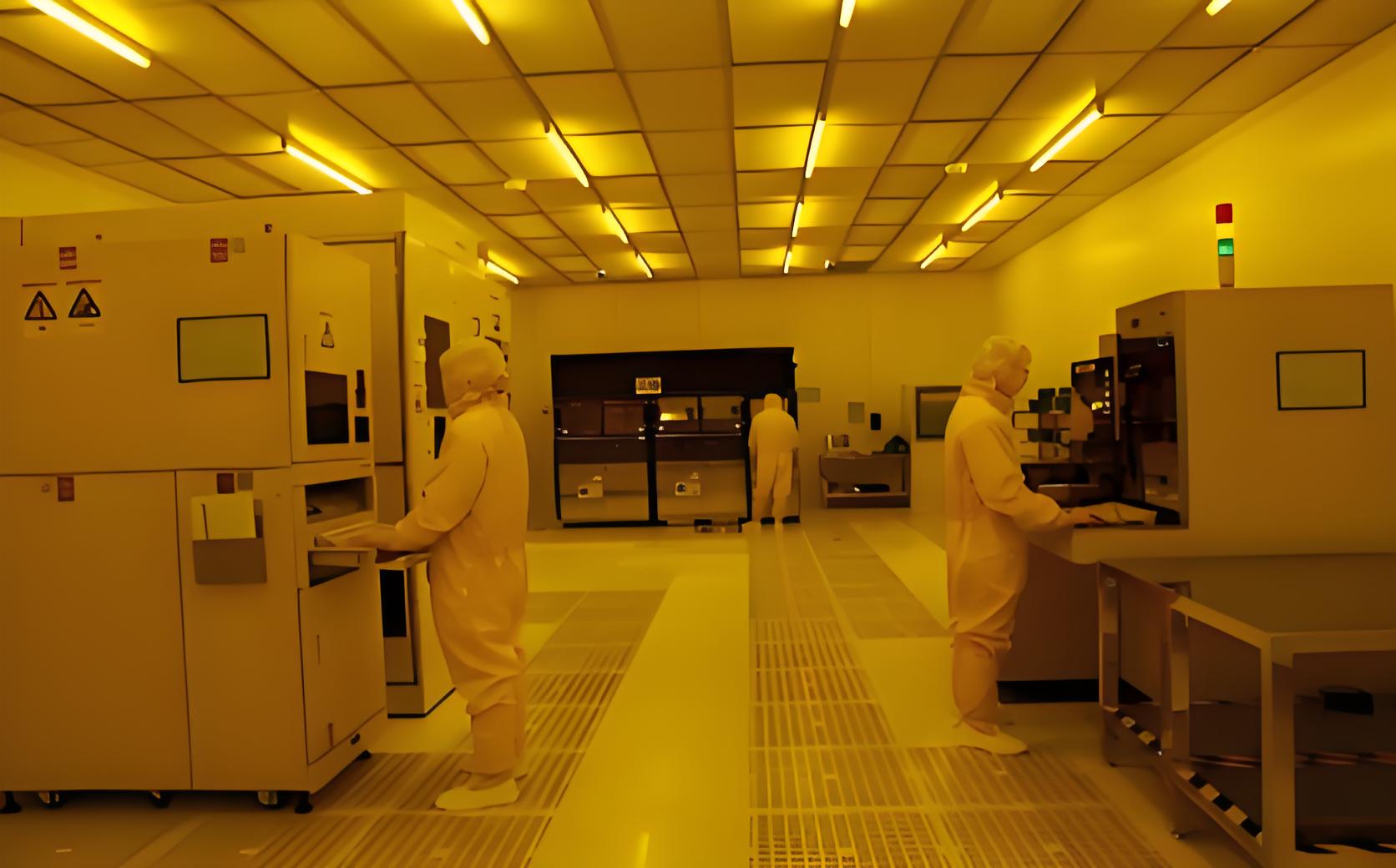
Gowning protocols with two-piece sterile suits, double gloves, and regular glove integrity testing.
Automated material handling to reduce manual transfers – robotic arms or conveyor systems with smooth, crevice-free surfaces.
Digital logbooks and electronic batch records for environmental monitoring data – paperless systems reduce documentation errors.
Root cause analysis (RCA) for any deviation using fault tree analysis (FTA) or fishbone diagrams.
Best-in-class Packaging purification project designs also incorporate rapid microbiological methods (RMM) such as ATP bioluminescence for surface cleanliness, providing results in minutes instead of days. This accelerates line clearance and reduces downtime between campaigns.
Executing a packaging purification project demands deep interdisciplinary knowledge – from HVAC thermodynamics to GMP documentation. TAI JIE ER has delivered over 120 cleanroom and purification projects across China, Southeast Asia, and Europe. Their methodology integrates:
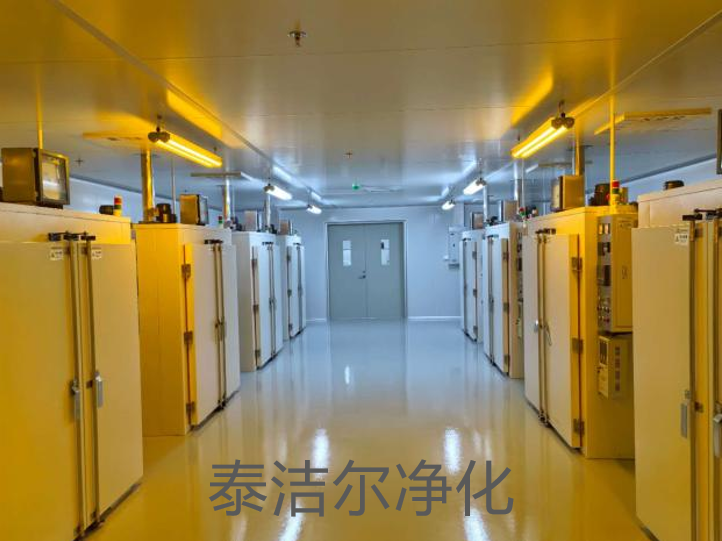
Modular cleanroom construction (prefabricated panels with smooth, non-porous surfaces) reducing on-site contamination and shortening project timelines by 30%.
In-house validation team that writes IQ/OQ/PQ protocols aligned with client's regulatory framework (FDA, EMA, NMPA, WHO).
Retrofit solutions for legacy packaging lines, adding barrier systems or upgrading FFUs without halting production for months.
For a recent large-volume parenteral (LVP) facility, TAI JIE ER designed a packaging purification project that reduced airborne particles by 92% compared to the previous configuration, achieving an ISO 5 environment in the stoppering zone with 40 air changes per hour for background ISO 7. The client reported a 40% reduction in environmental excursion reports within the first year.
Q1: What is the minimum cleanroom classification required for a
packaging purification project for terminal sterilization?
A1: For
terminally sterilized products (e.g., large volume parenterals), the filling and
packaging zone must operate at ISO 7 (Class 10,000) in operation, with the
immediate packaging component exposure area (e.g., infeed chute) requiring ISO 5
(Class 100) unidirectional airflow. However, if the product is not aseptic but
only requires low bioburden, ISO 8 may be acceptable per EU GMP Annex 1 (revised
2022). Always conduct a risk assessment.
Q2: How frequently should HEPA filters be integrity tested in a
packaging purification project?
A2: According to ISO 14644-2:2015,
HEPA filters in critical areas (ISO 5 or stricter) must be leak-tested at least
every 6 months using a photometer scan (PAO or DEHS challenge). For ISO 6–8
zones, annual testing is acceptable. Any filter repair or replacement requires
immediate retesting.
Q3: Can a packaging purification project be retrofitted into an
existing building with low ceiling height?
A3: Yes, using modular
cleanroom panels and low-profile FFUs (fan-filter units) that require only
350–400 mm ceiling plenum. Cleanroom retrofit engineering solutions from TAI JIE ER have successfully converted warehouses into compliant
packaging purification suites with ceiling heights as low as 2.6 meters.
However, proper air return pathways (low-wall returns or raised floor) are
necessary to maintain unidirectional flow.
Q4: What is the typical validation duration for a packaging
purification project?
A4: A full validation lifecycle (IQ/OQ/PQ)
generally takes 8–12 weeks, depending on the complexity. Breakdown: IQ
documentation and verification – 2 weeks; OQ including smoke studies, VHP cycle
development, and alarm tests – 3 weeks; PQ with three consecutive successful
runs plus media fills – 3–4 weeks. Additional time for regulatory submission
might be required.
Q5: How do you handle packaging materials that are incompatible with
VHP decontamination?
A5: Materials sensitive to VHP (e.g., some
plastics, certain elastomers) can be decontaminated using alternative methods:
dry heat for glass, gamma irradiation for pre-sterilized bags, or hydrogen
peroxide plasma at lower concentrations. Another approach is using
double-bagging with aseptic transfer – the outer bag is removed in a Grade B
area, and the inner bag is opened inside an isolator. Compatibility testing per
ISO 10993-7 is recommended.
Q6: What are the common failures observed during packaging
purification project performance qualification?
A6: Most frequent
failures include: (a) particle spikes due to static charge on plastic packaging
components – mitigated by ionizing bars; (b) insufficient VHP penetration in
complex geometries – solved by adjusting cycle parameters and using multiple
injection points; (c) seal integrity failures after sterilization – requires
packaging material validation and real-time seal inspection cameras; (d)
operator intervention causing airflow disruption – addressed by training and
installing interlocked half-suit glove ports.
Modern regulatory expectations (EU GMP Annex 1, FDA's aseptic processing guidance) demand that a packaging purification project moves beyond basic cleanroom construction into a holistic contamination control strategy (CCS). From ISO 5 barrier isolators to real-time monitoring and validated decontamination cycles, each element must be designed, executed, and maintained with scientific rigor.
Selecting a partner with proven domain expertise ensures your packaging purification project meets both current compliance and future scalability. TAI JIE ER offers end-to-end services – from conceptual design, modular construction, validation, to ongoing technical support. Their engineering team specializes in creating high-reliability packaging environments tailored to pharmaceutical, biotech, and electronics industries.
Ready to initiate or upgrade your Packaging purification project? Request a no-obligation feasibility study and budget estimate.
Start your inquiry today: Contact TAI JIE ER’s cleanroom engineering team to discuss your specific packaging line requirements. Provide details about your product type, required cleanliness class, and current contamination challenges. Our experts will prepare a customized proposal including GMP-compliant drawings, validation timelines, and lifecycle cost analysis.
→ Send your technical inquiry via the official website: https://www.taijieer.com/ (or use the contact form on the engineering page). For urgent requests, direct email to sales@taijieer.com – reference “Packaging Purification Project” for prioritized response.