
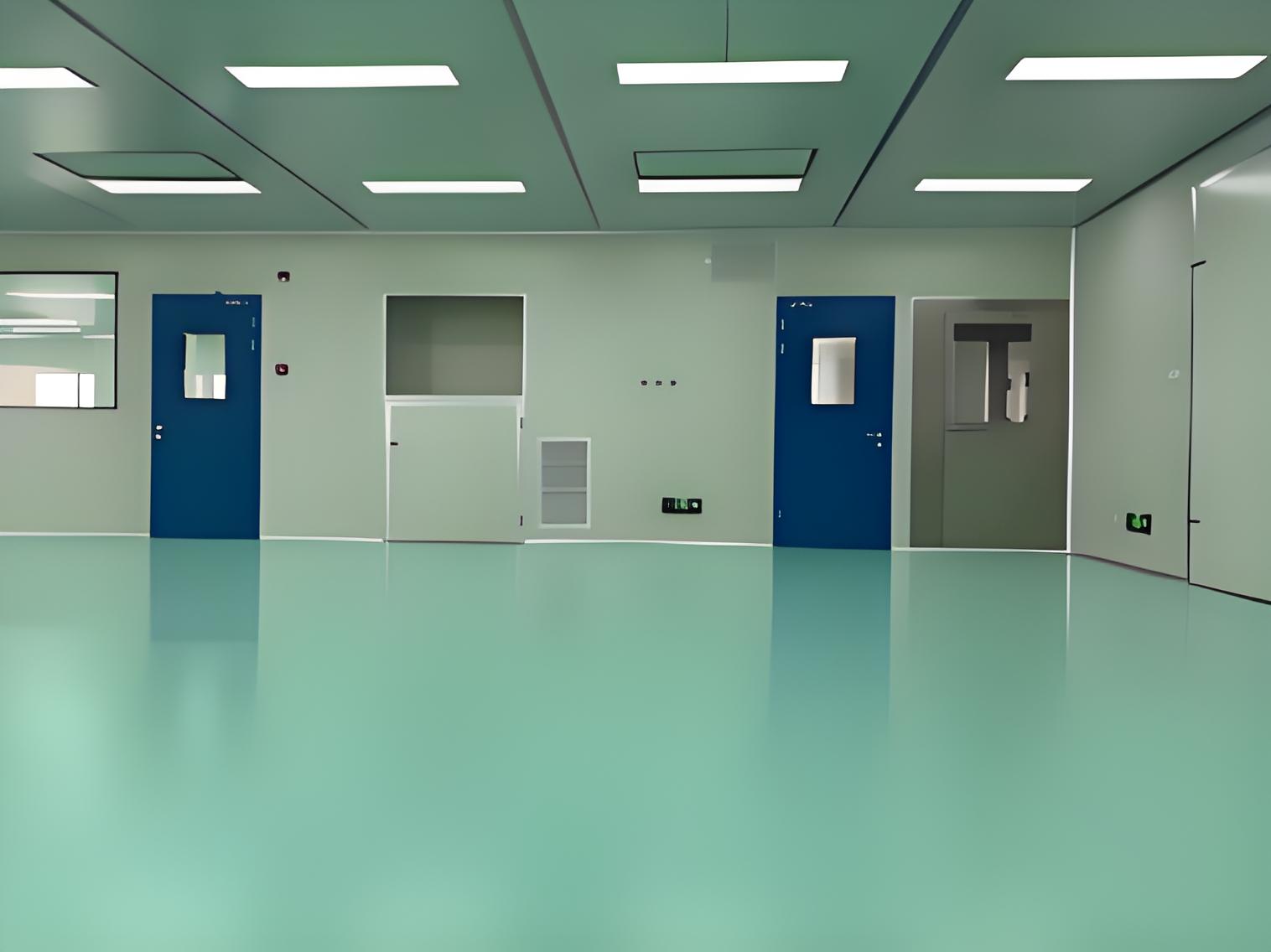
In the world of precision manufacturing, invisible particles can cause visible failures. Whether you are producing semiconductors, pharmaceuticals, or optical lenses, the cleanliness of your production environment is directly tied to your profitability.
Controlling contamination is not just about cleaning; it is about engineering an environment that actively repels pollutants. This is where a dust-free workshop becomes the backbone of operations. It is a controlled space where air quality, temperature, and humidity are strictly regulated to meet specific international standards.
For companies like TAI JIE ER, building these environments is about more than just installing filters. It involves a holistic approach to airflow design, material selection, and personnel management. This article breaks down what you need to know about designing, building, and maintaining these critical facilities without the fluff.
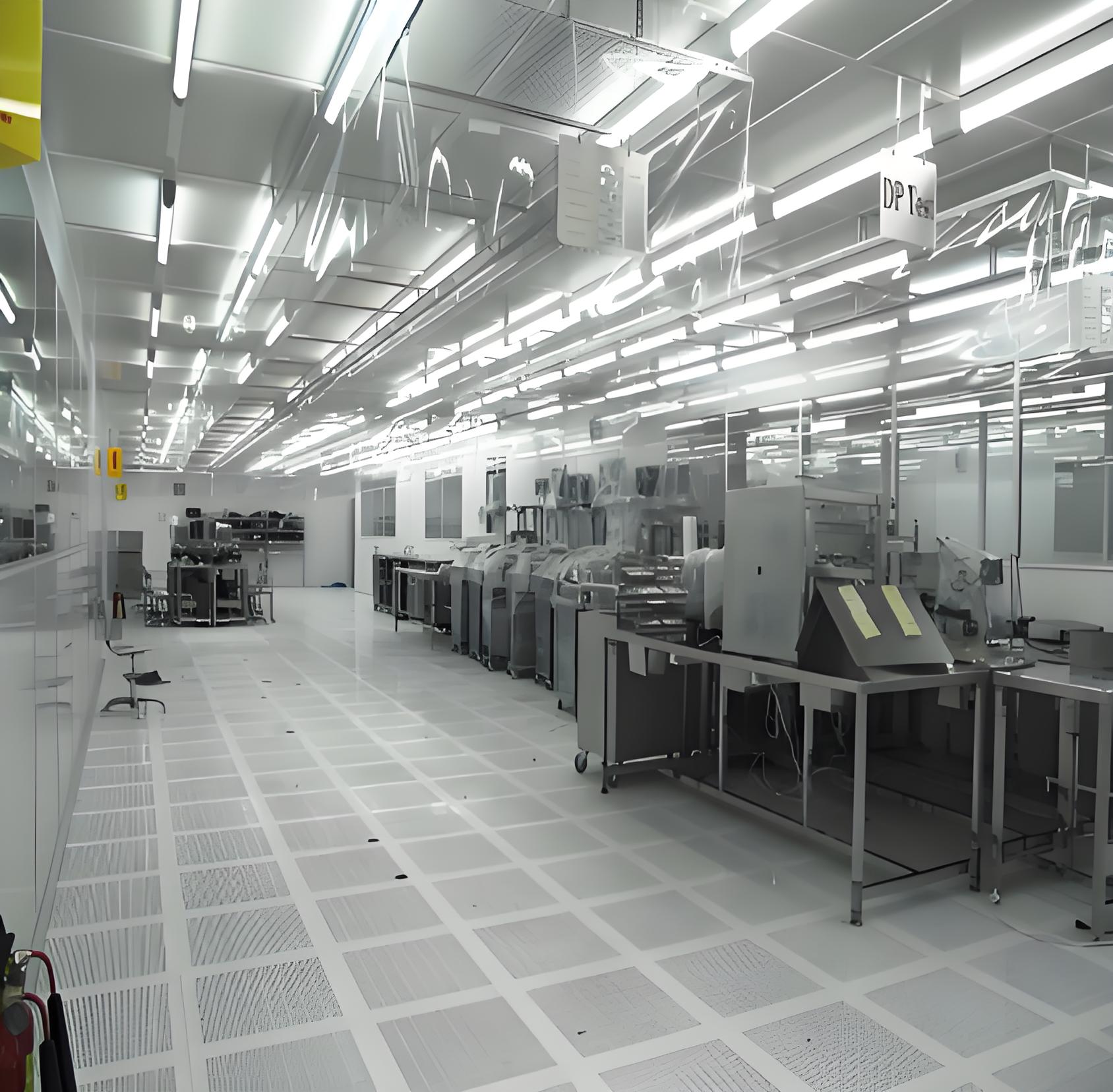
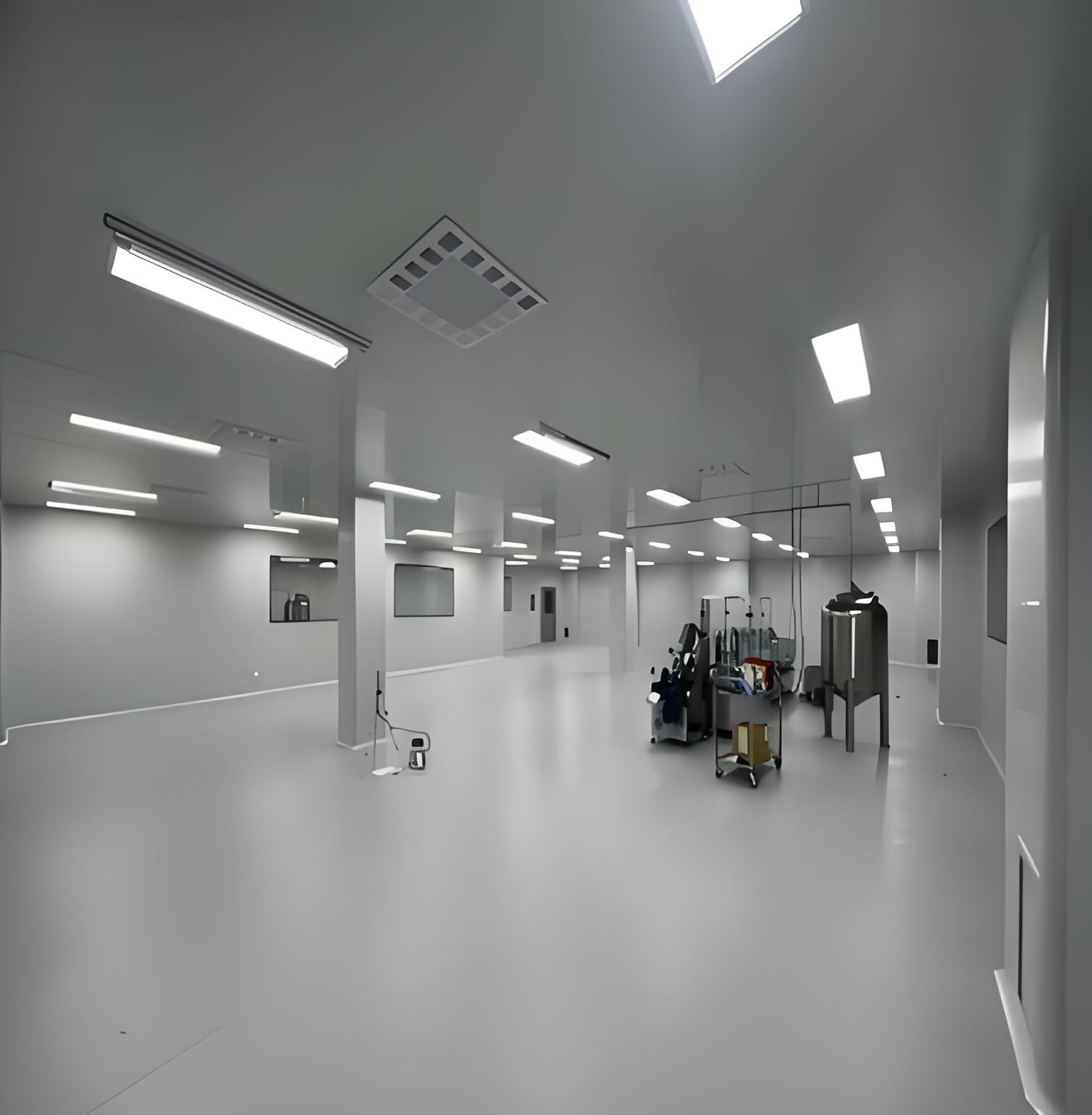
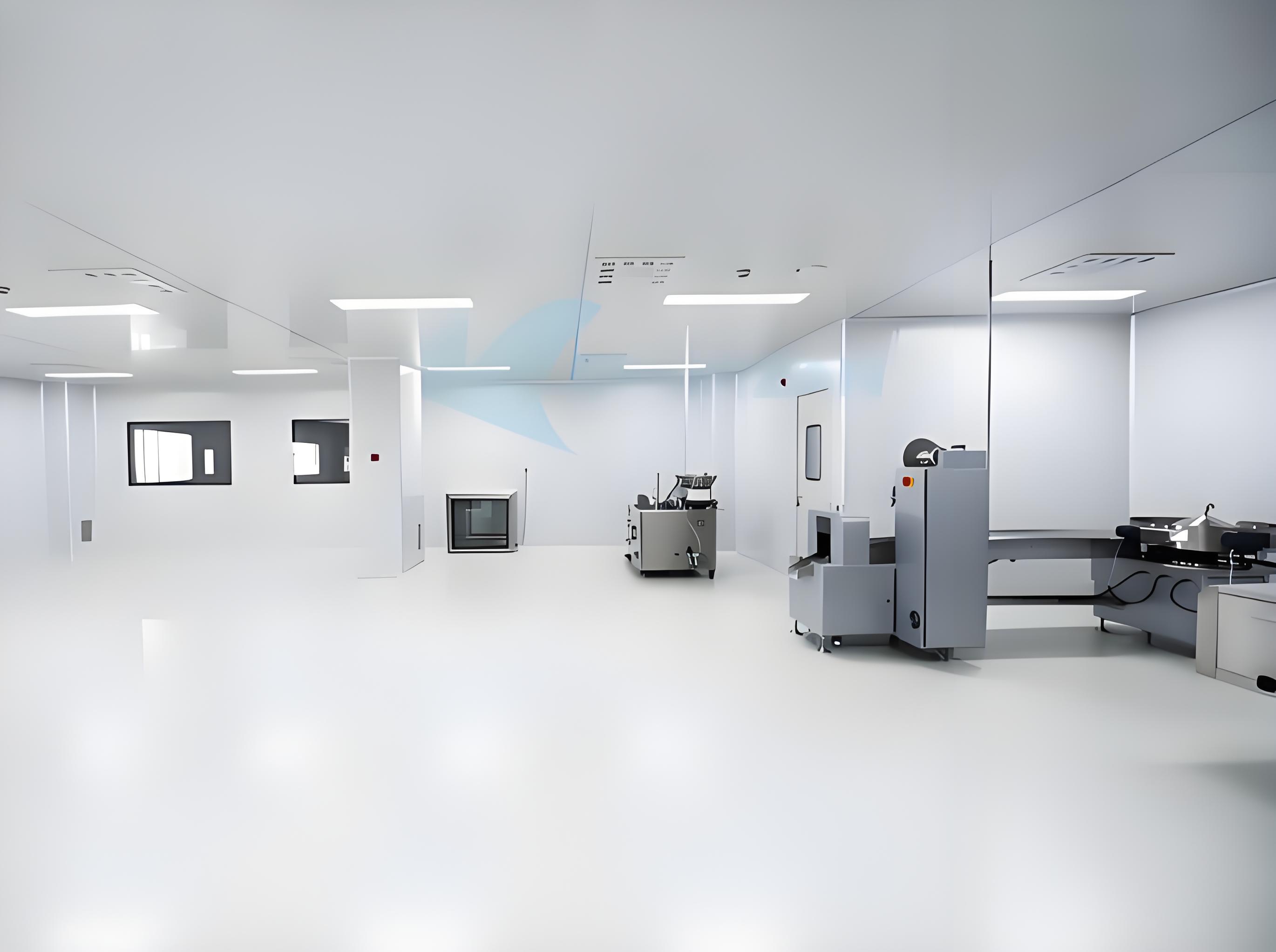
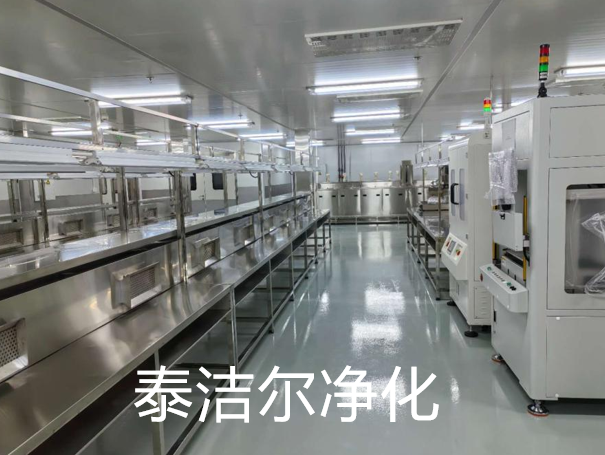
A dust-free workshop, often referred to interchangeably as a cleanroom in international engineering, is a defined space where the concentration of airborne particles is controlled. These facilities are classified by how many particles of a specific size exist per cubic meter of air.
The goal is not just to remove dust that enters but to limit the generation and retention of particles inside. This requires a sealed structure. The walls, floors, and ceilings must be made of materials that do not shed fibers or particles.
Furthermore, the pressure inside the room is usually kept higher than the pressure outside. This positive pressure ensures that when a door is opened, air rushes out rather than dirty air rushing in. It is a simple concept, but executing it requires complex HVAC engineering.
When planning a dust-free workshop, the first question TAI JIE ER engineers will ask is: "What ISO class do you need?"
The International Organization for Standardization (ISO) 14644-1 is the global benchmark. It rates rooms from ISO 1 (the cleanest) to ISO 9 (normal room air).
ISO 5 (Class 100): Often used in semiconductor manufacturing. It allows very few particles.ISO 7 (Class 10,000): Common in electronics assembly and certain medical device manufacturing.ISO 8 (Class 100,000): frequently used for packaging areas or general pharmaceutical production.
Choosing the right class is vital. Over-specifying your room drives up construction and energy costs significantly. Under-specifying puts your product quality at risk.
A functional cleanroom relies on several hardware components working in unison. If one piece fails, the integrity of the room is compromised.
The heart of any dust-free workshop is the filtration system. High-Efficiency Particulate Air (HEPA) filters trap 99.97% of particles that are 0.3 microns or larger. In stricter environments, ULPA (Ultra-Low Penetration Air) filters are used.
These filters are often housed in Fan Filter Units (FFUs). FFUs are installed in the ceiling grid. They pull air from the plenum above and push it down into the room. This creates a vertical laminar flow in high-grade cleanrooms, washing particles down to the floor where they are returned to the HVAC system.
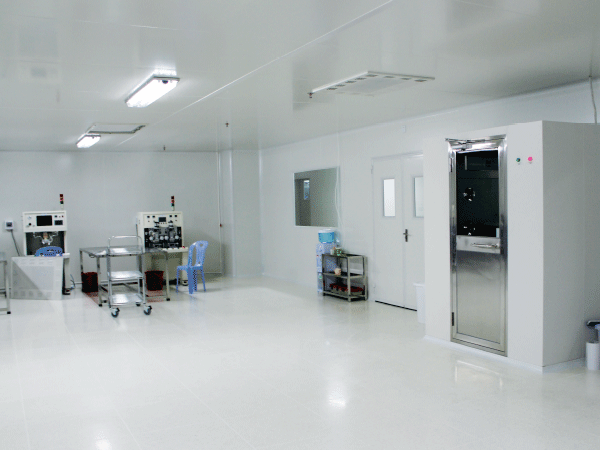
Before workers enter the clean area, they must pass through an air shower. This is a self-contained chamber equipped with high-velocity air jets.
The jets blow off loose particles, lint, and dust from the worker's "bunny suit." TAI JIE ER designs these showers with interlocking doors to act as an airlock, preventing outside air from directly mixing with the cleanroom air.
Materials need to move in and out of the cleanroom without people opening the main doors constantly. A pass box is a small chamber installed in the wall.
It has doors on both sides that cannot be opened simultaneously. This allows tools or products to be transferred with minimal air disturbance. Some pass boxes are equipped with UV lights or their own air showers for sterilization.
The surfaces in a dust-free workshop must be smooth, seamless, and impervious to cleaning agents.
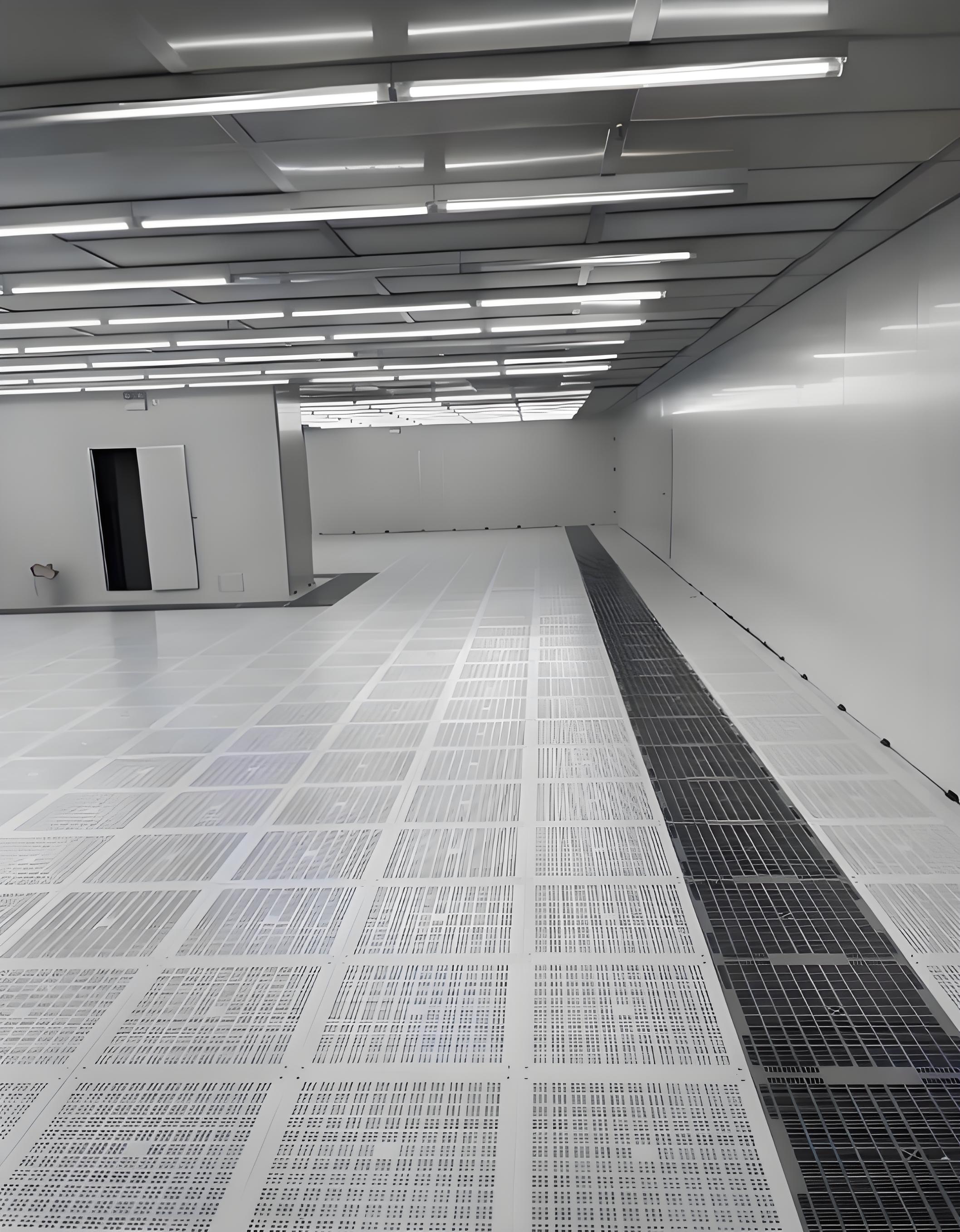
Epoxy self-leveling floors are the industry standard. They are durable, easy to clean, and do not have cracks where bacteria or dust can hide. For electronics manufacturing, these floors are often treated to be anti-static (ESD) to prevent electrostatic discharge from damaging components.
Walls are typically constructed using sandwich panels. These panels have a metal face and a core made of honeycomb paper, rock wool, or polyurethane. They provide insulation and a flush surface that resists dust accumulation.
How air moves through the room dictates how clean it stays. There are two primary airflow patterns used in engineering these spaces.
Laminar Flow: Air moves in a single direction (usually ceiling to floor) in parallel streams. This is expensive as it requires 100% ceiling coverage with filters. It is reserved for ISO 5 environments and cleaner.
Turbulent Flow: Air is supplied through specific vents and mixes with the room air to dilute contamination. This is sufficient for ISO 7 or ISO 8 environments. It is more cost-effective but takes longer to clear particles once they are introduced.
TAI JIE ER engineers simulate these airflow patterns during the design phase to ensure there are no "dead zones" where air stagnates and particles accumulate.
The biggest source of contamination in any dust-free workshop is the human workforce. People shed skin cells, hair, and clothing fibers constantly.
Strict gowning protocols are mandatory. This includes coveralls, hoods, masks, boots, and gloves. The material of these garments is designed to act as a filter, keeping human particles inside the suit.
Behavior is just as important as clothing. fast movements create air turbulence. In a cleanroom, movement must be deliberate and slow. Training staff on these protocols is a service that providers like TAI JIE ER emphasize as part of the commissioning process.
Running a cleanroom is energy-intensive. The fans run 24/7, and the air conditioning must combat the heat generated by production equipment and the fans themselves.
Modern designs focus on reducing this operational cost. Variable Frequency Drives (VFDs) on motors allow fan speeds to be ramped down when the room is not in active use (night mode), while still maintaining positive pressure.
Heat recovery systems can also capture the thermal energy from exhaust air to pre-treat incoming fresh air. This reduces the load on the cooling and heating systems significantly.
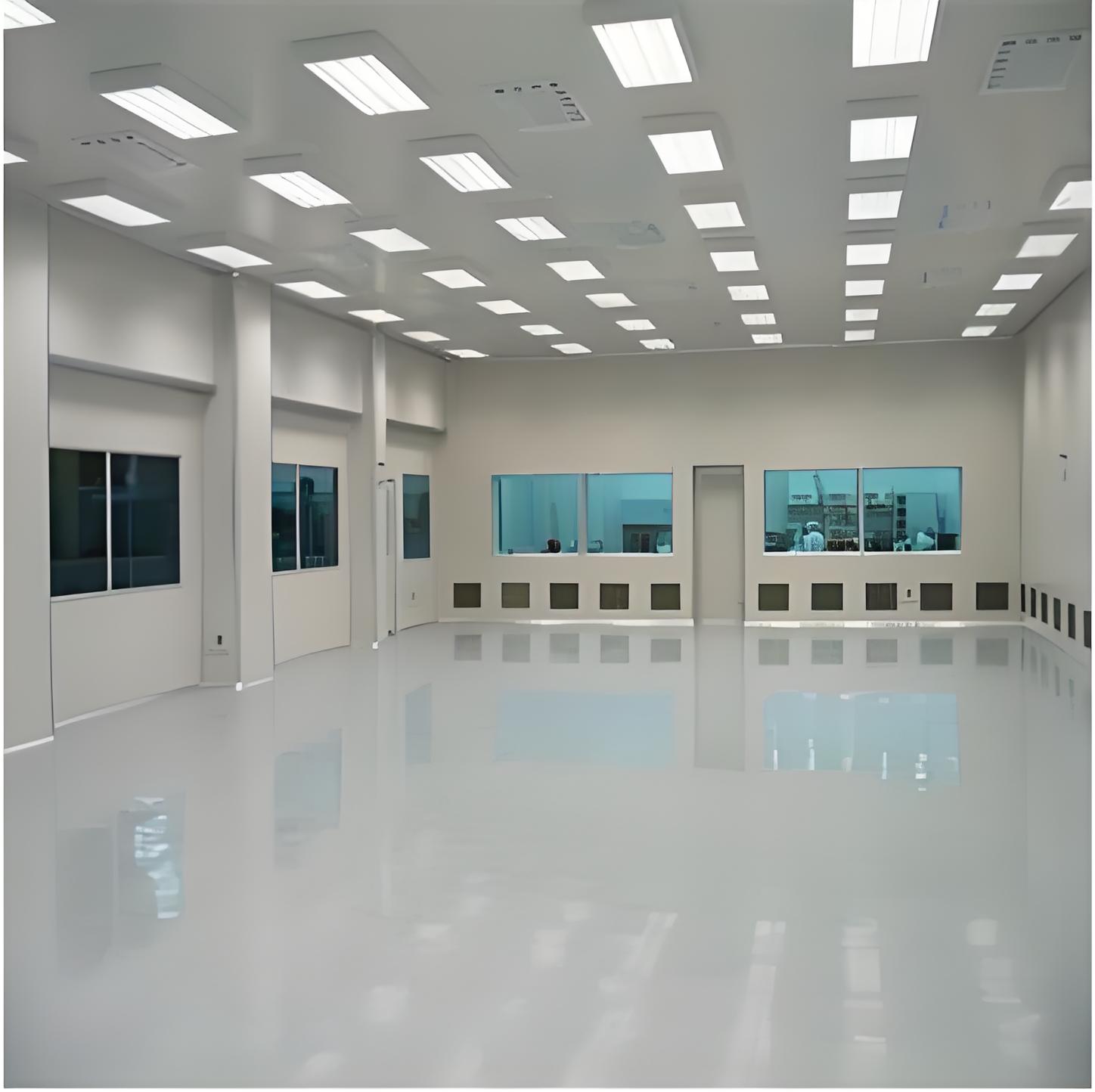
Building a dust-free workshop follows a strict sequence to ensure the facility itself is not contaminated during construction.
Site Preparation: The area is sealed off. Heavy construction work that generates dust is completed first.Ductwork Installation: HVAC ducts are installed. These must be sealed immediately after installation to prevent internal dust buildup.Framework: Ideally, the ceiling grid and wall panels go up next.Flooring: The floor is usually laid last to prevent damage from scaffolding.Final Cleaning: Before the filters are installed, the room undergoes a "super clean."Certification: Once filters are in and the system is running, a third party tests particle counts to certify the ISO rating.
A cleanroom is not a "set it and forget it" asset. Filters load up with dust over time, increasing resistance and reducing airflow.
Pressure gauges (Magnahelic gauges) are installed to monitor the pressure drop across filters. When the pressure drop becomes too high, the filters must be changed.
Regular particle counting is required to ensure the room remains within its ISO classification. TAI JIE ER recommends a routine monitoring schedule, where air velocity, humidity, temperature, and particle counts are logged daily or weekly depending on the criticality of the process.
While semiconductors are the most famous users, the application of the dust-free workshop has expanded.
Food and Beverage: Extending shelf life by packaging products in clean environments (aseptic packaging).Pharmaceuticals: GMP (Good Manufacturing Practice) standards require strict cleanroom environments to prevent cross-contamination and ensure patient safety.Automotive: The production of EV batteries and sensitive sensors requires dust-free environments to prevent short circuits and defects.
The cost of a dust-free workshop varies wildly based on size and cleanliness class. An ISO 8 room might cost a fraction of an ISO 5 room.
Factors influencing cost include:
Ceiling height.The required temperature and humidity precision (tighter tolerances = higher cost).The number of air changes per hour (ACH).Distance from the source of chilled water or power.
Investing in high-quality materials upfront reduces maintenance costs later. Cheaper wall panels may peel or rust, leading to expensive shutdowns for repairs.
Selecting a contractor for your cleanroom project is a strategic decision. You need a partner who understands the intersection of construction and process engineering.
TAI JIE ER brings years of experience in international cleanroom engineering. From the initial CAD drawings to the final air balancing, the focus remains on reliability and compliance. We understand that a delay in certification means a delay in your production.
We do not just build the structure; we integrate the mechanical, electrical, and plumbing (MEP) systems to function as a cohesive unit. This turnkey approach minimizes conflicts between different trades and ensures a smoother project timeline.
A dust-free workshop is a critical asset for modern manufacturing. It allows companies to produce higher quality products with fewer defects. However, it requires careful planning regarding ISO standards, airflow design, and material selection.
Whether you are upgrading an existing facility or building a new one, understanding the technical requirements is the first step. By adhering to strict protocols and utilizing energy-efficient designs, you can create a production environment that meets international standards and supports your business growth.
Trusting experienced partners like TAI JIE ER ensures that your facility is built correctly the first time, protecting your yield and your reputation in the market.
Q1: What is the difference between an ISO 7 and an ISO 8 dust-free workshop?
A1: The primary difference is the allowable particle count. An ISO 7 environment allows for maximum 352,000 particles (0.5 microns or larger) per cubic meter, whereas an ISO 8 environment allows for 3,520,000. Essentially, ISO 7 is ten times cleaner than ISO 8 and requires more frequent air changes per hour (ACH), which typically leads to higher construction and operational costs.
Q2: How often do HEPA filters need to be replaced?
A2: There is no single expiration date for a HEPA filter, as it depends on the usage and the quality of pre-filtration. generally, in a well-maintained dust-free workshop, HEPA filters can last between 3 to 5 years. However, if the pre-filters (which catch larger dust) are not changed regularly, the HEPA filters will clog much faster. Monitoring the pressure differential across the filter is the best way to determine when a change is needed.
Q3: Can we turn off the cleanroom HVAC at night to save energy?
A3: It is generally not recommended to turn the system off completely. If the fans stop, the positive pressure is lost, and contaminants from outside will seep into the room. Once contaminated, it can take hours to clean the room back to specification. Instead, TAI JIE ER recommends using a "setback" or "night mode" where the fan speed is reduced to maintain just enough pressure to keep the room clean without running at full capacity.
Q4: What are the temperature and humidity requirements for a standard cleanroom?
A4: While requirements vary by industry, the standard comfort range for a dust-free workshop is typically 22°C ± 2°C for temperature and 50% ± 10% for relative humidity (RH). However, industries like semiconductor manufacturing or lithium battery production may require much stricter humidity controls (e.g., below 10% RH) to prevent chemical reactions, which requires specialized dehumidification equipment.
Q5: How long does it take to design and build a cleanroom?
A5: The timeline depends on the size and complexity of the project. A small, modular soft-wall cleanroom can be installed in a few days. A large-scale, hard-wall ISO 7 or ISO 8 facility typically takes 2 to 4 months from design approval to final certification. This includes time for material fabrication, HVAC installation, and the commissioning phase where the room is tested against standards.