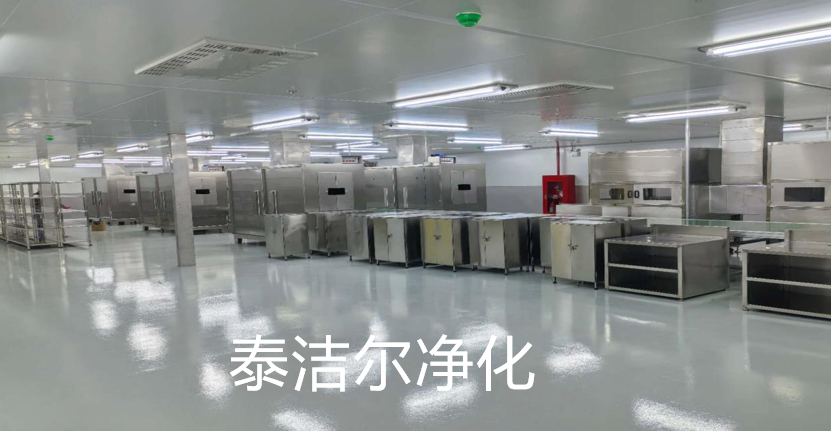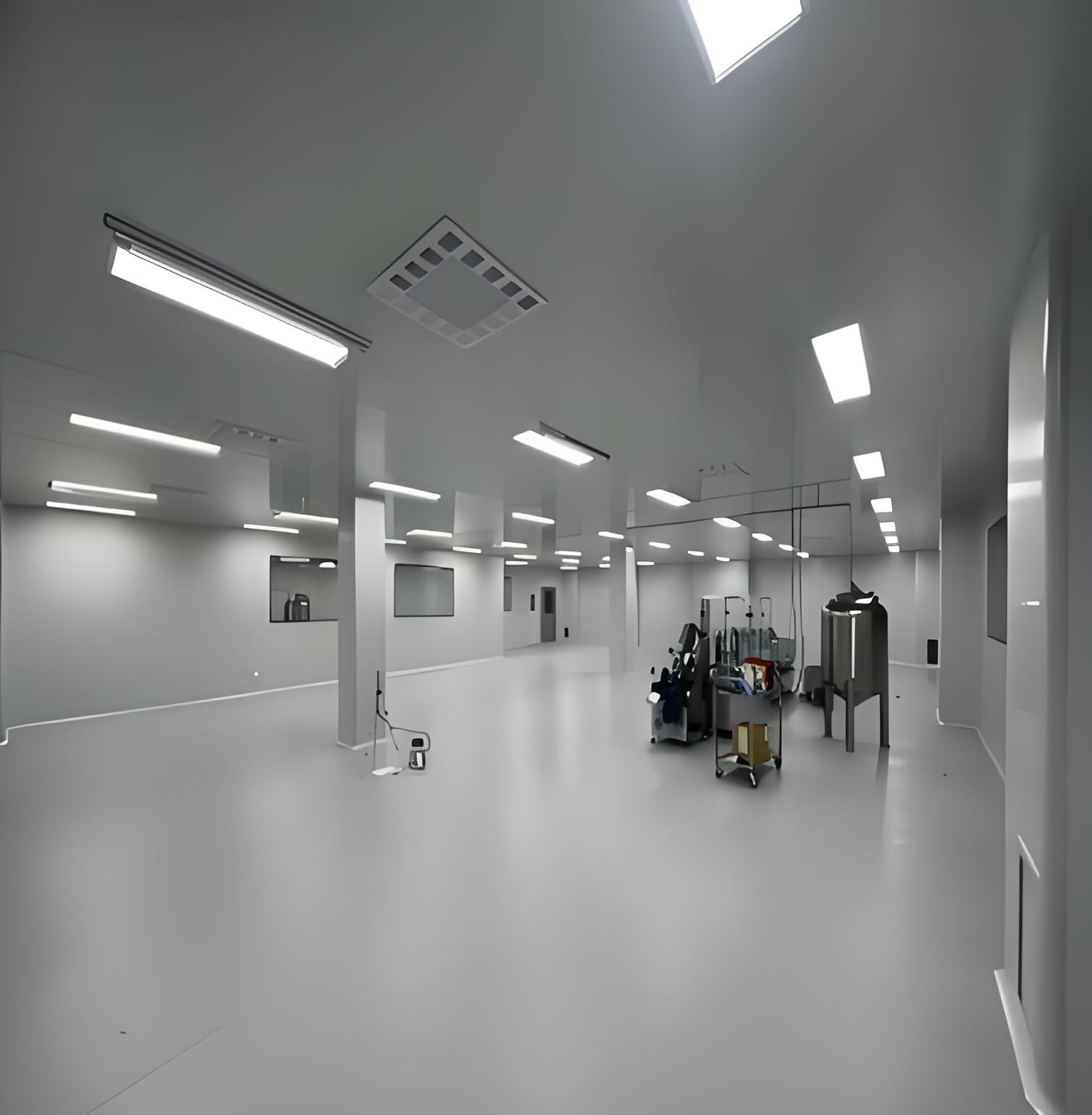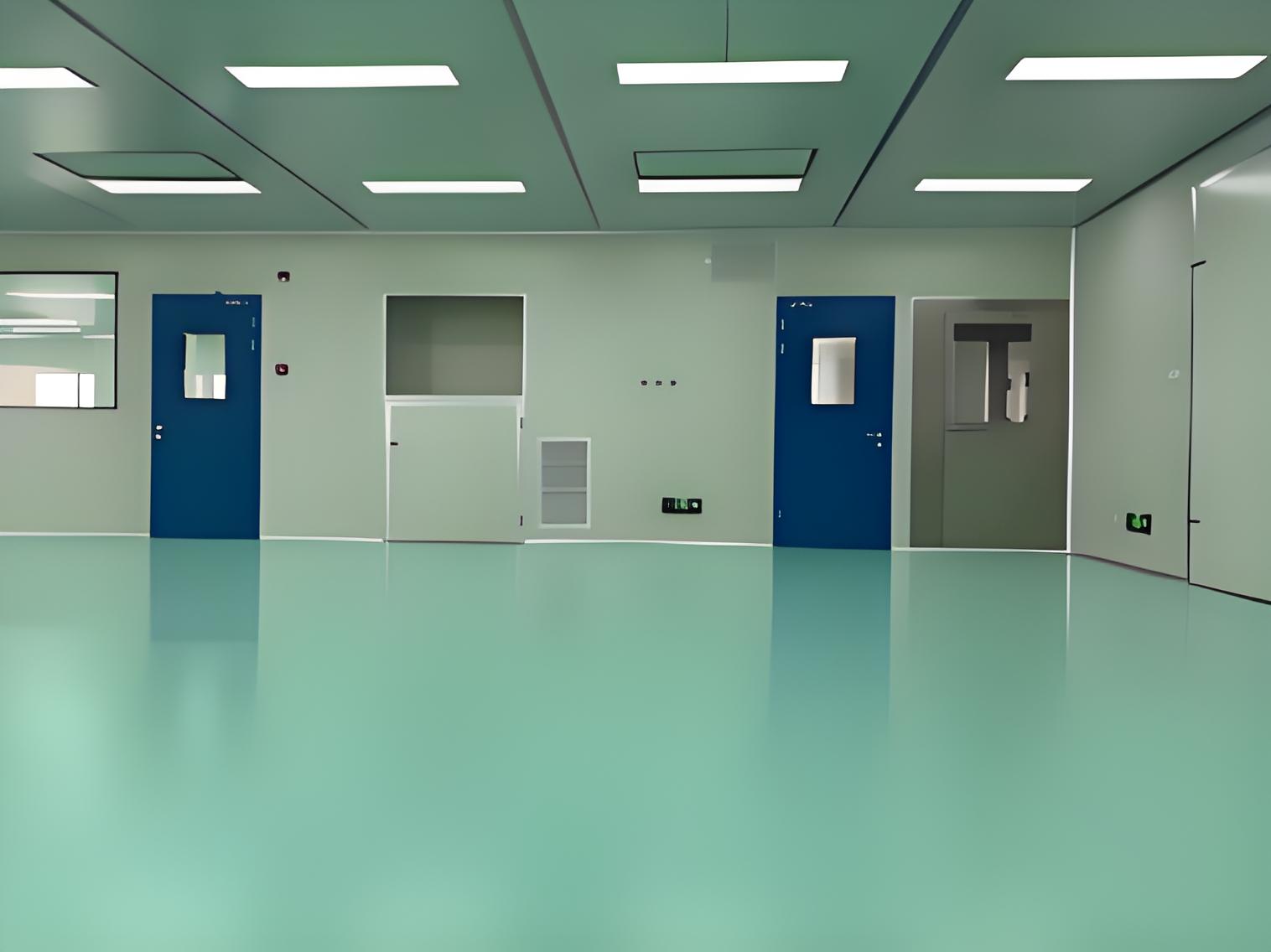
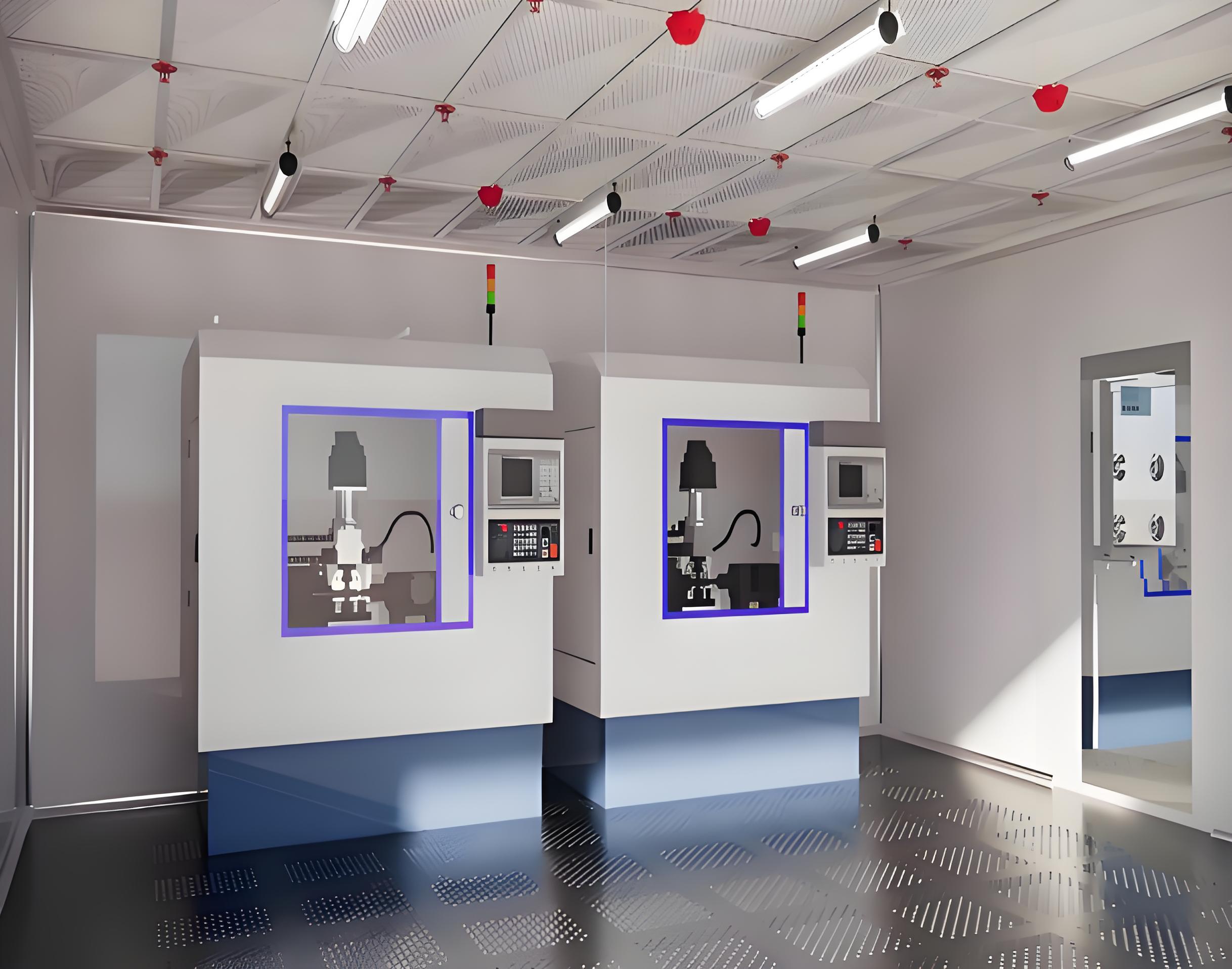
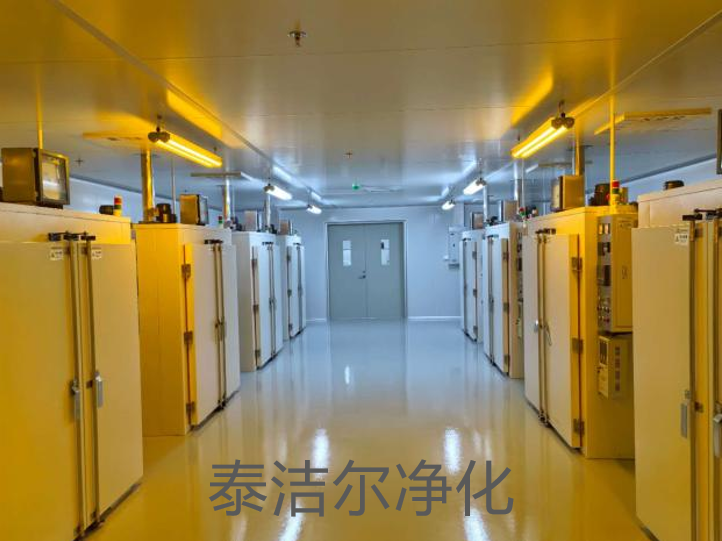
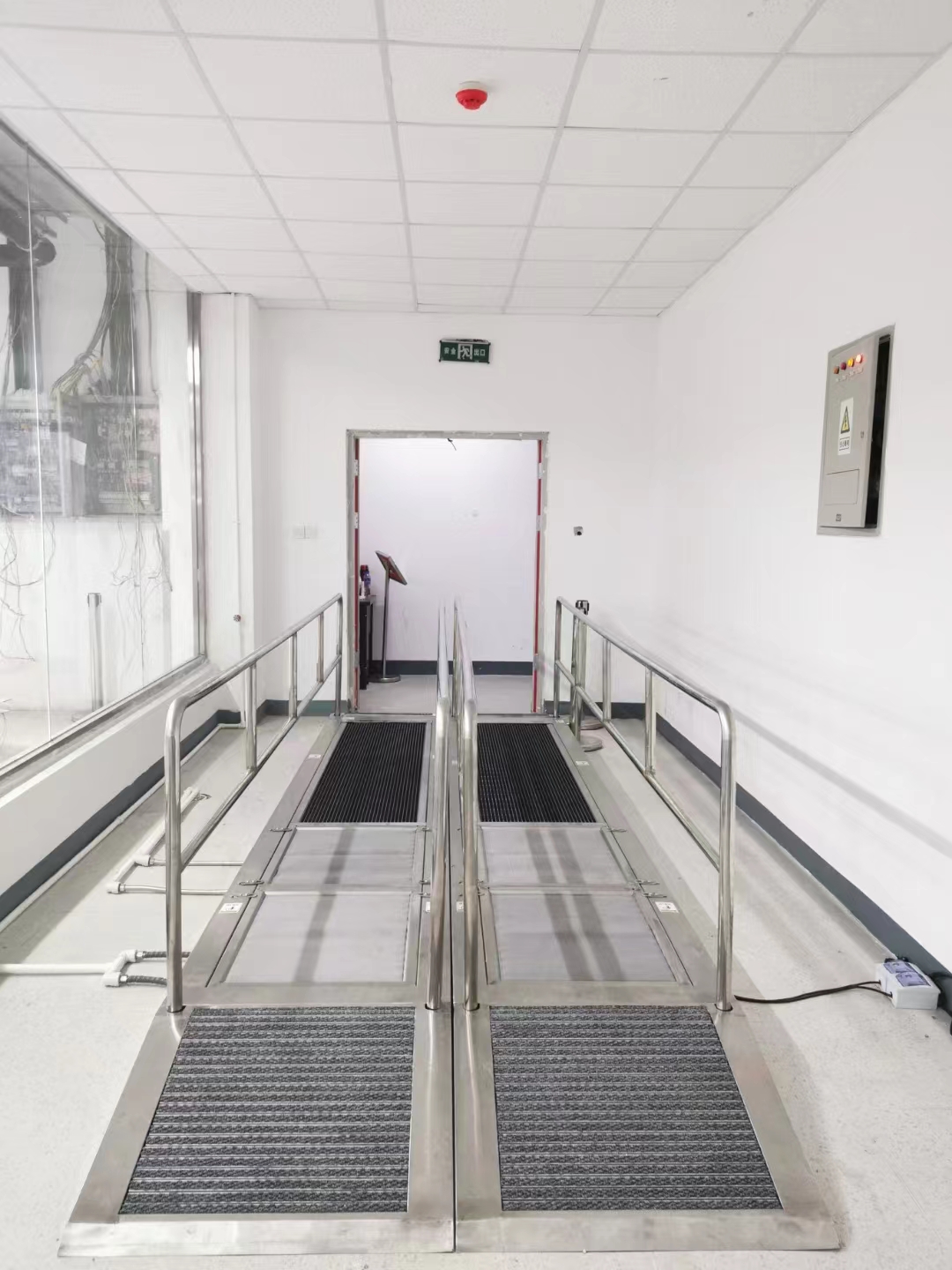
The complexity of modern controlled environments extends far beyond four walls and HEPA filters. Cleanroom engineering is the systematic application of mechanical, electrical, and process engineering to create and maintain an environment with a defined level of contamination control. It bridges the gap between architectural concepts and operational reality. This article examines the seven technical disciplines that define robust cleanroom engineering, drawing on data from ISO 14644 standards, GMP guidelines, and field experience from TAI JIE ER.
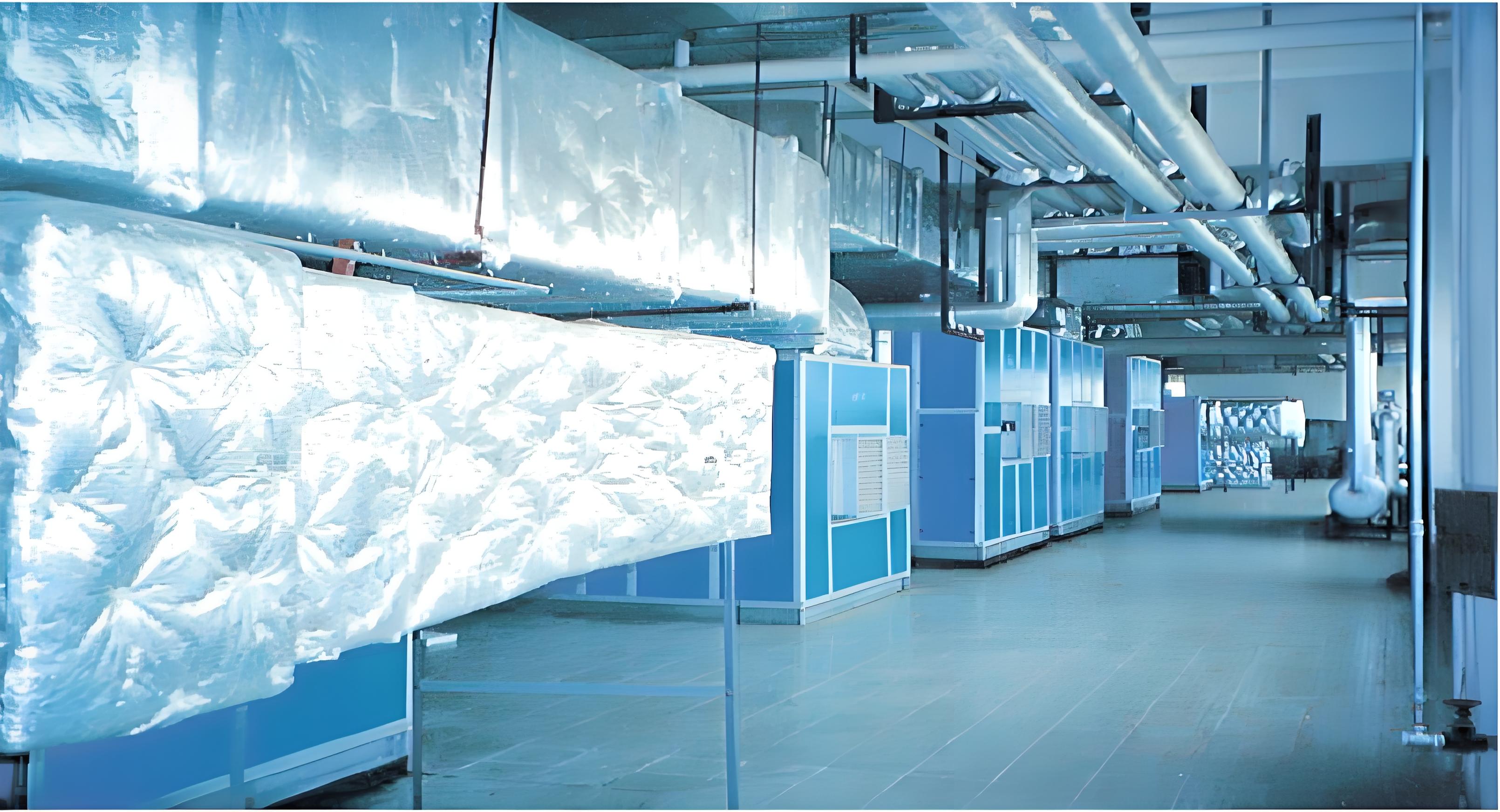
Every cleanroom engineering project begins with a clear definition of the required cleanliness class. ISO 14644-1 classifies cleanrooms from ISO 1 to ISO 9 based on maximum allowable particle concentrations. The engineering team must translate the chosen class (e.g., ISO 5 for aseptic filling, ISO 7 for background areas) into quantifiable parameters:
Air changes per hour (ACH): ISO 5 often requires 240–360 ACH (unidirectional flow), ISO 7 requires 30–60 ACH, ISO 8 requires 15–25 ACH (non-unidirectional).
Filter coverage ratio: For unidirectional flow, typically 70–100% ceiling coverage; for turbulent flow, 15–30% coverage with terminal HEPA filters.
Pressure differentials: Minimum 10–15 Pa between adjacent zones, with cascading pressure gradients to contain contamination.
A miscalculation at this stage leads to either underperformance or excessive capital/energy costs. TAI JIE ER uses risk-based classification workshops to align the cleanroom engineering specifications with the actual process contamination sensitivity.
The HVAC system is the heart of any cleanroom. Cleanroom engineering must ensure that the air handling units (AHUs) or fan filter units (FFUs) deliver the required volume, filtration efficiency, and temperature/humidity control. Key engineering decisions include:
Airflow pattern selection: Unidirectional (laminar) flow for critical zones (velocity 0.3–0.5 m/s ±20% per ISO 14644-4) versus turbulent dilution for less critical areas.
Filtration stages: Pre-filters (MERV 7/8), fine filters (MERV 13/14), and terminal HEPA/ULPA filters (H14 or U15, efficiency ≥99.995% at MPPS).
CFD modelling: Computational Fluid Dynamics is now a standard engineering tool to visualize airflow, detect dead zones, and optimize return air positions before construction. This reduces the risk of turbulence-induced particle entrainment.
Data from validated facilities show that poor airflow design accounts for 40% of contamination excursions during operations. Proper cleanroom engineering incorporates CFD early in the design phase to avoid costly retrofits.
The selection of construction materials is a specialised branch of cleanroom engineering. Surfaces must be non-porous, chemically resistant, and able to withstand repeated cleaning and disinfection. Common engineered solutions include:
Wall and ceiling panels: Powder-coated steel or aluminium with baked-on finishes, installed with flush joints and continuous seals (silicone or epoxy).
Flooring: Seamless vinyl (conductive or dissipative) or epoxy terrazzo, with integral cove bases (radius ≥50 mm) to eliminate dirt traps.
Penetrations and fixtures: Stainless steel (AISI 304/316L) light fixtures, pass-through chambers with interlocking doors, and flush-mounted electrical sockets with IP65 gaskets.
Material outgassing (AMC – airborne molecular contamination) must be controlled, especially in semiconductor and optics cleanrooms, where volatile organics can damage photolithography processes.
Beyond the room envelope, cleanroom engineering encompasses the design of process utilities that come into contact with the product or environment. These include:
High-purity water systems (WFI, PW): Engineered with sanitary stainless steel, slope to drain, no dead legs, and ozone or thermal sanitisation loops.
Clean compressed air and gases: Point-of-use filters (0.01 µm), electro-polished tubing, and automated purge cycles to maintain particle and moisture specs.
Vacuum systems: Central or dedicated pumps with exhaust filtration to prevent backflow contamination.
The integration of these utilities into the cleanroom architecture requires precise coordination of wall penetrations, support structures, and accessibility for maintenance – all part of a holistic cleanroom engineering approach.
A modern cleanroom is a data-rich environment. Electrical and control systems engineering must provide:
Lighting: Sealed LED luminaires providing 500–1000 lux at work level, with emergency backup and minimal heat load.
ESD control: Conductive flooring, grounding points, and wrist-strap connections for personnel (resistance to ground
<1×10⁹>Building Management System (BMS) / Environmental Monitoring System (EMS): Continuous monitoring of differential pressure, temperature, humidity, and particle counts with alarms, data logging, and compliance with 21 CFR Part 11 for electronic records.
The engineering challenge is to create a seamless interface between the cleanroom infrastructure and the monitoring systems, ensuring that any deviation (e.g., a pressure drop below 10 Pa) triggers immediate notification and, where possible, automated recovery (e.g., ramping up fan speed).
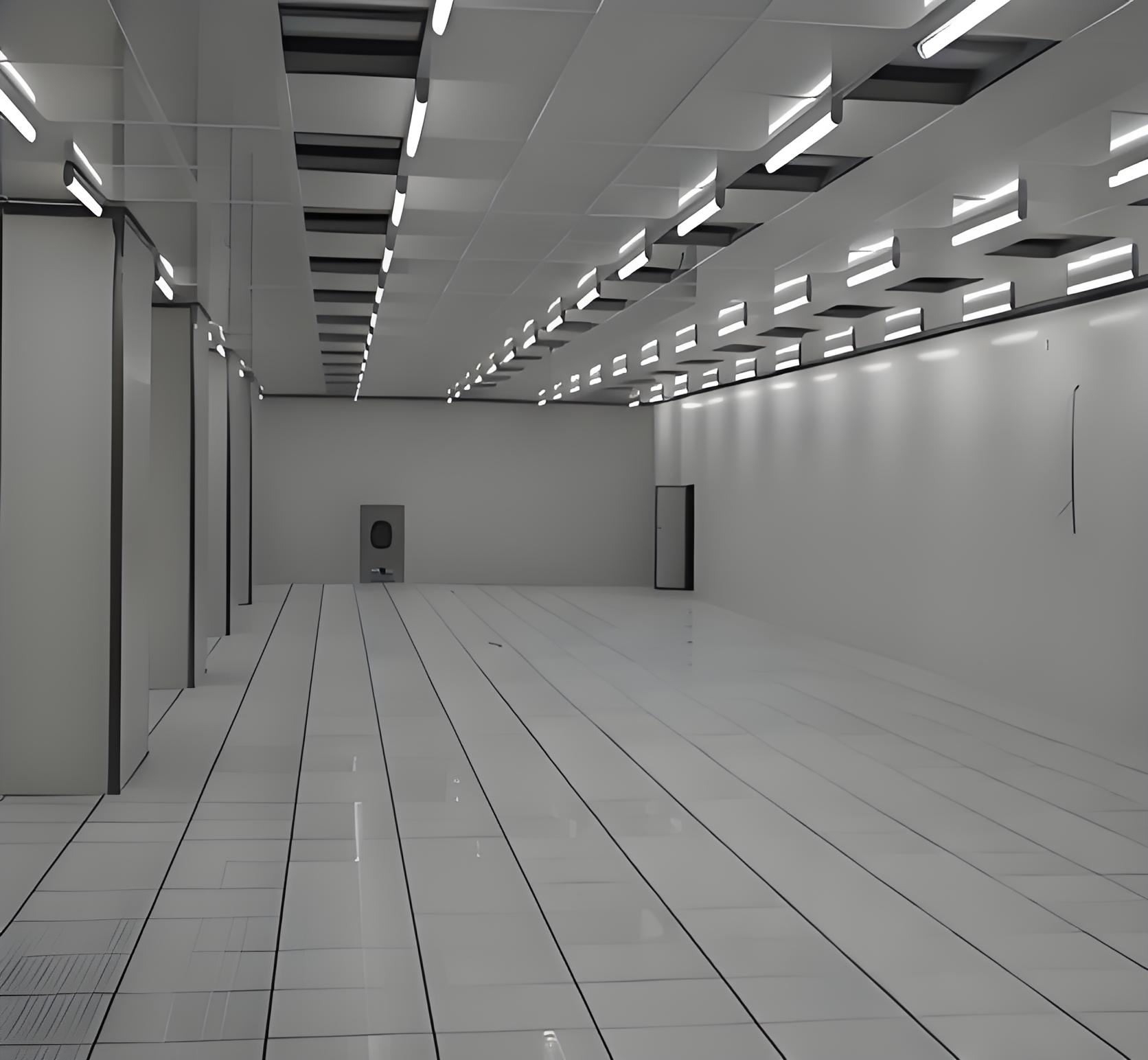
Time-to-market pressures have driven the adoption of modular cleanroom engineering. Prefabricated cleanroom pods and panels are manufactured in controlled factory conditions, then assembled on site. Advantages include:
Reduced construction time by 30–50%.
Higher quality control and lower particle generation during assembly.
Flexibility to reconfigure or expand the cleanroom with minimal downtime.
TAI JIE ER has delivered modular cleanrooms for cell therapy and medical device clients where the engineering design allowed future expansion without interrupting validated spaces. The key is to design the utility interface (the “plug-in” points) with sufficient capacity for future loads.
The final discipline is ensuring that the built cleanroom performs as designed. Cleanroom engineering extends into the validation phase, where engineers execute:
Installation Qualification (IQ): Verifying that all components (filters, fans, panels) are installed according to specifications.
Operational Qualification (OQ): Testing airflow velocity, HEPA filter integrity (PAO/DOP), pressure cascades, and recovery times (e.g., ≤15 minutes for ISO 7).
Performance Qualification (PQ): Demonstrating that the cleanroom maintains its class under dynamic conditions (equipment running, personnel present).
Long-term engineering support includes periodic re-qualification, troubleshooting contamination events, and energy optimisation. Data collected during the PQ phase often reveals opportunities to reduce ACH during non-production hours, saving significant energy costs without compromising cleanliness.
Cleanroom engineering is not a single discipline but a convergence of HVAC, materials, utilities, controls, and validation expertise. When these elements are integrated from the outset, the result is a facility that meets regulatory standards, operates reliably, and minimises total cost of ownership. TAI JIE ER brings decades of cross-industry engineering experience to ensure that every cleanroom project delivers on its critical parameters. Whether upgrading an existing facility or building a new greenfield plant, rigorous engineering remains the foundation of contamination control success.
Q1: What is the difference between cleanroom engineering and cleanroom design?
A1: Cleanroom design typically refers to the conceptual layout and architectural planning, while cleanroom engineering encompasses the detailed technical specification, calculation, and integration of all systems (HVAC, electrical, utilities, controls) required to make the design operational. Engineering ensures that the design can be built, validated, and maintained to meet performance targets.
Q2: How many air changes per hour are needed for an ISO 7 cleanroom?
A2: ISO 14644-4 recommends 30 to 60 air changes per hour for ISO 7 (Class 10,000) cleanrooms. The exact number depends on the room's size, heat load, and the type of process. Higher ACH (closer to 60) are typically used for aseptic filling backgrounds, while lower ACH (30-45) may suffice for non-sterile pharmaceutical operations. Cleanroom engineering calculates the precise ACH based on contamination generation rates and recovery time requirements.
Q3: What are the most common failures during cleanroom validation?
A3: Common failures include: (a) HEPA filter leaks due to improper gasket sealing; (b) insufficient airflow velocity in unidirectional zones (below 0.3 m/s); (c) pressure differential instability caused by poorly calibrated dampers or door movements; (d) elevated particle counts during dynamic tests due to equipment that sheds particles; (e) temperature/humidity drift caused by undersized HVAC coils. Thorough engineering reviews before validation can catch these issues early.
Q4: Can an existing facility be upgraded to meet current GMP standards through cleanroom engineering?
A4: Yes, retrofitting is a common application of cleanroom engineering. A systematic approach includes assessing the existing HVAC capacity, upgrading filters, sealing penetrations, improving pressure cascades, and installing modern monitoring systems. Modular solutions are often used to upgrade specific zones without stopping the entire facility. TAI JIE ER specialises in such GMP upgrades, ensuring compliance while minimising operational disruption.
Q5: How does cleanroom engineering impact energy consumption?
A5: HVAC typically accounts for 60–80% of a cleanroom's energy use. Poor engineering leads to oversized fans, unnecessary air changes, and reheat/recool conflicts. Good engineering optimises ductwork layout (low pressure drop), selects high-efficiency motors and fans, and may incorporate demand-controlled ventilation based on real-time particle counts. Energy savings of 20–40% are achievable through engineering optimisation without compromising cleanliness.
Q6: What is the role of CFD in cleanroom engineering?
A6: Computational Fluid Dynamics (CFD) is used to simulate airflow patterns, temperature distribution, and contamination dispersion before construction. It helps engineers visualise potential dead zones where particles could accumulate, verify that unidirectional airflow sweeps the critical zone effectively, and optimise the placement of supply and return grilles. CFD reduces the risk of performance issues that would only be discovered during validation, saving time and money.
Q7: What materials are recommended for cleanroom walls and ceilings?
A7: The most common materials are powder-coated steel or aluminium sandwich panels with a smooth, non-shedding surface. For areas requiring aggressive cleaning (e.g., with hydrogen peroxide vapour), electropolished stainless steel is preferred. All joints must be sealed with cleanroom-grade silicone or epoxy, and corners should be rounded to prevent microbial growth. Material selection is a key part of cleanroom engineering to ensure durability and cleanability.