Maintaining stringent cleanliness standards is critical. Contaminants on shoe soles pose a significant risk to controlled environments. A dedicated sole cleaning machine offers a targeted, automated solution. This article explores how this technology works and its practical advantages for modern facilities.
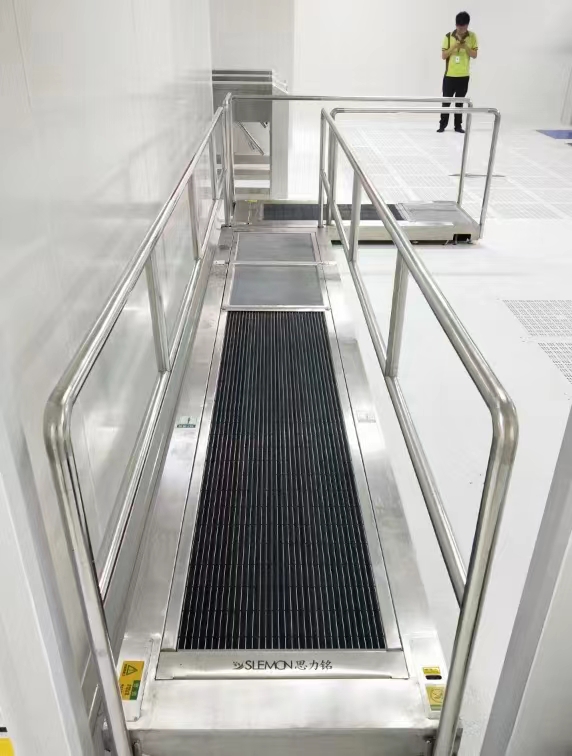
Traditional methods like sticky mats are passive and lose effectiveness quickly. A modern sole cleaning machine is an active cleaning station.
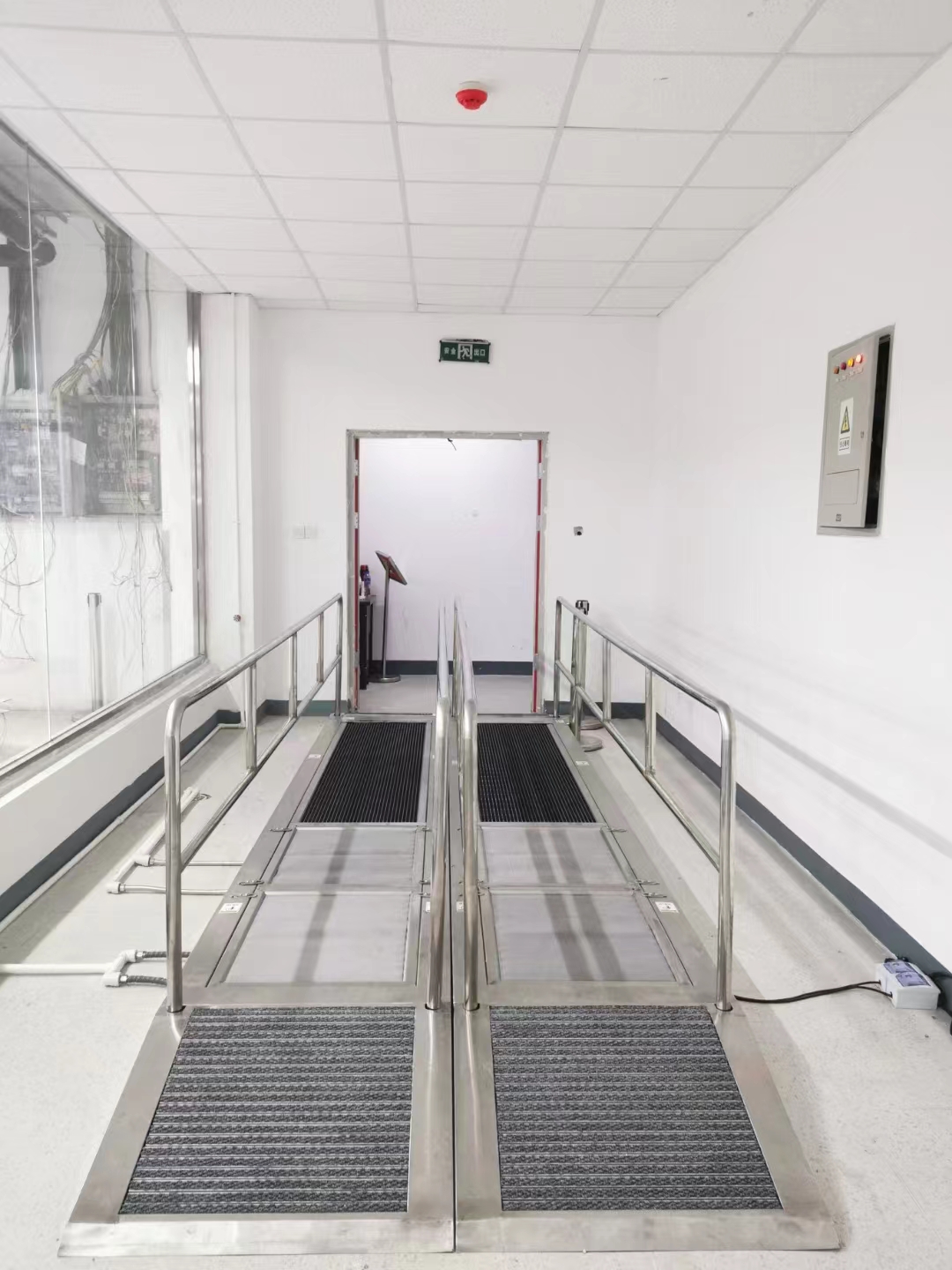
It typically features a rotating brush system. Users simply step onto the platform. High-density brushes rotate, scrubbing the entire sole surface.
The brushes dislodge particles, dust, and debris. These contaminants are then captured in a dedicated collection tray or filtered system. The process takes only 2-3 seconds per foot.
This automated action ensures consistent, thorough cleaning with every use. It removes the variability of manual methods.
The use of a sole cleaning machine is vital in sectors where particulate control is non-negotiable.
In pharmaceuticals and biotechnology, it protects sterile production areas. It prevents cross-contamination between different cleanroom zones.
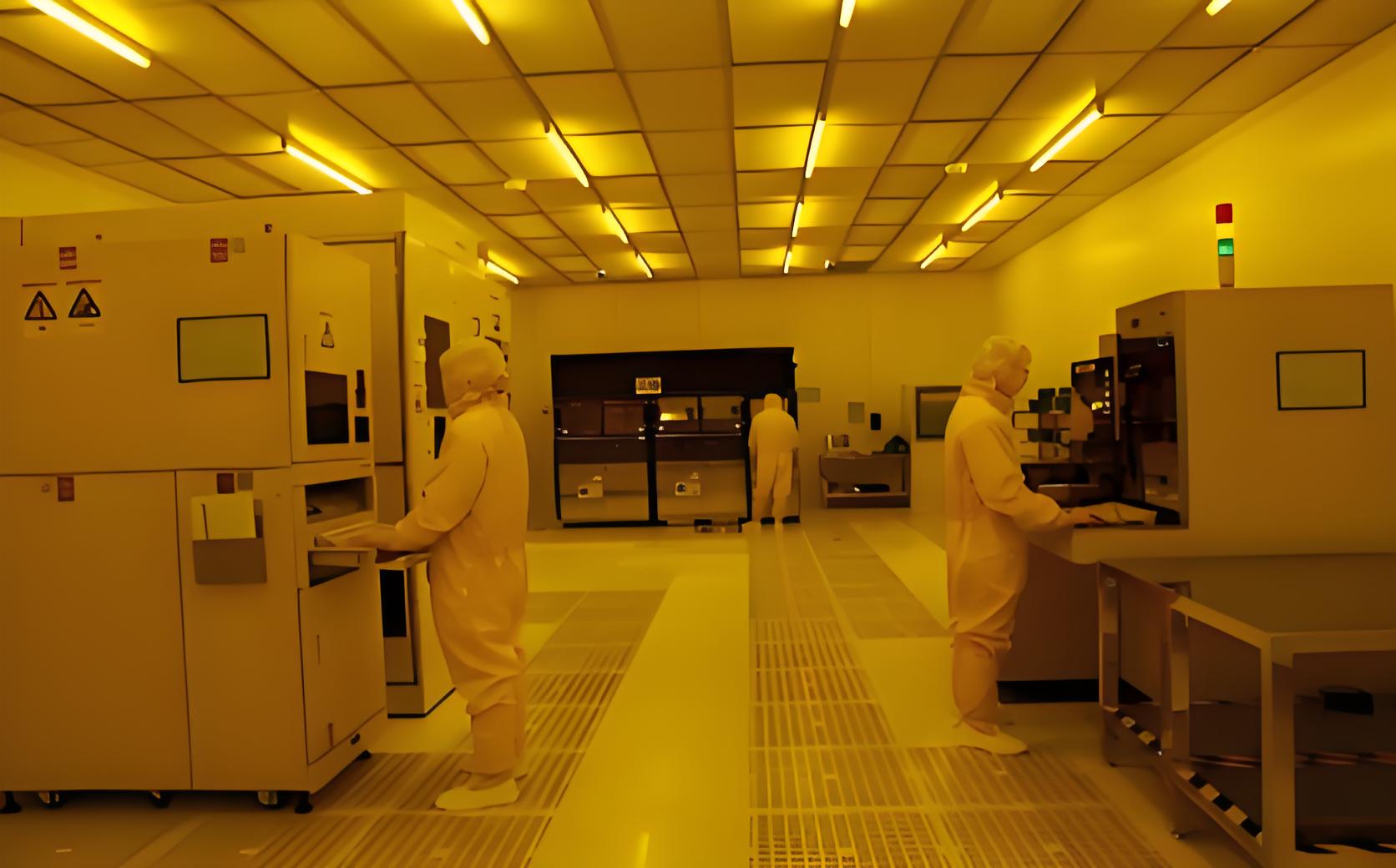
Electronics and semiconductor manufacturing requires ultra-low particulate counts. Even microscopic dust can ruin microchips. Sole cleaners are a first-line defense.
Food processing facilities use them to maintain hygiene standards. They help control allergens and prevent pathogen transfer.
Research laboratories and aerospace assembly areas also rely on this technology. It safeguards sensitive experiments and components.
Integrating this device strengthens your entire contamination control strategy. It provides a documented, repeatable cleaning point.
It significantly reduces the particulate load entering critical spaces. This lowers the burden on HVAC and air filtration systems.
Facility managers can standardize entry procedures. The machine’s operation is consistent for all personnel and visitors.
This leads to more reliable environmental monitoring results. It directly supports compliance with ISO Class standards.
While an initial investment, a sole cleaning machine delivers a strong return. The savings become clear when analyzing long-term costs.
Disposable sticky mats require constant replacement. Their ongoing purchase, storage, and disposal costs add up quickly.
A mechanical cleaner has minimal consumables. Only the collection tray requires occasional emptying. Brushes are durable and long-lasting.
It reduces labor time for cleaning entrance areas. It also minimizes the risk of costly contamination events or production halts.
Choosing the right unit requires careful evaluation. Consider your specific cleanroom class and traffic volume.
Assess the machine’s particle removal efficiency data. Look for models with high capture rates for relevant particle sizes.
Construction quality is paramount. It should withstand high-frequency use. Stainless steel or anodized aluminum frames are preferred.
Evaluate the brush design and replacement process. Easy-maintenance features keep downtime to a minimum.
Noise level and safety features are also important. Anti-slip platforms and smooth operation ensure user compliance.
The equipment is most effective as part of a phased entry sequence. Position it after the initial change area.
A standard sequence might be: change shoes, step onto the sole cleaning machine, then don cleanroom garments.
Clear signage and instructions are essential. Training ensures personnel use the machine correctly every time.
Pairing it with a hand-cleaning station creates a comprehensive entry point. This layered approach maximizes contamination control.
TAI JIE ER focuses on robust engineering for industrial environments. Our sole cleaning machine models are built for 24/7 operation.
We use industrial-grade motors and brush mechanisms. This ensures consistent performance under high-traffic conditions.
The design prioritizes user safety and ease of maintenance. Our technical support team provides detailed guidance on integration.
We understand the stakes in cleanroom compliance. Our solutions are designed to be a reliable, long-term part of your protocol.
Implementing a dedicated sole cleaning machine is a proactive step. It modernizes your contamination control, replacing outdated methods. For facilities serious about particle reduction, it is a logical and cost-effective investment.
Q1: How often do the brushes on a sole cleaning machine need to be replaced?
A1: Replacement frequency depends on usage volume. Under normal daily use in a commercial facility, TAI JIE ER brushes typically last 6 to 12 months. Regular inspection for wear is recommended.
Q2: Can the machine effectively clean deep treads on safety boots or athletic shoes?
A2: Yes, high-quality machines are designed with this in mind. TAI JIE ER models use stiff, tapered bristles that penetrate deep tread patterns to dislodge trapped debris effectively.
Q3: Is a sole cleaning machine suitable for environments with chemical or liquid spills?
A3: Standard models are for dry particulate. For environments with liquid hazards, specific spill-control mats are used first. The sole cleaner then handles dried residues. Inquire about specialized options if liquid contamination is a primary concern.
Q4: What is the typical power requirement and installation process?
A4: Most units like those from TAI JIE ER operate on standard low-voltage power. Installation is straightforward, often requiring only placement on a level floor and plugging into a grounded outlet. No complex plumbing or fixed wiring is needed.
Q5: Do you provide training or procedural guidelines for staff?
A5: Absolutely. TAI JIE ER provides clear operational guides and instructional signage with each unit. We also advise on best practices for integrating the machine into your standard operating procedures (SOPs) for facility entry.