In controlled environments, air purity isn't just a goal—it's the absolute foundation of operational integrity. Contamination can compromise pharmaceuticals, ruin microchips, and invalidate sensitive research. At the heart of every successful contamination control strategy lies a critical component: the Filter. More than just a simple mesh screen, it is a precisely engineered barrier that determines the fate of product quality and process safety. Choosing the right one is a technical decision with direct financial and compliance implications. This article moves beyond basic definitions. We examine eight essential questions that engineers and facility managers must answer to specify the correct Filter for their unique application, ensuring performance, longevity, and value.
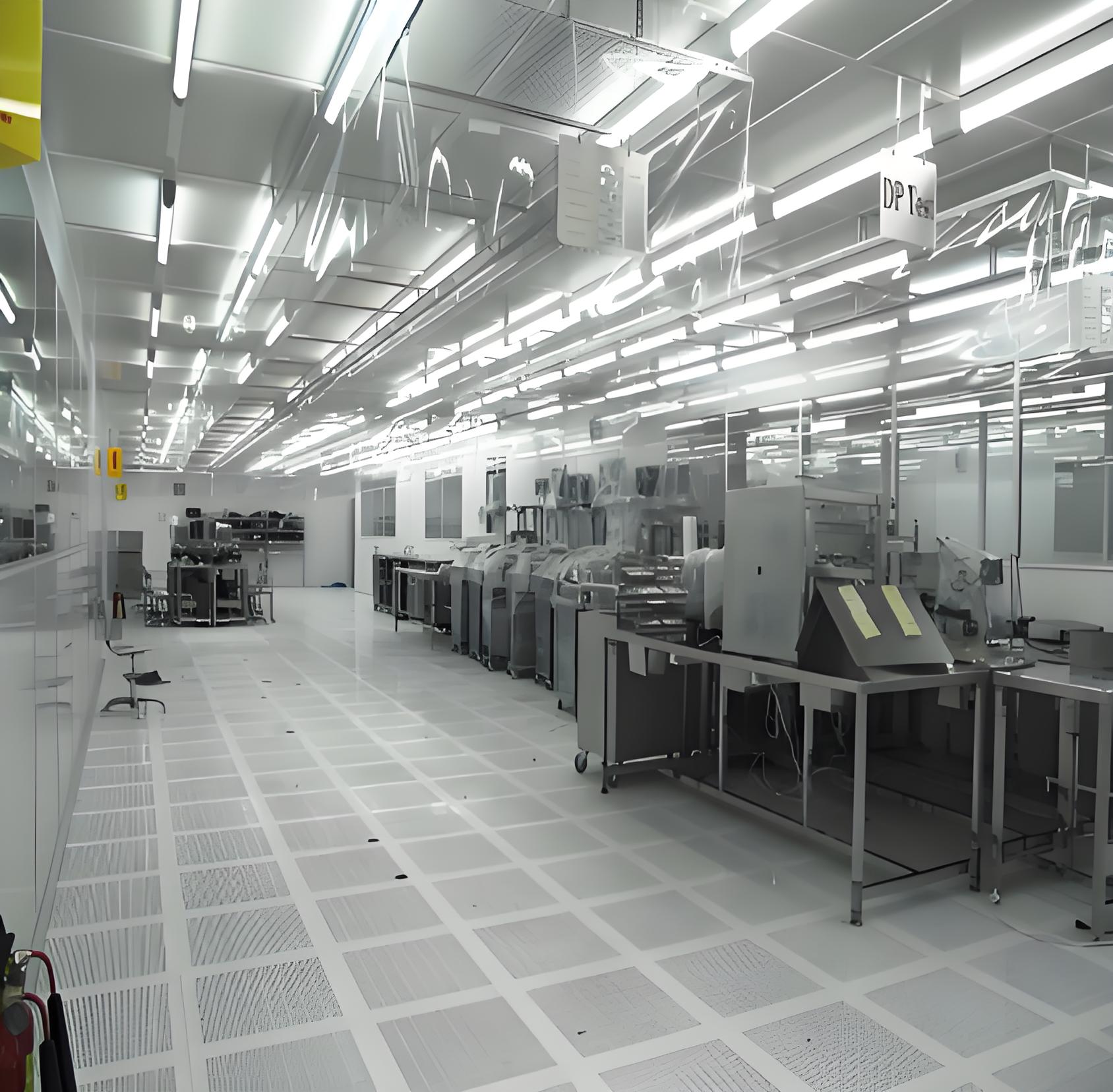
The first step is defining the enemy. Is it generic dust, airborne bacteria, viral particles, chemical fumes, or sub-micron aerosols from production processes? The target contaminant dictates the filter's mechanism. For sterile rooms, you need absolute removal of biological agents. In electronics, it's about capturing ultrafine particulate matter that could cause circuit defects. Chemical labs require specialized media to adsorb gaseous molecules. Misidentifying the primary contaminant leads to underspecified systems that fail in operation or overspecified ones that waste capital. A clear contaminant profile is non-negotiable.
HEPA (High-Efficiency Particulate Air) and ULPA (Ultralow Penetration Air) are standards, not brands. HEPA, as defined by standards like EN 1822, must capture at least 99.95% (H13) or 99.995% (H14) of particles at 0.3 microns—the most penetrating particle size (MPPS). ULPA filters go further, targeting efficiencies of 99.9995% (U15) and above at 0.12-0.25 microns. The choice hinges on your cleanroom ISO classification. ISO 5 (Class 100) and stricter environments often mandate ULPA in terminal applications. For many ISO 7 or ISO 8 areas, a well-specified HEPA filter is perfectly adequate and more cost-effective. Understanding this performance threshold is crucial.
Not all filters are created equal inside the casing. The media—a web of glass fibers, synthetic materials, or membrane—determines efficiency and airflow resistance. Construction details are equally vital. A poorly sealed filter bank leaks contaminated air, rendering the highest efficiency media useless. Look for robust separators (aluminum, thermoplastic) that prevent media bunching, durable gaskets (closed-cell foam, urethane) for airtight sealing, and sturdy frames (galvanized steel, stainless steel) that resist warping. For harsh environments, TAI JIE ER often employs stainless steel frames with chemical-resistant gaskets, ensuring long-term integrity where standard units would degrade.
The purchase price is only a fraction of the total cost of ownership. A cheaper, lower-quality filter may have a higher initial airflow resistance. This forces fans to work harder, consuming significantly more energy over the filter's life. It may also clog faster, requiring more frequent changes and increasing labor and disposal costs. Conversely, a premium filter from a supplier like TAI JIE ER often features a deeper media pack or advanced pleat design. This extends service life and maintains lower pressure drop for longer. The initial investment is higher, but the operational savings in energy and change-out frequency can be substantial. Always calculate the total lifecycle cost.
In regulated industries, proof of performance is mandatory. Every filter must arrive with a certified test report from an accredited laboratory. This report details its efficiency at MPPS, initial pressure drop, and integrity. For critical applications, insist on scan-tested filters, where every square inch of media is probed for leaks, rather than just efficiency-tested samples. Ensure the documentation complies with relevant regional and industry standards: IEST in the U.S., EN in Europe, or JIS in Asia. Reputable manufacturers, including TAI JIE ER, provide full traceability and documentation dossiers to streamline validation and audit processes.
A filter is only as good as its installation. The design of the filter housing or ceiling grid must ensure a perfect, leak-free seal. Consider access for testing and replacement. Is the plenum space designed for safe, ergonomic change-outs? Maintenance protocols are key. Relying on a simple time schedule is inefficient. Implementing a differential pressure monitoring system across the filter bank provides data-driven insights. When the pressure drop increases to a pre-set terminal point, it signals the need for replacement, optimizing usage and preventing unexpected failures. Designing for easy maintenance from the outset saves time and reduces contamination risks during service.
A filter does not operate in isolation. It is a core component of the entire HVAC system. Its pressure drop characteristics must be matched with fan capabilities. An undersized fan cannot push sufficient air through a high-resistance final filter, failing to achieve the required air change rates. The positioning of pre-filters (typically lower-grade filters like MERV 8 or 15) is critical to protect and extend the life of the more expensive final HEPA/ULPA filters. A systems approach, considering the entire air handling unit, ductwork, and room pressurization, is essential for the selected Filter to perform as intended.
Technical support is a critical differentiator. Can the supplier help with initial specification? Do they offer installation guidance or on-site training? What is their lead time for replacements, and can they guarantee consistency in product performance batch after batch? A partner like TAI JIE ER provides more than a commodity product. They offer application engineering support, validation aids, and reliable supply chain logistics, ensuring your cleanroom’s heart—the filtration system—beats reliably for years.
Selecting the right cleanroom Filter is a multidimensional technical challenge. It requires balancing scientific principles, engineering constraints, economic factors, and regulatory demands. By methodically working through these eight questions—from contaminant definition to supplier partnership—you move from guesswork to informed specification. This process safeguards your processes, protects your investment, and ensures the controlled environment performs its silent, critical duty. Remember, the air quality is only as reliable as the Filter you choose and the expertise behind it.
Q1: How often should cleanroom HEPA/ULPA filters be replaced?
A1: There's no universal timeline. Replacement should be based on monitored pressure drop reaching a terminal value or during scheduled maintenance and recertification of the cleanroom, often every 1-3 years. Regular integrity testing (annually) is more important than a fixed schedule.
Q2: What is the difference between a "rated" value and a "tested" value for a filter?
A2: A "rated" value is a manufacturer's nominal claim (e.g., "99.99% efficient"). A "tested" value comes from an independent lab report specific to that filter batch, proving its actual performance. For compliance, always rely on the certified test report.
Q3: Can a HEPA filter be cleaned and reused?
A3: Absolutely not. HEPA and ULPA filters are depth-loading devices. Attempting to clean them damages the delicate fiber matrix, creates leaks, and can release captured contaminants. They are disposable items.
Q4: Why does the pressure drop across my filter increase over time?
A4: The pressure drop increases as the filter media captures and holds particulate matter. This accumulation gradually blocks the airflow paths. A rising pressure drop is a normal indicator that the filter is doing its job, until it reaches its capacity limit.
Q5: Does TAI JIE ER offer filters for specialized environments, like those with high humidity or chemical exposure?
A5: Yes. TAI JIE ER provides specialized filter configurations for challenging conditions. This includes filters with moisture-resistant media and seals for high-humidity areas, and units with stainless steel or other corrosion-resistant components for environments with chemical vapors or aggressive cleaning agents.