
In today's highly regulated industries, such as pharmaceuticals, biotechnology, semiconductors, and healthcare, maintaining a contamination-free environment is paramount. At the heart of this effort lies the clean room gowning room, a specialized area designed to prepare personnel for entry into clean rooms by minimizing the introduction of pollutants. This essential space acts as a barrier, ensuring that particles, microbes, and other contaminants are controlled before workers step into sensitive environments. Without a properly designed and maintained clean room gowning room, even the most advanced clean rooms can fail, leading to product defects, compromised research, or health hazards. In this article, we will delve into five key aspects that define an effective clean room gowning room, covering its purpose, design, procedures, equipment, and maintenance. By understanding these elements, you can assess whether your facility meets industry standards and optimize your contamination control strategies. Whether you're setting up a new facility or upgrading an existing one, this comprehensive overview will provide actionable insights to enhance your clean room gowning room operations.
A clean room gowning room is a controlled environment located at the entrance of a clean room, where personnel don specialized garments to prevent contamination. This area serves as a critical transition zone, reducing the transfer of particles, skin cells, hair, and microorganisms from the outside world into the clean room. The importance of a clean room gowning room cannot be overstated; it is the first line of defense in maintaining the integrity of clean room classifications, such as those defined by ISO standards (e.g., ISO Class 5 to 8). In industries like pharmaceuticals, where even minor contaminants can ruin batches of drugs, or in electronics manufacturing, where dust particles can damage microchips, the clean room gowning room ensures that human-borne pollutants are minimized. Typically, this room features controlled air quality, with HEPA or ULPA filters, and is designed to facilitate a systematic gowning process. By incorporating a clean room gowning room into your facility, you not only comply with regulatory requirements but also protect valuable products and processes. Moreover, a well-functioning clean room gowning room boosts employee awareness of contamination control, fostering a culture of cleanliness and precision. In essence, the clean room gowning room is a non-negotiable component for any operation demanding high levels of purity and safety.
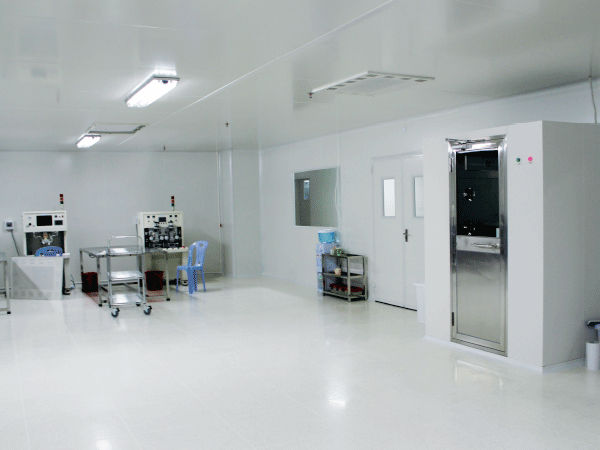
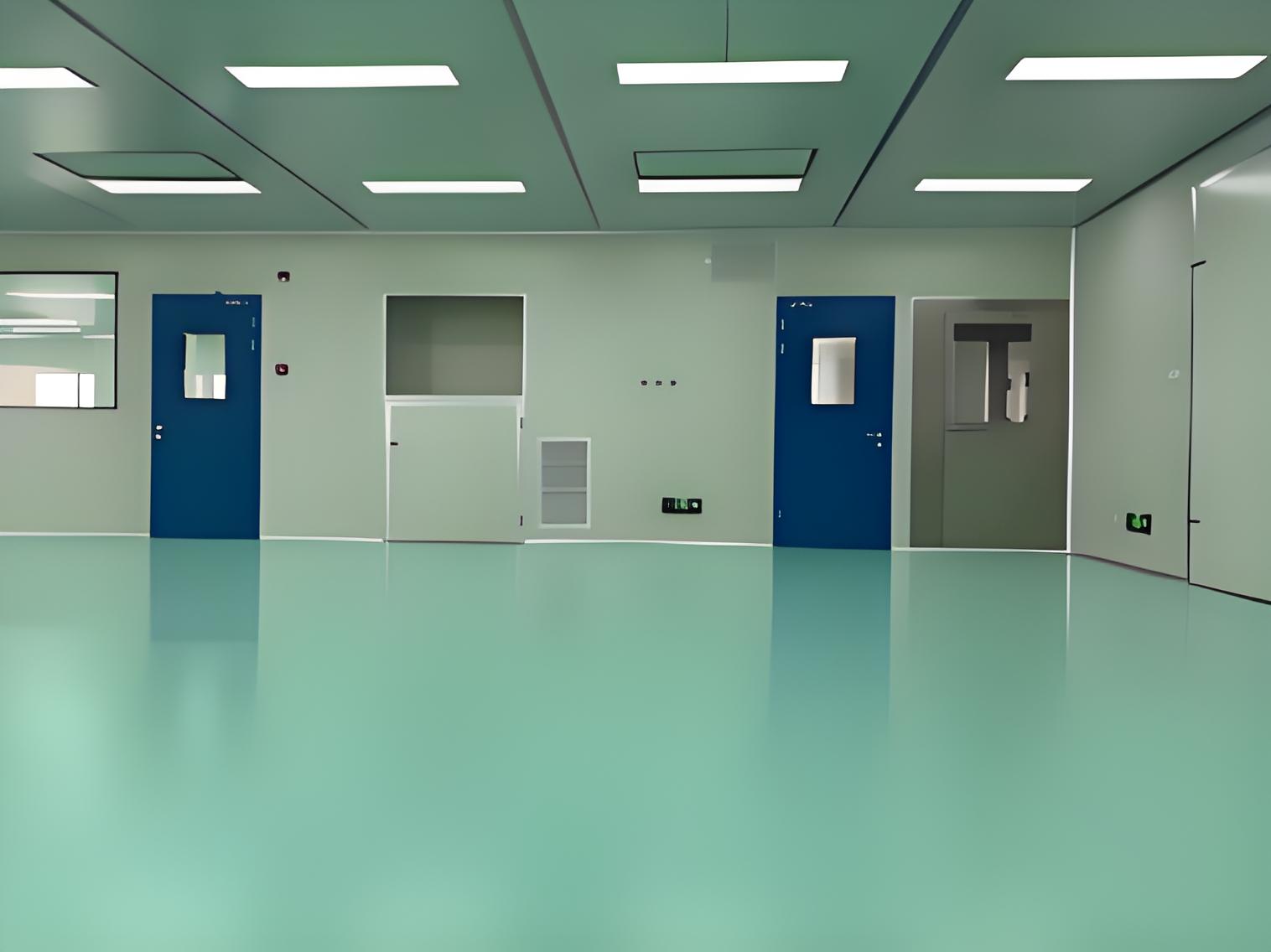
The design and layout of a clean room gowning room are fundamental to its performance, as they directly impact airflow, contamination control, and user efficiency. A well-planned clean room gowning room typically follows a unidirectional or sequential flow, where personnel move from a "dirty" area to a "clean" zone without backtracking. This often involves a series of rooms or compartments, such as an pre-gowning area for initial preparation, followed by the main gowning section. Key design elements include smooth, non-porous surfaces that are easy to clean, such as epoxy floors and stainless-steel benches, which prevent particle accumulation. The clean room gowning room must also integrate robust HVAC systems with laminar airflow to maintain positive pressure, ensuring that air moves from cleaner areas to less clean ones, thus preventing ingress of contaminants. Additionally, the layout should include designated stations for each step of the gowning process—for example, benches for sitting while donning shoe covers, hooks for storing personal items, and mirrors for verifying proper attire. Lighting should be bright and shadow-free to aid in visual inspections, and the space must be sized appropriately to avoid overcrowding, which can increase contamination risks. By prioritizing these design aspects, a clean room gowning room can effectively support contamination control protocols and enhance overall operational efficiency. Regular audits of the clean room gowning room design are recommended to adapt to evolving standards and technologies.
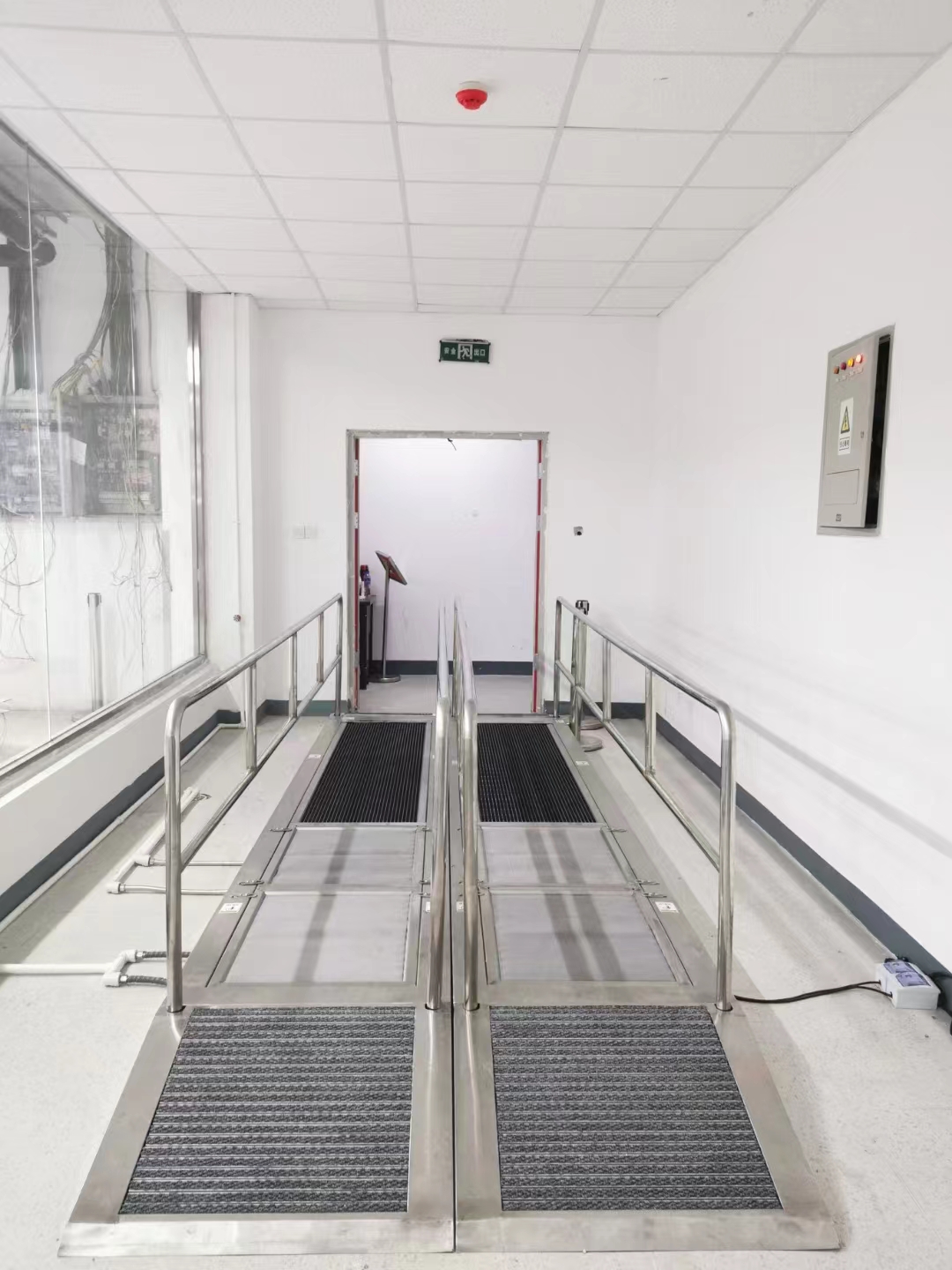
The gowning procedures within a clean room gowning room are meticulously crafted to minimize human-based contamination. These protocols vary based on the clean room classification but generally follow a standardized sequence to ensure consistency. In a typical clean room gowning room, personnel begin by removing outer clothing and personal items in a designated area, then proceed to wash and sanitize their hands. Next, they don specific garments in a prescribed order: usually starting with hair covers and beard covers (if applicable), followed by coveralls, shoe covers, gloves, and face masks. Each step is performed in a controlled manner to avoid touching contaminated surfaces, and mirrors are often used for self-checks. The clean room gowning room may include visual aids, such as posters or digital displays, to guide users through the process. For higher-class clean rooms, additional steps like using sticky mats to remove particles from footwear or air showers to blow off loose contaminants might be incorporated. It's crucial that the clean room gowning room supports these procedures with adequate space and equipment, and that personnel receive regular training to reinforce best practices. By adhering to these gowning protocols, the clean room gowning room plays a vital role in sustaining the clean room's integrity and preventing costly breaches.
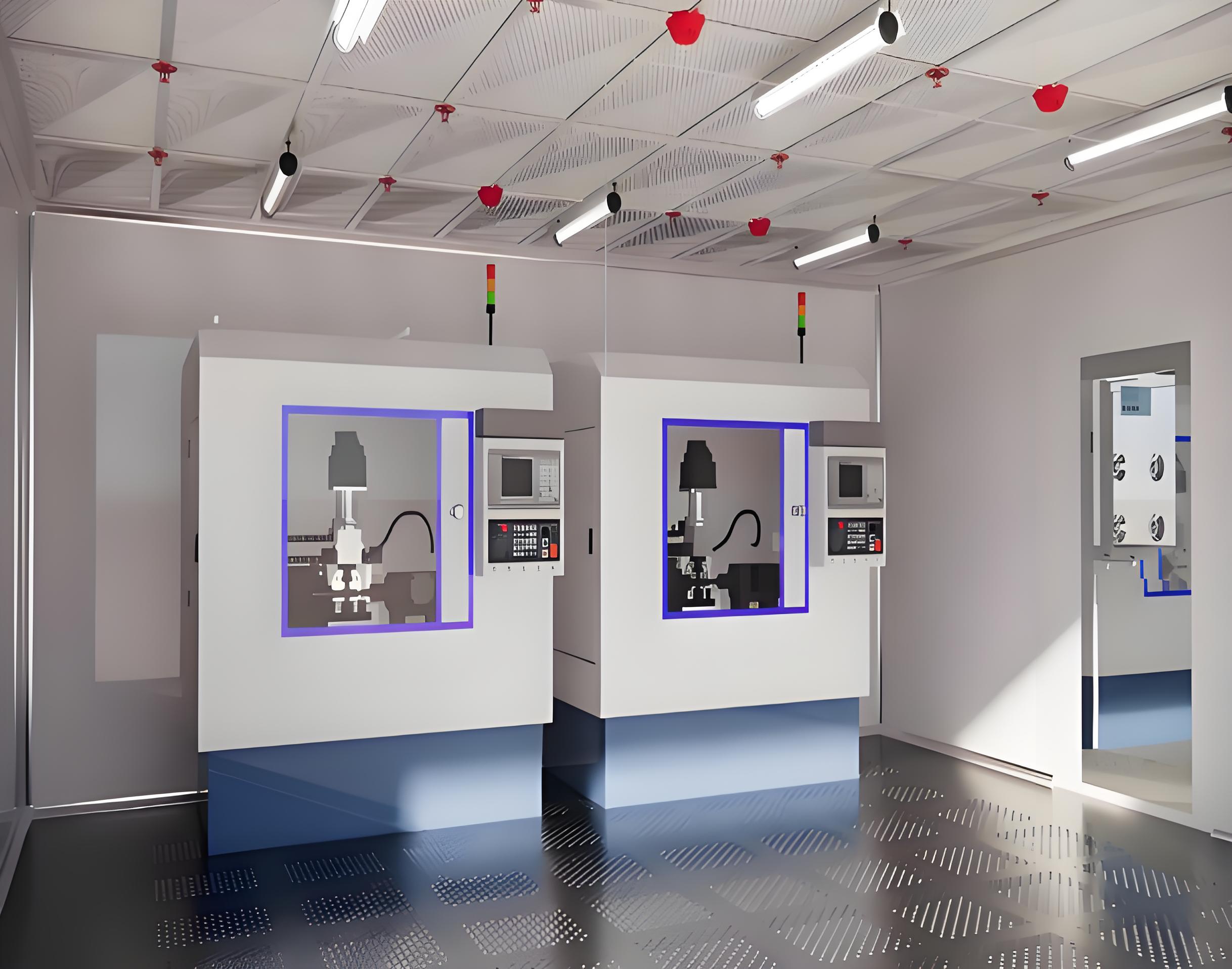
The equipment and materials used in a clean room gowning room are specifically selected to uphold contamination control standards. Central to this are the gowning garments themselves, which include disposable or reusable coveralls, hoods, gloves, masks, and shoe covers made from low-lint, static-dissipative fabrics. These materials are designed to trap particles and prevent shed from the wearer. Beyond attire, the clean room gowning room is equipped with benches for seating during gowning, lockers or storage units for personal belongings, and dispensers for gloves and other items. Air management tools, such as HEPA-filtered air showers or pass-throughs, are often integrated to remove surface particles before entry. Additionally, the clean room gowning room may feature monitoring devices like particle counters or pressure gauges to ensure environmental conditions remain within specified limits. Cleaning supplies, such as wipes and disinfectants, are also essential for maintaining the room's hygiene. When selecting equipment for a clean room gowning room, durability, ease of cleaning, and compatibility with clean room standards are key considerations. Investing in high-quality materials not only enhances the effectiveness of the clean room gowning room but also reduces long-term costs by minimizing contamination incidents.
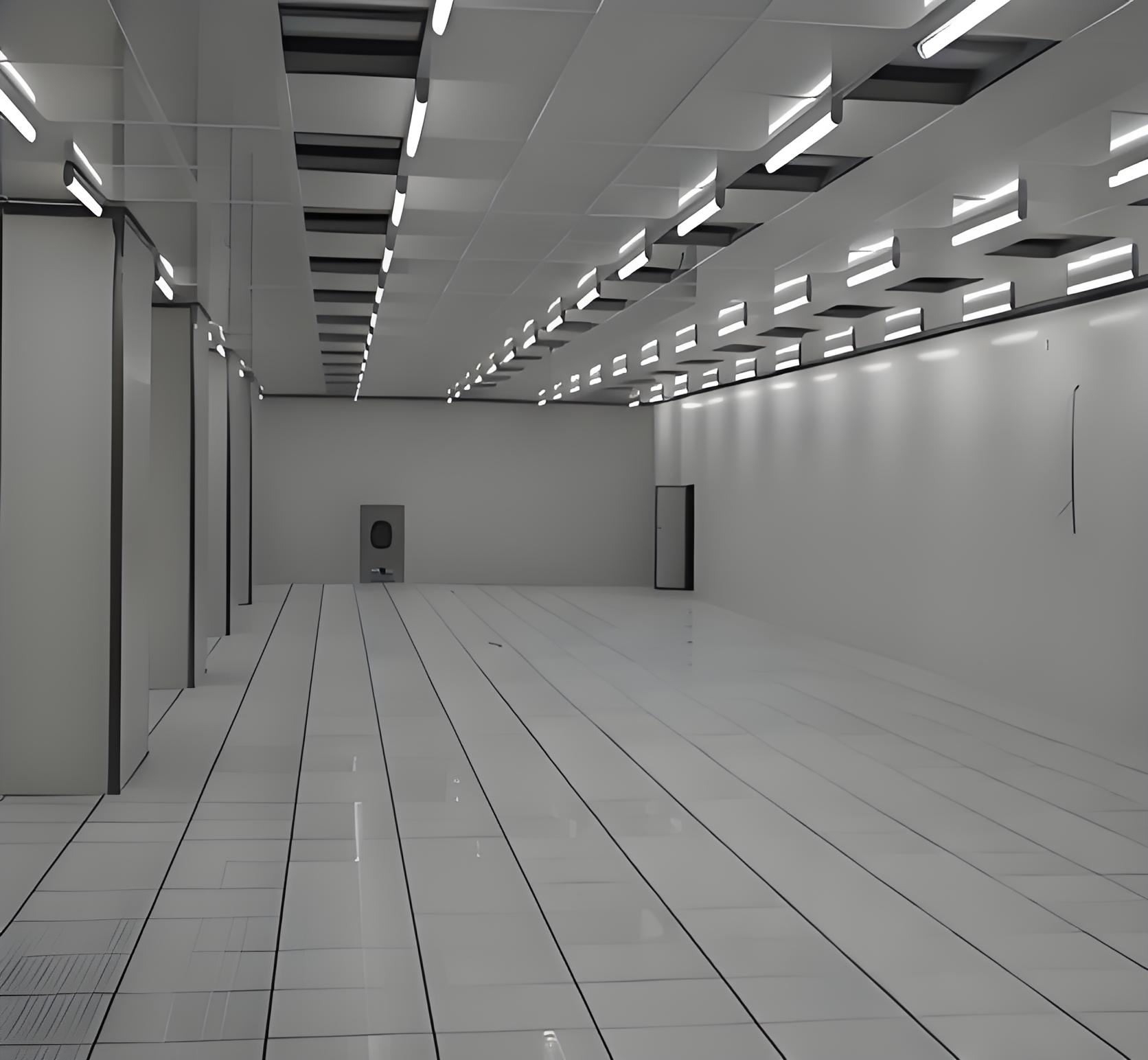
Maintenance and monitoring are critical for the ongoing performance of a clean room gowning room, as neglect can lead to contamination failures. Regular maintenance involves cleaning schedules that include daily, weekly, and monthly tasks, such as wiping down surfaces with appropriate disinfectants, checking and replacing HEPA filters, and inspecting garments for damage. The clean room gowning room should be subject to continuous monitoring for parameters like air pressure differentials, temperature, humidity, and particle counts, using automated systems that alert staff to deviations. Documentation is vital; logs of cleaning activities, equipment checks, and incident reports help demonstrate compliance during audits. Furthermore, the clean room gowning room requires periodic validation to ensure it meets design specifications, which may involve third-party testing. Training personnel on maintenance protocols is equally important, as human error can compromise the clean room gowning room's integrity. By implementing a robust maintenance and monitoring program, facilities can extend the lifespan of their clean room gowning room, avoid regulatory penalties, and sustain high levels of contamination control. This proactive approach ensures that the clean room gowning room remains a reliable asset in protecting sensitive environments.
In summary, the clean room gowning room is an indispensable component of any contamination-controlled facility, serving as the gateway to maintaining clean room integrity. By focusing on its purpose, design, procedures, equipment, and maintenance, organizations can ensure that their clean room gowning room effectively minimizes risks and supports compliance with industry standards. As technologies and regulations evolve, continuous improvement in these areas will be key to achieving optimal performance. If your clean room gowning room isn't meeting these five critical standards, it's time to reevaluate and invest in upgrades—because in the world of contamination control, every detail matters.
Q1: What is the primary function of a clean room gowning room?
A1: The primary function of a clean room gowning room is to serve as a controlled transition area where personnel don specialized garments to reduce the introduction of contaminants into a clean room. This helps maintain the clean room's integrity by minimizing particles, microbes, and other pollutants from human sources.
Q2: How often should a clean room gowning room be cleaned and maintained?
A2: A clean room gowning room should be cleaned daily, with more thorough maintenance performed weekly or monthly, depending on usage and clean room classification. This includes surface disinfection, filter replacements, and equipment checks. Continuous monitoring of environmental parameters is also essential for timely interventions.
Q3: What are the key design considerations for a clean room gowning room?
A3: Key design considerations include a unidirectional flow to prevent backtracking, smooth and cleanable surfaces, adequate space for gowning procedures, integrated HVAC systems with HEPA filtration, and positive pressure maintenance. The layout should support a logical sequence from dirty to clean zones.
Q4: What types of garments are typically used in a clean room gowning room?
A4: Typical garments include coveralls, hoods, gloves, face masks, and shoe covers made from low-lint, static-dissipative materials. These are often disposable or reusable and designed to cover the entire body to trap particles and prevent contamination.
Q5: How can personnel be trained effectively for using a clean room gowning room?
A5: Effective training involves hands-on demonstrations, visual aids like posters or videos, regular refresher courses, and competency assessments. Emphasizing the importance of contamination control and providing feedback during practice sessions can reinforce proper gowning procedures in the clean room gowning room.