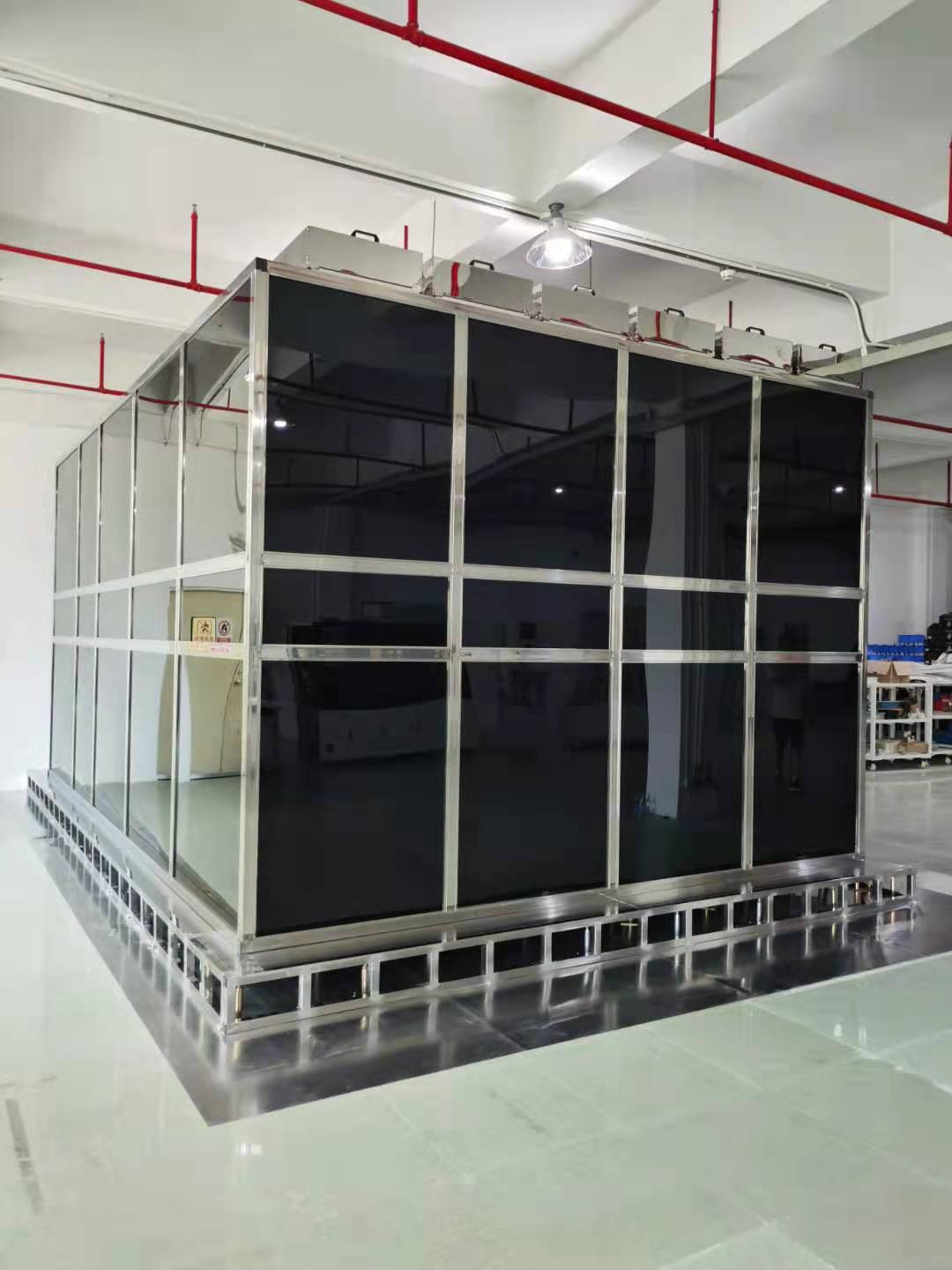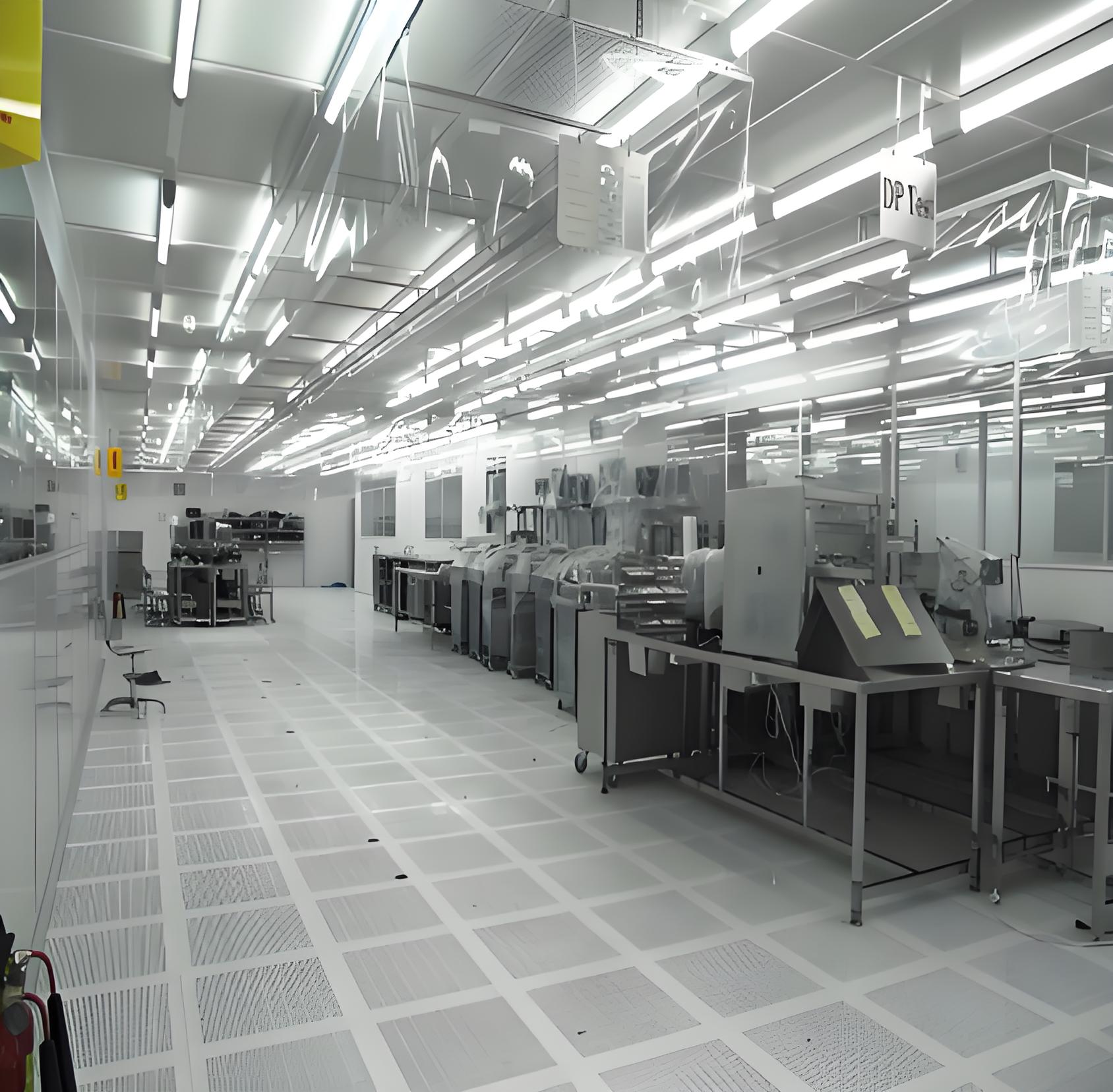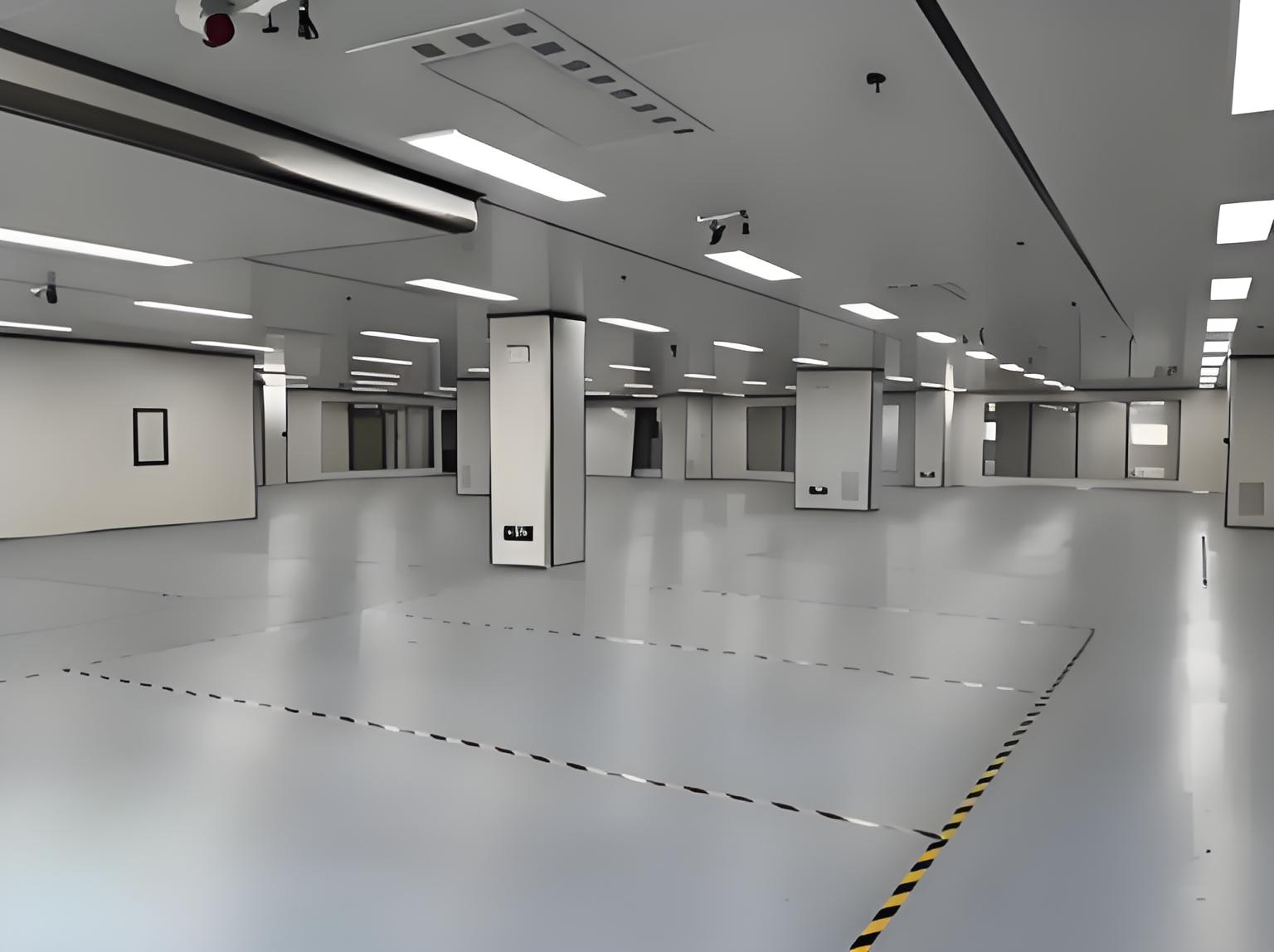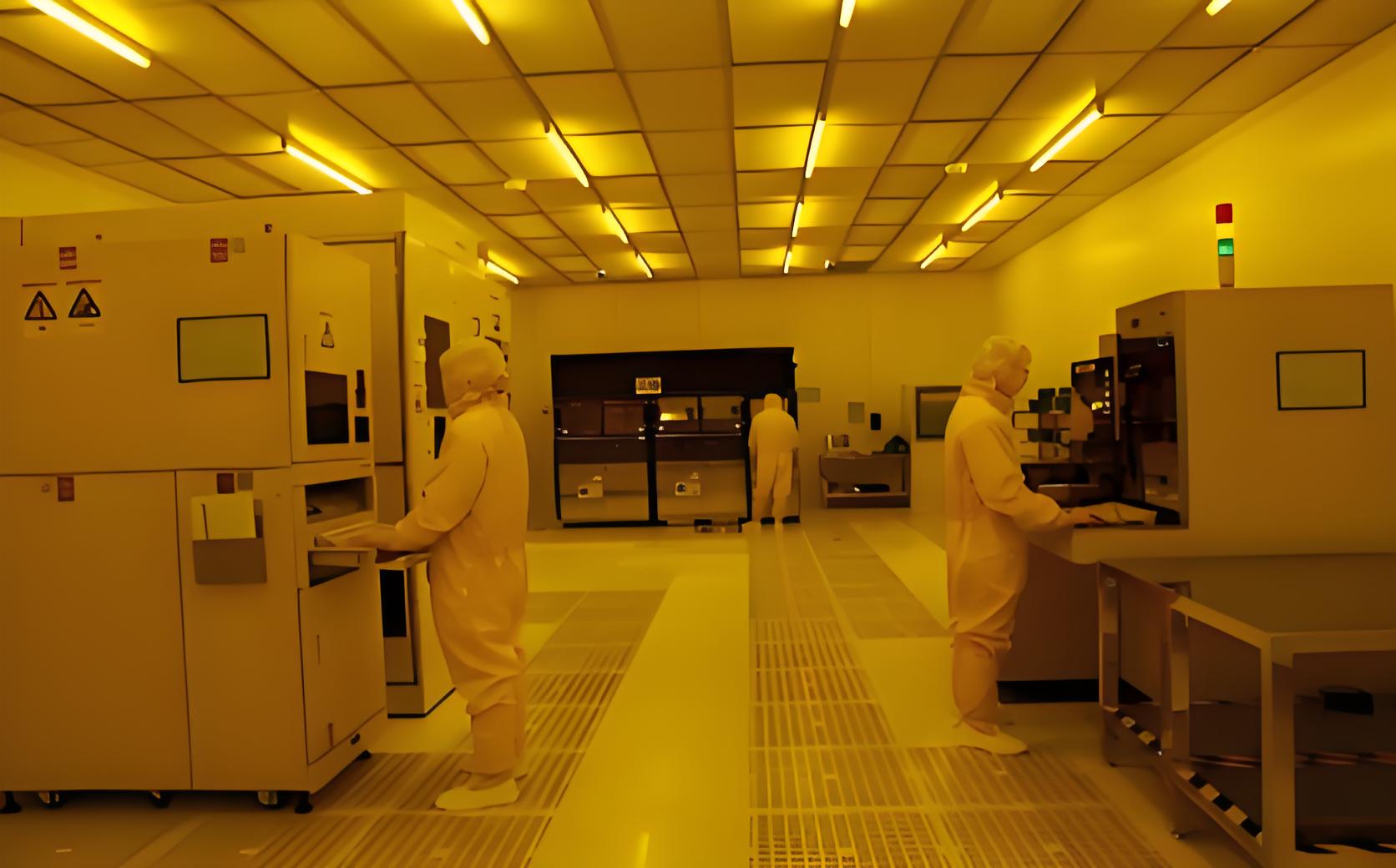
Maintaining a pristine, particle-free workspace is non-negotiable in industries like semiconductor manufacturing, pharmaceuticals, and biotechnology. Central to achieving this are specialized pieces of equipment that quietly and efficiently manage air quality. Among the most critical and widely used components in modern cleanroom design is the FFU, or Fan Filter Unit. This article will break down what an FFU is, how it functions, and why it's a cornerstone of contamination control, with insights into the reliable solutions offered by TAI JIE ER.
An FFU is a self-contained, modular air filtration device. It is a critical building block for creating clean zones. The unit integrates a fan motor and a high-efficiency filter, most commonly a HEPA or ULPA filter, into a single, compact housing.
Its primary job is to draw in ambient air from the plenum or room above a cleanroom ceiling. It then forces this air through its integral filter. The result is a continuous stream of ultra-clean, laminar (unidirectional) air directed downward into the critical work area below.
This modular nature allows for easy installation, replacement, and scalability in grid-based ceiling systems.
Understanding a few key parts clarifies how an FFU delivers performance.
The housing is typically made of galvanized steel or powder-coated aluminum. It provides structural integrity and ensures airtightness. Inside, a permanently lubricated or brushless DC motor powers the fan or impeller.
This fan creates the necessary pressure to move air. The heart of the unit is the filter, sealed tightly within the frame. Pre-filters are often used upstream to extend the life of the more expensive main filter.
The control system is another vital part. Simple units may have a manual speed controller. Advanced models feature integrated touch panels or connectivity for building management systems (BMS). This allows for monitoring of speed, pressure drop, and even filter life.
The principle is straightforward but effective. Contaminated air is pulled in, trapped by the filter media, and released as clean air. This creates a protective curtain over processes.
Why have FFU installations become so prevalent? They offer distinct benefits over traditional central air handling systems.
Flexibility and scalability top the list. Individual units can be added, removed, or rearranged. This makes room reconfigurations or upgrades remarkably simple. There's no need to overhaul an entire ductwork system.
Energy efficiency is a major factor. Modern FFUs, especially those with EC (Electronically Commutated) motors, are highly efficient. They only need to power the fan to overcome the filter's resistance. This is often less energy-intensive than pushing air through long ducts.
They also offer redundancy. If one unit fails, surrounding units can often compensate temporarily. This maintains cleanliness levels better than a single, large central fan failure would.
Installation and maintenance are generally cleaner and faster. Units can be installed from below the ceiling grid. Filter changes are also a straightforward, in-situ procedure, minimizing cleanroom downtime.
You will find FFU systems hard at work in any setting where air purity is measured and controlled.
In semiconductor fabrication, they are ubiquitous. They protect delicate wafers from micron-sized particles that could ruin entire production batches. Laminar airflow from a grid of FFUs is standard in Class 1 to Class 100 cleanrooms.
Pharmaceutical and biotech facilities rely on them for aseptic processing. This includes filling lines for injectable drugs, sterile product assembly, and critical research laboratories. They help meet stringent FDA and EU GMP guidelines.
In hospitals, FFUs create sterile environments in operating theatres, particularly for orthopedic and transplant surgeries. They prevent airborne infections during open procedures.
Other applications include aerospace component assembly, advanced display manufacturing (like OLED), and precision optics. Any process sensitive to dust, microbes, or chemical vapors can benefit.
TAI JIE ER provides robust FFU solutions tailored to these diverse and demanding sectors.
Selecting an FFU requires careful consideration of several technical parameters. A mismatch can lead to poor performance or higher costs.
First, determine the required cleanliness class (e.g., ISO 14644-1). This dictates the filter efficiency needed—typically HEPA (H13-H14) or ULPA (U15-U17). The filter is the most important component for final air quality.
Airflow velocity is critical. Standard cleanrooms often require an average face velocity of 0.45 m/s (±20%). Some processes may need lower velocities for comfort or higher for more rigorous protection. Ensure the unit can maintain consistent velocity across its entire filter face.
Motor type is a key decision. AC motors are traditional and cost-effective. EC motors are now preferred for their superior energy savings, precise speed control, and longer lifespan. They offer significant operational cost reductions.
Noise level, or sound power, matters for worker comfort. Check the specifications, especially for labs or environments where concentration is key. TAI JIE ER units are engineered with vibration damping and aerodynamic designs for quieter operation.
Finally, consider control options. Do you need simple dial control, a digital display, or full network integration for remote monitoring and control? Plan for future needs.
Proper installation and upkeep are essential for an FFU system to perform as designed over its lifetime.
During installation, ensure the ceiling grid is level and secure. Each unit must be carefully lowered and sealed properly to the grid to prevent bypass leakage—where unfiltered air sneaks around the unit. A tight gasket seal is mandatory.
Electrical connections should be made by qualified personnel following local codes. For systems with centralized controls, wiring must be planned meticulously.
Routine maintenance is straightforward but cannot be ignored. The primary task is monitoring filter resistance. As the filter loads with particles, the pressure drop across it increases. The fan motor works harder to maintain airflow.
Most units have a pressure gauge or an indicator. When the pressure drop reaches a recommended terminal value (often twice the initial drop), it’s time to replace the filter. Pre-filters should be checked and replaced more frequently.
Periodically check the fan motor and housing for any unusual vibration or noise. Wipe down the exterior housing with a clean, damp cloth during room cleaning schedules. Avoid using harsh chemicals.
A proactive maintenance log is a best practice. It provides a history for troubleshooting and is essential for audits in regulated industries.
TAI JIE ER has established itself as a trusted provider of high-performance cleanroom equipment. Their approach to FFU manufacturing combines engineering rigor with practical application knowledge.
They focus on core performance metrics: consistent laminar airflow, low turbulence, and minimal noise. Their housings are precision-engineered for a perfect filter seal and easy installation.
A standout feature in their product line is the emphasis on energy-efficient EC motor technology. By integrating high-efficiency motors, TAI JIE ER helps clients significantly reduce long-term operational expenses.
They also understand the need for control. Their units offer a range of options, from basic to advanced BMS-compatible interfaces. This allows facilities managers to create a responsive and efficient cleanroom environment.
Durability is built into every unit. From corrosion-resistant materials to robust electrical components, TAI JIE ER FFUs are designed for 24/7 operation in demanding conditions. Their quality control processes ensure every unit performs to specification before it leaves the factory.
From enabling the production of life-saving drugs to the fabrication of the world's most advanced microchips, the role of the FFU is indispensable. Its modular, efficient, and reliable design makes it the smart choice for modern cleanroom ventilation. By understanding its operation, benefits, and selection criteria, facility managers and engineers can make informed decisions that impact product quality and safety. For those seeking a balance of performance, efficiency, and durability, exploring the solutions from TAI JIE ER is a logical step forward in optimizing any critical clean air space.
Q1: What does FFU stand for?
A1: FFU stands for Fan Filter Unit. It is a self-contained air purification module that includes a fan and a high-efficiency filter (HEPA/ULPA) in one housing.
Q2: What is the main difference between an FFU and a standard air filter?
A2: The key difference is integration. An FFU has its own powered fan motor to actively draw and push air through its filter. A standard filter is a passive component that relies on an external air handling unit to provide airflow.
Q3: How often do FFU filters need to be replaced?
A3: Replacement frequency depends on air quality and usage. A common indicator is when the pressure drop across the filter reaches its specified terminal value, typically 1.5 to 2 times the initial pressure drop. This could be every 2-5 years in a well-maintained environment.
Q4: Can FFUs be used to upgrade an existing cleanroom?
A4: Absolutely. Their modular design makes them ideal for retrofits. They can often be installed into existing ceiling grids, providing a more efficient and flexible upgrade compared to modifying a central air system.
Q5: Why are EC motors in FFUs considered more efficient?
A5: EC motors use built-in electronics to control speed with much higher precision and less energy loss as heat compared to traditional AC motors. They can adjust speed based on real-time need, leading to power savings of 30% or more, and they generate less heat, reducing cooling loads.