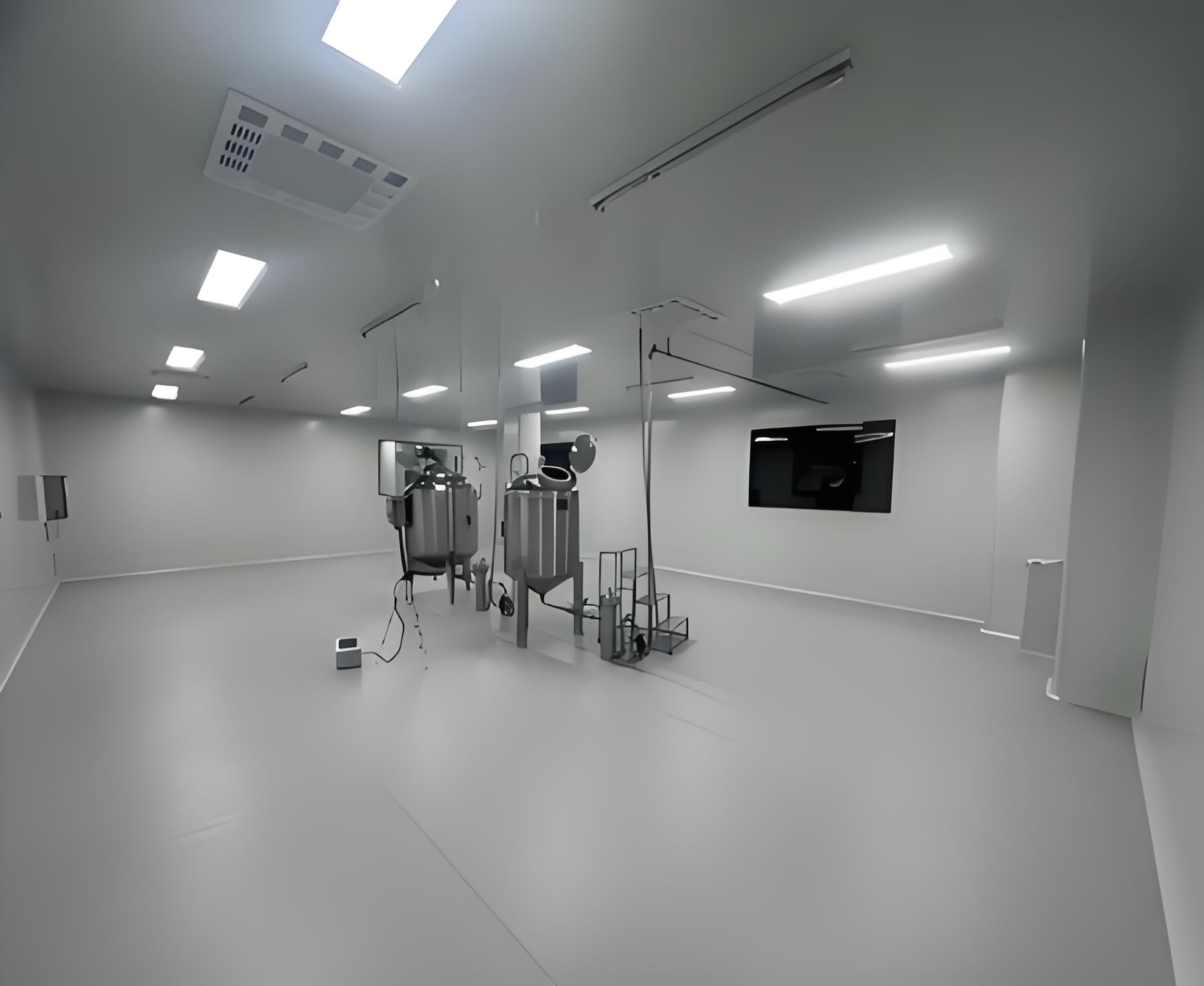
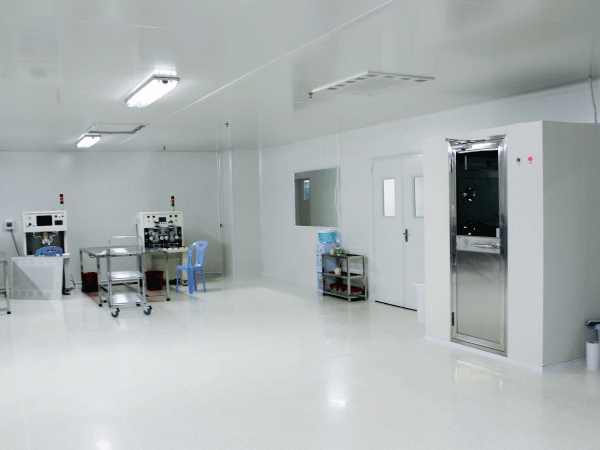
In today's industries, maintaining a sterile environment is critical for product quality and safety. A Clean Booth plays a pivotal role in achieving this by providing a controlled space free from contaminants. This article delves into the fundamentals of Clean Booth technology, exploring its applications and benefits. Whether in pharmaceuticals, electronics, or biotechnology, understanding how a Clean Booth operates can help businesses enhance their processes. We’ll also highlight how TAI JIE ER contributes to advanced solutions in this field.
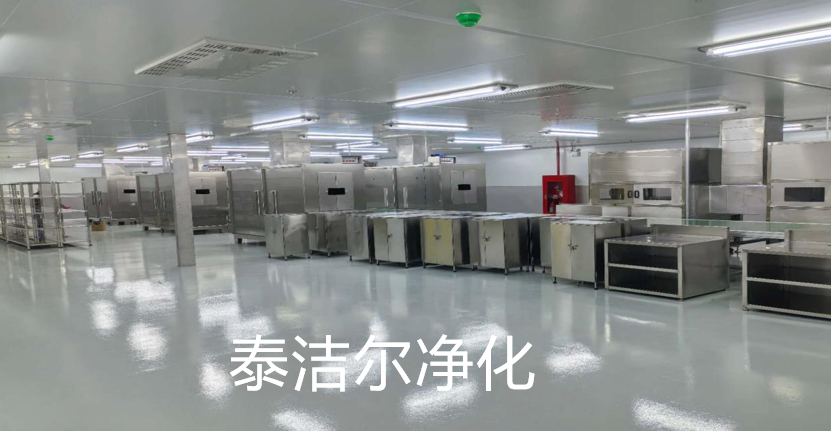
A Clean Booth is a enclosed area designed to minimize airborne particles, dust, and microbes. It ensures a clean environment for sensitive tasks. These booths are commonly used in settings where even minor contamination can lead to significant issues. They are often equipped with HEPA filters and airflow systems to maintain purity. Unlike larger cleanrooms, Clean Booths are more compact and flexible. They offer a cost-effective way to achieve high cleanliness standards.
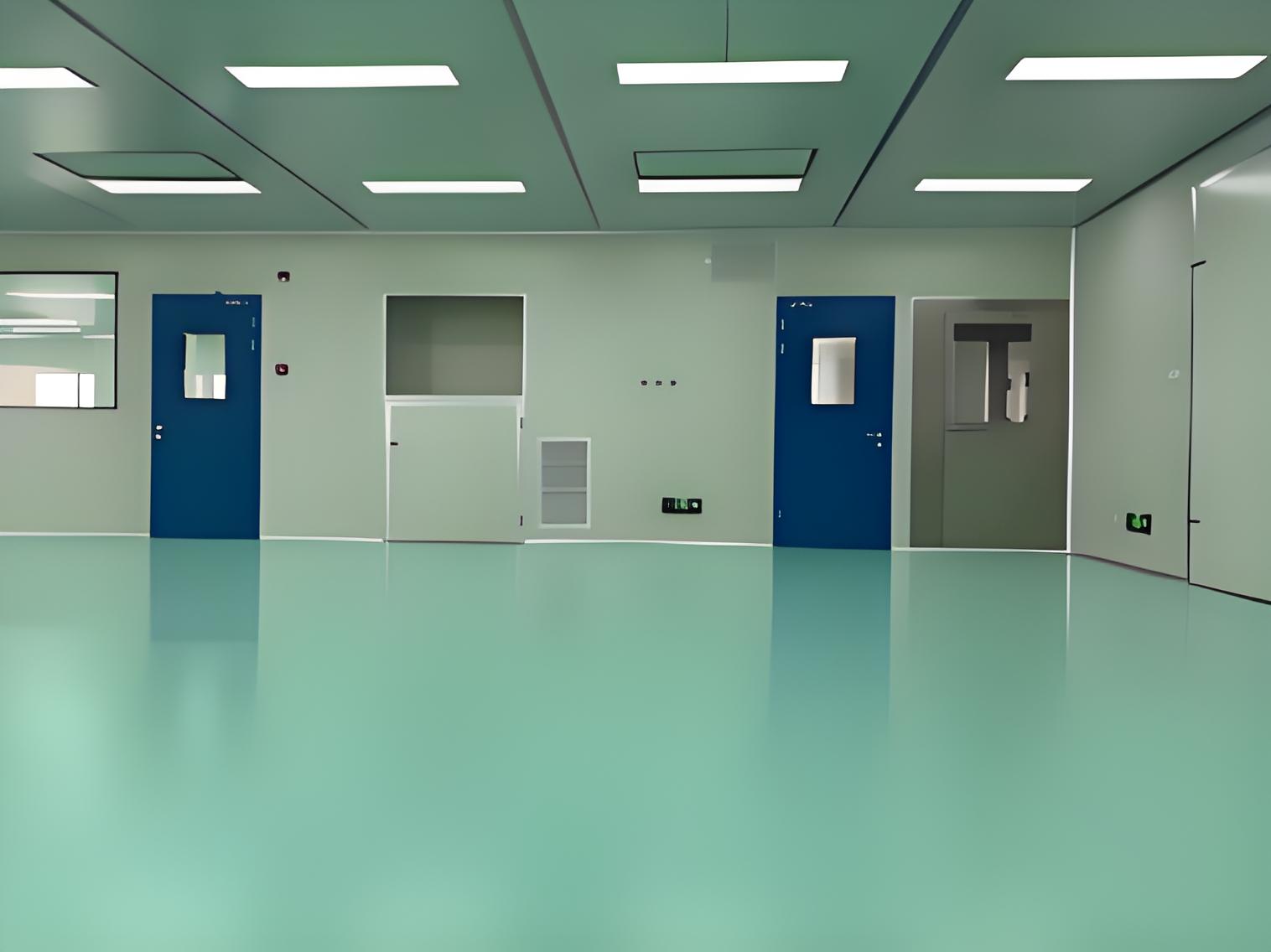
The design of a Clean Booth focuses on controlling air quality and pressure. It typically includes walls, ceilings, and flooring made of non-shedding materials. This prevents particle generation within the space. Operators can work inside without compromising the environment. Clean Booths are versatile, serving as temporary or permanent installations. They are essential in industries that require precise contamination control.
Clean Booths come in various forms to suit different needs. Each type is tailored for specific applications and cleanliness levels. Understanding these variations helps in selecting the right setup.
First, there are laminar flow Clean Booths. These use unidirectional airflow to sweep particles away from the work area. They are ideal for tasks requiring high protection, such as assembly of electronic components. The airflow can be vertical or horizontal, depending on the design. This type ensures consistent air purity.
Second, recirculating Clean Booths filter and reuse air within the booth. They are energy-efficient and suitable for less critical environments. These booths often include pre-filters and main HEPA filters. They are common in laboratories and packaging areas.
Third, portable Clean Booths offer mobility and easy installation. They are perfect for facilities that need flexibility. These units can be moved between locations as required. They provide a quick solution for temporary clean zones.
Lastly, modular Clean Booths allow for customization and expansion. They can be assembled from prefabricated panels. This makes them adaptable to changing industrial needs. TAI JIE ER specializes in designing such modular systems for diverse clients.
A Clean Booth consists of several core elements that ensure its functionality. Each component plays a vital role in maintaining cleanliness and efficiency.
The filtration system is the heart of a Clean Booth. It typically includes HEPA or ULPA filters that capture tiny particles. These filters are rated based on their efficiency, often removing 99.97% of contaminants. Regular filter maintenance is crucial for performance.
Airflow control mechanisms manage the direction and speed of air. This prevents cross-contamination and maintains positive or negative pressure. Proper airflow design is essential for meeting industry standards, such as ISO classifications.
The structure is made from materials like stainless steel or smooth plastics. These materials are easy to clean and resist corrosion. Sealed joints and transparent panels allow for visibility while containing contaminants.
Lighting and utilities are integrated to support operations. LED lights provide bright, shadow-free illumination. Electrical outlets and data ports can be included for equipment use. TAI JIE ER ensures all components meet rigorous quality checks.
Clean Booths are utilized across multiple sectors where contamination control is paramount. Their versatility makes them indispensable in modern manufacturing and research.
In the pharmaceutical industry, Clean Booths protect drug formulation and packaging. They prevent microbial contamination that could affect patient safety. These booths are used in filling lines and sterile compounding areas.
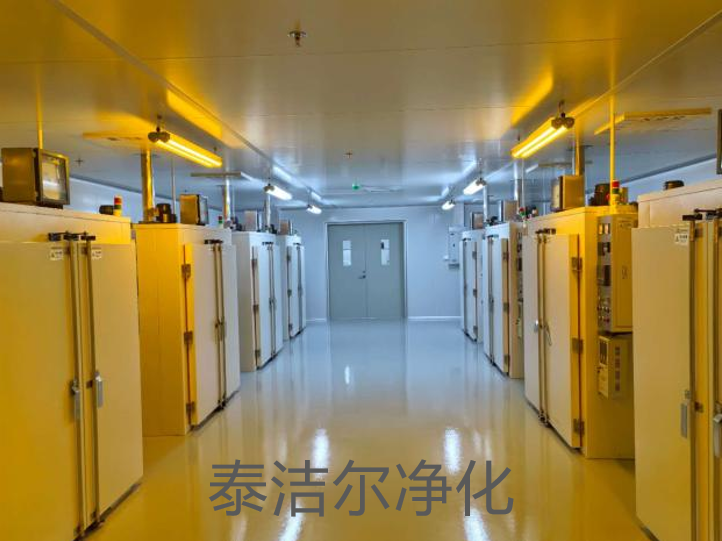
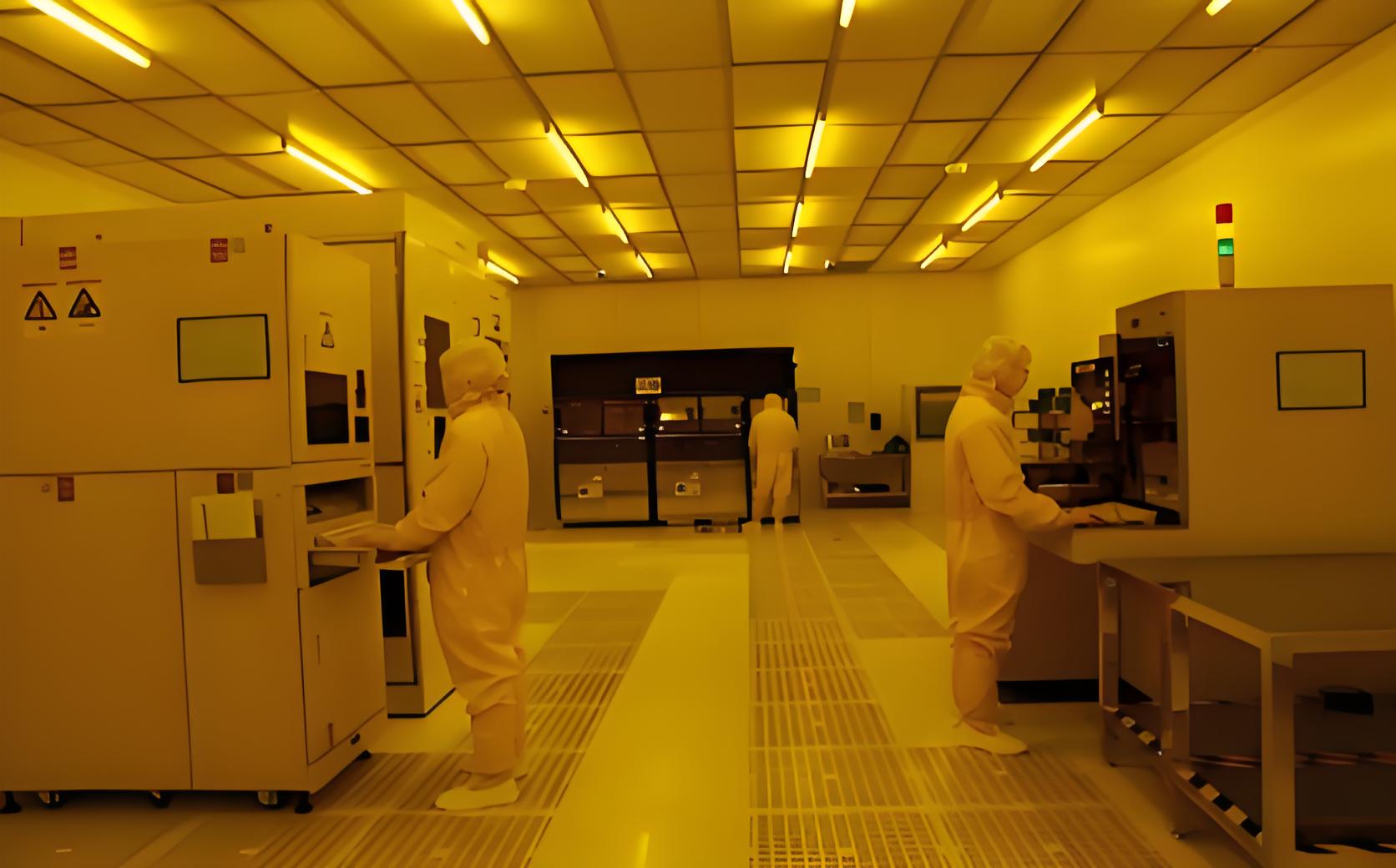
Electronics manufacturing relies on Clean Booths for assembling microchips and circuits. Even microscopic dust can cause defects in sensitive components. Laminar flow booths ensure a particle-free environment during production.
Biotechnology and healthcare use Clean Booths for sample handling and diagnostic work. They safeguard against biological hazards and maintain sample integrity. This is critical in labs dealing with DNA analysis or cell cultures.
Food processing plants employ Clean Booths to extend shelf life and ensure hygiene. They are used in packaging areas to prevent bacterial growth. This helps meet regulatory standards for food safety.
TAI JIE ER provides tailored Clean Booth solutions for these industries, enhancing operational reliability.
Implementing Clean Booths offers numerous advantages for businesses. These benefits translate to improved productivity and compliance.
First, Clean Booths reduce contamination risks, leading to higher product quality. This minimizes waste and rework, saving costs in the long run. Consistent cleanliness also boosts customer trust.
Second, they enhance worker safety by isolating hazardous processes. In chemical or biological settings, Clean Booths protect employees from exposure. This aligns with occupational health regulations.
Third, Clean Booths are scalable and adaptable. Companies can start with small units and expand as needed. This flexibility supports growth without major infrastructure changes.
Energy efficiency is another perk. Modern Clean Booths use advanced filters and fans that consume less power. TAI JIE ER designs models with eco-friendly features to cut operational expenses.
Lastly, they help meet international standards, such as ISO 14644 or GMP guidelines. Compliance is easier with certified Clean Booth systems, avoiding legal penalties.
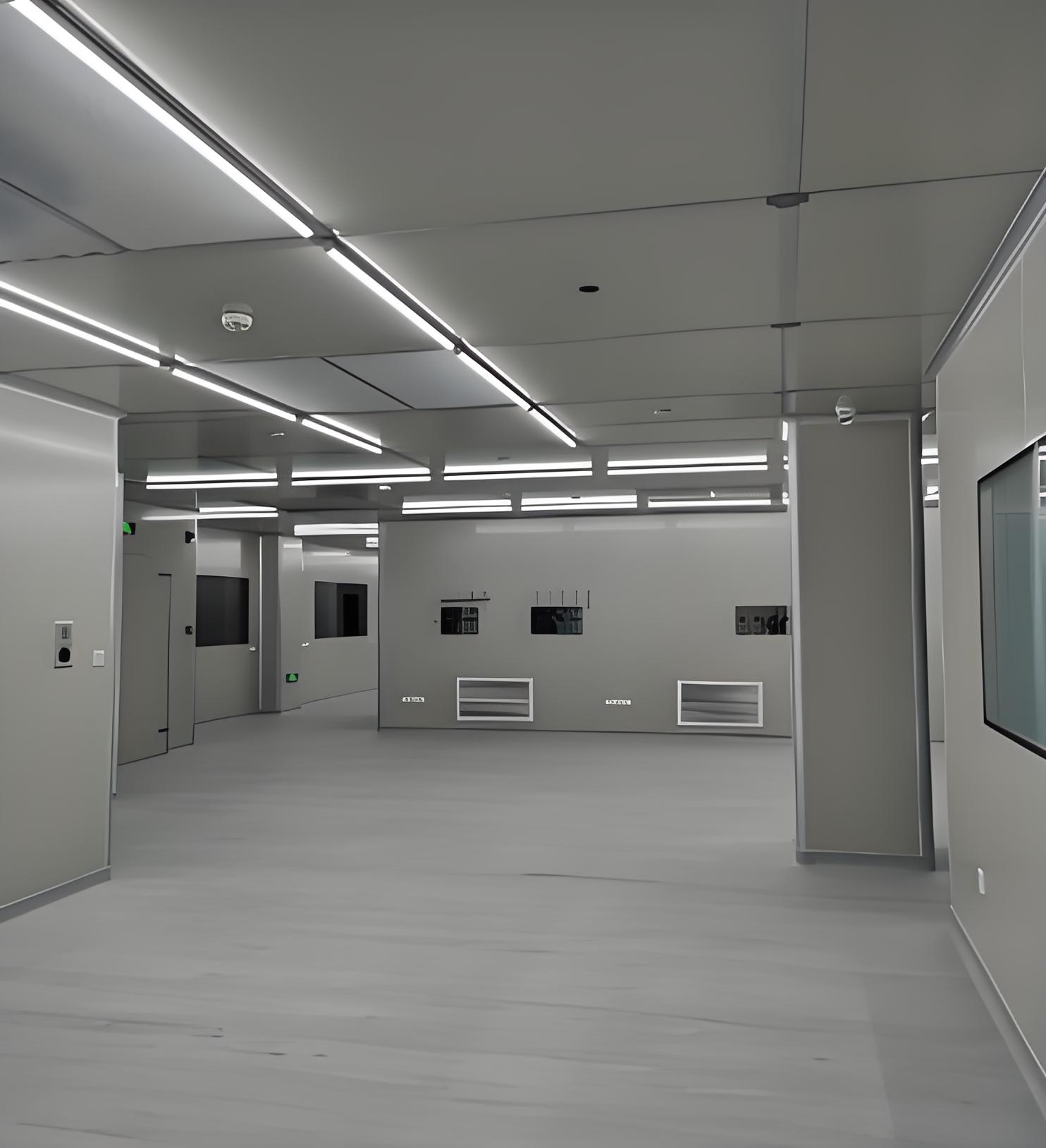
Selecting a suitable Clean Booth requires careful consideration of several factors. This ensures the booth meets specific operational needs.
Start by assessing the cleanliness level required. Check industry standards for particle count limits. This will determine the filter efficiency and airflow type needed.
Consider the size and layout of your facility. Measure the available space for installation. Portable or modular Clean Booths might be better for tight areas.
Evaluate the materials and construction quality. Durable materials like stainless steel offer longevity. TAI JIE ER uses robust components to withstand harsh environments.
Think about maintenance requirements. Choose booths with easy-access filters and cleanable surfaces. This reduces downtime and service costs.
Budget is also key. While initial costs vary, factor in long-term savings from efficiency and reduced contamination. TAI JIE ER provides cost-effective options without compromising quality.
Regular maintenance is essential for optimal Clean Booth performance. Following best practices extends the lifespan and ensures reliability.
Schedule routine filter replacements based on usage. HEPA filters typically last 1-3 years, but monitor pressure drops for signs of clogging. This maintains air quality standards.
Clean interior surfaces with approved disinfectants. Avoid abrasive tools that could generate particles. Wipe down walls and floors weekly to prevent buildup.
Calibrate airflow and pressure sensors annually. This verifies that the booth meets design specifications. TAI JIE ER offers maintenance services to support clients.
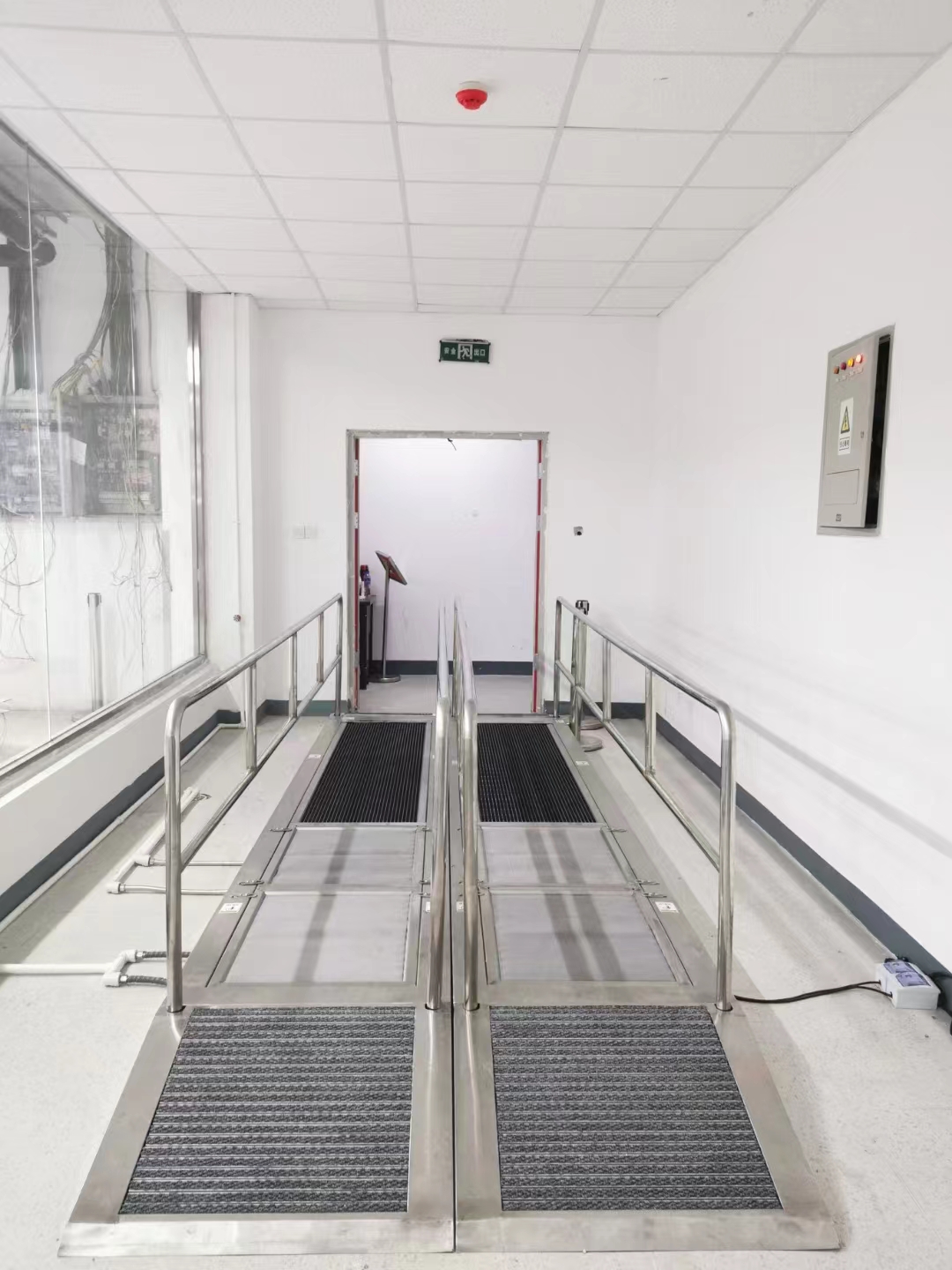
Train staff on proper usage protocols. Ensure they wear appropriate attire and follow entry procedures. This minimizes human-induced contamination.
Document all maintenance activities for audits. Keep records of filter changes and inspections. This demonstrates compliance with regulatory bodies.
TAI JIE ER is a trusted name in the clean engineering sector, specializing in Clean Booth innovations. With years of experience, they deliver customized solutions for global clients.
The company focuses on research and development to improve Clean Booth technology. They integrate smart controls and energy-saving features into their designs. This keeps clients ahead in competitive markets.
TAI JIE ER provides end-to-end services, from consultation to installation. Their team assesses site conditions to recommend optimal Clean Booth setups. This ensures seamless integration into existing workflows.
Quality assurance is a priority at TAI JIE ER. All Clean Booths undergo rigorous testing for performance and safety. They comply with international standards, giving clients peace of mind.
Customer support includes training and maintenance packages. TAI JIE ER helps businesses maximize their Clean Booth investments through ongoing assistance.
In summary, a Clean Booth is a vital tool for contamination control in various industries. From ensuring product purity to protecting workers, its benefits are far-reaching. By understanding types, components, and applications, businesses can make informed decisions. TAI JIE ER stands out as a reliable partner in providing advanced Clean Booth solutions. Embracing this technology can lead to enhanced efficiency and compliance. As industries evolve, the importance of Clean Booth systems will only grow, driving innovation and quality standards forward.
Q1: What is the primary function of a Clean Booth?
A1: A Clean Booth primarily provides a controlled environment to minimize airborne contaminants, ensuring cleanliness for sensitive industrial or laboratory tasks.
Q2: How often should Clean Booth filters be replaced?
A2: Filter replacement frequency depends on usage, but typically HEPA filters in a Clean Booth last 1-3 years; monitor pressure readings and follow manufacturer guidelines for best results.
Q3: Can Clean Booths be customized for specific industries?
A3: Yes, Clean Booths can be customized in size, airflow design, and materials to meet the unique needs of industries like pharmaceuticals, electronics, and food processing, with companies like TAI JIE ER offering tailored solutions.
Q4: What are the key differences between a Clean Booth and a cleanroom?
A4: A Clean Booth is a smaller, often modular or portable enclosure for localized contamination control, while a cleanroom is a larger, permanent facility with broader environmental controls; Clean Booths are more cost-effective for specific zones.
Q5: How does TAI JIE ER ensure the quality of their Clean Booths?
A5: TAI JIE ER ensures quality through rigorous testing, compliance with international standards like ISO, and using durable materials, along with providing comprehensive maintenance and support services.