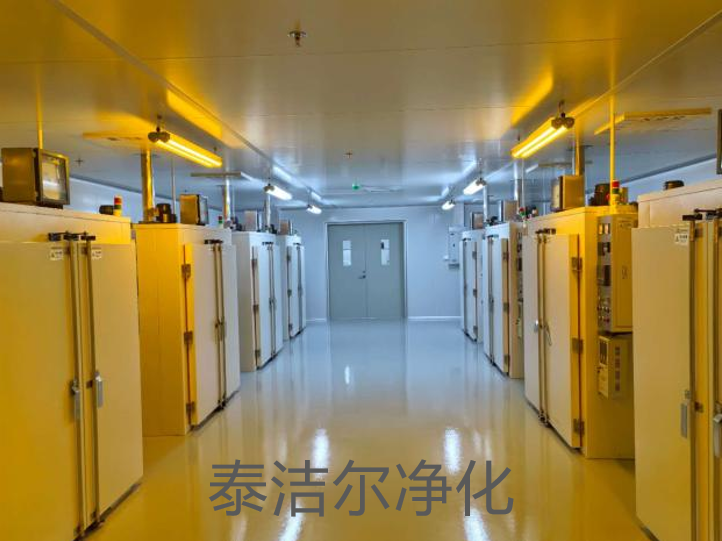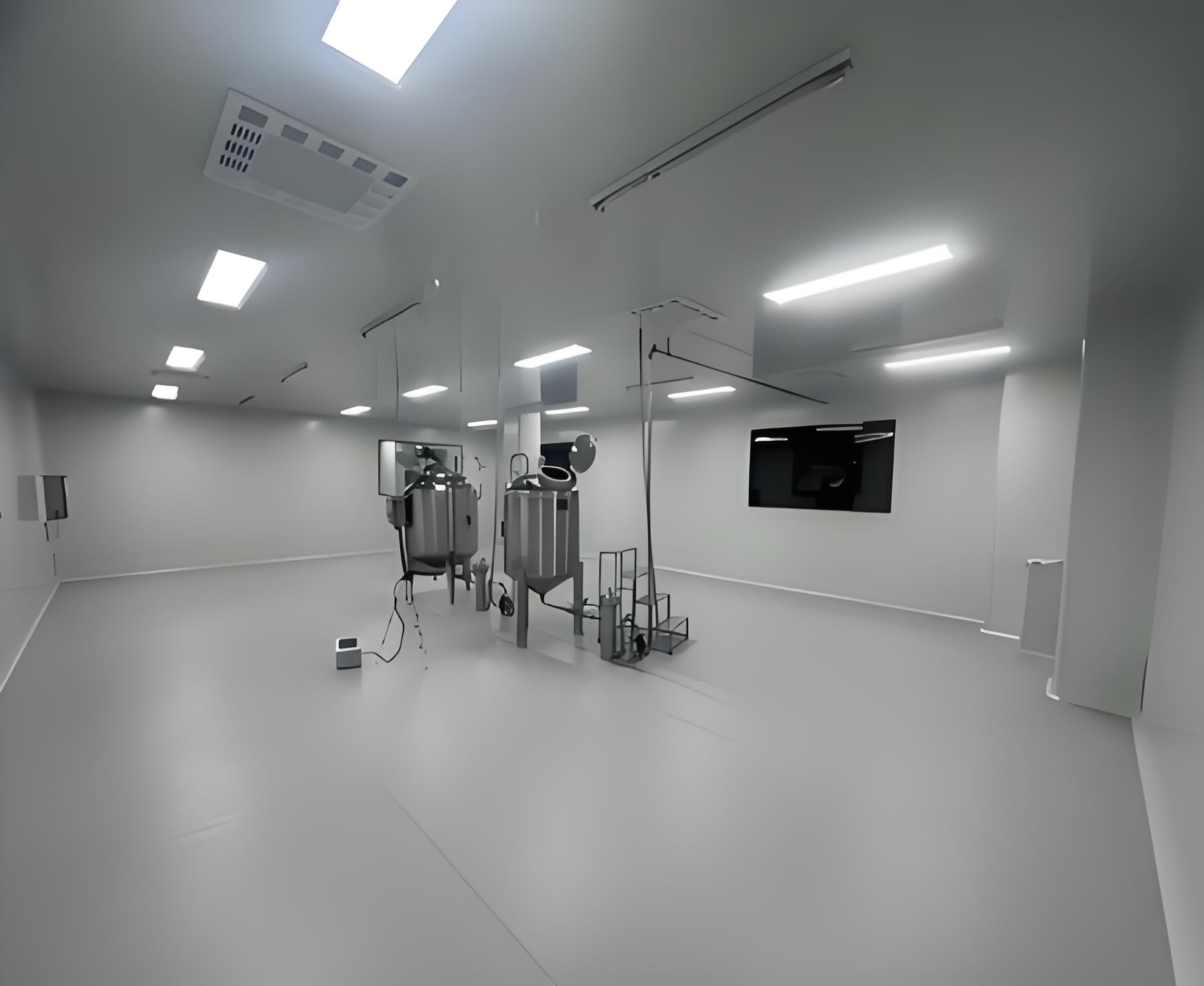
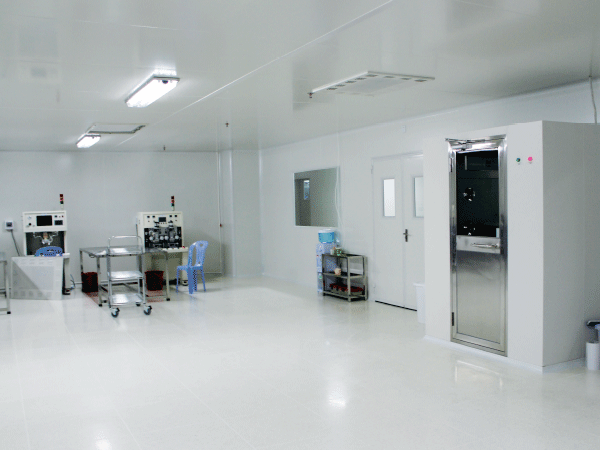

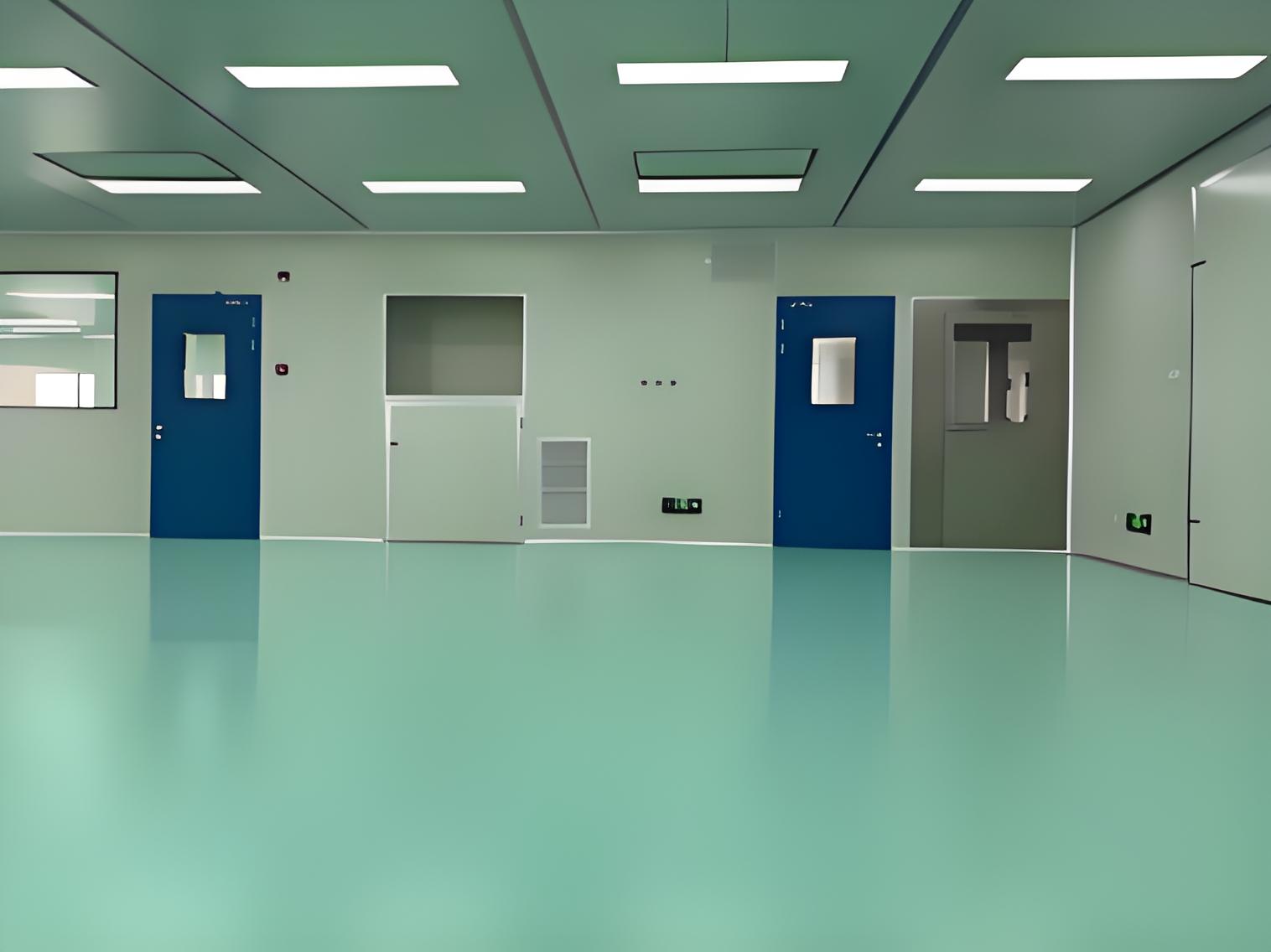
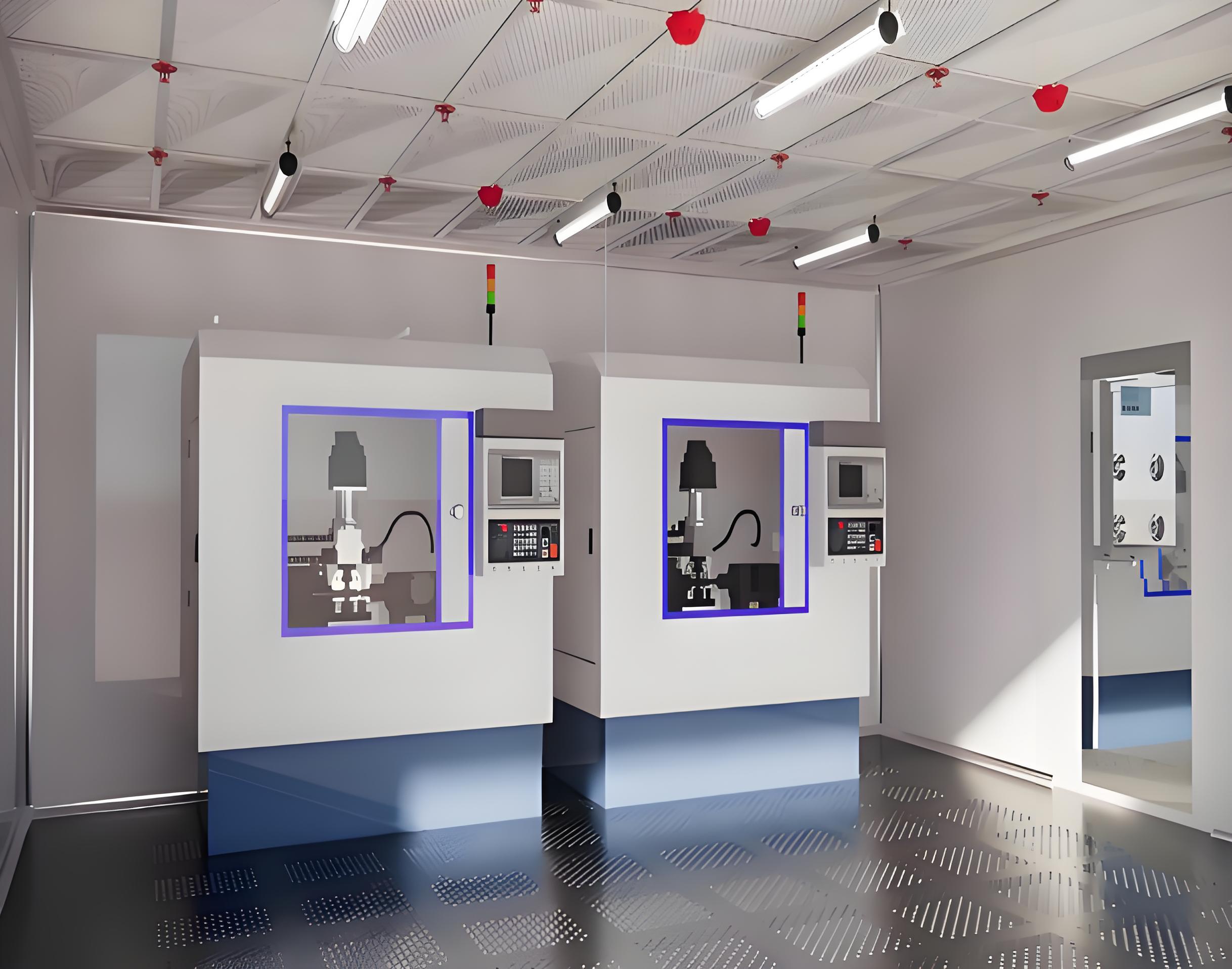
In the world of pharmaceuticals, biotechnology, and medical device production, the sanctity of the final product is non-negotiable. At the heart of this uncompromising standard lies a highly engineered environment: the clean room for sterile manufacturing facilities. This is not merely a "clean" space; it is a meticulously controlled ecosystem designed to minimize the introduction, generation, and retention of contaminants. The efficacy and safety of injectable drugs, implantable devices, and other sterile products depend entirely on the integrity of these environments. This article delves into seven essential aspects that define and uphold the critical standards of a clean room for sterile manufacturing facilities.
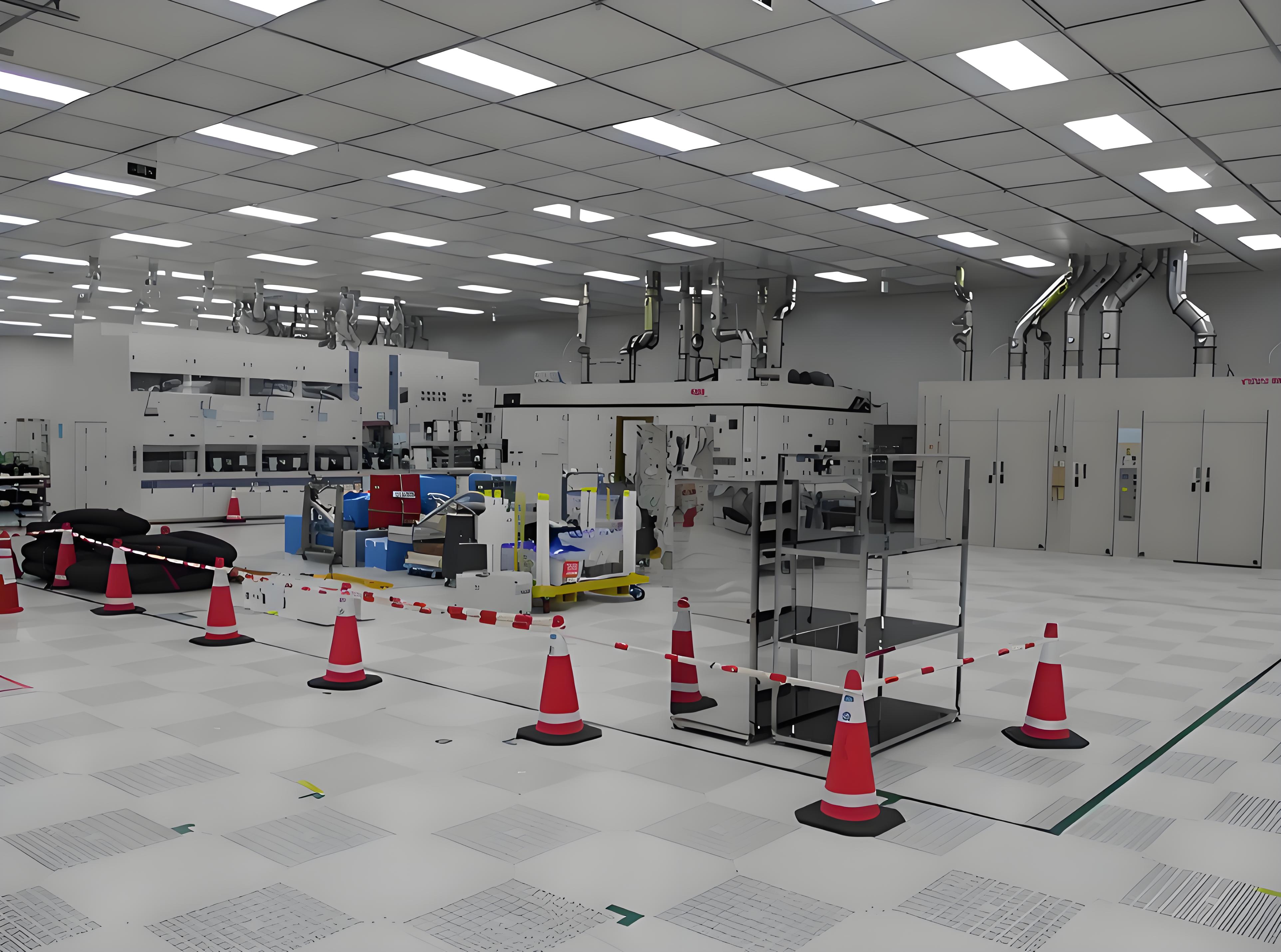
A clean room for sterile manufacturing facilities is primarily defined by its cleanliness level, quantified by the number and size of airborne particles permitted per cubic meter. This is governed by the International Organization for Standardization (ISO), specifically the ISO 14644 series.
ISO 5 (Class 100): This is the most critical environment, often found in filling lines and where the sterile product is exposed. It allows no more than 3,520 particles of 0.5 microns per cubic meter.
ISO 7 (Class 10,000) and ISO 8 (Class 100,000): These are less stringent classes typically used for surrounding areas, like gowning rooms and corridors, which act as buffers to protect the core ISO 5 zone.
The entire design and operational protocol of a clean room for sterile manufacturing facilities is built around achieving and maintaining its target ISO classification, ensuring that airborne particulate levels are continuously within specified limits.
The air within a clean room for sterile manufacturing facilities is the single greatest potential source of contamination. Therefore, its management is paramount. This is achieved through a sophisticated Heating, Ventilation, and Air Conditioning (HVAC) system.
High-Efficiency Particulate Air (HEPA) Filters: These filters are the workhorses, capable of trapping at least 99.97% of particles 0.3 microns in size. In critical areas, even more efficient Ultra-Low Penetration Air (ULPA) filters may be used.
Laminar Airflow: To protect the product, unidirectional (laminar) airflow is used in critical zones. This means air moves in a constant, parallel stream at a uniform velocity, sweeping particles away from the product and into return vents.
Positive Pressure Cascades: A clean room for sterile manufacturing facilities is maintained at a higher air pressure than the surrounding, less clean areas. This pressure differential prevents contaminated air from flowing into the cleaner space when doors are opened.
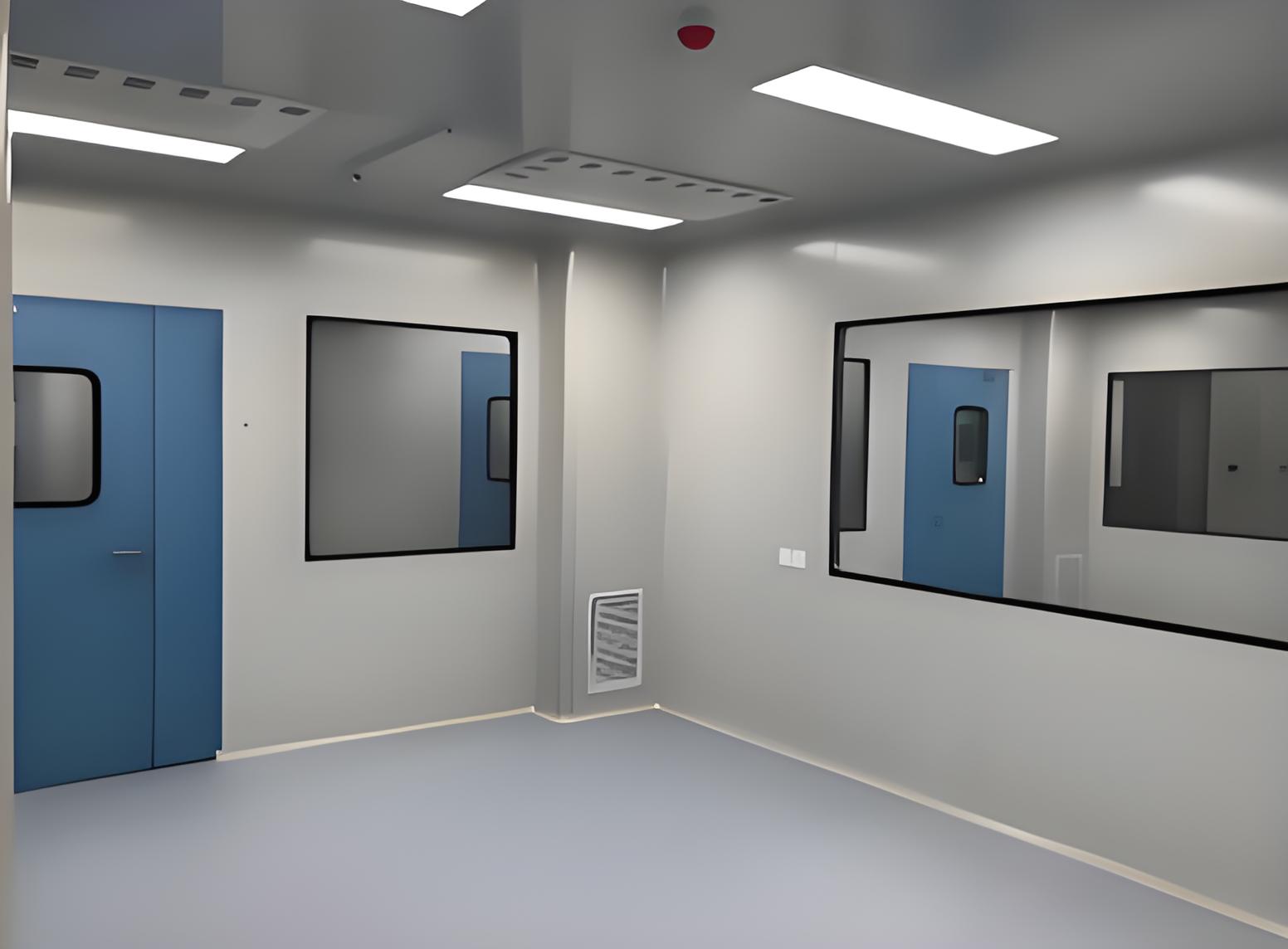
Every physical component inside a clean room for sterile manufacturing facilities must be designed to minimize contamination. There is no room for standard building materials.
Non-shedding and Smooth Surfaces: Walls, ceilings, and floors are typically made of seamless, monolithic materials like fiberglass-reinforced plastic (FRP), coated steel, or high-grade vinyl. These materials are non-porous, easy to clean, and do not generate particulate matter.
Coved Corners: All junctions between walls, floors, and ceilings are coved (rounded) to eliminate sharp angles where dust and microbes can accumulate and to facilitate easier cleaning.
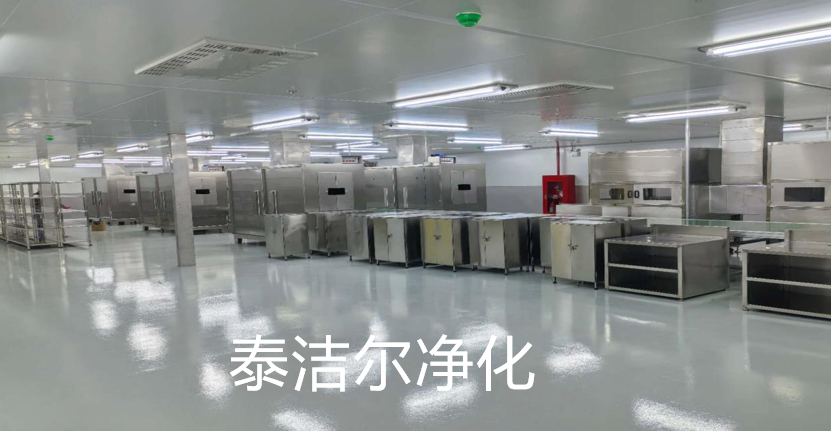
Furniture and Equipment: All items, from workbenches to chairs and tools, are made of stainless steel or other non-shedding materials. They are designed with minimal seams and are easy to wipe down.
Despite advanced engineering, people remain the largest source of contamination in a clean room for sterile manufacturing facilities. A single person can shed thousands of skin cells and microorganisms per minute. Controlling this variable requires stringent procedures.
Comprehensive Gowning: Personnel must don a sequence of specialized sterile garments, which may include hoods, face masks, goggles, coveralls, gloves, and boot covers. This process occurs in a graded gowning room (an ISO 7 or 8 area) to prevent contaminants from being carried into the cleaner core.
Strict Behavioral Training: Personnel are extensively trained on aseptic techniques. This includes moving slowly and deliberately to minimize air turbulence, avoiding unnecessary conversation, and following precise workflows to maintain sterility.
Even with filtered air and controlled personnel, surfaces require constant attention. A rigorous and validated cleaning regimen is a non-negotiable part of operating a clean room for sterile manufacturing facilities.
Validated Agents and Procedures: The disinfectants and cleaning methods used are proven effective against a broad spectrum of microorganisms. A rotational schedule using sporicidal agents is common to prevent microbial resistance.
Sterilized Tools and Materials: Any item entering the cleanroom, from components to tools, must be sterilized using validated methods like autoclaving (steam sterilization), dry heat, or radiation.
Detailed Documentation: Every cleaning activity is meticulously documented, including the agent used, the areas cleaned, and the personnel involved, ensuring full traceability and compliance.
You cannot control what you do not measure. Continuous monitoring is the feedback loop that confirms a clean room for sterile manufacturing facilities is operating as intended.
Non-Viable Particle Monitoring: Automated sensors continuously count and size airborne particles to ensure the ISO classification is maintained in real-time.
Viable Monitoring: This involves actively searching for microbial contamination. Techniques include:
Active Air Sampling: Drawing a known volume of air over a growth medium to capture any viable microorganisms.
Surface Monitoring: Using contact plates or swabs on surfaces to check for microbial growth.
Personnel Monitoring: Testing the gloved fingertips of operators to ensure aseptic technique is maintained.
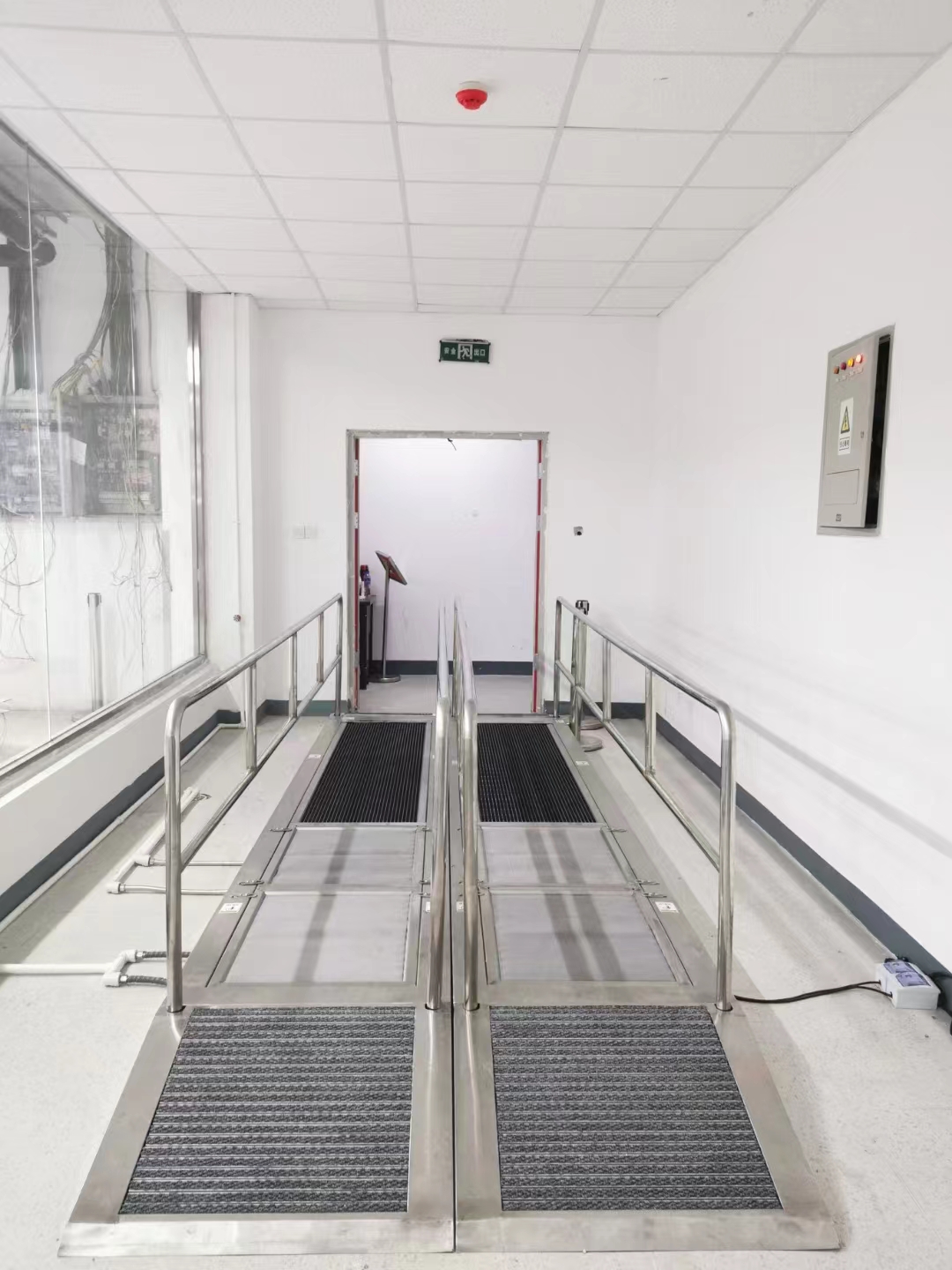
The movement of people and materials is a high-risk activity for contamination. The design of a clean room for sterile manufacturing facilities must incorporate controlled pathways to manage this risk.
Air Locks and Pass-Throughs: These are essential transition zones that allow materials and personnel to enter without compromising the cleanroom's pressure differentials. Material pass-throughs, often with interlocking doors, allow components to be transferred into the cleanroom after surface sterilization.
Segregated Pathways: The flow is designed to be logical and unidirectional where possible, preventing cross-contamination between "dirty" and "clean" areas and between different production batches.
Q1: What is the difference between a "clean room" and a "sterile" environment?
A1: A "clean room" controls the level of airborne particles (both viable and non-viable). A "sterile" environment is one that is completely free of viable microorganisms. A clean room for sterile manufacturing facilities is designed to be a clean room that enables aseptic processes, ultimately leading to the creation of a sterile product. The room itself is highly controlled, but sterility is achieved and maintained for the product within that environment.
Q2: How often is the air in a clean room changed?
A2: The air change rate is extremely high. In a critical ISO 5 area, the air can be completely changed every few seconds (upwards of 400-600 air changes per hour). In background areas like ISO 7 and 8, the rate is lower but still significant, typically ranging from 30 to 70 air changes per hour, to ensure rapid contamination dilution and removal.
Q3: Why is stainless steel so commonly used in clean room furniture and equipment?
A3: Stainless steel is preferred because it is durable, non-porous, corrosion-resistant, and has a smooth surface that is easy to clean and disinfect thoroughly. Most importantly, it is non-shedding, meaning it does not generate particulate contamination that could compromise the sterile environment.
Q4: What is the biggest challenge in maintaining a clean room for sterile manufacturing?
A4: While technological systems are highly reliable, the most persistent challenge is consistently controlling the human element. Ensuring that every operator, every time, perfectly follows complex gowning procedures and aseptic techniques requires continuous, rigorous training and a deeply ingrained culture of quality and discipline.
Q5: Can a clean room be certified after it is built?
A5: Yes, certification is a mandatory process. After construction, a new or modified clean room for sterile manufacturing facilities must undergo a rigorous performance qualification (PQ) process. This involves testing against ISO 14644 standards to verify particle counts, airflow velocity and pattern, pressure differentials, HEPA filter integrity, and recovery time. This certification must be repeated periodically and after any significant modifications.