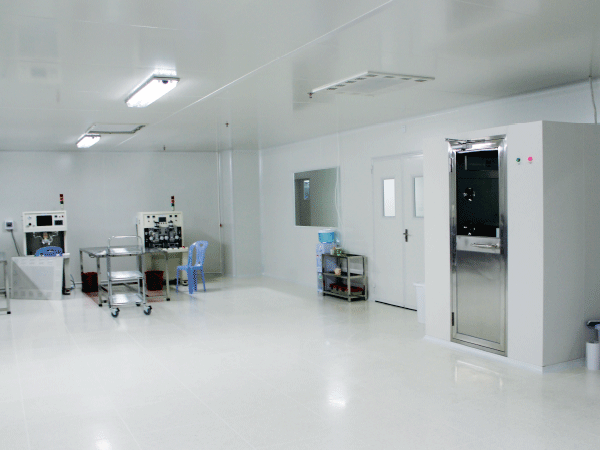
Contamination is the silent enemy in any laboratory. Whether you are handling sensitive electronics or conducting plant tissue culture, a single dust particle can ruin days of hard work. This is why selecting the right primary engineering control is a financial and operational priority for facility managers.
For many applications, a vertical clean bench offers the perfect balance of protection, ergonomics, and space efficiency. Unlike generic air filtration systems, these units provide a targeted ISO Class 5 environment directly at the work surface.
At TAI JIE ER, we understand that reliability is non-negotiable. This article breaks down the mechanics, benefits, and maintenance protocols of vertical laminar flow systems to help you decide if this equipment suits your facility.
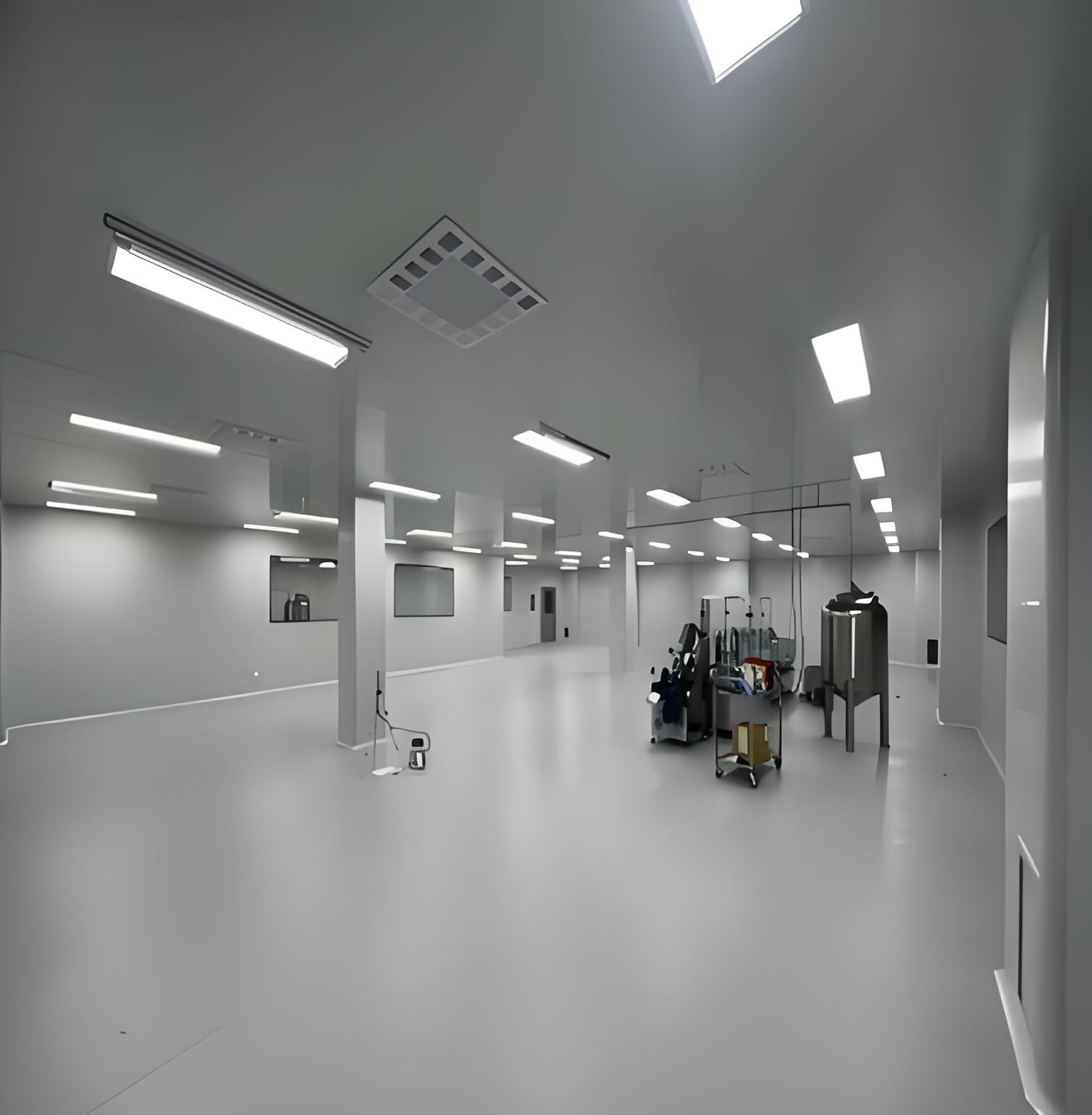
The core function of these cabinets relies on unidirectional airflow. In a vertical clean bench, air is drawn from the top of the unit through a pre-filter. It is then forced through a HEPA (High-Efficiency Particulate Air) or ULPA filter.
The filtered air flows downward vertically toward the work surface. Once it hits the surface, it splits and exits through the front sash and the rear perforations.
This downward gravity-assisted flow is beneficial for specific types of work. Since the air moves from top to bottom, it washes over the sample and pushes particles down and away. This design minimizes the risk of cross-contamination between items sitting next to each other on the bench.
One of the most common decisions lab managers face is choosing between vertical and horizontal flow directions. Both have their place, but the vertical clean bench has distinct advantages in specific scenarios.
Horizontal benches blow air from the back wall directly at the operator. If you are working with bulky equipment (like microscopes), the equipment can block the air, creating turbulence and "dead zones" behind the object where contaminants can settle.
Vertical flow avoids this. Because the air comes from above, it flows around large equipment more effectively. It creates a curtain of clean air that is less likely to be disrupted by the operator’s arm movements.
However, safety is the main differentiator. Neither type protects the operator. But a vertical flow cabinet is generally safer for the user than a horizontal one because it doesn't blow air (and potential fumes) directly into the user's face.
When selecting equipment, the materials used in construction matter as much as the filter efficiency. TAI JIE ER manufactures cabinets designed for longevity in rigorous industrial and research settings.
Our units typically feature 304-grade stainless steel worktables. This material resists corrosion from cleaning agents and is easy to sterilized. The outer casing utilizes cold-rolled steel with an anti-bacterial powder coating to prevent surface contamination.
Control systems are another critical aspect. Modern units come with digital displays that monitor airflow velocity and filter pressure. This ensures that the vertical clean bench is always operating within the required parameters to maintain ISO 5 cleanliness standards.
Not every task requires this specific airflow pattern. However, certain industries consider vertical flow the standard.
Plant Tissue Culture:In botany, samples are often tall or stored in deep containers. Vertical airflow enters the opening of the vessel from the top, ensuring the interior remains sterile. Horizontal flow might strike the side of the jar, failing to penetrate the container effectively.
Electronics Assembly:Soldering or assembling microchips often requires the use of microscopes. As mentioned earlier, the vertical flow moves around the microscope optics without creating turbulence, keeping the sensitive components dust-free.
Pharmaceutical Compounding (Non-Hazardous):For preparing non-hazardous sterile preparations, the vertical flow ensures that the critical zone remains bathed in HEPA-filtered air.
A vertical clean bench is not a substitute for a cleanroom, but it creates a clean zone within a standard room. To get the best performance, you must place the unit correctly.
Avoid placing the bench near high-traffic walkways, doors, or air conditioning vents. External air currents can disrupt the laminar flow curtain at the front of the sash.
The unit requires clearance above the top intake to allow for sufficient air volume. At TAI JIE ER, we recommend leaving at least 30cm of space between the top of the cabinet and the ceiling.
Ensure the flooring is level. If the bench tilts, spills can spread, and the airflow dynamics may shift slightly, though the primary concern is ergonomic stability for the operator.
Equipment longevity depends on protocol. The most expensive component of a vertical clean bench is the HEPA/ULPA filter. Extending its life saves money.
The pre-filter is your first line of defense. It traps large dust particles and lint. You should inspect the pre-filter monthly and clean or replace it as needed. If you ignore the pre-filter, the main HEPA filter will clog faster.
HEPA filters generally last 3 to 5 years, depending on the ambient air quality of the room. You cannot wash a HEPA filter. When the airflow velocity drops below 0.3 m/s even at maximum fan speed, it is time to replace the filter.
Regular certification is also required. An annual certification by a qualified technician ensures the velocity profile remains uniform and the filters are leak-free.
It is vital to distinguish between a clean bench and a Biosafety Cabinet (BSC). This is a common safety error in new labs.
A vertical clean bench provides product protection only. It blows air out toward the operator.
Do not use this bench for:
Pathogens (bacteria, viruses).Cell culture involving human fluids.Toxic chemicals or volatile solvents.Radioactive materials.
If you handle any of these materials, the airflow will blow them onto your clothes and into your breathing zone. For those applications, you need a Class II Biosafety Cabinet, which TAI JIE ER also manufactures. Always assess a risk assessment before starting work.
Working hours in a lab are long. A noisy fan can lead to operator fatigue and mistakes.
High-quality benches utilize centrifugal fans with external rotors. These are designed for low noise and low vibration. Vibration is particularly detrimental if you are doing precision work, such as micro-injection.
When testing a unit, check the decibel rating. A standard vertical clean bench should operate below 65 dBA. This allows for normal conversation and reduces stress on the laboratory staff.
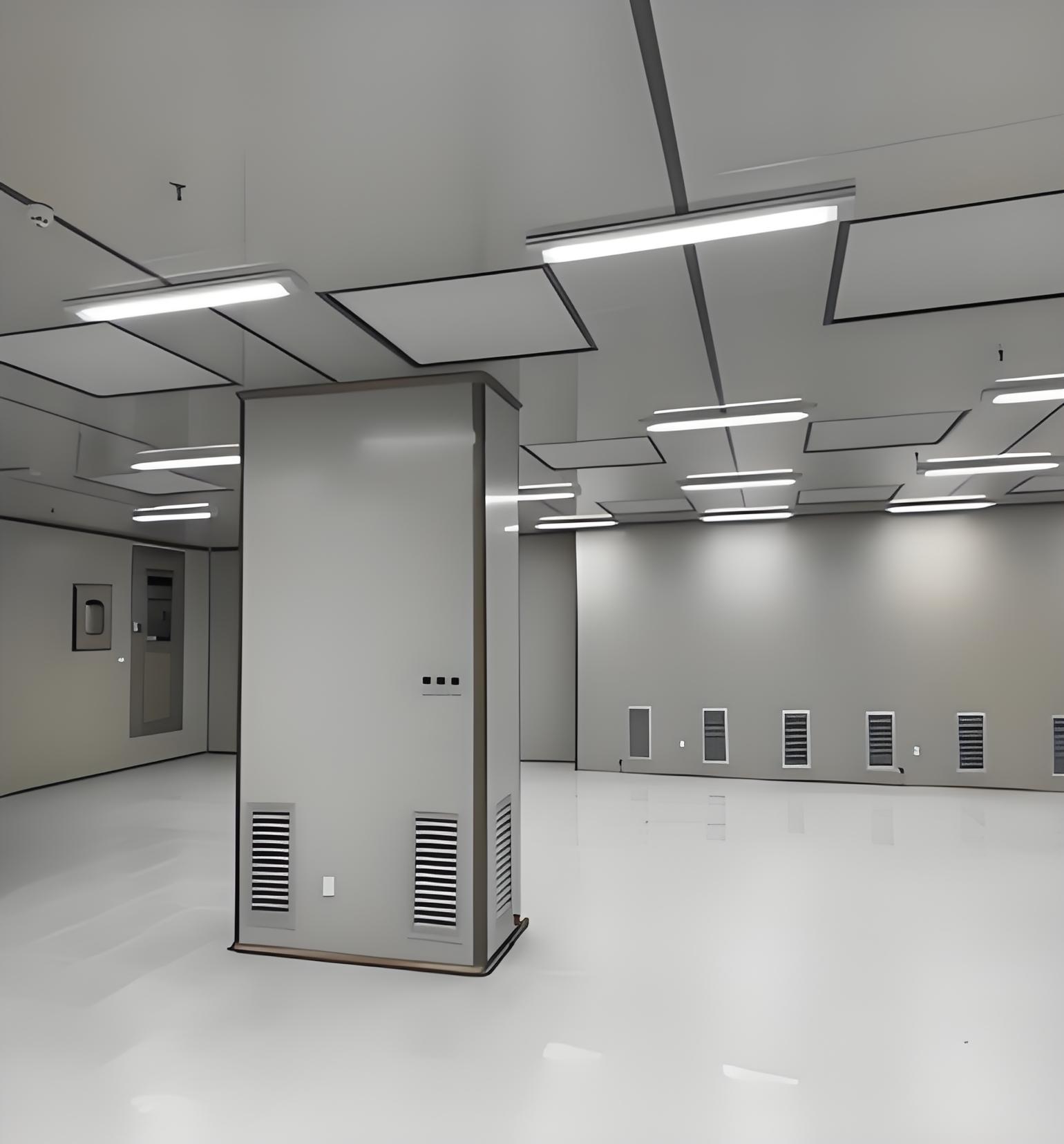
Most units come equipped with a UV lamp. This is a secondary sterilization method used to irradiate the work surface before work begins.
UV light is effective against surface bacteria but does not penetrate dirt or dust. Therefore, operators must physically clean the stainless steel surface with 70% ethanol before turning on the UV light.
Safety Note: Never work with the UV light on. It causes skin burns and eye damage. Modern TAI JIE ER units feature an interlock system that automatically cuts off the UV lamp when the sash is raised or the fluorescent light is turned on.
Choosing the right clean air equipment requires balancing protection needs, budget, and space. The vertical clean bench remains a staple in industries ranging from mycology to semiconductor manufacturing due to its ability to handle large equipment and deep vessels effectively.
By prioritizing build quality, consistent airflow, and proper maintenance, your facility can maintain high sterility rates and reduce product loss.
At TAI JIE ER, we are committed to engineering solutions that support your scientific breakthroughs. Ensure you evaluate your specific workflow requirements to confirm that vertical flow is the best methodology for your process.
Q1: Can I use a Bunsen burner inside a vertical clean bench?
A1: It is generally not recommended. The heat from the flame creates an updraft that disrupts the downward laminar airflow, potentially allowing contaminants to enter the sterile zone. Furthermore, the heat can damage the HEPA filter located directly above the work surface. If you must use heat, consider an electric incinerator or a low-profile burner specifically designed for laminar flow hoods.
Q2: How often should I leave the vertical clean bench running?
A2: Ideally, you should leave the unit running continuously if the lab is active daily. This keeps the work area constantly purged of particles. If you must turn it off, allow it to run for at least 15 to 30 minutes before beginning any work to re-establish the ISO Class 5 environment.
Q3: What is the difference between HEPA and ULPA filters in these benches?
A3: A standard HEPA filter removes 99.99% of particles sized 0.3 microns. An ULPA (Ultra-Low Particulate Air) filter is more efficient, removing 99.999% of particles sized 0.12 microns. For most general lab applications, HEPA is sufficient. ULPA is usually reserved for highly sensitive microelectronics manufacturing.
Q4: Can I repair the HEPA filter if it gets a small hole?
A4: No. Patching a HEPA filter is risky and rarely effective. Even a microscopic leak compromises the sterility of the entire bench. If the filter is damaged during installation or cleaning, it must be replaced immediately to ensure the vertical clean bench functions correctly.
Q5: Why is the air velocity gauge important?
A5: The gauge tells you if the fan is pushing enough air to maintain laminar flow. If the velocity is too low, the "curtain" of air is weak, and room air can mix with the sterile air. As the filter loads with dust over time, pressure increases and velocity drops; the gauge helps you know when to increase fan speed or change the filter.