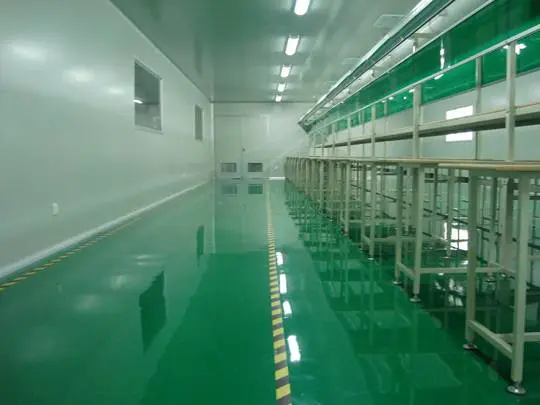
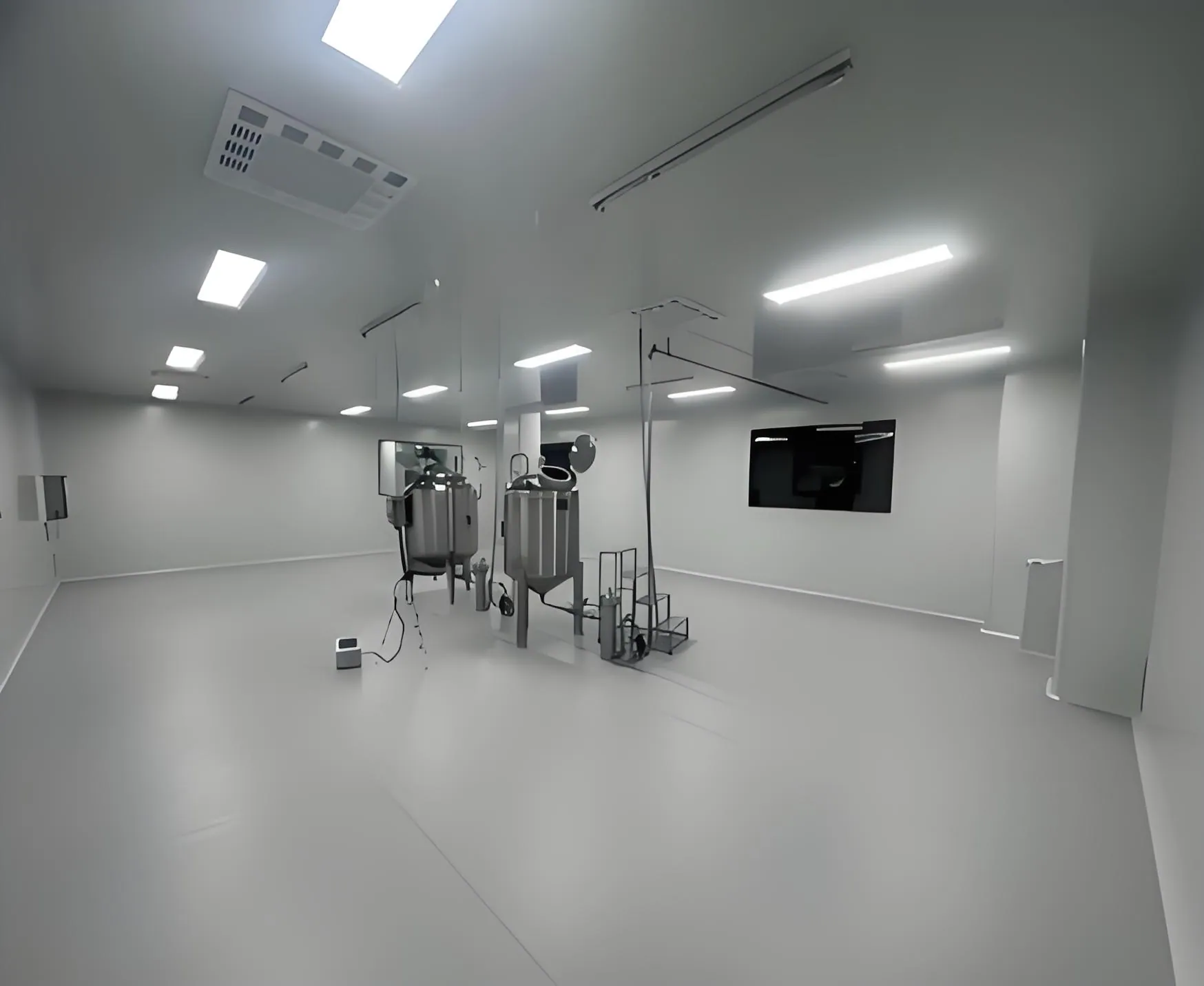
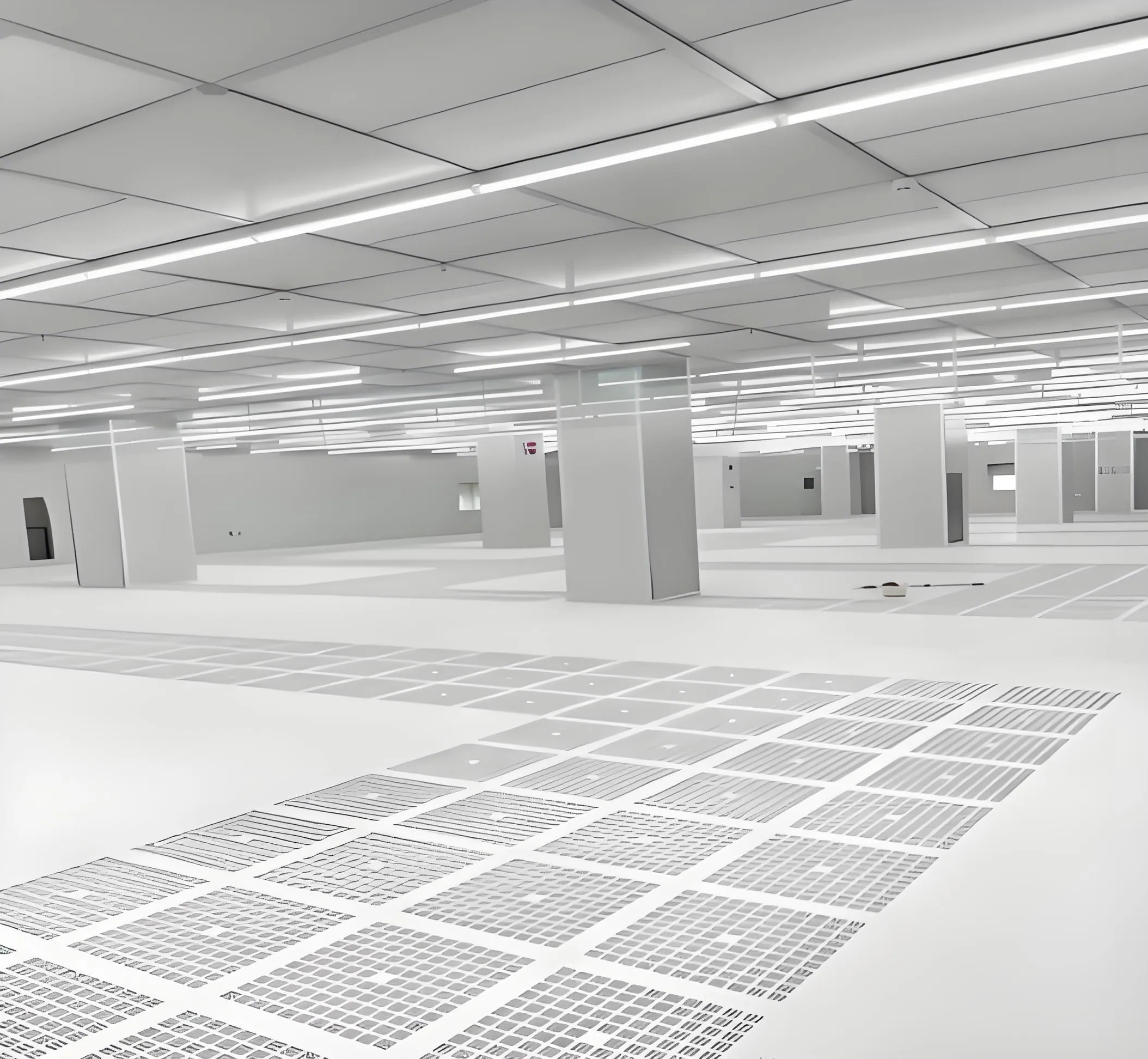
Cleanroom operators planning a validation-ready workflow can share their hood configuration and classification with TAI JIE ER to align vertical laminar flow hood cleaning with site SOPs, airflow verification, and documentation requirements. A vertical laminar flow hood, often described as a vertical clean bench, supplies filtered air through a HEPA filter and creates a unidirectional airflow pattern over the work zone. The cleaning task therefore extends beyond visible surface hygiene. It involves particle control, material compatibility, HEPA filter protection, gasket integrity, and a documented sequence that preserves ISO Class 5 conditions during routine operation and scheduled maintenance.
A vertical laminar flow hood is designed to protect the product or process inside the work zone, not the operator. This distinction shapes every cleaning decision. The HEPA filter, plenum, pre-filter, work surface, side walls, sash, and exterior surfaces each have different contamination profiles and cleaning constraints. Routine disinfection addresses microbial contamination and surface particles, while deep cleaning addresses residue, gasket soil, pre-filter loading, and hard-to-reach zones around the work surface perimeter.
Cleaning is not the same as certification. Certification confirms HEPA filter integrity, airflow velocity, airflow uniformity, and particle counts through tests such as PAO aerosol challenge, airflow visualization, and differential pressure checks. Cleaning removes contaminants and maintains the physical condition of the hood so that certification reflects a controlled and well-maintained unit. Confusing the two activities leads to incomplete SOPs, missed documentation, and unreliable cleanroom status.
Common industry pain points cluster around inconsistent wipe technique, incompatible disinfectants, lint from unsuitable wipes, residue buildup on stainless steel, and incomplete records. Production pressure can also lead to cleaning being treated as a quick wipe-down rather than a controlled activity. A robust program resolves these issues through agent selection, tool control, training, frequency logic, and traceable records.
Agent selection starts with material compatibility and residue control. Stainless steel work surfaces, polycarbonate or glass sashes, powder-coated exterior panels, and silicone gaskets respond differently to disinfectants and detergents. The cleaning agent should be validated for the cleanroom classification, compatible with the hood materials, and applied with low-lint wipes using a controlled wiping pattern. Aerosol sprays introduce particle plumes and overspray, so direct application to a wipe is generally preferred over fogging the work zone.
Isopropyl alcohol at 70% is widely used for compatible surfaces because it evaporates quickly and leaves limited residue when applied correctly. Neutral detergents support soil removal before disinfection. Purified water supports final residue removal where the validated SOP requires it. Sporicidal or oxidizing agents require a compatibility review and a clear residue-removal step. Cleaning tools should be dedicated to the hood or cleanroom zone, inspected before use, and replaced at defined intervals.
Compressed air and dry sweeping should not be used inside the work zone. These methods mobilise particles and can drive contamination toward the HEPA filter or into the surrounding cleanroom. Wiping should progress from clean to dirty areas, from top to bottom, and with overlapping strokes that lift soil rather than spread it. A practical test is to inspect the wipe after each pass and confirm that the surface dries within the validated contact time without visible streaks or film.
A repeatable sequence reduces variability between operators and shifts. The validated SOP should define blower status, sash position, gowning, tool staging, agent contact time, drying time, and the point at which production items may return. Many clean benches are cleaned with the blower running to maintain airflow and positive pressure within the work zone. The sash opening should be minimised to the extent allowed by the SOP, and the operator should avoid reaching across clean surfaces after they have been wiped.
Loose particles are removed first with a HEPA-filtered vacuum or a damp wipe, depending on the SOP. The interior is then cleaned from the upper rear surfaces toward the work surface, with each wipe stroke overlapping the previous one. The work surface receives a separate sequence from the rear edge to the front edge, followed by the side walls and interior glass. Disinfection follows cleaning so that soil does not shield microorganisms from the agent.
The pre-filter area, gaskets, and exterior panels complete the cleaning scope. Gaskets are inspected for cracks, compression set, and soil accumulation. The pre-filter grille is vacuumed with HEPA-filtered equipment or serviced according to the manufacturer’s specification. Exterior surfaces are cleaned with a compatible agent, taking care not to introduce liquid into electrical enclosures, control panels, or the HEPA filter housing. Any damaged gasket or loose panel should be documented and addressed through the maintenance workflow before the hood returns to service.
Frequency should follow the contamination control plan, hood usage, cleanroom classification, product exposure, and cleaning validation results. Daily surface disinfection may be appropriate for high-use production benches, while lower-use units may follow a different interval. Scheduled deep cleaning addresses gaskets, pre-filter areas, and plenum-adjacent surfaces that routine wiping does not reach. The SOP should state what is cleaned, by whom, with which agent, at what concentration, and how completion is recorded.
Training should cover wipe technique, agent dilution, contact time, gowning, tool control, and escalation triggers. Operators need to recognise when a surface change, persistent residue, airflow indicator change, or gasket damage requires engineering attention. TAI JIE ER supports cleanroom teams with protocol review, material compatibility planning, and documentation structures that connect cleaning records with certification and routine monitoring.
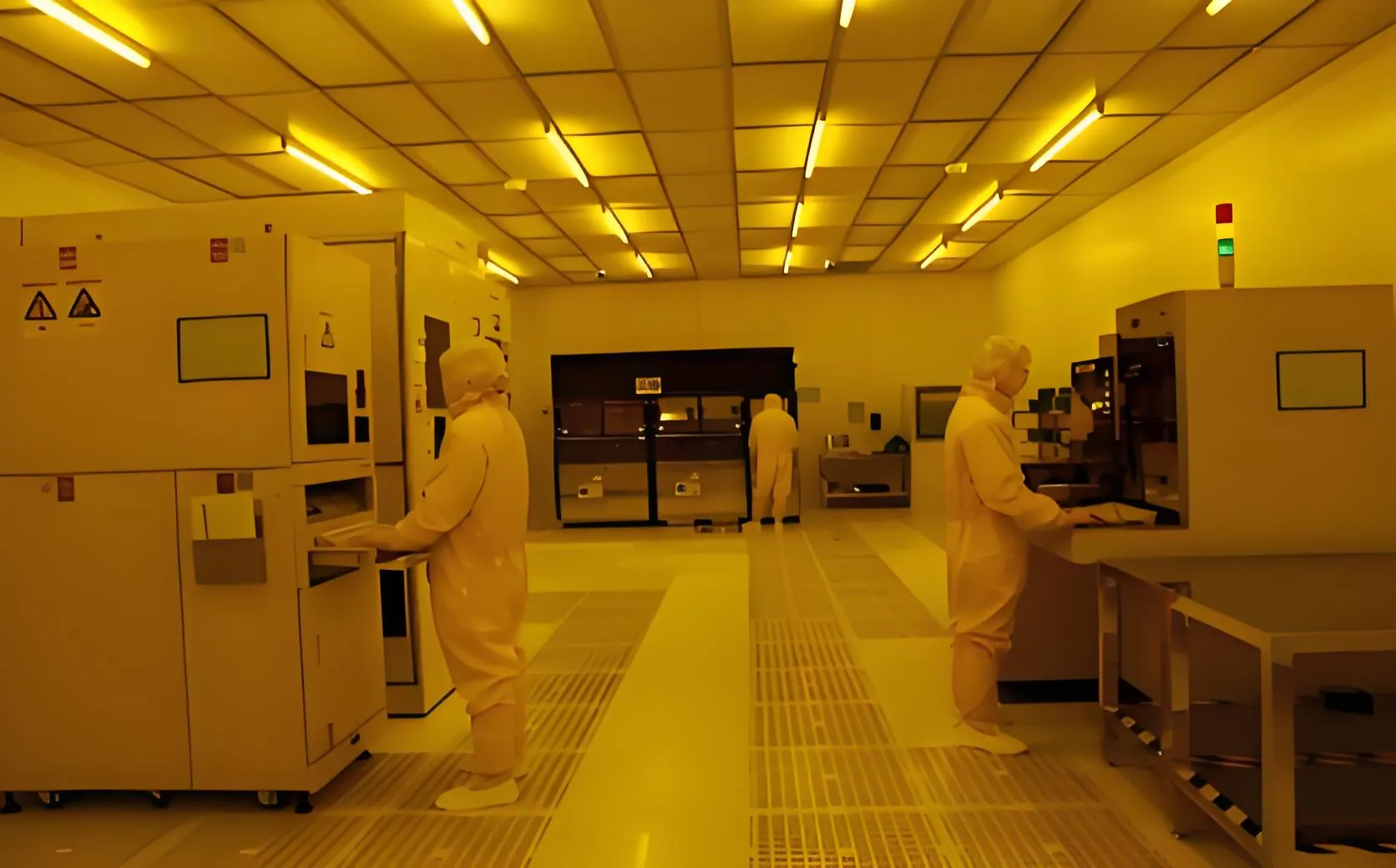
Verification confirms that cleaning has restored the work zone without disturbing airflow or filter performance. Visual inspection is the first check. The operator confirms that surfaces are dry, residue-free, and free of visible particles. Airflow indicators, differential pressure readings, and particle counts are reviewed against baseline values. If airflow velocity or uniformity changes after cleaning, the hood should be inspected for obstructed return air paths, displaced gaskets, or filter loading.
Periodic certification remains necessary even when cleaning records are complete. PAO aerosol challenge, airflow visualization, and particle count tests provide objective evidence of HEPA filter integrity and unidirectional airflow. Cleaning records support that certification by demonstrating controlled maintenance between test intervals. A documented response path for airflow changes, filter loading, and gasket defects keeps the hood within its intended operating envelope.
A: Household disinfectants may contain fragrances, surfactants, or residues that are incompatible with cleanroom surfaces and particle limits. A validated cleanroom agent with material compatibility data and a defined residue-removal step is more appropriate.
A: Many validated SOPs keep the blower running to maintain airflow and positive pressure while the operator cleans the work zone. The final decision depends on the hood design, site SOP, and cleaning validation. Sash position and operator movement should be controlled either way.
A: Frequency follows the contamination control plan, usage intensity, cleanroom classification, and cleaning validation. High-use benches may require daily surface disinfection and scheduled deep cleaning, while lower-use units may follow a different documented interval.
A: No. Cleaning maintains surface hygiene and physical condition, while certification verifies HEPA filter integrity, airflow velocity, airflow uniformity, and particle performance. The two activities are complementary and should be documented separately.
A: Low-lint cleanroom wipes with sealed edges are preferred. The wipe should be compatible with the cleaning agent, leave minimal residue, and be used with a controlled folding and turning technique to avoid spreading soil.
A: UV light does not remove particles, residue, or soil from surfaces. Manual cleaning with validated agents and wipes remains necessary, and UV use should follow the equipment specification and site SOP.
For site-specific SOP development, cleaning agent compatibility review, and cleanroom workflow planning, share your hood configuration, classification, and monitoring data with TAI JIE ER to request a technical inquiry on vertical laminar flow hood cleaning integration.