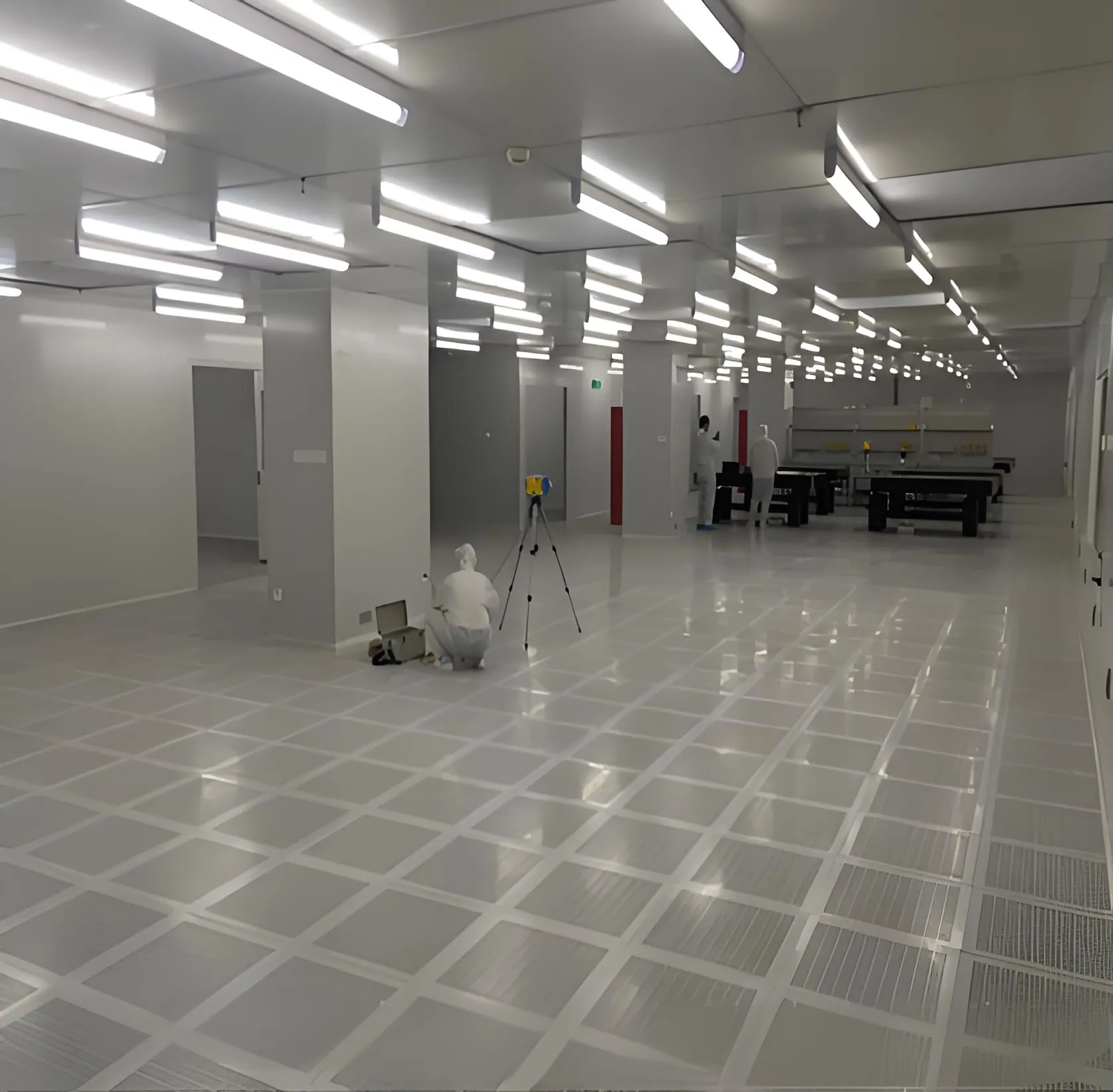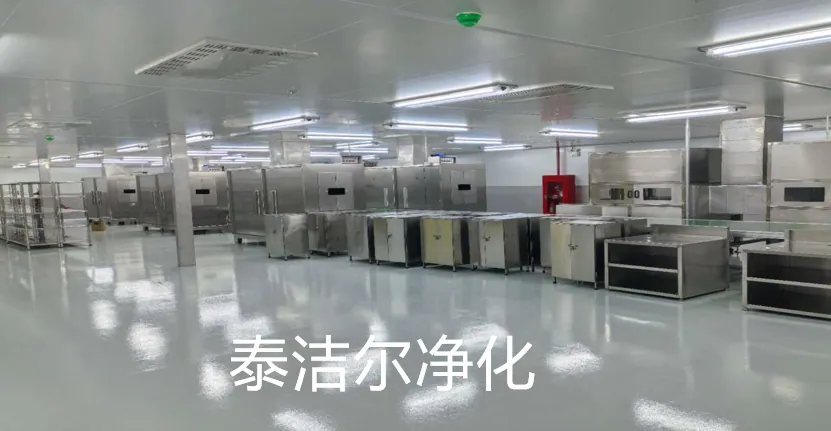
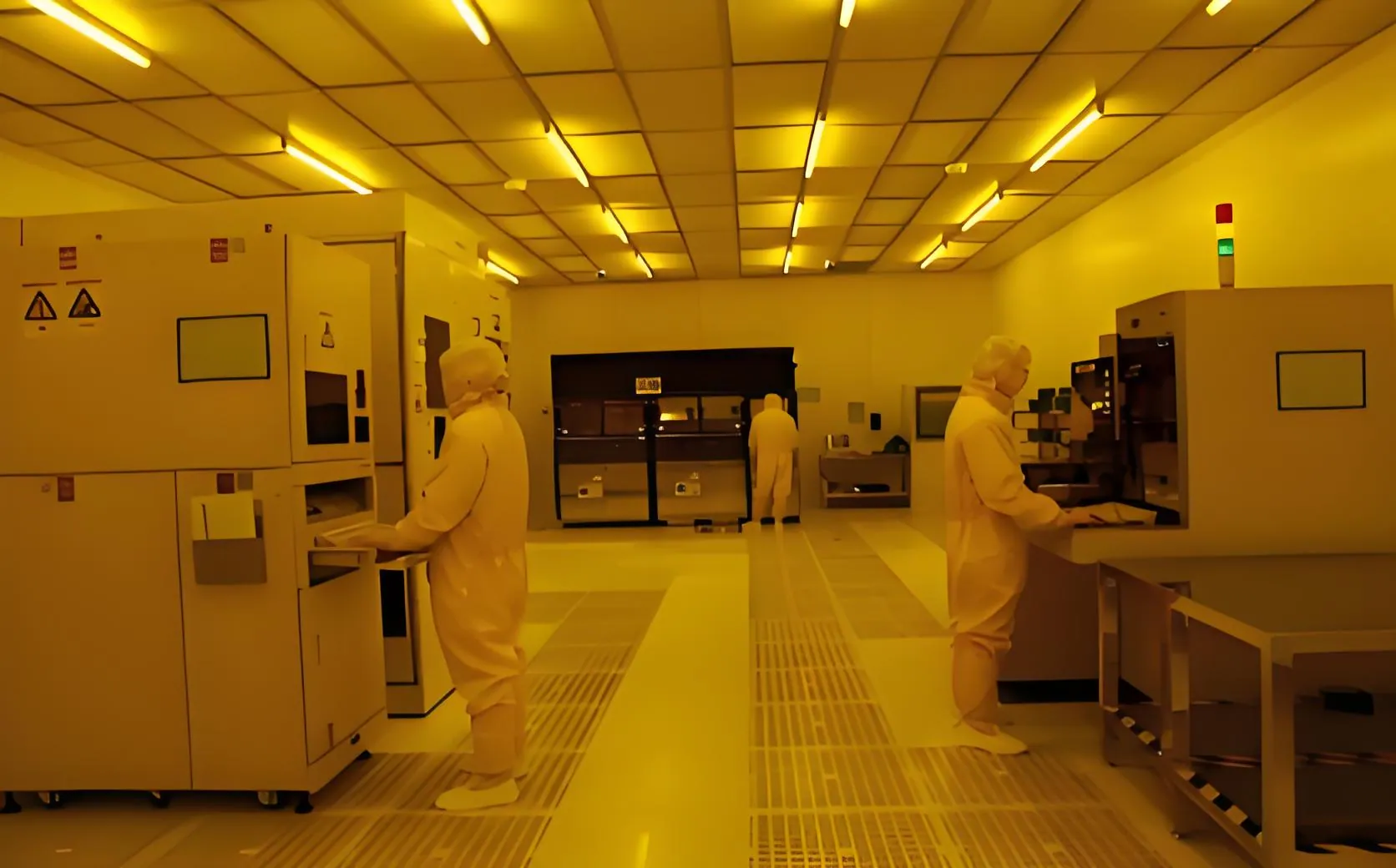
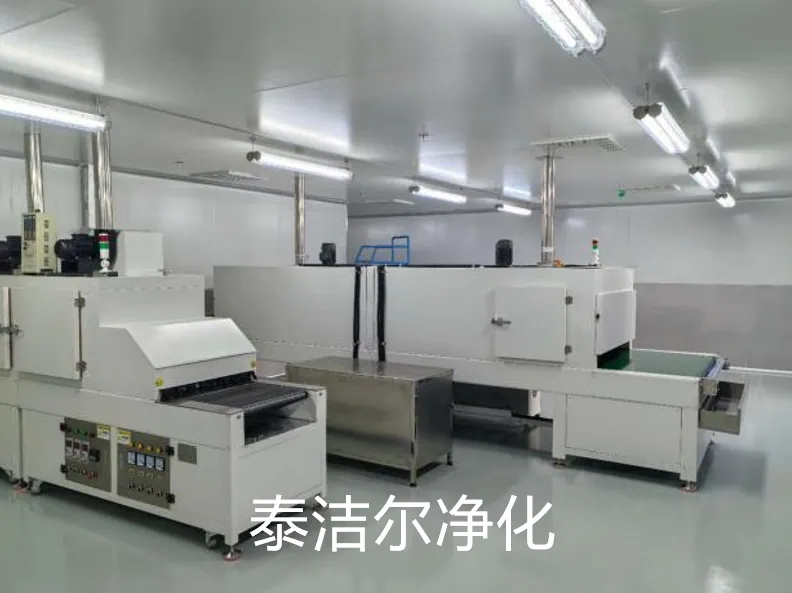
Modern high-technology manufacturing operates at physical and biological tolerances where a single sub-micron particle or stray microbial colony can invalidate an entire production batch. As semiconductor lithography advances below three nanometers and biopharmaceutical pipelines shift toward complex sterile injectables, ambient factory air becomes an active contaminant rather than a neutral medium. Disciplined Purification Engineering establishes the thermodynamic, aerodynamic, and architectural boundaries required to isolate sensitive processes from external environmental fluctuations.
Designing these facilities demands more than assembling filtration hardware; it requires synchronizing structural envelopes, psychrometric conditioning, and pressure cascades into a unified system. Organizations such as TAI JIE ER approach facility development by integrating computational fluid modeling with precision modular construction, ensuring that every cubic meter of conditioned air performs predictably under continuous industrial loads.
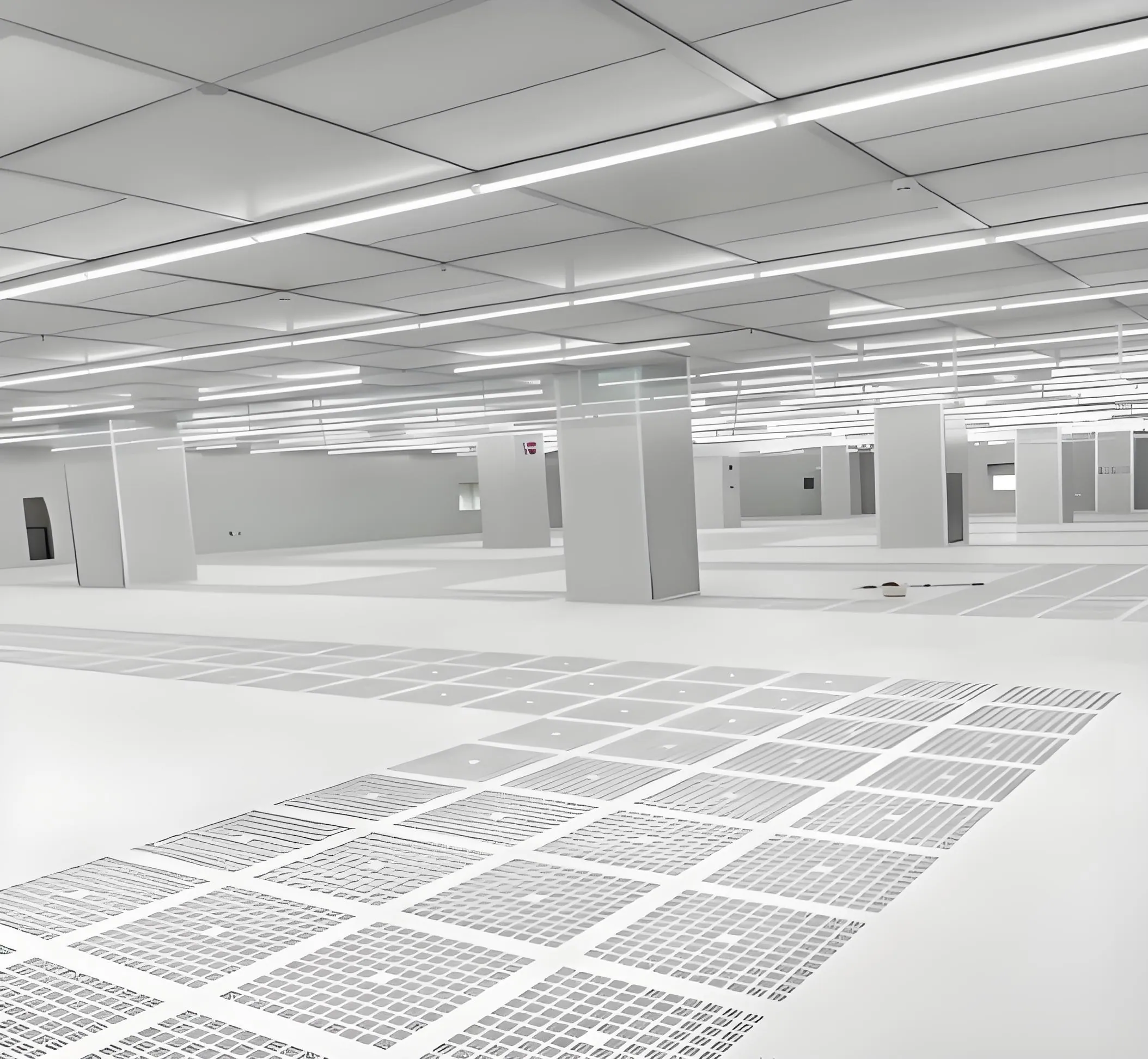
Every controlled environment relies on quantifiable physical baselines established by international regulatory frameworks, primarily ISO 14644-1 and regional Good Manufacturing Practice (GMP) annexes. These standards classify environments by the maximum allowable concentration of airborne particles per cubic meter across specific size thresholds, ranging from 0.1 micrometers to 5.0 micrometers. Achieving ISO Class 3 for wafer fabrication or EU GMP Grade A for aseptic filling depends on controlling how air enters, circulates through, and exits the workspace.
Selecting the proper airflow geometry dictates both equipment layout and energy expenditure across the facility.
Before physical installation begins, engineers validate these airflow paths using Computational Fluid Dynamics (CFD) simulations. Mapping thermal plumes from heat-generating process tools reveals potential recirculation eddies or stagnant dead zones, allowing return-air chase locations to be adjusted prior to steel fabrication.
Airflow directionality between adjacent rooms prevents cross-migration of particulates whenever doors open or envelope seals experience microscopic leakage. Facilities maintain strict positive pressure cascades—typically stepping down in increments of 10 to 15 Pascals from the cleanest core zone toward outer corridors—to ensure outward exfiltration of clean air. Conversely, suites handling potent active pharmaceutical ingredients (APIs) or biohazardous agents operate under negative pressure cascades relative to surrounding buffer spaces, guaranteeing inward air movement that contains hazardous aerosols.
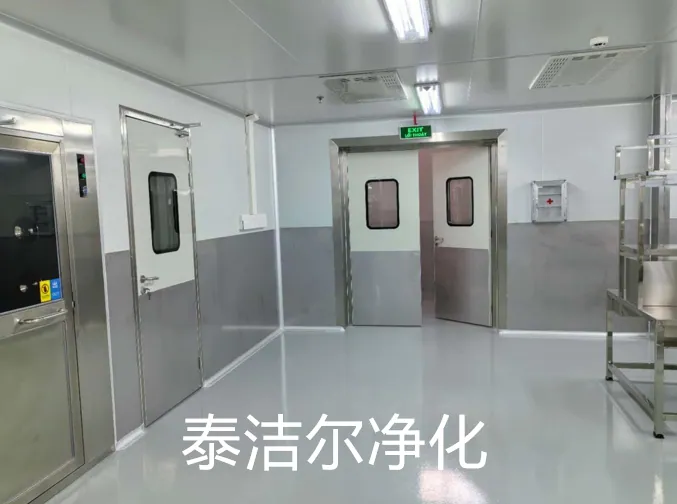
Transitioning personnel and materials across these pressure boundaries requires dedicated airlocks. Personnel Airlocks (PALs) enforce gowning protocols through interlocked doors and step-over benches, while Material Airlocks (MALs) incorporate pass-through chambers equipped with UV-C irradiation or misting decontamination cycles. Properly tuned variable air volume (VAV) dampers compensate instantaneously for door-opening pressure drops, stabilizing the cascade within seconds.
Maintaining verified cleanroom classifications over multi-year operational cycles depends on the synergy between filtration media, gaseous scrubbing, and non-shedding architectural surfaces.
Terminal ceiling filters represent only the final barrier in a multi-tiered air treatment train. Outdoor makeup air first passes through coarse pre-filters (G4) and medium-efficiency bag filters (F8 or MERV 14) inside the primary Air Handling Unit (AHU) to capture macroscopic dust and extend the service life of downstream components. Cooling coils, steam humidifiers, or desiccant dehumidification wheels then condition temperature and relative humidity to exact process setpoints.
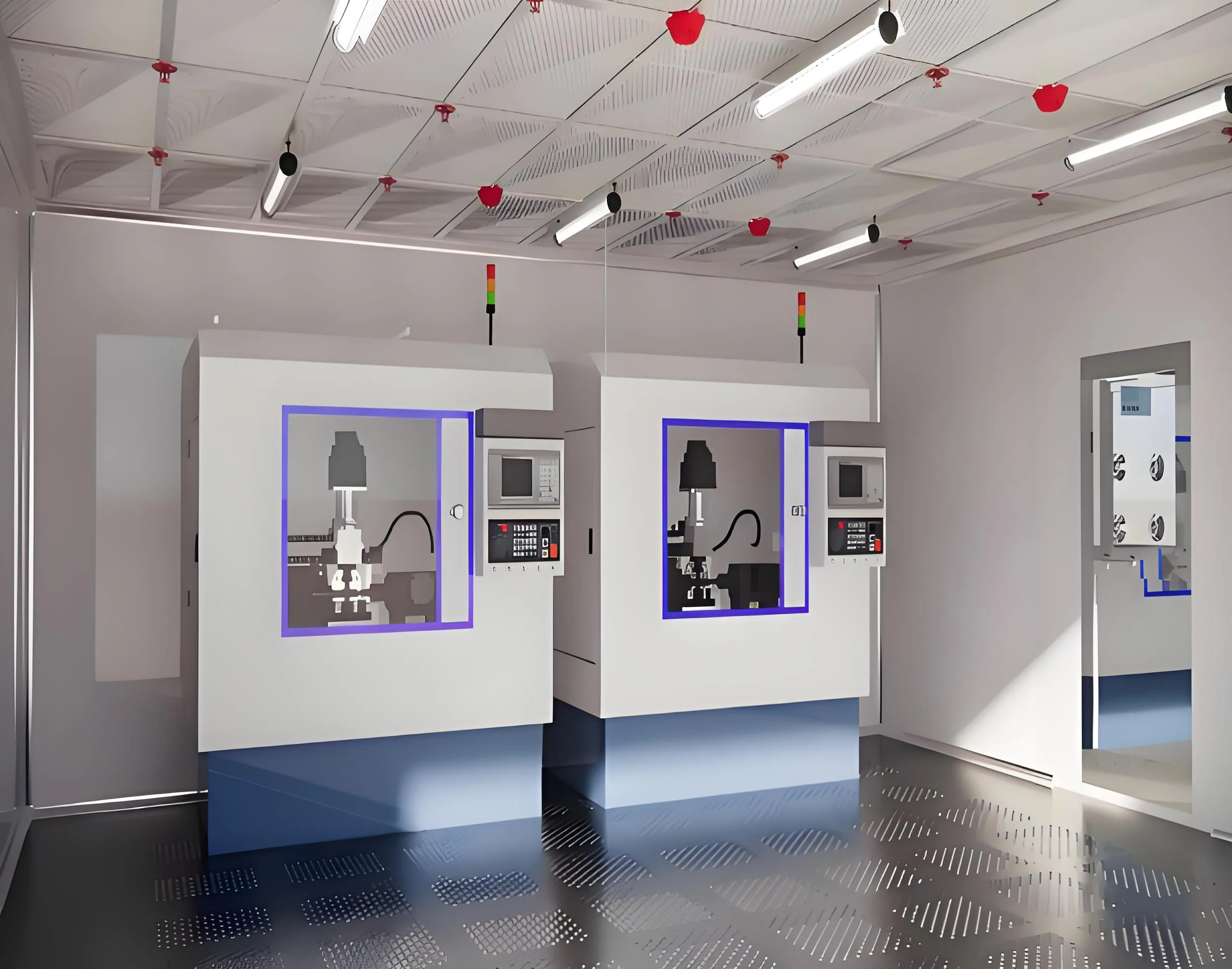
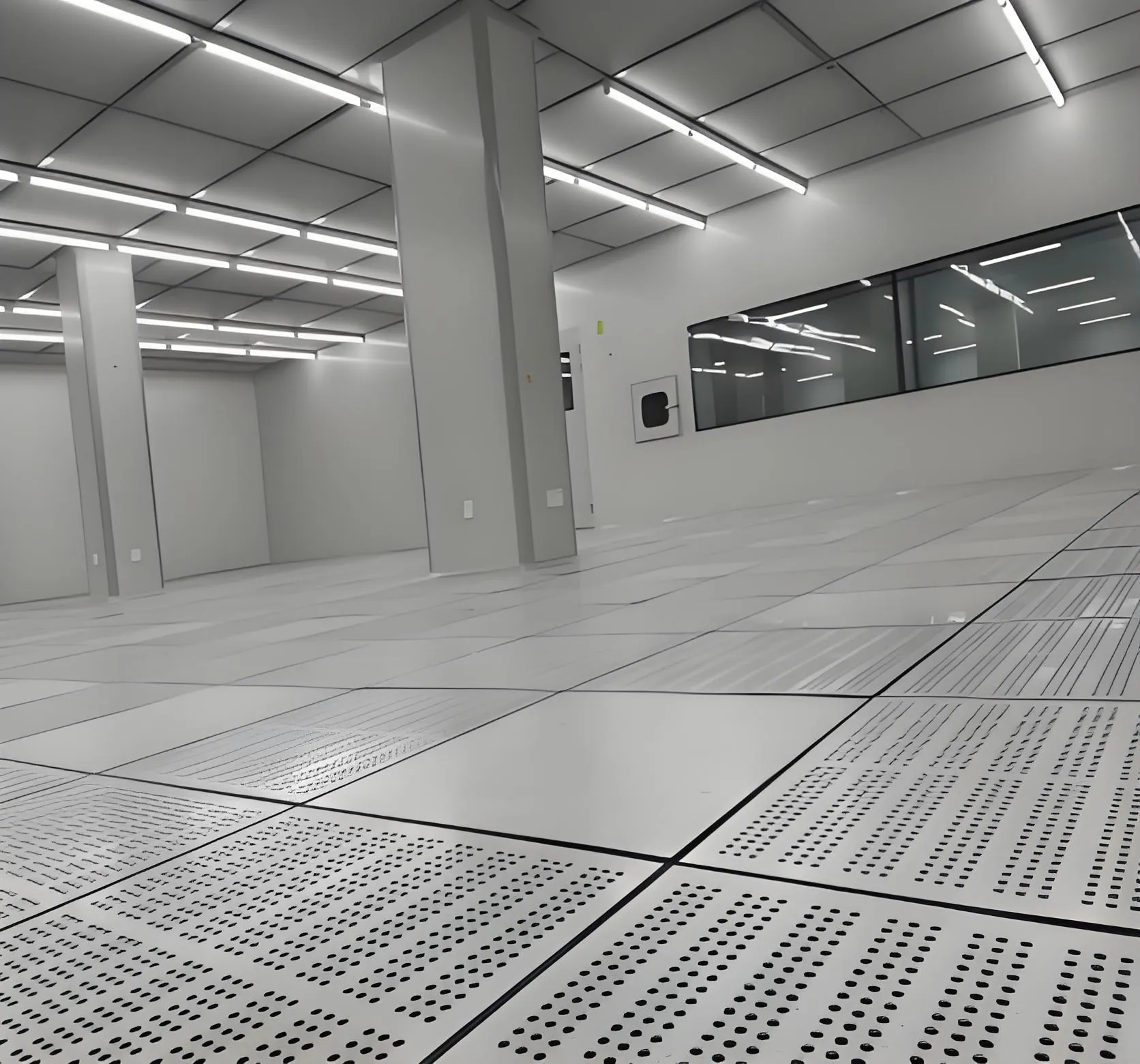
Terminal filtration utilizes either High-Efficiency Particulate Air (HEPA) filters—rated H13 or H14 under EN 1822 to capture 99.95% to 99.995% of particles at the Most Penetrating Particle Size (MPPS)—or Ultra-Low Particulate Air (ULPA) filters rated U15 through U17, achieving up to 99.999995% efficiency down to 0.12 micrometers. Modern cleanroom ceilings deploy modular Fan Filter Units (FFUs) arranged in anodized aluminum T-bar grids. Depending on the target classification, ceiling filter coverage scales from 15% in ISO Class 8 zones up to 100% in ISO Class 3 lithography bays. Gel-seal knife-edge frames eliminate bypass leakage along perimeter gaskets, preserving filter integrity under continuous static pressure.
Sub-micron particulate filters cannot arrest gaseous molecules, which pass freely through glass-fiber media. In advanced semiconductor fabs and optical coating facilities, Airborne Molecular Contamination—categorized into acids, bases, condensable organics, and dopants—causes catastrophic surface defects such as lens hazing, wafer corrosion, and altered silicon doping profiles.
Addressing molecular pollutants requires integrating chemical filtration beds directly into makeup air units and recirculating FFU plenums. Activated carbon granules capture volatile organic compounds (VOCs) and condensables, while chemically impregnated alumina or ion-exchange resins neutralize acidic gases (such as sulfur dioxide and hydrogen fluoride) and basic amines (such as ammonia). Real-time ion mobility spectrometry monitors trace parts-per-billion (ppb) concentrations, triggering media replacement schedules well before breakthrough compromises production yields.
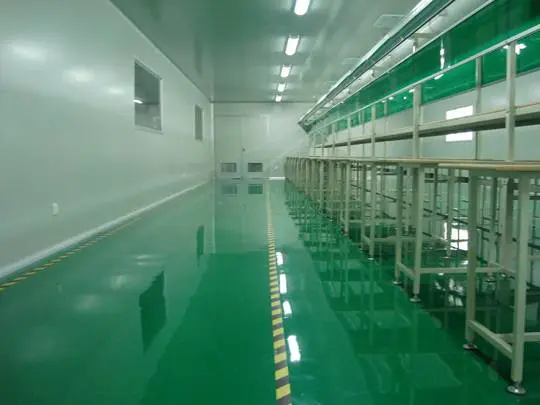
Every interior surface inside a controlled zone must resist abrasion, chemical sterilization, and static charge accumulation without outgassing volatile compounds.
Standardized cleanroom templates rarely satisfy the conflicting thermal, chemical, and biological constraints of specialized industries. Tailoring facility architecture to specific process physics eliminates operational bottlenecks.
Photolithography, etching, and wafer bonding tools reject even minor thermal drift or structural vibration. A temperature shift of 0.5 degrees Celsius can induce thermal expansion across optical stepper lenses, distorting circuit alignment at nanometer scales. Engineering solutions center on precision chilled-water coil modulation and dual-stage reheat loops that stabilize room temperatures within plus or minus 0.1 degrees Celsius and relative humidity within plus or minus 1% RH.
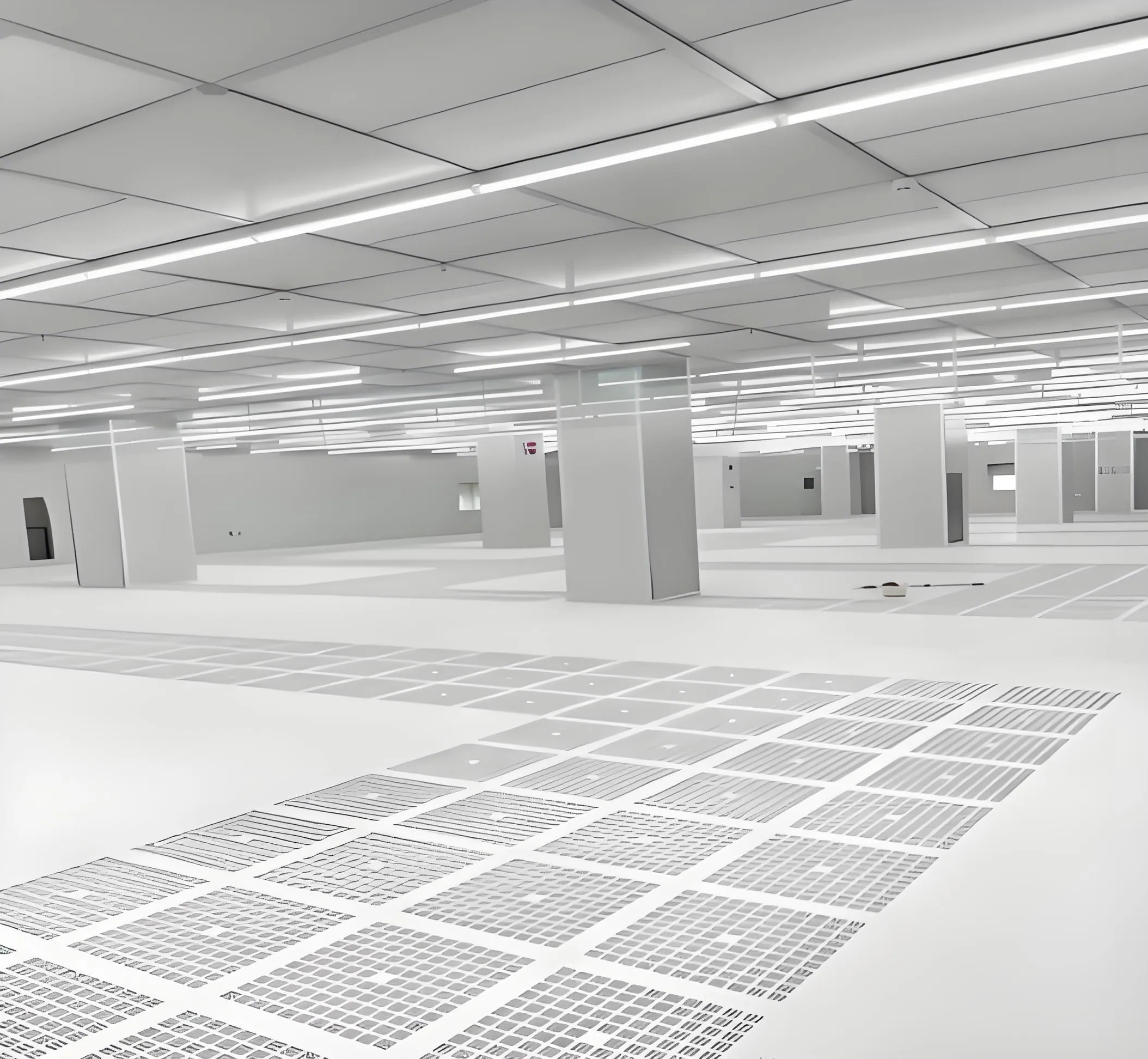
High-density cleanrooms also utilize two-story or three-story ballroom designs featuring deep perforated waffle slabs. Process exhaust ducts, ultra-pure water (UPW) piping, specialty gas manifolds, and vacuum lines run inside the sub-fab below the waffle slab, keeping maintenance technicians out of the ultra-clean production bay. Isolated structural foundations physically decouple sensitive metrology tools from the vibration generated by rooftop chillers and primary air handlers.
Sterile drug manufacturing shifts the engineering priority from inorganic particulates to viable microbial control and cross-contamination containment. Regulatory bodies under EU GMP Annex 1 emphasize strict separation between operators and exposed sterile product. Facilities achieve this separation by housing filling lines inside Closed Restricted Access Barrier Systems (RABS) or fully sealed positive-pressure isolators equipped with integrated glove ports.
Sanitizing these enclosures relies on automated Vaporized Hydrogen Peroxide (VHP) bio-decontamination cycles. Consequently, internal air handling dampers must seal gas-tight during fumigation, and exhaust pathways must incorporate catalytic converters to break down residual hydrogen peroxide safely before discharge. Clean-in-Place (CIP) and Sterilize-in-Place (SIP) utility loops constructed from electropolished 316L stainless steel orbital-welded piping supply Water for Injection (WFI) and pure steam without dead legs that harbor bacterial growth.
Implantable medical devices, diagnostic microfluidics, and laser optics demand stringent control over both bioburden and non-viable residue. Hydrocarbon vapors from lubricants or plasticizers can condense onto high-energy laser mirrors, causing permanent thermal damage under operational loads. Controlled environments serving these sectors employ desiccant dew-point control down to -40 degrees Celsius for moisture-sensitive diagnostics alongside oil-free compressed air networks and dedicated local exhaust hoods positioned directly above solvent bonding stations.
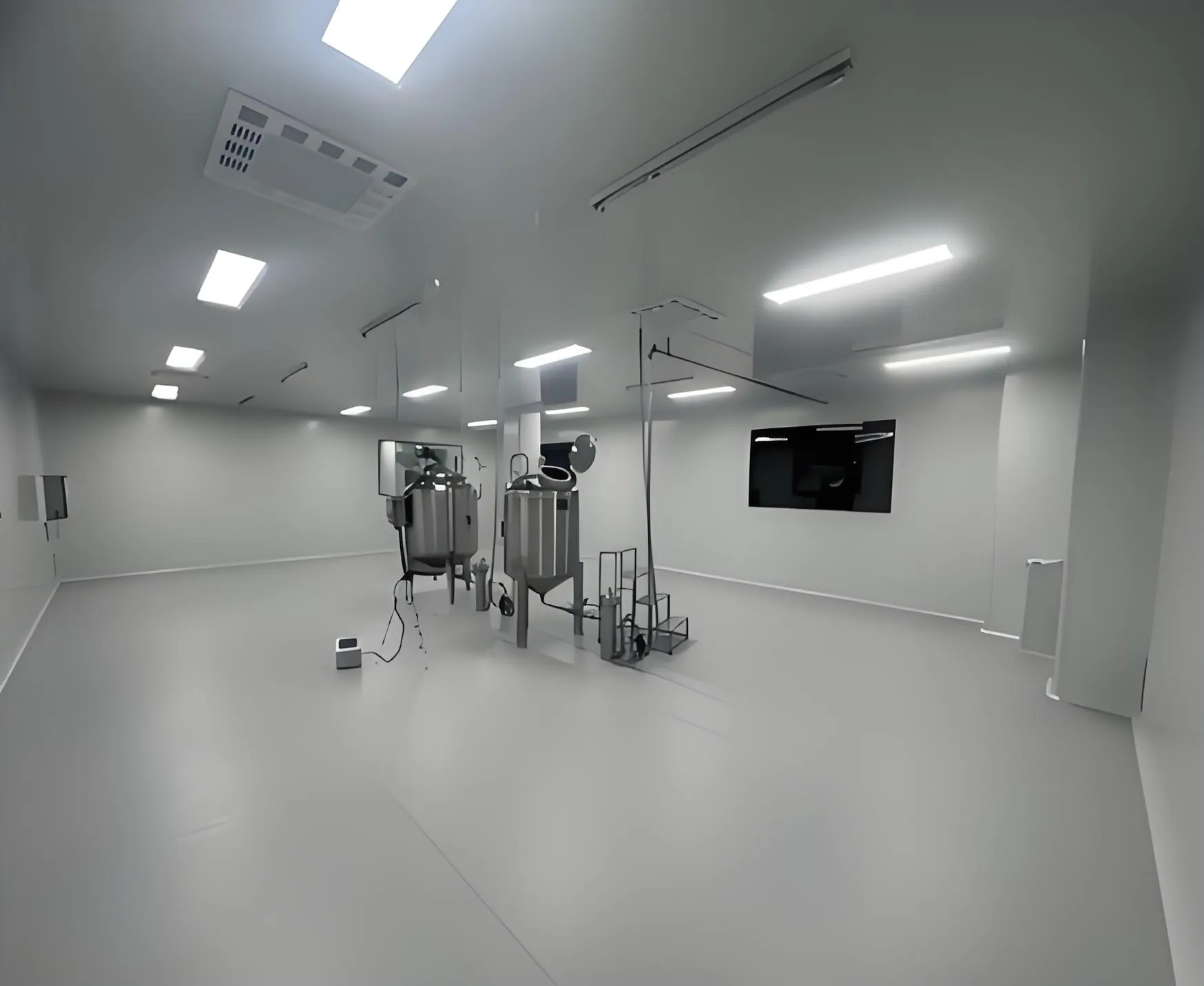
Running high Air Changes Per Hour (ACH)—often exceeding 300 to 600 exchanges per hour in unidirectional ISO Class 4 suites—makes controlled environments ten to fifty times more energy-intensive per square meter than conventional commercial buildings. Reducing this thermodynamic burden without compromising airborne cleanliness requires intelligent hardware selection and dynamic control strategies.
Modern facility upgrades replace legacy belt-driven AC fans with Electronically Commutated (EC) direct-drive motors across FFUs and air handlers, cutting fan power consumption by 30% to 45% while eliminating belt-wear particulate shedding. Integrating rotary enthalpy recovery wheels pre-conditions incoming outdoor air using exhausted indoor air, slashing chiller and boiler loads. During unoccupied maintenance periods, automated Building Management Systems (BMS) execute night-setback protocols that lower airflow velocities while strictly preserving positive differential pressure cascades.
Validating that these interconnected mechanical and architectural components perform as designed requires structured Commissioning and Qualification (C&Q) protocols:
Long-term reliability in Purification Engineering depends on seamless coordination across every phase of commissioning and preventive maintenance. By embedding automated Environmental Monitoring Systems (EMS) with continuous laser particle counters and differential pressure transmitters, TAI JIE ER enables facility operators to detect filter loading trends and pressure drift long before regulatory thresholds are challenged.
How is the required Air Changes Per Hour (ACH) determined for a specific cleanroom classification?
Air Changes Per Hour is calculated based on the target ISO class, internal particle generation rates from personnel and machinery, room volume, and desired contamination recovery time. While ISO Class 8 environments typically require 15 to 25 ACH for effective turbulent dilution, ISO Class 6 spaces often demand 70 to 160 ACH. Unidirectional zones (ISO Class 5 and cleaner) are governed by target cross-sectional face velocity (0.36 to 0.54 m/s) rather than simple volumetric exchange rates.
What distinguishes HEPA filtration from ULPA filtration in industrial applications?
The primary distinction lies in capture efficiency at the Most Penetrating Particle Size (MPPS) and resulting static pressure drop. Standard H13 and H14 HEPA filters capture 99.95% to 99.995% of particles at 0.3 micrometers, making them standard for pharmaceutical suites, medical device assembly, and ISO Class 5-8 facilities. ULPA filters (U15-U17) achieve 99.9995% to 99.999995% efficiency down to 0.12 micrometers, serving semiconductor lithography and nanoscale research where sub-0.2-micron defectivity is unacceptable, though their denser media requires higher fan static pressure.
How do facility designs prevent cross-contamination between adjacent manufacturing suites?
Cross-contamination control relies on physical segregation combined with aerodynamic pressure zoning. Facilities utilize dedicated air handling units for incompatible processes, install double-door interlocked airlocks for material and personnel transfers, and maintain graduated pressure differentials—often using positive-pressure bubble airlocks or negative-pressure sink airlocks to isolate potent compounds from general corridors.
Why is Airborne Molecular Contamination (AMC) testing necessary alongside laser particle counting?
Optical laser particle counters detect discrete solid or liquid aerosols down to roughly 0.1 micrometers, leaving sub-nanometer gaseous molecules completely invisible. Vapors such as ammonia, organophosphates, sulfur compounds, and volatile silicones pass directly through HEPA and ULPA glass-fiber media. Chemical sampling via impingers, thermal desorption tubes, and real-time analyzers verifies that molecular scrubbers are protecting sensitive wafers, optics, and catalytic surfaces.
What testing states are required during cleanroom certification under ISO 14644-1?
ISO 14644-1 defines three distinct occupancy states for certification: As-Built (facility completed with all services connected, but no production equipment or personnel present), At-Rest (production equipment installed and operating as specified, without personnel), and Operational (facility functioning under normal production loads with the full complement of personnel). Certification protocols specify which states apply based on industry regulatory mandates.
How can existing facilities lower cleanroom HVAC energy consumption without compromising compliance?
Existing facilities achieve substantial energy savings by retrofitting legacy AC blower motors with high-efficiency EC fan arrays, sealing ductwork and ceiling grid bypass leaks to reduce unnecessary static losses, and implementing demand-controlled setback schedules. Lowering air change rates during non-operational hours while holding positive pressure differentials preserves cleanroom integrity at a fraction of peak power draw.
Executing high-performance Purification Engineering requires aligning mechanical design, architectural tolerances, and validation documentation under a single accountable engineering workflow. Whether upgrading an existing ISO Class 7 assembly line or constructing a greenfield ISO Class 4 semiconductor fab, early technical alignment prevents costly field modifications during commissioning.
Engineering teams, project managers, and procurement specialists seeking tailored contamination control architectures can connect directly with TAI JIE ER for comprehensive technical consultations. Submit your facility floor plans, target ISO or GMP classifications, utility load parameters, and project timelines through our inquiry channel to receive a customized system engineering proposal and preliminary airflow design assessment.