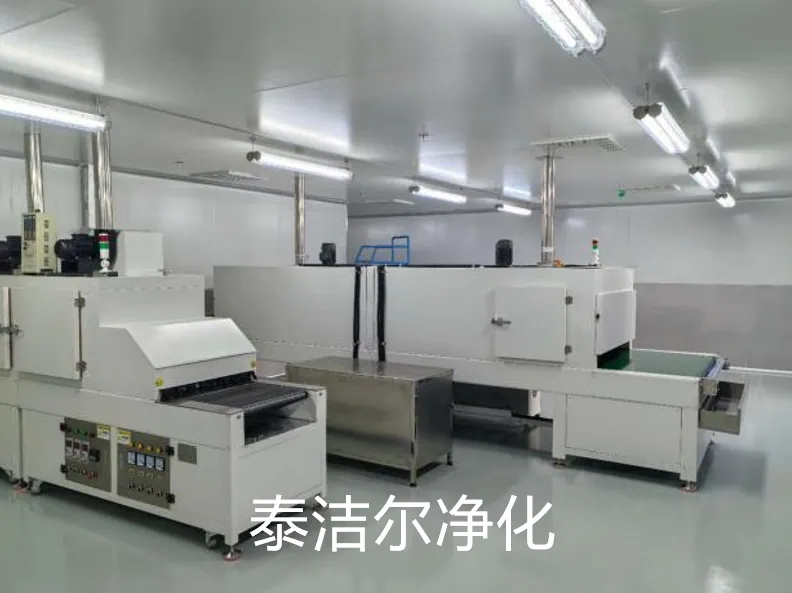
In advanced manufacturing sectors, microscopic airborne contaminants dictate the boundary between high product yield and catastrophic batch failure. Establishing a high-performance dust-free workshop requires far more than simply installing a few air filters; it demands a holistic, scientifically rigorous approach to environmental control. Facility managers and process engineers must synchronize airflow dynamics, structural material thermodynamics, and strict pressure differentials to maintain a stable, particulate-free environment. As manufacturing tolerances shrink into the nanometer scale across various industries, the structural and mechanical integrity of these controlled environments becomes the primary driver of operational success.
Achieving an optimal controlled environment relies on the seamless integration of architectural envelopes and mechanical systems. Every square meter of the facility must be engineered to prevent particle generation, retention, and ingress. From the initial schematic design to the final validation of airflow velocities, engineering teams—such as the specialists at TAI JIE ER—focus on balancing stringent international compliance with long-term operational sustainability. Understanding the underlying physics of particle behavior and thermodynamics is the first step toward building a facility that supports precision manufacturing.
The global benchmark for quantifying the cleanliness of a controlled environment is the ISO 14644-1 standard. This classification system categorizes facilities based on the maximum allowable concentration of airborne particles per cubic meter at specified micrometer sizes. Before drafting the architectural blueprints, engineers must define the exact ISO class required by the manufacturing process, as this metric dictates the Air Changes Per Hour (ACH), filtration efficiency, and airflow pattern.
Transitioning from the obsolete Federal Standard 209E (which used imperial measurements like Class 100, 1,000, and 10,000) to the metric ISO standard allows for more granular particle counting at the 0.1, 0.2, 0.3, 0.5, 1.0, and 5.0-micron thresholds. Engineers must account for the facility's state of occupancy—whether "as-built," "at-rest," or "operational"—because human operators and active machinery significantly alter the particulate load within the space.
The physical shell and mechanical heart of a dust-free workshop must work in tandem to isolate the interior climate from external fluctuations. This isolation requires specialized architectural materials that do not shed particles, alongside a robust Heating, Ventilation, and Air Conditioning (HVAC) infrastructure capable of precise psychrometric control.
Standard commercial HVAC systems are designed solely for thermal comfort; cleanroom HVAC systems are engineered for pressurization, dehumidification, and particulate removal. The system typically begins with a Make-Up Air Unit (MAU) that conditions incoming fresh air, stripping away gross particulates and moisture before the air enters the recirculation loop. In large-scale facilities, the MAU works alongside Recirculating Air Handling Units (RAHUs) or a decentralized array of Fan Filter Units (FFUs).
FFUs represent a modular approach to ceiling filtration. Each self-contained unit houses a motorized impeller and a HEPA or ULPA filter, drawing conditioned air from an interstitial ceiling plenum and pushing it into the work zone at a uniform velocity, typically 0.45 meters per second (±20%). This pressurized plenum design reduces the need for extensive, hard-ducted supply lines, lowering static pressure losses and simplifying future layout reconfigurations.
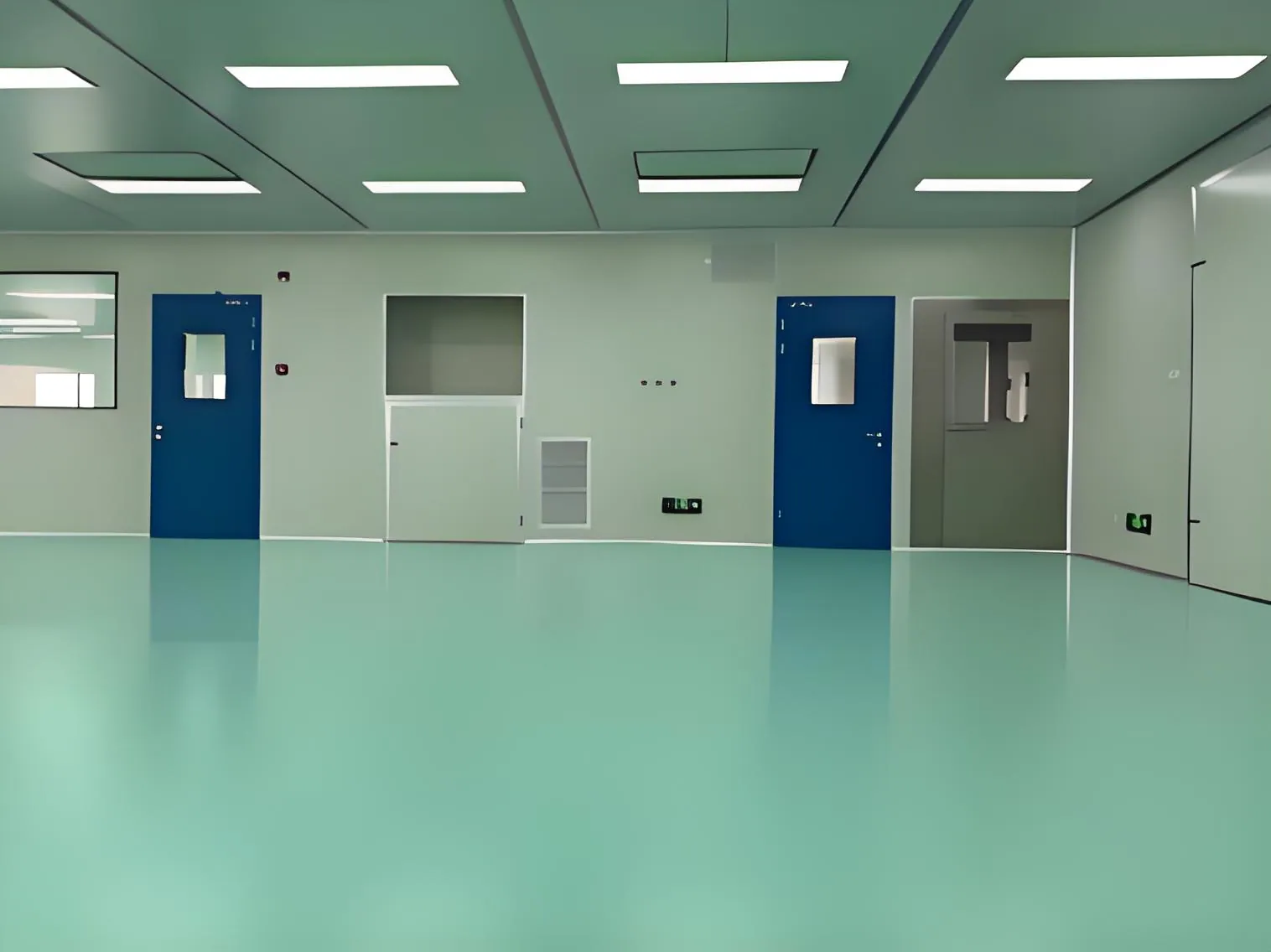
The internal surfaces of the facility must be impervious to moisture, resistant to harsh chemical sanitizers, and completely devoid of crevices where microbial growth or particulate accumulation could occur. Modular wall systems are the industry standard, utilizing sandwich panels with specific core materials tailored to the facility's fire rating and acoustic requirements.
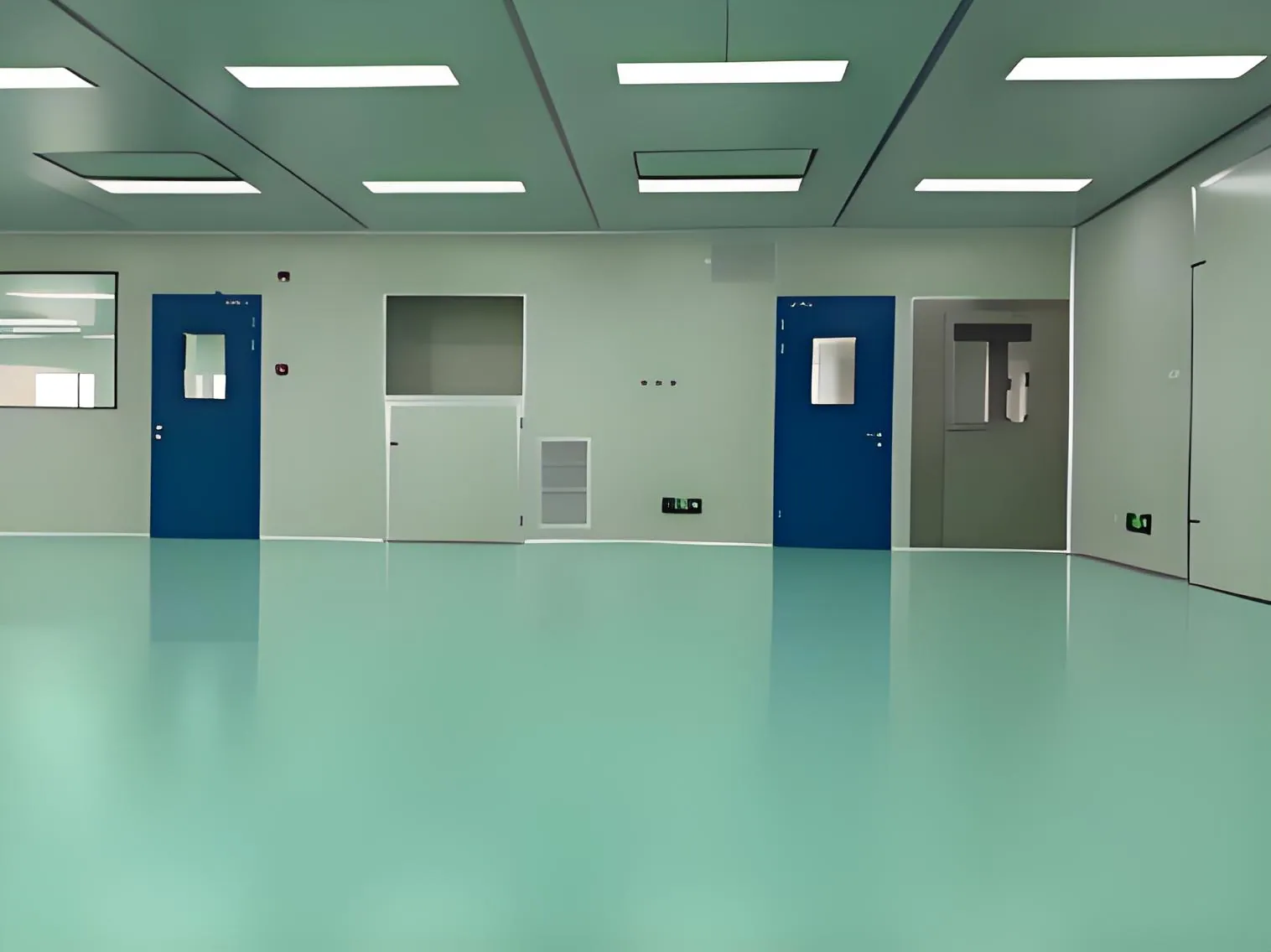
Panel skins are frequently constructed from powder-coated galvanized steel, stainless steel (SUS 304 or 316L for corrosive pharmaceutical environments), or anti-static PVC. Every joint between wall panels, ceilings, and floors is finished with flush, coved aluminum or PVC extrusions, creating a continuous, wipeable radius that eliminates 90-degree dead zones.
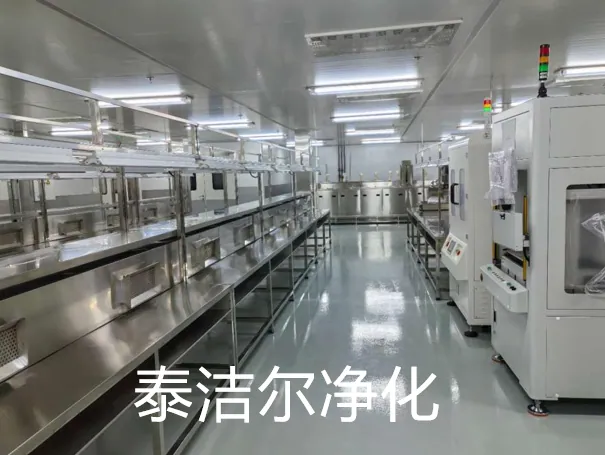
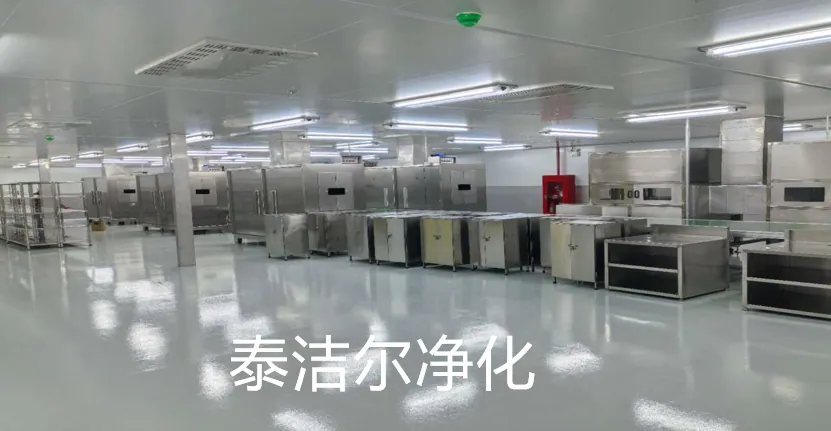
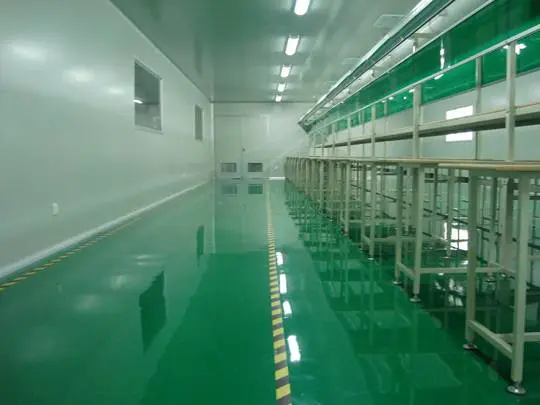
Flooring must withstand heavy rolling loads while contributing to the overall contamination control strategy. Monolithic self-leveling epoxy resins and polyurethane screeds provide a seamless, non-porous surface. In microelectronics assembly, Electrostatic Discharge (ESD) is a primary threat. An uncontrolled static spark can destroy sensitive integrated circuits instantly, and static charges attract airborne dust to product surfaces. Engineers mitigate this by installing conductive PVC vinyl tiles or dissipative epoxy systems grounded via a grid of copper tape beneath the adhesive layer, maintaining a surface resistance between 10^6 and 10^9 ohms.
Designing a facility on paper is vastly different from maintaining its parameters during continuous 24/7 production. Facility managers routinely encounter operational bottlenecks that compromise environmental stability and inflate overhead costs. Addressing these issues requires proactive engineering solutions integrated during the design phase.
Cleanrooms are notoriously energy-intensive, often consuming 10 to 30 times more power per square meter than standard commercial office buildings. This massive load stems from the continuous operation of high-static-pressure fans and the simultaneous cooling and reheating required for precise dehumidification.
To combat exorbitant utility expenses, modern engineering utilizes Variable Frequency Drives (VFDs) linked to real-time particle counters and differential pressure sensors. During non-operational shifts ("at-rest" state), the BMS automatically scales back FFU fan speeds and MAU intake volumes, reducing ACH by up to 50% while maintaining a baseline positive pressure cascade. Incorporating heat pipe recovery loops and enthalpy wheels in the exhaust stream captures thermal energy from outgoing air to pre-condition incoming fresh air, drastically reducing chiller and boiler loads.
A common failure mode in multi-room facilities is the reversal of airflow when doors are opened, allowing contaminants from lower-classified corridors to rush into critical processing zones. Maintaining a strict pressure differential—typically 10 to 15 Pascals between adjacent zones of differing classifications—is mandatory.
Engineers prevent pressure collapse by designing airlocks (Personnel Airlocks - PAL, and Material Airlocks - MAL) equipped with electromagnetic interlocking doors. These systems ensure that two doors in a sequence cannot be opened simultaneously. High-speed roll-up doors for material transfer bays minimize the duration of the opening, while automated motorized dampers in the return air ducts dynamically adjust within milliseconds to compensate for sudden pressure drops when a door is breached.
Fluctuations in relative humidity (RH) can ruin hygroscopic pharmaceutical powders, cause photoresist defects in lithography, or accelerate corrosion on exposed metallic sub-assemblies. Standard cooling coils often struggle to maintain tight tolerances (e.g., 45% RH ± 3%) when external weather conditions shift rapidly.
For ultra-low humidity requirements, such as lithium-ion battery dry rooms where dew points must drop below -40°C, traditional mechanical refrigeration is insufficient. In these scenarios, engineers deploy rotary desiccant dehumidifiers. These systems utilize a honeycomb wheel impregnated with silica gel or molecular sieve materials to adsorb moisture directly from the air stream, regenerated continuously by a heated exhaust loop. TAI JIE ER integrates these advanced psychrometric controls directly into custom HVAC skids to guarantee unwavering environmental stability regardless of ambient climate extremes.
Different manufacturing sectors prioritize distinct environmental variables. While one industry focuses solely on inert particulate counts, another must simultaneously manage viable biological organisms and toxic chemical vapors.
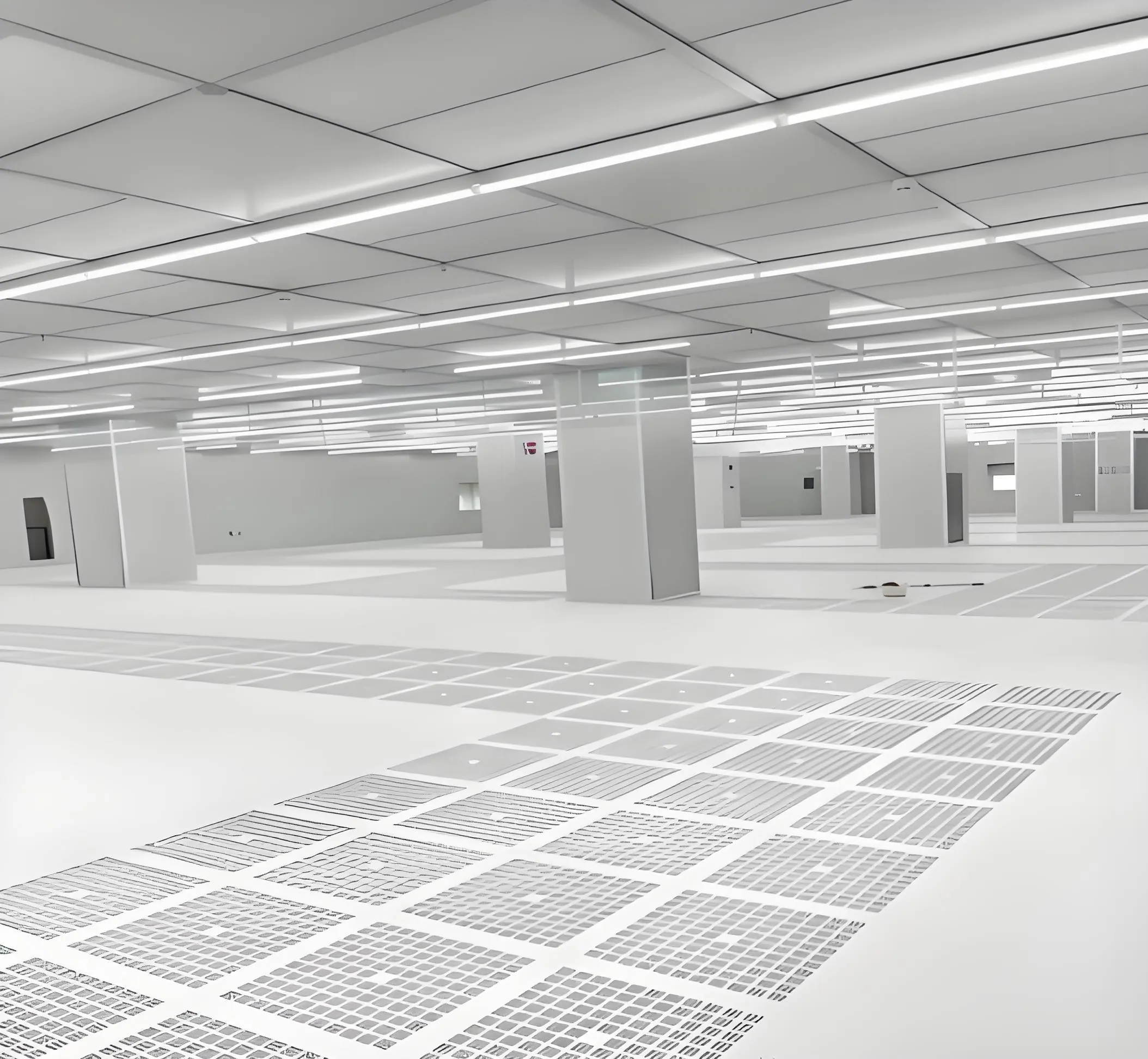
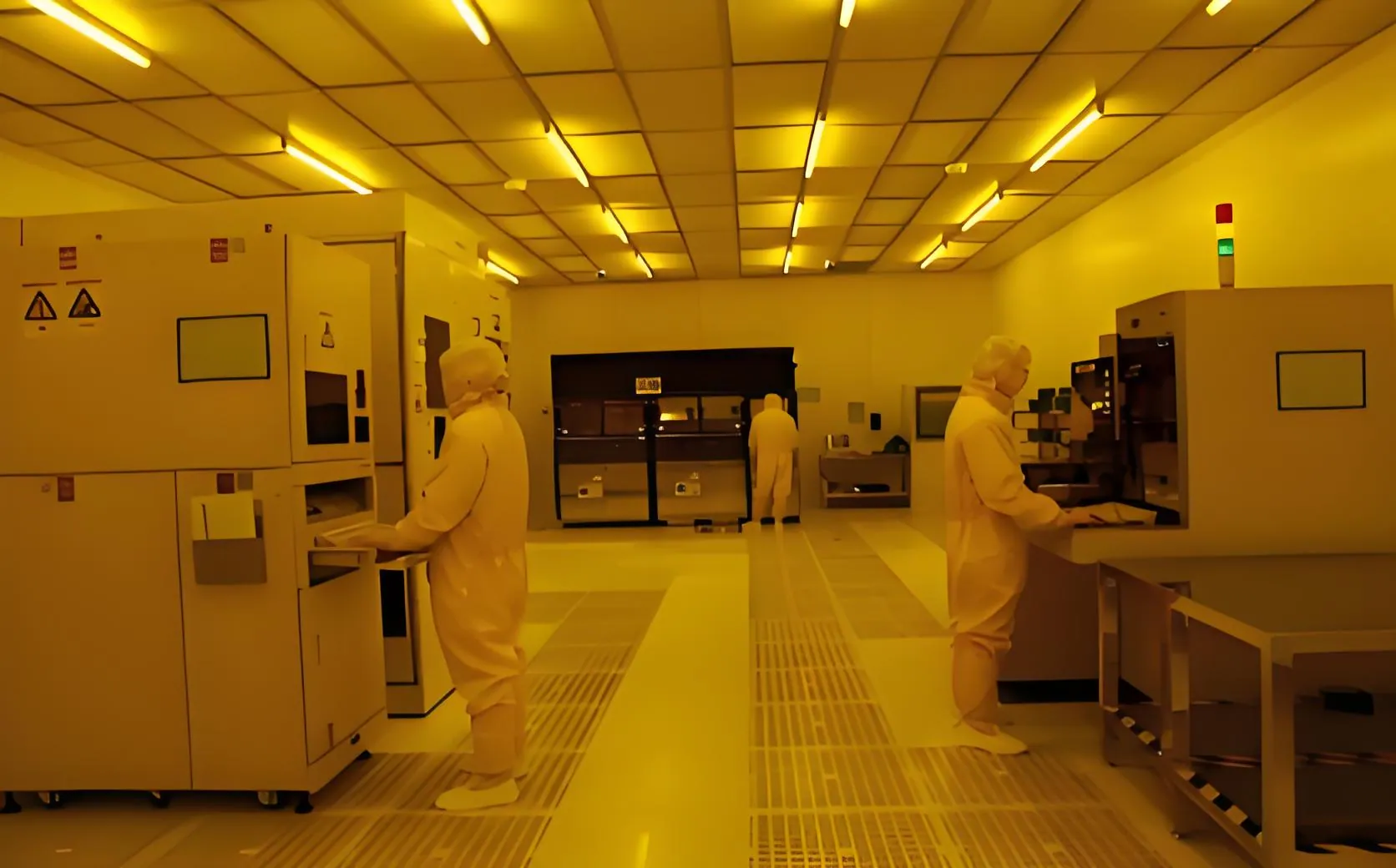
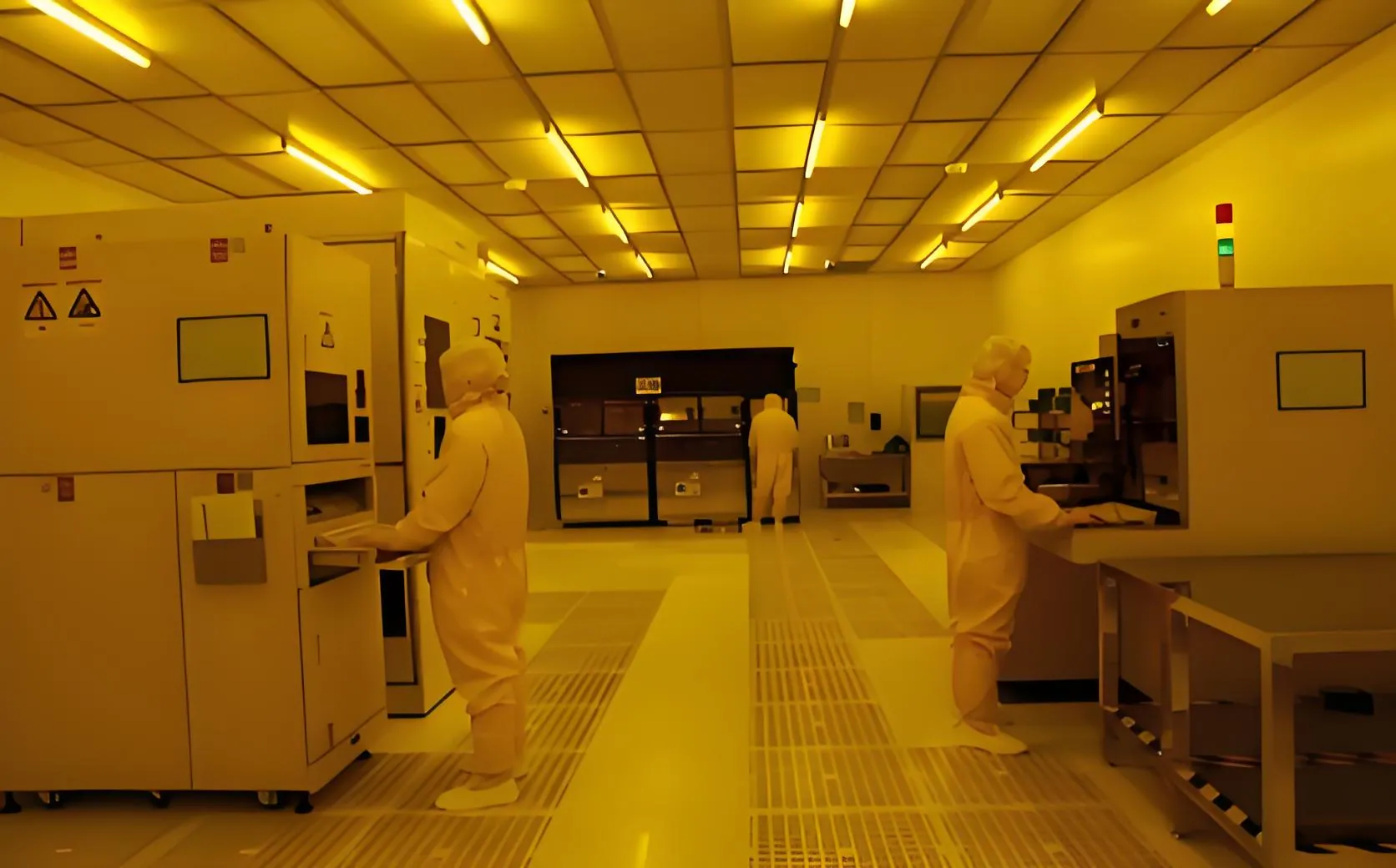
In wafer fabrication and SMT (Surface Mount Technology) lines, the primary adversaries are sub-micron particles, Airborne Molecular Contamination (AMC), and electrostatic charges. Facilities are often constructed using a ballroom layout with a raised perforated floor and a deep sub-fab basement to ensure true vertical laminar flow. Chemical filtration (activated carbon or potassium permanganate) is added to the air handling units to scrub volatile organic compounds (VOCs) and acidic gases that could cause crystal growth on silicon wafers. Lighting systems utilize specialized yellow LED tubes that block UV wavelengths below 500 nanometers, preventing the premature exposure of photosensitive polymers during photolithography.
Regulated by strict Good Manufacturing Practice (GMP) guidelines, life science facilities prioritize the control of viable (living) microorganisms alongside non-viable particulates. Materials of construction must endure aggressive, daily VHP (Vaporized Hydrogen Peroxide) or sporicidal wipe-downs without degrading. HVAC systems in biotech applications frequently employ 100% single-pass (once-through) air in areas handling potent compounds or viral vectors to eliminate any possibility of cross-contamination via return ductwork. In sterile compounding, the environment is segmented into Grade A, B, C, and D zones, utilizing Restricted Access Barrier Systems (RABS) or fully sealed isolators for the most critical aseptic fill-and-finish operations.
Manufacturing satellite components, laser gyroscopes, and high-grade optical lenses requires a dust-free workshop that also isolates the process from micro-vibrations. Heavy HVAC equipment, chillers, and pumps are mounted on inertia bases with spring isolators, separated entirely from the structural slab of the cleanroom. Ductwork connections utilize flexible canvas joints to prevent mechanical resonance from traveling into the ceiling grid, ensuring that laser interferometers and coordinate measuring machines (CMMs) operate without vibrational distortion.
Constructing the facility is only the precursor to a rigorous qualification phase. Before any production equipment is cleared for operation, the environment must undergo comprehensive validation protocols, categorized into Installation Qualification (IQ), Operational Qualification (OQ), and Performance Qualification (PQ).
Long-term maintenance relies heavily on the Building Management System (BMS) and Environmental Monitoring System (EMS). Magnehelic gauges or digital pressure transmitters continuously monitor the pressure drop across pre-filters (G4/F8) and terminal HEPA filters (H13/H14). As filters load with particulates over time, resistance increases. While variable speed fans automatically ramp up RPMs to maintain constant airflow volume, filters must be replaced once they reach double their initial clean pressure drop (typically around 250 to 450 Pascals for HEPAs) to prevent structural blowout and excessive motor amperage draw.
Calculating ACH depends on the target ISO classification, the internal heat load generated by process machinery, and the density of human operators. Engineers use the formula: ACH = (Total CFM × 60) / Room Volume. While an ISO Class 8 room might require 15 to 25 ACH, an ISO Class 5 environment demands 240 to 600 ACH. However, modern engineering shifts away from rigid ACH tables, focusing instead on calculating the exact particulate generation rate of the equipment and personnel, then sizing the airflow volume to dilute and remove that specific load efficiently.
Both filters utilize a dense mat of randomly arranged borosilicate microfibers to capture particles via interception, impaction, and diffusion. The distinction lies in their efficiency ratings and target particle sizes. A standard H14 HEPA filter captures 99.995% of particles at the Most Penetrating Particle Size (MPPS), typically around 0.3 microns. A U15 or U16 ULPA filter captures 99.9995% to 99.99995% of particles down to 0.12 microns. Because ULPA media is denser, it induces a higher static pressure drop, requiring more fan horsepower and increasing operational energy costs.
Retrofitting a legacy structure requires careful assessment of the existing slab flatness, roof load capacity, and clear ceiling height. Because a cleanroom requires an interstitial plenum space above the ceiling grid to house ductwork, FFUs, and utilities, a minimum clear height of 4 to 4.5 meters in the host building is generally necessary to achieve a standard 2.7-meter internal cleanroom ceiling. If the existing roof trusses cannot support the suspended weight of modular ceiling panels and mechanical equipment, engineers construct an independent, self-supporting structural steel portal frame inside the warehouse to carry the load.
While positive pressure (where supply air volume exceeds exhaust air volume) is the standard for protecting products from external dust in electronics and general manufacturing, it is hazardous when handling toxic, radiological, or biohazardous materials. In pharmaceutical potent compound mixing, oncology drug manufacturing, or BSL-3 laboratories, engineers design negative pressure rooms. By exhausting more air than is supplied, the room draws air inward from surrounding corridors, ensuring that deadly pathogens or toxic powders cannot escape into the broader facility. These rooms utilize specialized Bag-In/Bag-Out (BIBO) filter housings to safely change contaminated exhaust filters without exposing maintenance personnel.
Human operators are the single largest source of contamination in any controlled environment, shedding millions of skin cells and fabric fibers daily. Situated between the gowning room and the main production floor, an air shower acts as a mechanical scrubbing chamber. Once an operator dressed in a non-linting bunny suit steps inside, high-velocity jets of HEPA-filtered air (moving at 20 to 25 meters per second) blast the garment from multiple angles for 15 to 30 seconds. This high-shear airflow dislodges loosely attached particulates from the suit's surface, sucking them through floor-level return grilles before the interlocking exit door permits entry into the clean zone.
Designing, constructing, and validating a high-performance dust-free workshop requires a multidisciplinary mastery of aerodynamics, thermodynamics, and material science. Whether your project involves a modular ISO Class 8 assembly zone or a turnkey ISO Class 5 semiconductor fabrication facility, the architectural and mechanical decisions made during the schematic phase will dictate your operational efficiency and product yield for decades.
To ensure your facility meets international regulatory standards while optimizing energy consumption and capital expenditure, collaborate with a proven engineering partner. Contact the technical team at TAI JIE ER today to submit your project specifications, request a comprehensive HVAC load calculation, or schedule an in-depth consultation for your upcoming cleanroom construction project.